

The Cannes Film Festival 2026, or the 79th Cannes International Film Festival, has come to a grand conclusion. It remains celebrated as one of the most influential and oldest film festivals in the world.
This year, the festival was enveloped in an atmosphere of rich creativity, intense competition, and groundbreaking milestones for global cinema. Acclaimed South Korean master director Park Chan-wook served as the Jury President, collaborating with a stellar lineup of filmmakers and actors from around the globe to select the finest cinematic works in the main Competition lineup.
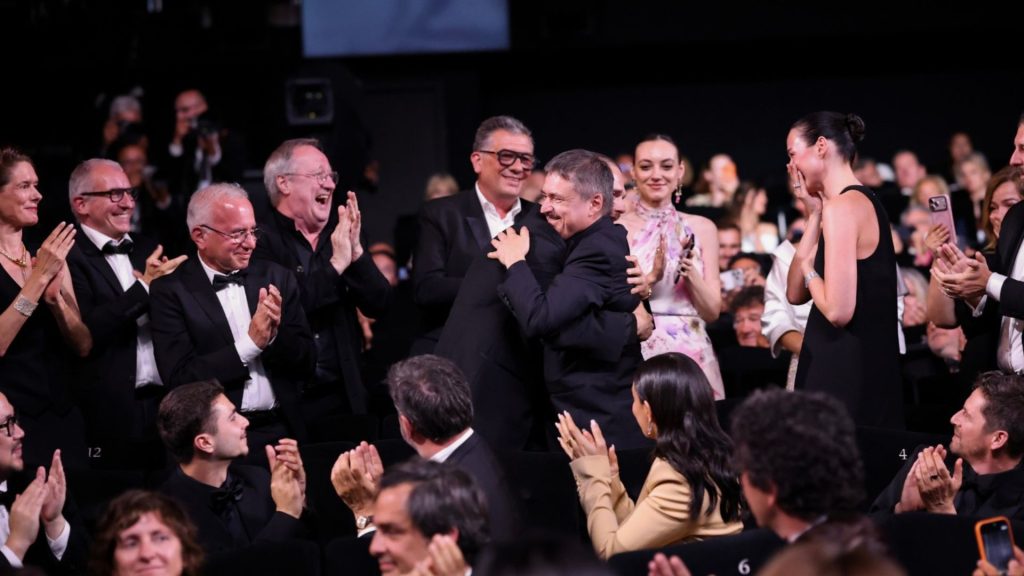
The ultimate highlight that left critics and cinephiles worldwide in awe was the historic triumph of brilliant Romanian director Cristian Mungiu. He officially entered the elite club of “Two-time Palme d’Or winners” with his very first English-language feature, “Fjord,” starring the exceptionally talented duo of Sebastian Stan and Renate Reinsve. This victory marks a monumental milestone for Mungiu, who previously captured global acclaim when he won his first Palme d’Or for the masterpiece 4 Months, 3 Weeks and 2 Days back in 2007.
Summary of Major Awards in the Official Selection (In Competition)
The judging criteria this year heavily prioritized depth of content and daring artistic presentation, a reflection of Park Chan-wook’s distinct sensibilities. Consequently, the awards were widely distributed, featuring several notable ties across major categories.
Highest Award Palme d’Or
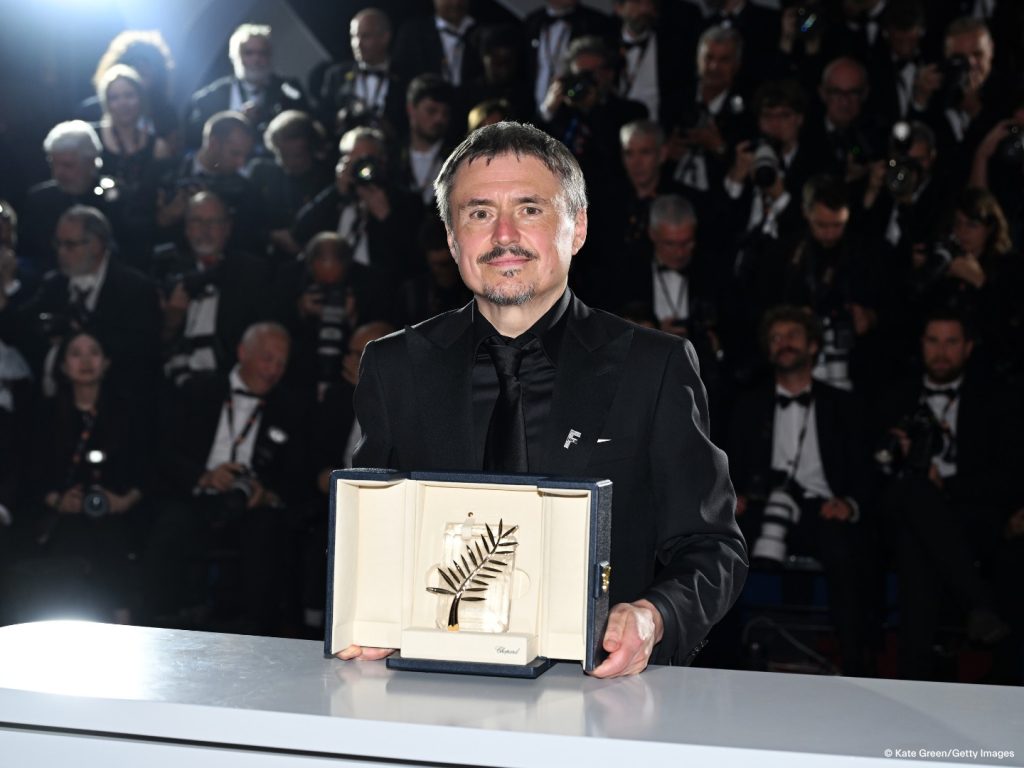
The Winner: “Fjord” by Cristian Mungiu
This drama-thriller masterfully navigates tension, a biting, cold atmosphere, and the intricate complexities of the human psyche. Mungiu seamlessly blends Eastern European cinema’s signature realism with a universal narrative structure. This flawless execution elevated Fjord into a powerful and undeniable choice for this year’s top honor.
Grand Prix Award
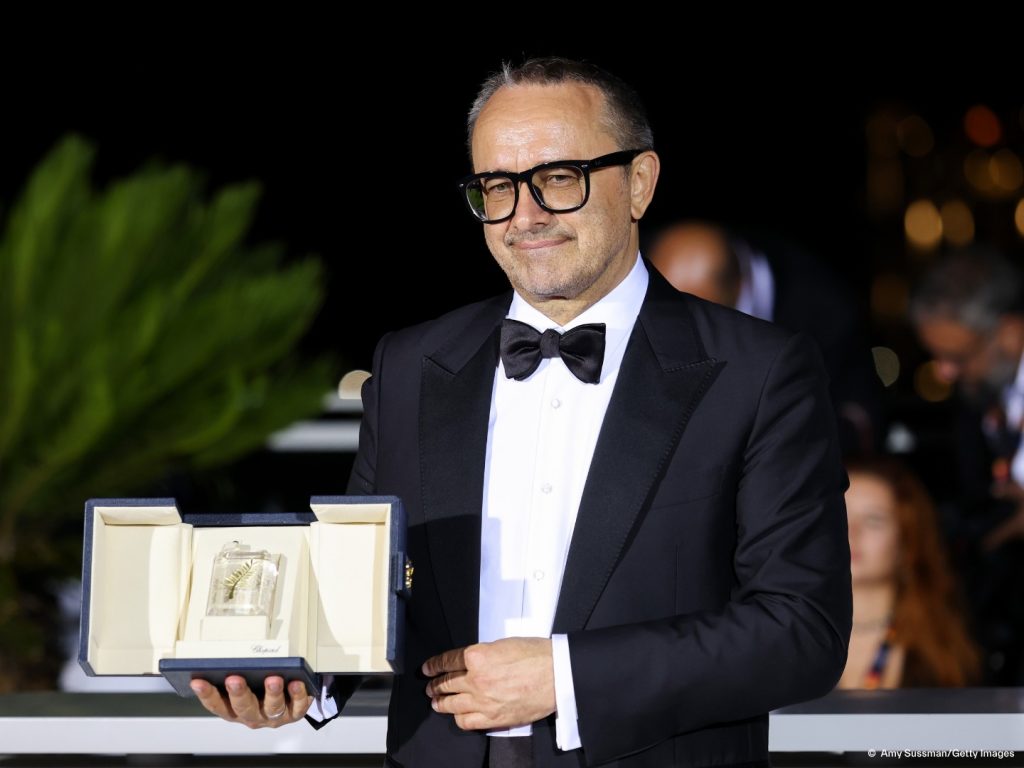
The Winner: ” Minotaur (Minotaure)” by Andrey Zvyagintsev
The first runner-up prize went to the masterful Russian director Andrey Zvyagintsev for Minotaur (Minotaure). The film continues his exploration of societal fractures, reflections of power, and personal tragedies, all brought to life through breathtakingly beautiful, painting-like cinematography set against an intensely suffocating atmosphere.
Jury Prize
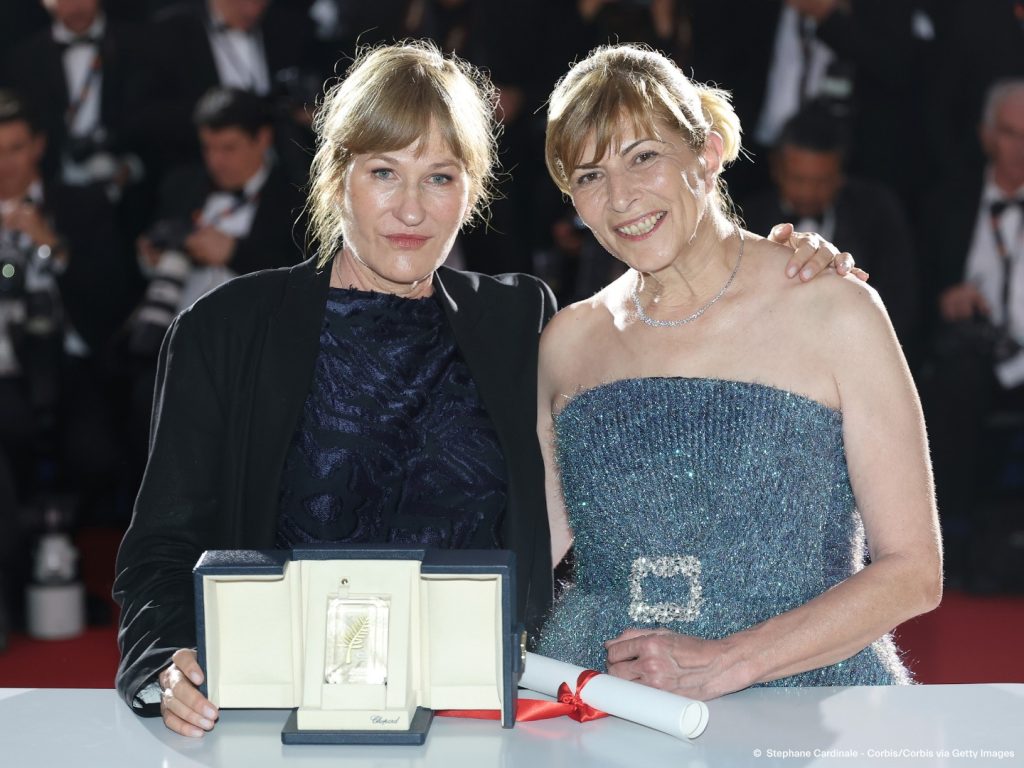
The Winner: “The Dreamed Adventure” by Valeska Grisebach
This German feature helmed by Valeska Grisebach won the hearts of the jury through its poetic storytelling. The Dreamed Adventure (Das geträumte Abenteuer) brilliantly explores deep-seated female desires through an ambitious journey.
Award for Best Director
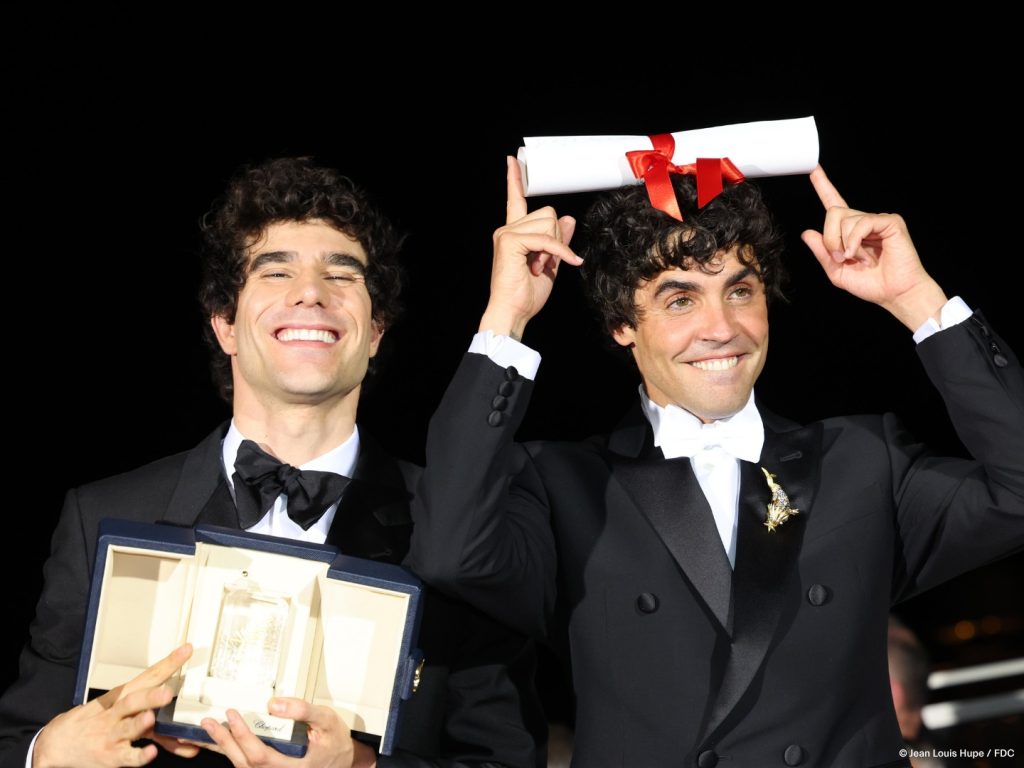
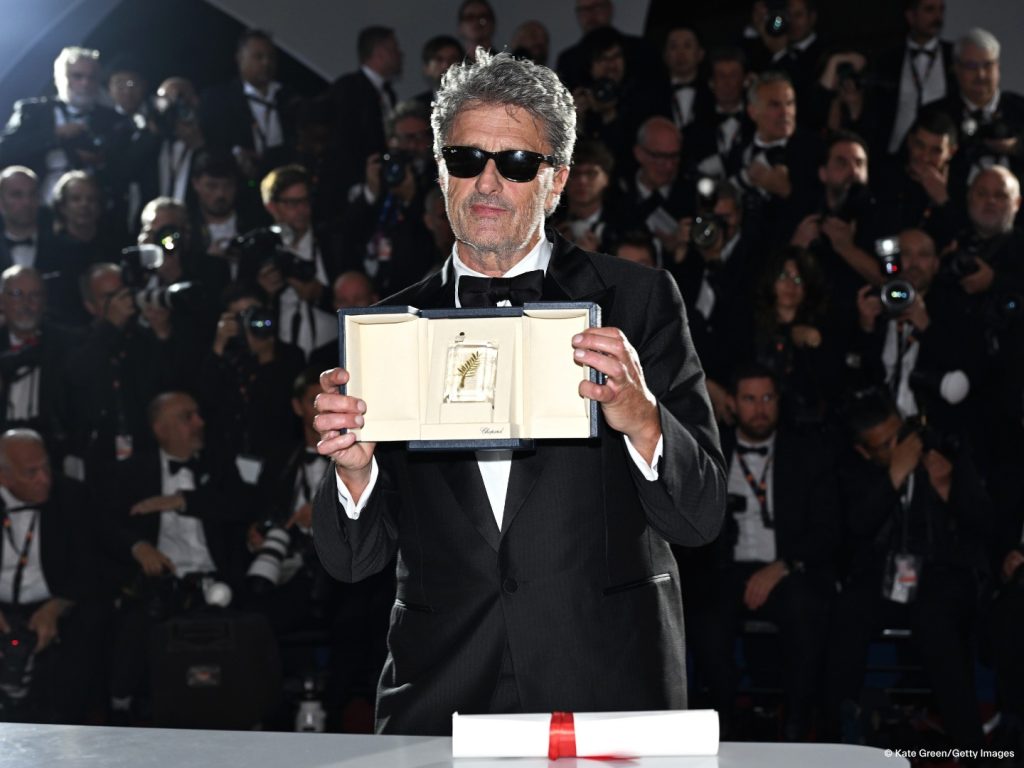
The Winner: Javier Calvo & Javier Ambrossi and Paweł Pawlikowski
This year, the jury decided to split the Best Director honors between two filmmaking entities with equally unmatched styles. Spanish directing duo Javier Calvo and Javier Ambrossi (widely known as Los Javis) won for The Black Ball (La Bola Negra), delivering a vibrant jolt of fresh energy and sharp social commentary. They shared the spotlight with Polish maestro Paweł Pawlikowski, whose film Fatherland stood out for its meticulous production design and flawless art direction.
Best Performance Awards (Best Actress & Best Actor)
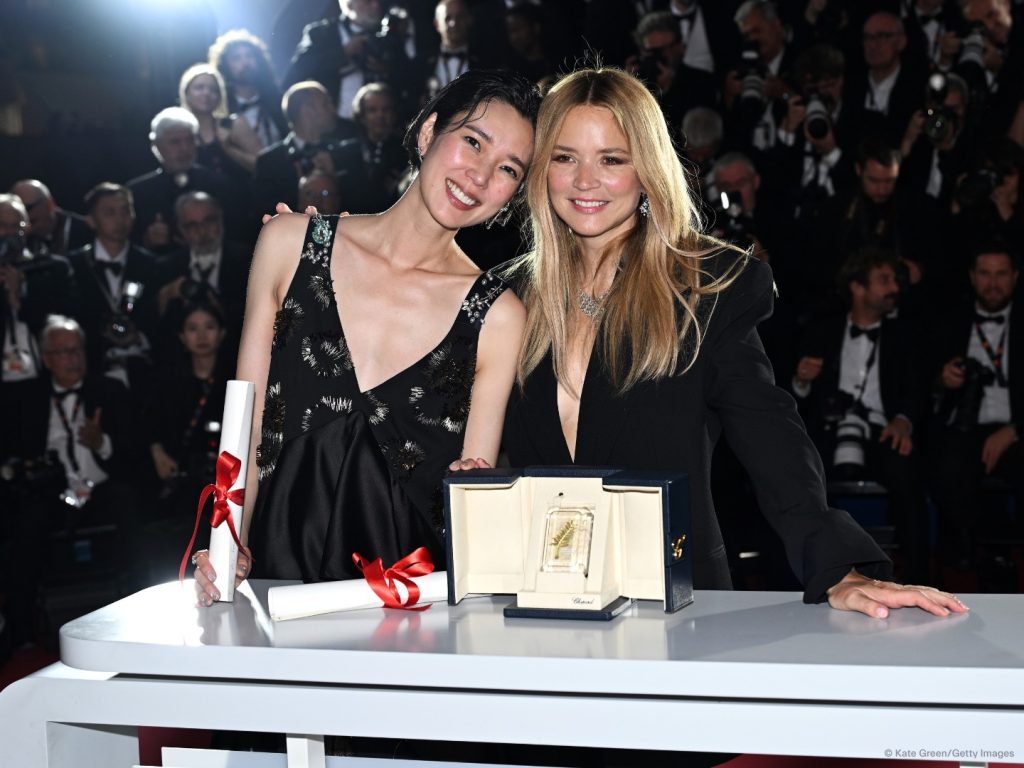
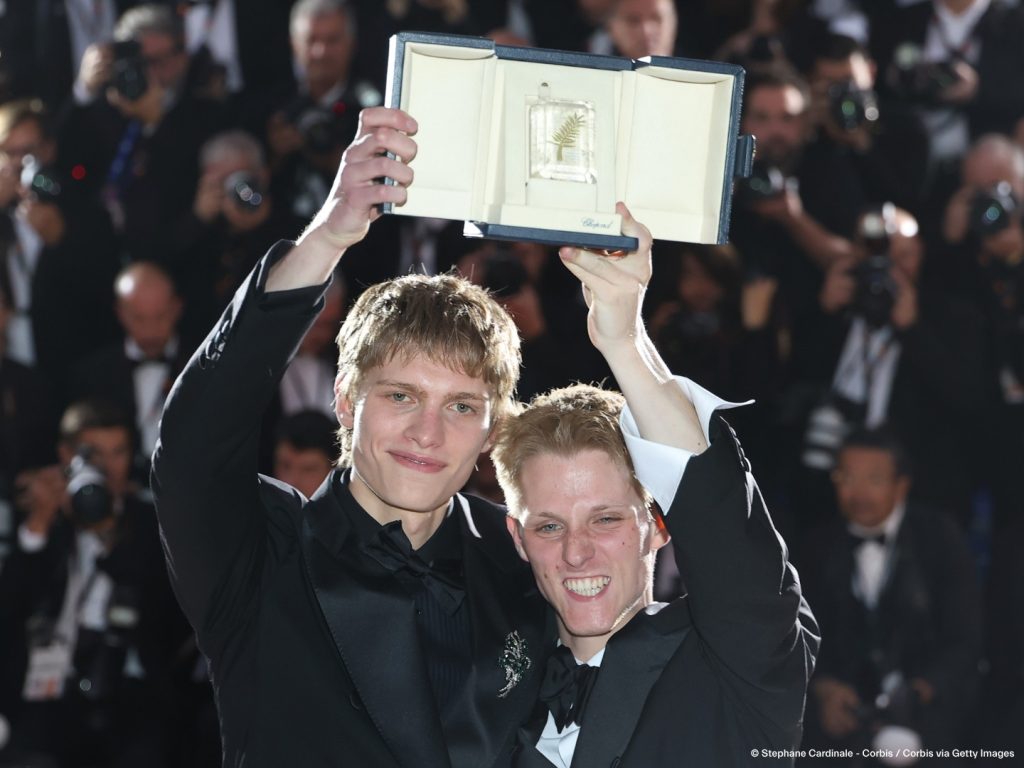
The Winner: Best Actresses Virginie Efira and Tao Okamoto (All of a Sudden / Soudain) / Best Actors Emmanuel Macchia and Valentin Campagne (Coward)
The Best Actress category was awarded jointly to iconic French actress Virginie Efira and Japanese actress Tao Okamoto, who both delivered profoundly moving performances in All of a Sudden (Soudain). Meanwhile, the Best Actor award went to rising stars Emmanuel Macchia and Valentin Campagne for their compelling work in the intense drama Coward.
Award for Best Screenplay
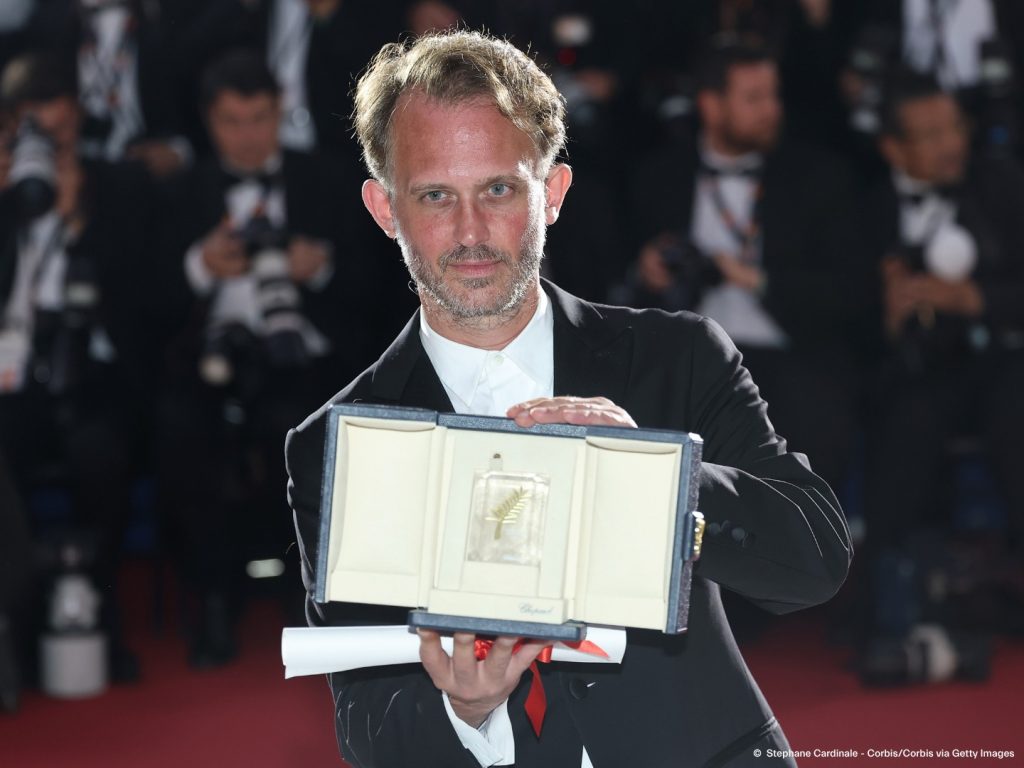
The Winner: “A Man of His Time” by Emmanuel Marre
Emmanuel Marre secured this accolade for A Man of His Time (Notre Salut). The screenplay earned high praise for being an incredibly smart, sharp, and biting social critique of the modern era, expertly laced with dark humor.
Caméra d’Or Award
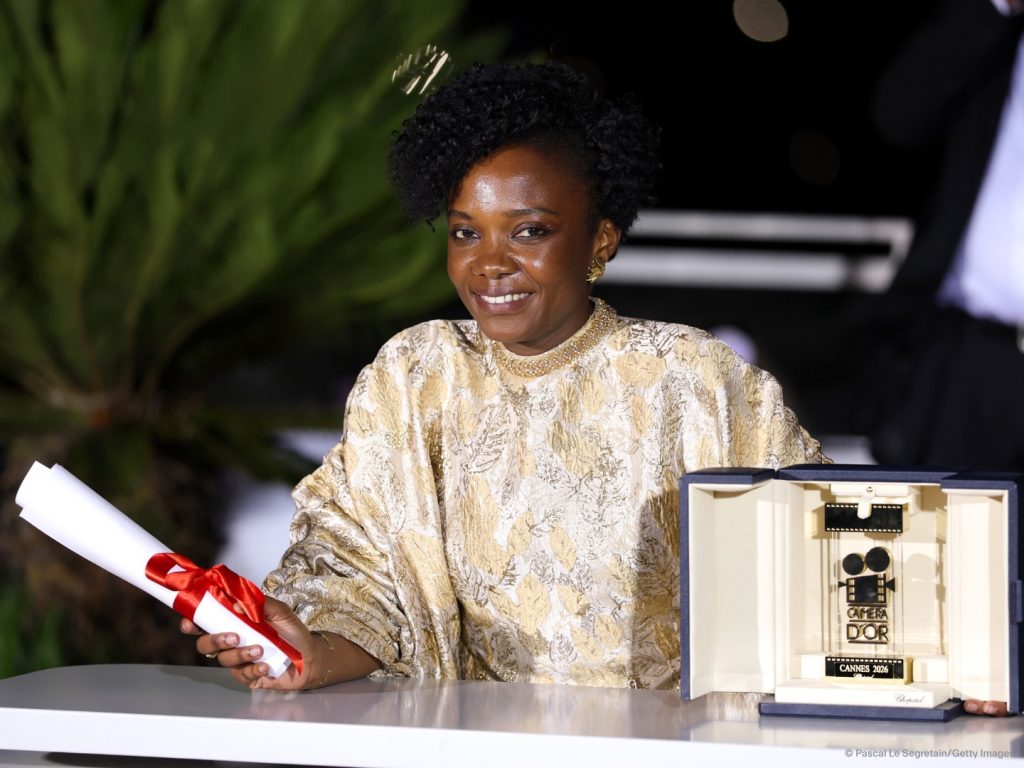
The Winner: “Ben’imana” by Marie-Clémentine Dusabejambo
Beyond the main competition, the Cannes Film Festival 2026 sent shockwaves through the global film community via its parallel sections and special awards. Most notably, the Caméra d’Or, which honors the Best First Feature, made waves this year. The prize went to Ben’imana, directed by Marie-Clémentine Dusabejambo. The project made history as the first-ever film from Rwanda to screen at Cannes, outshining its competitors to bring immense pride to its home nation. It beautifully reinforces how Cannes remains a vital platform for welcoming and championing new voices from regions often overlooked by the global film industry.
The 79th Cannes Film Festival in 2026 perfectly illustrates a borderless evolution in cinema. The fact that a world-renowned director like Cristian Mungiu pivoted to an English-language film, alongside the wide distribution of awards to talent from Spain, Poland, Rwanda, and Nepal, serves as a clear signal. “Cultural diversity” and “narrative depth” are truly the core forces driving the film industry forward today.
Credit: festival-cannes.com