

The Legacy of Justice, Compassion and Global Vision
Where Law, Humanity, and Global Leadership Converged
In the landscape of modern Thai history, there are few individuals who have successfully bridged worlds that often appear fundamentally different.
The world of law, governed by principles, structure, and the pursuit of justice.
The world of vulnerable communities, where empathy, understanding, and second chances are essential.
The world of international diplomacy, shaped by vision, dialogue, and cooperation.
And the world of national security, built upon discipline, courage, and selfless service.
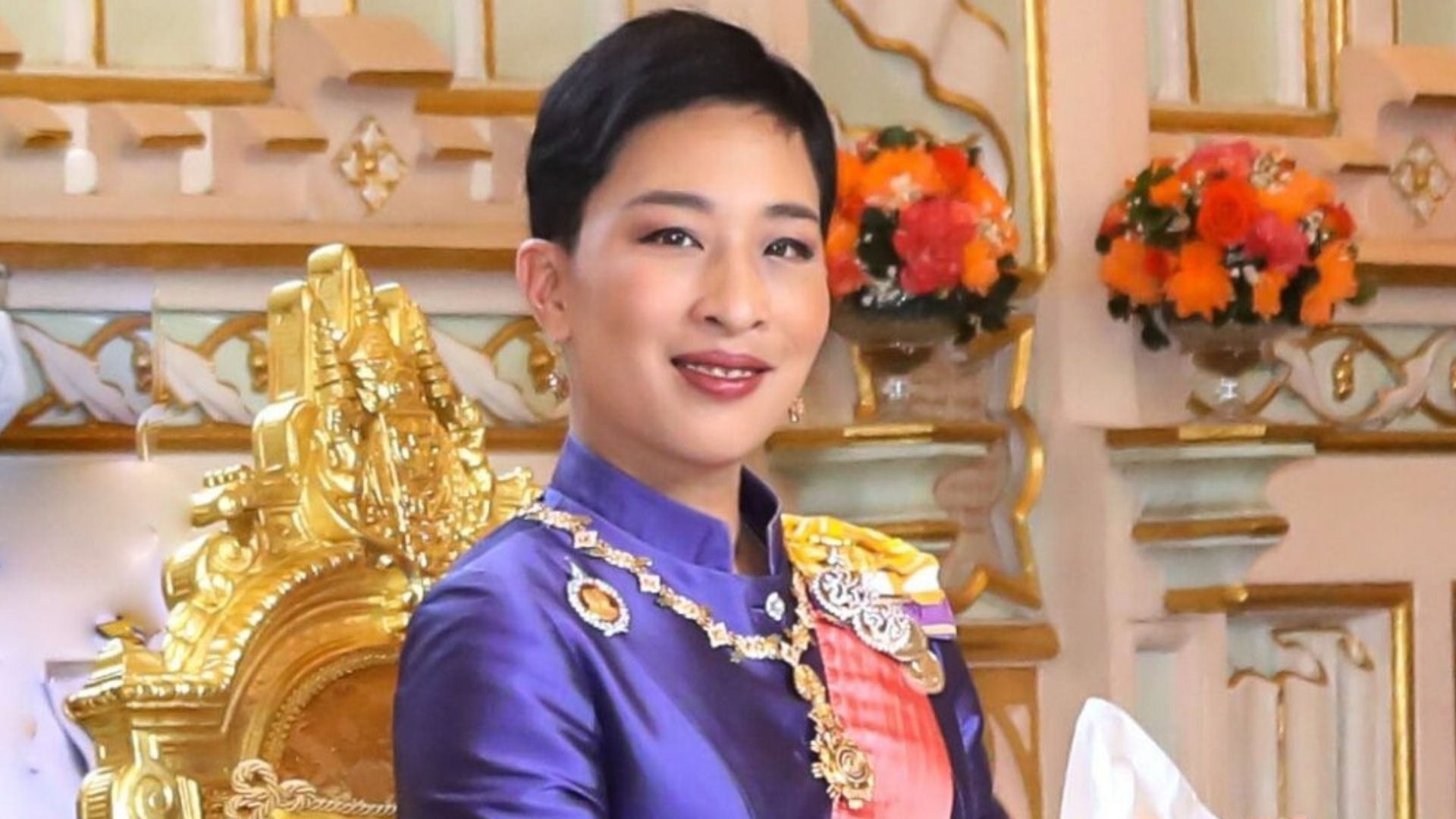
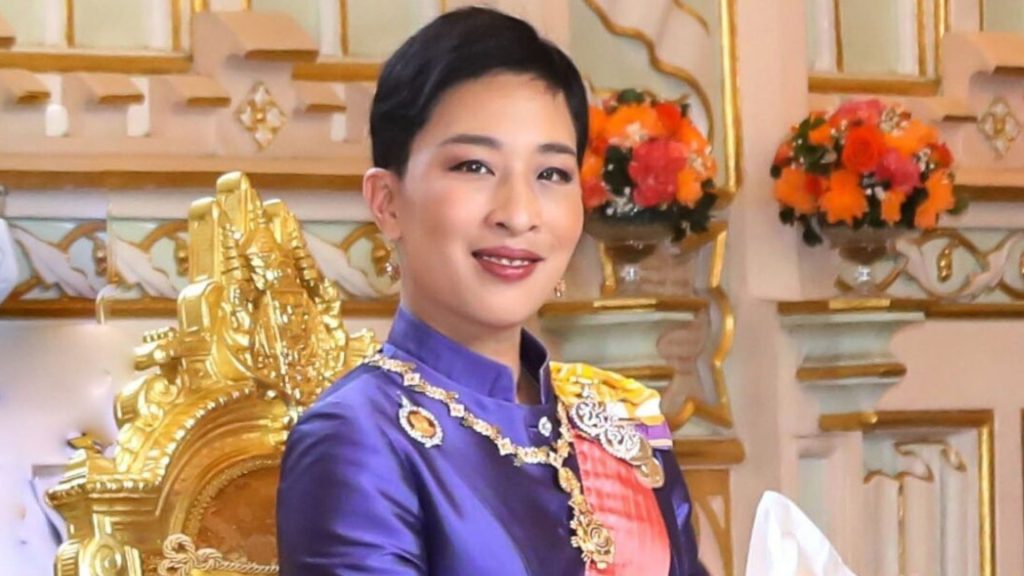
Her Royal Highness Princess Bajrakitiyabha Narendiradebyavati, Princess Rajasarini Siribajra, the King’s Daughter, was a remarkable figure who brought these worlds together through a lifetime dedicated to serving her nation and humanity.
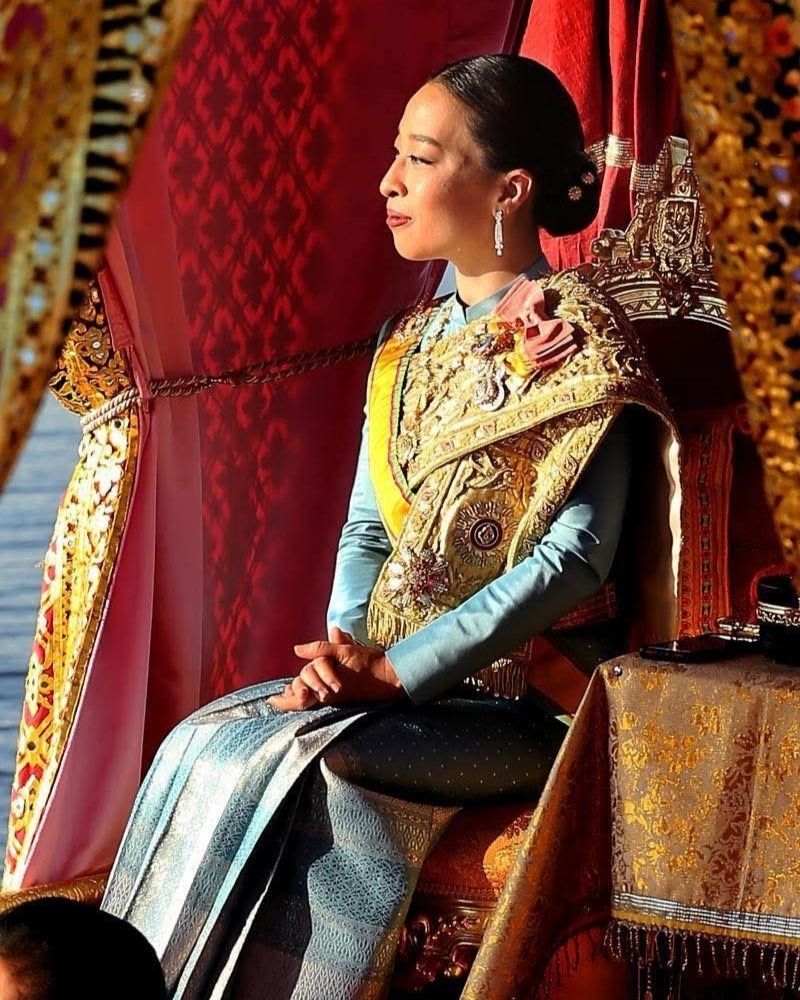
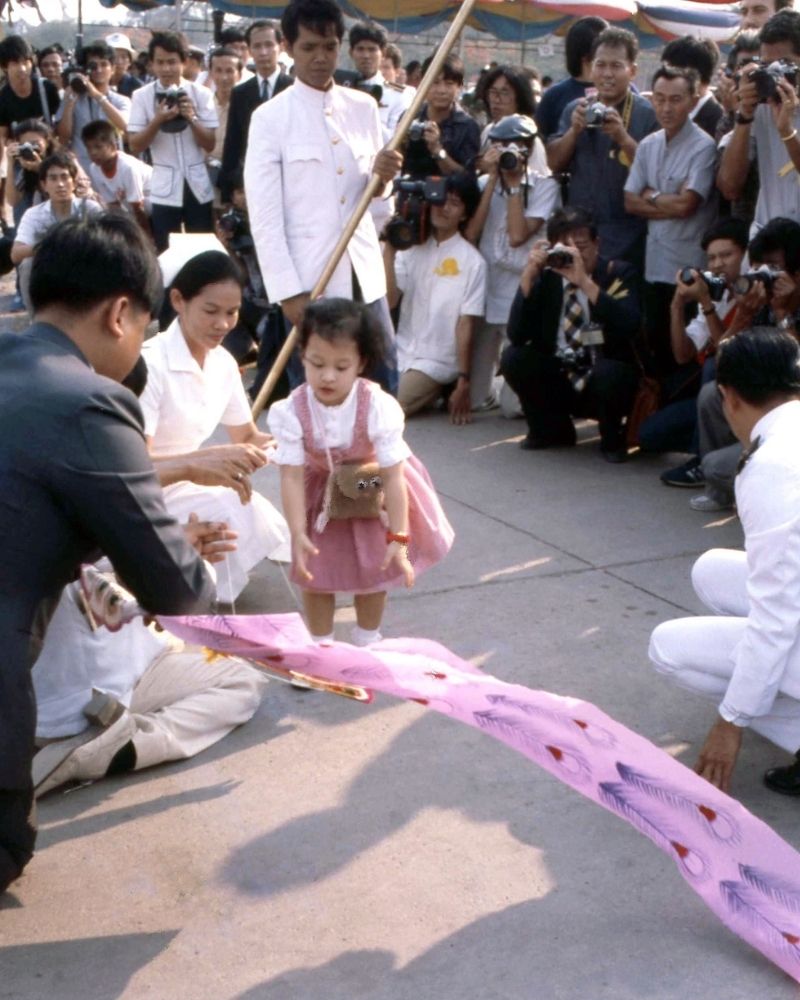
Born on 7 December 1978, she was the eldest daughter of His Majesty King Maha Vajiralongkorn and Her Royal Highness Princess Soamsawali Krom Muen Suddhanarinatha.
From an early age, she was shaped by a strong foundation of education, discipline, and a profound sense of responsibility toward society. Her humility, dedication to knowledge, and unwavering commitment to public service became qualities that defined her throughout her life.
Although she was born into Thailand’s Royal Family, her journey represented something beyond royal duty alone. It reflected the path of a modern woman who chose to use knowledge as a force for meaningful change.
Among all disciplines she embraced, law became the central language through which she pursued her lifelong commitment to justice, dignity, and human development.
THE SCHOLAR
Knowledge as the Foundation of Public Service
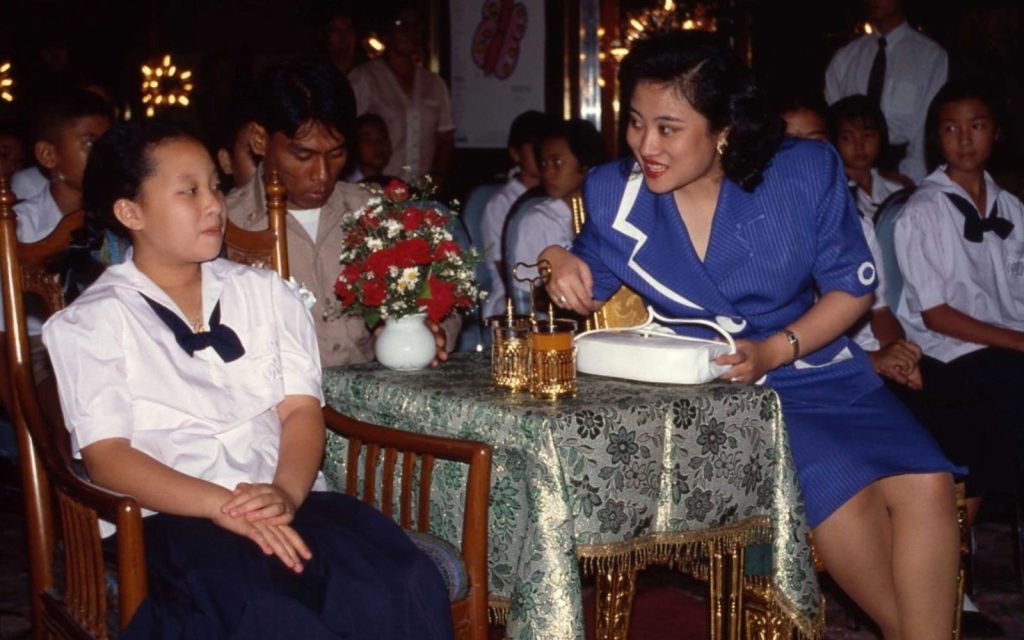
Princess Bajrakitiyabha’s journey in law began in Thailand.
She received her early education at Rajini School, where she completed kindergarten, primary education, and lower secondary studies, before continuing her upper secondary education at Chitralada School.
Her academic path reflected a deep intellectual curiosity and a commitment to understanding the structures that shape society. She later chose to pursue legal studies, a discipline that would become the foundation of her future work.
She earned her Bachelor of Laws degree from Thammasat University, one of Thailand’s most influential institutions in legal and political thought.
Determined to broaden her understanding beyond national boundaries, she pursued advanced legal studies at Cornell University in the United States, obtaining both her master’s and doctoral degrees in law, while simultaneously completing legal training with the Institute of Legal Education of the Thai Bar under the Royal Patronage.
This rare combination of Thai legal education and international legal scholarship gave her a perspective that connected the rule of law, human rights, and the evolving challenges of the modern world.
Yet what made her academic achievements truly significant was not the degrees she earned, but the way she transformed knowledge into action.
For Princess Bajrakitiyabha, law was never merely a collection of statutes and legal texts. It was a living instrument capable of protecting human dignity, creating opportunities, and building a more just society.

THE LAWYER
When Justice Extended Beyond the Courtroom
Following the completion of her studies, Princess Bajrakitiyabha entered public service at the Office of the Attorney General as a public prosecutor.
Her work within the criminal justice system exposed her to the human realities hidden behind legal files and court procedures.
Behind every accusation, every sentence, and every criminal case were individual stories, stories shaped by family circumstances, economic hardship, social inequality, and missed opportunities.
This experience deeply influenced her understanding of justice.
She believed that true justice could not be measured solely by punishment. A complete justice system must also include rehabilitation, healing, and the restoration of human dignity.
Her commitment to “justice in all dimensions” particularly focused on vulnerable groups, especially women prisoners, children, and young people whose circumstances required greater understanding and support.
This philosophy became the foundation of her lifelong efforts to transform the justice system from one that merely imposes consequences into one that creates possibilities for renewal.
It was this vision that would later develop into some of her most influential social reforms, efforts that would ultimately bring Thailand’s approach to justice onto the international stage.

THE REFORMER
Seeing a Prisoner Not Only Through a Crime, But Through Humanity
One of the most profound questions facing modern criminal justice is not merely:
“What punishment should be given to those who have broken the law?”
The deeper question is:
“How can society create a path for a human being to begin again?”
This question became one of the central principles guiding Her Royal Highness Princess Bajrakitiyabha’s lifelong dedication to justice.
Through her experience as a legal practitioner and her close engagement with the criminal justice system, she understood that prisoners, particularly women and young offenders, should never be viewed solely through the lens of their offences.
Behind every conviction lies a human story: a story of family circumstances, poverty, limited opportunities, trauma, and social conditions that often shape the paths people take in life.
Many women prisoners, in particular, carry burdens that are distinct from those of male inmates. Many are mothers and primary caregivers; others have experienced domestic violence, economic hardship, or other forms of vulnerability before entering the criminal justice system.
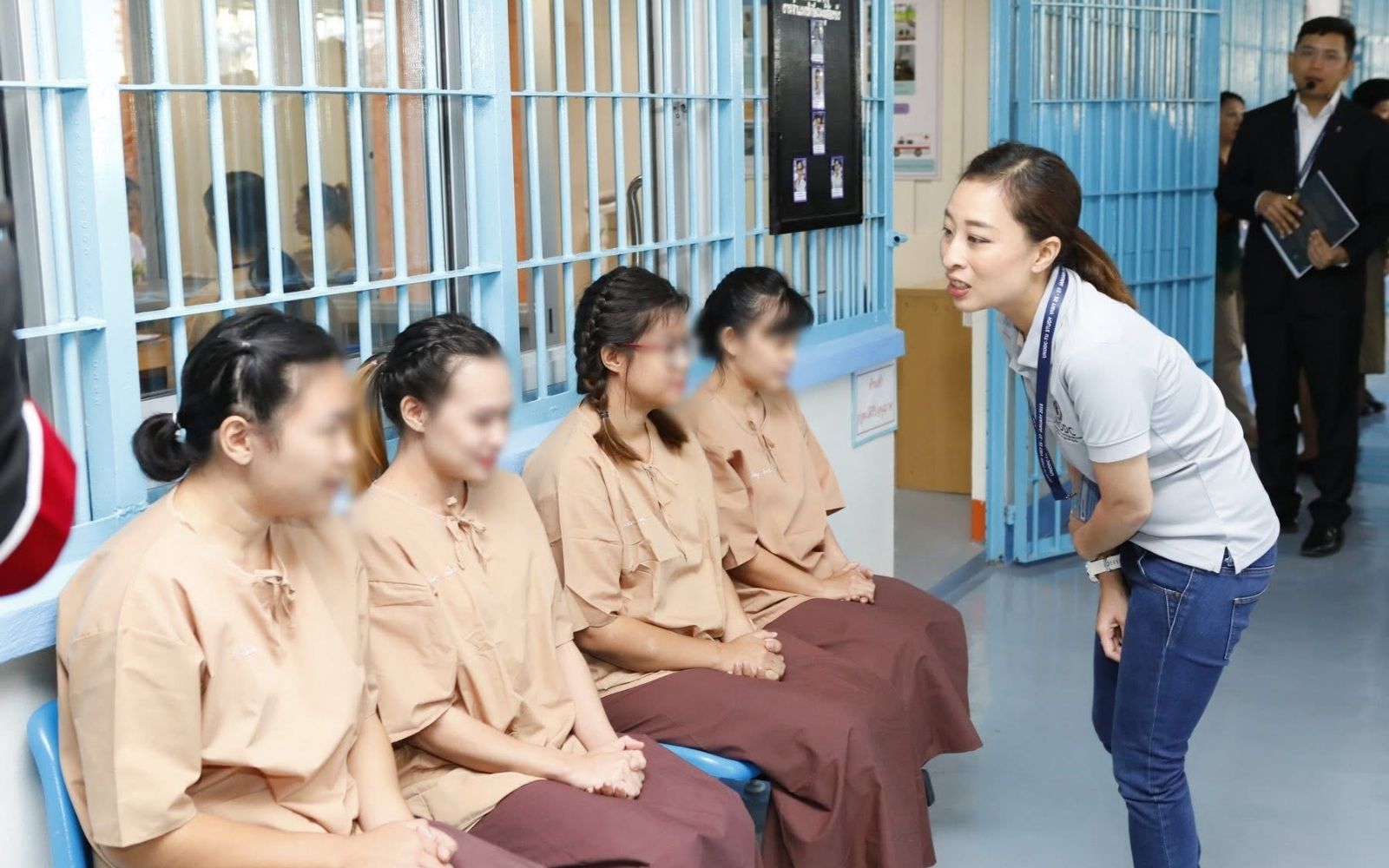
With the belief that punishment without rehabilitation can never lead to complete justice, Princess Bajrakitiyabha initiated the Kamlangjai Project, a royal initiative dedicated to improving the quality of life of prisoners, especially female inmates and children living with incarcerated mothers, while preparing inmates for their successful return to society.
The project went far beyond improving living conditions inside correctional facilities. It promoted education, vocational training, physical and mental healthcare, emotional support, and opportunities that would allow former inmates to rebuild their lives with dignity.
In doing so, the Kamlangjai Project challenged conventional perceptions of prisoners. Rather than defining people solely by their mistakes, it emphasized their capacity to change, grow, and contribute to society once again.
In many ways, the project represented a new interpretation of justice, one that asked not only how society should respond to wrongdoing, but how it could prevent repeated cycles of exclusion and create pathways toward restoration.
True justice, according to this philosophy, is not achieved only when a sentence has been served. It is achieved when a person is given the opportunity to reclaim dignity, purpose, and a place within society.
THE HUMANITARIAN
Compassion Beyond the Walls of a Prison
Although Princess Bajrakitiyabha’s work in criminal justice remains among her most recognized contributions, her philosophy of seeing the value of every human being extended far beyond prisons and courtrooms.
Her compassion reached communities affected by hardship, natural disasters, and social vulnerability throughout Thailand.
As Chairperson of the Friends in Need (of “Pa”) Volunteers Foundation of the Thai Red Cross Society, she played a significant role in developing comprehensive assistance for communities affected by natural disasters.
Whether responding to major floods, droughts, or other crises, the Foundation’s mission extended beyond emergency relief. It sought to help people rebuild their lives, strengthen communities, and restore long-term stability.
This approach reflected the same philosophy found throughout her work in justice.
The purpose of helping others was not merely to relieve immediate suffering, but to restore their ability to stand independently once again.
Whether it was a woman prisoner seeking a second chance, a child born into difficult circumstances, or a family that had lost everything in a natural disaster, Princess Bajrakitiyabha viewed them not through the limitations of their situations, but through their potential to move forward.
Her humanitarian work revealed a consistent belief that ran throughout all aspects of her public service:
Compassion must be accompanied by opportunity.
In a world that often separates the strong from the weak, the successful from those who have fallen behind, she demonstrated that a compassionate society does not ask who deserves to be helped.
Instead, it creates systems that allow every person the possibility of standing again.
FROM COMPASSION TO A GLOBAL MOVEMENT
When an Idea Born in Thailand Changed International Justice
The work Princess Bajrakitiyabha began inside Thai prisons did not remain a national initiative.
Her understanding of the unique realities faced by women in the criminal justice system became the foundation of a global conversation that eventually led to the establishment of the United Nations Rules for the Treatment of Women Prisoners and Non-custodial Measures for Women Offenders, widely known as the Bangkok Rules.
Before the adoption of the Bangkok Rules, correctional systems around the world often applied standards designed without sufficient consideration of women’s specific physical, social, and psychological needs.
Issues related to pregnancy, motherhood, healthcare, previous experiences of violence, mental health, and reintegration into society were frequently overlooked.
Through the principles championed by Princess Bajrakitiyabha, the international community began to recognize that justice must consider differences in lived experiences and that equality does not always mean treating everyone in exactly the same way.
In 2010, the Bangkok Rules were officially adopted by the United Nations General Assembly, marking a historic moment not only for Thailand but also for global human rights and criminal justice.
The significance of the Bangkok Rules extends far beyond being an international legal instrument.
They represent a shift in how the world understands justice, from a system focused solely on control and punishment to one that recognizes dignity, rehabilitation, and humanity.
From a prison in Thailand to the halls of the United Nations, a simple yet profound belief travelled across borders:
Every person deserves to be seen first as a human being.

THE DIPLOMAT
When Thailand’s Voice Became a Universal Language of Justice
In international relations, the influence of a nation is not measured solely by the size of its economy, the strength of its military, or its political power. It is also measured by its ability to contribute ideas and values that serve humanity as a whole.
Her Royal Highness Princess Bajrakitiyabha Narendiradebyavati was one of the figures who elevated Thailand’s presence in this sphere. Through her legal expertise, practical experience within the justice system, and deep understanding of women and vulnerable communities, she transformed national experiences into a meaningful international dialogue.
Among her most internationally recognized achievements was her role in advancing the United Nations Rules for the Treatment of Women Prisoners and Non-custodial Measures for Women Offenders, known worldwide as the Bangkok Rules, which were adopted by the United Nations General Assembly in 2010.
The Bangkok Rules represented a historic shift in international criminal justice. For decades, correctional systems around the world had largely been designed around standards that did not fully recognize the distinct realities faced by women.
Issues such as pregnancy, motherhood, healthcare, experiences of violence, psychological well-being, and reintegration after imprisonment became essential parts of a new global understanding of justice.
Through her vision, Thailand did not merely adopt international standards; it helped shape them.
The Bangkok Rules became a symbol of how an idea born from compassion, legal understanding, and close engagement with vulnerable communities could transcend borders and become a shared principle of the international community.
Her diplomatic contributions extended beyond the Bangkok Rules. Princess Bajrakitiyabha served as the Ambassador of Thailand to the Republic of Austria and Permanent Representative of Thailand to international organizations in Vienna, where she represented Thailand in global discussions involving law, crime prevention, international cooperation, and human rights.
She was later appointed as a UNODC Goodwill Ambassador, reflecting international recognition of her dedication to justice, humanitarian values, and the protection of vulnerable groups.
In every diplomatic role she assumed, she demonstrated that diplomacy is not merely the art of negotiations between states. It is also the ability to transform national experiences into global solutions and to turn compassion into a universal language.
GLOBAL RECOGNITION
When a Life of Service Earned the Respect of the World
The significance of Princess Bajrakitiyabha’s work was reflected not only in the lives she transformed but also in the international recognition she received.
Her contributions to human rights, the advancement of women, and justice reform were acknowledged by organizations around the world.
Among the notable recognitions was the UNIFEM Award of Excellence, honoring her dedication to promoting women’s dignity, rights, and opportunities, particularly for women within the criminal justice system.
She also received the Model of Recognition Award, acknowledging her exemplary role in humanitarian work, social development, and the use of legal knowledge to create meaningful change.
Yet perhaps the greatest recognition of her legacy cannot be found in medals, titles, or awards.
It can be found in the fact that ideas that began through direct engagement with women prisoners in Thailand became principles studied, implemented, and respected by justice systems around the world.
The Bangkok Rules remain a lasting reminder that a compassionate vision can travel beyond borders, languages, and cultures to become a shared value of humanity.

THE SOLDIER
Discipline, Strength, and Another Form of Service to the Nation
Beyond the worlds of law, diplomacy, and humanitarian work, Princess Bajrakitiyabha also devoted herself to national security and military service.
She underwent military training and actively carried out duties within the armed forces with dedication, discipline, and an unwavering sense of responsibility toward her country.
Under the reign of His Majesty the King, she was appointed to military service within the Royal Household and was successively granted military ranks, eventually attaining the highest possible ranks in all three branches of the Thai Armed Forces: General, Admiral, and Air Chief Marshal.
While military service may appear different from her humanitarian work, both were rooted in the same principles, duty, discipline, courage, and selfless devotion to the greater good.
Her role in the military also carried symbolic significance, representing the ability of women to enter spaces that were historically dominated by men while demonstrating that strength and compassion can exist side by side.

THE WOMAN WHO REDEFINED JUSTICE
A Woman Who Gave Justice a Human Heart
Looking back on the life and work of Princess Bajrakitiyabha, it becomes clear that her contributions cannot be confined to a single title or role.
From a law student devoted to knowledge,
to a prosecutor serving within Thailand’s justice system,
from the founder of the Kamlangjai Project,
to a driving force behind the Bangkok Rules at the United Nations,
from a humanitarian helping communities affected by disasters,
to a diplomat representing Thailand on the world stage,
and a military leader devoted to national service.
Every chapter of her journey was connected by one enduring principle:
The recognition of human dignity.
She showed that a strong legal system is not one defined only by authority, but by understanding.
That true justice is not fulfilled merely by punishment, but by the possibility of redemption.
And that genuine leadership is not measured only by power, but by the wisdom, compassion, and courage used to improve the lives of others.





AN ENDURING LEGACY
A Legacy of Justice, Compassion, and Global Vision
Today, Thailand remembers not only a beloved daughter of the Thai Royal Family, but also a lawyer who gave law a human heart, a reformer who gave forgotten voices a place to be heard, a diplomat who brought Thailand’s ideas to the international stage, and a woman who expanded the very meaning of leadership.
Her legacy lives on in the women prisoners who received a second chance, in communities that rebuilt their lives after disaster, in the Bangkok Rules that continue to guide justice systems around the world, and in a philosophy of justice that never loses sight of humanity.
From the courtroom to the prison walls, from communities affected by hardship to the chambers of the United Nations, from the study of legal texts to the transformation of global justice, Princess Bajrakitiyabha proved that the greatest power of law is not simply the authority to judge, but the ability to understand, to restore dignity, and to create new possibilities for human lives.
Her legacy does not endure merely through titles, honors, or international recognition. It endures in the values she left behind, the belief that justice must be guided by compassion, that every human being deserves to be seen with dignity, and that true progress must leave no one behind.
With profound gratitude and the deepest respect, #legend humbly offers its heartfelt tribute and remembrance of Her Royal Highness Princess Bajrakitiyabha Narendiradebyavati, Princess Rajasarini Siribajra, the King’s Daughter, a woman who devoted her knowledge of law to the service of humanity, who gave justice a human heart, and who leaves behind a legacy of compassion, equality, and global vision that will continue to inspire Thailand and the world for generations to come.