

During Milan Design Week 2026, the city of Milan once again became a vibrant stage where design, fashion, craftsmanship, and technology converged through immersive installations and newly unveiled collections by some of the world’s leading creative brands and designers. We have curated 20 standout highlights in a concise listicle format, offering an overview of this year’s event, one that continues to serve as a global epicenter of inspiration for the international creative industry.
001 Hermès Object
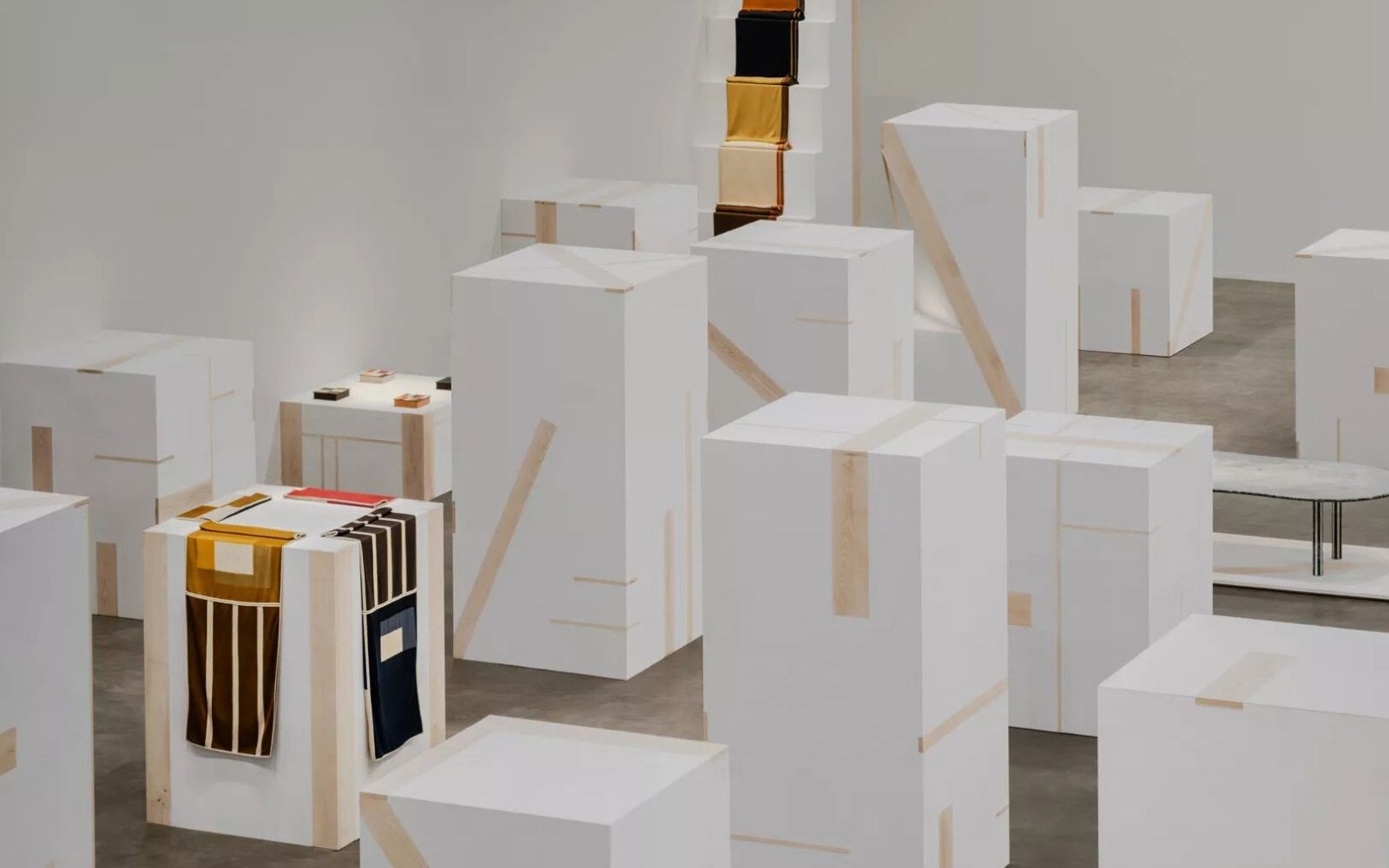
Within Hermès’s installation space this year, the maison chose to express beauty through natural materials, light, and the shifting rhythm of shadows moving throughout the day. Furniture, leather goods, home objects, and decorative pieces were presented almost as contemporary artworks, reflecting the concept of ‘Timeless Craftsmanship’, a philosophy that remains at the heart of the brand. Every creation emphasized tactile surfaces, subtle detailing, and the ability to evoke an emotional connection with visitors through quiet sophistication.
002 Louis Vuitton
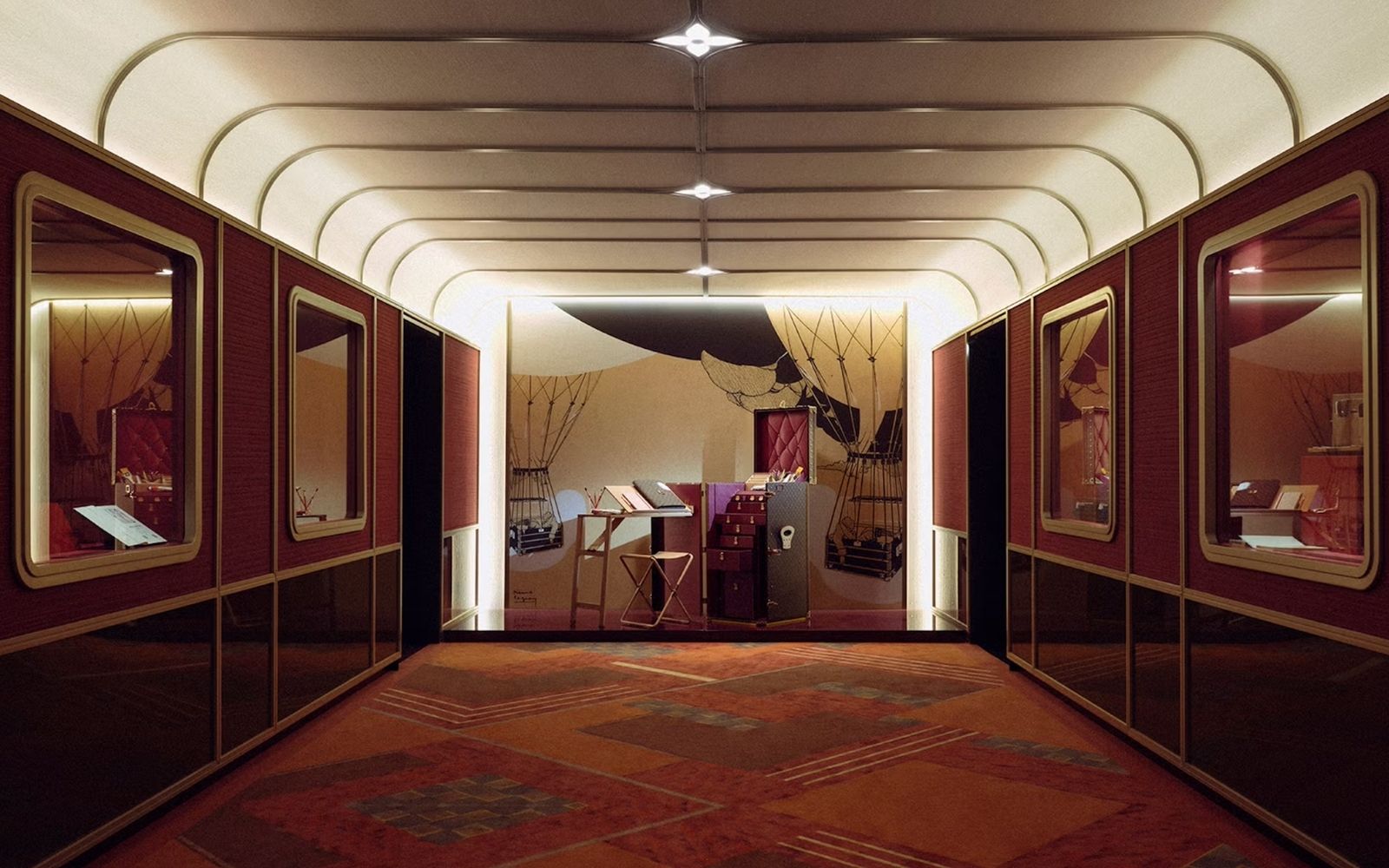
Louis Vuitton continues to expand the world of Objets Nomades through a new collection that invites furniture to exist as collectible works of art in their own right. This year, the maison explored Art Deco-inspired lines infused with futuristic detailing, resulting in pieces that felt as though they had emerged from the world of classic sci-fi cinema. The presentation further reinforced how the boundaries between fashion, lifestyle, and design are increasingly dissolving into one unified creative narrative.
003 Prada
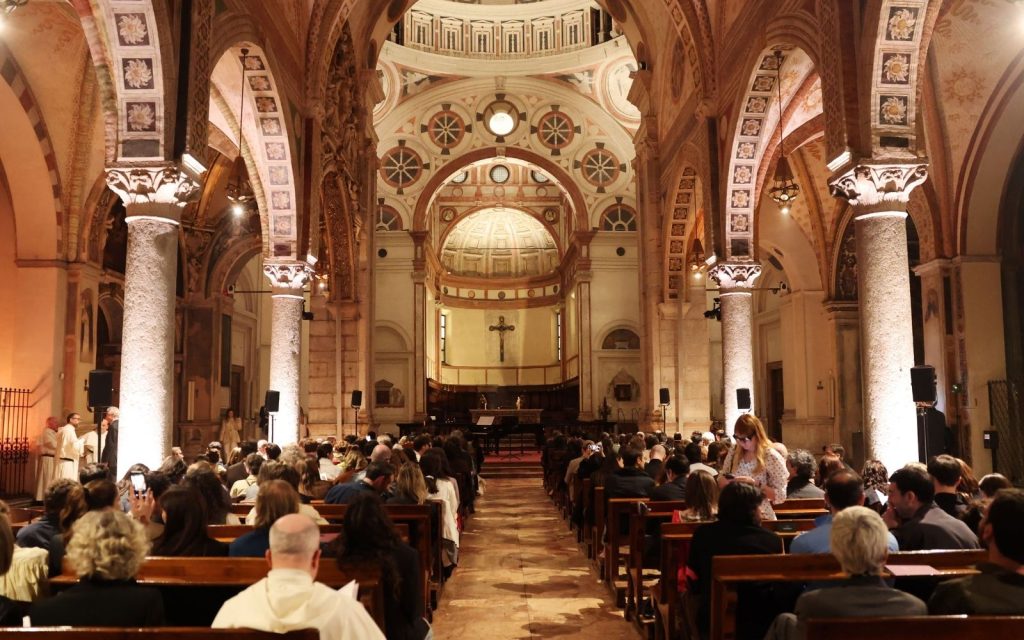
Prada was returning once again with a series of thought-provoking conversations surrounding society, politics, and contemporary lifestyles, Prada presented its ideas within a space designed to resemble a cultural laboratory. Using Milan Design Week as a platform for dialogue rather than mere presentation, the brand chose to question the future of design beyond its visible aesthetics and physical form. It marked yet another moment in which Prada transformed design into a vehicle for critical thinking, creativity, and broader perspectives on the world today.
004 Gucci
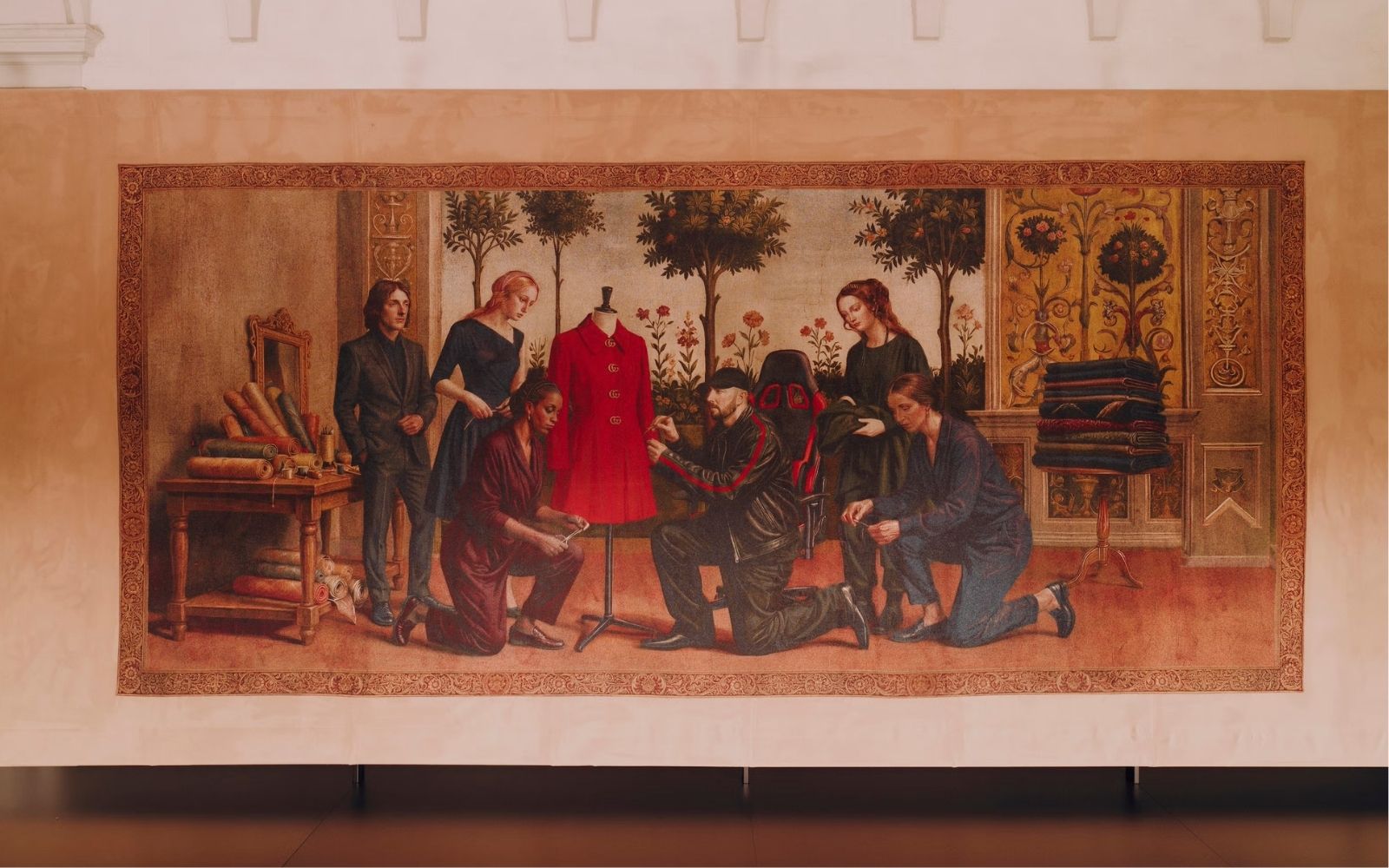
Gucci presented an immersive exhibition space filled with tapestry works and theatrical furniture installations, offering a contemporary reinterpretation of Italian creativity. Rich with vibrant colors, intricate patterns, and surreal visual elements, the experience felt like stepping into the scene of a modern fashion film. The presentation reflected the brand’s ongoing exploration of the boundaries between art, fashion, and pop culture, a dialogue that continues to define Gucci’s creative identity.
005 Fornasetti
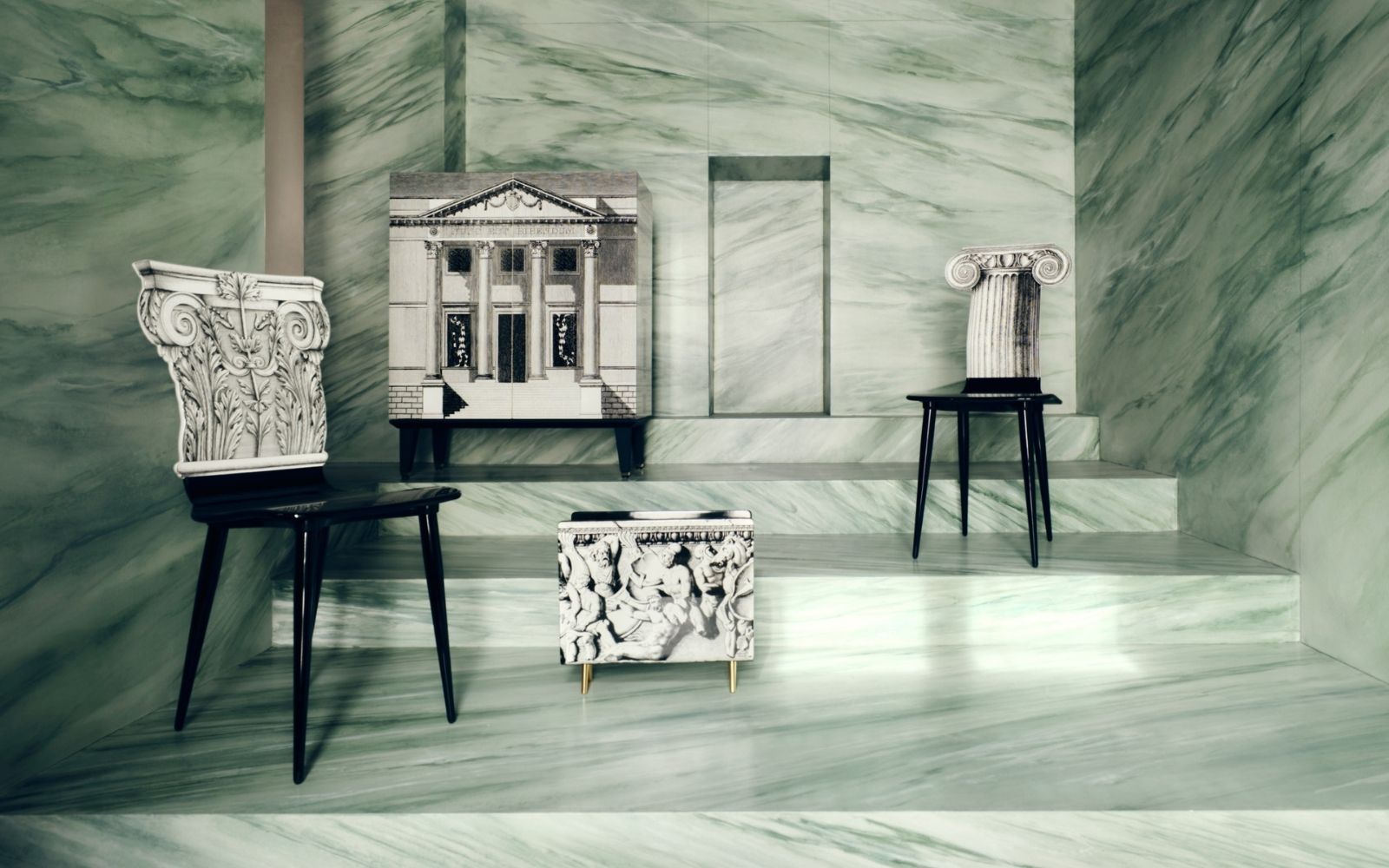
Fornasetti continues to express its signature surrealist universe through furniture, decorative objects, and wall art enriched with whimsical patterns and imaginative storytelling. Every piece feels as though it belongs to a dreamlike world beyond reality, one where art, literature, and distinctly Italian humor intertwine with effortless charm. The collection once again reaffirmed the brand’s ability to transform everyday objects into poetic expressions of fantasy and visual wonder.
006 Missoni
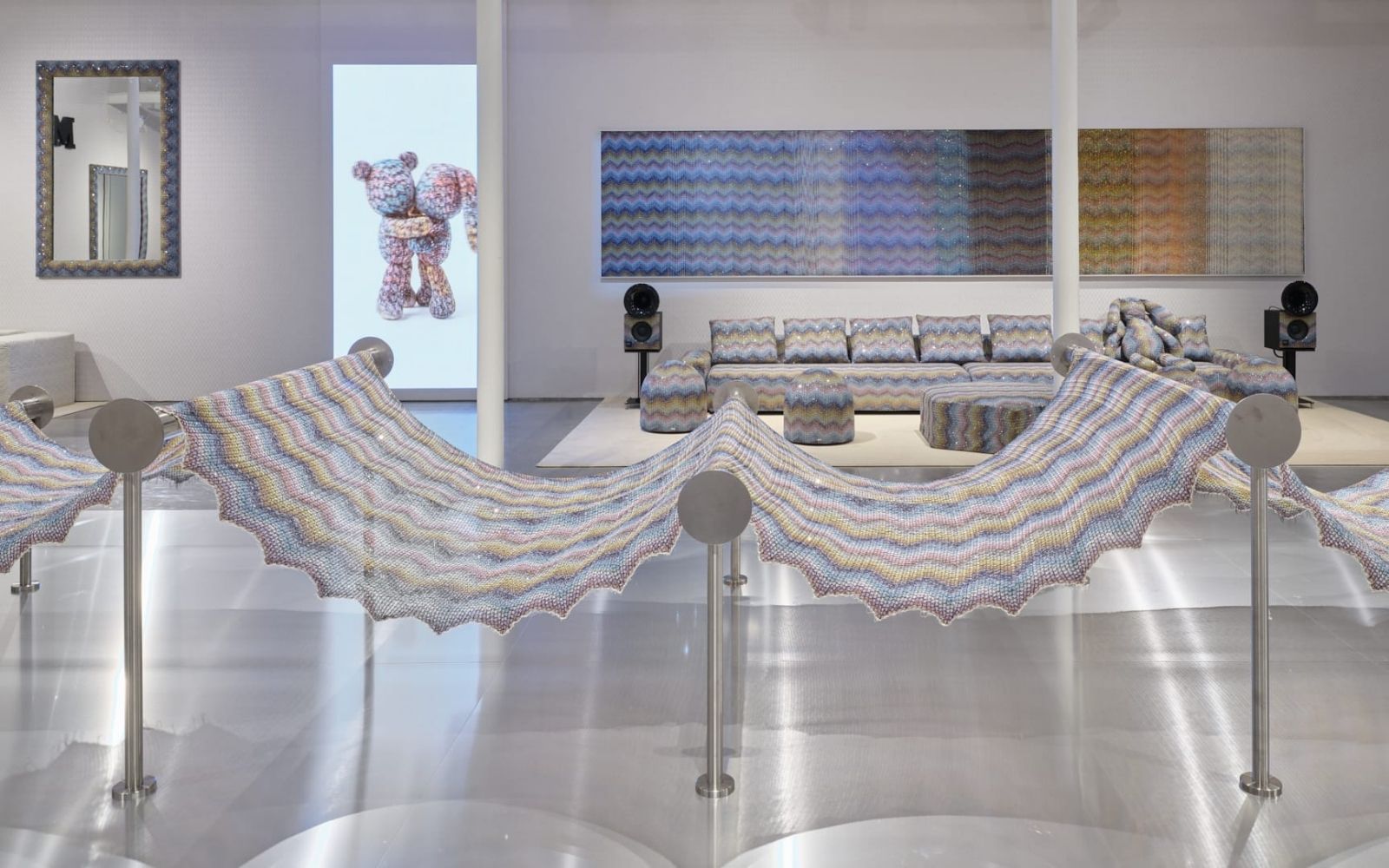
‘The Slow Art of Craft’ served as the central concept behind Missoni’s installation during Milan Design Week 2026. Celebrating knitwear as the brand’s defining DNA, the installation explored vibrant colors, tactile textures, and the rhythmic movement of fabric through immersive spatial design. Every element was carefully created to evoke the warmth of handmade craftsmanship while conveying the value of patience, time, and artisanal precision in an increasingly fast-paced world.
007 Tom Dixon
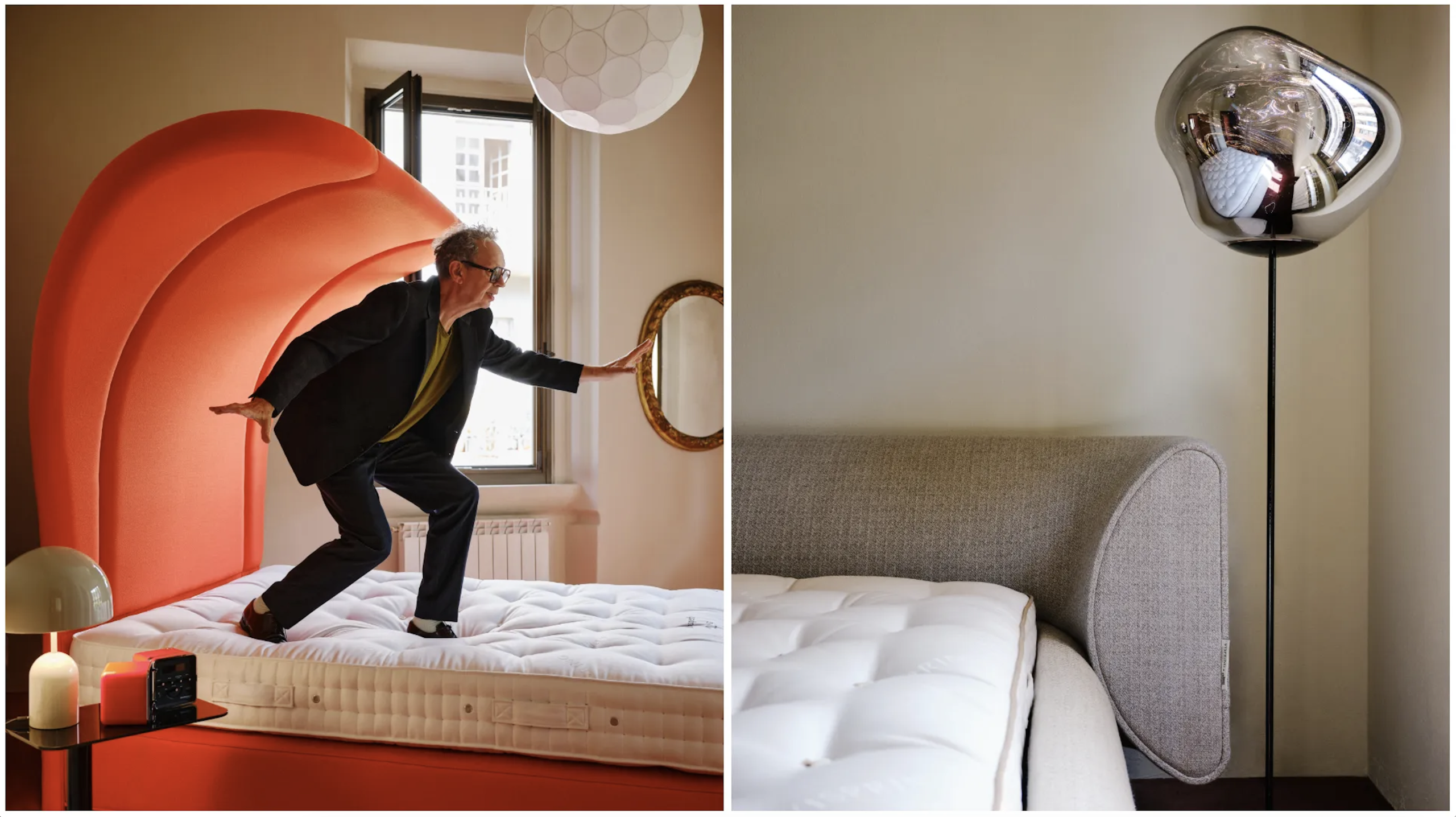
Tom Dixon transformed an industrial space in Milan into a futuristic universe of light, metal, and experimental materials through an immersive installation charged with sci-fi atmospheres and raw British coolness. Continuing to explore the idea of experimental design, the brand seamlessly merged technology with craftsmanship, creating distinctive pieces that felt unmistakably part of the Tom Dixon universe.
008 Vitra
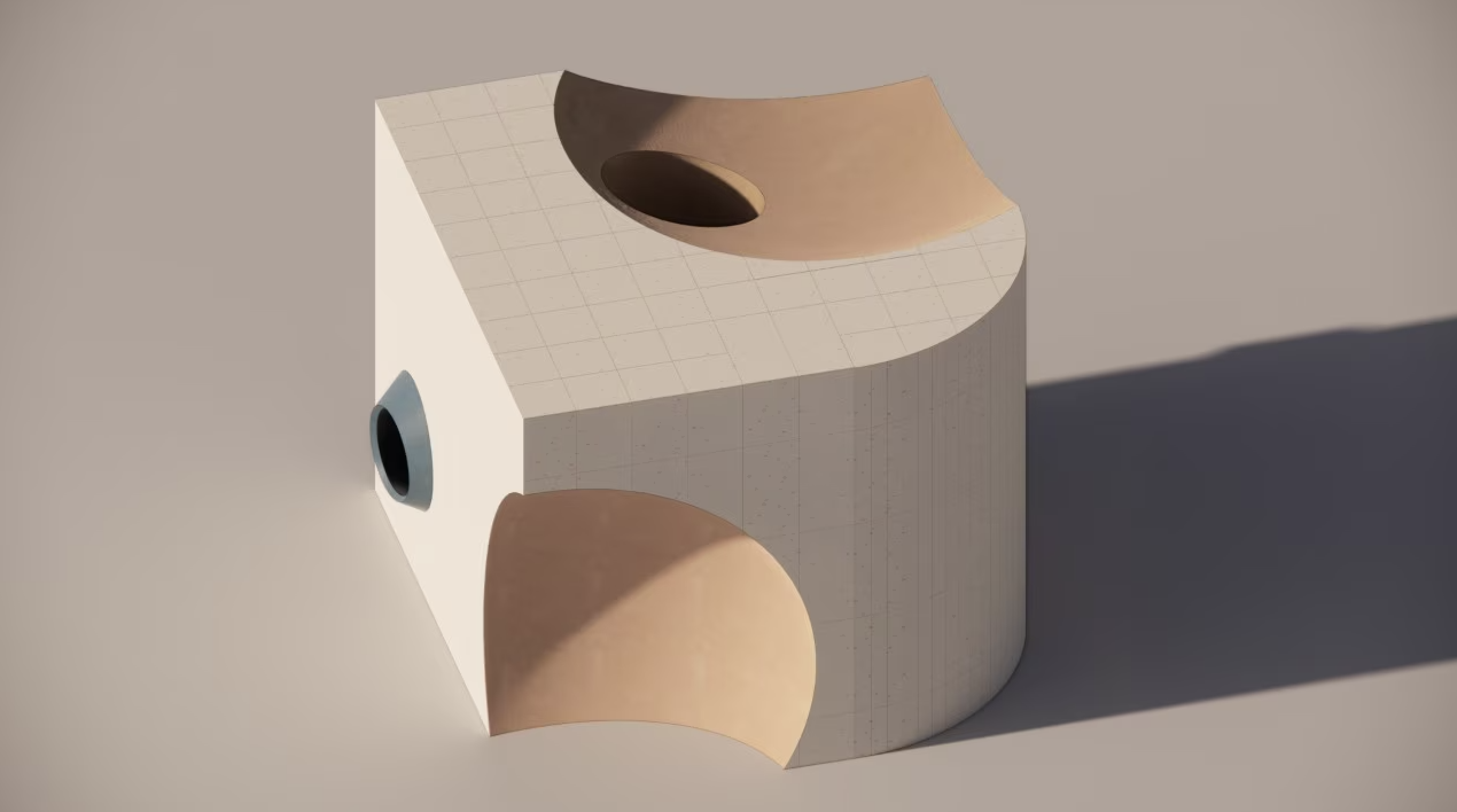
Vitra presented its vision of future workplace and living spaces through beautifully crafted furniture designed around the concepts of flexibility and wellbeing. The exhibition featured thoughtful design pieces reflecting the behavioral shifts of post-pandemic lifestyles, where comfort, functionality, and emotional balance have become increasingly essential. Through its contemporary approach, Vitra once again demonstrated how design can shape environments that support both productivity and a more mindful way of living.
009 Marni
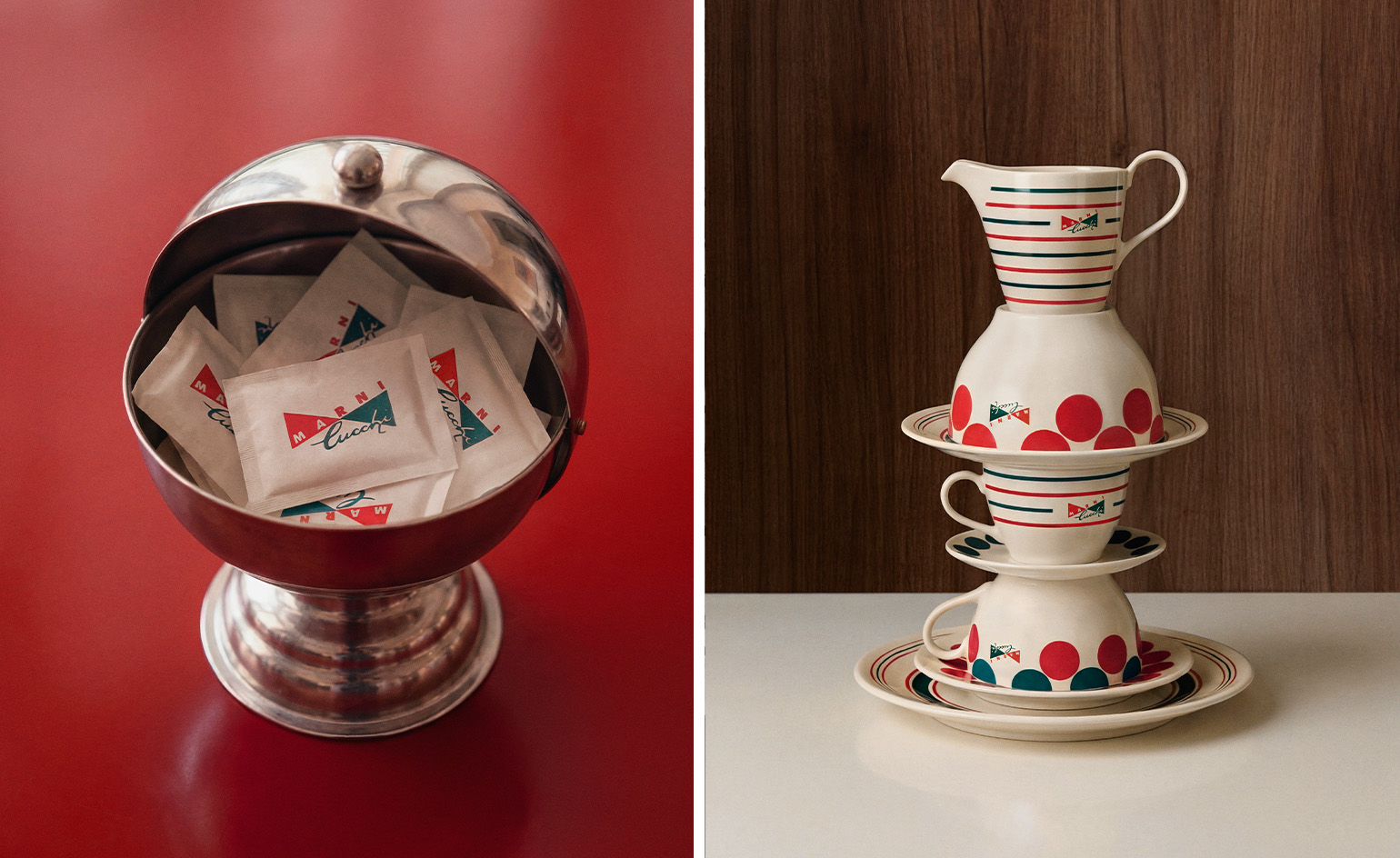
Marni transformed a historic space in the heart of Milan into a vibrant fantasy world filled with color, imagination, and playful energy. Furniture, ceramics, and decorative objects were arranged with a joyful rhythm, creating an atmosphere that felt as though it had stepped out of a storybook. Remaining true to its playful design philosophy, the brand once again demonstrated how design can evoke emotion, inspire creativity, and bring genuine happiness into everyday life.
010 Loro Piana
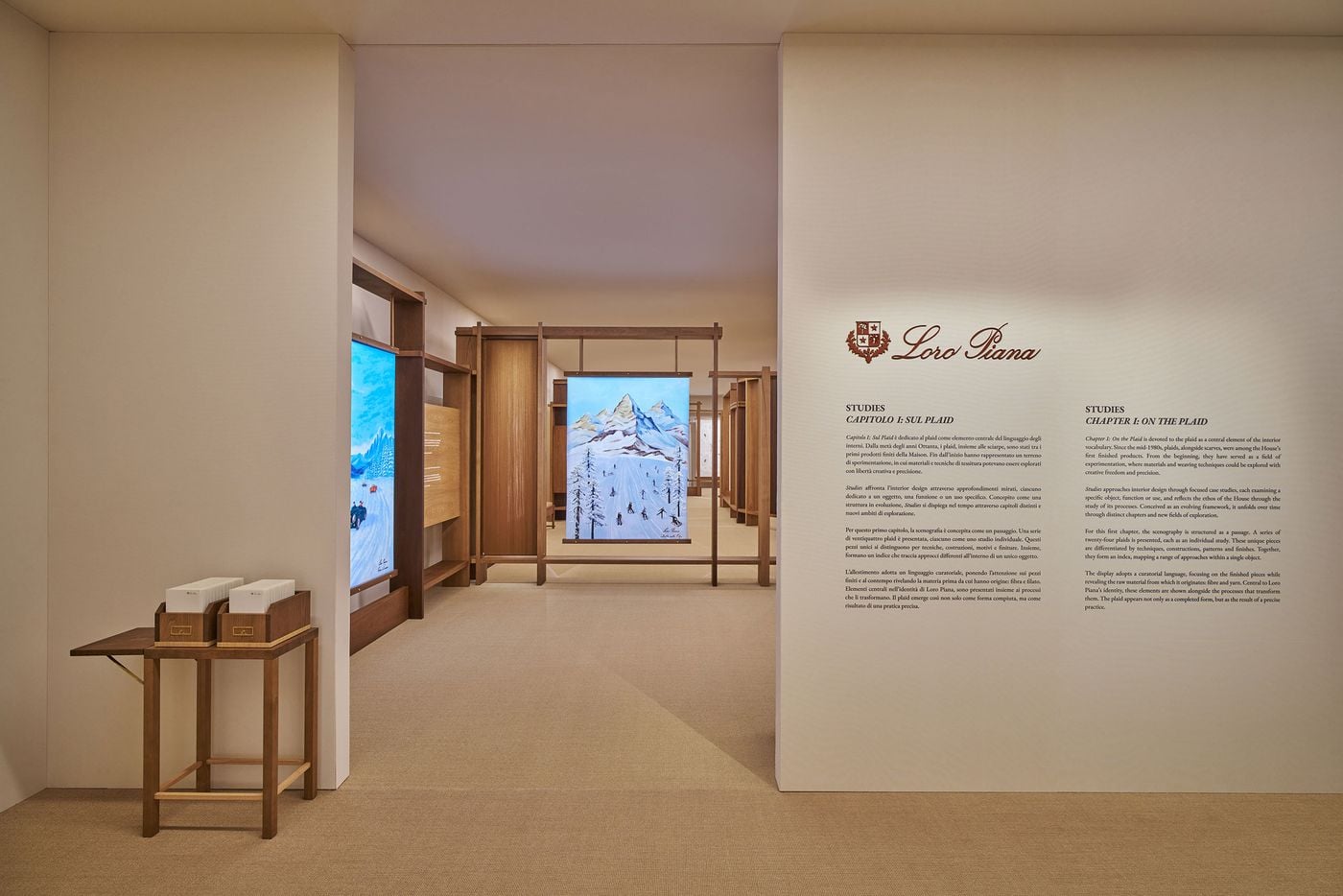
Loro Piana Interiors expressed the world of quiet luxury through a refined furniture and textile collection distinguished by exceptionally soft textures and premium materials. The exhibition space was designed as a serene and sophisticated private apartment, reflecting a lifestyle centered around comfort, craftsmanship, and understated living. Through its timeless elegance, the brand reaffirmed the beauty of subtle luxury shaped by artisanal excellence.
011 Moooi
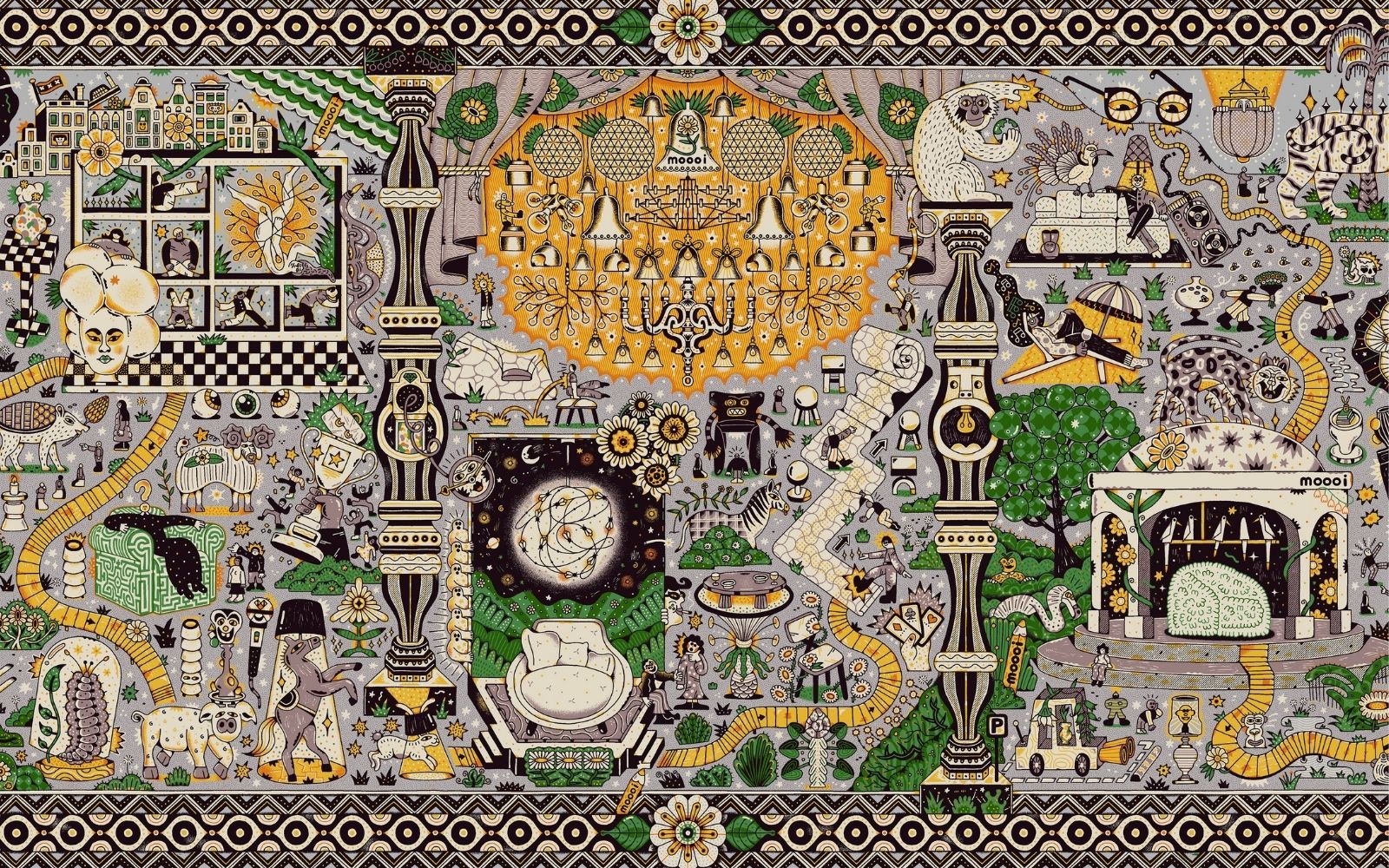
Moooi continues to be one of the most extraordinary creators of immersive surreal experiences during Milan Design Week each year. For its 2026 installation, the brand transformed the exhibition space into a fantastical forest filled with dramatic lighting, furniture, carpets, and captivating soundscapes, allowing visitors to feel transported into an entirely different creative dimension.
012 LOEWE
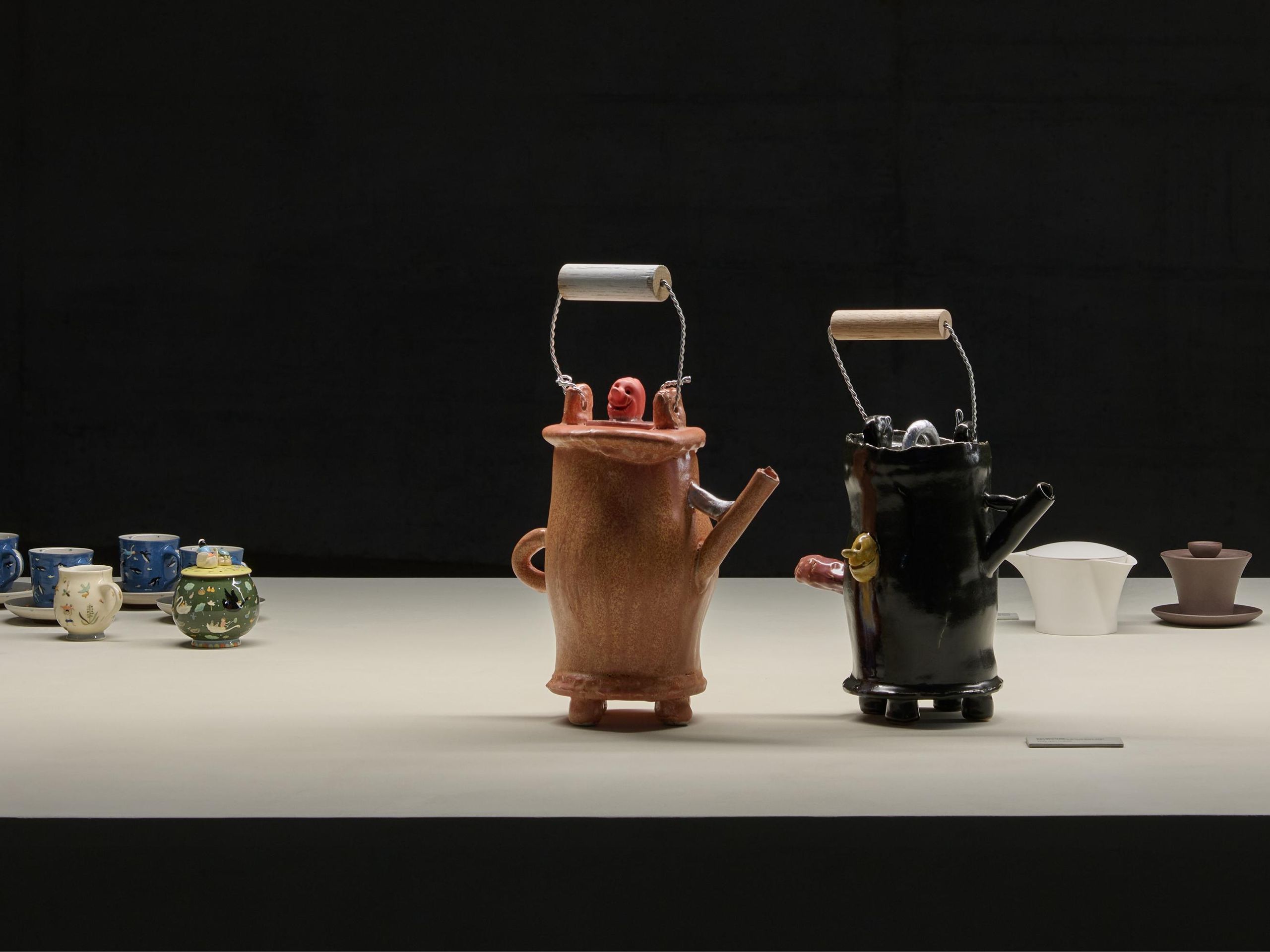
LOEWE emerged as one of the most closely watched fashion brands during Milan Design Week 2026 through a project celebrating craftsmanship and the beauty of natural materials. This year, the brand presented a curated collection of ceramics and woven works created by artisans from diverse cultural backgrounds, exploring the harmonious relationship between traditional techniques and contemporary craft. The presentation reaffirmed that human craftsmanship remains an essential force driving the worlds of design and the creative industry forward.
013 Aesop
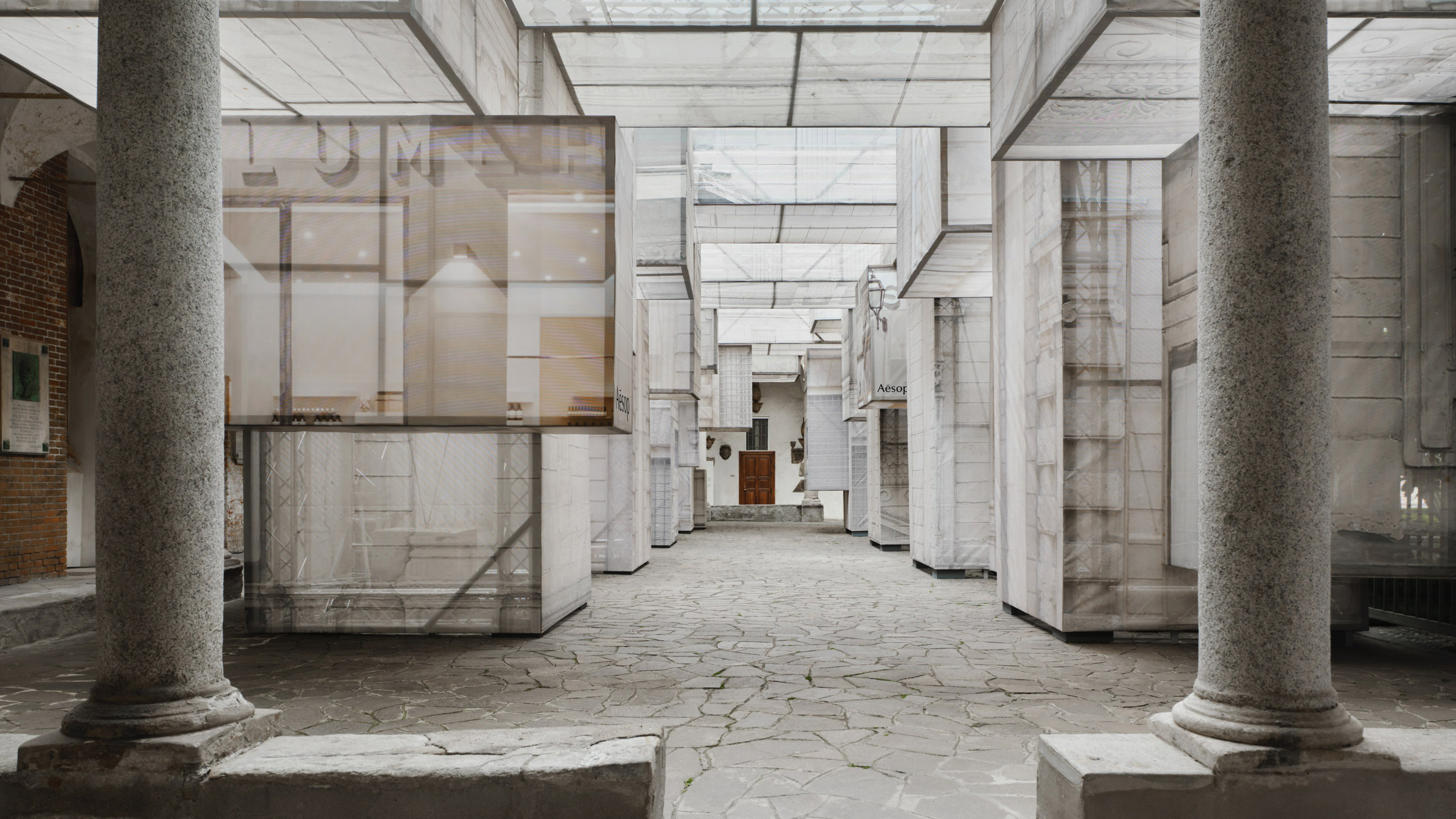
Aesop, widely recognized as a leader in the world of scent and sensory identity, presented an installation that delicately merged fragrance, architecture, and sound into one immersive experience. The space was designed as a calming urban sanctuary, inviting visitors to pause, rest their senses, and reconnect with themselves amidst the intensity of Milan Design Week.
At the heart of the presentation remained Aesop’s long-standing creative philosophy centered around ‘Sensory Experience’, reinforcing the idea that the beauty of design can emerge through intangible emotions, atmosphere, and experiences that cannot always be physically seen or touched.
014 Kengo Kuma
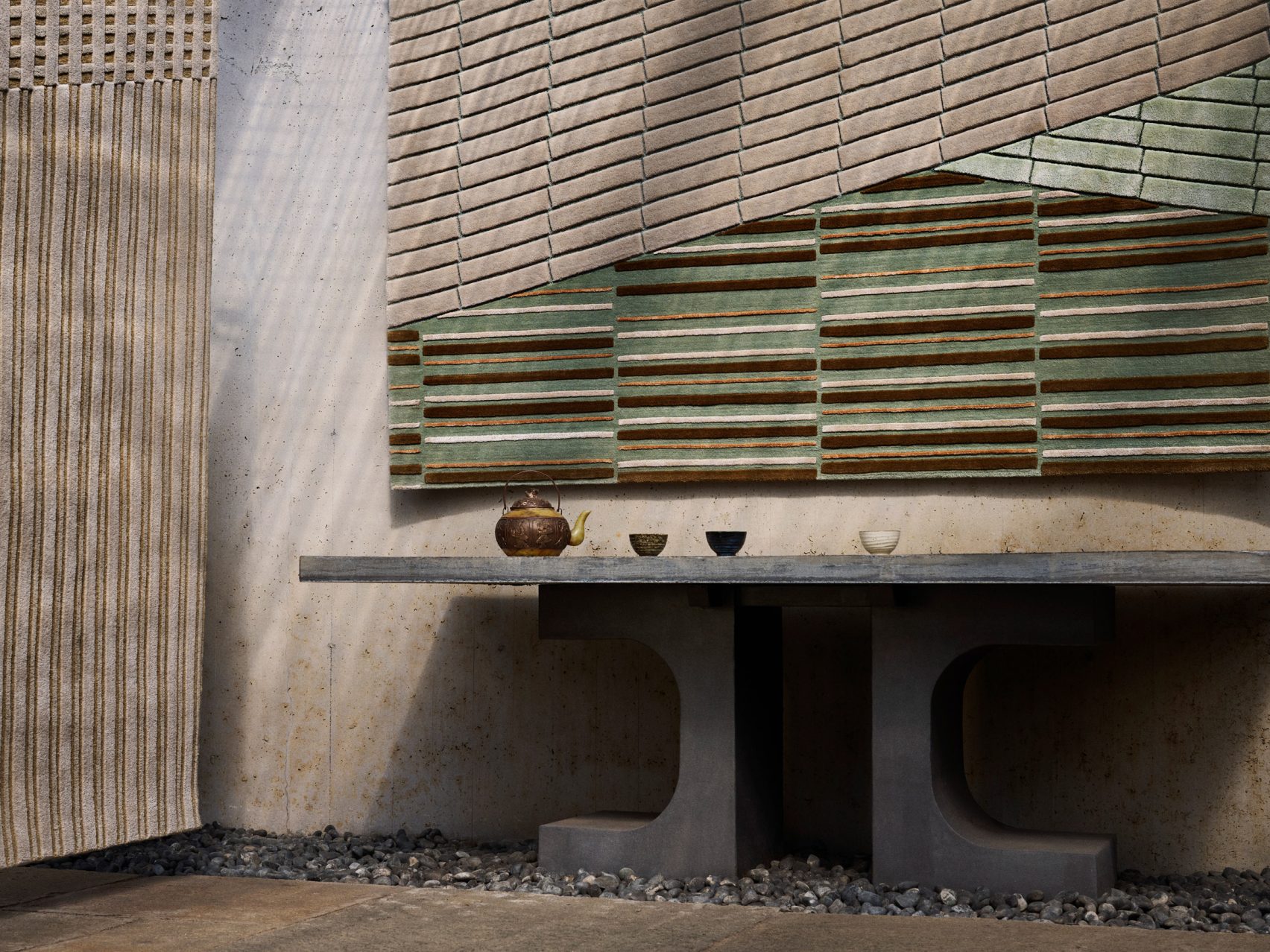
Kengo Kuma presented an installation that explored the inseparable relationship between nature, materiality, and emptiness through a delicately composed spatial experience. Created with a strong emphasis on human scale and traditional Japanese serenity, this year’s work invited visitors to move slowly through a landscape shaped by natural light, shadow, and thoughtfully arranged materials. Every perspective felt intentionally poetic, as though one were walking through a living piece of architectural poetry suspended between silence and nature.
015 Nike
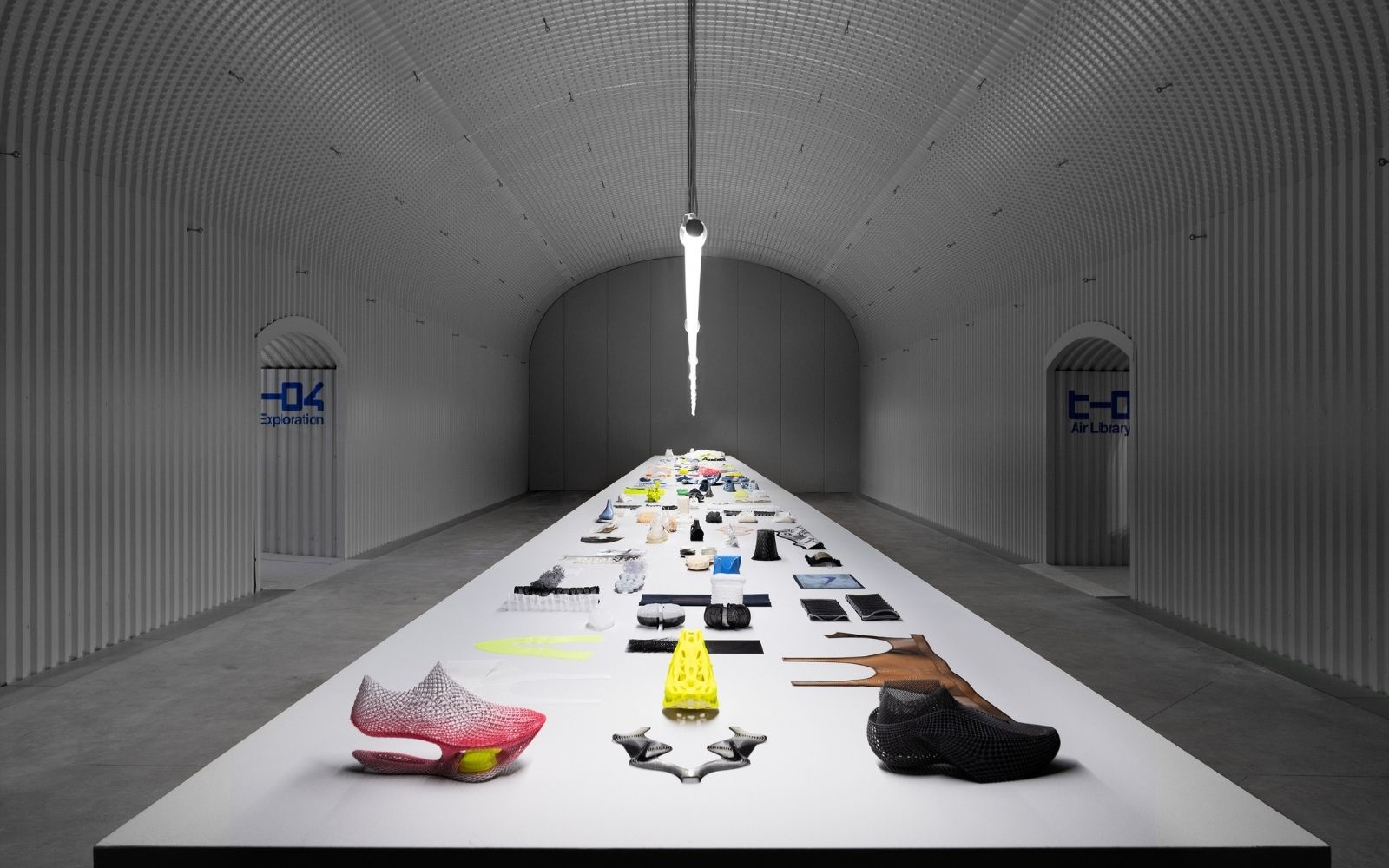
Nike unveiled ‘Air Lab’, an immersive space where sport, technology, and contemporary culture converged through a futuristic design experience. The installation featured interactive tech-driven environments that invited visitors to explore the future of footwear design through lightweight materials and advanced cushioning innovations. More than presenting sneakers or sportswear, Nike used the project to communicate a broader vision of ‘Movement Culture’, redefining how movement, performance, and lifestyle will evolve within the modern world.
016 Issey Miyake
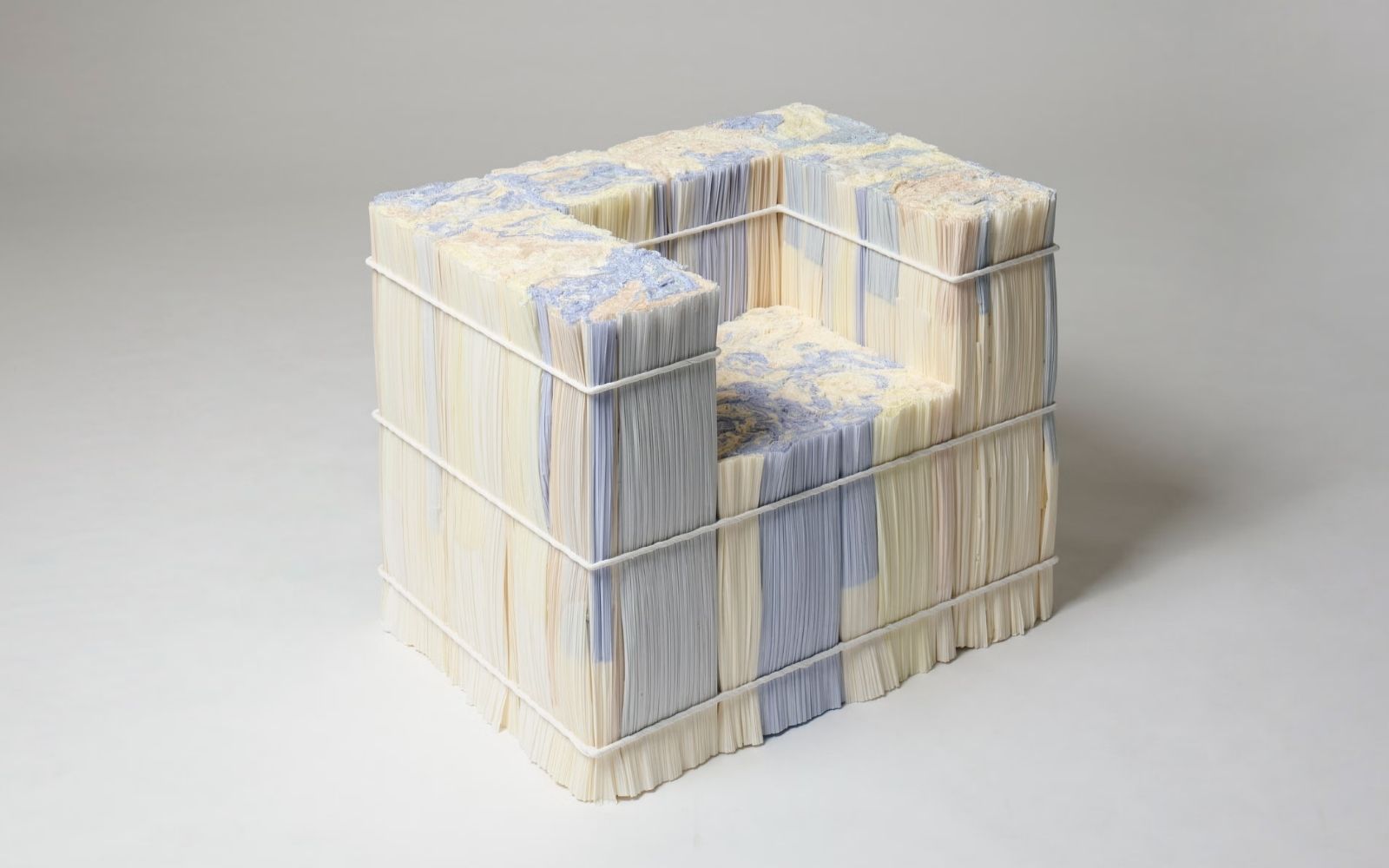
Issey Miyake presented an installation exploring the relationship between movement, materiality, and light through a spatial experience filled with pleated textiles and translucent structures transformed into functional furniture pieces for contemporary living, a distinctive signature of the brand. The entire presentation reflected Issey Miyake’s enduring philosophy of delicately merging technology with human-centered craftsmanship in a way that felt both innovative and poetic.
017 Kartell
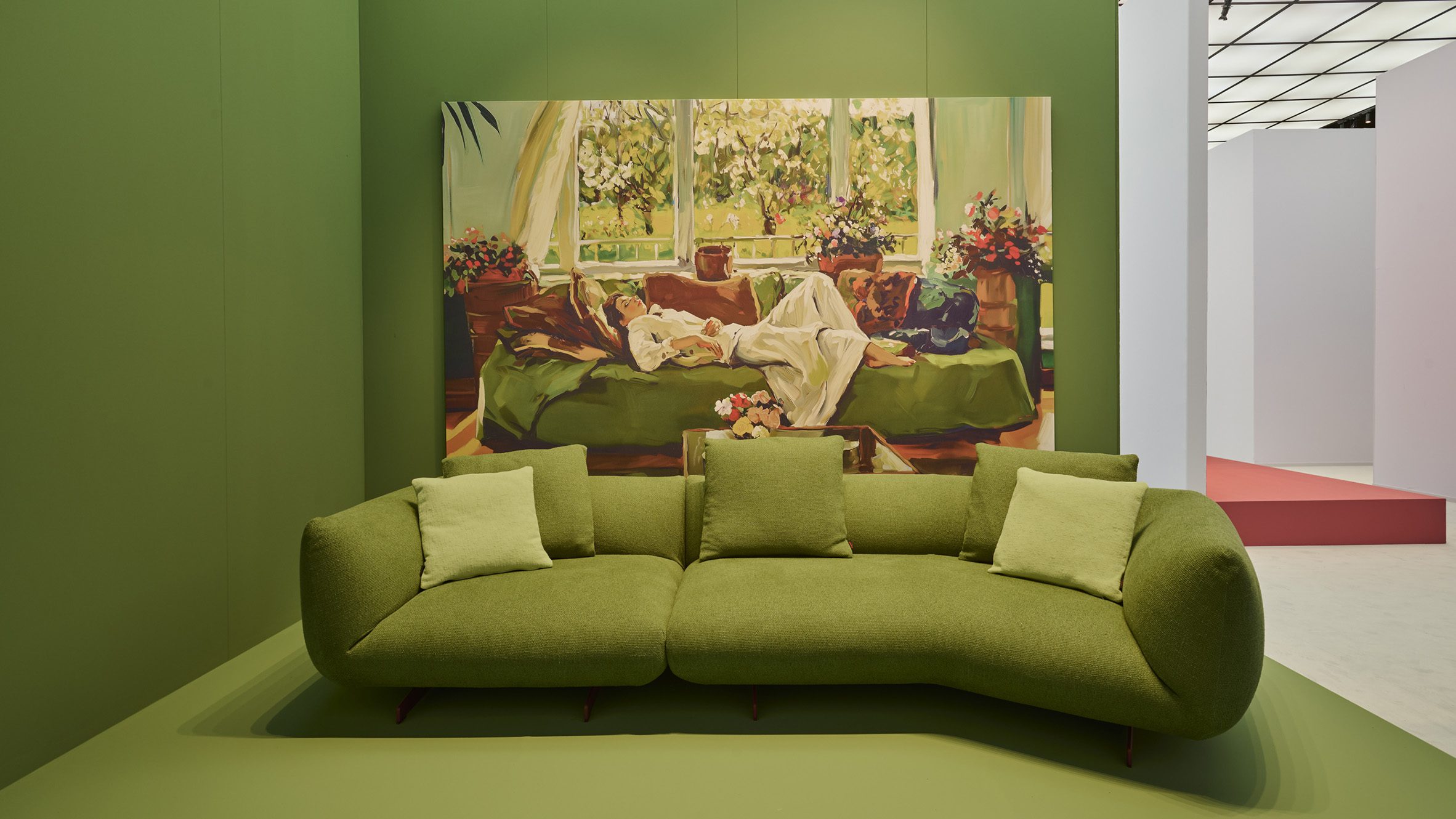
Kartell returned this year with new explorations in recycled materials and bio-based plastics, expressed through the brand’s signature transparent furniture collections. The presentation reflected Kartell’s ongoing pursuit of balance between innovation and sustainability, while continuing to preserve its playful, contemporary, and accessible design language. Through vibrant forms and forward-thinking material experimentation, the brand once again demonstrated how modern design can evolve responsibly without losing its sense of creativity and optimism.
018 Cappellini
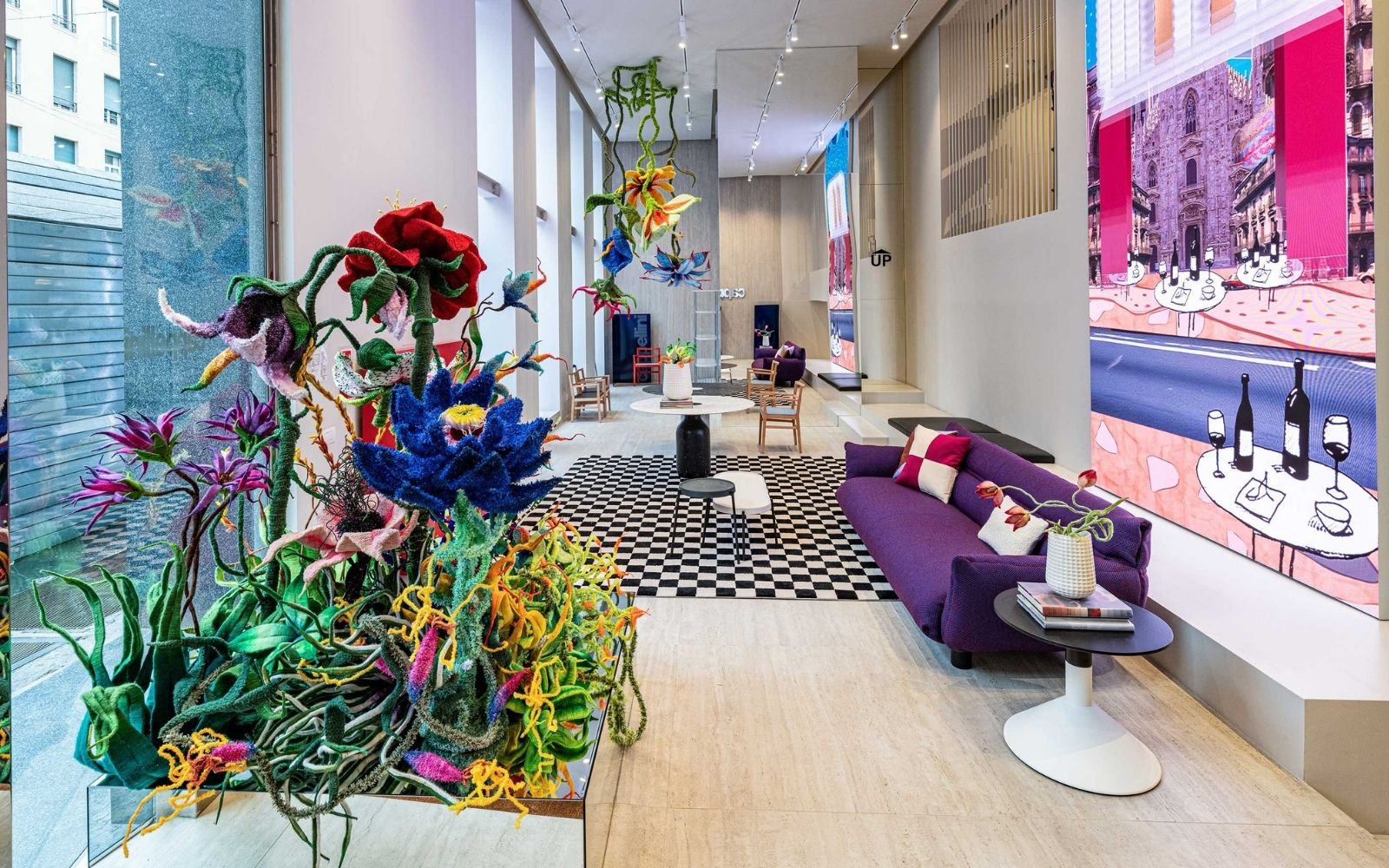
Cappellini used Milan Design Week 2026 as a platform for experimental thinking, collaborating with emerging designers from around the world under the concept of ‘Adaptive Living’, exploring how spaces can evolve alongside human behavior and contemporary lifestyles, the brand presented furniture pieces characterized by flexibility, functionality, and imaginative design. Each creation reflected the changing needs of modern urban living while reinforcing Cappellini’s long-standing spirit of creative innovation.
019 Dries Van Noten
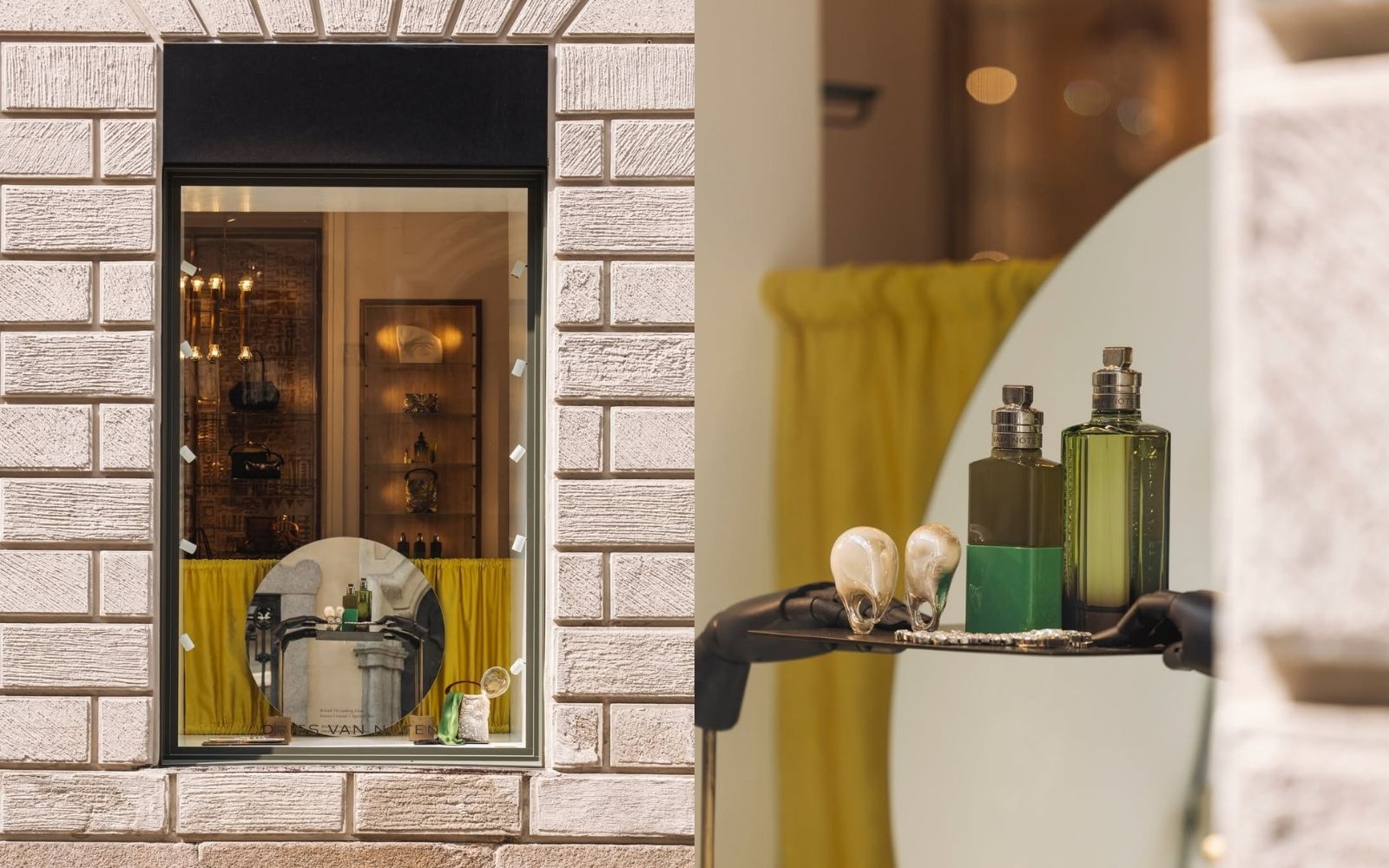
Dries Van Noten delivered one of the most unexpected highlights of Milan Design Week through an immersive installation that intertwined the worlds of fashion, scent, color, and interior objects into a deeply poetic spatial experience. Rich in emotion and contemporary romanticism, the presentation explored the idea of “Living with Beauty” through layered atmospheres and sensory storytelling. It became yet another compelling example of how the boundaries between fashion and design continue to dissolve, merging into a singular creative language shaped by emotion, aesthetics, and lifestyle.
020 Bottega Veneta
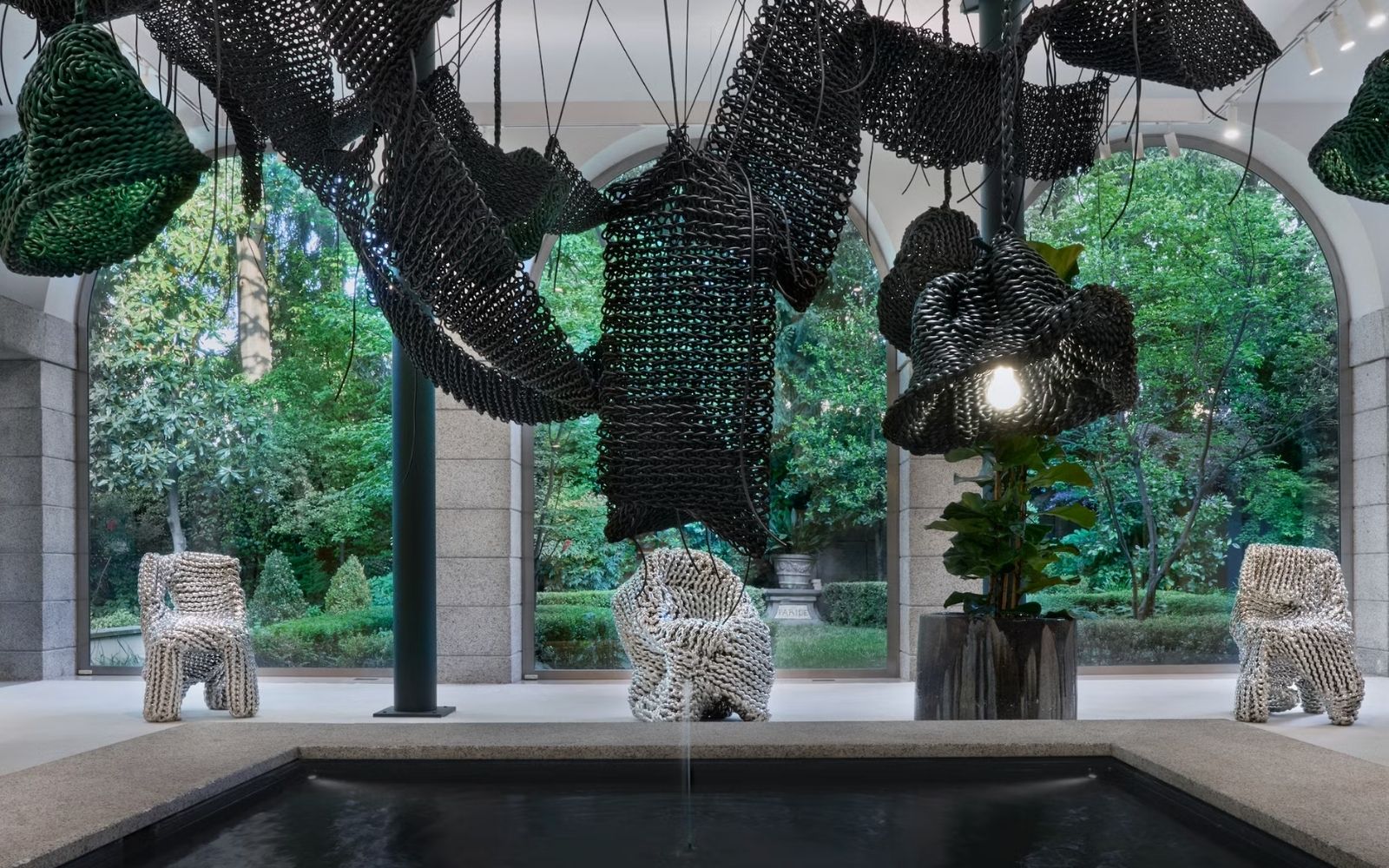
Bottega Veneta collaborated with Korean artist Kwangho Lee to create an installation centered around the beauty of woven natural materials, delicately arranged to interact with subtle light and shadow. The entire presentation felt like a series of living sculptures, quietly expressive yet deeply refined. Through this collaboration, Bottega Veneta once again conveyed its philosophy of quiet luxury, where craftsmanship, restraint, and timeless elegance become the essence of contemporary design.