



As Visa chooses Thailand as the first country in Asia Pacific to launch Visa Destinations, tourism is no longer just an industry. It is becoming a new infrastructure for the digital economy.
Reported by Manit Maneephantakun
There are certain business stories that matter not simply because they announce the launch of a new platform, but because they reveal how the world is beginning to look at a country. Visa’s decision to choose Thailand as the first country in Asia Pacific to launch Visa Destinations is one of those stories.
On the surface, this may appear to be the introduction of a travel platform designed to gather privileges, premium experiences, dining, hotels, transport, and lifestyle benefits for Visa cardholders. But seen more closely, Visa Destinations is not merely about tourism as an activity. It points to a larger shift in which travel has become an economic system that connects data, spending, experiences, retail, local businesses, and digital commerce into one increasingly seamless structure.
Thailand, therefore, has not been selected only because of its beaches, food, rich culture, or the familiar image of a destination loved by global travellers. It has been selected because Thailand is a market with spending power, travel sophistication, and a tourism ecosystem complex enough to be transformed into a real digital economy.
Following the success of Visa Destinations in global cities such as Paris, London, and Dubai, the arrival of the platform in Thailand means more than the expansion of another destination. It places Thailand firmly on the map of the global destination economy. It suggests that Thailand is no longer seen merely as a country people visit for leisure, but as a market where premium spending, cash-lite commerce, and curated travel experiences can generate serious economic value.
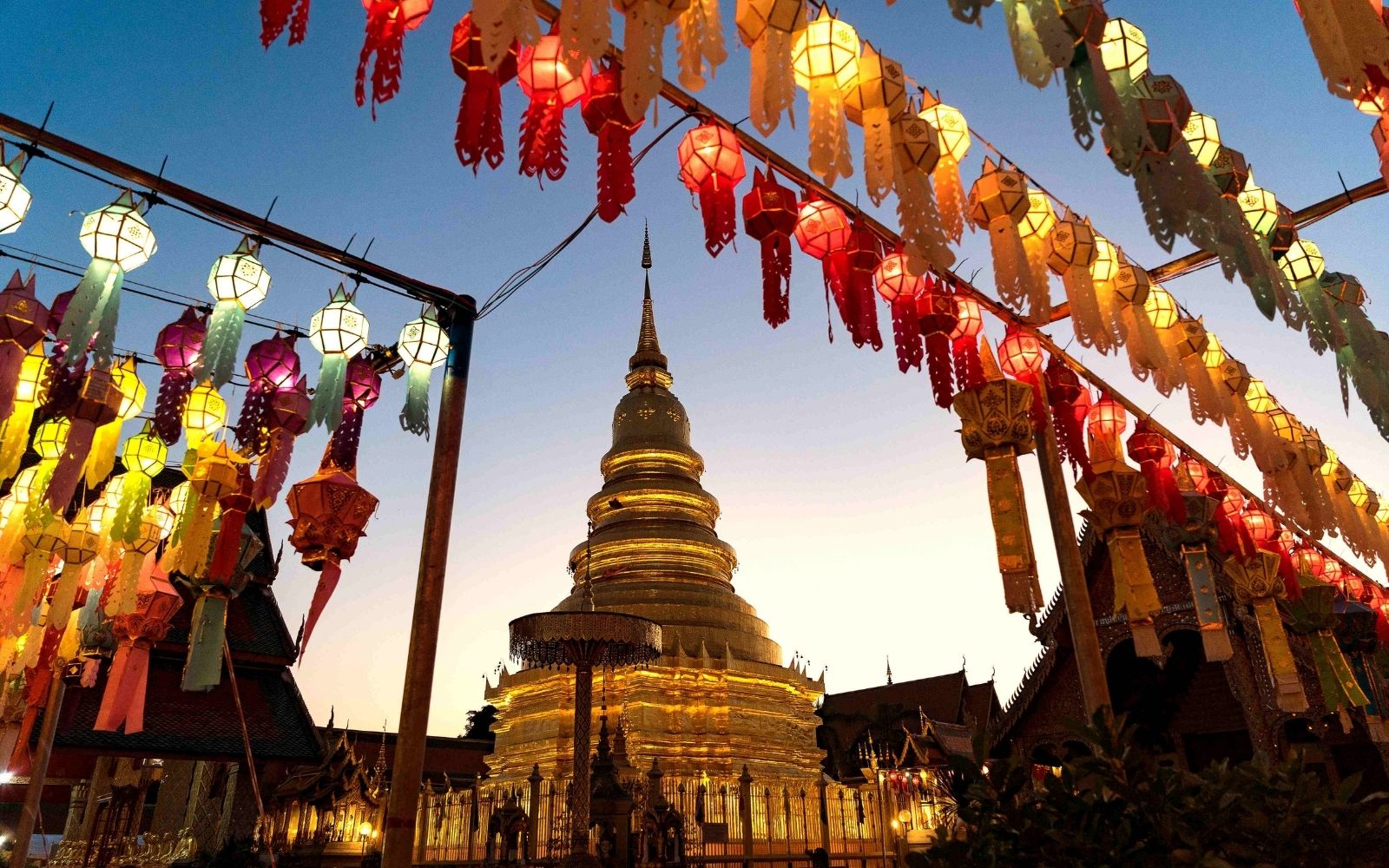


In 2025, Thailand welcomed more than 33 million international visitors and generated over US$50 billion in tourism revenue. The significance of these numbers lies not only in their scale, but in what they reveal. Tourism in Thailand does not drive only hotels, airlines, or national landmarks. It flows through restaurants, retail, lifestyle, transport, wellness, and countless SMEs across the country.
This is why Visa Destinations is particularly interesting from a business perspective. The platform does not see travellers merely as people on the move. It understands them as global consumers who expect convenience, confidence, flexibility, and a frictionless experience from the moment they plan a trip to every transaction they make once they arrive.
In the past, travel may have begun with the simple question of “Where should we go?” But in the age of data-driven travel, the more important questions may be: How will travellers spend? Who will they spend with? And how much value can those experiences return to the wider economy?
Visa’s cross-border spending data reflects Thailand’s ability to attract a diverse group of high-spending travellers from around the world. Around two-thirds of Visa card spending in Thailand comes from travellers outside Asia Pacific, including the United States, the United Kingdom, Australia, Germany, France, and the United Arab Emirates, all of which rank among the highest-spending source markets.
This is a telling picture. It shows that Thailand is not only a nearby destination for regional travellers, but also a serious long-haul destination for affluent travellers who are willing to pay for quality experiences rather than simply value-for-money travel.
When Visa notes that affluent travellers account for 75% of total Visa card spending, the image of Thai tourism begins to shift more clearly from mass tourism toward value-driven tourism. Thailand is no longer competing by visitor numbers alone. It is increasingly competing through the quality of its experiences, the readiness of its payment infrastructure, and the ability of local businesses to connect with global spending power.
This is where Visa Destinations could become an important tool, not only for travellers but also for Thai businesses.
By connecting Visa cardholders around the world with restaurants, hotels, local experiences, transport, wellness, shopping, and lifestyle offerings in Bangkok, Phuket, Chiang Mai, and Samui, the platform does more than provide deals or privileges. It helps build a new digital layer for Thailand’s tourism economy.
A small local business may gain better access to quality travellers. A hotel may be able to design experiences more precisely for premium guests. A restaurant may become part of a global travel itinerary. Thai SMEs may find themselves entering a spending journey that was previously difficult to reach.
In this sense, Visa Destinations is not only a travel platform. It is a commerce layer built on top of Thailand’s tourism industry. It connects the dreams of travellers with the income of local businesses, and links Thailand’s image as a destination with a payment system that must be secure, smooth, and trusted enough for visitors from around the world.

Antony Watson, Visa’s Country Manager for Thailand, described Thailand as playing a vital role in the global tourism landscape, not only as a dream destination for travellers, but also because tourism forms an economic foundation that supports people across the country. It may sound like a familiar corporate statement, but read carefully, it underlines a deeper point: tourism in Thailand is not just one sector of the economy. It is a major artery connecting large corporations, entrepreneurs, local merchants, and communities.
That is why the push toward cash-lite tourism carries growing significance.

Reducing friction in payments may sound technical, but in travel, it directly shapes experience. When travellers can pay easily, securely, and confidently, they are more likely to spend, explore new experiences, and connect with local businesses. At the same time, Thai merchants that can accept digital payments smoothly are better positioned to turn tourist traffic into real revenue.
This is the true meaning of Visa Destinations. It does not simply sell Thailand as a postcard. It views Thailand as a living economic platform, one made up of people, culture, merchants, creativity, and growth potential, provided the right tools are in place.
For Thailand, this is an opportunity to elevate tourism from being a beloved destination to becoming a destination that creates deeper, smarter, and more widely distributed economic value.
For Visa, it is a way to position itself as more than a payment provider. It becomes a connector of travel, spending, and experience ecosystems.
And for Thai businesses, it is a clear signal that the future of tourism is no longer about waiting for travellers to walk into a store. It is about becoming discoverable, desirable, and easy to pay at the exact moment when travellers are ready to spend.
Ultimately, Thailand’s selection as the first country in Asia Pacific for Visa Destinations is not merely good news for the tourism industry. It reflects a new set of business opportunities for the country.
Because in a world where travel no longer ends with a plane ticket, and spending no longer ends with a credit card, Thailand is being recognised as a place where experience, culture, and digital commerce can meet naturally.
And perhaps this marks the beginning of a more important question. Not only how much the world wants to visit Thailand, but how far Thailand is ready to turn global attention into lasting economic value.