

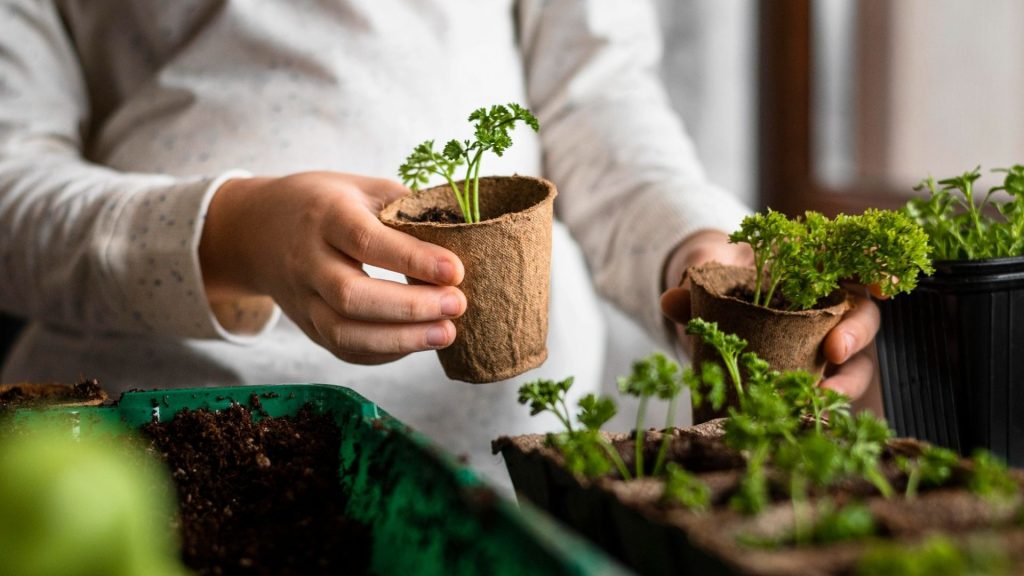

As we progress through the first half of 2026, a formidable global challenge has already taken centre stage: the energy crisis. This situation compels us to re-evaluate our long-standing habits and conventional ways of living. Yet, amidst this turmoil, a compelling opportunity emerges in the rise of Green Living.
More than just a fleeting trend, Green Living has become a vital survival strategy in an era where energy is both scarce and costly. It transcends the simple act of swapping plastic bags for tote bags; instead, it seamlessly integrates technology and innovation into our evolving lifestyles.
Explore these five defining trends of 2026 to discover how adapting your daily habits can shield you from volatile energy markets and deliver genuine, long-term savings.
Here is the translation into British English, maintaining an editorial tone and using the active voice:
Fuel-Free Commuting: Beyond Just a Number
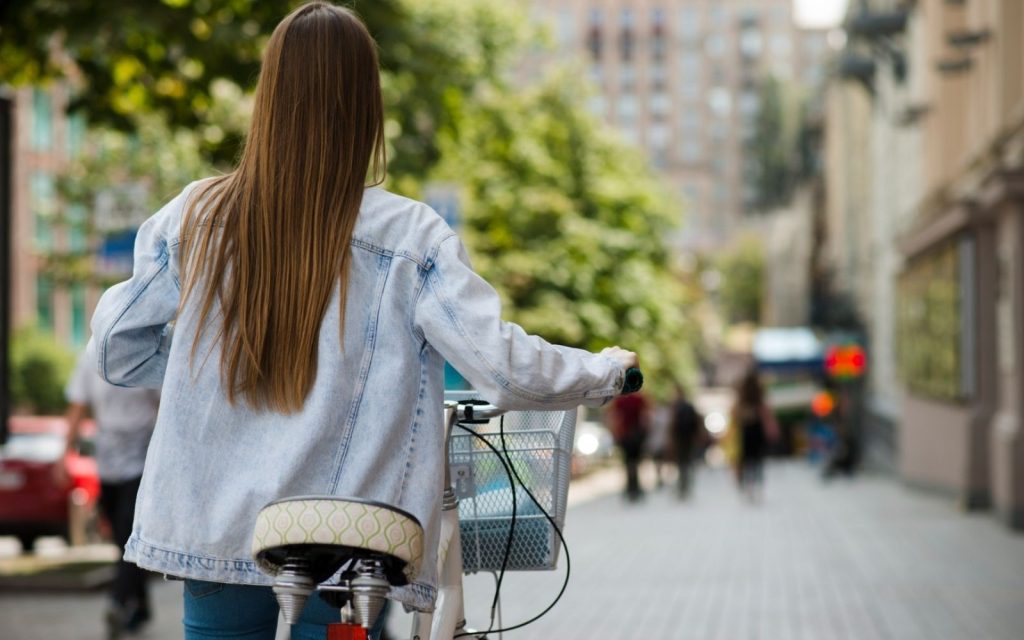
When fuel prices soar, they cease to be mere figures on a screen and become a direct hit to our cost of living. In this climate, shifting our transit habits is no longer a choice—it is a vital survival strategy. Embracing bicycles, e-bikes, electric scooters, and EVs, or increasing our reliance on public transport, provides a practical key to slashing fuel expenses. Beyond the financial gains, choosing alternative transport restores clean air by cutting carbon emissions and pollutants. Furthermore, these smarter choices alleviate road congestion, ultimately reclaiming our most precious resource: time.
Cultivating Indoor Sanctuaries

At its heart, Green Living thrives on reducing chemical dependency and energy consumption. Many houseplants act as natural air purifiers, absorbing toxins from furniture and paint while boosting oxygen levels. By integrating greenery into our homes, we reduce the load on electric air purifiers and save energy. Strategically placing plants on balconies or near windows also creates a natural thermal shield against direct sunlight. Through transpiration, plants release moisture that can lower indoor temperatures by 1°C to 3°C, directly cutting cooling costs.
The Homegrown Harvest
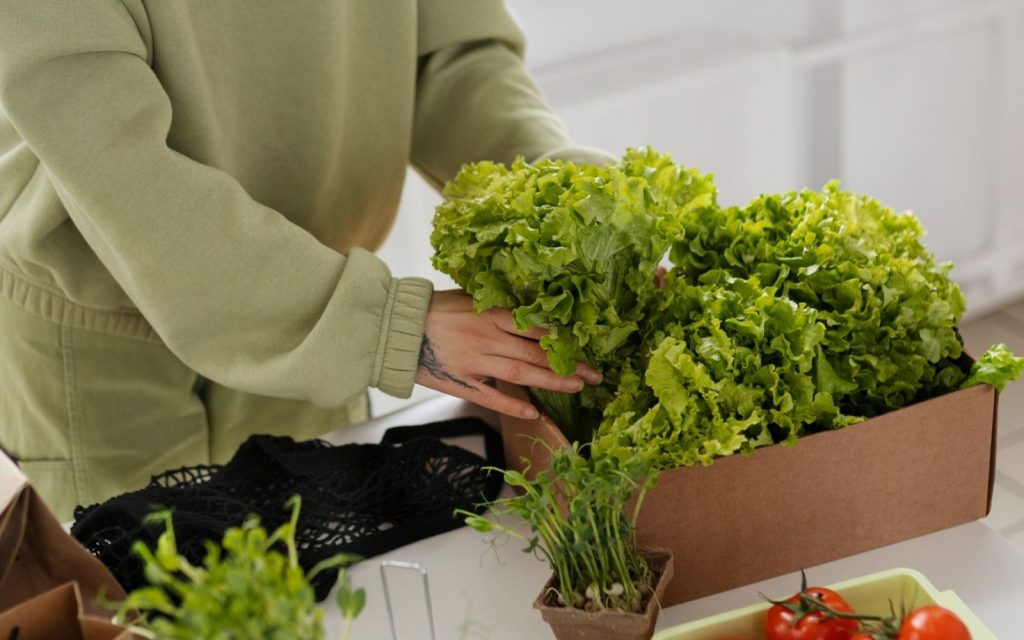
Supermarket produce carries hidden “Food Miles”—the immense energy and fuel costs required for transport. Amidst an energy crisis, growing kitchen staples like basil, chillies, and spring onions at home eliminates these embedded transport costs and shields your wallet. This homegrown approach also complements zero-waste initiatives; you can transform kitchen scraps and leftovers into organic compost, creating a self-sustaining cycle that nourishes your garden for free.
Turning Waste into Wealth
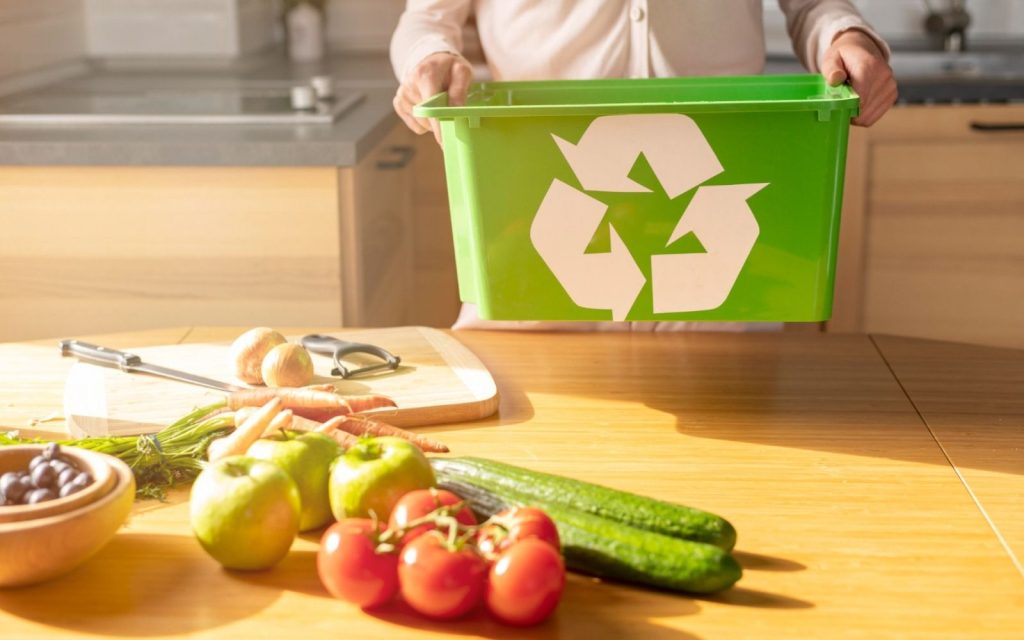
Transforming waste into resources creates a powerful circular economy within the home. By using a Smart Composter, you can convert kitchen scraps into nutrient-rich organic fertiliser in just a few hours—or opt for traditional composting methods. Producing your own fertiliser eliminates the cost of store-bought alternatives and reduces the need for plastic bin liners, all while preventing methane emissions from rotting waste.
Sustainability also extends to water management. Recycling “greywater” from laundry, showers, or sinks through a simple filtration and disinfection process removes impurities and bacteria. This treated water, while not for consumption, is perfectly suited for irrigation, flushing toilets, or cleaning outdoor floors.
Reviving Your Wardrobe: The End of Fast Fashion
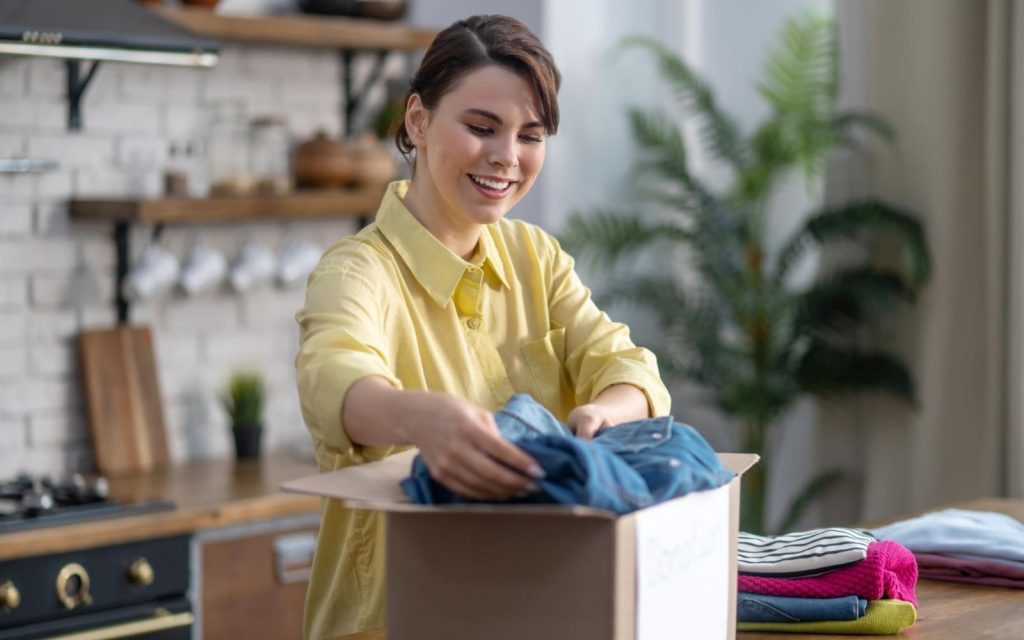
The fashion industry ranks among the world’s most energy-intensive sectors, consuming vast resources from fibre spinning and dyeing to global logistics. In the face of a global energy crisis, you can champion the planet and your budget by simply buying less. Rediscover your existing wardrobe through creative Mix & Match styling to forge new looks; this not only saves money but sparks a fresh joy in dressing that many have yet to experience. For those items that no longer serve you, swapping with friends or selling in the second-hand market ensures quality pieces find a new life, diverting waste from the Fast Fashion cycle and driving a sustainable fashion revolution.
Feature Image by freepik.com