

There is a saying in tennis that if Wimbledon is the ultimate test of talent and the US Open is a stage for power and spectacle, then Roland-Garros is perhaps the tournament that reveals a player’s true character more than any other. On the red clay of Paris, weaknesses cannot be hidden. Every point must be earned through physical endurance, every game demands patience, and every match becomes a psychological battle far longer than the scoreboard can ever suggest.
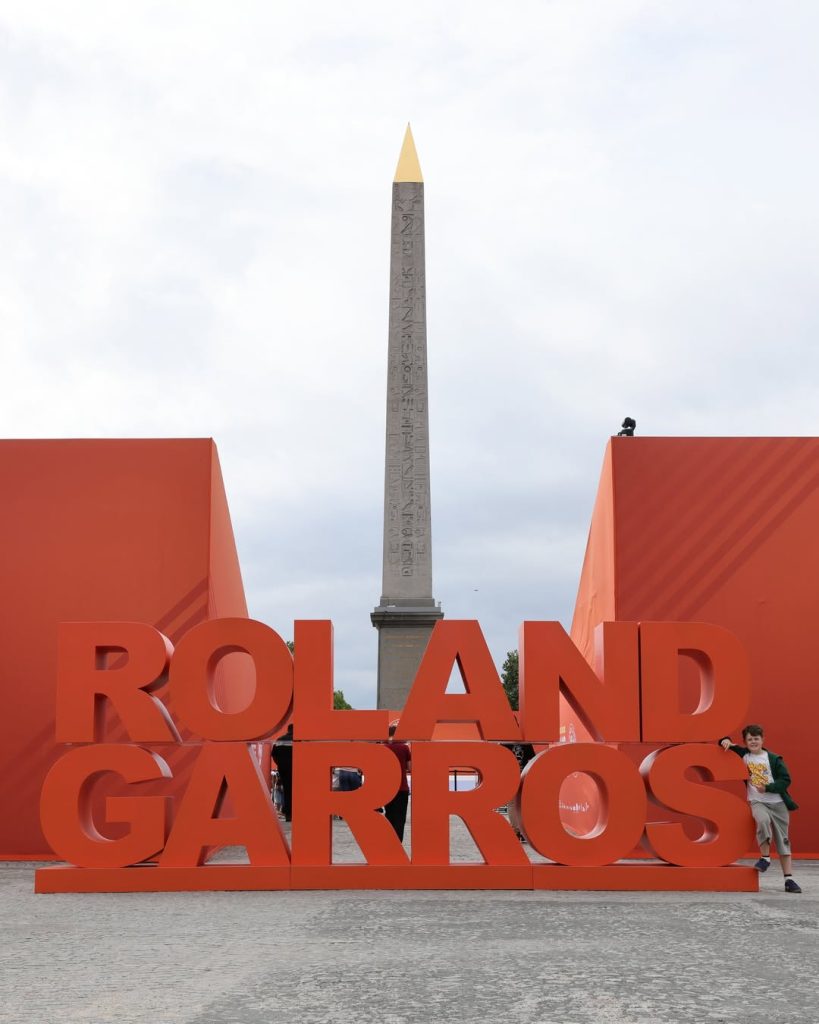
Roland-Garros 2026 will be remembered as one of the defining tournaments of tennis’ transitional era. Not because it produced a record-breaking achievement, nor because it delivered the greatest final in history, but because it became the stage on which one player finally freed himself from the shadow of his own past after years spent proving he belonged among the sport’s elite.
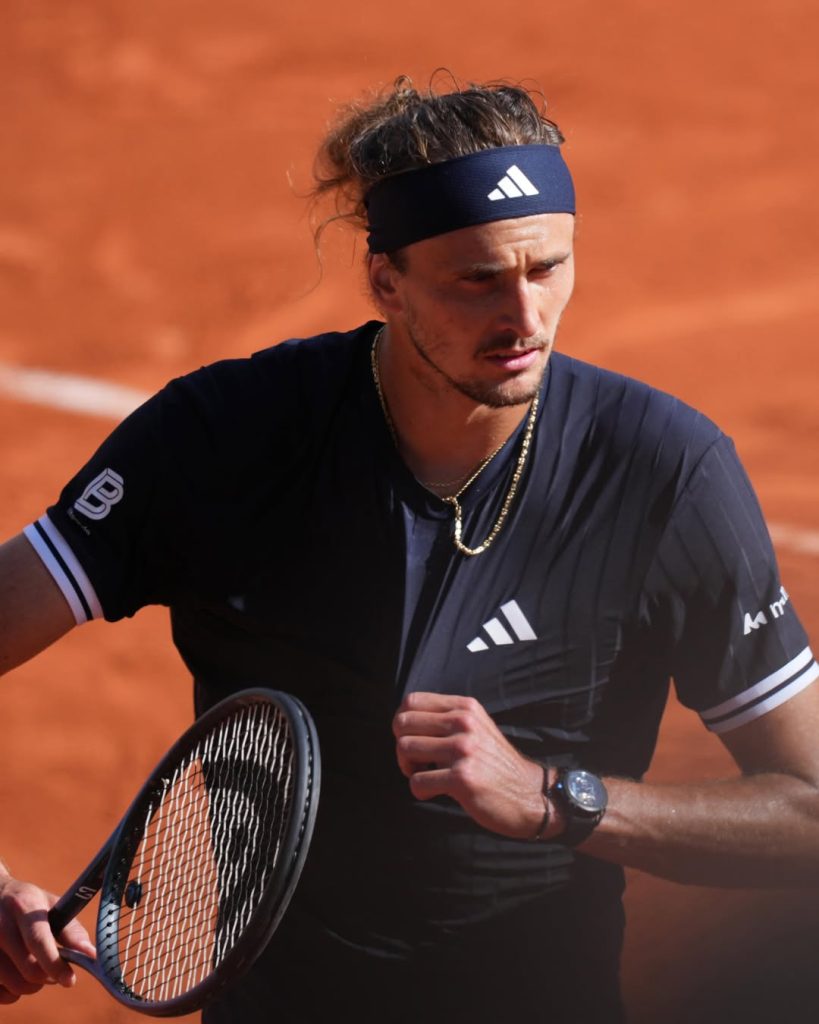
That player was Alexander Zverev. For nearly a decade, Zverev had been regarded as one of the most gifted players of his generation. He possessed all the attributes of a champion: a formidable serve, remarkable movement for a player standing close to two metres tall, and the versatility to compete on every surface. He won the ATP Finals at a young age, defeated legends such as Roger Federer, Rafael Nadal and Novak Djokovic while they were still dominant forces in the sport, and collected an Olympic gold medal alongside multiple ATP Masters 1000 titles. Yet regardless of those accomplishments, one question continued to follow him wherever he went: when would he finally win a Grand Slam?
The scars of the 2020 US Open final never fully disappeared. Having led by two sets, only to see victory slip from his grasp, the defeat became a defining narrative of his career. Subsequent disappointments at major tournaments only reinforced the perception that while Alexander Zverev was undoubtedly a world-class player, he might never cross the line on the sport’s biggest stage.
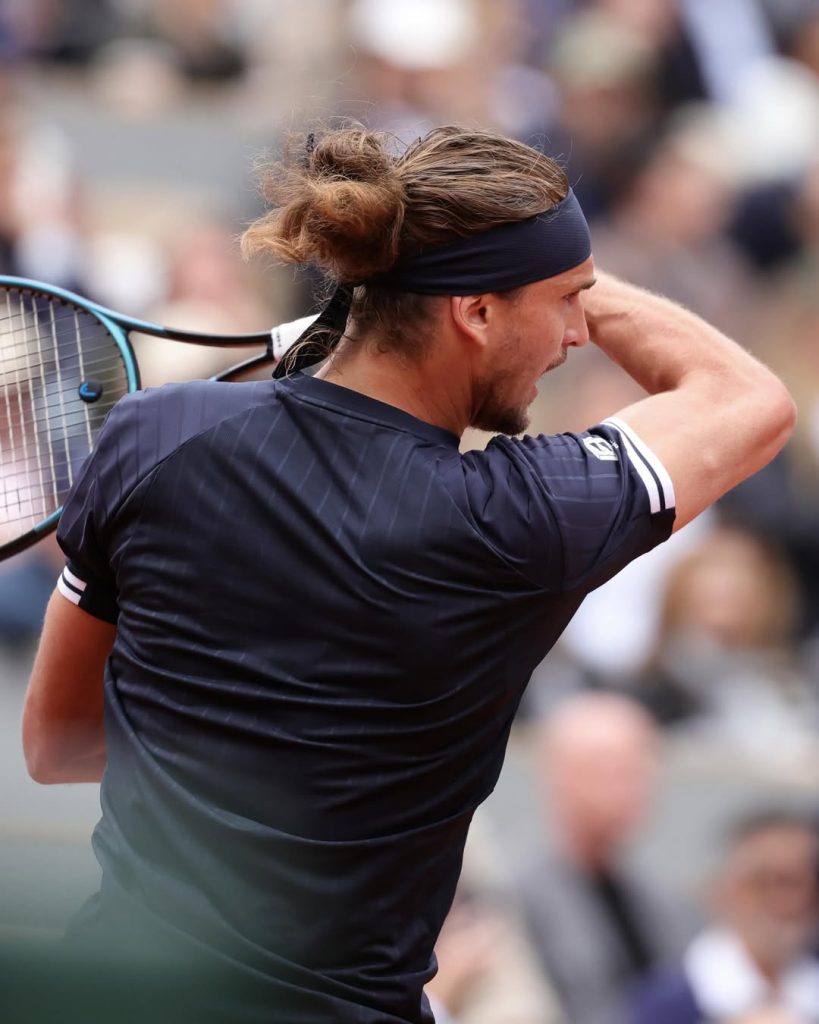
This time, however, he would not leave in tears. Roland-Garros 2026 began under circumstances markedly different from recent years. The withdrawal of Carlos Alcaraz through injury, coupled with the early exits of Jannik Sinner and Novak Djokovic, transformed a tournament that usually had clear favourites into one of the most open Grand Slams in recent memory. Suddenly, the path to the title belonged to no one in particular.
At the same time, Flavio Cobolli emerged as one of the tournament’s most compelling stories. The 24-year-old Italian stunned the tennis world by reaching his first Grand Slam final, embodying the rise of a new generation eager to reshape the balance of power in men’s tennis. Cobolli represented the future, but in 2026 Roland-Garros seemed determined to deliver its ultimate reward to the man who had waited longest for it.

The final unfolded as an intense battle lasting several hours. Momentum swung repeatedly between the two players, with each man applying relentless pressure whenever the other appeared to gain control. Every time Zverev looked ready to take command, Cobolli found a way back into the contest. The tension was visible not only on the scoreboard but also in the expressions and body language of the German, who knew this opportunity might prove to be the defining moment of his career.
When the final point was won, Alexander Zverev did not sprint around the court or celebrate with extravagant emotion. Instead, he simply collapsed onto the red clay, as though every burden he had carried for so many years had vanished in a single instant. It was perhaps one of the most powerful sporting images of 2026. Not because it showed a champion celebrating victory, but because it captured a human being finally released from the weight of expectation, disappointment and the questions that had followed him throughout almost his entire professional life. Yet Roland-Garros 2026 was about more than Zverev alone.

In the women’s singles event, 19-year-old Mirra Andreeva claimed the first Grand Slam title of her career, signalling that a new era in women’s tennis may already have arrived. Across both draws, a wave of emerging talent demonstrated that the post-superstar generation is taking shape with increasing clarity.
What ultimately distinguished Roland-Garros 2026 was not the identity of its champions, but the unmistakable sense of transformation that lingered throughout the fortnight. It was a tournament that reminded the tennis world that the future is already here, and that predicting who will stand at the summit of the sport has never been more difficult.
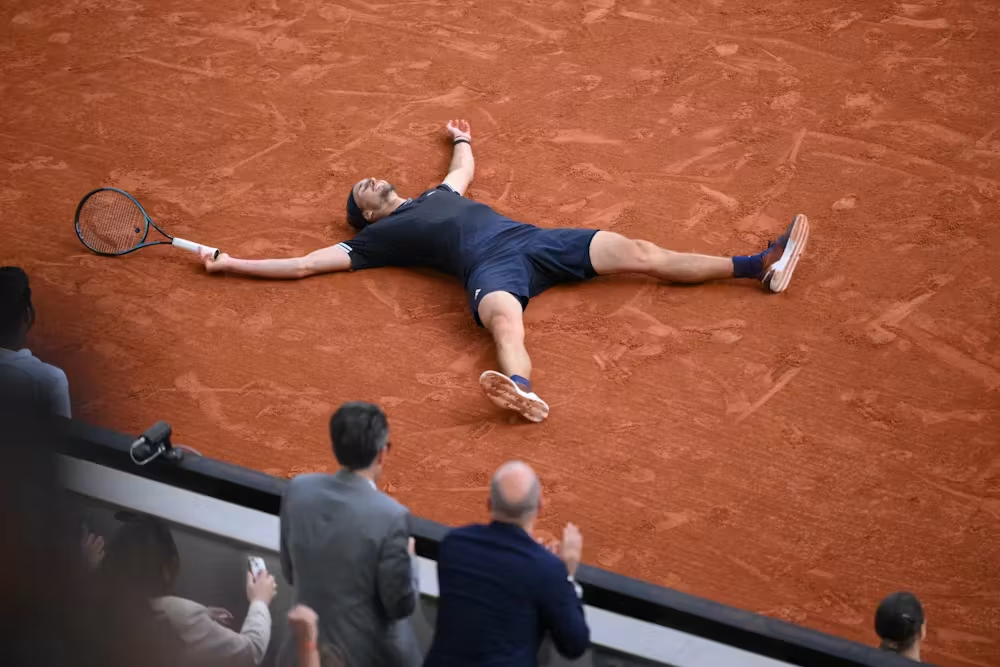
As the red dust of Paris gradually settled, what many will remember most is not the scoreline or the statistics. It is the image of Alexander Zverev lying on Court Philippe-Chatrier, surrounded by the applause of thousands, finally at peace with the journey that had led him there.
Photography Courtesy of Roland-Garros