
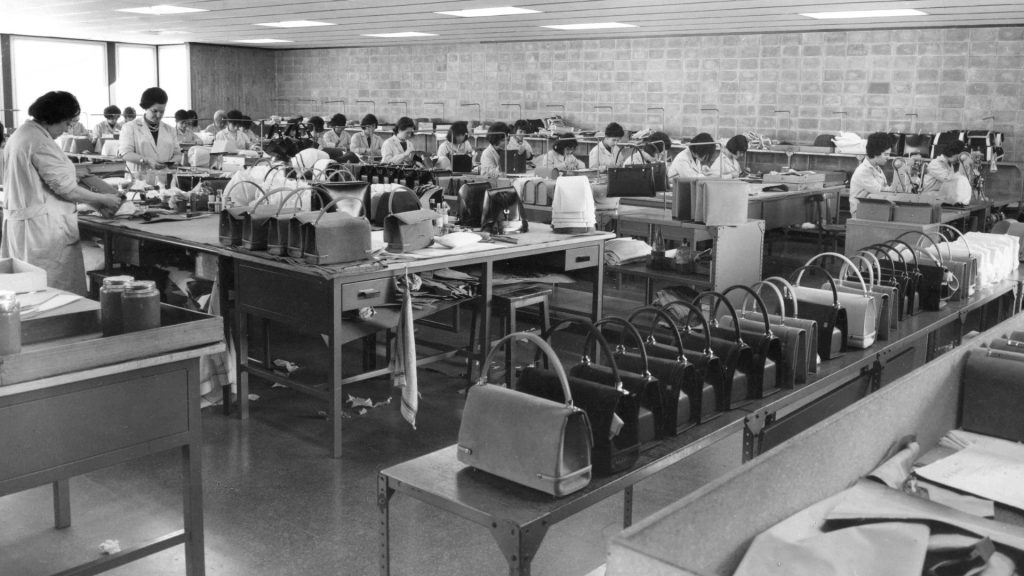

There are fashion houses that seem to travel through time, but very few allow time to travel through them as gracefully as LOEWE. For the Madrid-born maison, being “historic” has never meant remaining still. It means preserving an original spirit while allowing it to shift in form, rhythm, and language with a world that never stops changing.
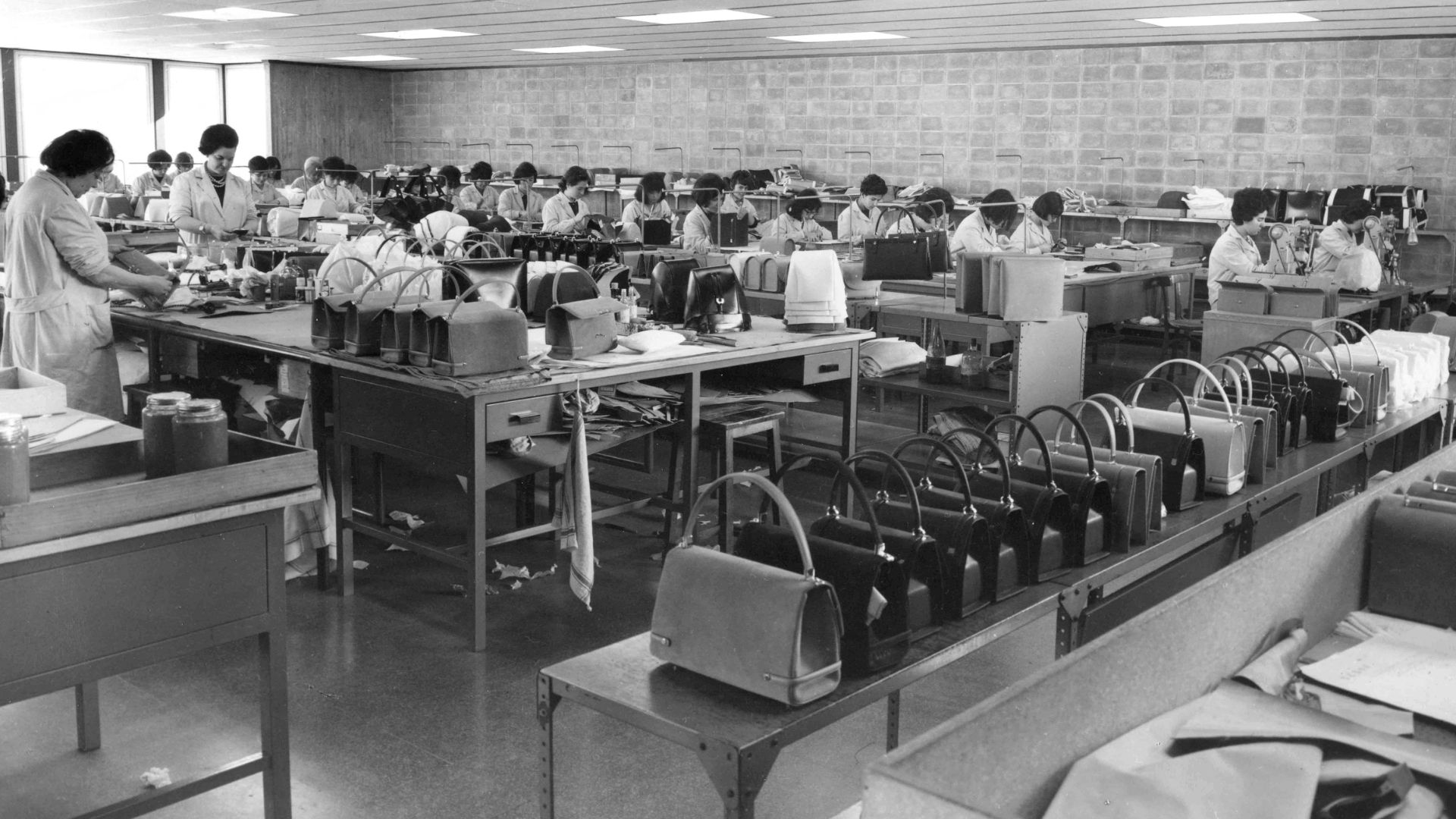
As LOEWE marks its 180th anniversary, the house is not simply celebrating the number of years that have passed. It is celebrating the delicate ability to keep “craft” alive in a world where everything is made to move faster, feel lighter, and be forgotten more easily. Founded in Madrid in 1846 by a collective of leather artisans, LOEWE began as a small workshop on a cobbled street before gradually expanding from the intimacy of handwork into a global language of contemporary luxury. Yet one belief has never disappeared: great fashion is never built on image alone, but on precision, material intelligence, and a deep loyalty to things made with intention.
This is what makes the LOEWE Turns 180 campaign so compelling. It does not try to make the house appear grand through spectacle. Instead, it tells the story of greatness through intimacy, stillness, and the sensation of looking at the past under a new light. Photographed by Talia Chetrit, the campaign brings together women from different worlds, including LOEWE global brand ambassador Julia Garner, GISELLE of aespa, Salma Abu Deif, Kara Wai, Sissy Spacek, and artist Kara Walker. These names do not appear merely as a “cast,” but as a conversation across generations, cinema, music, art, pop culture, and the memories of women who each carry their own visual language.
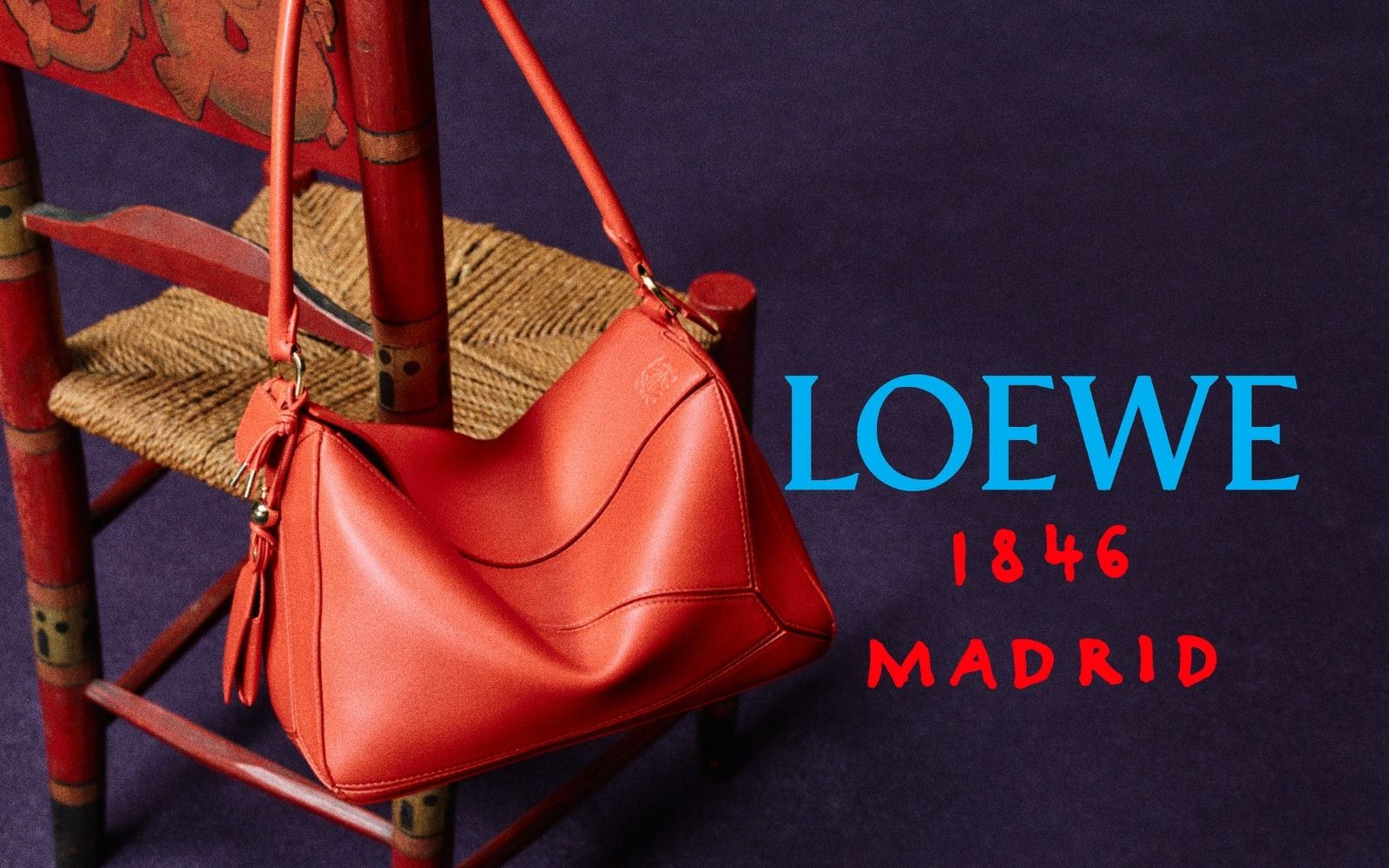
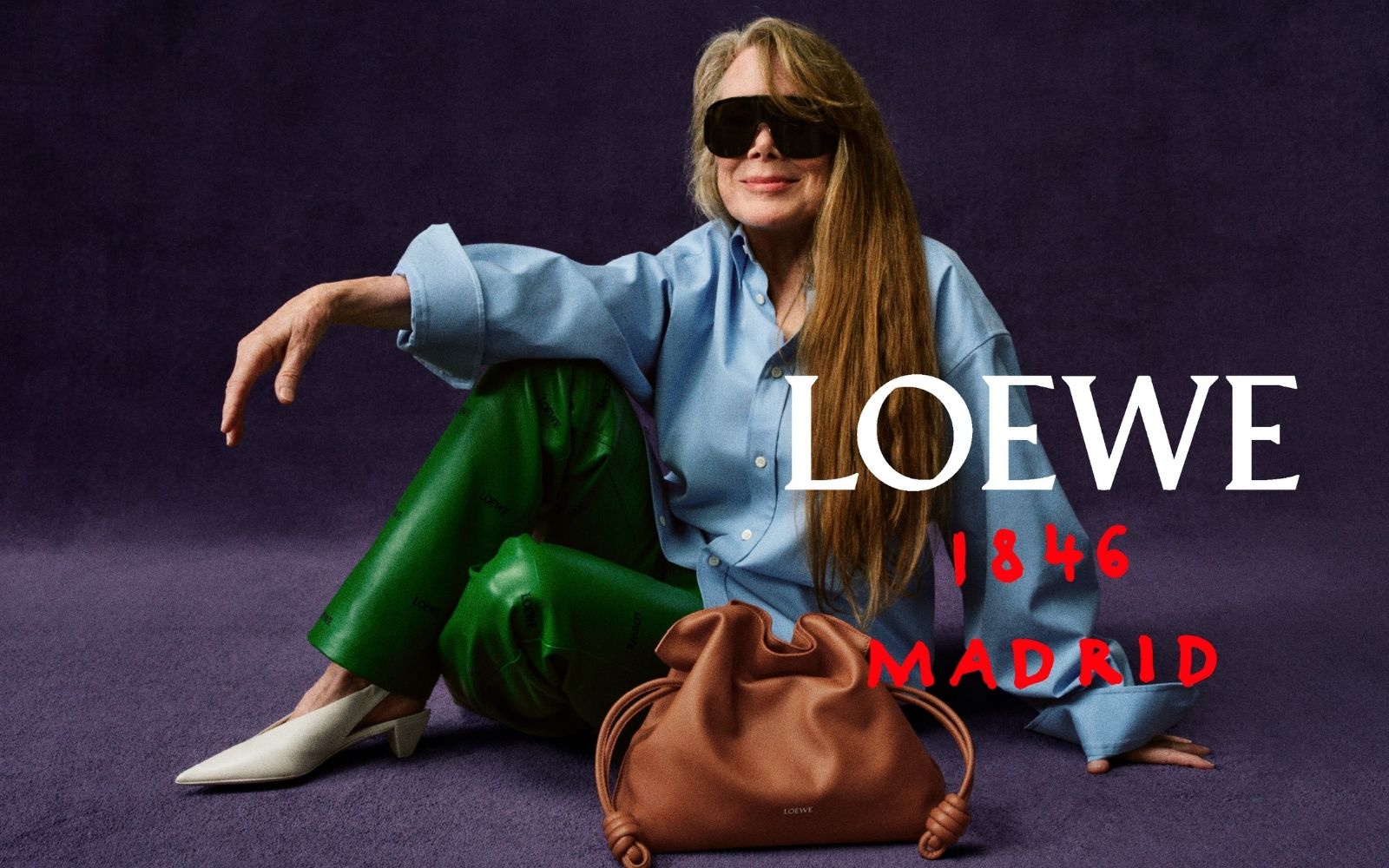
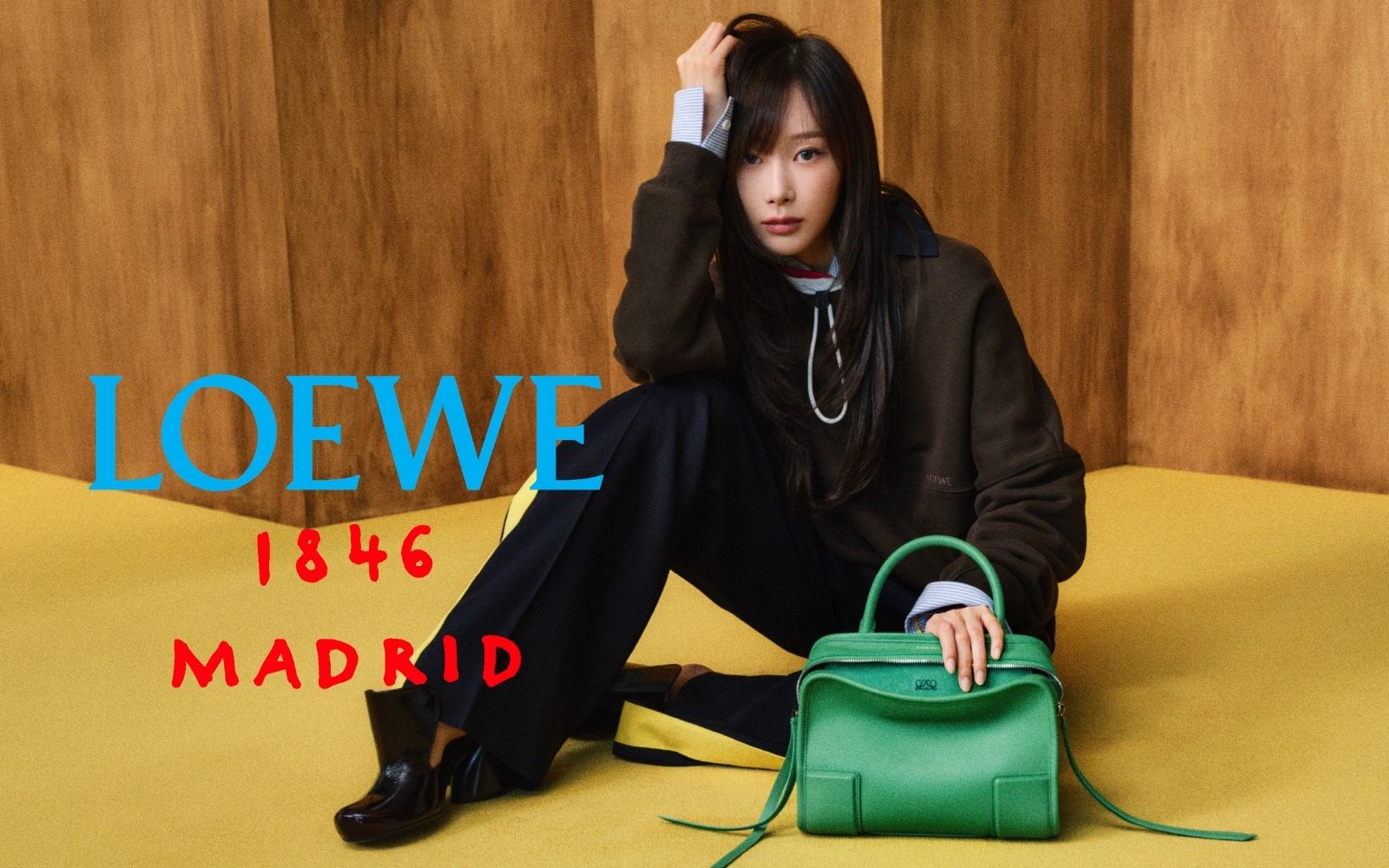
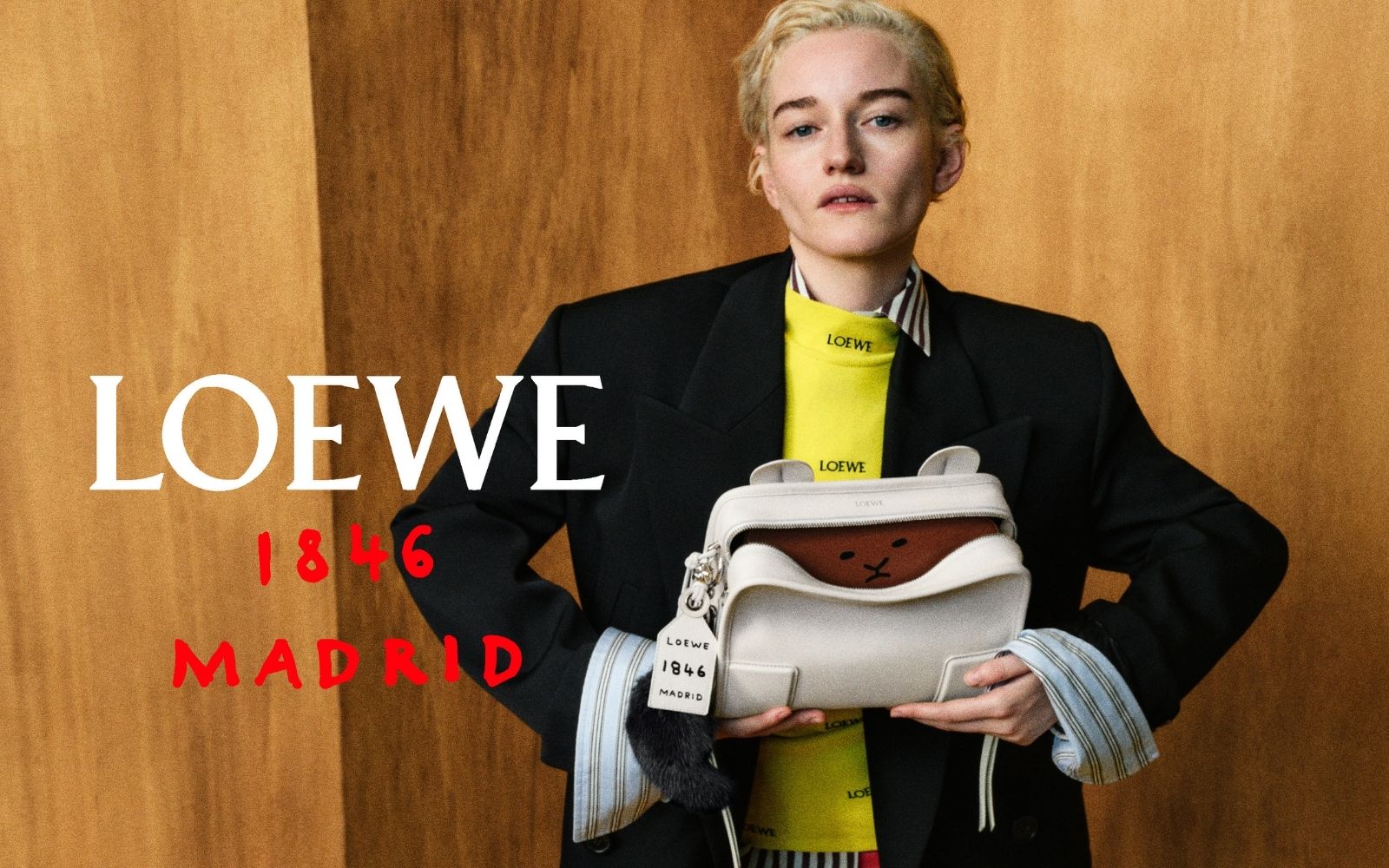
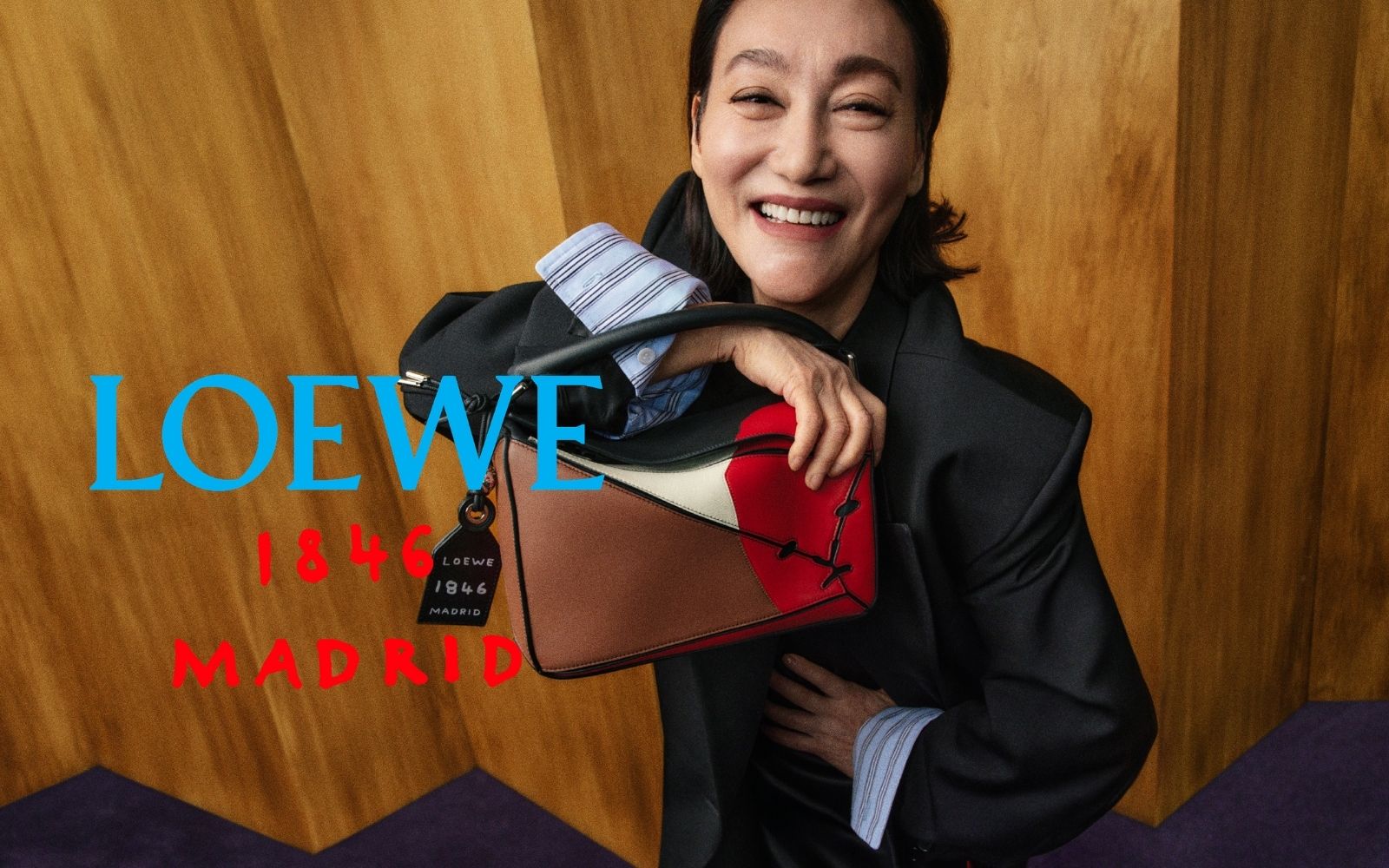
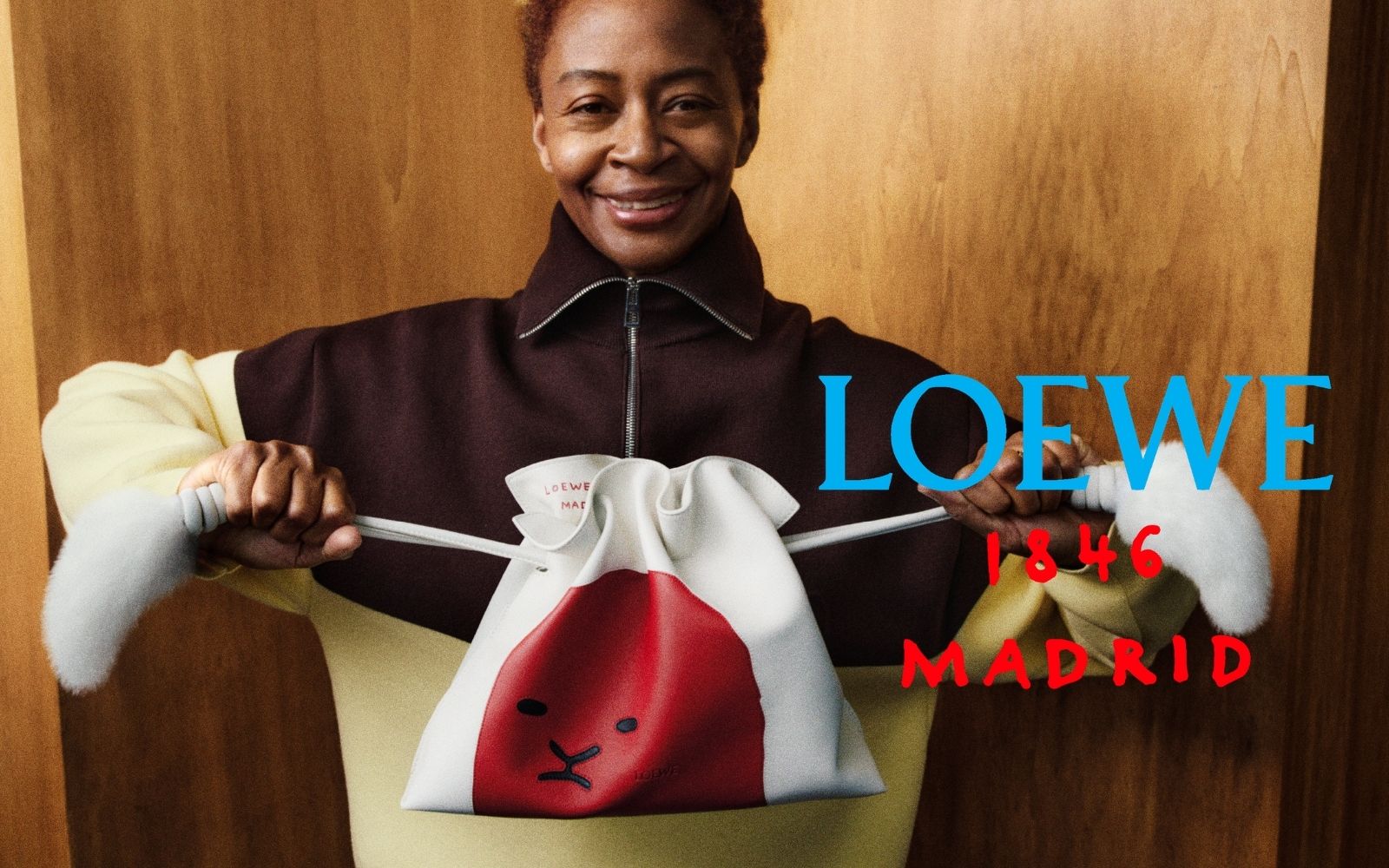
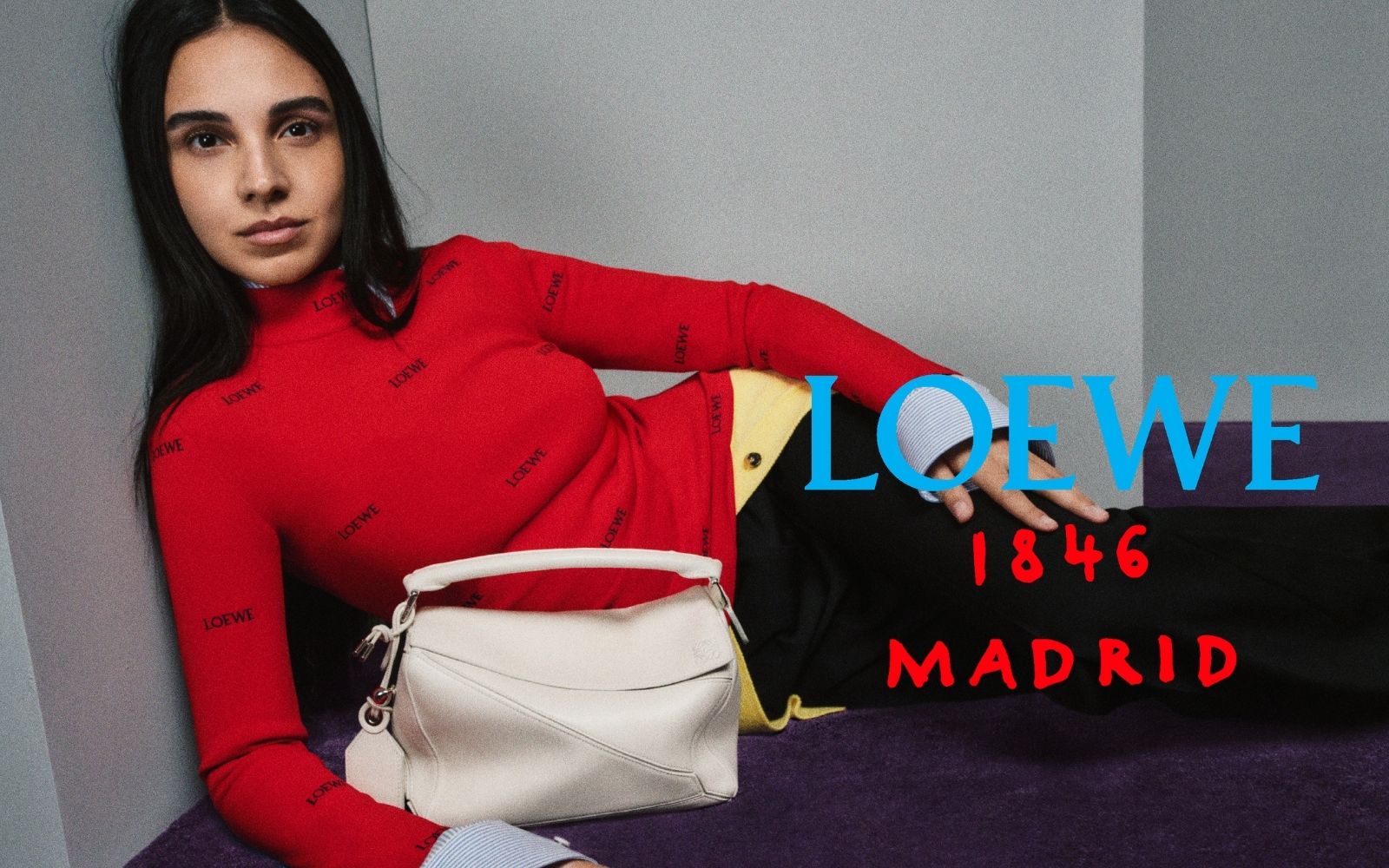
The pairing of Sissy Spacek with GISELLE, or the placement of Kara Walker within the same universe as Julia Garner, turns the campaign into something more than a gathering of famous faces. It becomes a map of influence that stretches far beyond fashion. LOEWE seems to understand that a house with 180 years of history does not need to prove its modernity by anxiously chasing the new. True contemporaneity may instead come from knowing which parts of the past to bring back, how to place them beside the present, and when to let new meanings quietly emerge.
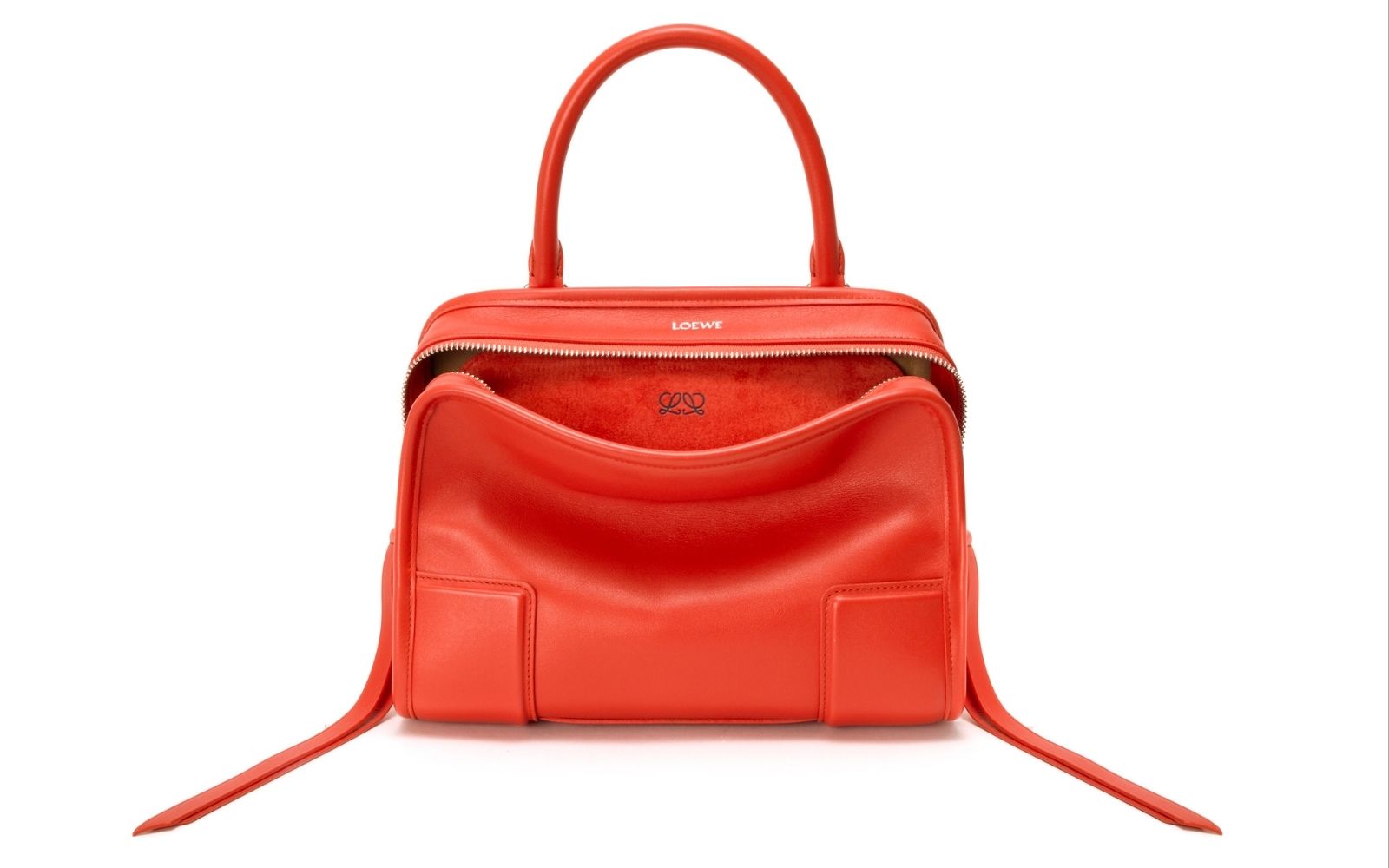
At the heart of the campaign are the bags, not as accessories that complete a look, but as objects that record the house’s way of thinking across different eras. The Flamenco, first introduced in the 1980s, speaks of softness and movement in leather without needing rigidity to express power. The Puzzle, launched in 2015, has become one of the defining symbols of modern LOEWE, with a construction that feels like folding, cutting, and miniature architecture held in the hand. Meanwhile, the Amazona 180, reimagined from the original 1975 design, becomes the meaningful centre of this anniversary.
The Amazona is not simply a classic LOEWE bag. It was born at a time when Spanish women were beginning to move beyond domestic space into work, society, and a new sense of freedom. A bag, in this context, was never merely something used to carry belongings. It became a marker of movement, a vessel for a life in transition, and a symbol of women who were no longer waiting for the world to give them space, but beginning to carry their own space with them.
When Jack McCollough and Lazaro Hernandez reinterpret the Amazona as the Amazona 180 for their debut collection at LOEWE, the result is not a reproduction of the past as it once was. It is a way of giving that past a new charge. Through suede, calfskin, softness, flexibility, and a quiet sensuality that does not need to announce itself loudly, the Amazona 180 understands that the charm of a truly good bag does not lie in declaring itself an icon. It lies in gradually becoming something people want to use, hold, touch, and keep within their lives.
This is where LOEWE differs from many maisons that treat the archive merely as a treasure chest to be reopened and resold. For LOEWE, the past is not a museum object locked behind glass. It is living material that can still breathe, if handled by hands that understand it well enough. The 180th anniversary therefore becomes a conversation between craftsmanship and imagination, between what has already proven its endurance and what must still be daring enough to experiment.
The house’s signature playfulness also appears throughout the accompanying capsule collection. Lion motifs emerge through beaded embroidery, leather intarsia, leather bag charms, and the lining of the Amazona 180, all linking back to the meaning of “Loewe” as “lion” in German. It may seem like a small detail, but in the world of LOEWE, playfulness is never merely decorative. It is a way of preventing history from becoming too heavy, of keeping heritage from turning into a burden, and of allowing luxury to retain humour, warmth, and humanity.
Beyond the photographs and capsule collection, LOEWE extends the celebration through an animated film narrated by Antonio Banderas, revisiting key moments in the house’s history: from 1872, when Enrique Loewe Roessberg united a group of artisans under the LOEWE name, to 1905, when the house was appointed supplier to the Spanish royal court, and the founding of the LOEWE Foundation in 1988. These moments remind us that 180 years of LOEWE were not built by fashion shows alone, but by institutions, craftsmanship, culture, and the evolving relationship between the house and the society around it.
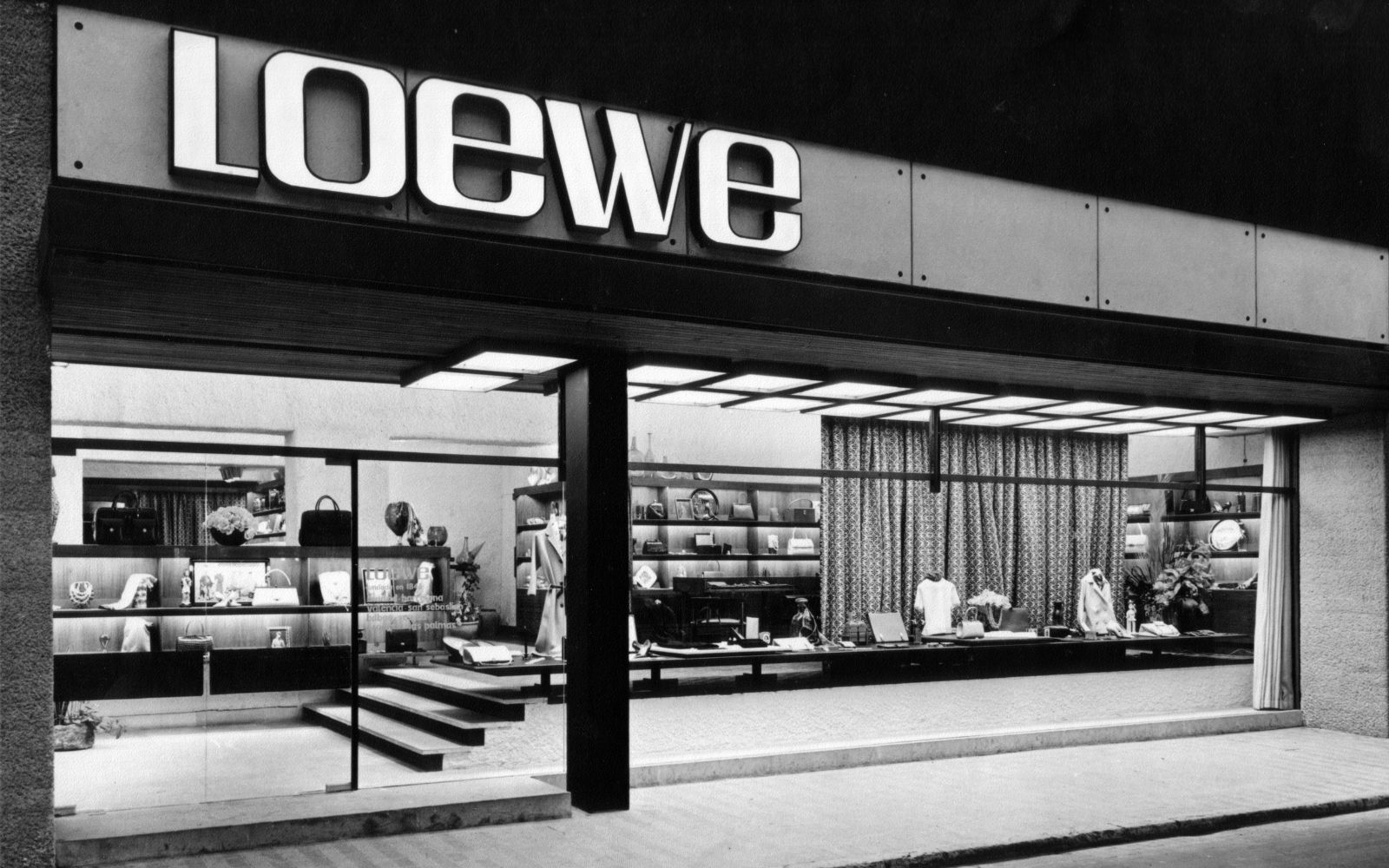
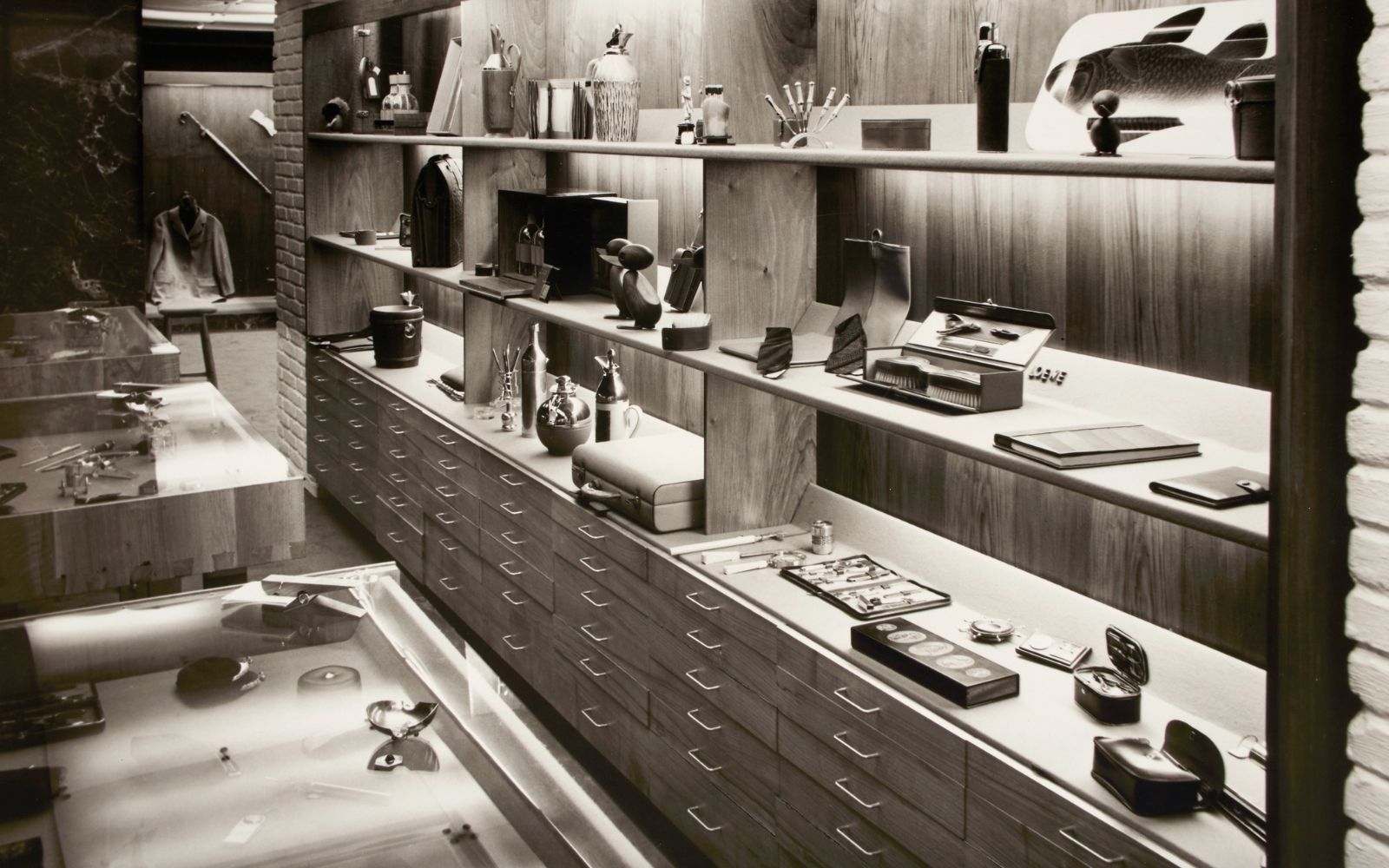
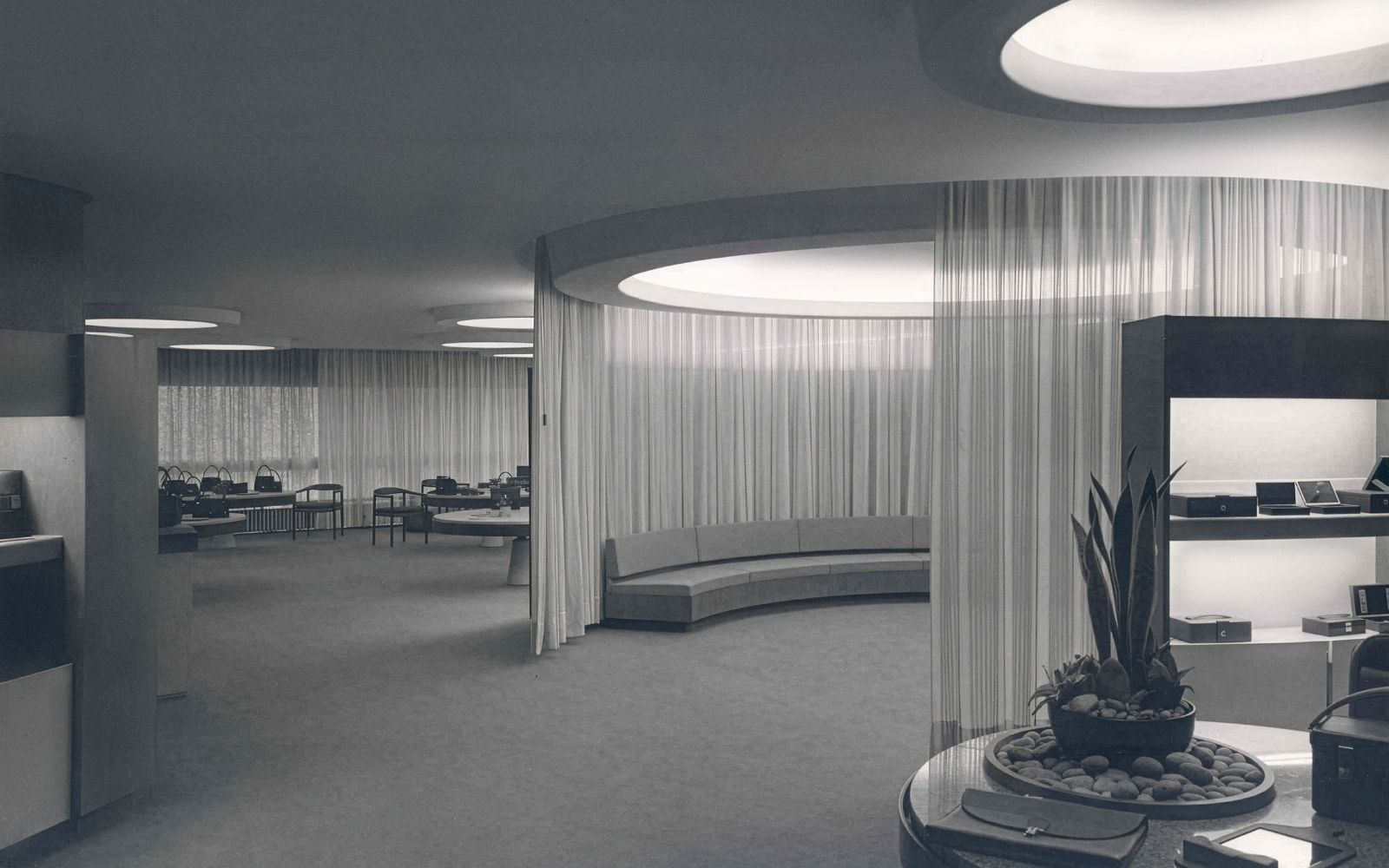
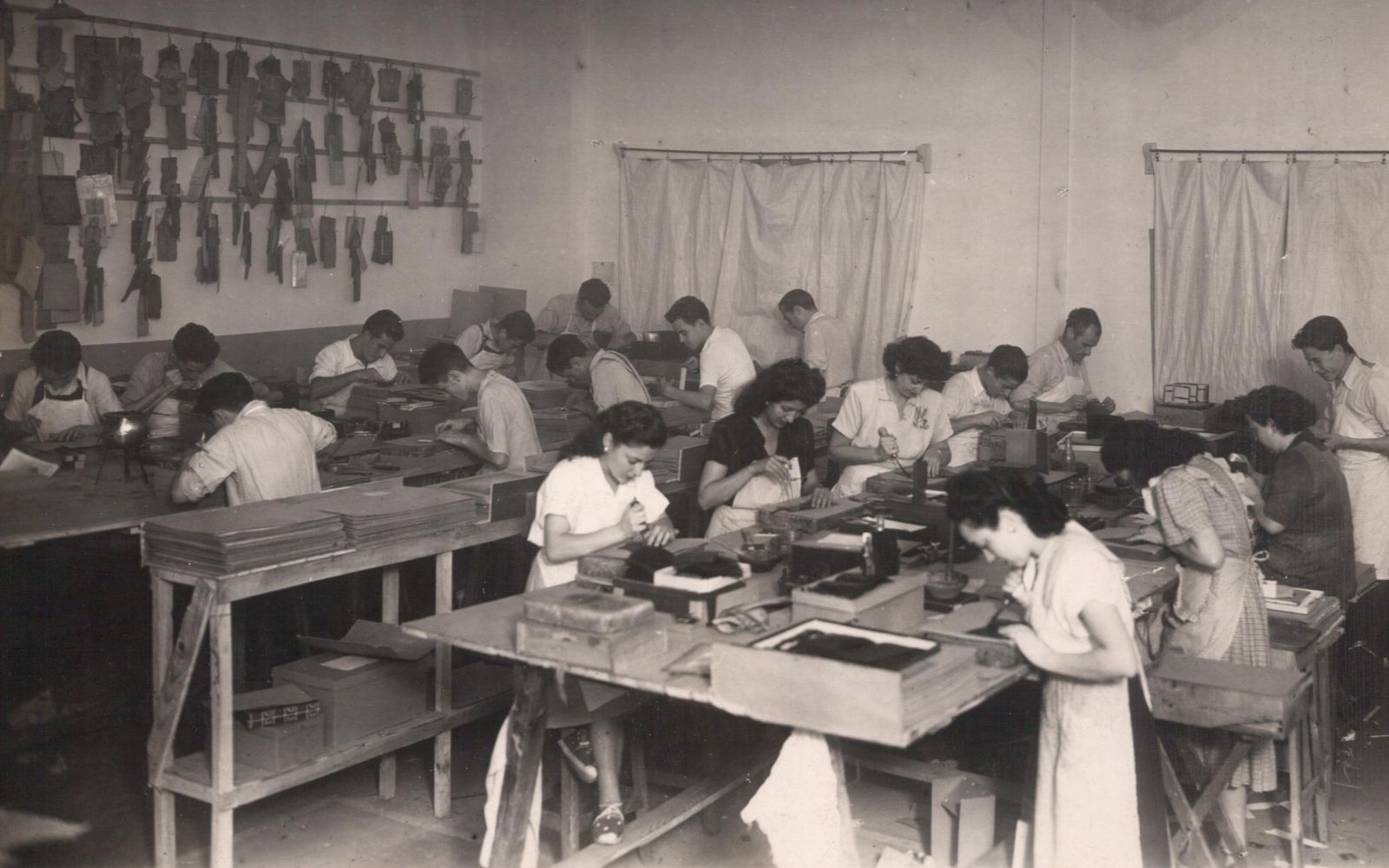
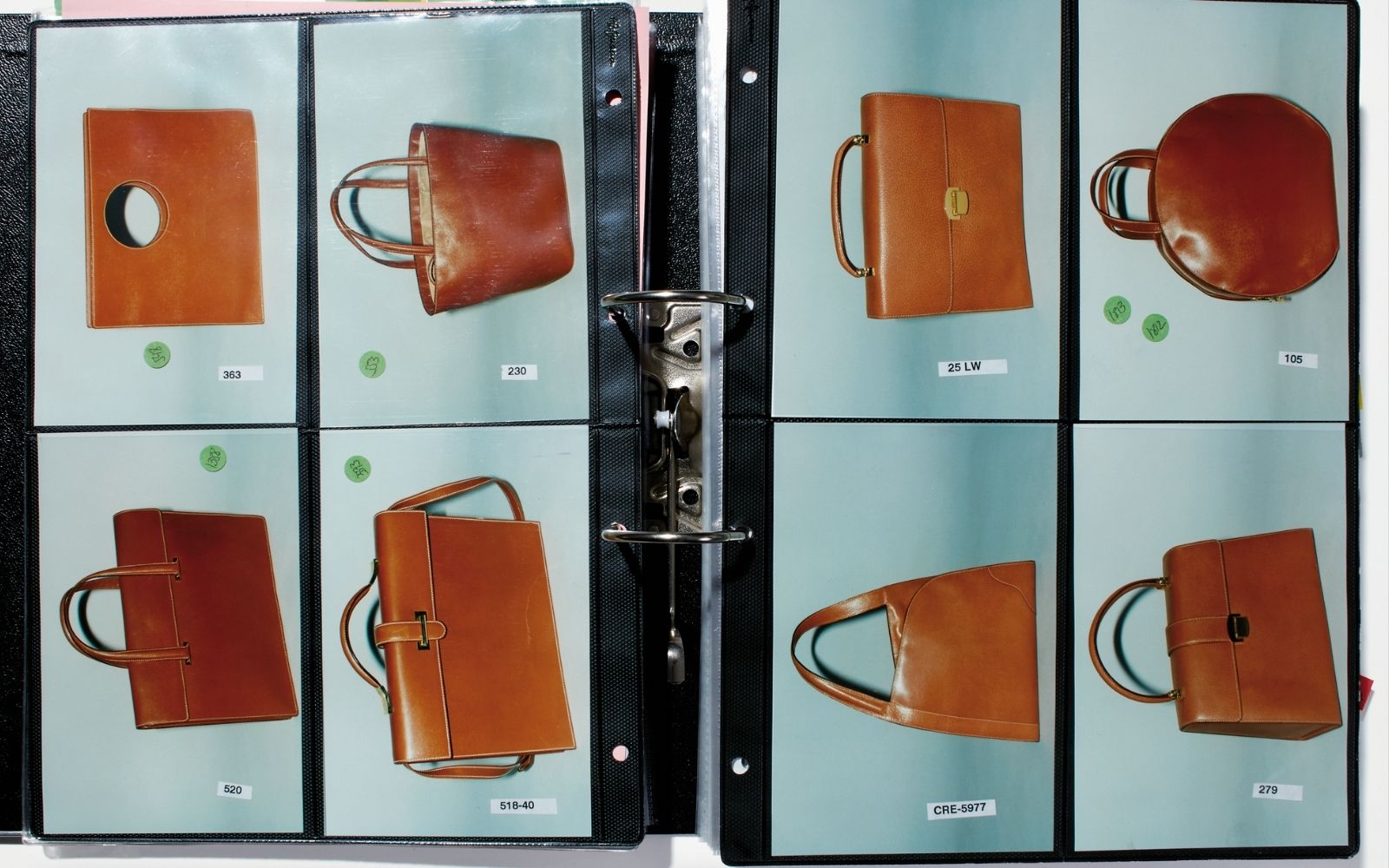
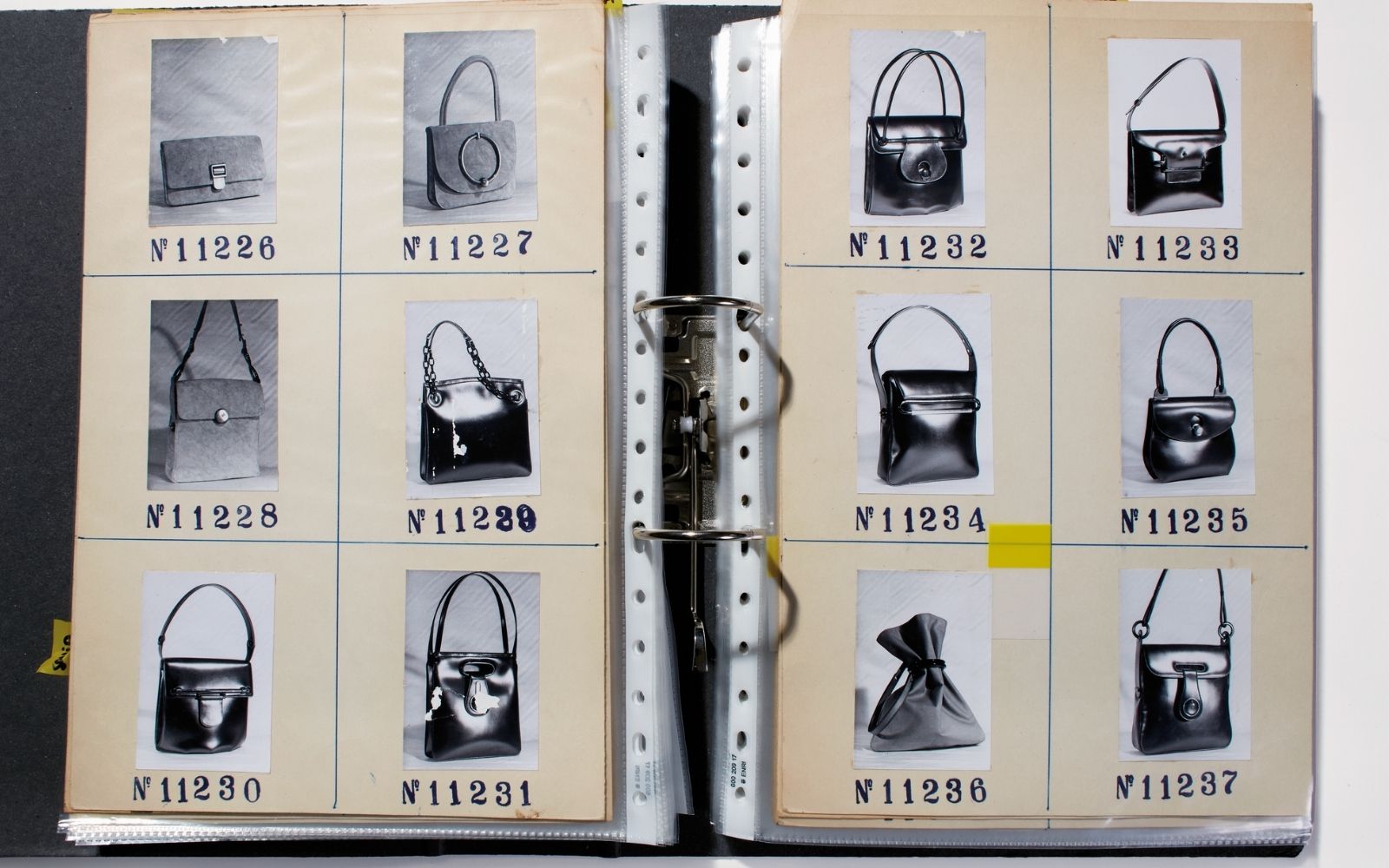
The release of 180 Years of Craft, a special publication presented as part of LOEWE Magazine Issue 11, further confirms that this anniversary is not simply a marketing campaign, but an act of re-reading the house’s memory. The publication takes readers into the archive and the Madrid workshop, the beating heart behind the beauty of the images. Because in the end, what makes LOEWE truly LOEWE may not be one specific bag, one ambassador, or one campaign, but the relationship between hand and material, artisan and imagination, and the house and time itself.
Perhaps the most beautiful thing about LOEWE Turns 180 is not the fact that the house has lasted 180 years, but that it does not look like a brand weighed down by its own age. LOEWE today is not trying to present itself as a distant legend. It is a legend that still knows how to laugh, play, experiment, and touch the world with curiosity, like an artisan who has mastered the craft but still feels excitement when a new piece of leather is placed on the worktable.
In a fashion world where many brands are still searching for ways to connect past and future, LOEWE answers with remarkable calm. It neither turns away from heritage nor clings to it so tightly that it cannot breathe. Instead, it turns it 180 degrees, looks at it from another side, and discovers that a meaningful past does not always live behind us. Sometimes, it waits ahead, ready to be carried by hands that understand true beauty is not about remaining unchanged, but about changing without losing one’s heart.