

#LegendFilmReview by Manit Maneepantakul
Twenty years may sound like enough time for the world to completely change. But for certain things, especially power, it doesn’t disappear. It simply changes form.
The Devil Wears Prada 2 doesn’t return as a sequel chasing past glory. Instead, it poses a quiet, unsettling question: when the rules of the world are no longer the same, can those who once stood at the very top remain there?
New York in this chapter still glitters, perhaps even more than before. But that brilliance no longer serves as armor. It feels more like a reflective surface, revealing fine cracks that grow more visible with every shift of light.
The city’s glow is sharper now, harder. It reflects off the glass façade of the newly towering Runway building, as if insisting that greatness still stands intact, even as something within begins to tremble. Inside, everything feels bigger, cleaner, and quieter. Not a peaceful quiet, but one dense with an invisible pressure.
Miranda Priestly is still Miranda Priestly.
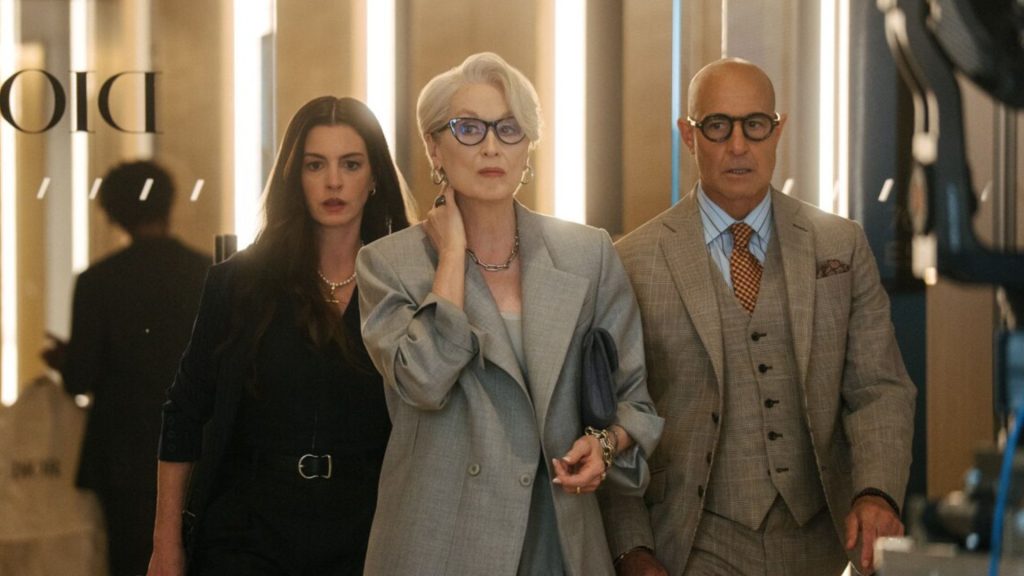
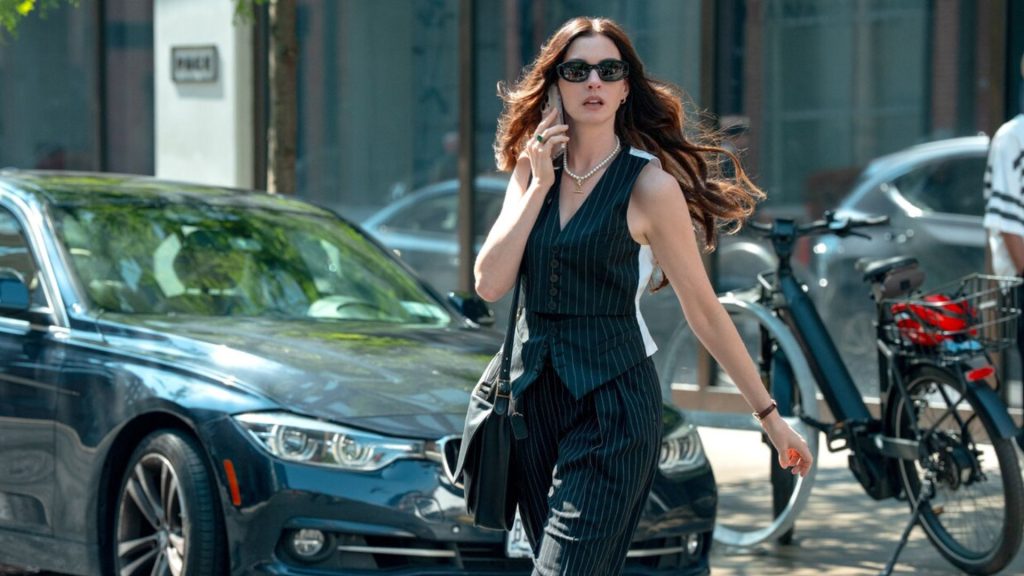
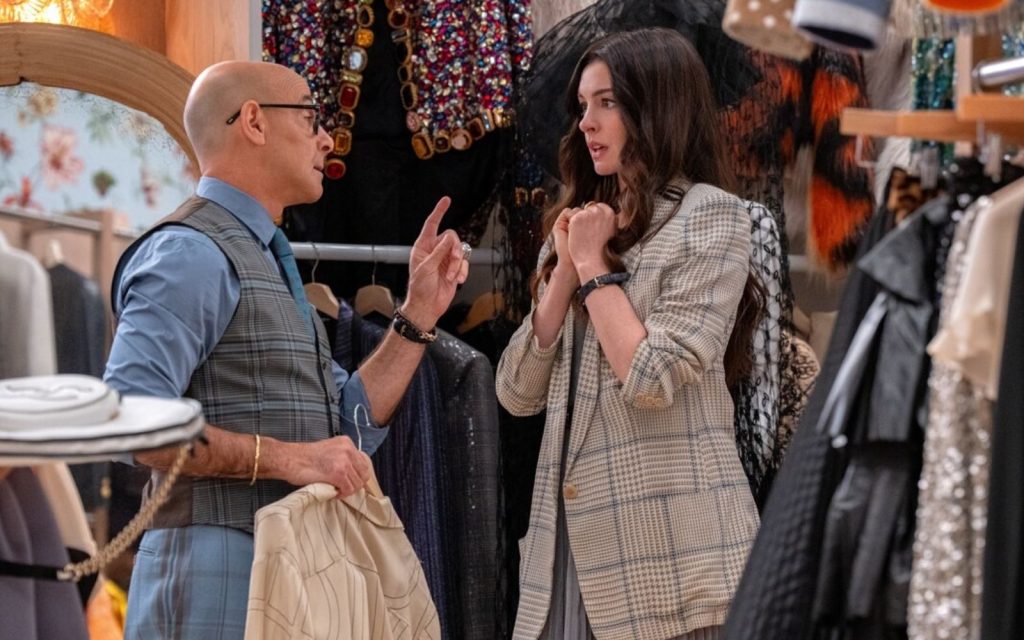
She still moves through the hallway in tones that command attention, grey, silver, white, a presence that doesn’t need to announce itself, yet cannot be ignored. Meanwhile, Andy in this new chapter is no longer in transformation; she has settled into herself. Her wardrobe no longer tries to prove anything, it quietly reflects that she knows exactly where she stands.
Miranda still walks into meetings with a gaze that silences the room. She still selects coats with an almost prophetic precision, as if anticipating trends a season ahead.
But it’s in the smallest details, subtly revealed, that something shifts. Hanging her own coat. Flying economy. Being questioned by those who once feared her.
These moments don’t diminish Miranda’s power.
They reshape it.
From authority that once stood above everything
to authority that still exists,
but now must coexist with reality.
In the first film, Runway symbolized absolute power within the fashion world, a space where a single decision could determine a designer’s fate. Now, it faces a far larger question. Not one of taste, but of relevance.
As media accelerates beyond depth, as scrolling outweighs remembering, beauty, once meticulously crafted, becomes just another fleeting image in a feed that few pause to consider.
And in a world like that, even a queen must learn to negotiate.
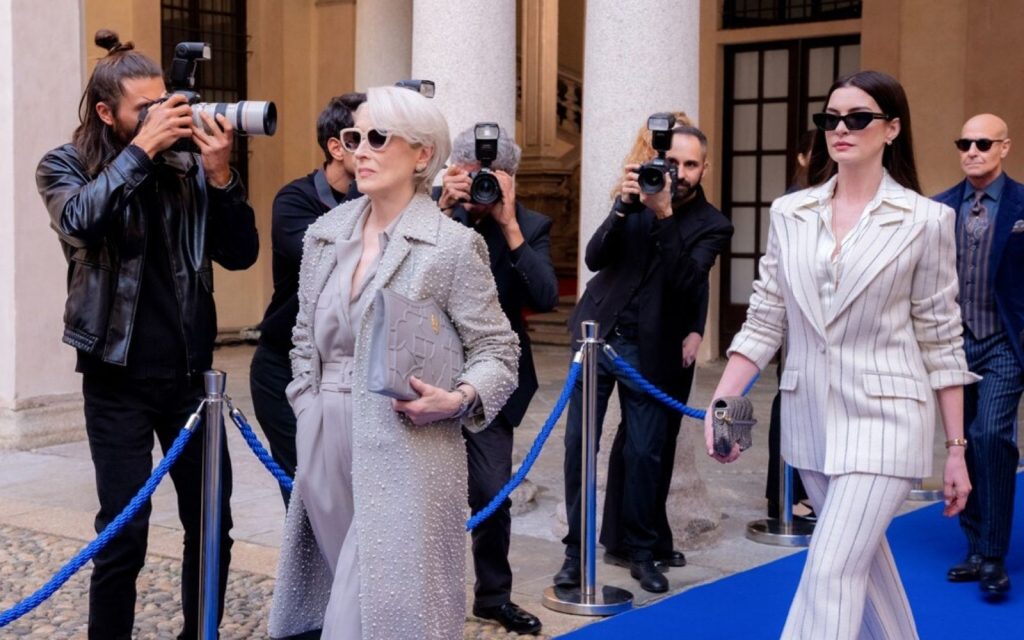
In an era where everything is faster, cheaper, and more accessible, maintaining quality becomes a quiet yet powerful form of resistance.
At the same time, the film reframes labor with a distinctly different tone.
“A million girls would kill for this job” once functioned as a mantra, almost a curse, binding a generation of workers to silent endurance. Now, it echoes like a relic of another era.
The new generation at Runway doesn’t fear Miranda. And more importantly, they don’t want to.
Amari, the new assistant, doesn’t enter as a subordinate, but as someone fully aware of her own value. She speaks, questions, even advises, without hesitation, even toward someone once considered untouchable.
This is not rebellion.
It’s evolution.
When talent becomes capital, when time and mental well-being are recognized as cost, the relationship between employer and employee shifts. It is no longer about loyalty, it is an exchange that must make sense on both sides.
And here lies Miranda’s greatest challenge, far beyond controlling a room.
She must learn to listen.
Andy Sachs’ return sharpens this dynamic even further.
Once the girl who stood frozen by the elevator, she now meets Miranda’s gaze without flinching. Yet the true intrigue isn’t her strength, it’s the inevitability of her return.
Despite choosing a more idealistic path, despite trying to leave fashion behind, she is drawn back into the same system.
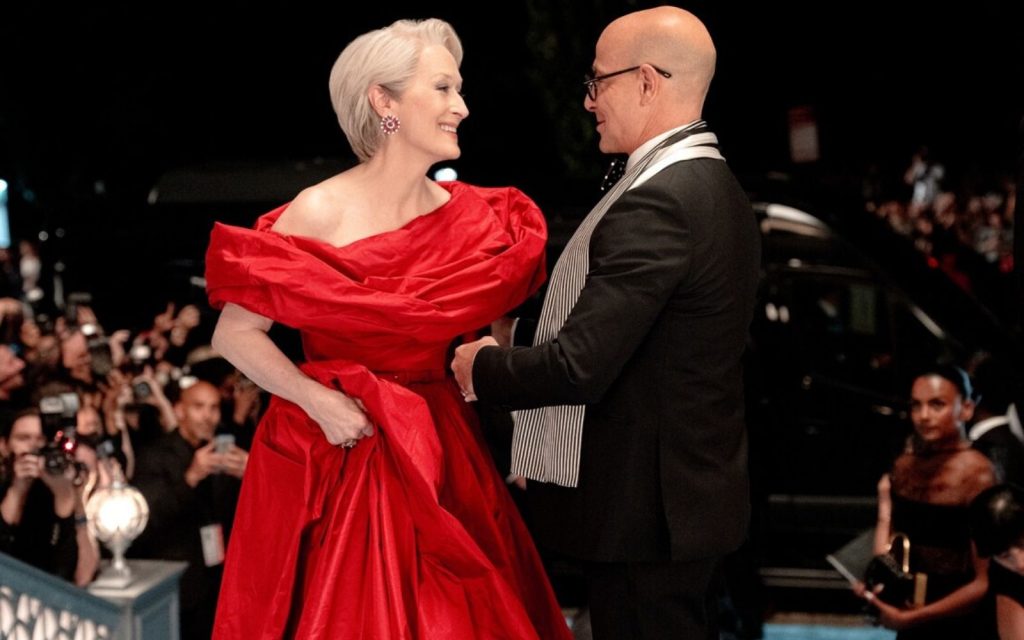
Because in reality, ideals alone are rarely enough to sustain a life.
And sometimes, compromise is not weakness,
but survival’s most necessary skill.
Perhaps the most striking achievement of The Devil Wears Prada 2 is that it doesn’t try to function merely as a sequel. Instead, it acts as a mirror, reflecting how far the industries of media, fashion, and creative labor have traveled since the 2000s.
From a time when print held unquestioned authority
to an era where everything competes with the small screen in our hands.
The film resists the temptation to judge whether this shift is better or worse.
It simply presents it as truth.
The industry continues.
People continue to work, to compete, to create, to hold on to something, anything, that still feels meaningful.
And within all this motion, the film leaves us not with answers,
but with a lingering question:
When power no longer functions the way it used to,
when money flows differently,
when no one fears you anymore,
can you still lead the same way?
Or must you become someone new,
without losing who you once were?
Miranda doesn’t answer this directly.
But in a rare, almost disarming smile, she says,
“Boy, I love working.”
And perhaps that is the simplest answer of all.
In a world that moves faster every day,
maybe the only thing that still holds meaning
is to do the work well,
and to accept that it may be the only thing we truly control.
That’s all.
TheDevilWearsPrada2TH #นางมารสวมปราด้า2