


Reported by Manit Maneephantakun
There are certain days when a major national headline suddenly brings a familiar set of words back into public conversation. Words like “punishment,” “pardon,” “due process,” “privilege,” or even “justice.” And every time society begins debating these ideas again, cinema often becomes a far more revealing space than any televised political argument. Because films about prison are rarely just about prisoners. They ask deeper questions: Does a human being deserve a second chance? Who truly deserves punishment? And sometimes, the real prison is not behind bars at all, but embedded within the structures of society itself.
These are films about prisons, trials, sentencing, and judgment, not designed for the thrill of revenge or the satisfaction of seeing someone punished, but to explore how power, guilt, justice, and forgiveness actually function in the real world.
1. The Shawshank Redemption
“Some people spend their entire lives in prison, even after they walk out of the walls.”
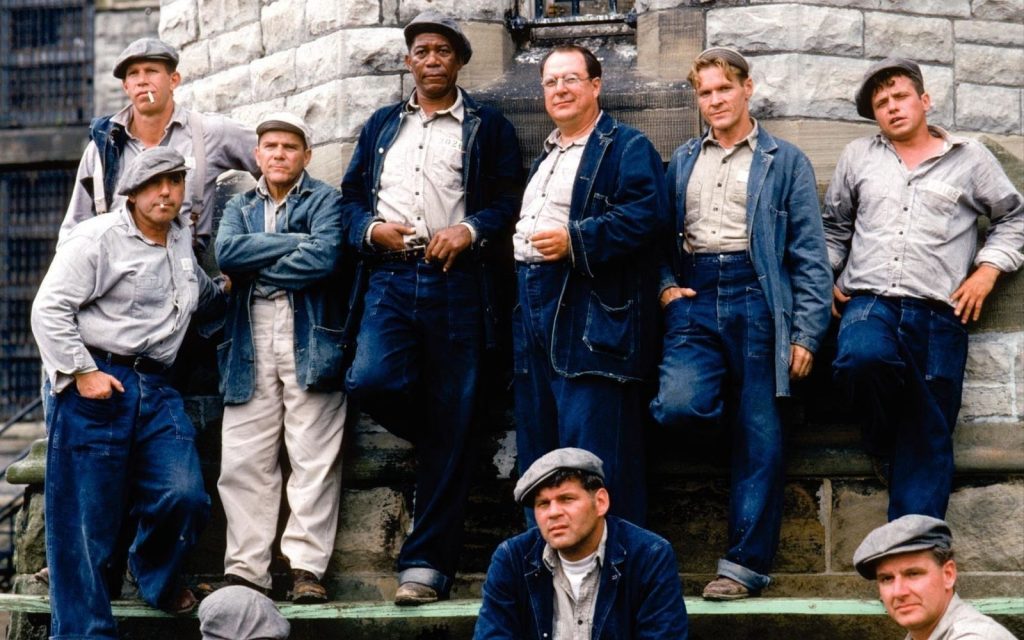
If there is one film the world continually returns to whenever society debates justice, it is The Shawshank Redemption. A story that begins with a court verdict but ends with a much larger question: how does a human being preserve hope inside a system designed to crush it? Andy Dufresne is sentenced to life imprisonment while insisting on his innocence, but the film is less interested in whether he committed the crime than in what punishment itself does to the human spirit. It explores institutionalization, the terrifying condition in which a person becomes so shaped by the system that freedom itself no longer feels real. That may be why the film remains timeless. It is not merely asking who is guilty. It is asking what the justice system does to people long after the verdict has been delivered.
2. The Green Mile
When the man awaiting execution may be the most humane person in the room
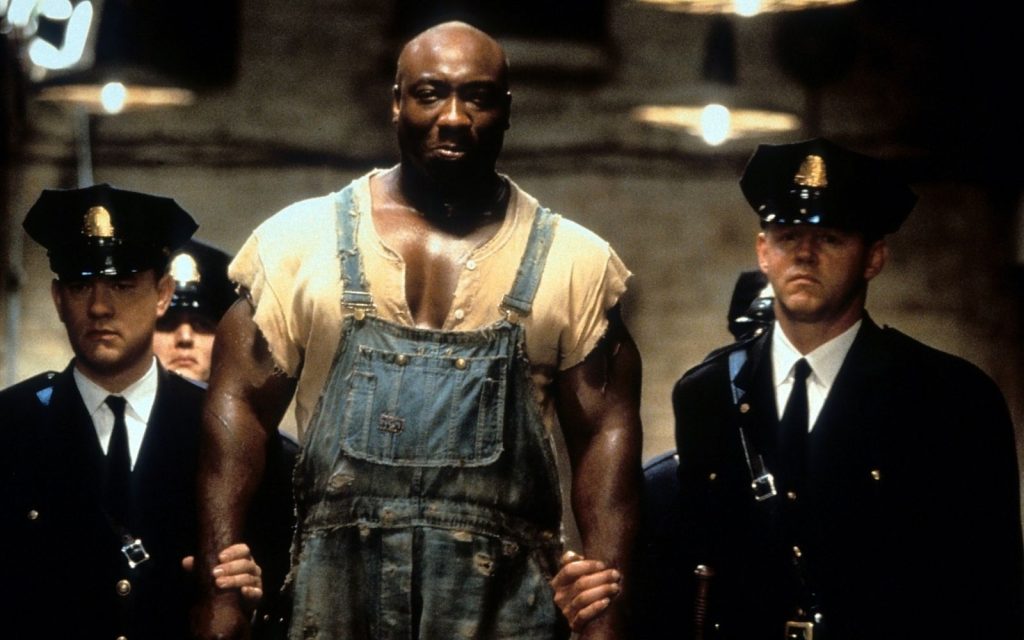
The Green Mile transforms death row into a moral landscape rather than a legal one. John Coffey, a giant inmate convicted of murdering two young girls, turns out to be the gentlest soul in the entire story. And the more the guards come to know him, the more the audience begins to question whether legal justice and moral truth are ever truly the same thing. It is one of cinema’s most devastating examinations of the state’s power to decide who lives and who dies. By the end, the film does not leave us afraid of prisoners. It leaves us afraid of a system that can never reverse its own irreversible decisions.
3. A Few Good Men
“You can’t handle the truth.”

That line became one of the most iconic dialogues in film history because it speaks about far more than military secrecy. It speaks about power itself, and the belief that authority should exist beyond questioning. A Few Good Men begins as an investigation into a soldier’s death, but slowly reveals a structure in which lower-ranking individuals carry the punishment while those at the top hide behind ideas like “duty” and “nation.” The film feels increasingly relevant in a world where societies continue asking whether everyone truly stands equal before the law, or whether the system was designed to treat different people differently from the very beginning.
4. Primal Fear
When the court may reach the correct verdict while the truth remains hidden in the shadows
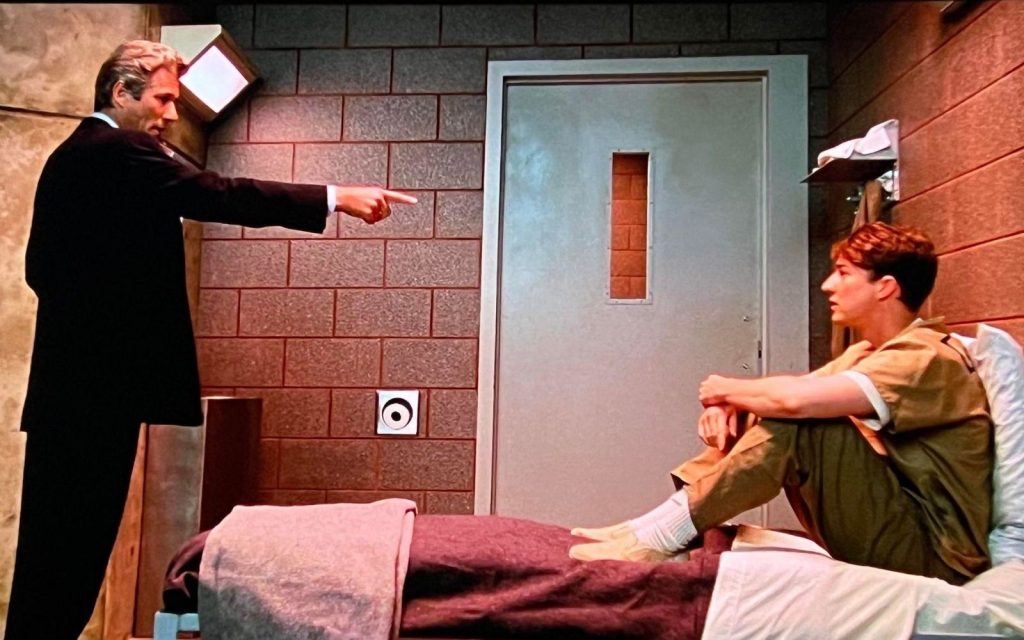
Primal Fear is dangerous because it manipulates not only the characters, but the audience itself. Edward Norton’s performance as a stuttering altar boy accused of murdering a priest became unforgettable because it revealed how deeply appearances shape judgment, in courtrooms, in media, and in public imagination. The film’s brilliance lies in its unsettling question: do we judge people based on facts, or based on the narratives we emotionally want to believe? In an era where media, public opinion, and online storytelling increasingly shape legal perception, Primal Fear feels more contemporary than ever.
5. 12 Angry Men
A film set entirely in one room that somehow explains democracy itself
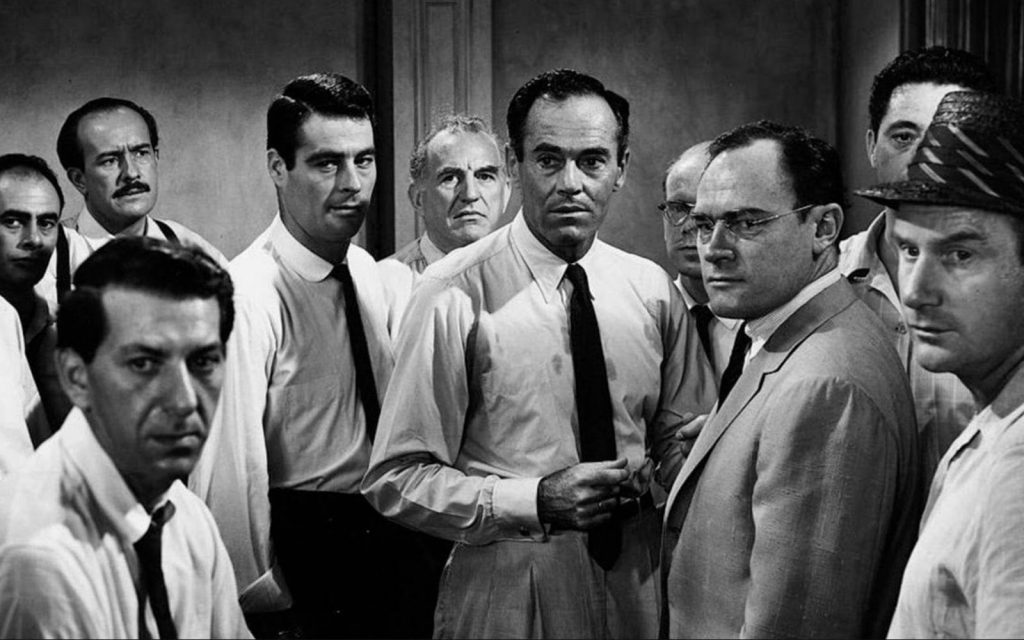
12 Angry Men contains almost no spectacle. No prison escapes. No dramatic action sequences. Yet it remains one of the most powerful films ever made about judgment. The entire story unfolds inside a jury room, where twelve men must decide whether a teenage boy is guilty of murder. As the debate intensifies, the film exposes how prejudice, ego, class, fear, and personal bias shape justice far more than most societies are willing to admit. It reminds us that people are rarely judged by evidence alone. They are judged through emotion, ideology, and the social environment surrounding those who hold the power to decide.
6. Joker
Because sometimes society itself creates the criminal
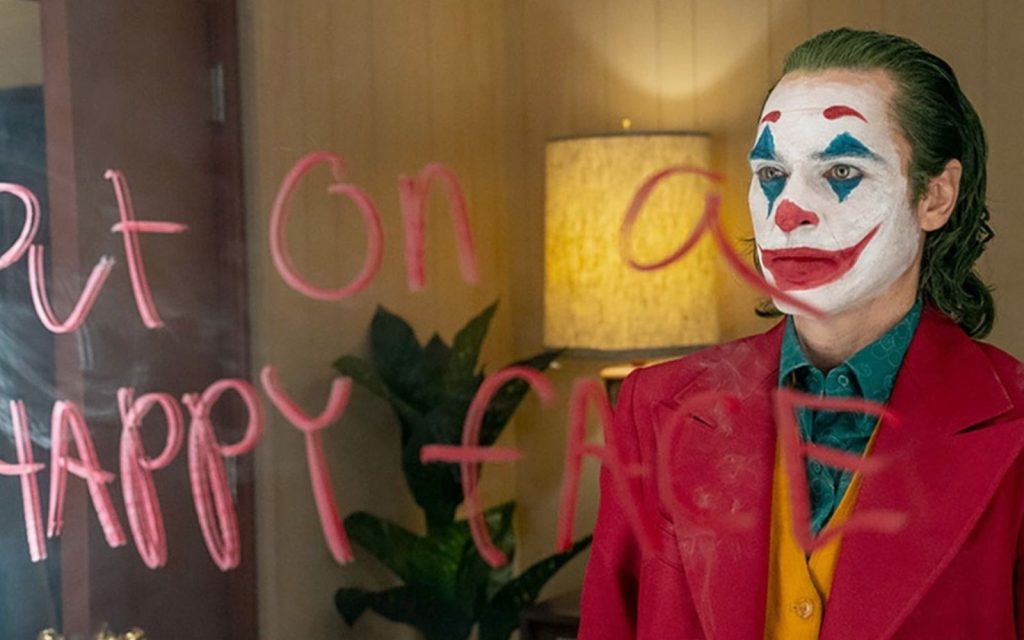
Joker is not technically a prison film, yet it may be one of the most unsettling films about punishment in modern cinema. Arthur Fleck is not trapped behind bars. He is trapped inside a collapsing city, systemic inequality, humiliation, loneliness, and institutional neglect. What makes the film uncomfortable is that it never excuses violence. Instead, it asks a far more disturbing question: if society repeatedly crushes a person every single day, why are we shocked when he eventually explodes? That is why Joker transcended comic-book cinema. It became a mirror reflecting the same anxieties surrounding power, inequality, and social failure that dominate real-world political discourse.
7. The Trial of the Chicago 7
When the courtroom becomes a political stage
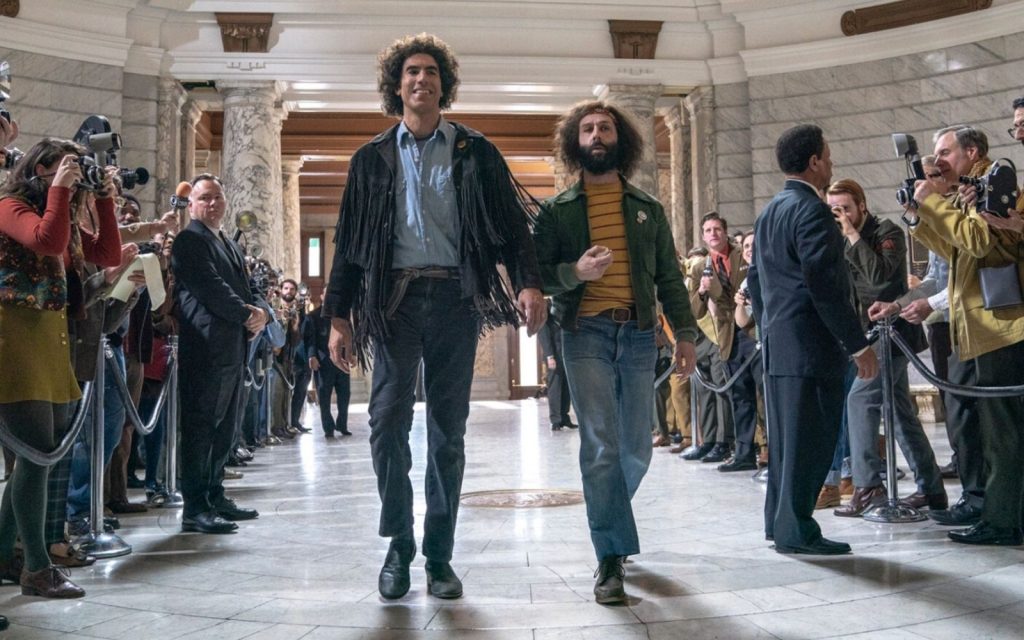
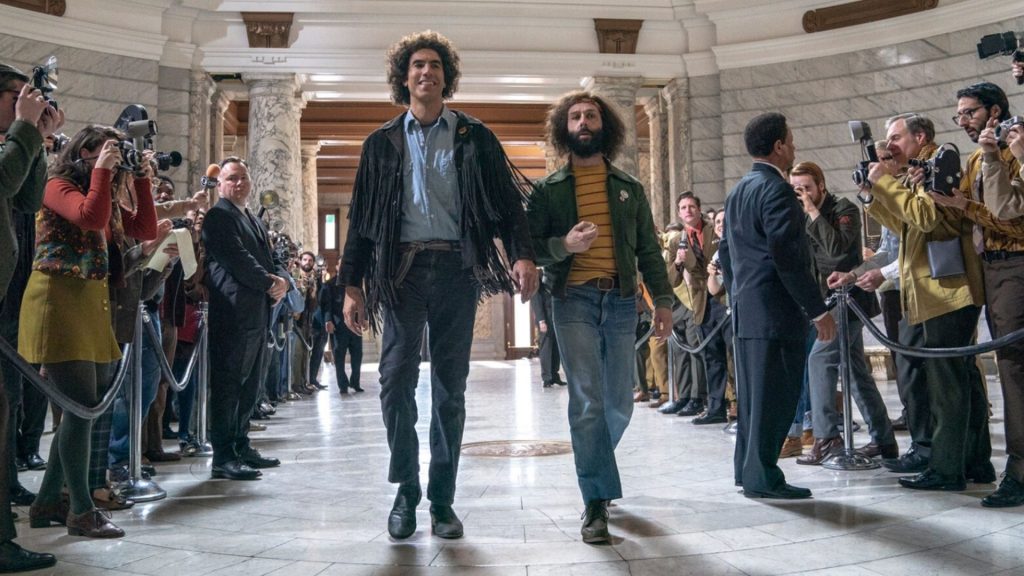
Aaron Sorkin turns courtroom drama into a theatre of power with remarkable precision. The Trial of the Chicago 7 follows activists prosecuted during the Vietnam War era, but the most fascinating aspect of the film is how the court itself becomes a political actor rather than a neutral institution. The film reminds us that justice never exists in a vacuum. Every verdict is shaped by fear, media pressure, political climate, and the anxieties of its historical moment.
8. The Godfather Part II
Some forms of power never enter prison because they are too large to be contained by it
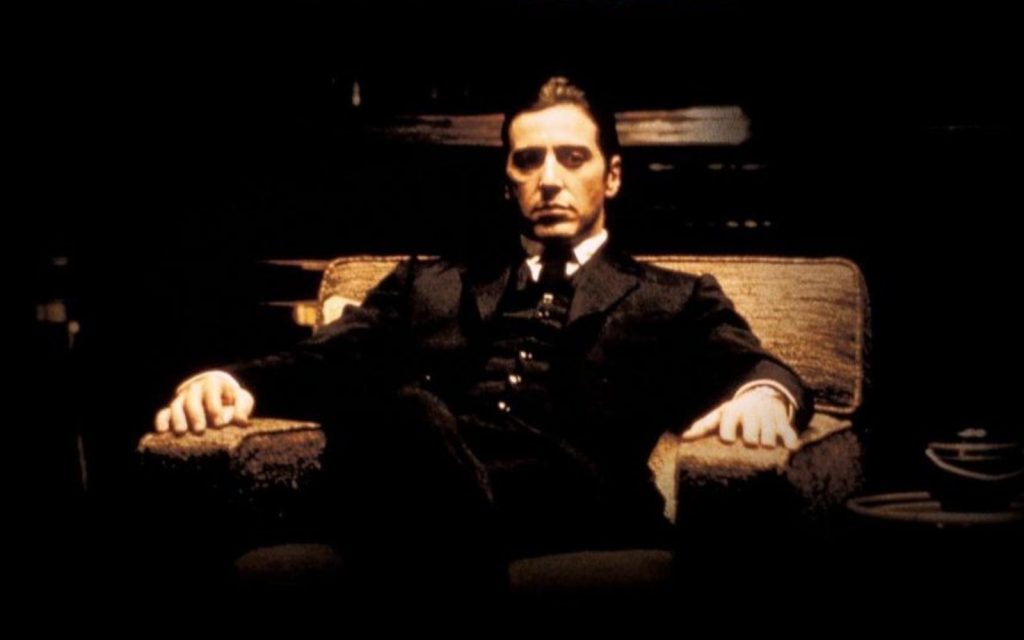
Although The Godfather Part II is a mafia film, it is also one of cinema’s sharpest examinations of power and law. Michael Corleone learns that in the real world, the people who control the system are rarely the ones sitting inside prison cells. They are the ones deciding who gets sent there. The film complicates the very idea of guilt itself, revealing a world where law, morality, loyalty, and self-interest never fully align.
9. Dead Man Walking
When the real question is not whether a man is guilty, but whether he still deserves to be seen as human
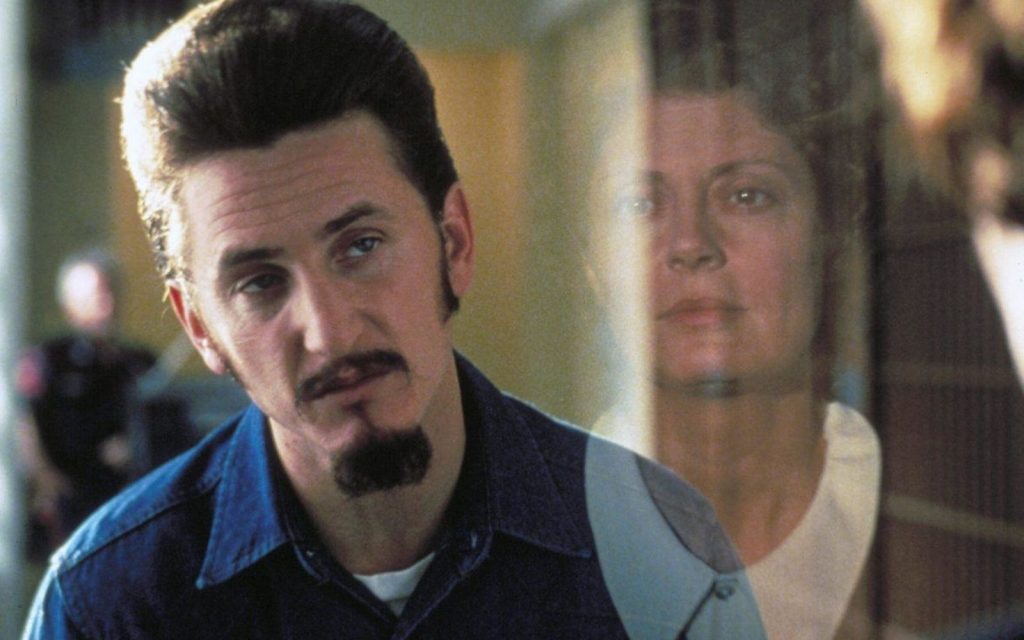
Dead Man Walking may be one of the quietest films ever made about capital punishment, but also one of the most devastating. It avoids sensational courtroom twists and instead slowly leads the audience into the uncomfortable space between guilt and human dignity. Sean Penn portrays a death row inmate convicted of horrific crimes, while Susan Sarandon’s Sister Helen Prejean becomes one of the last people willing to see him as a human being before the state executes him. What makes the film extraordinary is that it never asks viewers to forget the suffering of the victims. Their pain remains real. Their anger remains understandable. Yet the film still asks a terrifying question: if society believes killing is wrong, how different is state-sanctioned killing from any other form of violence? Dead Man Walking is not arguing for innocence. It is asking whether compassion can still exist at the edge of absolute judgment. And perhaps that is the hardest question any society must answer, not how to punish the guilty, but when a human being deserves the possibility of becoming human again.
And perhaps the greatest prison films are never truly about prisoners at all. They are about the uncomfortable realization that societies often use “justice” not only to protect what is right, but also to preserve the balance of power itself. Because every time a major public case dominates the headlines, a sentence reduction, a release, a pardon, a return to society, people inevitably split into opposing sides. One side believes in the law. The other believes in emotion. And somewhere in between lies the exact territory these films have explored for decades. Some stories end in escape. Some end in execution. Some end in the triumph of the system. And some end with no real winner at all. Because in the end, the most frightening prison may not be the cell itself, but a society that no longer believes justice truly exists.