

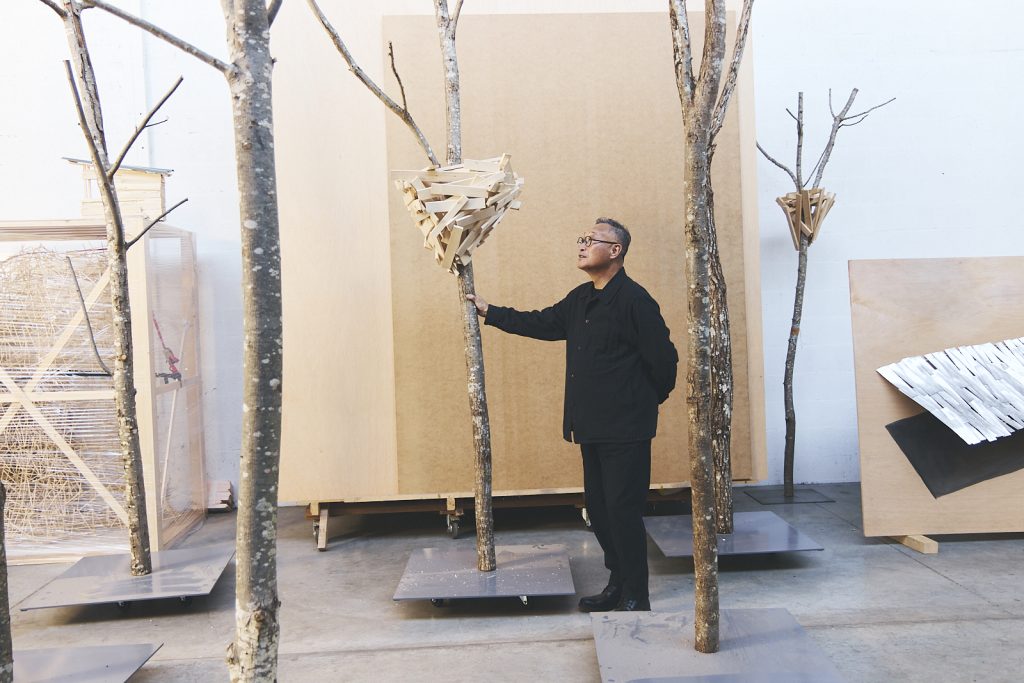

Known for his transient, ever-evolving timber installations, Japanese artist Tadashi Kawamata discusses with Dionne Bel his practice shaped by chance, constraint and an enduring desire to disrupt the rigidity of the built environment

Restless and nomadic, Tadashi Kawamata has spent the past five decades dismantling
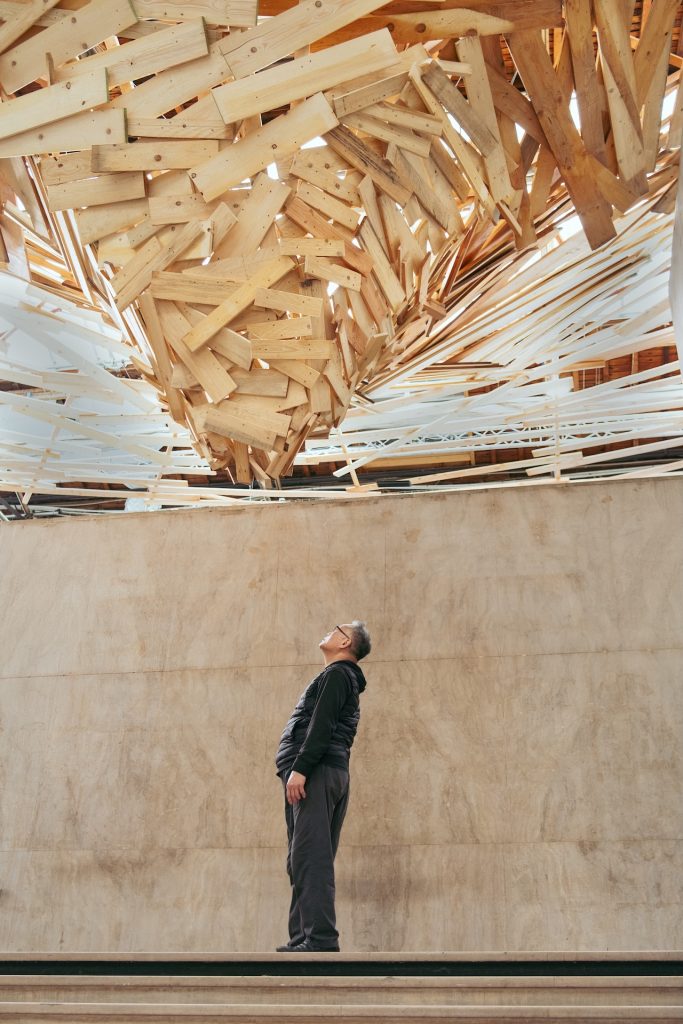
the conventions of sculpture and architecture. Born in Hokkaido and now based between Tokyo and Paris, the artist is known for his precarious, site-specific constructions assembled from salvaged wood, furniture and everyday detritus. Perched on rooftops, clinging to façades or snaking through urban voids, his installations invite viewers not just to look but to climb, traverse and inhabit them – shifting perception through physical experience. What emerges is a practice grounded as much in process as in form: improvised, collaborative and deeply responsive to place.
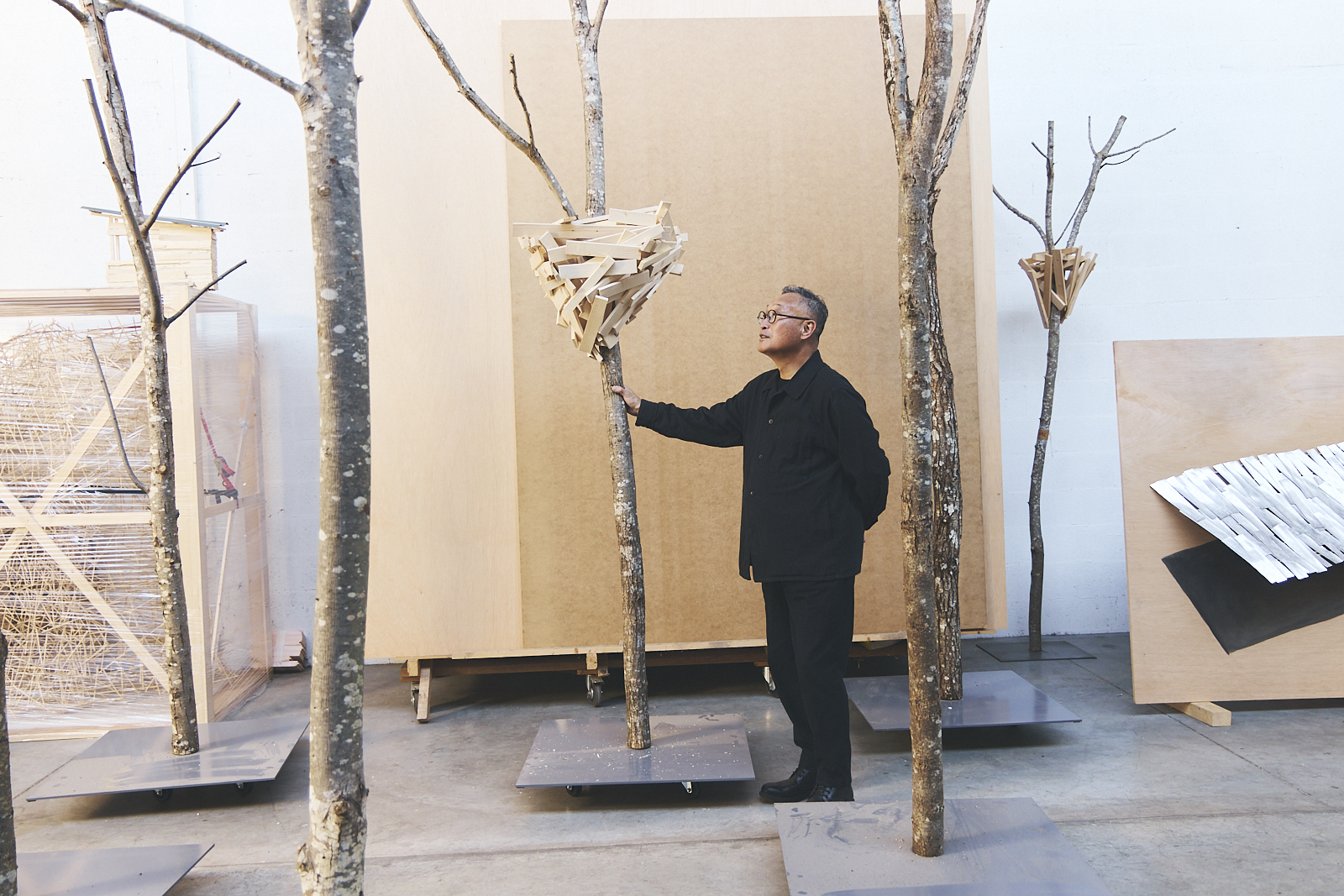
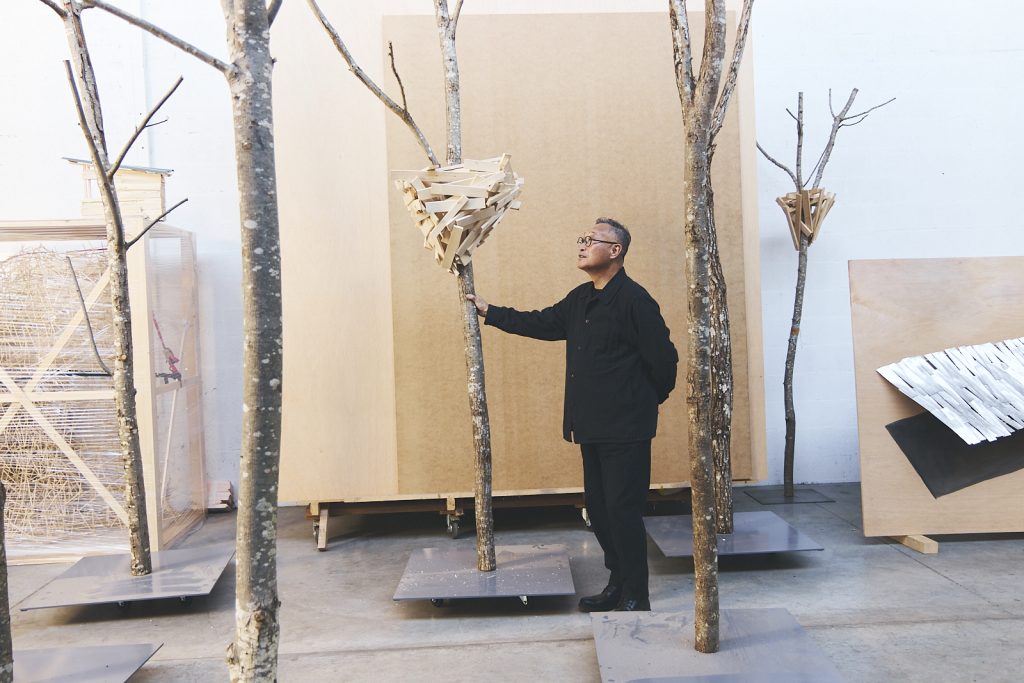
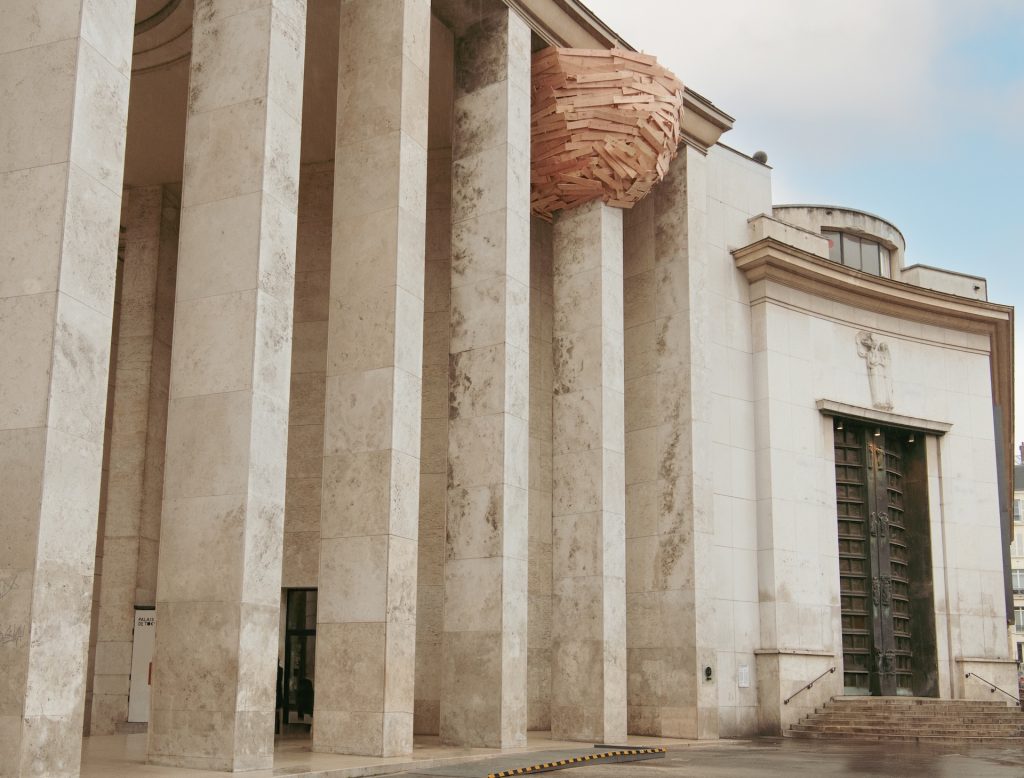
From early, almost guerrilla-like interventions in the 1980s in Japan to major international exhibitions and commissions ranging from the Venice Art Biennale, Documenta in Kassel, the Serpentine Gallery in London and the 2020 Tokyo Olympics, Kawamata has consistently embraced ephemerality, resisting permanence in favour of movement, reuse and reinvention. His works – whether fragile nests, elevated walkways or sprawling accumulations – function as living organisms, evolving in accordance with their surroundings and the communities that help bring them to life. That ethos finds new expression in his 2026 collaboration with Ruinart, unveiled at the Palais de Tokyo museum in Paris before travelling to contemporary art fairs worldwide. It culminates in three in-situ constructions installed in the champagne house’s historic site in Reims and a limited-edition wooden box housing a jeroboam of Ruinart Blanc de Blancs. Conceived as part of Ruinart’s Conversations with Nature, the project extends his long-standing dialogue between the fragile and the monumental.
You didn’t grow up in an artistic environment. How did your early life shape your work?
I was born in Hokkaido, in the north of Japan, in the middle of the mountains, full of nature, but I lived in a totally industrial village. My father was a coal miner, and about 10,000 people lived there in the same kind of housing. I never felt poor because everybody was the same. My childhood was very physical – playing outside, walking in the mountains, swimming in the river, but I didn’t see the sea until I was 14. My family had no connection to art – it was completely working-class – but this mix of nature and industry has stayed with me.
You discovered art quite late. What happened when you entered art school?
I had never painted until I was 16 or 17. I had no idea about art or being an artist. I didn’t have a serious reason for choosing art school, but I wasn’t a very good student. It was only after I entered art school that I realised what art was. I wasn’t good at painting, so I tried to find a different way. I started working with the canvas itself – the wooden stretcher, the structure – rather than painting on it. That became my starting point. It was very simple, just because the material was there in front of me, and I wanted to do something different from the other students.
Your work is rooted in wood and constant movement. How did that language emerge?
At the beginning, I had no money, so I used leftover materials, scrap wood. I collected everything, made an installation, then took it down after a couple of weeks and moved it somewhere else. It became a kind of travelling circus. The material stays the same, but the construction changes depending on the site. Wood is an international material – you can find it any where – so I don’t need to bring anything. I arrive with one suitcase, a hammer, some nails and start working with what is there. It’s simple, open and very direct.

You often describe your work as a form of street art, even calling yourself an “artistic criminal”. Why?
Because at the beginning I didn’t have permission – I just did what I wanted. Sometimes the police came, so yes, I was a kind of artistic criminal. In New York in the 1980s, I made homeless shelters on the street using cardboard and scrap materials. That was my version of street art. Today, I try to create something like a parasite in the city – something organic inside a very rigid, controlled environment. It’s not a monument; it’s fragile, spontaneous and sometimes it disappears. Like graffiti, it’s about freedom in the public space.
You’re collaborating with Ruinart in 2026. What interested you about this project?
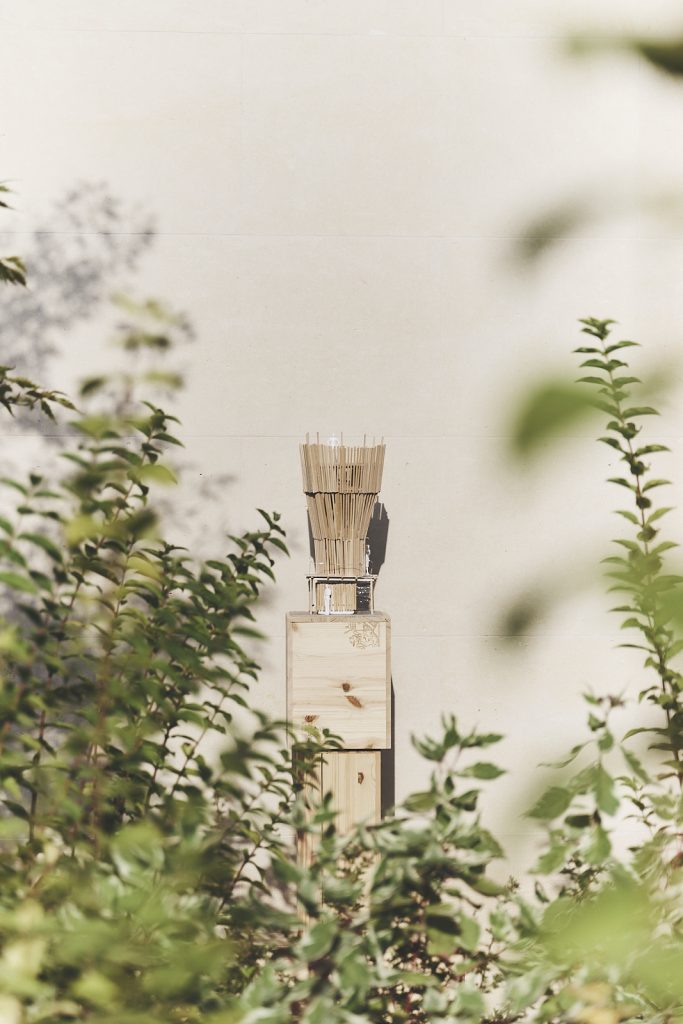
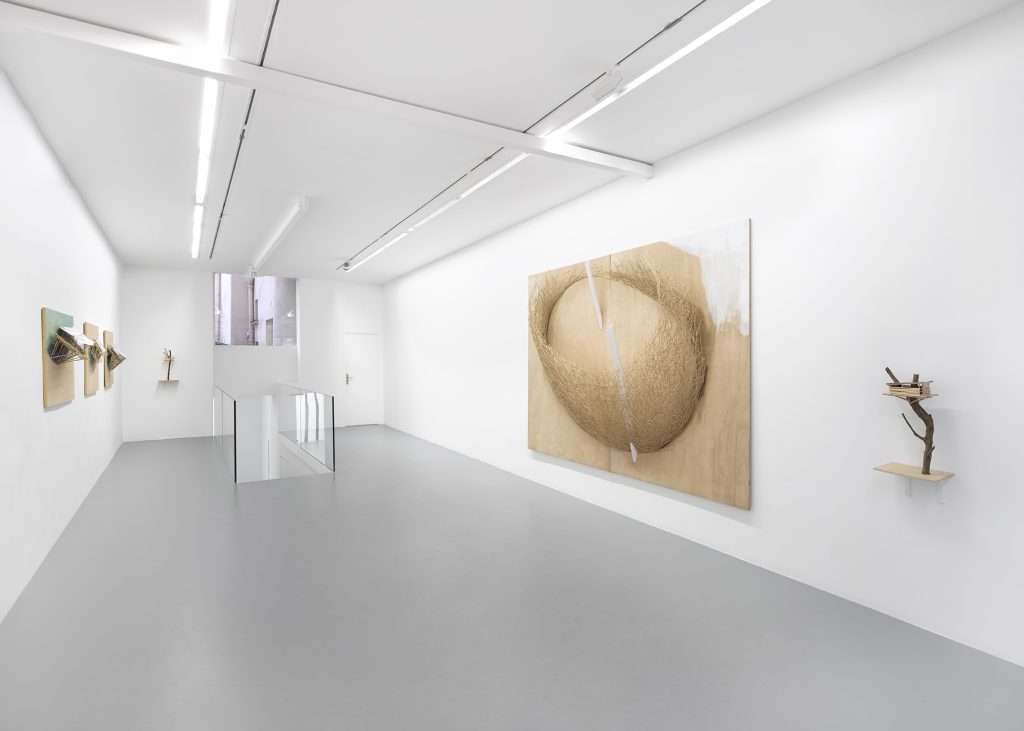
I was surprised that Ruinart asked me because it’s such a prestigious house. But champagne is very interesting to me – it takes a long time to produce, and then when you open the bottle, it becomes something very fragile and temporary. That’s very similar to my work. For this project, I’m building Observatory, a six-metre-tall tower with a spiral staircase leading to a belvedere with a view, like bubbles of champagne rising to the sky. It’s a really simple idea – I said, ‘Let’s make a tower in the shape of an upside-down bottle.’ There will also be a Tree Hut and a Nest, creating a kind of story: from the entrance to the building and the tower. It’s about movement, lightness and transformation.
Your works are temporary, constantly built, dismantled and remade. How do you think about permanence?
For me, there is no permanence. Everything is temporary – even 100 years is still temporary. Permanence exists only in the imagination of human beings. Life itself is temporary; everything changes.
What is the role of the artist?
Art is like a spice – you don’t need it to live, but when you add it, it becomes tastier. I try to add that small difference, something that changes how you feel in a space.
Also see: 5 stunning pieces inside Jang Won-young’s dreamy house