

Messy makeup, skinny jeans and Tumblr aesthetics are back
Recent fashion cycles have all drawn from the same period of time. Y2K’s low-rises, capris and low-rises went hand-in-hand with baggy jeans and nu-metal band t-shirts. As we go full circle, indie sleaze is the latest trend to come back from the grave.
What is indie sleaze, and what does it look like?
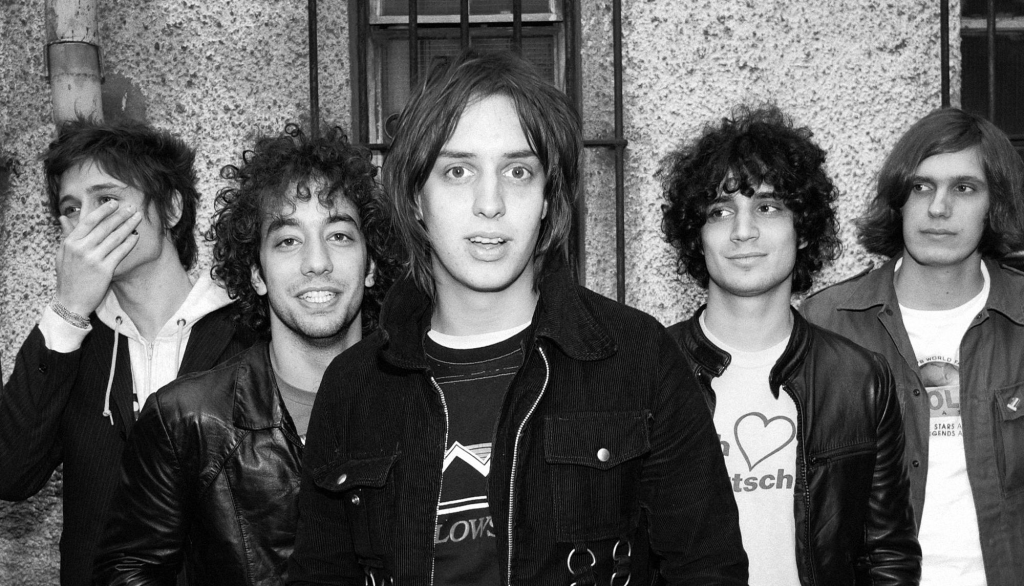
It’s a vague two word combination, telling us very little about the specifics of it. More a vibe than a distinct movement, icons of the original late 2000s style include artists like the Strokes, Interpol and Pete Doherty. Maximalist, grungy looks that mixed together glam rock excess with the dirty nonchalance of post-punk, it was quickly adopted by defining figures like Kate Moss, Paris Hilton and Sky Ferreira.
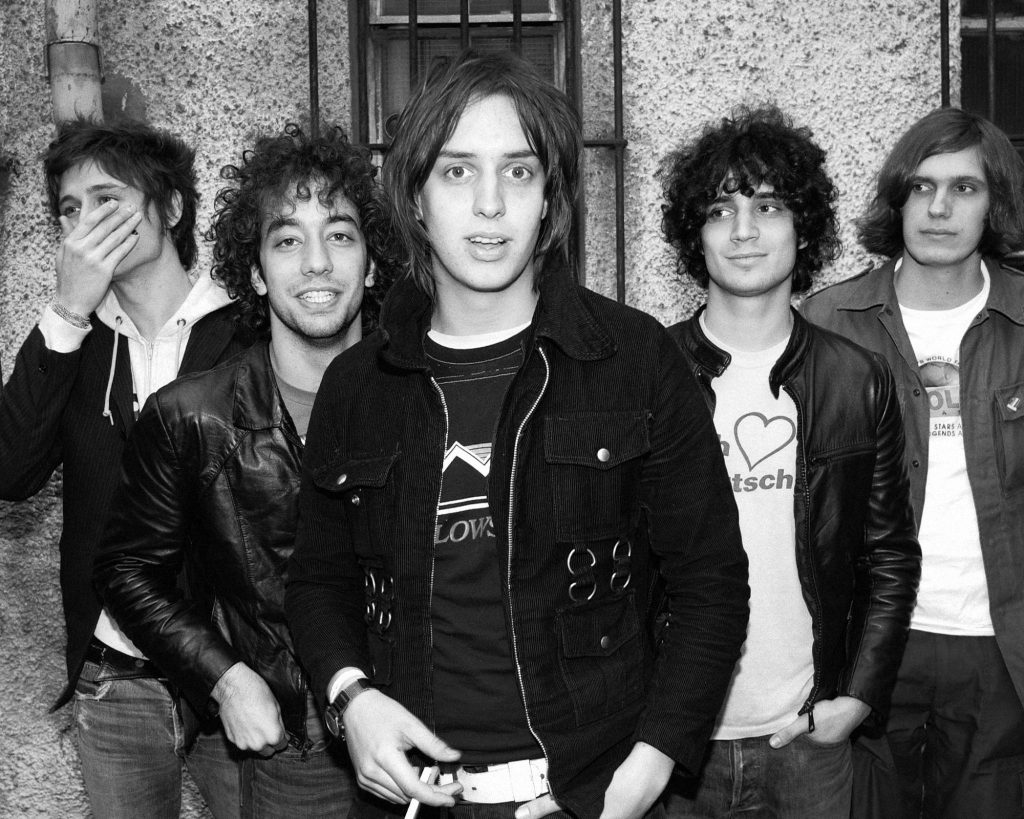
Shaped by the some of the era’s most popular fashion designers in Hedi Slimane’s time at Dior Homme and Saint Laurent Paris, followed up by Chrostophe Decarnin at Balmain and Isabel Marant, the style was characterised by studded leather jackets, aviator sunglasses and distressed t-shirts. Other similarly flashy pieces include Napoleon jackets, American flag patterns and animal prints.
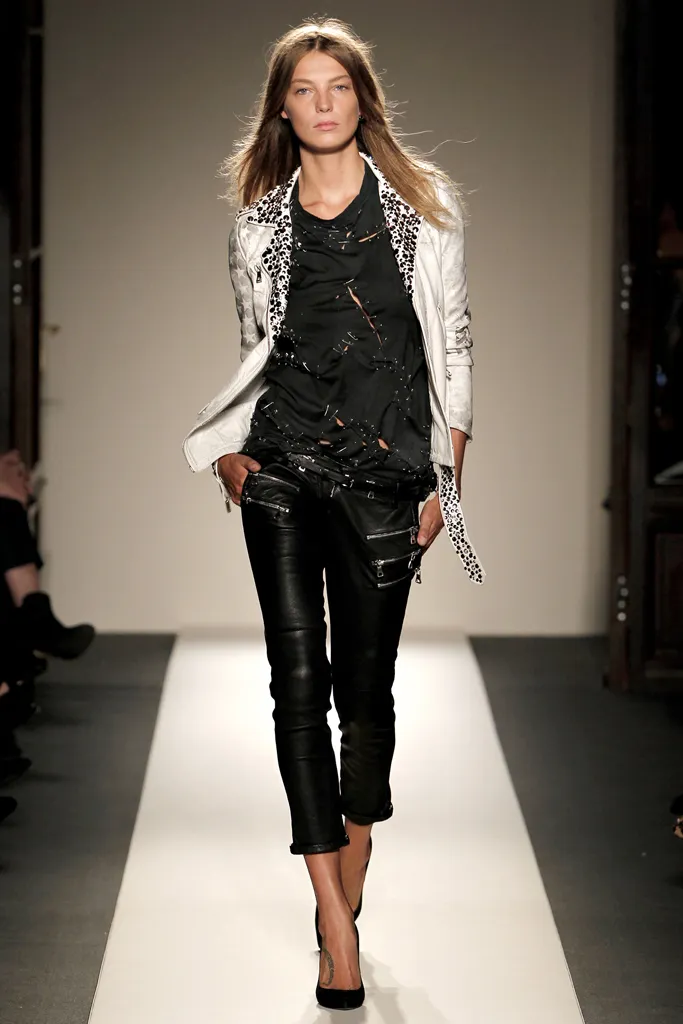
More than anything though, indie sleaze is skinny. Problematically prohibitive contemporary sizing options aside, tight jeans, stick-thin models and gaunt contours were the soul of the style.
Where did it go, and why did it go?
It’s hard to remember the last time you turned on the radio and listened to a band strumming away on guitars and drums. With hip-hop taking over the spotlight, rock silhouettes phased out for streetwear, baggy pants and luxury logomania. A changing description of cool meant that shiny waxed denim swapped out for glittering jewelry. Around the neck, scarves went out for chains. Clothing as a status symbol went for louder, more ostentatious displays of wealth.
But, it’s also important to note that just as the word “indie sleaze” is a rather ambiguous, near-nonsensical mashup of nouns, the genre it arose from and resulting style was similarly meaningless. Transposing the decadence, darkness and expressions of the past into a new time meant that it didn’t really have anything meaningful within.
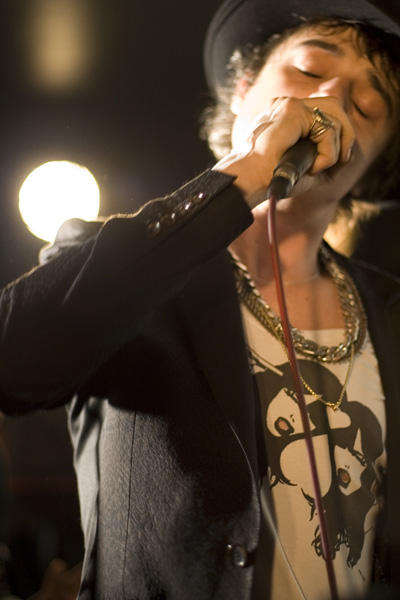
In contrast to punk’s anti-establishment sentiment, glam’s flamboyance and grunge’s resistance, there’s a certain vapid lack of substance, more performative than trying to say something of value. Compared to the grassroots origins and history of hip-hop aesthetics, it comes as no surprise that indie sleaze was supplanted both in mainstream sonic and visual appeal.
Why is it back?
It isn’t entirely accurate to say that indie sleaze “died”. Core aspects of the concept remained prominent in fashion throughout the 2010s. Hedi Slimane’s success at Celine, brands like Amiri and early Enfants Riches Déprimés, even Karl Lagerfeld at Chanel – all still held on to its key visual identifiers.
Nevertheless, the past two years have seen an explosion online. Crystal Castles-esque EDM duos like Snow Strippers, Frost Children and Bassvictim have had their songs become viral staples of short-form videos. Gen Z’s newest superstars in 2hollis, Fakemink and OsamaSon have made indie sleaze’s visual cues a key factor in their style profile.
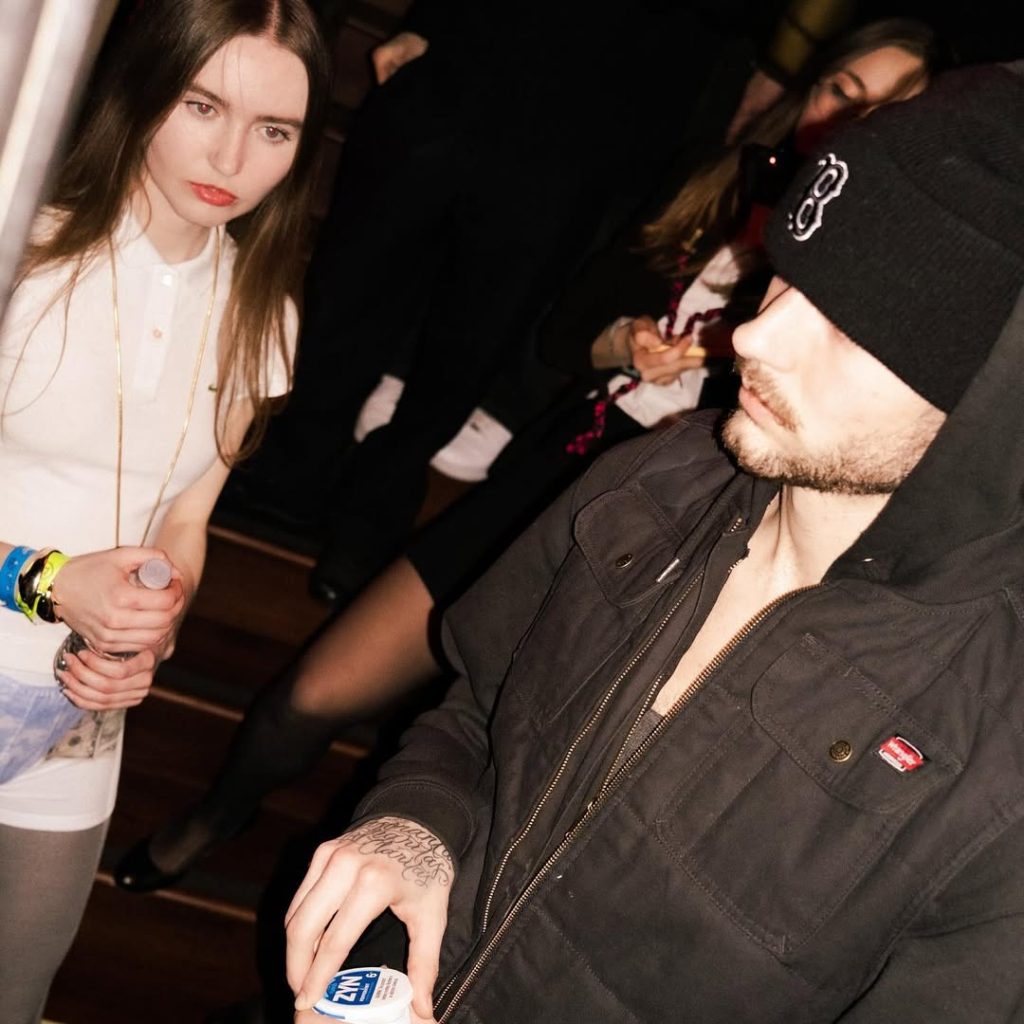
A reflection of nostalgia, it’s a rebellion against the promotion of “clean” images in mainstream media. In a drive of post-pandemic hedonism, it romanticises being in control of your own chaos, harnessing it for fun rather than letting it control you.
Is it here to stay?
Just as any other fad – probably not. Society is going through trends faster with each passing year. Even as artists’ increasingly adopt it into their wardrobes, it remains disassociated from any one form of art or expression. Those who wear it aren’t tied together by any particular ideology or identity. There isn’t much in common between Charli XCX, The Hellp and the Dare aside from their clothes.

Once these artists move on, it’s unlikely to stick around for much longer. Maybe in another 20 years it’ll be back.