


Ryokans are rooted in tradition, and there are plenty of historic places to choose from – but there are a flurry of contemporary options that still embody many of the same principles. Below, five luxurious ryokan and ryokan-inspired hotels for you to unwind at on your next trip to Japan
Amanemu
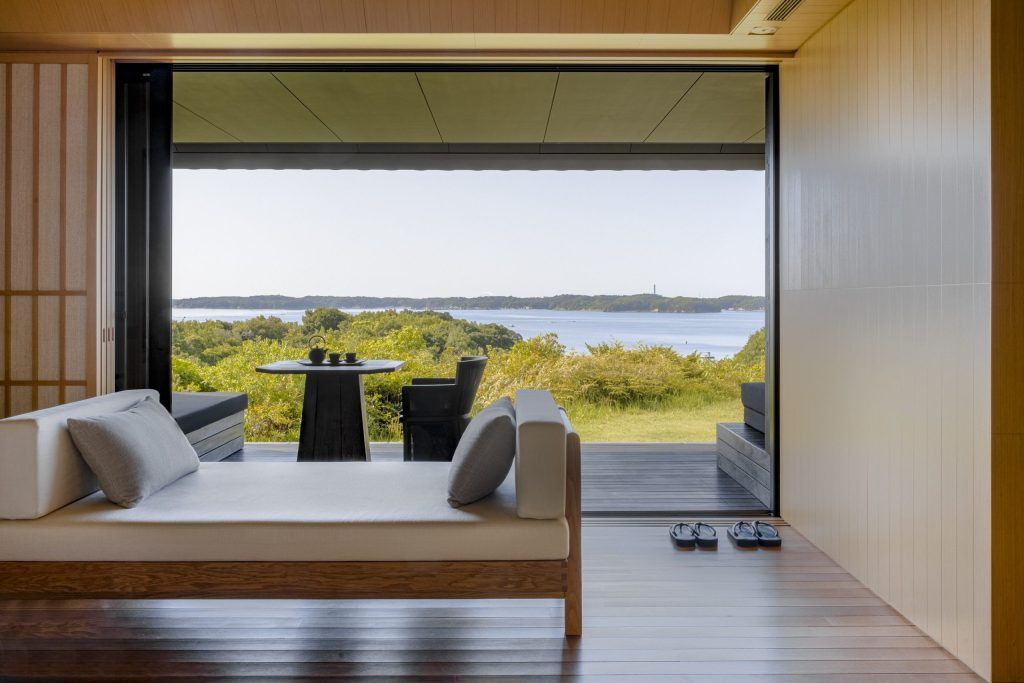
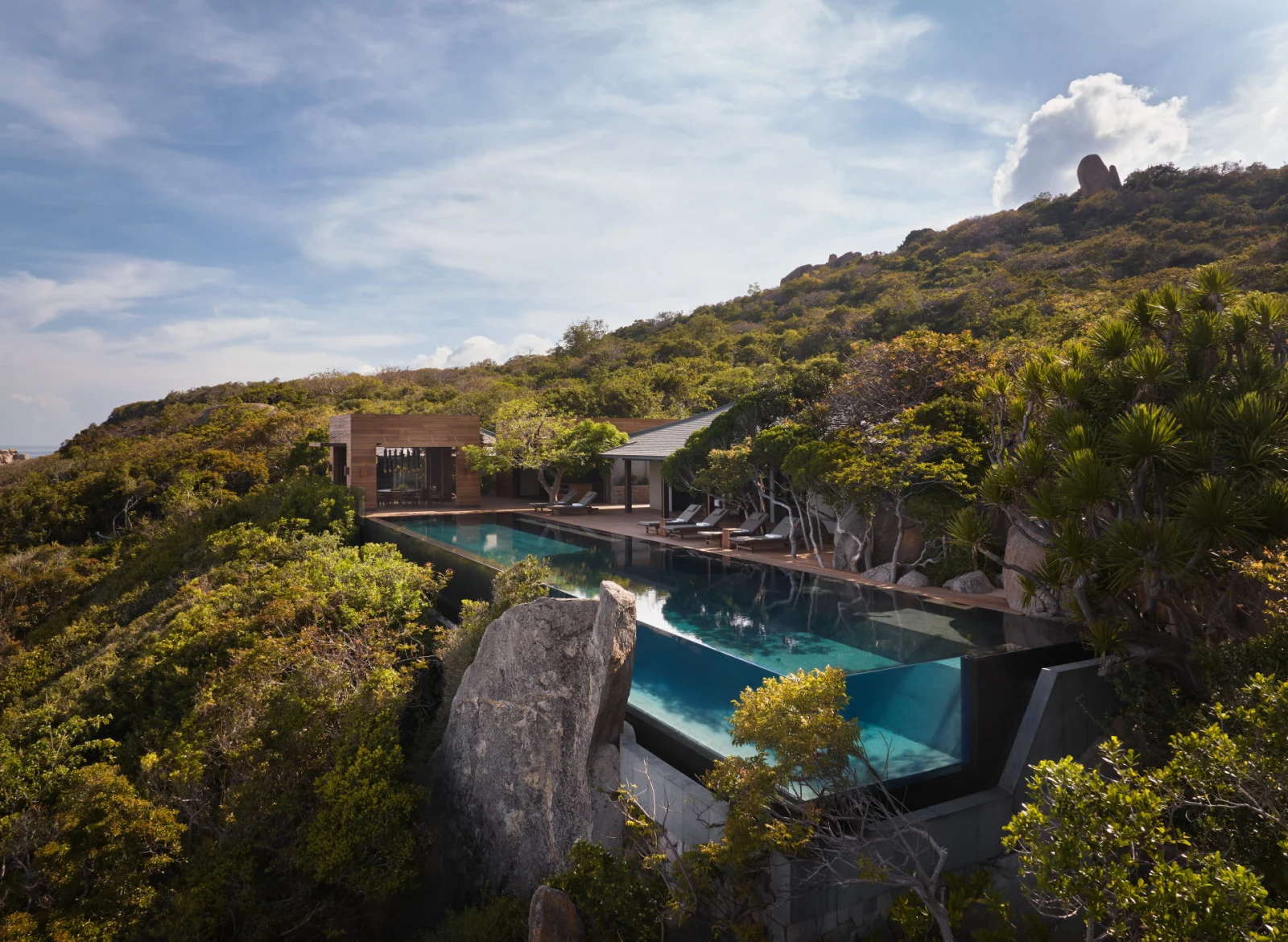
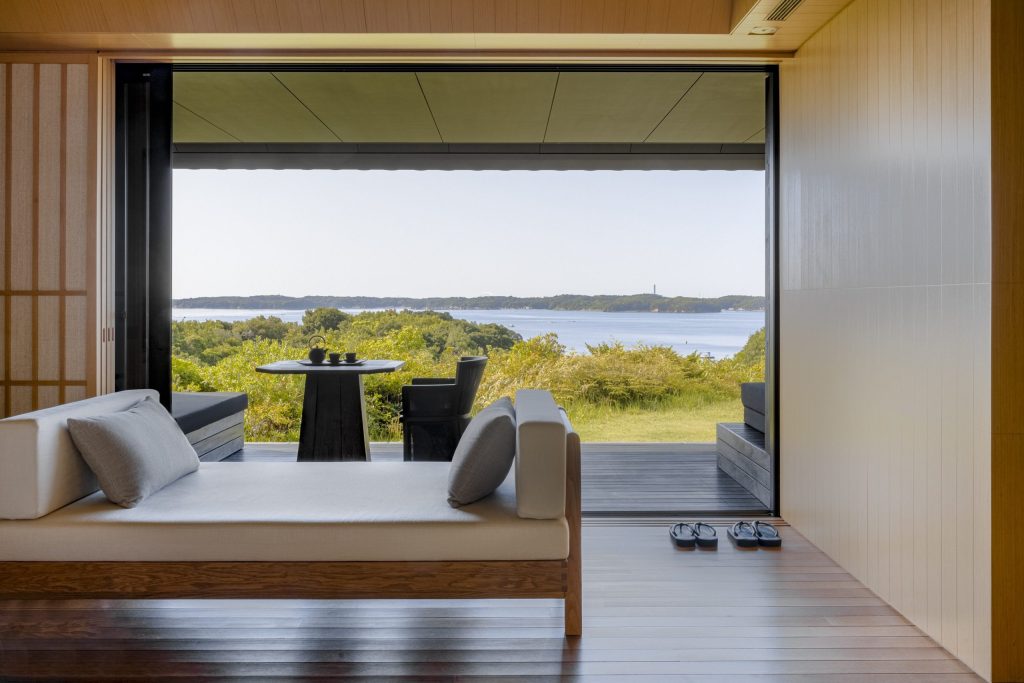
Over in Mie Prefecture, Amanemu is a luxurious ryokan-inspired property with a serene ambiance that sets the tone for a relaxing getaway. Spacious and elegantly appointed, each accommodation features deep soaking tubs with hot spring water on tap. Opt for one of the four villas for your own separate onsen-style space complete with bathing stations to evoke traditional facilities. Tsuki Villa is particularly special, with an onsen area that has both indoor and outdoor tubs. In addition to the en-suite basins, the spa also has two bookable pavilions that can easily be paired with a treatment of your choice. And if that’s not enough, the pool is also fed with hot spring water. While you’re here make sure to also ask the staff to arrange a lunch with an ama. These female free divers scour the ocean for edible jewels like seaweed, lobster and mollusks and grill their fresh catch in an amagoya hut. The Shima Peninsula is home to Japan’s largest population of ama and it’s the perfect opportunity to learn about this unique, ancient culture.
Banyan Tree Higashiyama Kyoto
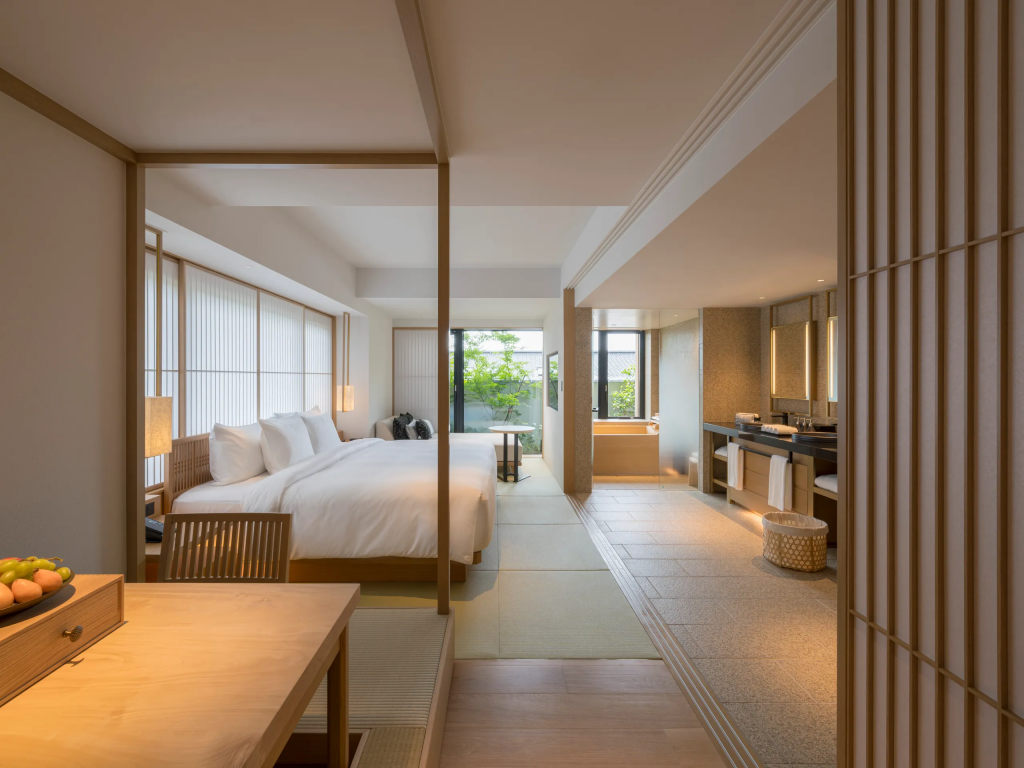
Nestled in the wooded hills of Higashiyama ward, the Banyan Tree Higashiyama Kyoto is a polished encapsulation of the city it calls home. Every detail of its design has been thoughtfully curated to honour the city’s timeless beauty, from its architectural features to its luxurious amenities – including its own natural hot spring and a private bamboo forest. Notably, it is the only hotel in Kyoto to house an authentic Noh theater stage, a masterpiece envisioned by renowned Japanese architect Kengo Kuma. Designed by Yukio Hashimoto, all 52 guest rooms feature tatami mat floors and chabudai-inspired sitting areas, evoking a ryokan-like sensibility. These traditional elements are woven seamlessly with creature comforts like an enormously plush bed, and fully stocked coffee station and mini bar. The best rooms, however, are the ones with their own private onsen bath fed by natural hot springs. The dining programme at Banyan Tree Higashiyama is another highlight. The hotel’s Japanese restaurant Ryozen serves seasonal cuisine prepared with local ingredients and time-honoured techniques, offering a variety of delectable bites for breakfast, lunch, afternoon tea and dinner.
Four Seasons Hotel Osaka
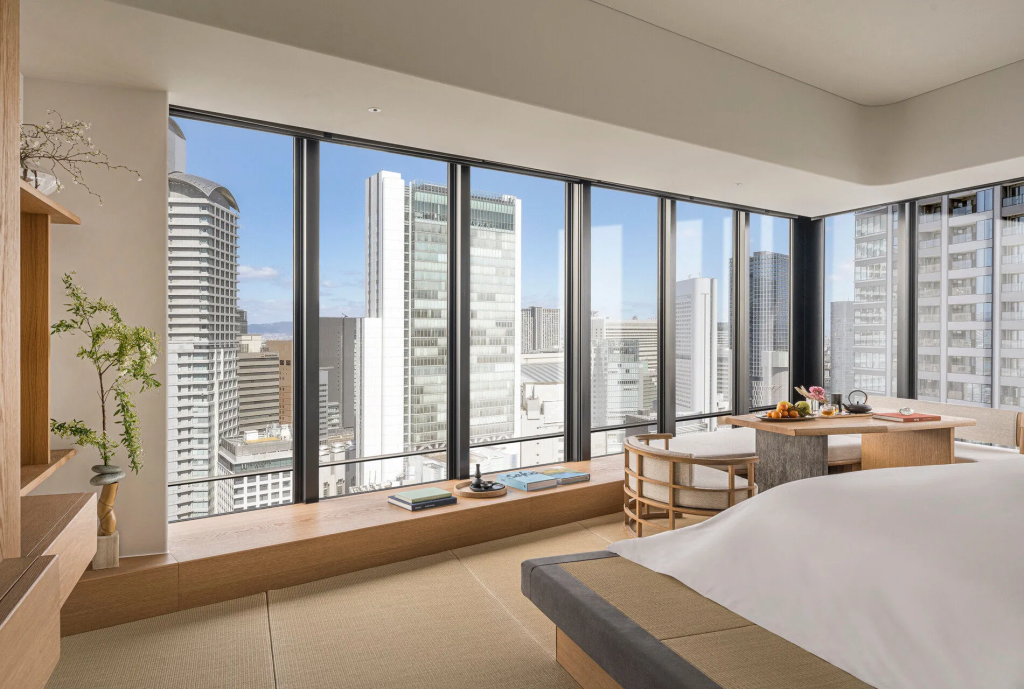
Osaka, Japan’s third-largest city, is often celebrated for its unique blend of tradition and modernity. Four Seasons Hotel Osaka pays homage to this juxtaposition by offering its guests a similar blend of traditional and contemporary under one roof. The 29th to 35th floors are home to 154 spacious Western-style guest rooms and suites – all light and serene, with deluxe interiors defined by nature-inspired tones and crafted textures. Stop at the 28th floor, however, and a different experience unfolds. Designed by Simplicity, a studio based upon the vision of designer Shinichiro Ogata, “Gensui” is a modern riff on a traditional Japanese ryokan inn. The 21 tatami rooms and suites focus on elements that embody the Japanese lifestyle, with doma entrance areas, tatami flooring and futon beds. They also incorporate minimalist design details like washi paper and sudare blinds. Other highlights? A serenely minimalist spa overlooking the city, plus, at the building’s apex, a glamorous bar and flagship Cantonese restaurant Jiang Nan Chun.
Hoshinoya Tokyo
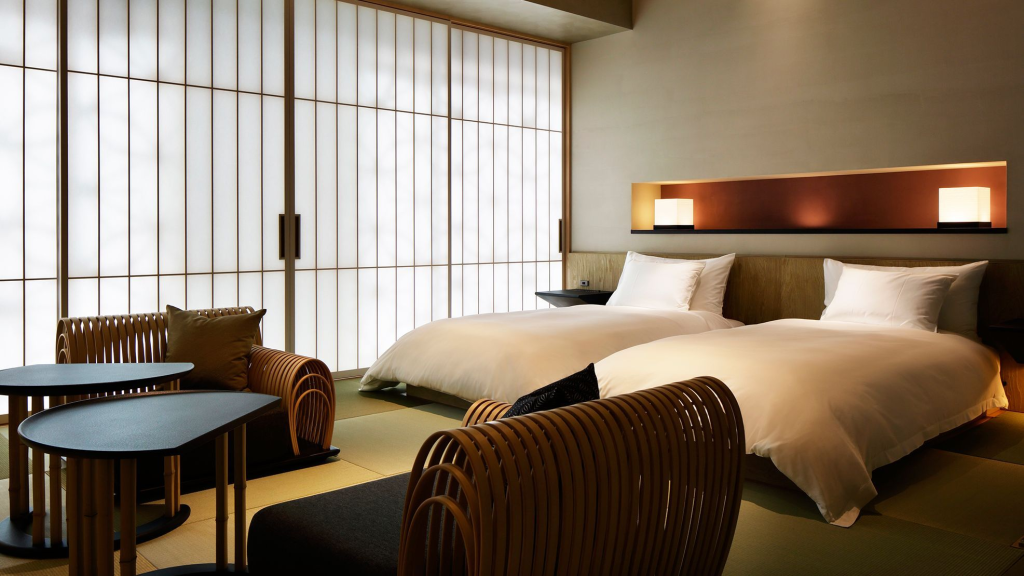
Amidst the hustle and bustle of the Japanese capital’s financial district, Hoshinoya Tokyo offers tranquillity like no other. When it opened in 2016, it was Hoshinoya’s first city centre venture, and it brought suburban serenity along for the ride. Modelled as 14 contemporary ryokans stacked on top of each other, the Tokyo hotel immerses guests in traditional aesthetics with tatami floors, futon beds and cypress interiors. Designed by architect Rie Azuma, the space seamlessly blends classic elements with modern Asian technology, including glass bathroom walls that transform opacity at a touch. Activities within the hotel dive head-first into Japanese culture, with dawn ken-jutsu lessons overlooking Tokyo and mid-morning tea ceremonies all available to guests. A dip in its rooftop pool, filled by naturally hot spring water drawn from 1,500m beneath the hotel, offers surreal views of the surrounding megalopolis. In the stunning basement restaurant, chef Ryosuke Oka crafts an intensely seasonal omakase experience, encouraging guests to surrender choice to his masterful creations.
The Ritz-Carlton, Nikko
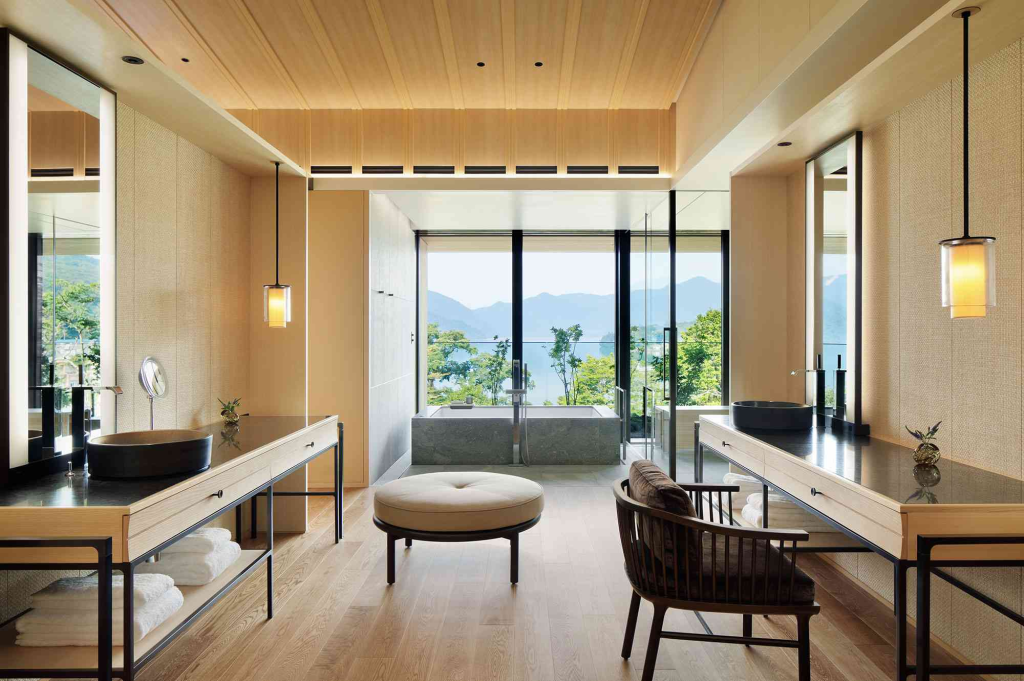
While Nikko is a popular day trip from Tokyo, it’s worth heading up to Lake Chuzenji and staying at least one night, especially if you’re holing up at the Ritz-Carlton. Recognising the beauty of its natural surroundings, rooms are outfitted with floor-to-ceiling windows and furnished balconies so that guests can enjoy sweeping mountain or lake views (the latter is irrefutably the way to go). The property also offers a laundry list of seasonal experiences centred around the great outdoors, ranging from fly fishing to guided hikes, along with year-round activities such as morning meditations with a monk and woodcarving with local artisans. Once you’re ready for some pampering, the spa has one treatment room with a private outdoor onsen, a popular offering you’ll want to book in advance. Otherwise, head over to the communal facility and marvel at the striking stonework while soaking away. And whenever hunger strikes you’ll have the option between the Japanese restaurant or lake house-style outlet serving Italian-inspired fare, as well as a bar with an extensive selection of Japanese whiskies from all around the country.
See also: Niccolo Chengdu is the first-time visitor’s home base in Chengdu