


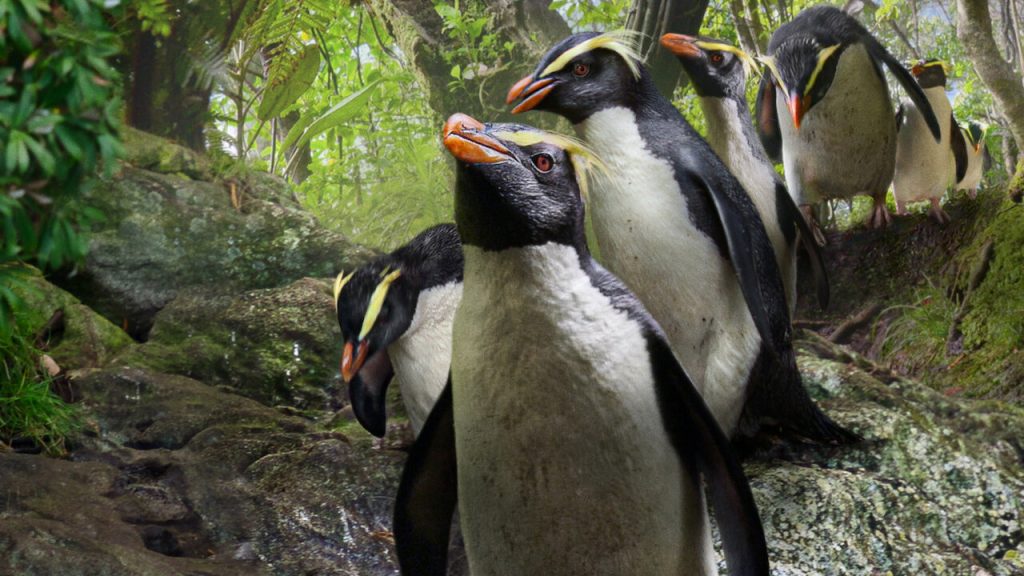

Earth Month returns this month, once again highlighting the urgency of environmental protection and awareness. With a wide range of environmental documentaries on Netflix, we’ve curated a selection that reflects on the planet and our place within it. From sweeping nature series to more intimate stories, these seven films explore environmental change while pointing to what can still be preserved
Our Planet (2019-2023)
Narrated by David Attenborough, Our Planet explores ecosystems across forests, oceans and frozen landscapes, capturing rare animal behaviour over four years in more than 50 countries. Beyond its visual scale, the series also places a clear focus on human impact, showing how climate change disrupts habitats and migration. Its first season even went on to win the Emmy for Outstanding Documentary or Nonfiction Series in 2019, with Attenborough also recognised that year for his narration.
David Attenborough: A Life on Our Planet (2020)
Also led by David Attenborough, this film is framed as a personal witness statement, reflecting on environmental changes observed over more than six decades. It traces the decline of wilderness through population growth and rising carbon levels, before projecting a stark future if trends continue. The final section turns to solutions, outlining how renewable energy and biodiversity restoration could help rebalance the planet, with its sound, music and cinematography recognised at the Emmy Awards in 2021.
Chasing Coral (2017)
From there, Chasing Coral narrows the focus to a single ecosystem under threat. The film follows divers, scientists and photographers attempting to document coral bleaching in real time. After years of developing specialised underwater cameras, they capture the rapid decline of coral reefs caused by rising ocean temperatures, showing how excess heat absorbed by oceans leads to mass coral death and threatens entire marine ecosystems.
Seaspiracy (2021)
Taking a more investigative turn, Seaspiracy, directed by Ali Tabrizi, examines the environmental impact of the global fishing industry, challenging widely accepted ideas of “sustainable” seafood. It looks at bycatch, ocean plastic from discarded fishing gear and labour abuses, while also questioning certification systems and environmental organisations. The film argues that industrial fishing is a major driver of ocean destruction and calls for changes in consumption.
Cowspiracy: The Sustainability Secret (2014)
Shifting from oceans to land, Cowspiracy explores the environmental impact of industrial animal agriculture, linking it to deforestation, water use and greenhouse gas emissions. Following filmmaker Kip Andersen’s investigation, the documentary questions why major environmental organisations avoid addressing the issue. It argues that livestock farming is a key driver of resource depletion and suggests that moving toward a plant-based diet is key to a more sustainable food system.
My Octopus Teacher (2020)
More intimate in scale, My Octopus Teacher follows filmmaker Craig Foster as he forms a daily connection with a wild octopus in a South African kelp forest. Through close observation, the film documents the animal’s intelligence and life cycle while tracing Foster’s reconnection with nature. It unfolds quietly, a personal story that went on to win the Academy Award for Best Documentary Feature in 2021.
Virunga (2014)
Finally, grounding the story in real-world action, Virunga, executive-produced by Leonardo DiCaprio, follows park rangers protecting endangered mountain gorillas in the Democratic Republic of Congo’s Virunga National Park. As they face threats from armed conflict and illegal oil exploration, the film unfolds as both a nature documentary and a political investigation, revealing the complexity and human cost behind conservation.
Also see: 5 upcoming projects that make 2026 Zendaya’s biggest year yet