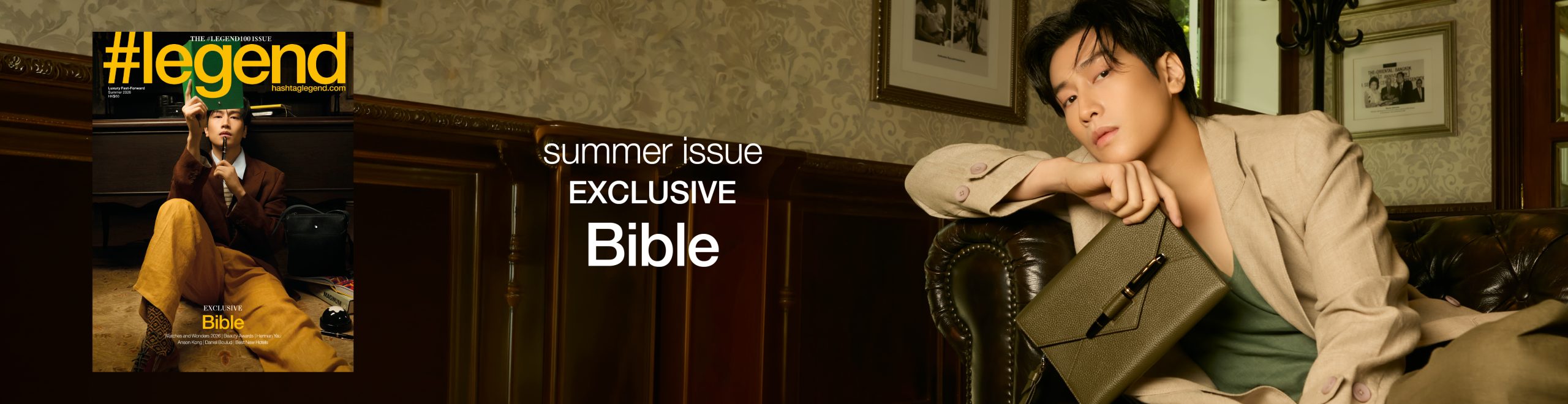

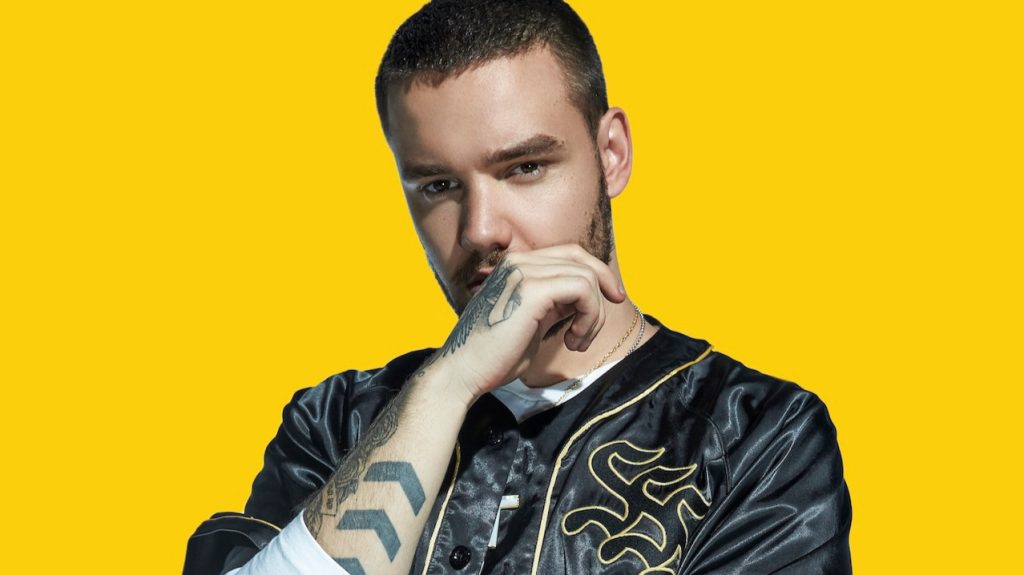

As #legend marks its 10th anniversary, we return to a cover story from May 2018, featuring the late Liam Payne at a moment of transition that feels more clearly defined with time. Looking back on it now offers a way to honour him as one of the defining figures in modern pop music
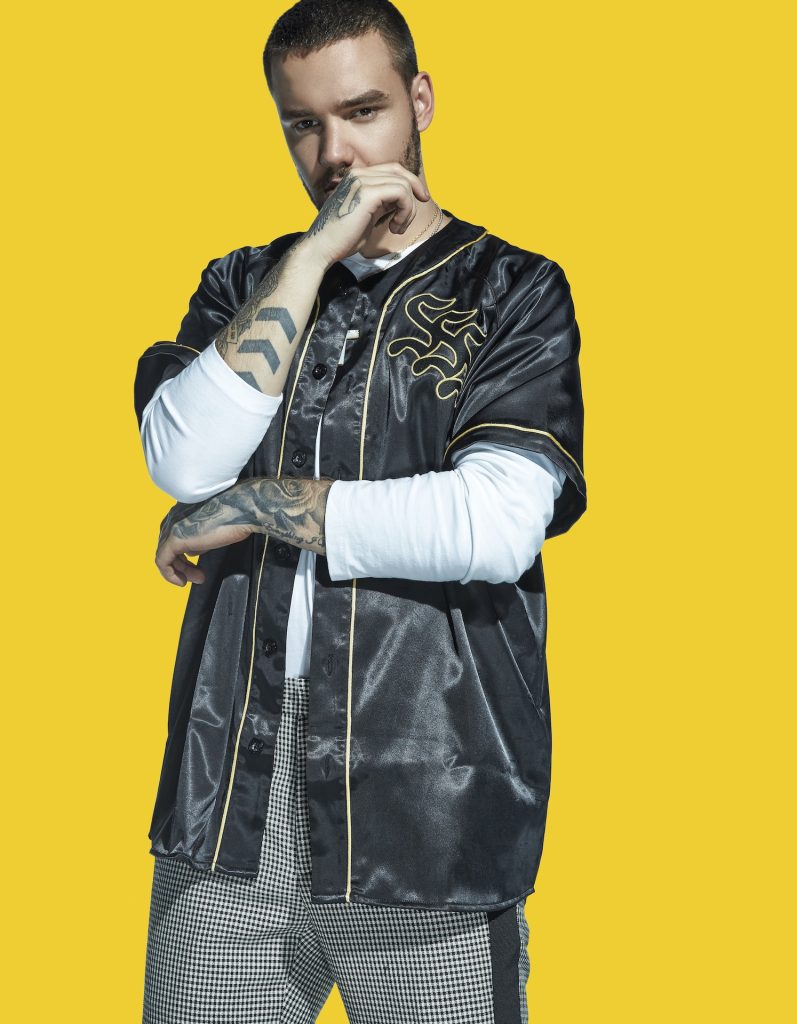
In 2018, Payne was navigating the early stages of his solo career, stepping out from the global scale of One Direction into something more personal. The interview doesn’t frame this as a clear reinvention, but as an ongoing process of figuring things out. Speaking about the album he was working on – later released as “LP1” in 2019 – he described it with ease, resisting any fixed definition: “I think from this album, there’s a little bit of me almost finding my feet within the music world – where I think I’m supposed to be, what people think of me and how much I love making different styles of music. It’s very collaborative and different. Everything is quite hitty, bouncy and a lot more singy-rap than anything else. I’m actually trying to put more of the ballads on, because I know people want to hear me sing a ballad as well. So it’s a really mixed bag – very eclectic.
There was no rush to define himself too quickly. Instead, he allowed space for uncertainty, letting things take shape in their own time.
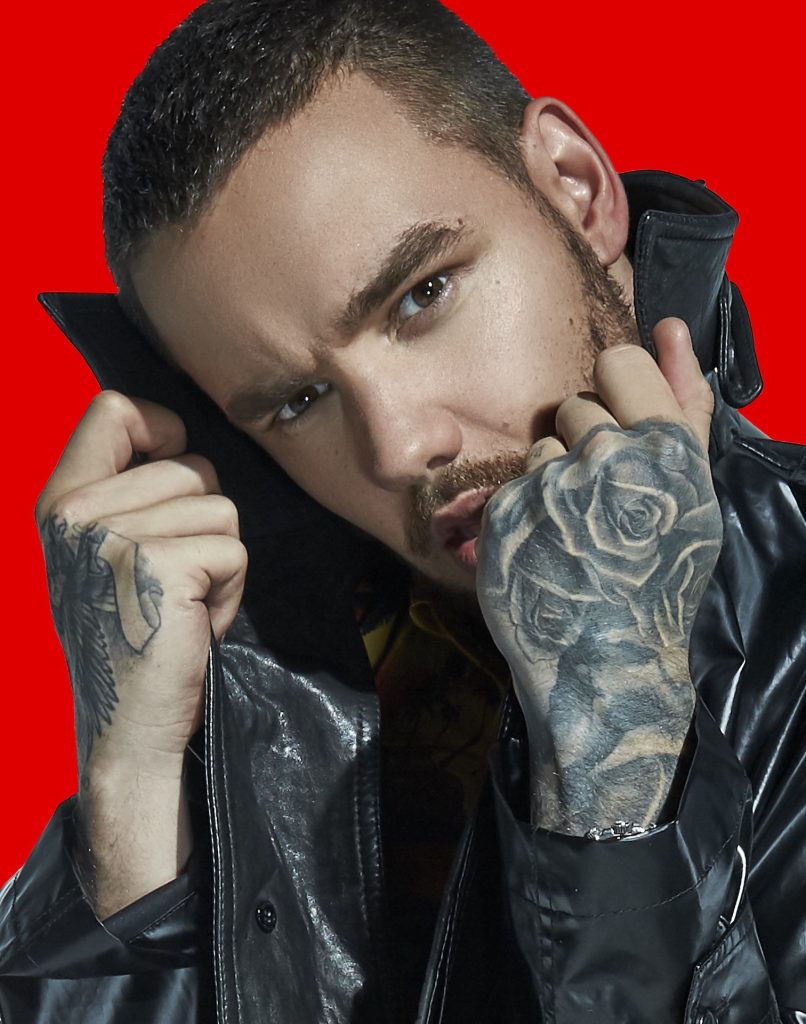
Looking back now, what stands out is how clearly he spoke about the distance between who he had been and who he was becoming. Reflecting on his time in the band, he was honest, but never dismissive: “Fame made me a little bit nuts and distracted me a lot from the person I was. Nobody really knew anything about me. I put on a front that wasn’t really me. But now that I’ve had my time away, you slowly, naturally become the person you were before you started, but with a lot more knowledge.” It’s a reflection that captures both the weight of that period and the process of moving beyond it.
That same perspective carries through when he recalls the end of that chapter: “I remember the day we finished, because of the place I was in, I was quite happy that we had a break. I said to the person with me at the time, ‘Thank god I don’t have to play that person again for a long time.’ It was exhausting and I couldn’t keep up with myself.”
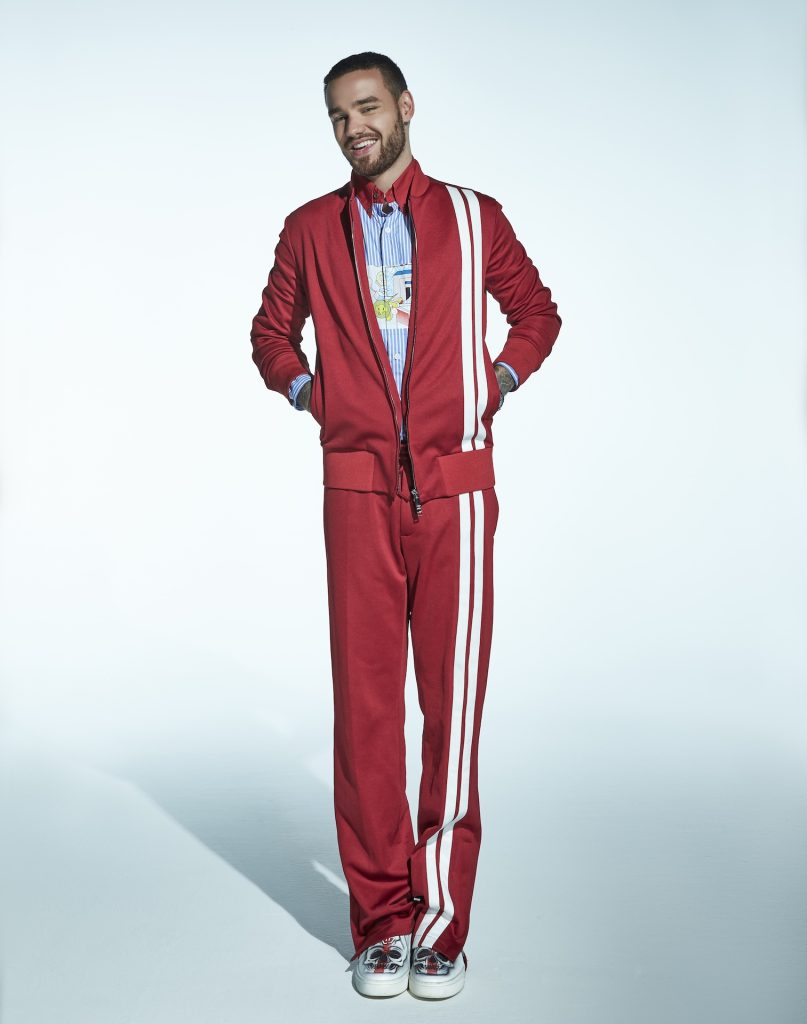
Beyond music, the conversation turns to fatherhood. Having recently become a dad at the time, Payne spoke about how it reshaped his life in simple, grounded ways: “You become a lot more caring and responsible. For me, as a dad, you’re just taking care of everything as much as you can, making sure he’s got a smile on his face. And if you cook for her, she feeds him, so you’re cooking for everyone – that’s what my thing was. As daft as it sounds, cooking actually got me through fatherhood because it made me feel useful.”
That same grounded perspective carries into lighter moments. Away from fatherhood, his approach to style was instinctive and playful, often summed up in a simple idea of just having fun. The same thinking extended to how he saw younger audiences navigating visibility: “In today’s world, teenagers put so much pressure on themselves. I hope that they just have fun with Instagram and Facebook. Don’t treat it as a tool or a serious thing. Just mess around and it’ll all come together.” Years on, that perspective still feels quietly relevant.
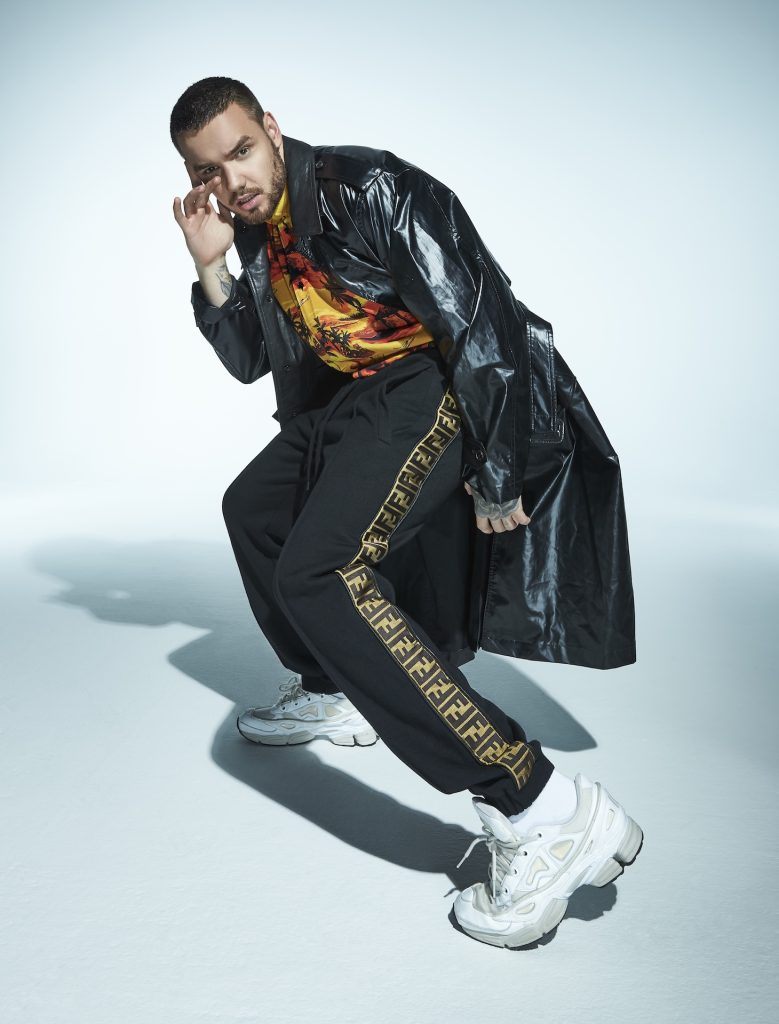
Revisiting the feature now, it reads less like a snapshot and more like a moment in time, capturing where Liam Payne was across his career, identity and life as a father. What gives it weight is not just the context, but how he spoke – openly, and still working things out as he went. In that honesty, a more unguarded side of Payne emerges, giving the piece a quiet sense of intimacy that still feels lasting.
Also see: #legend turns 10: Cover stars – where are they now?