

With hundreds of exhibitors across sectors, navigating Art Basel Hong Kong 2026 can feel overwhelming at first. Now open to the public from March 27 to 29, the fair is in full swing, with some of the year’s most compelling presentations on view. Amid the scale, a number of galleries stand out for how they shape the experience. From immersive installations to tightly curated booths, here are eight to look out for
Perrotin (1D24)
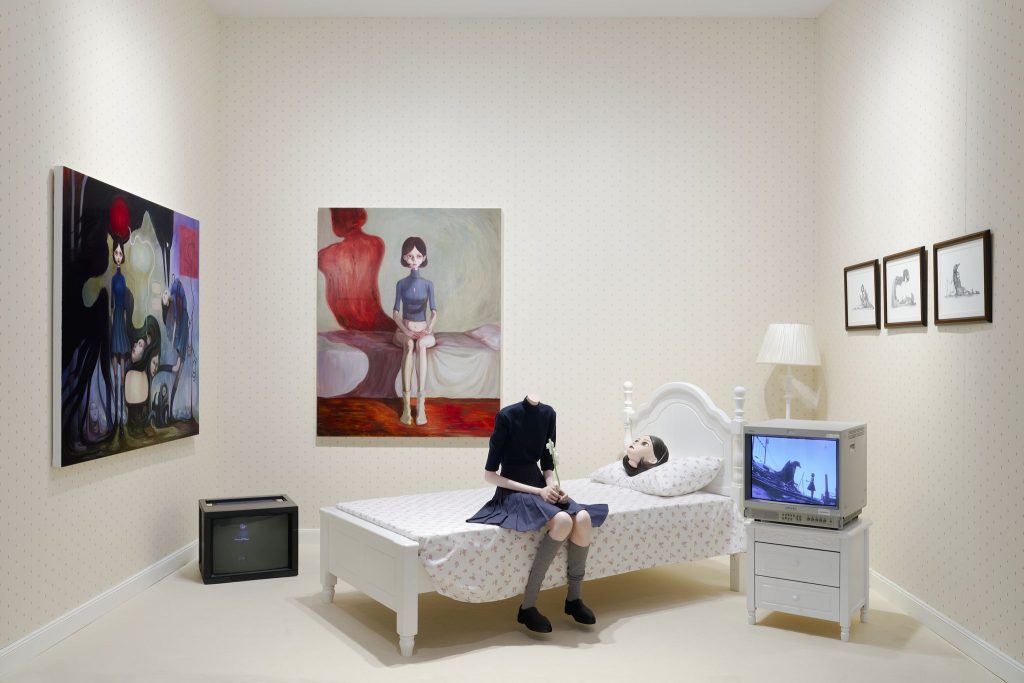
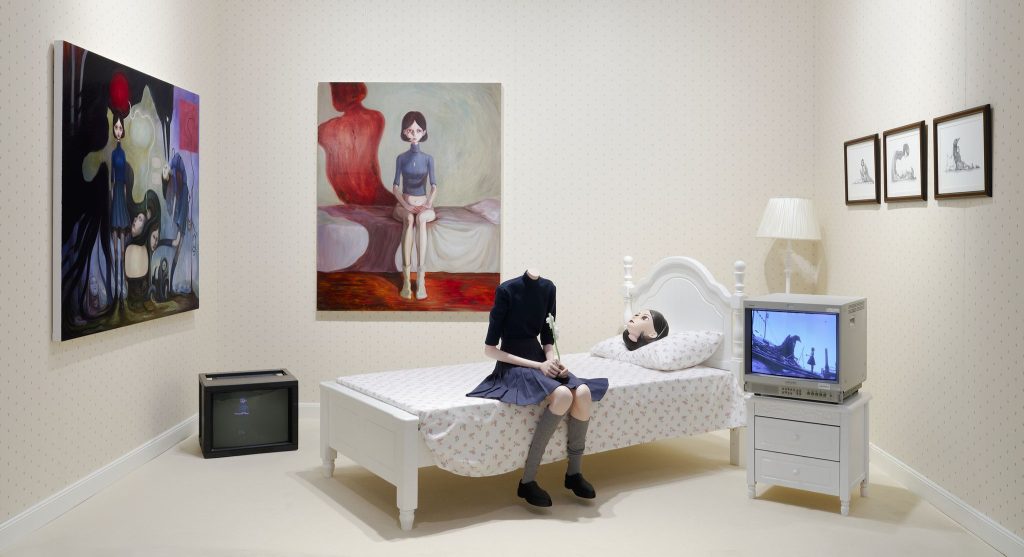
At Perrotin, the presentation moves between large-scale installations and a wide-ranging roster of artists. Lauren Tsai’s immersive installation “Poison Little Girl” anchors the booth, marking her first collaboration with the gallery and unfolding as a psychologically charged, narrative-driven space. Just beyond the booth, Steph Huang’s “Grafting,” presented in the Encounters sector, builds a tactile, architectural installation that explores cultural hybridity. Meanwhile, a solo focus on Mehdi Ghadyanloo sits alongside works by Takashi Murakami and Maurizio Cattelan, creating a dialogue that moves across media, scale and tone.
Asprey Studio (Z4)
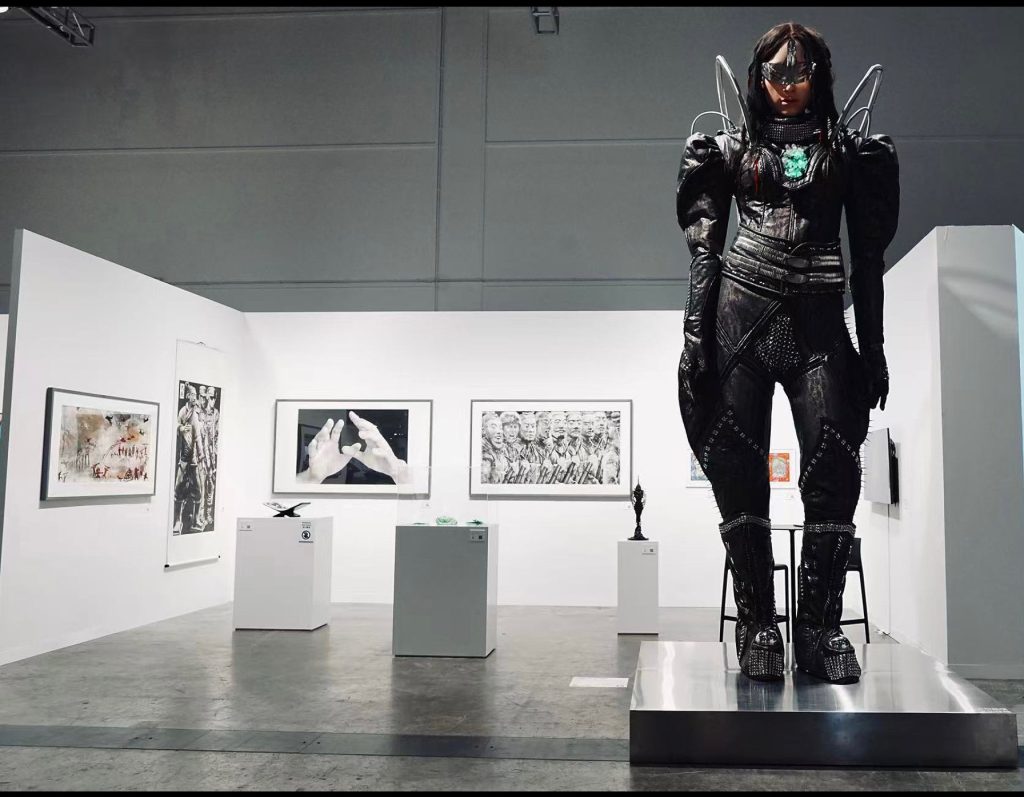
Blurring the line between physical and digital practices, Asprey Studio presents a multimedia showcase in the Zero 10 sector, anchored by Tim Yip’s “Lili,” a monumental 4.5-metre sculpture exploring memory and projection through a dystopian, humanlike figure. Alongside it, Jack Butcher’s “Work” and “Luck” translate his digital practice into handcrafted silver forms, examining how effort, chance and value are constructed. Extending this into a participatory element, visitors can collect and exchange dice-themed coasters before redeeming them for a dice roll at the booth, turning interaction, chance and connection into a tangible outcome.
De Sarthe (3C08)
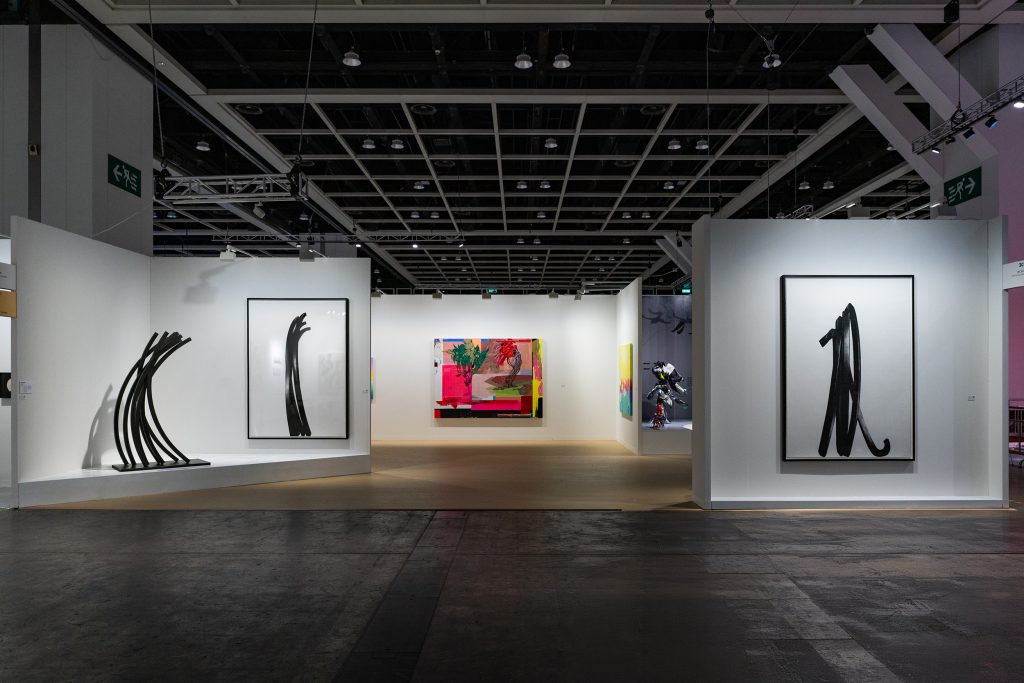
A more tightly framed presentation emerges at De Sarthe gallery, where a dedicated Kabinett spotlights Bernar Venet. Pairing one of his iconic steel sculptures with a series of autonomous charcoal drawings, the display highlights his rigorous, conceptual approach to geometry and material. Beyond this, the gallery’s wider presentation brings together artists including Chan Ka Kiu, Lov-Lov, Caison Wang and Zhong Wei, whose works engage with digital culture while remaining grounded in physical form.
Galerie du Monde (1D33)
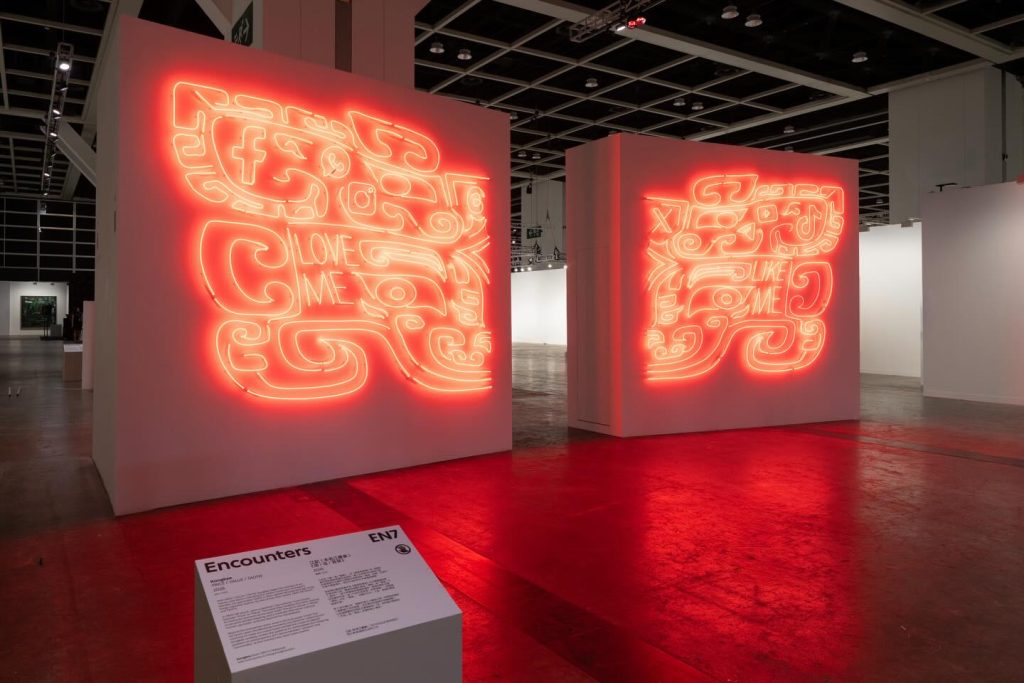
One of the fair’s more performative moments unfolds at Galerie du Monde, where Kongkee presents “Price/ Value/Taotie” in the Encounters sector. Anchored by neon works that stage a choice between “price” and “value,” the project examines the tension between art and commodification. In a live performance, collectors must choose one, with the other destroyed on site, turning the transaction into the work itself. Drawing on the myth of Taotie, a symbol of insatiable desire, the piece reflects on consumption and techno-capitalism.
UBS Art Studio
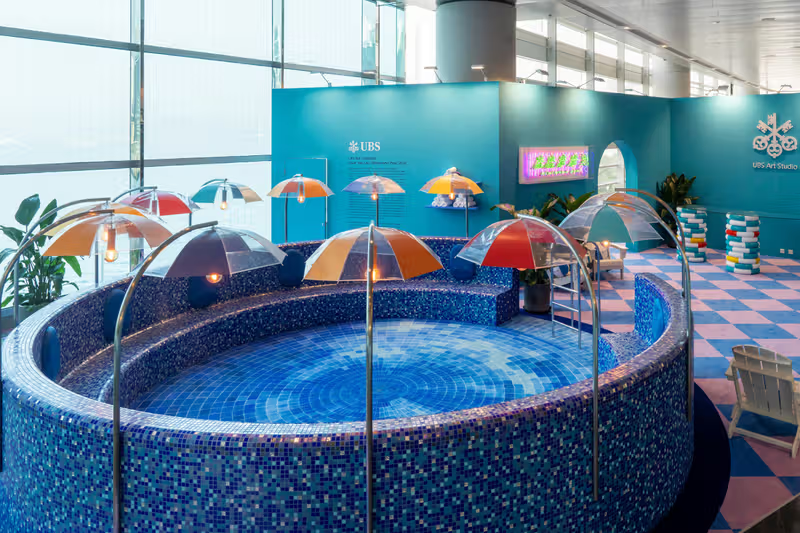
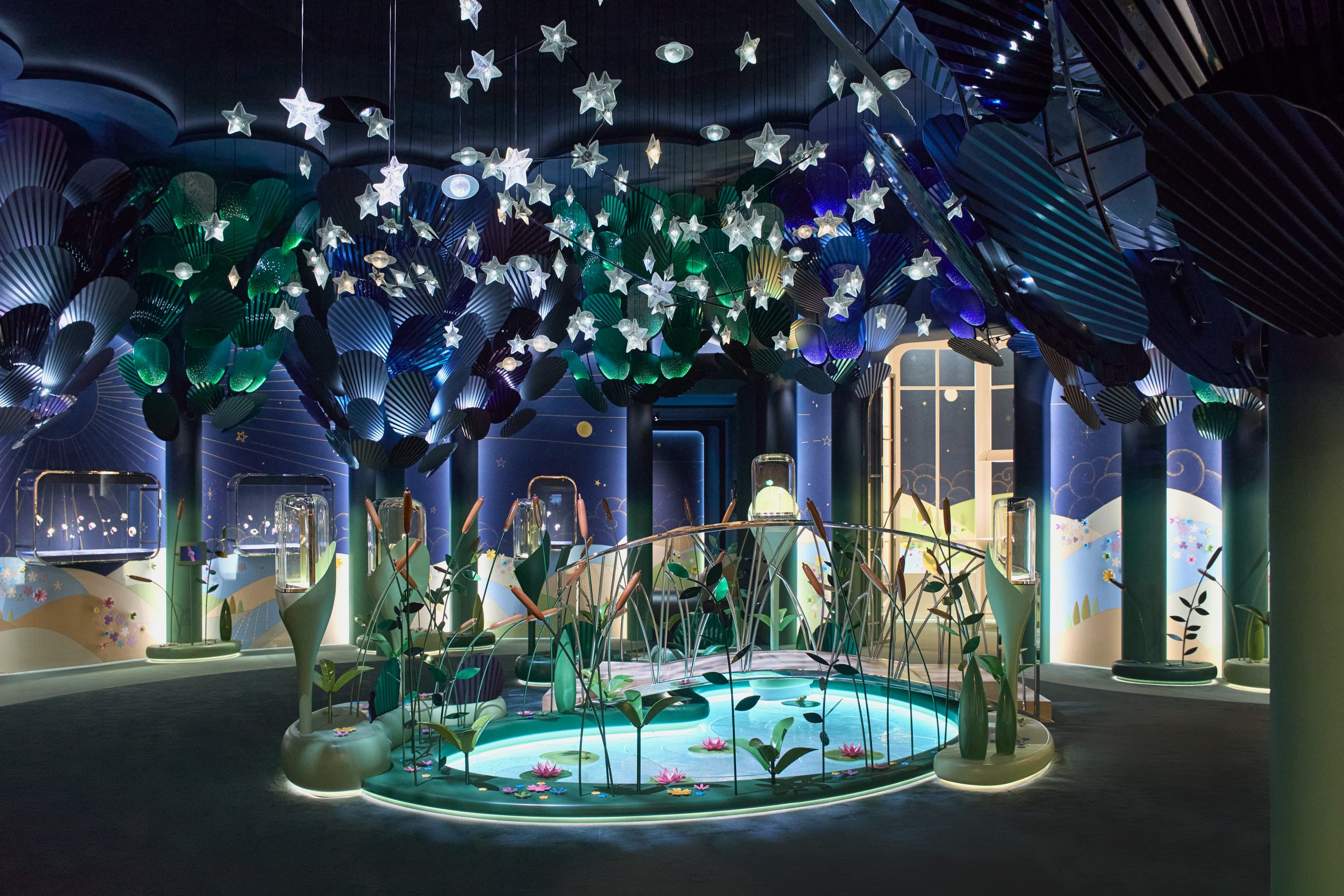
Few presentations offer a pause quite like the UBS Art Studio. Centred on Hong Kong artist Chan Wai Lap’s “Mimimomo Pool,” the immersive installation reimagines the swimming pool as a shared, contemplative space. Known for exploring public space, memory and personal identity, Chan brings this recurring motif into physical form – its title, a Cantonese term meaning “slowly,” reflecting the work’s intent to slow the pace of the fair gently. Beyond this, the UBS Lounge presents “Beyond Pop: Art of the Everyday,” featuring 20 international artists including Andy Warhol, Roy Lichtenstein and Ed Ruscha, while UBS One continues the theme through Michael Craig-Martin’s “Folio” series.
Silverlens (1B12)
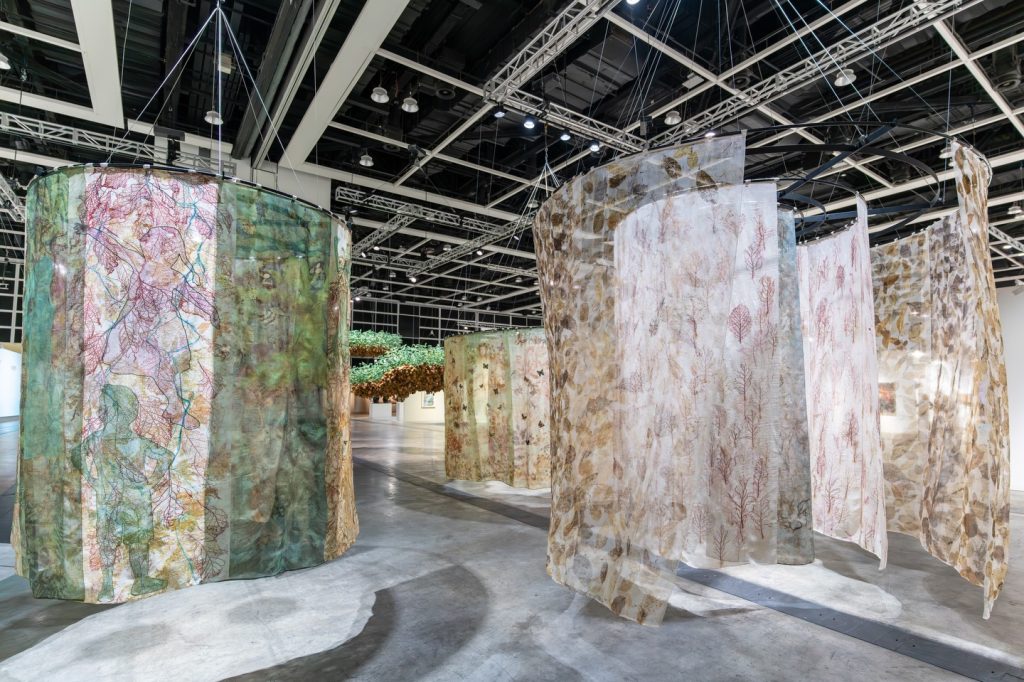
A quieter, more atmospheric experience unfolds at Silverlens, where “Witness” by Geraldine Javier takes over the Encounters sector. Composed of tree-like textile columns, the installation uses a sustainable process in which steamed plant matter merges with fabric, embedding material and memory into its surface. Recently shown at the Helsinki Biennial, the work reflects on ecology and climate through a restrained, sensory language, alongside works by Pacita Abad and Yee I-Lann.
P21 (1C52)
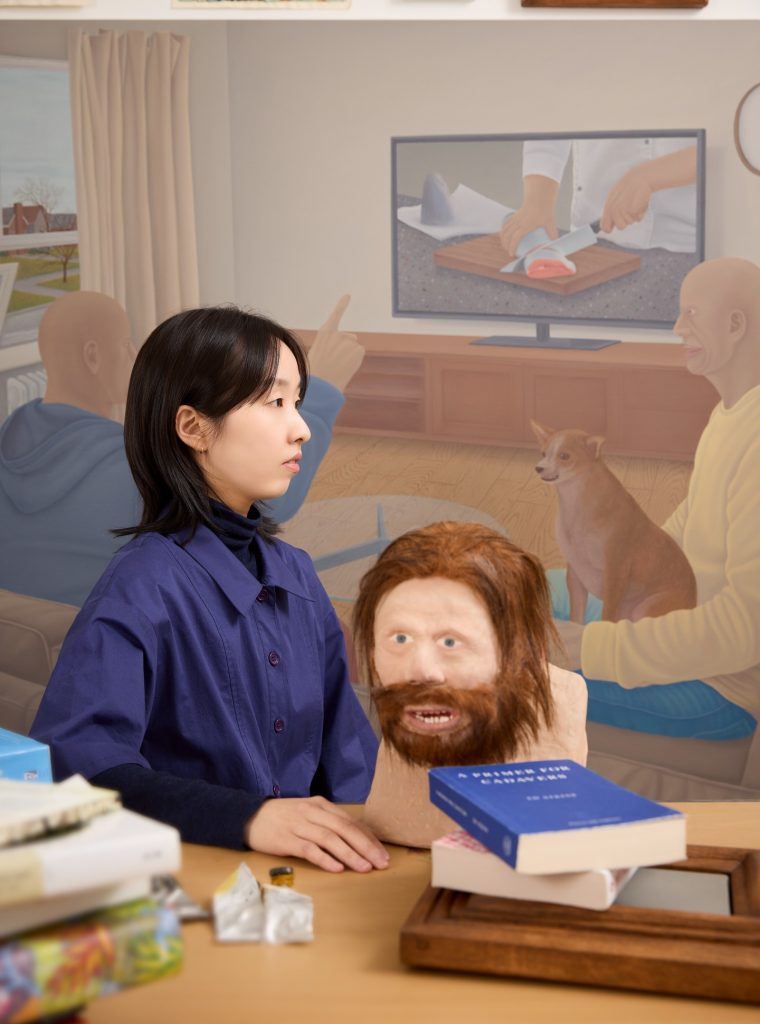
In the Discoveries sector, P21 offers one of the most focused presentations at the fair. Seoul-based artist Yaerim Ryu’s solo booth unfolds around a fictional Neanderthal figure named “Peter,” turning painting and sculpture into a speculative excavation. Through layered surfaces and archaeological references, the works treat image-making as a record of time, where gesture, material and memory accumulate into something both physical and imagined.
Also see: Indonesian artist Bagus Pandega on exploring progress and preservation