

As art history shows, food has long captivated artists as both subject and symbol – from Roman mosaics and frescoes that celebrated the empire’s abundance by portraying fruits, vegetables, meats and wines; to the still lifes of the Dutch Golden Age, where painters flaunted their skills by depicting extravagant tabletops; and 20th-century Pop artists like Claes Oldenburg and Andy Warhol who elevated everyday American fare to iconic status. Within the comfort of their own kitchens, some artists also looked to food as another creative outlet. Stephenie Gee collects three recipes of some of the art world’s biggest names, providing literal – and cultural – nourishment
Marcel Duchamp’s steak tartare
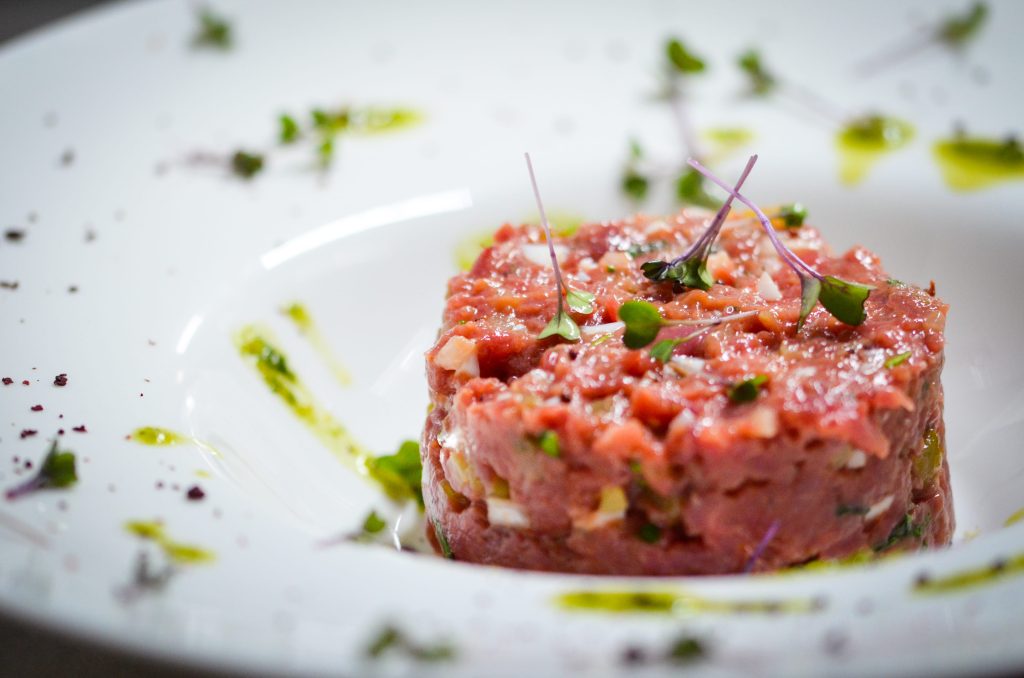
Ingredients:
• 1/2 lb chopped raw beef
• 2 eggs • Chopped raw white onion
• Bright green capers
• Curled slivers of anchovy
• Fresh parsley, chopped fine
• Black olives minutely chopped in company with yellow celery leaves
“Let me begin by saying, ma chere, that Steak Tartare, alias Bitteck Tartare, also known as Steck Tartare, is in no way related to tartar sauce,” writes Marcel Duchamp. “The steak to which I refer originated with the Cossacks in Siberia, and it can be prepared on horseback, at a swift gallop, if conditions make this a necessity.”
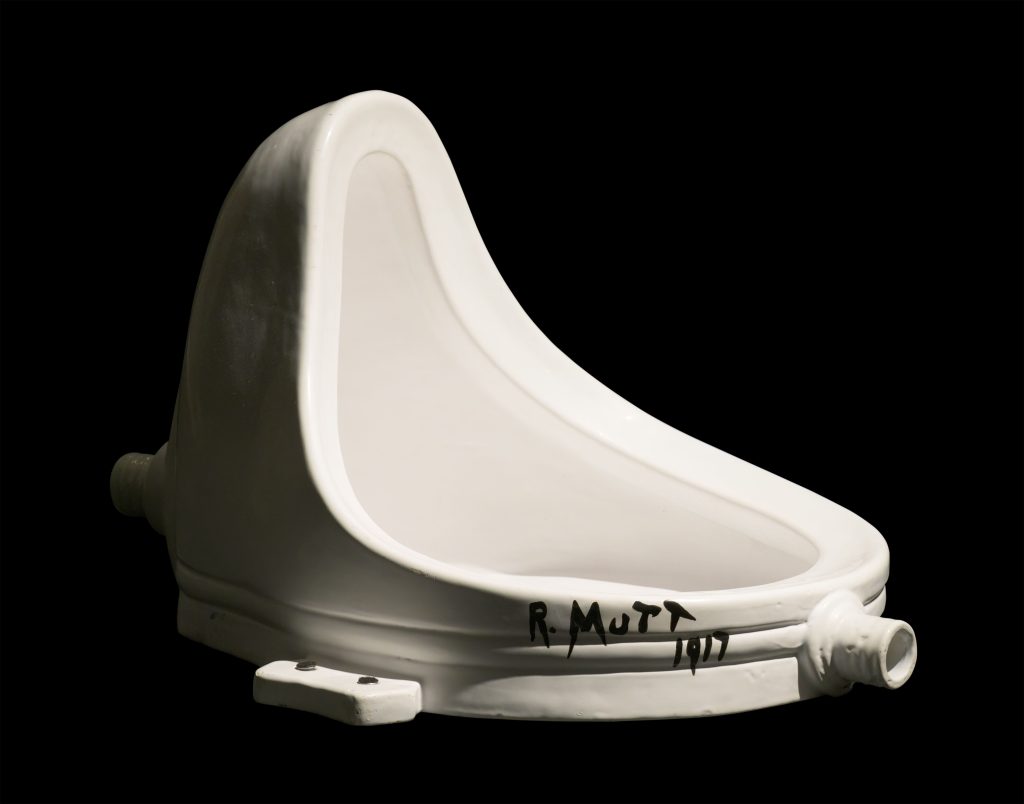
Perhaps one of the most revered artist-inspired cookbooks, The Artists’ and Writers’ Cookbook features 200 recipes from 150 novelists, painters, poets and sculptors, some of whom volunteered tried-and-true dishes they make at home, while others took some creative liberty. Man Ray, for instance, suggested serving steel ball bearings soaked in machine oil with French bread painted baby blue. Marcel Duchamp, meanwhile, found a middle ground for his steak tartare recipe that’s both a performance and a genuine recipe.
One of the most cherished artist-inspired cookbooks ever published, The Artists’ and Writers’ Cookbook features 200 recipes from 150 novelists, painters, poets, and sculptors. While some artists shared their go-to home-cooked favourites, others took some creative liberty. Man Ray, for instance, proposed a Dadaist menu of steel ball bearings soaked in machine oil, served alongside French bread painted baby blue. Marcel Duchamp, meanwhile, found a middle ground for his steak tartare recipe that’s both a performance and a genuine recipe.
With an eye for artistic arrangement, Duchamp recommends serving it on a plain ivory plate “so that no pattern will disturb the distribution of ingredients”. The raw beef is to be arranged “with artistry into a bird’s nest”, cradling egg yolks in its centre. Encircling the nest in a wreath-like arrangement are bouquets of chopped onion, capers, anchovy, parsley, olives and celery leaves. “Each guest, with his plate before him, lifts his fork and blends the ingredients with the egg yolks and meat,” he concludes. “In centre of table: Russian pumpernickel bread, sweet butter and bottles of vin rosé.”
Claude Monet’s banana ice cream
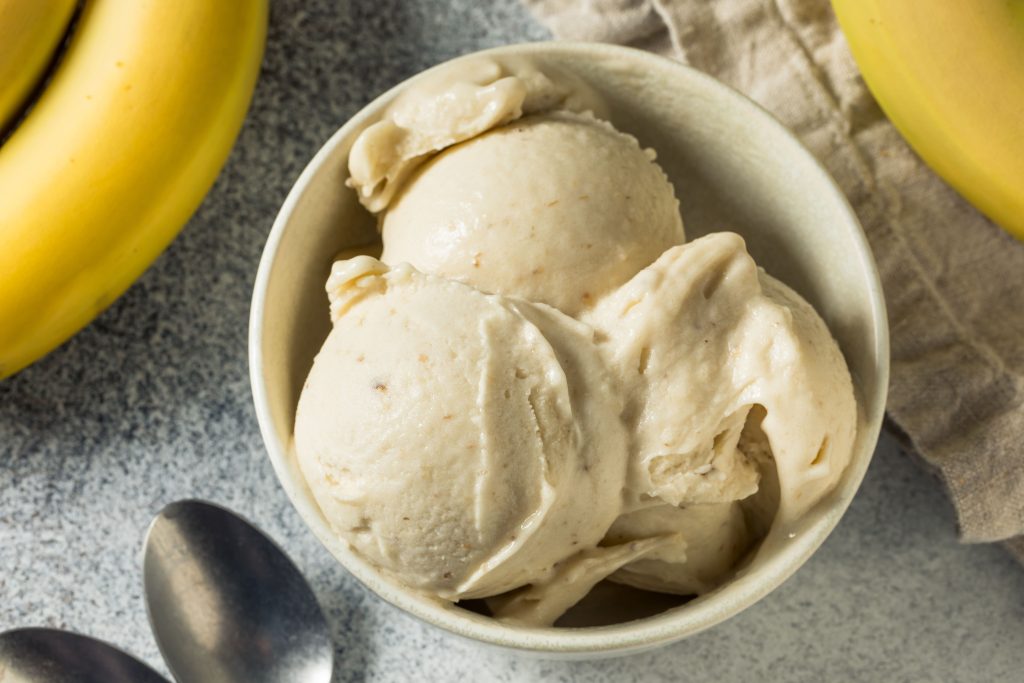
Ingredients:
• 500 ml milk
• 5 egg yolks
• 250 grams powdered sugar
• 150 ml cream
• 1 tsp potato flour
• Pinch of salt
• 4 ripe, peeled bananas
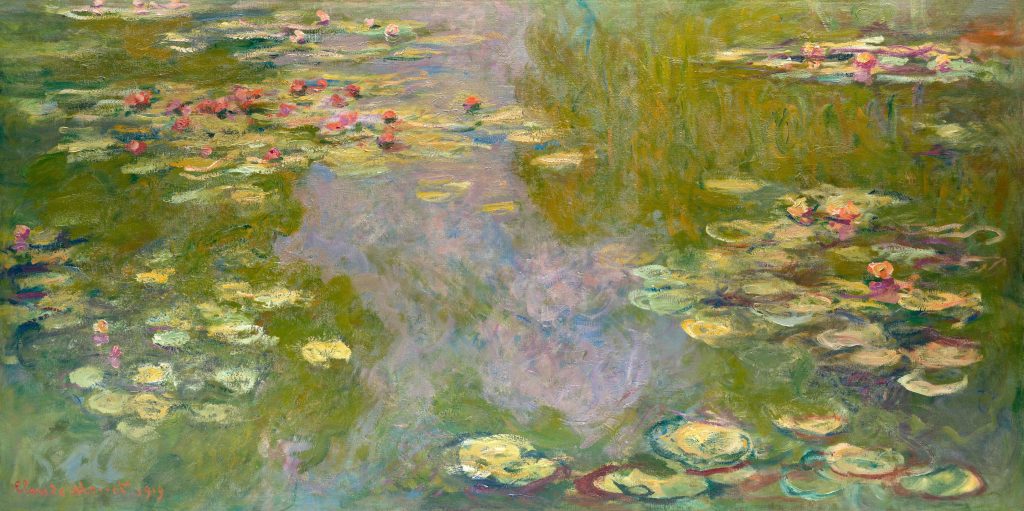
Claude Monet’s pink house at Giverny is most famous for its breathtaking gardens, which inspired his celebrated water lily paintings. Inside, however, there’s more to the artist’s life, including a lemon-yellow dining room where the artist enjoyed meals prepared by his cook, Marguerite, in the adjacent blue-tiled kitchen bedecked with copper pots. Monet certainly was interested in eating well, and kept menus and cooking journals that later formed the basis of Monet’s Table: The Cooking Journals of Claude Monet, a cookbook of recipes comprising classic French dishes in addition to treats the artist and his friends – like Mallarmé, Valéry, Whistler, Cézanne and Rodin – enjoyed over tea. A standout favourite was banana ice cream, which he often enjoyed especially around Christmas or on special occasions.
To begin, bring the milk (and the pinch of salt) to a boil. In a bowl, mix together the egg yolks, sugar and potato flour until light and fluffy, then add – little by little, and while whisking – the hot milk. Continue to heat the custard base on low to medium heat until it thickens. Take off from the heat and, separately, mash the bananas and pass the purée through a sieve. Whisk into the custard once fully cooled and still-freeze in the freezer.
Salvador Dalí’s avocado toast
Ingredients:
• 3 avocados
• 1 lamb brain
• 9 oz minced almonds
• 12 slices rye bread
• 3 tbsp tequila
• 1/3 cup vinegar
• 1/2 cube of beef bouillon
• Salt
• Cayenne pepper
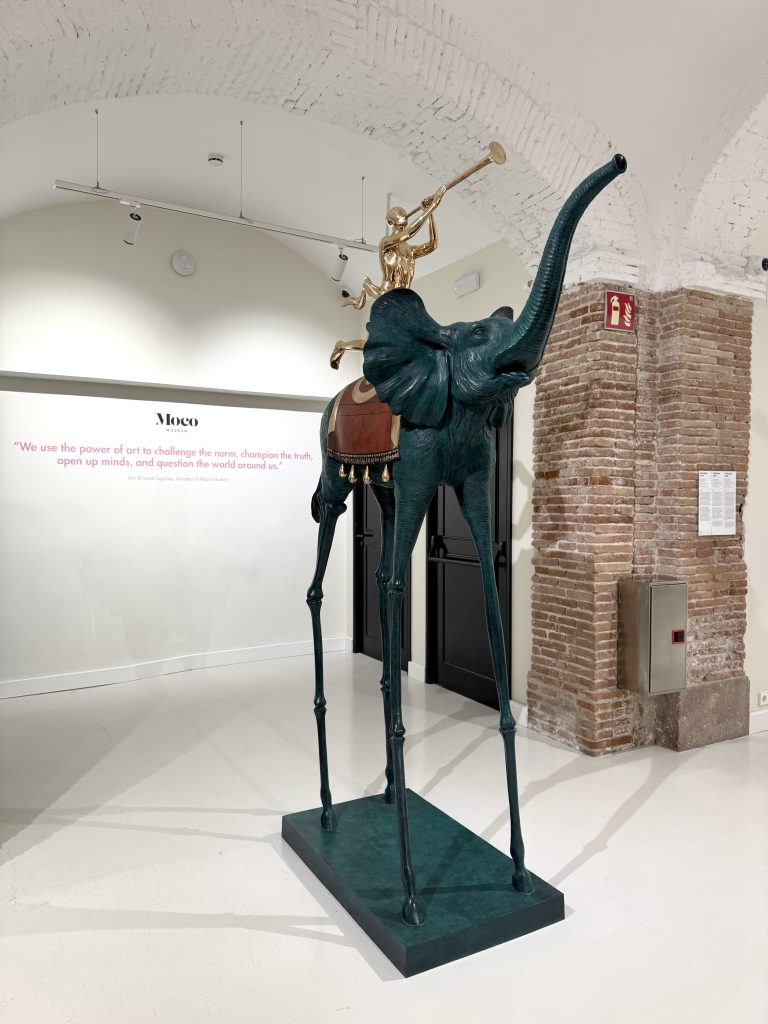
“If you are a disciple of one of those calorie-counters who turn the joys of eating into a form of punishment, close this book at once; it is too lively, too aggressive, and far too impertinent for you.” So begins Salvador Dalí’s Les Dîners de Gala, originally translated to English in 1973 and named for his wife Gala, with whom he hosted highly extravagant and outlandish costumed dinner parties and soirees. Lavishly illustrated by Dalí himself, the cookbook presents 136 extravagant recipes that are equal parts cannibalistic and erotic.
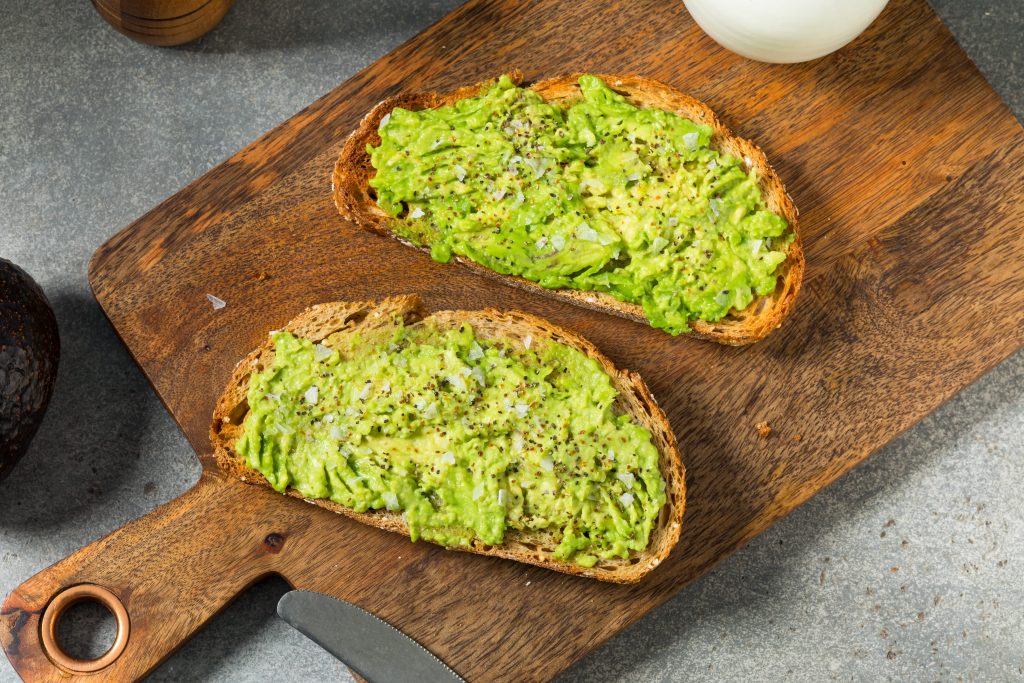
Among the delicacies is his decadent spin on avocado toast: lamb brains, a French speciality, are soaked in cold water, skinned, and then poached in a mixture of boiling water, vinegar and beef bouillon. Remove the brains from the water, drain to remove excess water and mix with avocado pulp, minced almonds, salt, cayenne pepper and tequila. Spread generously on toasted slices of rye.
Also see: Asia’s 50 Best Restaurants 2026: the full list revealed