

From gold mining to cultural diplomacy, Lin Xiang Xiong charts an unconventional path in art and life. The Chinese-born Singaporean artist and mining magnate talks to Dionne Bel about building a museum for peace and why art must serve humanity
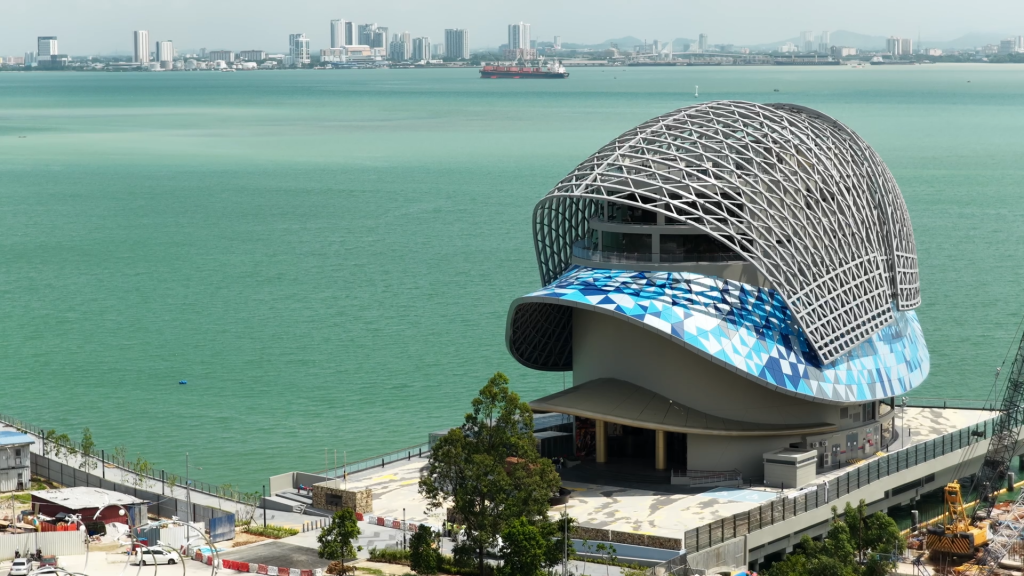
Perched dramatically over the water on Penang’s coastline, the Lin Xiang Xiong Art Gallery is more than a striking new addition to Southeast Asia’s cultural map – it’s the culmination of a lifetime shaped by displacement, resilience and conviction. Opened last December, the eight-storey, turtle-shaped private museum marks the most ambitious chapter yet in the career of Lin Xiang Xiong, positioning art not as spectacle or commodity, but as a force for reflection, dialogue and peace. Housing six decades of work alongside immersive digital installations, the gallery signals a new kind of institution in the region:
deeply personal yet globally oriented.
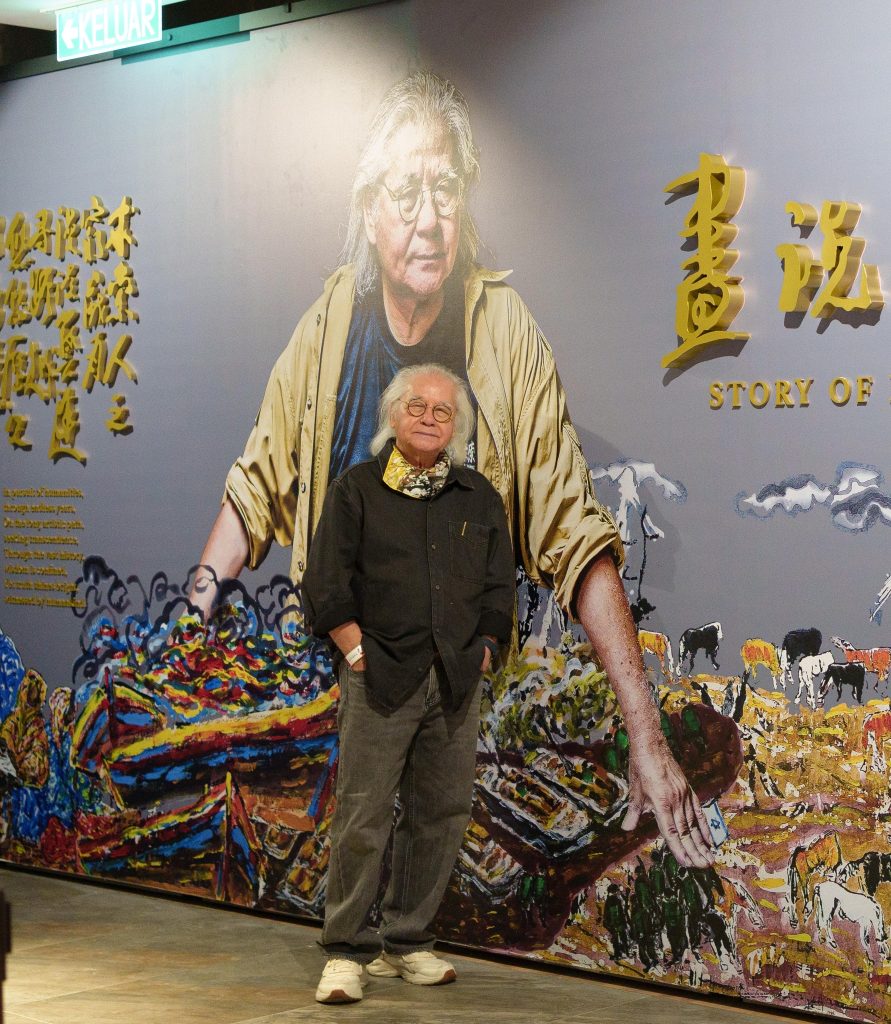
Lin’s journey to this moment is as unconventional as the museum itself. Born in Guangdong Province in 1945,
he left home alone to search for his father, then a coolie in Singapore, after the death of his mother during China’s Land Reform Movement when he was just 11 years old. Through a childhood shaped by poverty, migration and survival, he forged an artistic language fusing Eastern ink traditions with Western colour, gesture and spatial depth, rooted in lived experience – addressing war, displacement, inequality, the human condition and climate change.
Nonetheless, Lin also made a radical choice early on: never to sell his paintings. Instead, he built a parallel career in design and business, eventually becoming the founder and executive chairman of CNMC Goldmine Holdings, a success that afforded him rare artistic independence. In this conversation, he ref lects on the thinking behind the Lin Xiang Xiong Art Gallery, his belief in art as soft power and how art and enterprise have evolved side by side in a life devoted to purpose over profit.
You suffered profound loss early in life and left China at just 11. How did that trauma shape the foundations of your art?
For us Chinese, culture is fundamental. Chinese civilisation teaches us that when you are poor, you
must take care of yourself; when you are rich, you must take care of others. That idea comes directly from my
childhood – it was extremely painful. After 60 years as an artist, I don’t say I am a success, but I say one thing very clearly: I am still alive. That is already something. From China to Singapore was a very long journey. I had no parents, no one to rely on. I worked along the Singapore River carrying cargo, selling newspapers, polishing shoes. It was extremely hard. But every night, I felt my mother visiting me in my dreams, telling me, “You must work hard. You must fight for your life. I believe you can make it.” Perhaps God wanted to train me to become a good human being. Society trained me through hardship. That strength became the foundation of my art. My paintings reflect society. They are meant to guide people.
When did you realise that art was not just a practice, but your vocation?
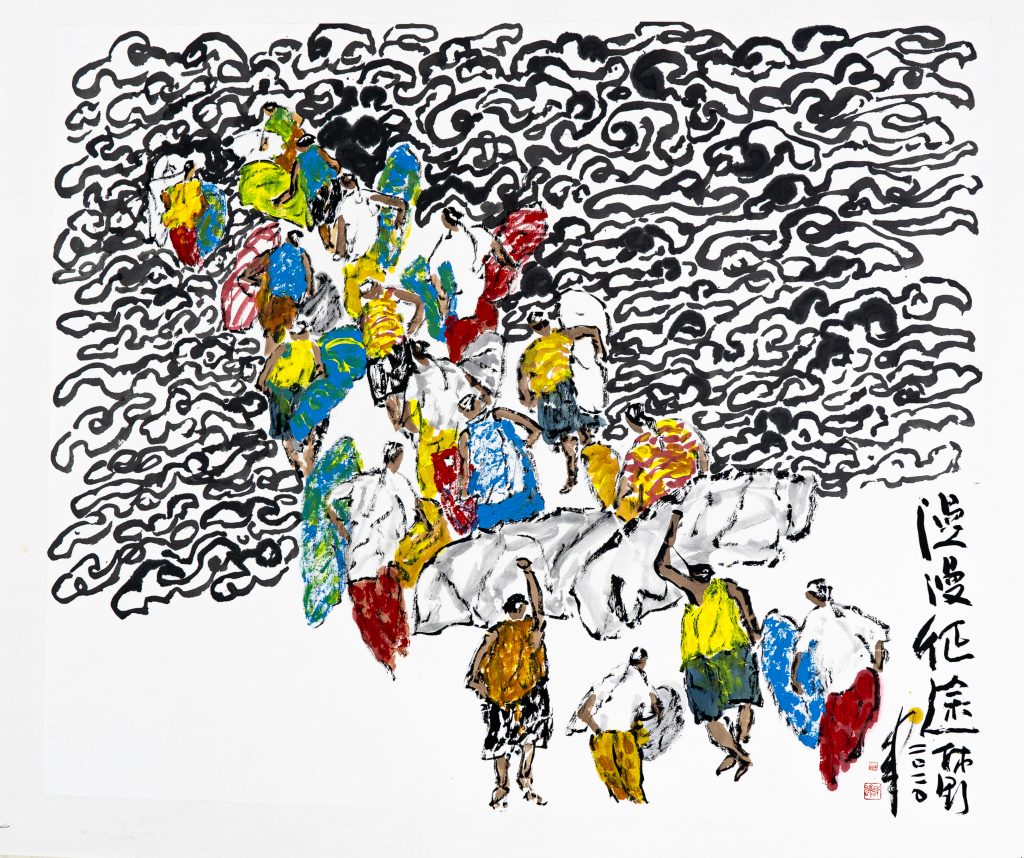
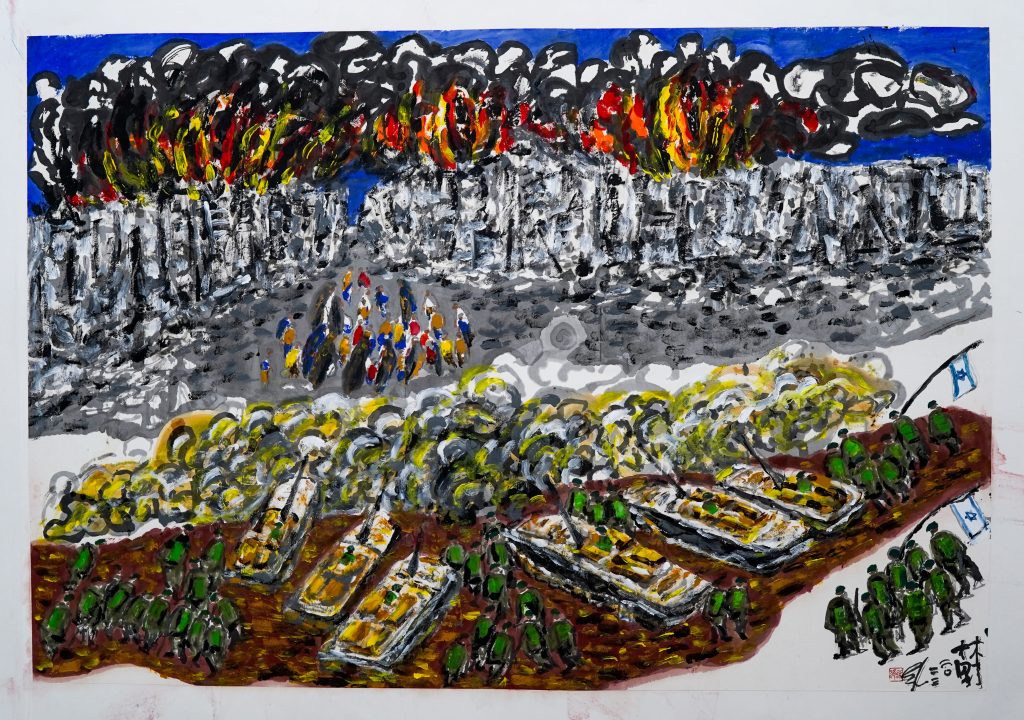
Culture and art are inseparable. They are born from history and experience. That is why I remain humble and focused on sharing, not showing off. I never use my art to glorify myself. When I paint war or poverty, I want
people to see how others live. If we are human beings, why do we allow this? Art can make people feel pain, cry, reflect – that is its power. Alone, artists are weak, but when art connects with leaders, it becomes stronger. Art may not change the world overnight, but it can influence minds – and minds shape policies.
You often speak about art as something universal. Can it truly help overcome adversity and promote peace?

Yes, absolutely. Art transcends language. You may not read Chinese or English, but when you see a painting
about war or suffering, you feel it, and that feeling is universal. For 20 years, I organised exhibitions and forums, but alone, results were limited. As a board member of the Leaders for Peace nonprofit foundation and working with leaders – former presidents and ministers – there is influence. Leadership shapes policy. Art supports that process by awakening conscience.
You chose not to make a living by selling your art. Why?
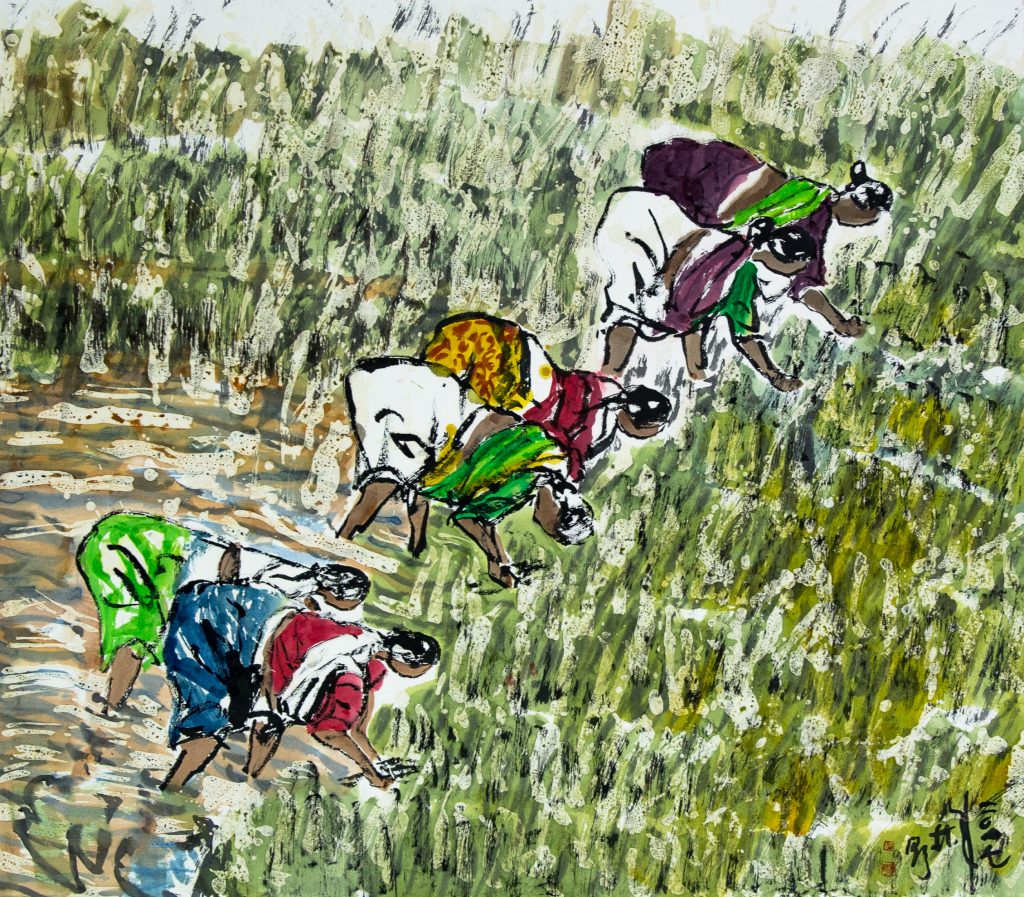
Eventually, I succeeded in gold mining, which gave me the freedom to keep my art pure. Art was never about money for me. Selling paintings to market demand would have compromised my independence. My paintings are not decorative. They are meant for reflection. If one day a buyer wants to acquire them for peace, for education, for a foundation – not for profit –then we can talk. Money is a tool, not the goal; it must serve humanity.
At age 80, after six decades of artistic practice, why was it important for you to open the Lin Xiang Xiong Art Gallery, and what legacy do you hope to leave through your museum and peace initiatives?
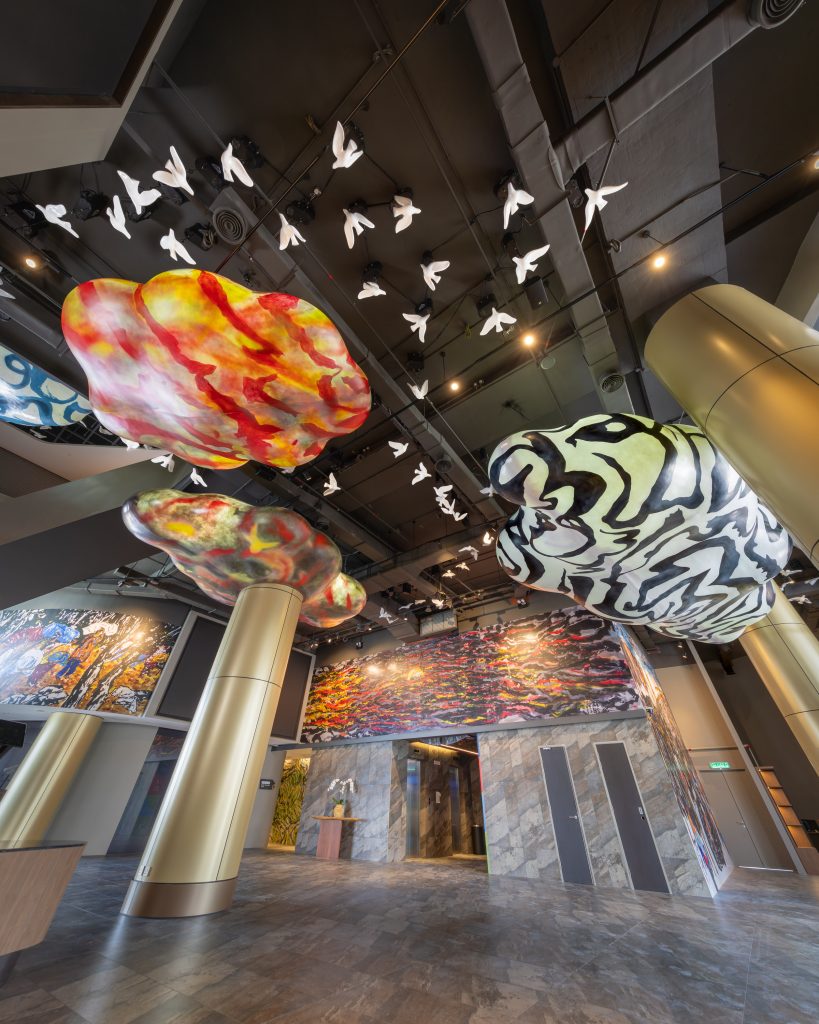
I never sold my paintings, so I needed a place to share them publicly. The museum is not just for my work – it is an educational and cultural platform for the world. Art is not a weapon; it is a soft power – a force that changes the human mind slowly. If minds change, society changes. If artists take one step forward, if people begin to think differently, that is enough. Peace is built step by step.
Also see: 5 highlights of Art Basel Hong Kong 2026