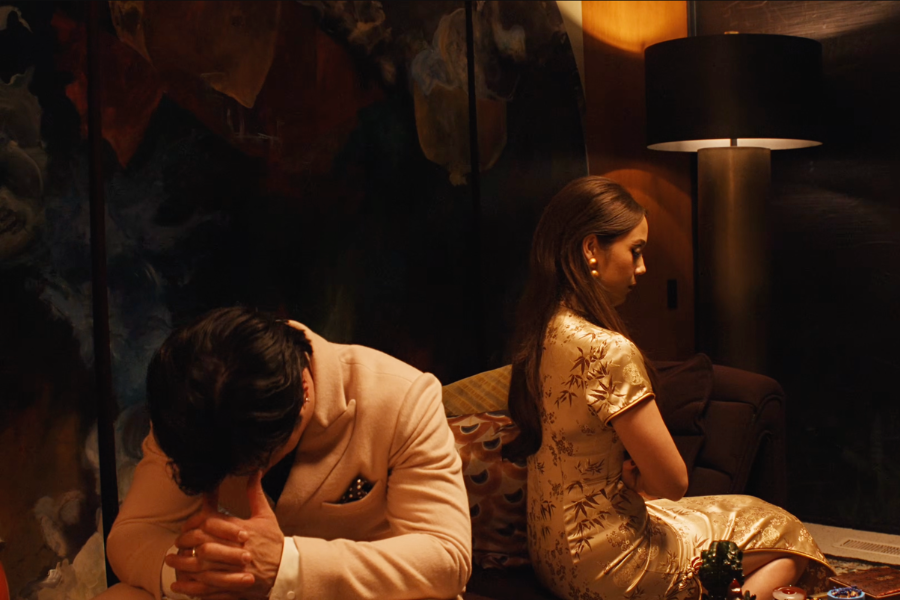
Laufey, born Laufey Lín Bing Jónsdóttir, the Grammy-winning Icelandic-Chinese artist credited with reviving modern jazz for a new pop generation, returns with her latest album A Matter of Time: The Final Hour, released on April 10. At the heart of this new era is the music video for Madwoman, unveiled on April 13, which has quickly become a cultural talking point. Bringing together a lineup of prominent Wasian (mixed Asian) talents, the video has earned its viral nickname among fans: the “Wasian Avengers.”
@laufeyland
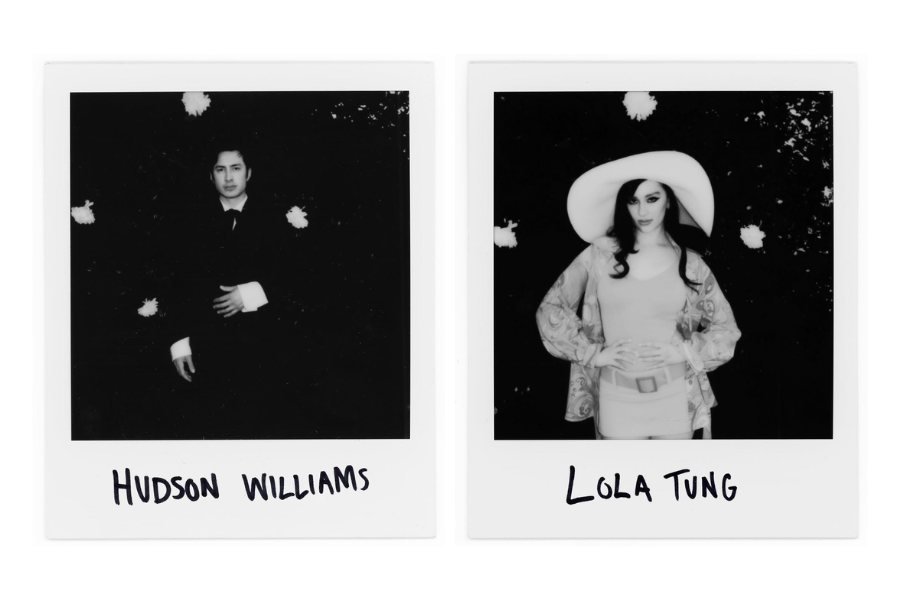
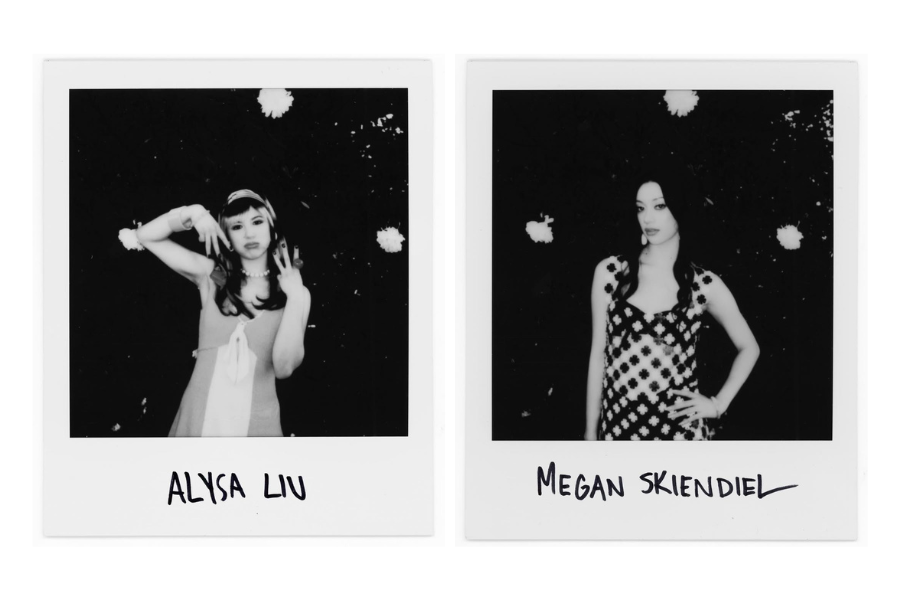
The star-studded cast includes Hudson Williams, a rising Canadian-Korean actor; Lola Tung, a Swedish-Chinese actress from The Summer I Turned Pretty; Alysa Liu, the American-Chinese Olympic champion figure skater; and Megan Skiendiel, an American-Chinese member of KATSEYE.


@laufey
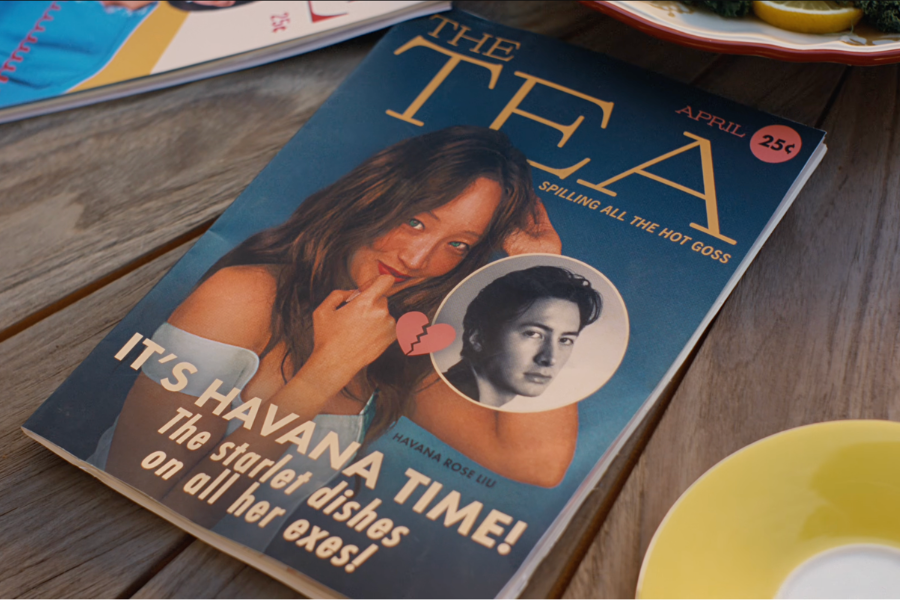
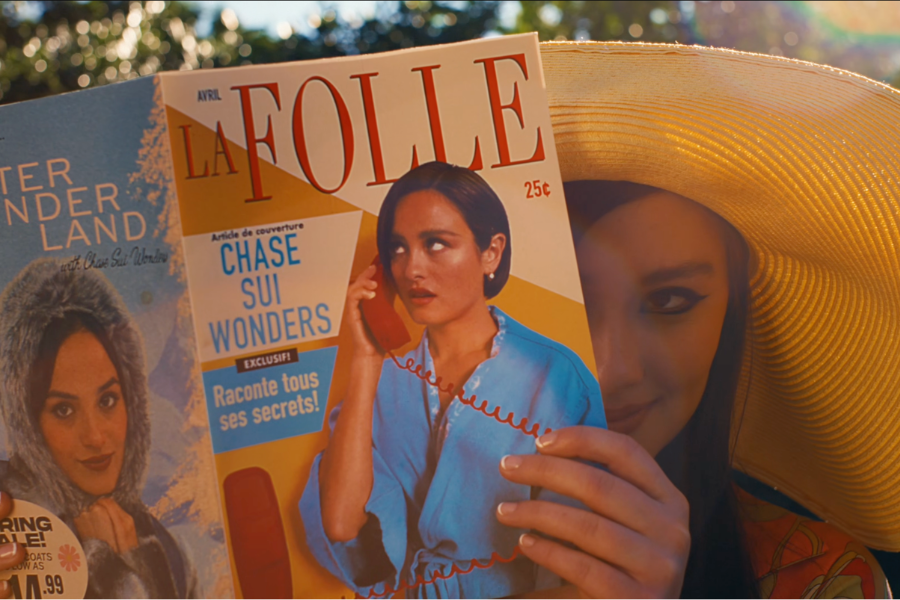
They are joined by Havana Rose Liu, an Irish-Chinese actress, and Chase Sui Wonders, an American-Chinese actress—further amplifying the video’s cross-cultural presence.


Laufey’s intentional casting of entirely Asian and mixed-Asian talents underscores a clear statement: to expand visibility and create space for Asian identities within Western mainstream media. It’s a deliberate and meaningful move that reframes representation not as an afterthought, but as the narrative itself.
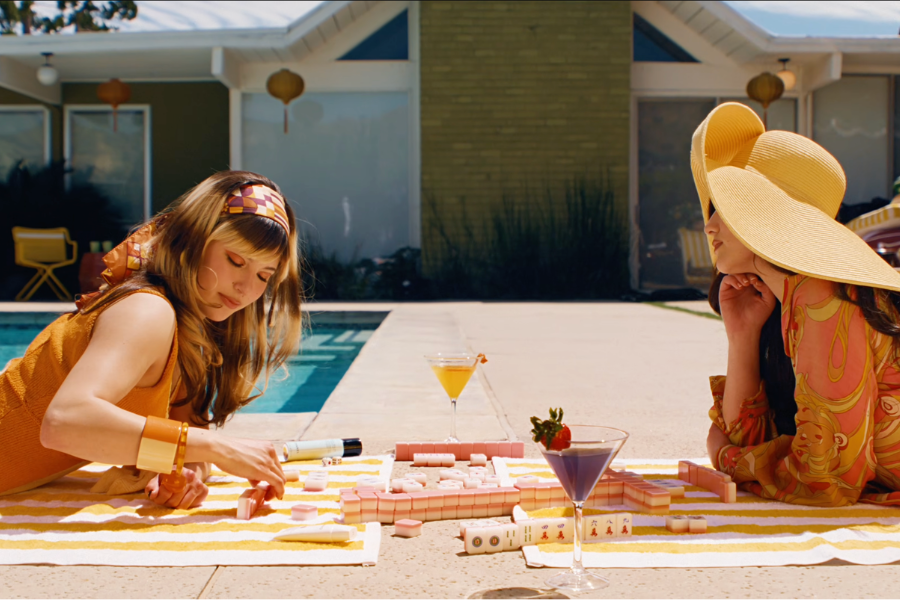
Visually, the music video draws from the aesthetic language of Slim Aarons, known for capturing the glamorous, sun-drenched leisure of Western high society.
Slim Aarons: Style
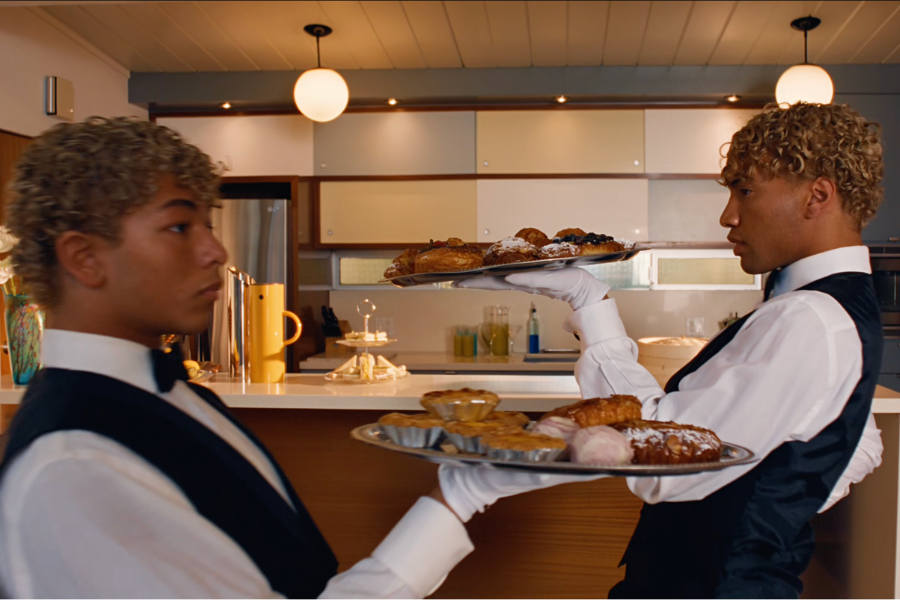
Here, that world is reimagined through an Asian lens—Mahjong played poolside, alongside dishes like roasted duck, red snapper, egg tarts, and dim sum—infusing the setting with a playful yet intentional cultural duality.


At the same time, the video leans into a melancholic, romantic mood inspired by Wong Kar-wai, particularly echoes of In the Mood for Love. Amber-toned lighting, reflective surfaces, and satin cheongsams create a visual language that is both nostalgic and sensorial, elevating Asian identity into something cinematic, intimate, and deeply stylized.


Beyond its striking visuals, Madwoman resonates through its lyrical core. The song explores a love that is intense, complicated, and impossible to resist. Even with the awareness that it may be misguided or unsustainable, the emotional pull remains undeniable. In the end, Laufey embraces the contradiction—naming herself the “Madwoman”: someone who knows she should walk away, yet cannot quiet the persistence of her own heart.
“But still, I want you like a mad, mad woman”