
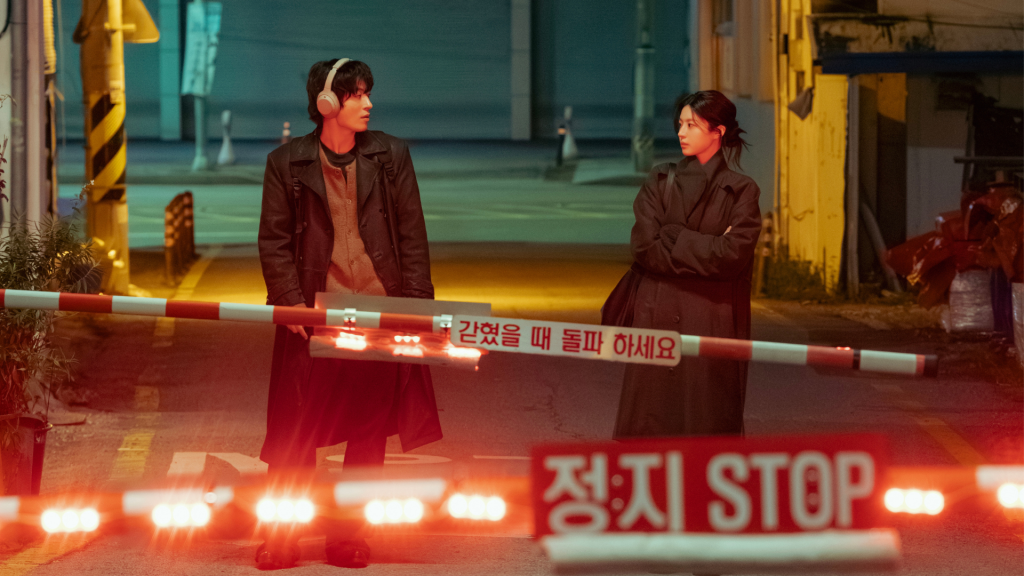

Park Hae-young first showcased her brilliance as a screenwriter with Another Miss Oh (2016). Her subsequent work, My Mister (2018), was a massive success, garnering widespread acclaim and marking a career milestone by winning Best Screenplay at the Baeksang Arts Awards. She reached this heights again with My Liberation Notes (2022), further cementing her reputation for crafting narratives that resonate deeply and profoundly with the human heart.
Four years later, Park Hae-young returns with her latest work, We Are All Trying Here (2026). The premiere has sparked a debate among viewers: “To continue or to quit?” This hesitation stems from Park’s unique stylistic identity. Eschewing the sensationalism often used to drive ratings, she focuses her lens on the mundane struggles of ordinary individuals in a gray world. Some describe the progression as sluggish—a sentiment I find both accurate and misleading.
True, the pacing is deliberate, as every event transpires quietly and without rush. However, this approach succeeds in bringing the audience closer to the characters, fostering a deep sense of empathy. We become fully immersed in their highs and lows, wanting nothing more than to see every character “overcome” the accumulated fatigue that eats away at their resolve.
The plot unfolds quietly, yet it never stops moving forward. Despite the slow rhythm, it keeps you hooked by slowly unmasking the characters through subtle, everyday details. By exploring the raw dynamics of parents, siblings, and couples, the script lays bare the deep psychological wounds that make each character a “damaged soul.”
Beneath the melancholy surface of a Park Hae-young drama lies a sharp, bitter-sweet humor that keeps the story breathing. Her work isn’t something you’d fall asleep to; it is pulsing with life and the myriad of emotions we all struggle to accept. She masterfully balances the light of love and family with the heavy shadows of death, loneliness, and the deep-seated anger and pain that define our shared existence.
It all comes down to the fact that humans are incredibly fragile. These four “miserable life” dramas from Park Hae-young might be dark, but they always leave the light on for hope. They’ll make you believe in the power of staying alive because life comes as a total package—sometimes lonely and heart-wrenching, other times joyful and beautiful, and always a bit of both.
Another Miss Oh (2016)
Park Hae-young’s work is defined by her exploration of human flaws and the nuances of Korean society. Another Miss Oh isn’t your typical healing drama, it’s a story of broken hearts colliding. What starts as a potentially fluffy romance shifts into a deep dive into the insecurities of Oh Hae-young. Plagued by lifelong comparisons to a “perfect” former classmate with the same name, she navigates the sting of disappointment both as an individual and as a daughter facing societal pressure to marry.
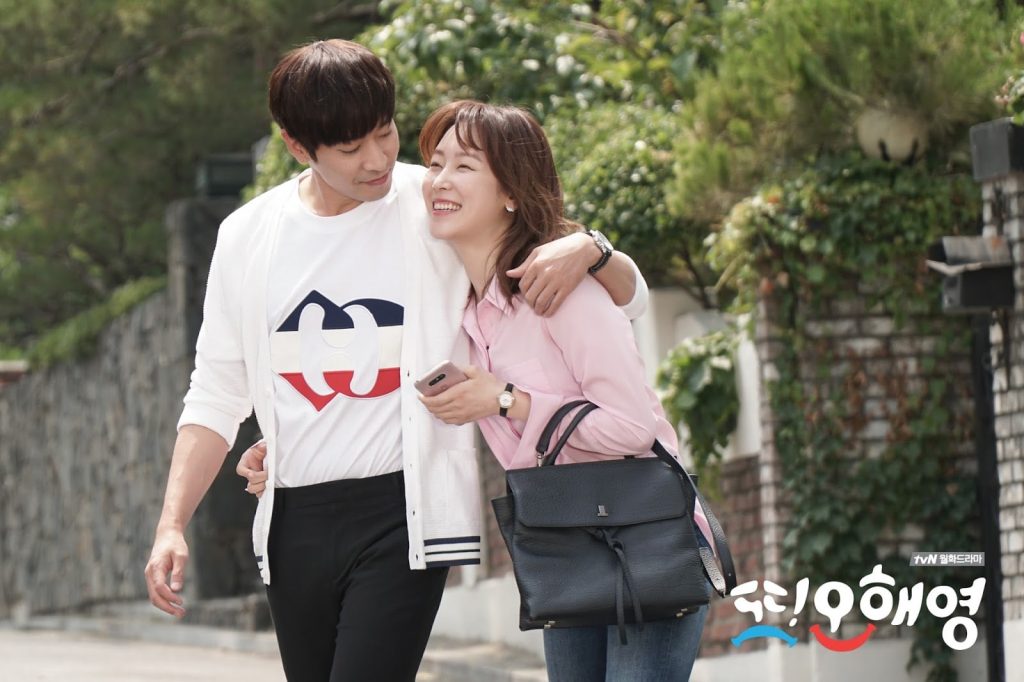
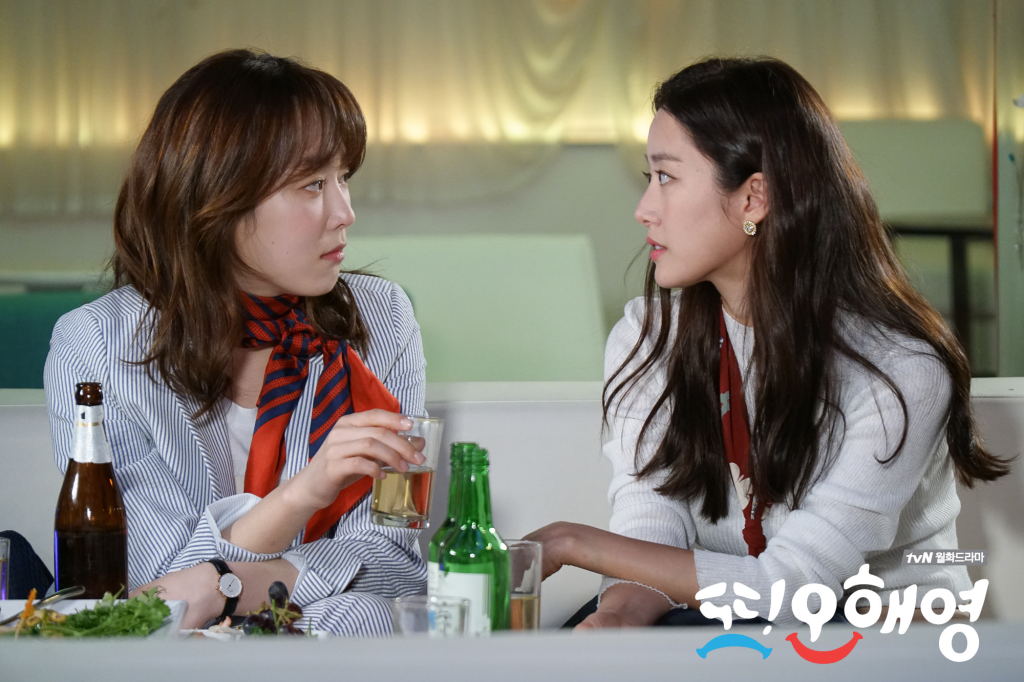
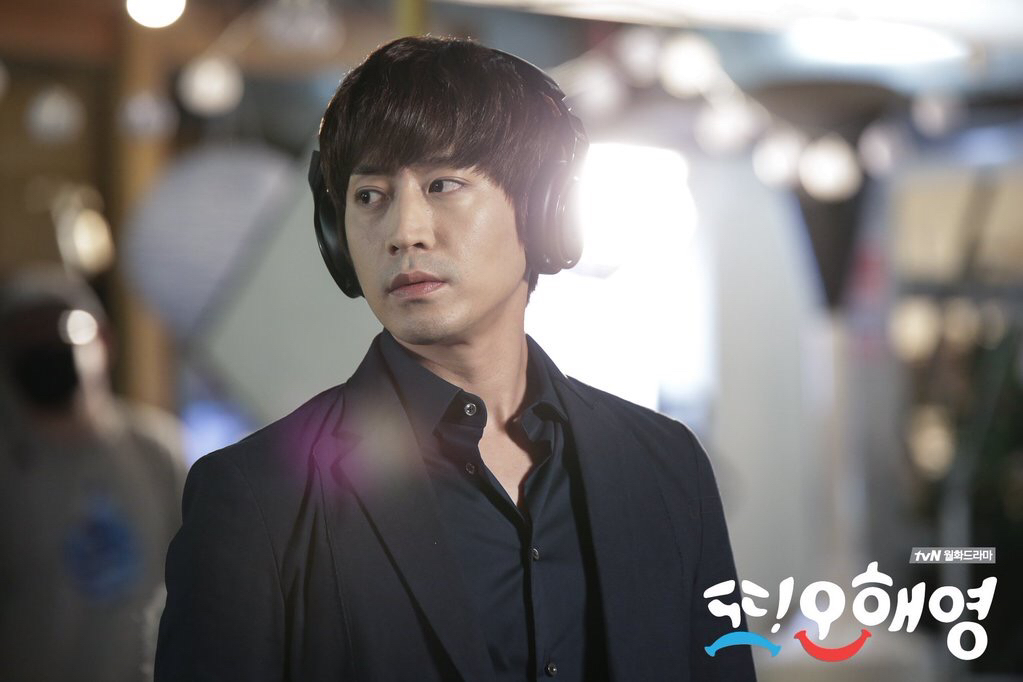
Beyond its plot twists, the series resonates deeply with women in their thirties, reflecting traditional Korean family dynamics. Ultimately, it forces us to ask “What kind of love fosters growth rather than self-destruction?” It’s a journey of redeeming oneself from a painful past to finally find happiness in the present.
My Mister (2018)
Often hailed as Park Hae-young’s masterpiece, My Mister earned overwhelming acclaim for its director and cast alike. The story follows two strangers bound by fate. Park Dong-hoon, a structural engineer in his 40s who carries the world on his shoulders—juggling a crumbling marriage, the burdens of a middle child, and cutthroat corporate politics. Then there is Lee Ji-an, a young woman pushed to the brink of despair, struggling to survive the relentless pressures of a capitalist society.
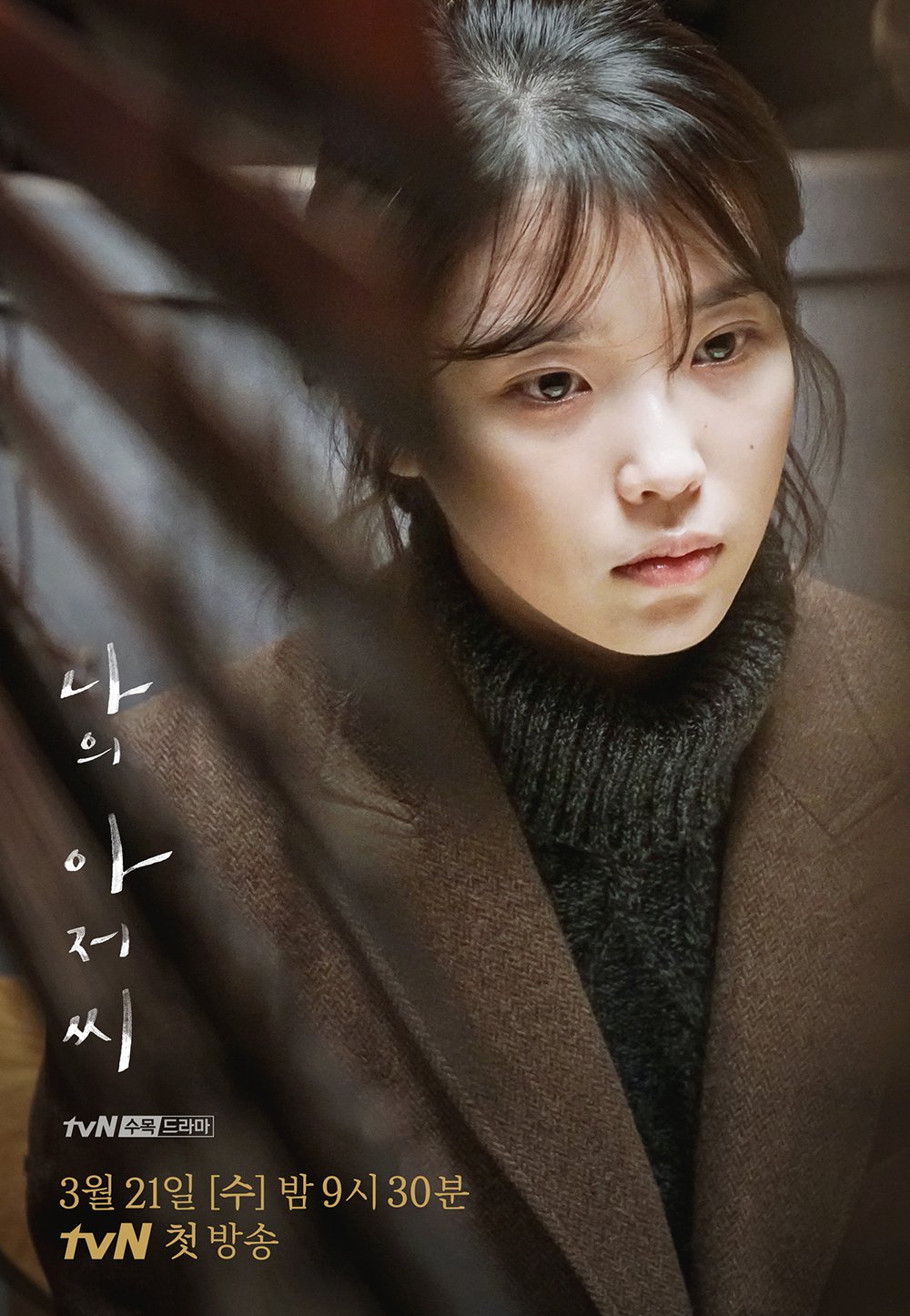
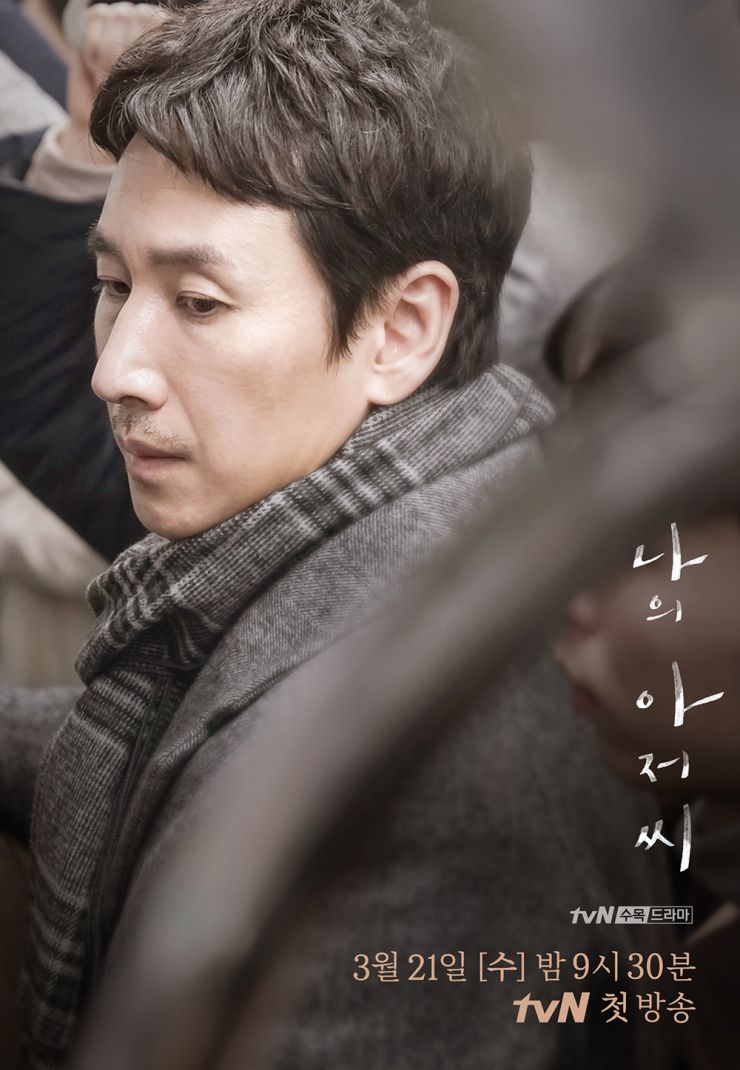
While they appear to be polar opposites, they share a profound, unspoken connection. As the narrative unfolds, these two broken people slowly become each other’s sanctuary, guiding one another toward a conclusion that is as moving as it is restorative.
My Liberation Notes (2022)
The success of My Liberation Notes was absolute, spanning mainstream popularity, beloved characters, and unanimous critical acclaim. Its Best Screenplay win at the Baeksang Arts Awards further solidified Park Hae-young’s reputation for excellence.
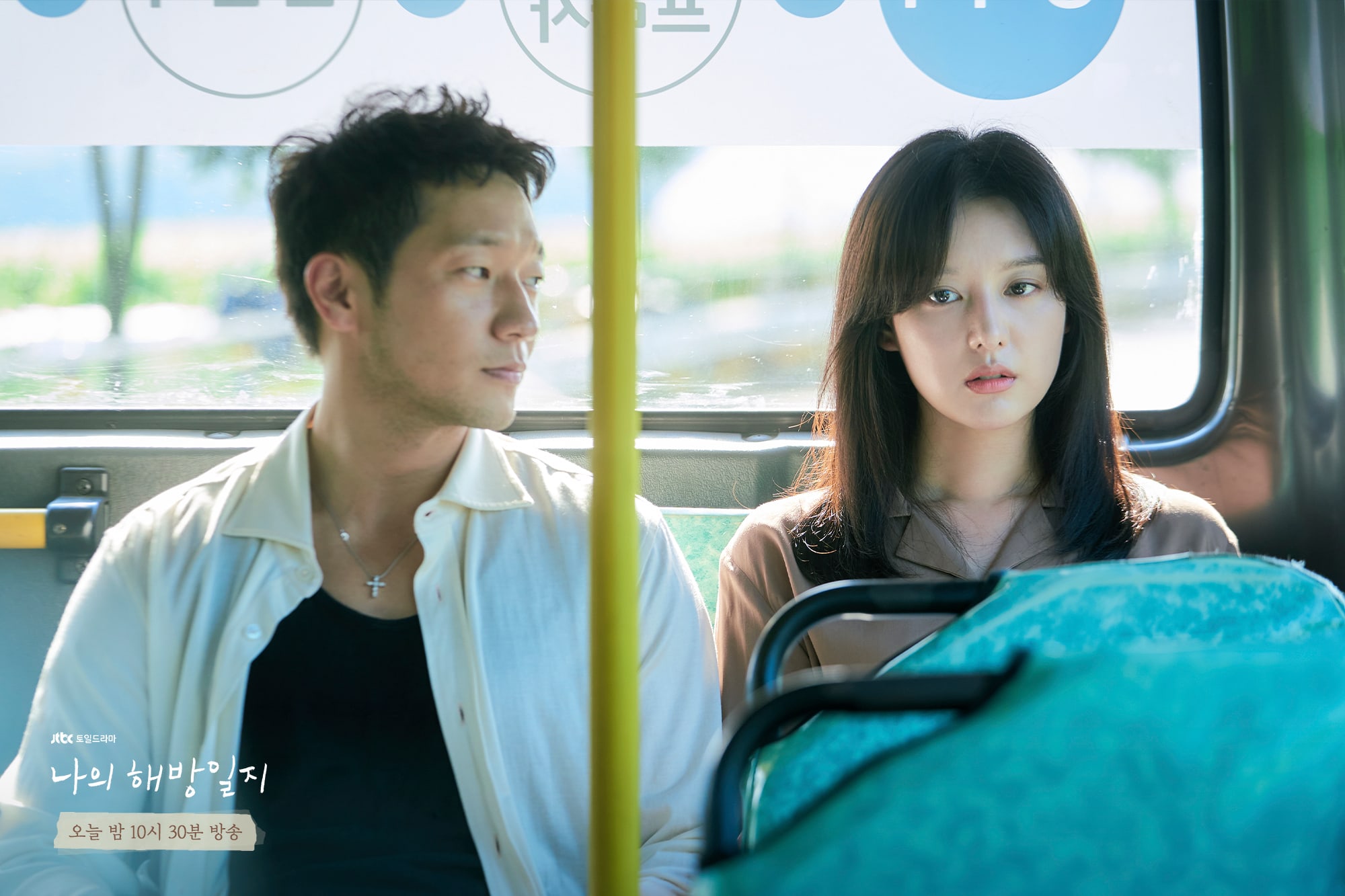
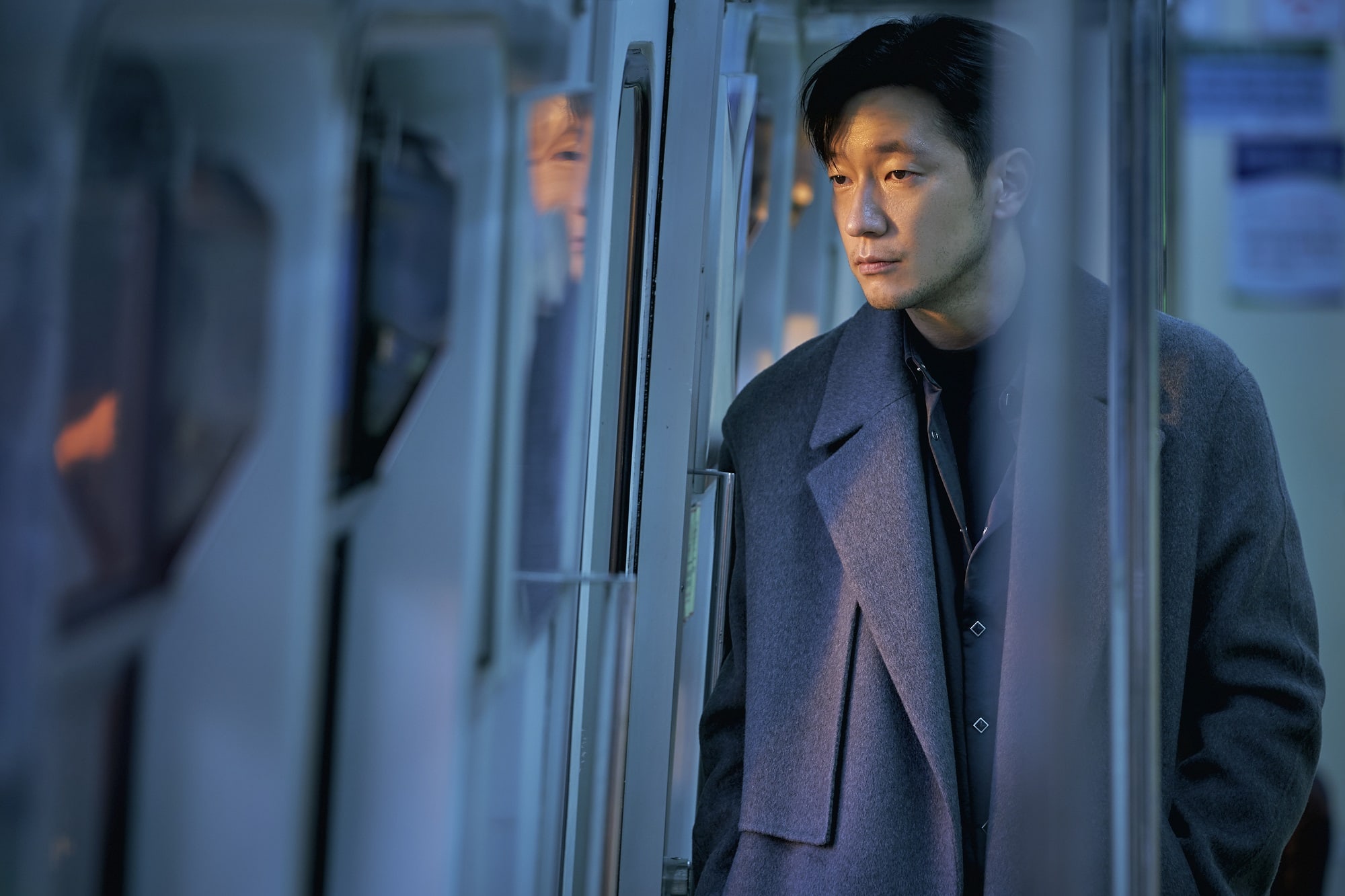
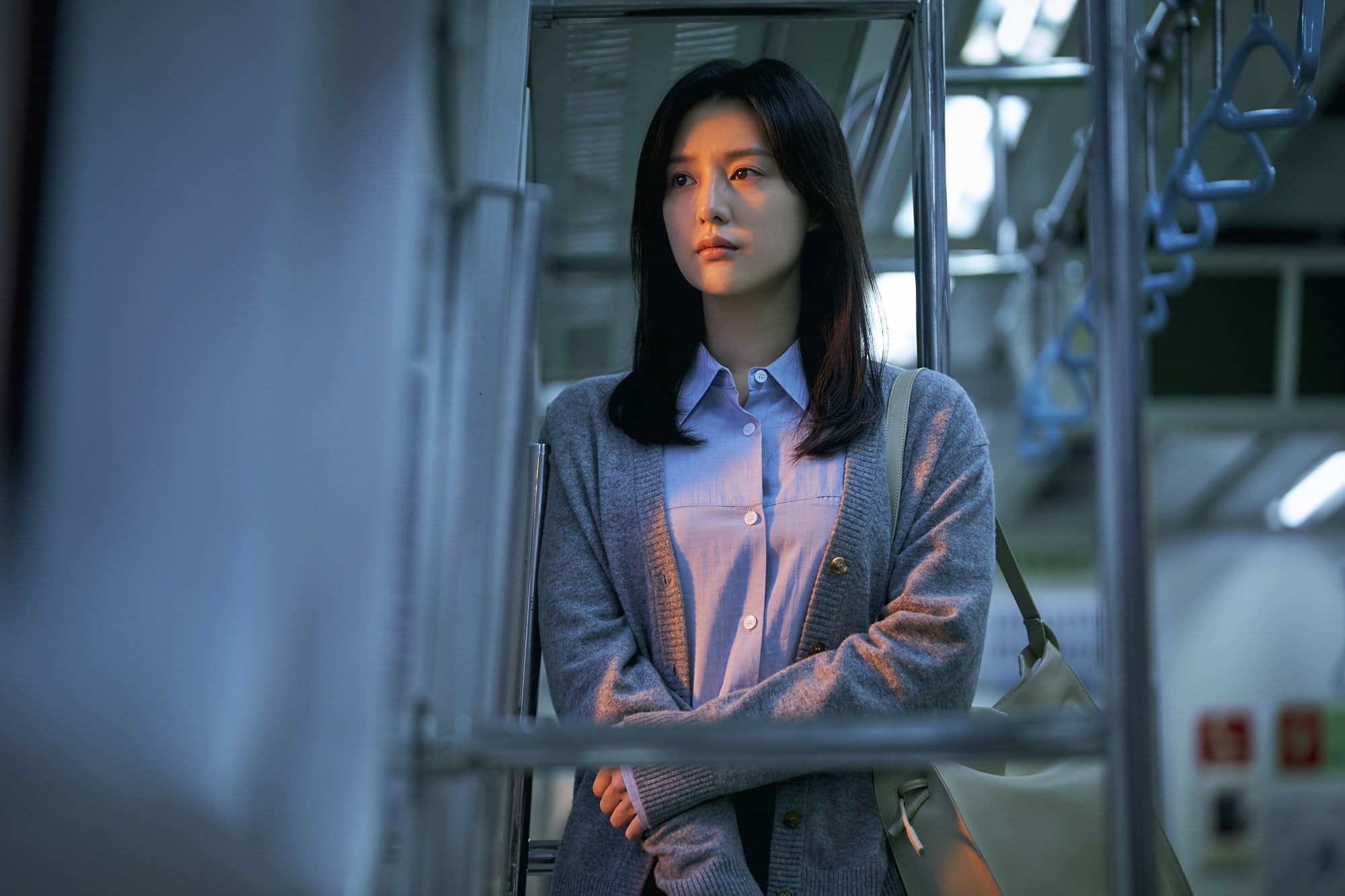
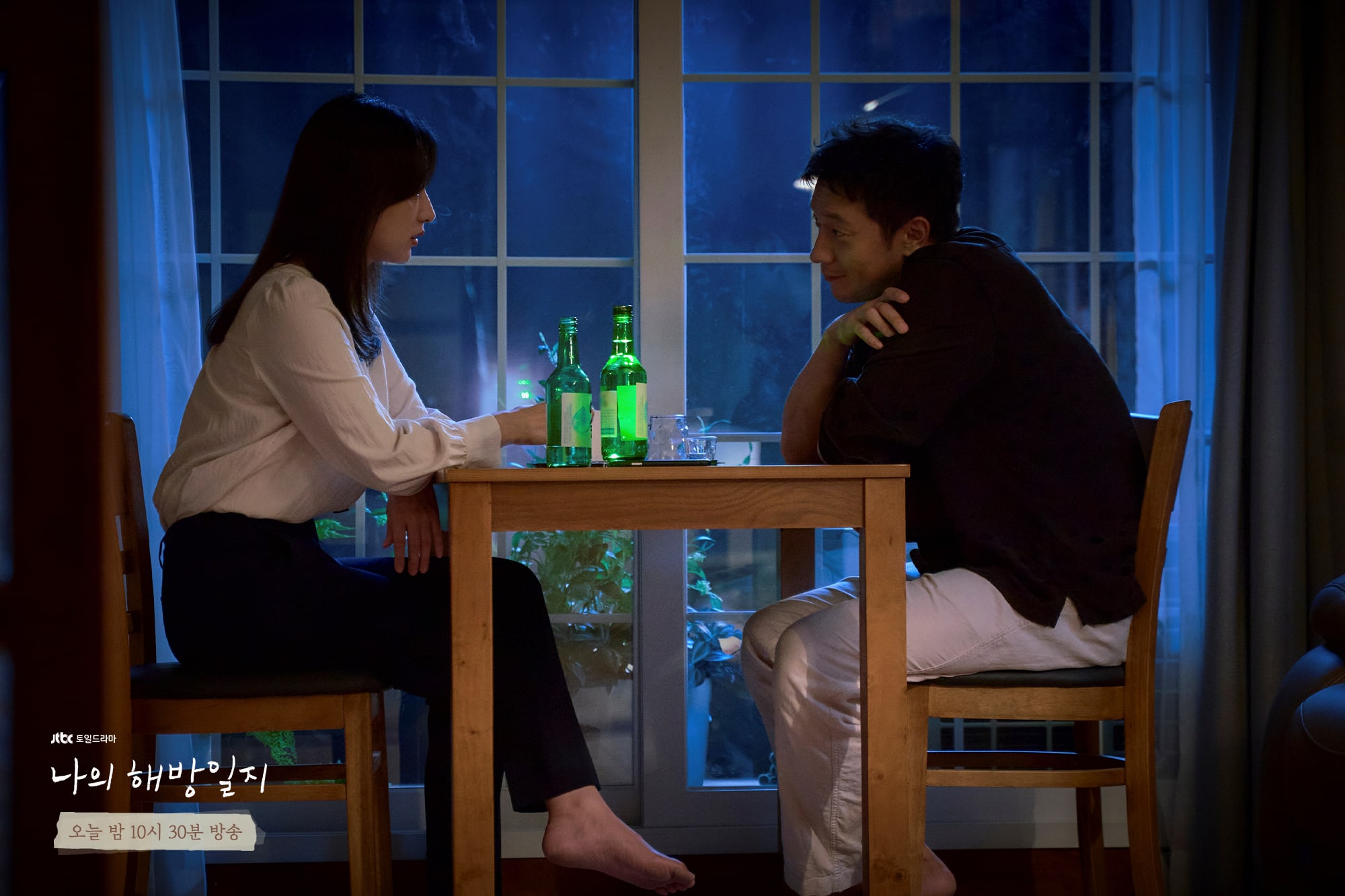
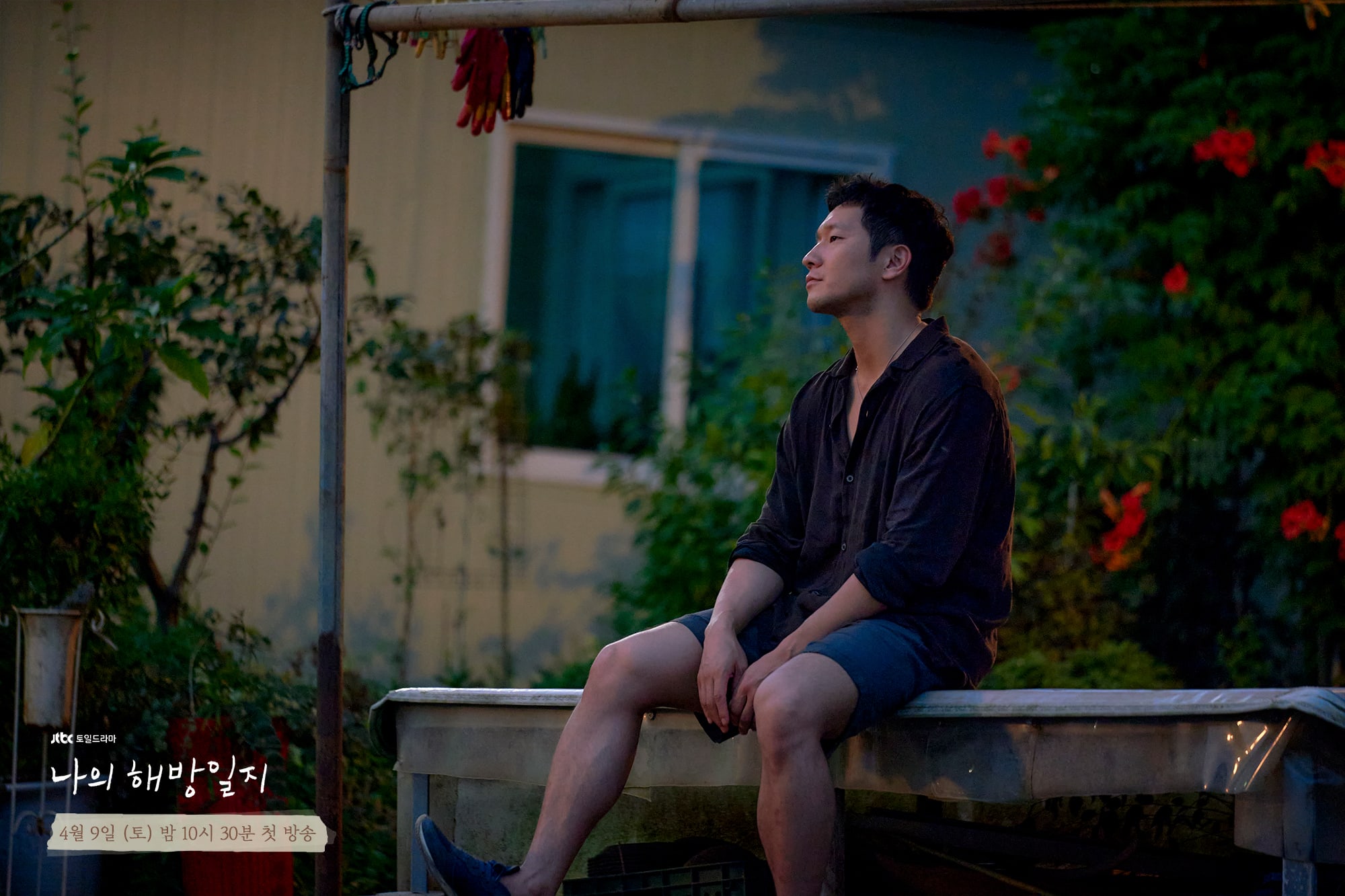
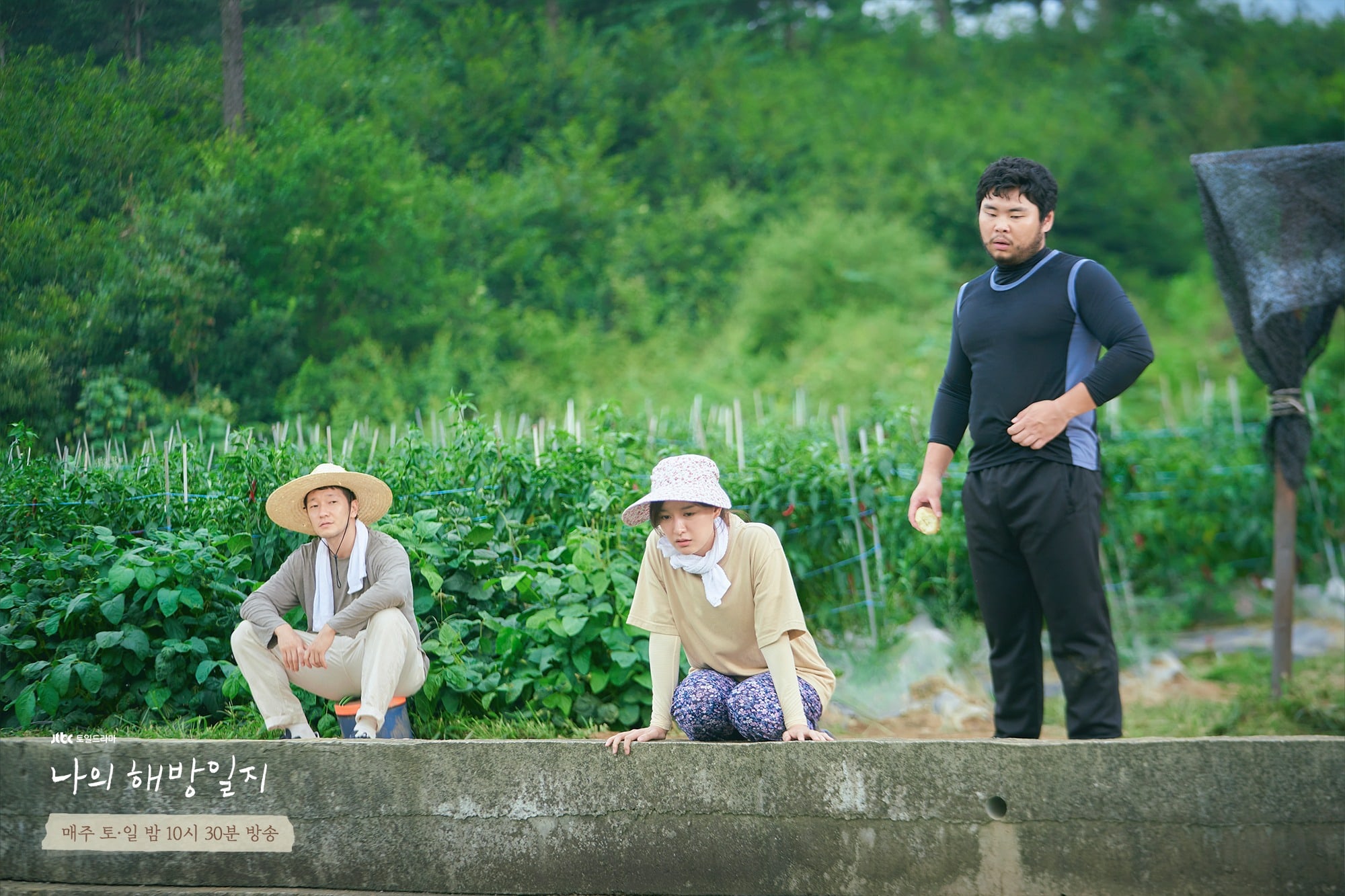
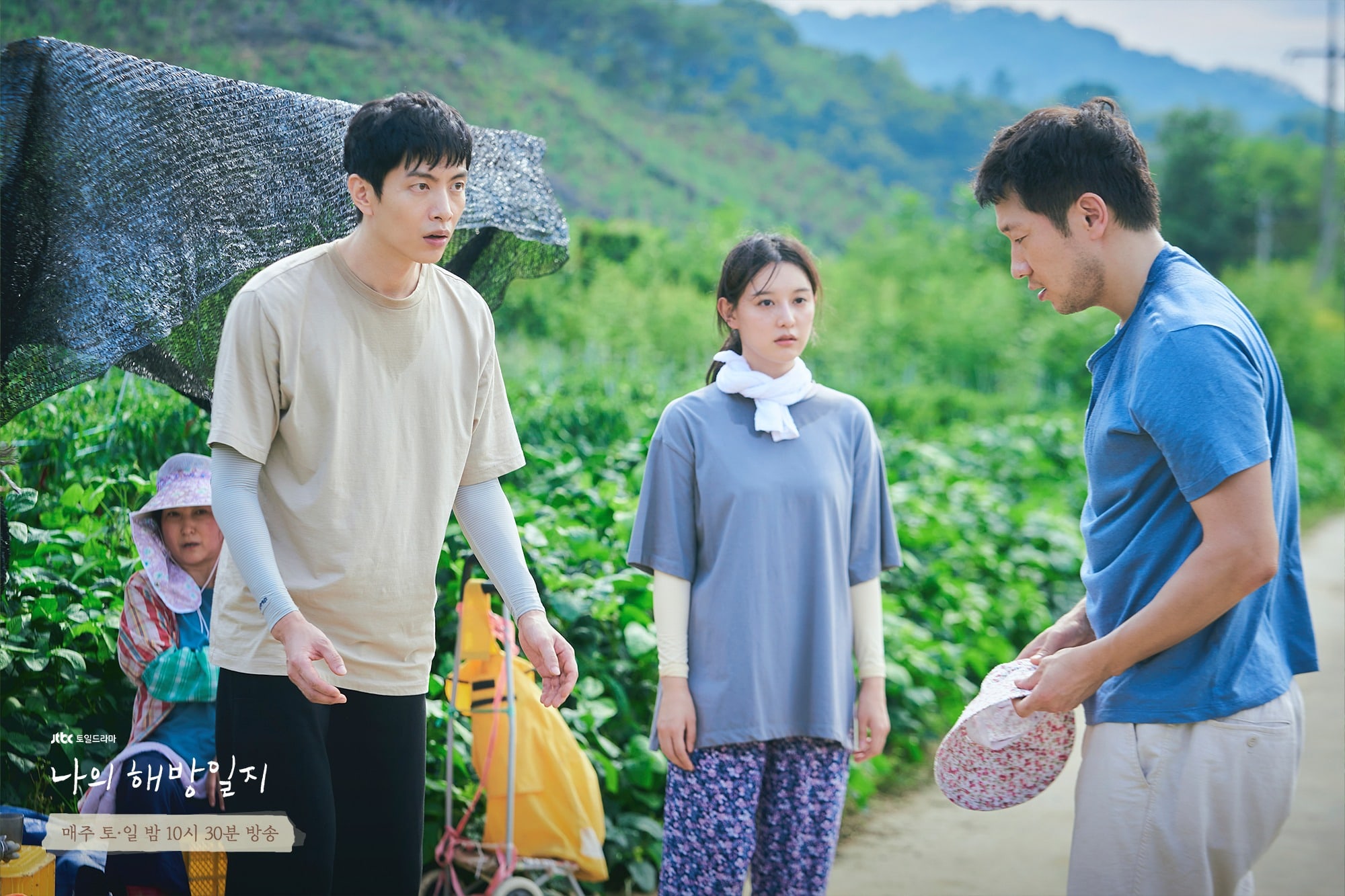
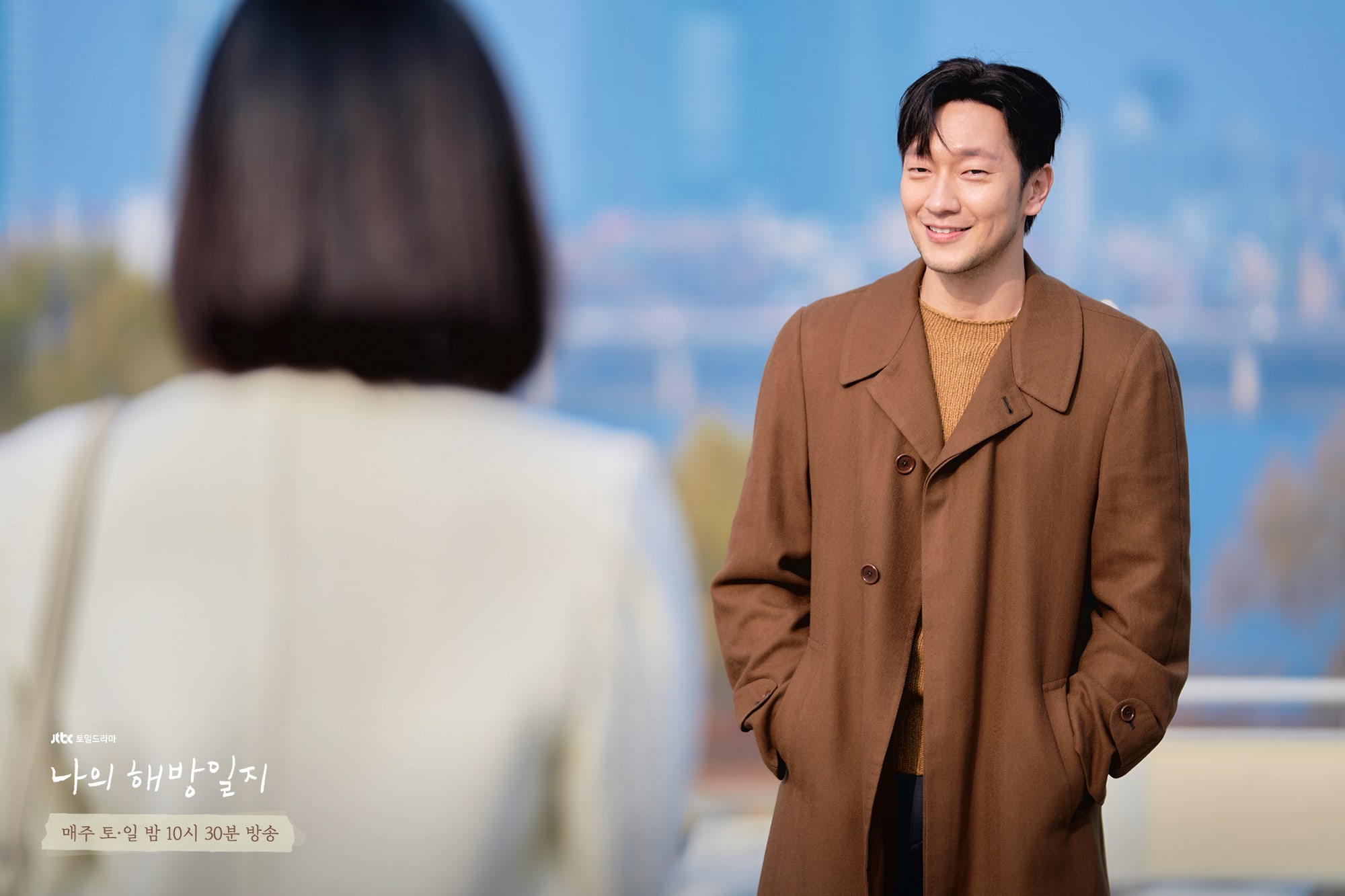
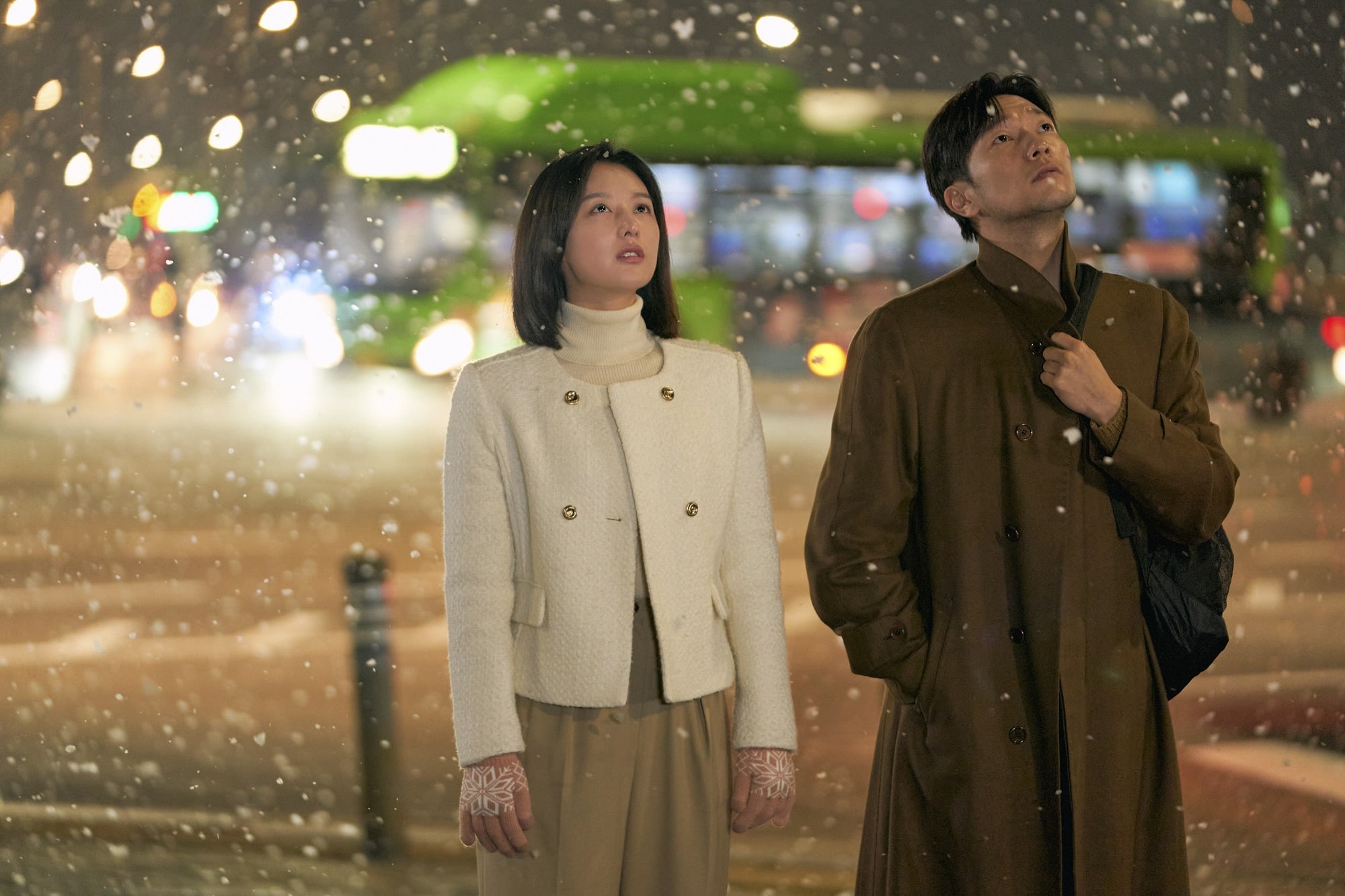
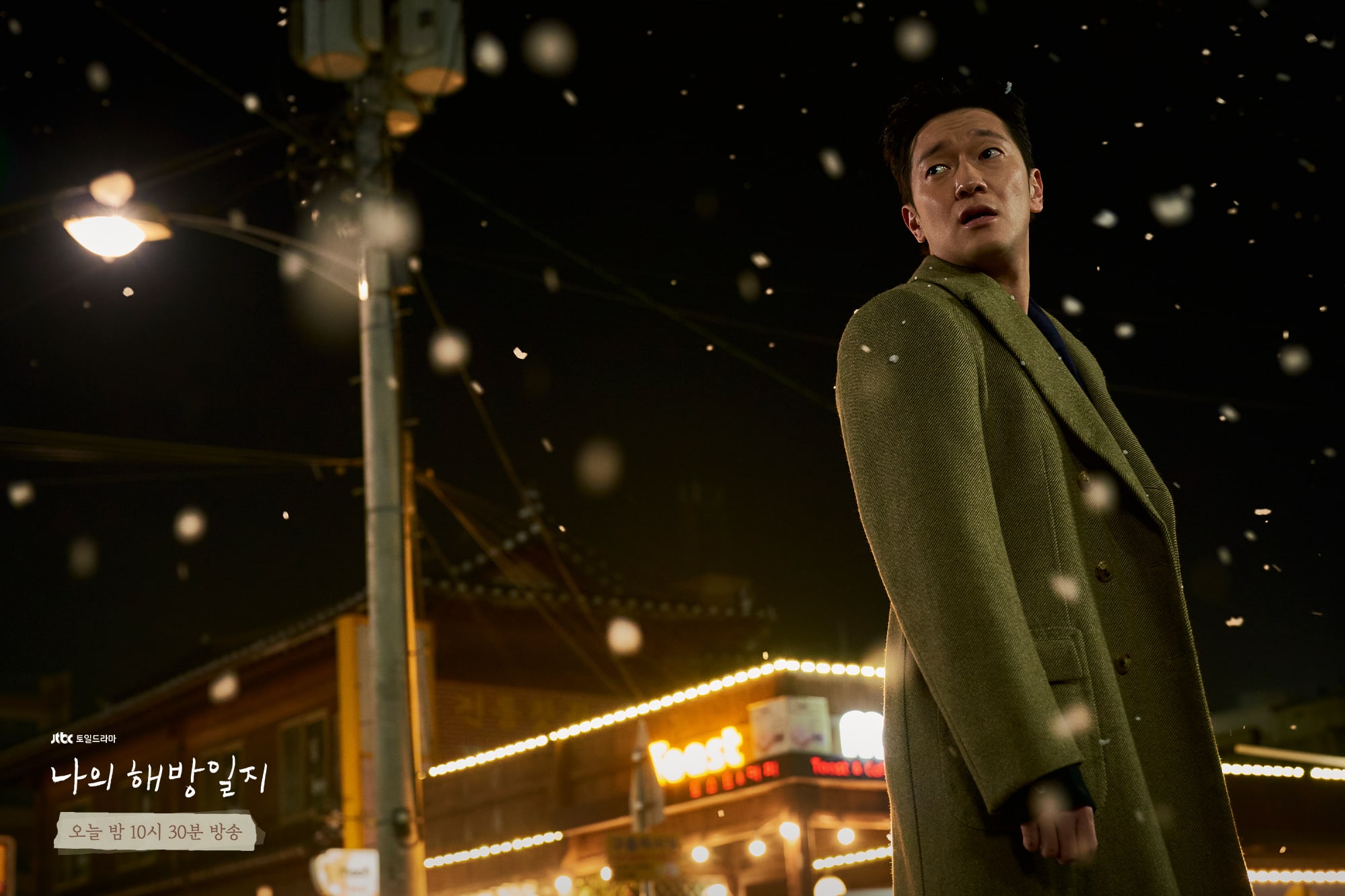
The series begins with a deceptive stillness. We meet Mr. Gu, a mysterious stranger whose life consists of nothing but manual labor by day and drinking in silence by night. His story is juxtaposed with the Yeom siblings, who are trapped in a hopeless, repetitive loop. Their lives are defined by the grueling commute from Gyeonggi to Seoul—the early wake-ups, the rush for the bathroom, and the race to catch the last train home. While the plot initially feels loose, the gradual use of flashbacks slowly pieces together their identities. This approach heightens the sense of bottomless loneliness, particularly for Yeom Mi-jeong, an office worker desperately seeking a way to fulfill her inner need for true freedom.
We Are All Trying Here (2026)
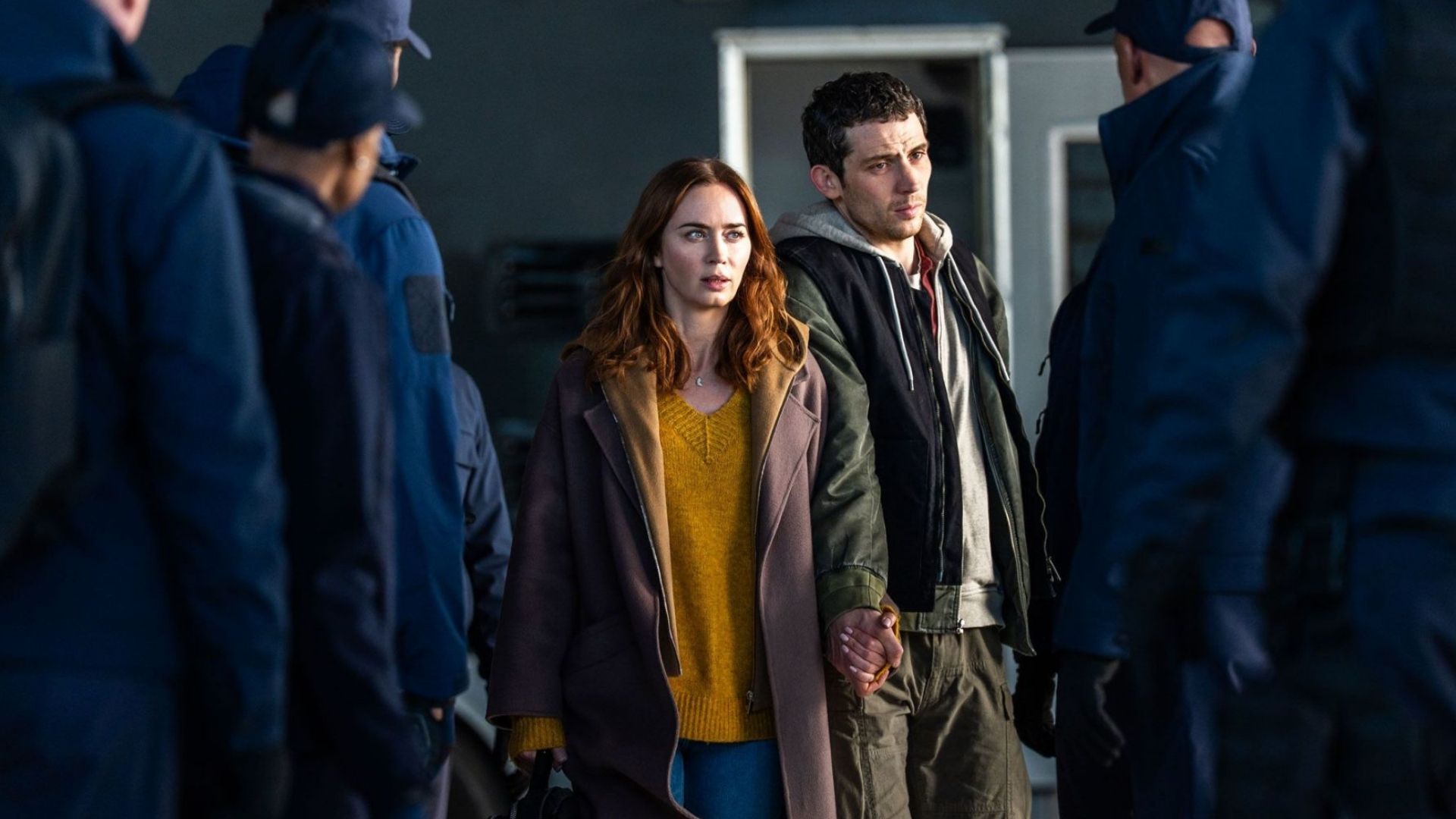
A bitter-sweet story of two souls at a standstill. Hwang Dong-man, a man in his 40s obsessively chasing a dream of becoming a director whose scripts never see the light of day, and Pyun Eun-ah, a producer with a razor-sharp eye for talent whose own career has been frozen in time.
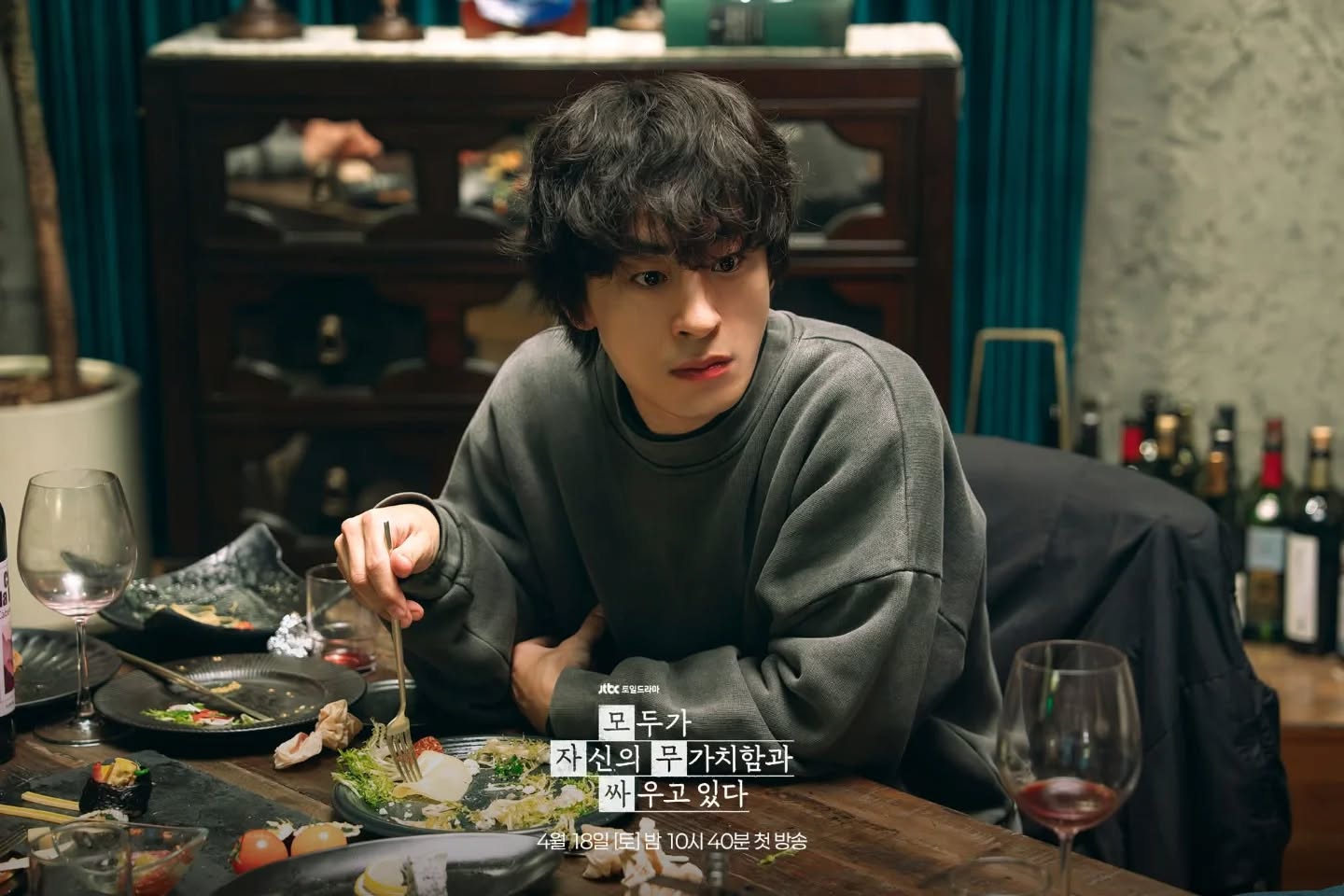
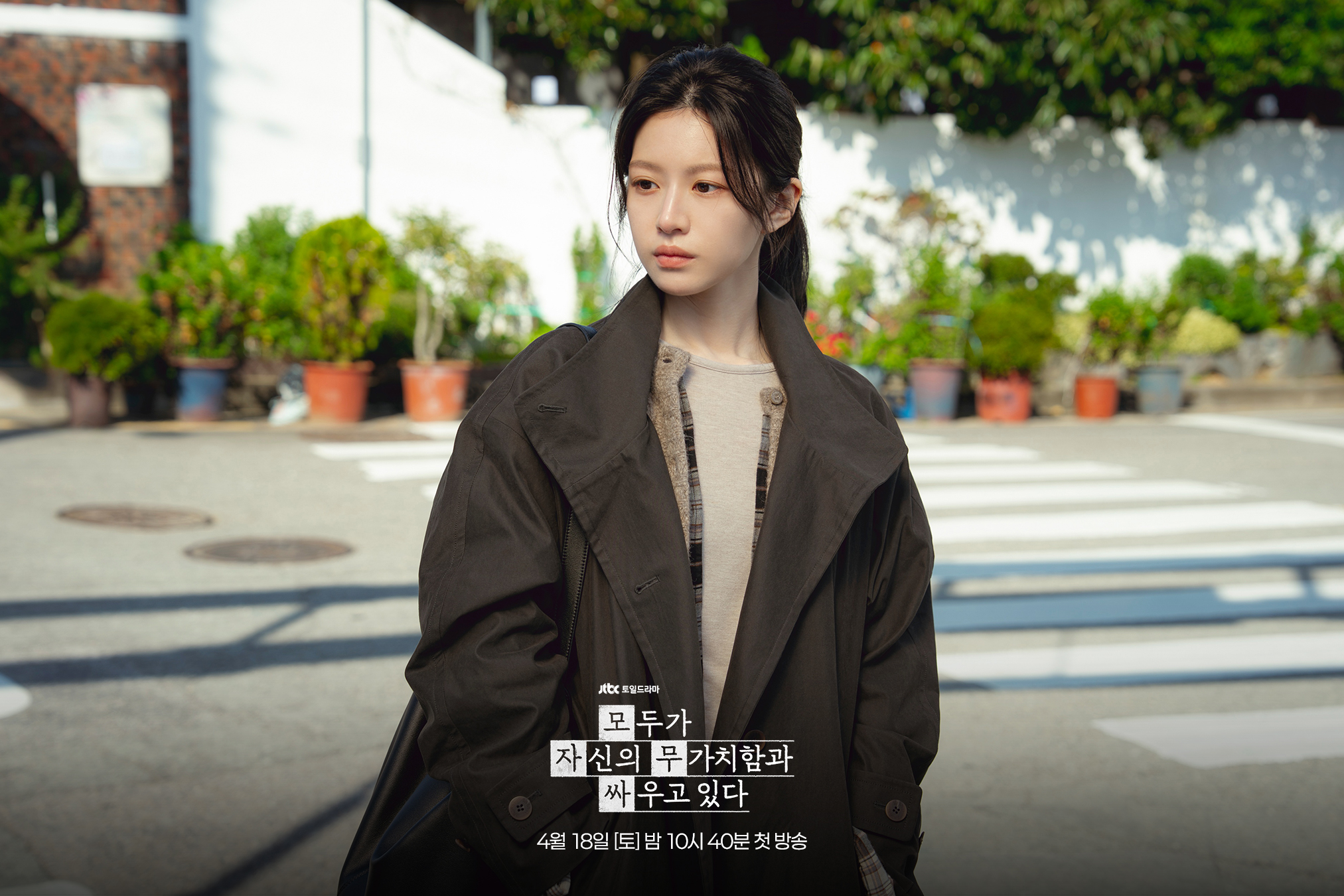
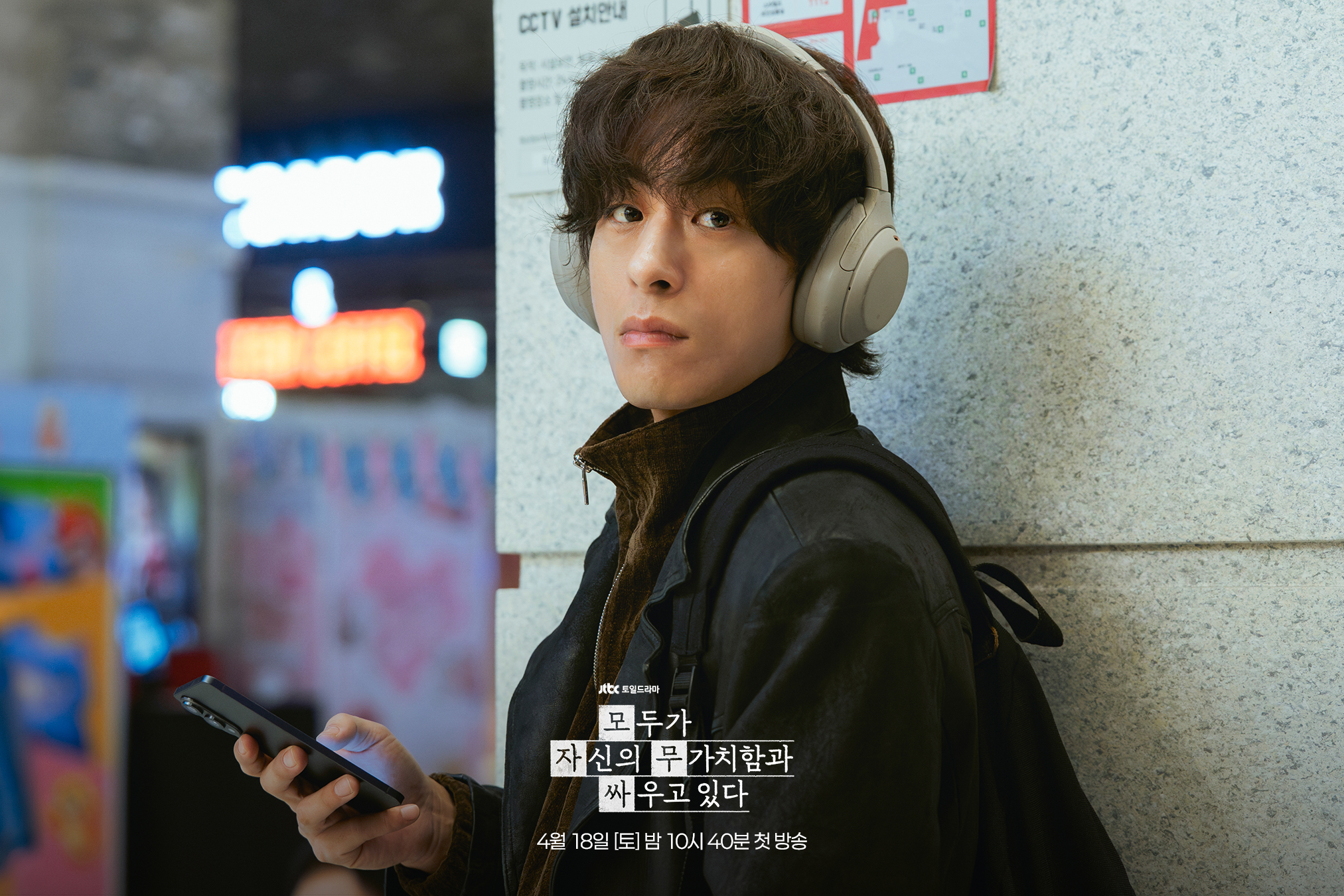
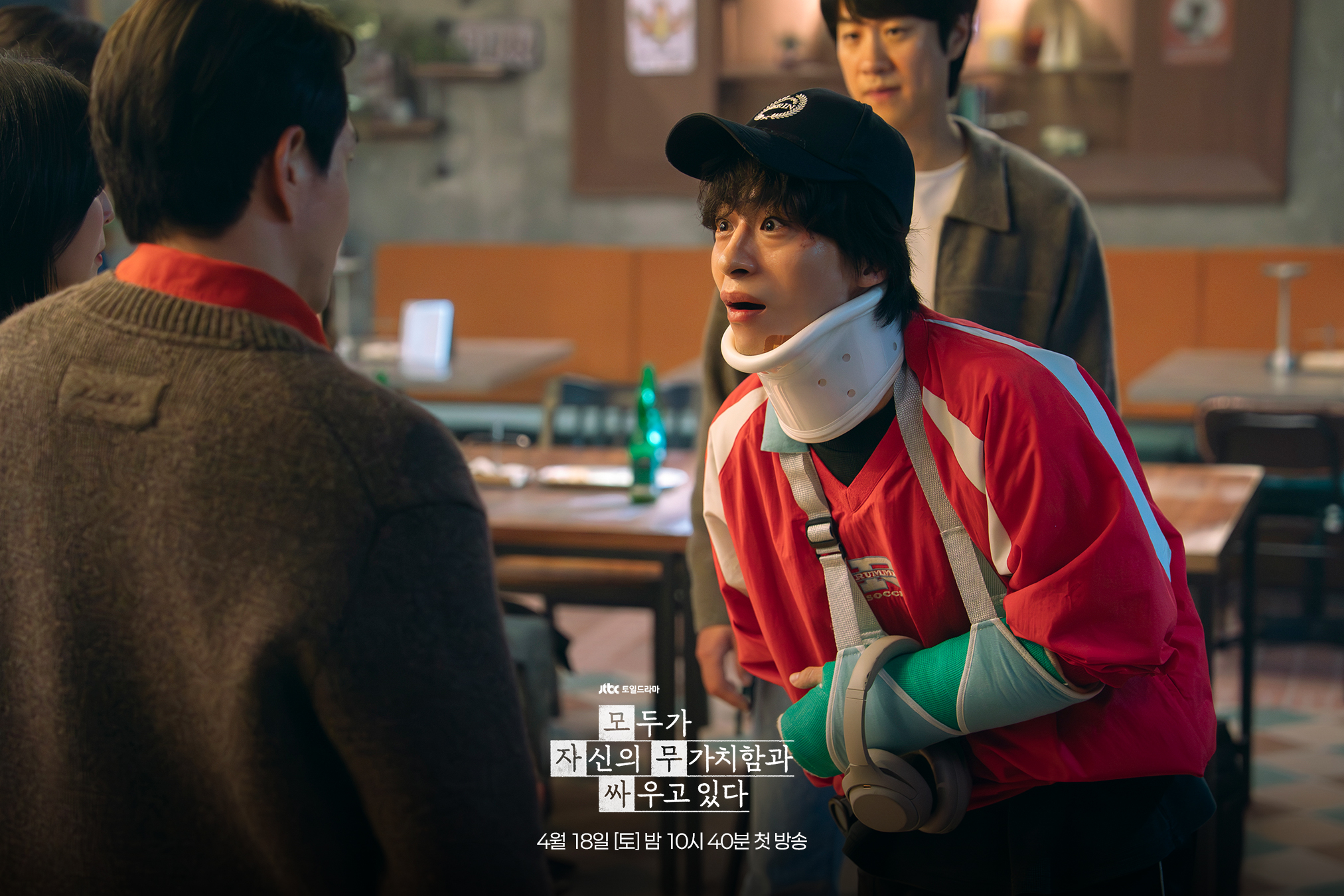
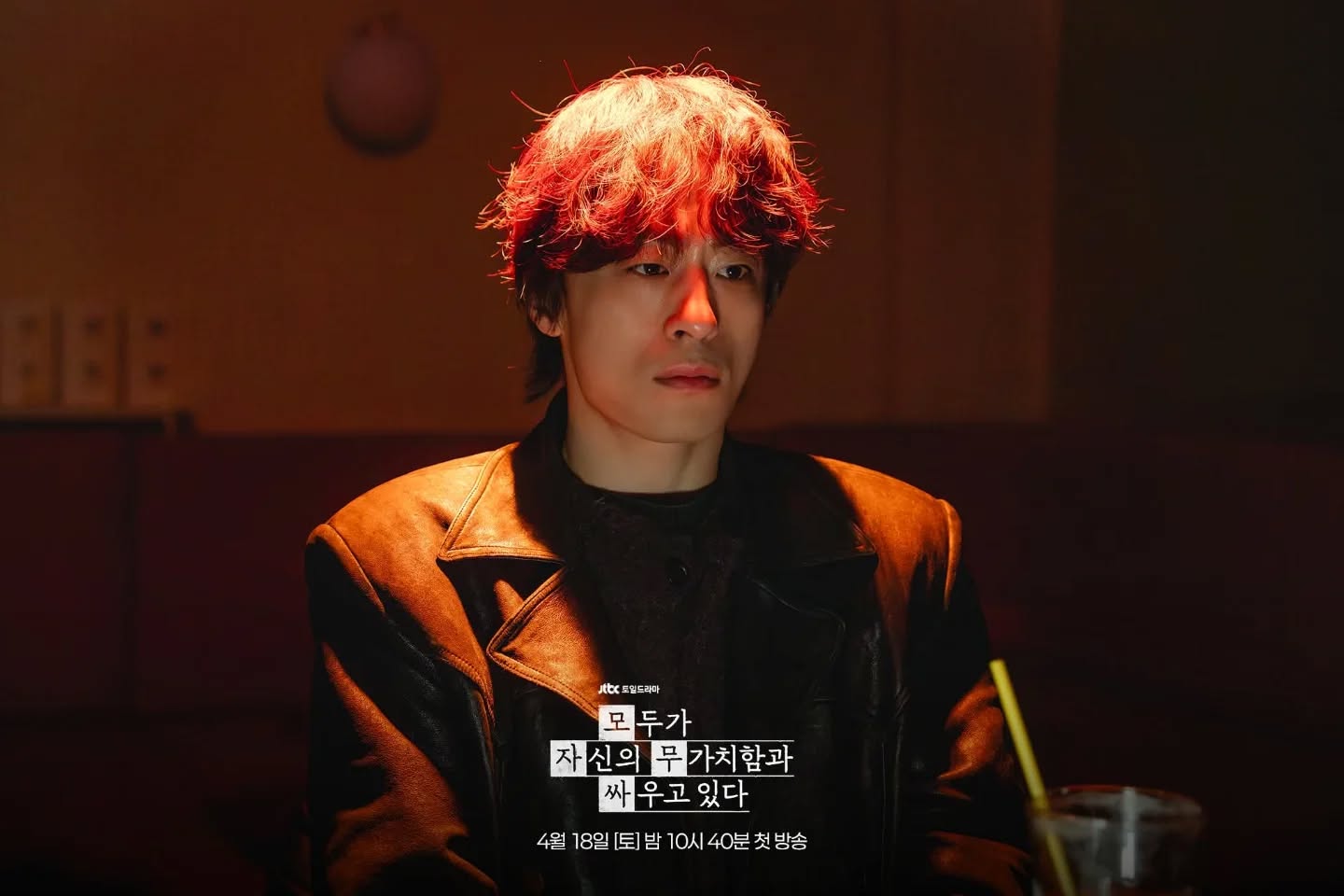
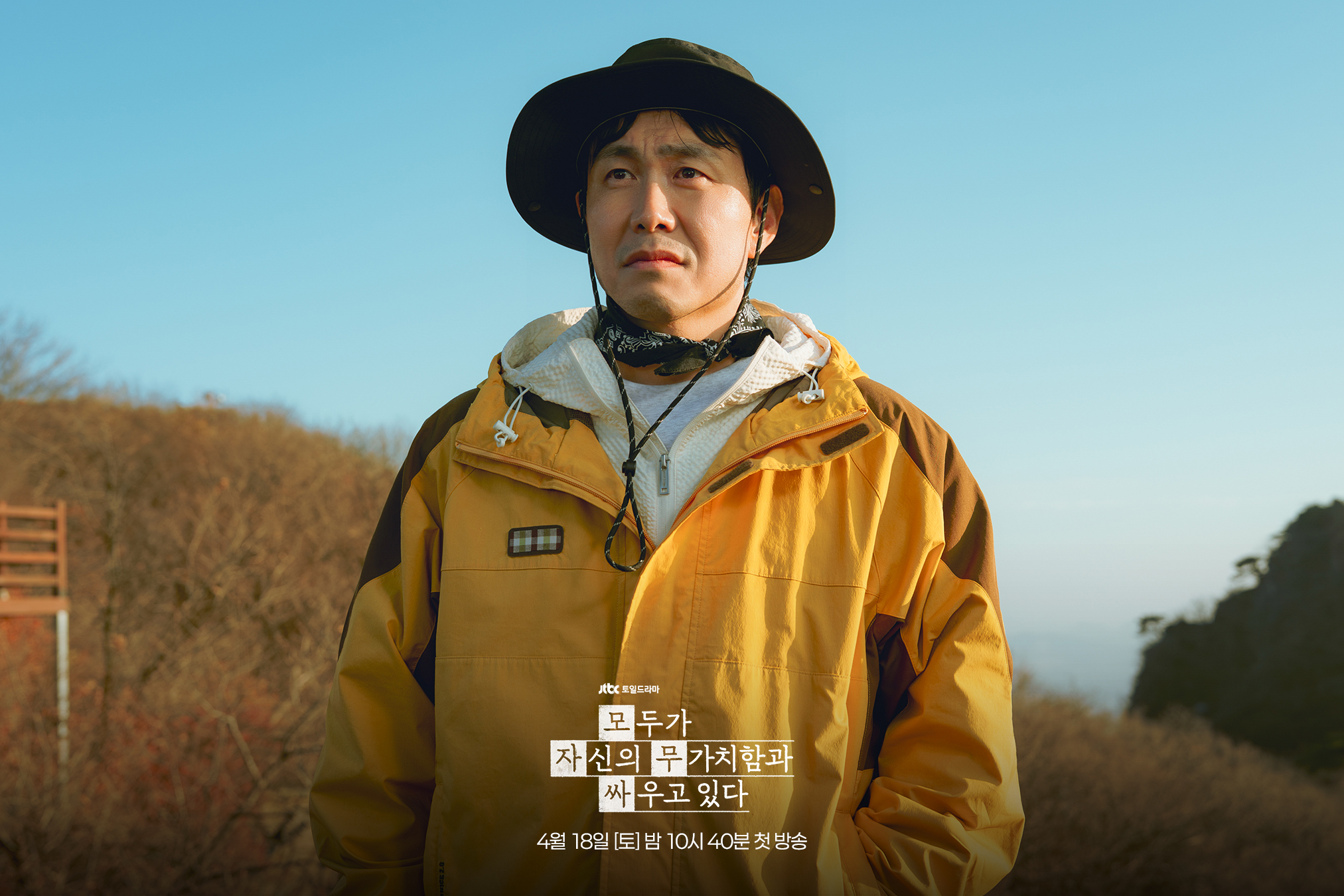
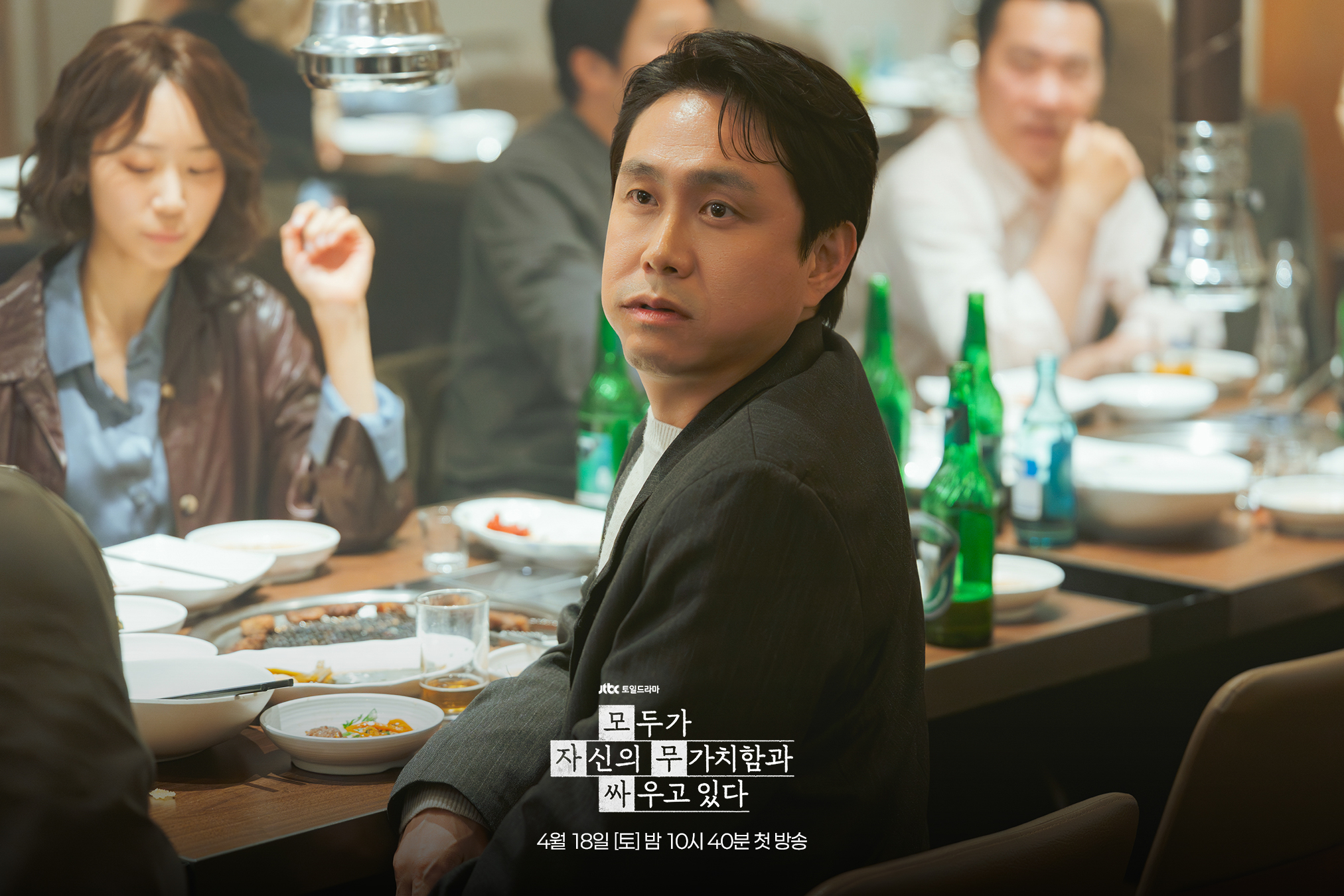
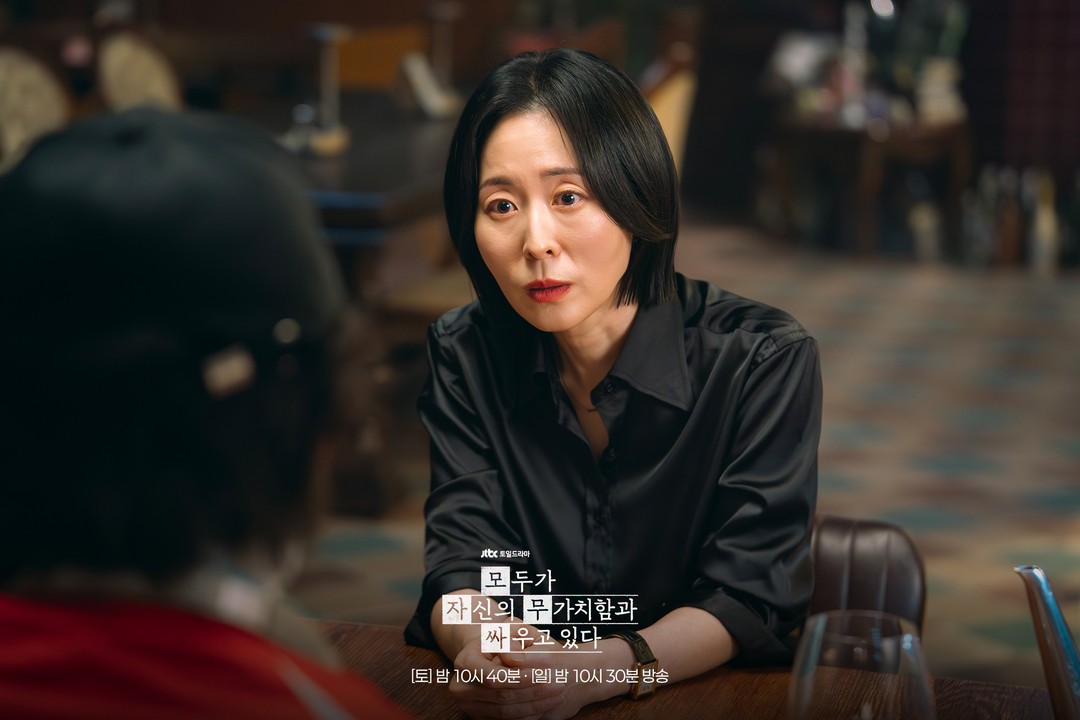
We Are All Trying Here stands out by asking a haunting question “How do we keep going when everything has crumbled beyond repair?” The series plunges the audience into awkward, gut-wrenching situations and the bitter sting of feeling worthless and invisible—so much so that the characters must rely on “emotion-tracking watches” for therapy. It’s a story about the beauty of shared misery; even when life is falling apart, finding someone who understands your pain is the first step toward hope.