

There are only a handful of fashion houses capable of forging a relationship with their city of origin so deeply that it feels inseparable from their very identity. For Bottega Veneta, Venice has never merely been the place where the house was founded; it is the foundation of its creative language, its artisanal philosophy, and the spirit that has shaped the Maison since 1966.
In 2026, marking the house’s 60th anniversary and under the creative direction of Louise Trotter, Bottega Veneta returns to Venice through a series of cultural initiatives staged during the Venice Biennale, celebrating the dialogue between art, architecture, and the people who continue to define the city’s cultural rhythm.
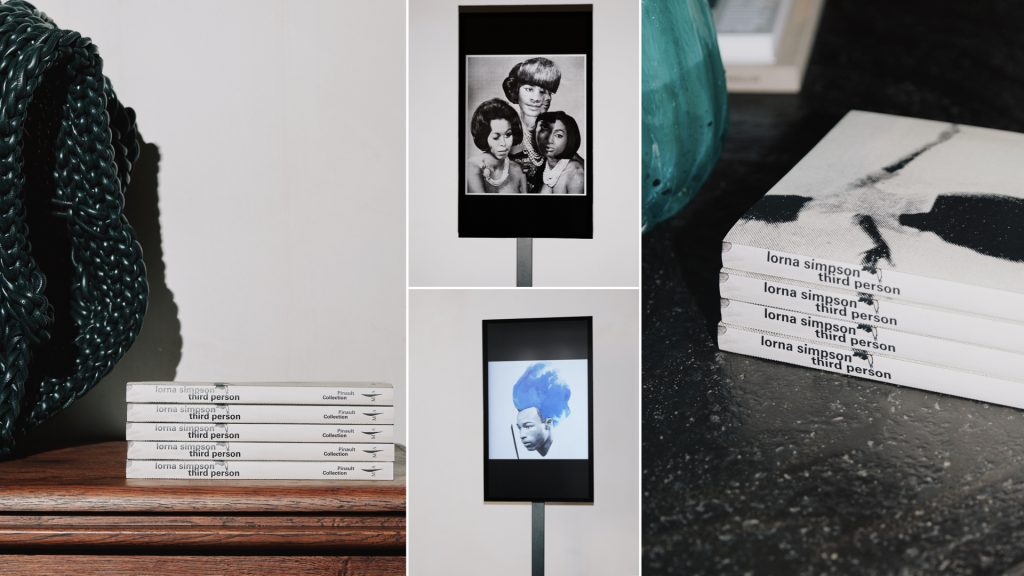
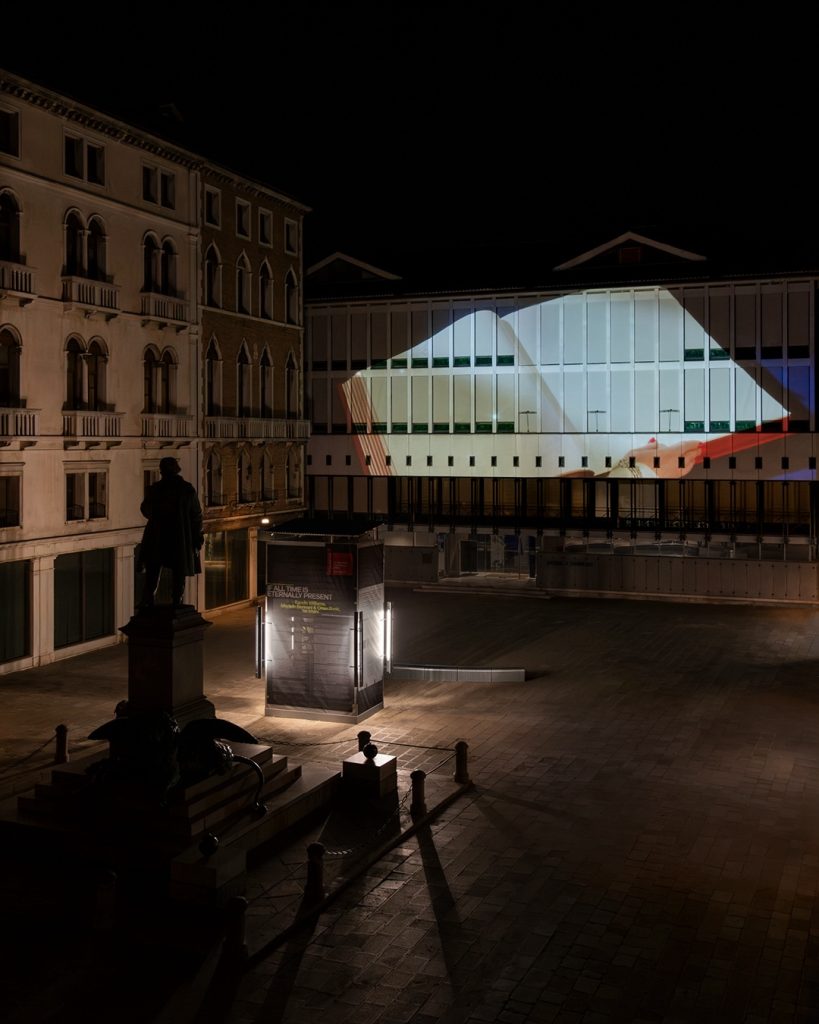
Rather than centring the programme around fashion presentations or conventional brand events, Bottega Veneta chose instead to embrace the city itself as part of the narrative. This vision unfolded through two major collaborations: Lorna Simpson: Third Person at Punta della Dogana–Pinault Collection, and If All Time Is Eternally Present, a special project created alongside the Pier Luigi Nervi Foundation as part of Biennale Arte.
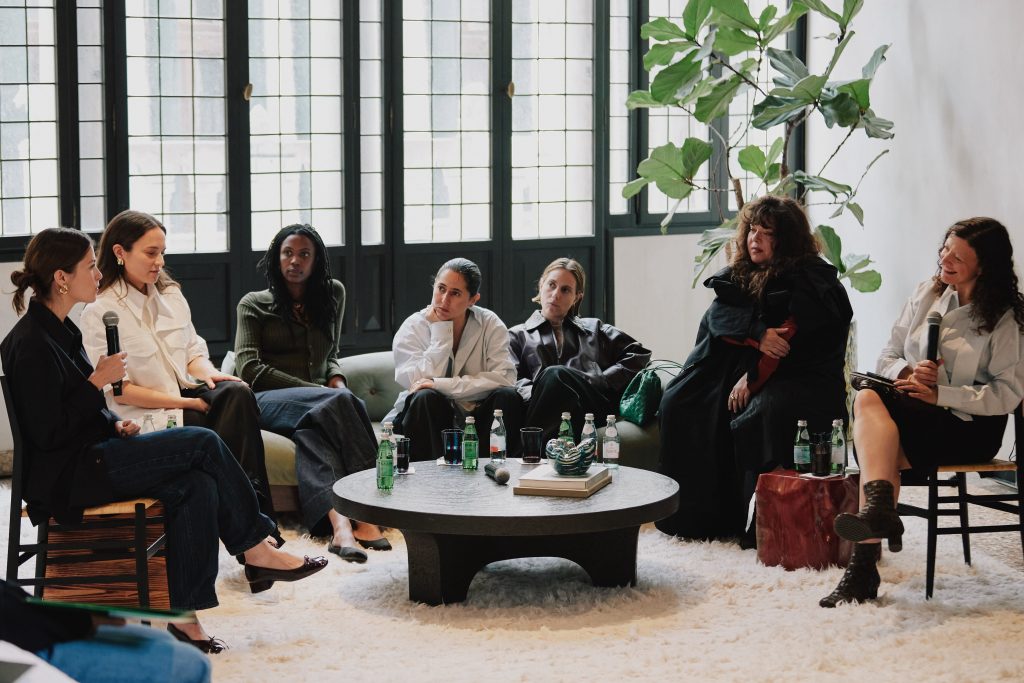
The programme began on the morning of 6 May with an intimate breakfast salotto, bringing together artists and curators for a thoughtful exchange surrounding the themes of the exhibition. Artists including Tai Shani, Meriem Bennani, Orian Barki, and Kandis Williams explored conversations that extended far beyond art alone, touching upon the relationship between public space, collective memory, and contemporary urban experience.
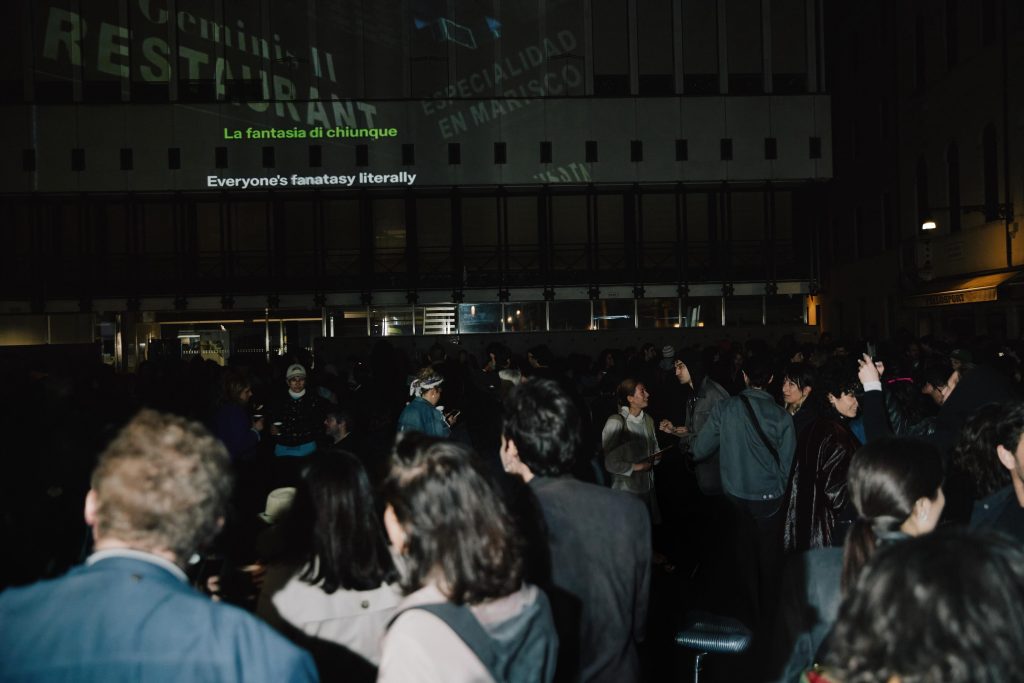
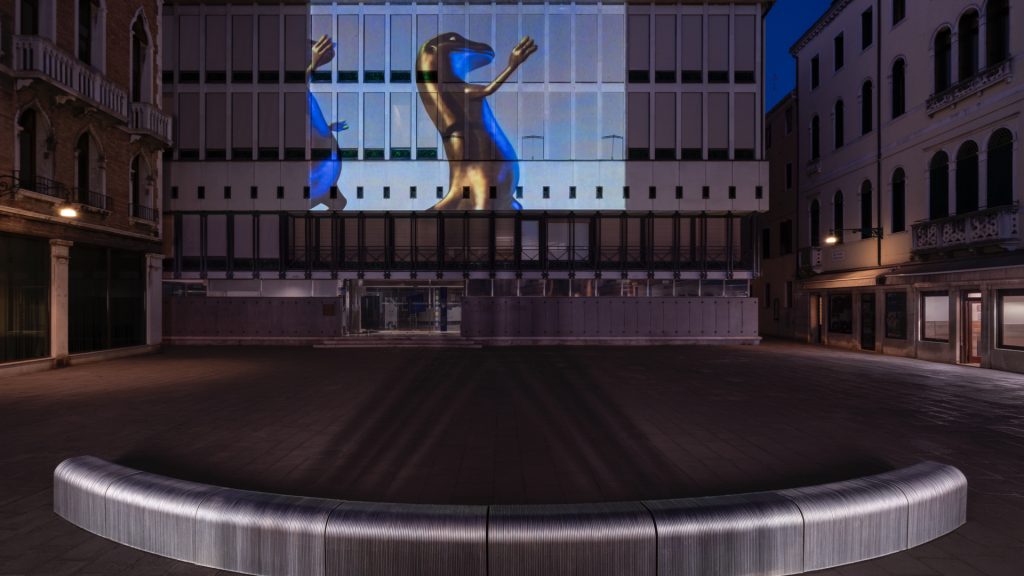
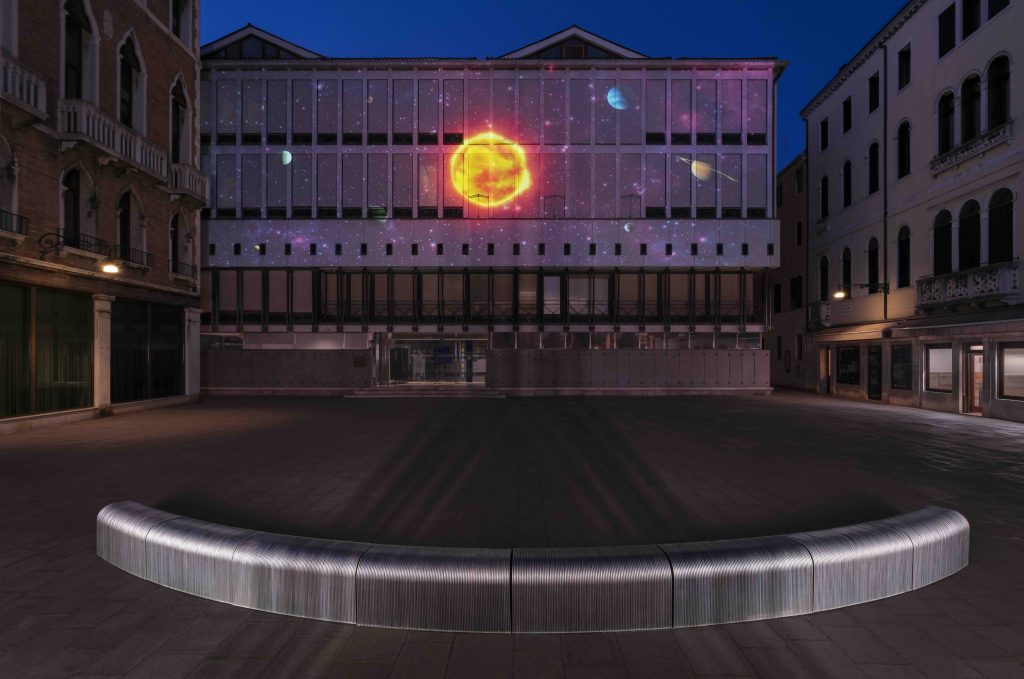
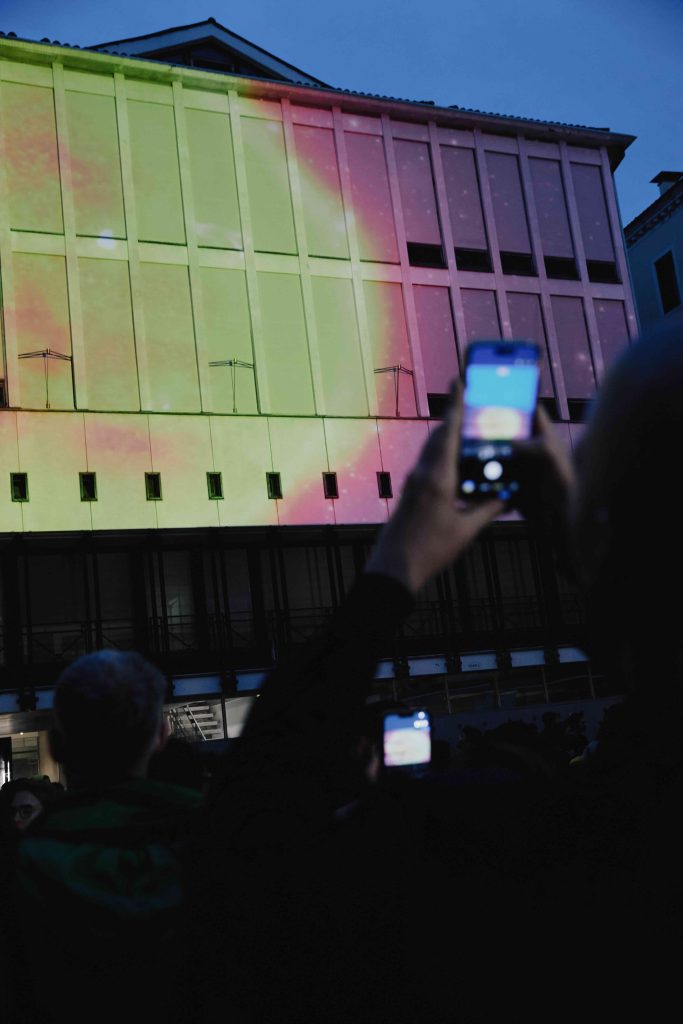
Later that evening, the exhibition officially opened at Campo Manin, transforming one of Venice’s public spaces into a living platform for moving-image works by the four artists. Rather than confining the works within institutional walls, the exhibition became part of the city’s natural rhythm, a gesture that reflects Bottega Veneta’s ongoing commitment to making art feel accessible, alive, and intrinsically connected to everyday life.
Another defining moment followed on the evening of 7 May, when the house welcomed guests to Palazzo Soranzo Van Axel, the 15th-century palazzo that now serves as the Bottega Veneta Venice Residence, to celebrate Third Person, the solo exhibition by Lorna Simpson in collaboration with Hauser & Wirth. Within the atmospheric setting of the historic palazzo, the exhibition unfolded through a delicate interplay of image, architecture, and memory, creating an experience that felt both intimate and deeply cinematic.
What remains particularly compelling is the way Bottega Veneta has consistently approached Venice not as a backdrop, but as an active cultural dialogue. Over the decades, the house has supported numerous initiatives tied to the city’s artistic and architectural heritage. From restoration projects at St Mark’s Basilica to collaborations with Biennale Danza and Biennale Architettura, alongside its Bottega for Bottegas initiative supporting Venetian artisans and craftsmanship.
Perhaps that is why the entire programme felt less like a global luxury event and more like a meaningful homecoming for the Maison. Because ultimately, what Bottega Veneta continues to preserve is not simply the legacy of craftsmanship, but the spirit of Venice itself. The city where people, ideas, and artistic expression continue to meet, evolve, and inspire one another across generations.