

A guide to the international codes of communication of style
Clothing doesn’t discriminate. Regardless of ethnicity, culture or race, the visuals of garments are universally comprehensible. In a way, it’s a form of exchange, showcasing the greatest artistic minds on the global stage. Not only a form of expression but synthesis, everyone can come together to appreciate other’s work.
But even if very little appears in common in a side-by-side comparison, people from similar backgrounds often have like-minded aesthetic frameworks. From Japan’s crow trio to the Belgian Antwerp Six, a nation’s most successful creative talents often appear to share kindred philosophies. Just as different countries have different languages, designers appear to have separate imaginative identities based on their hometown. Just as important in understanding one another as verbal transmission, we put together a guide to the symbolic modes of communication for the world’s leaders in fashion.
France
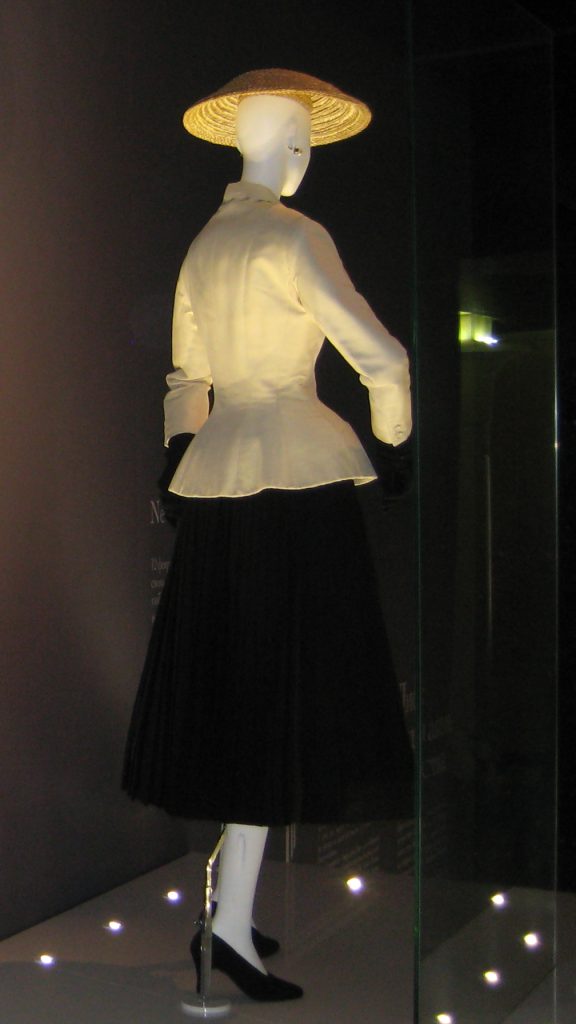
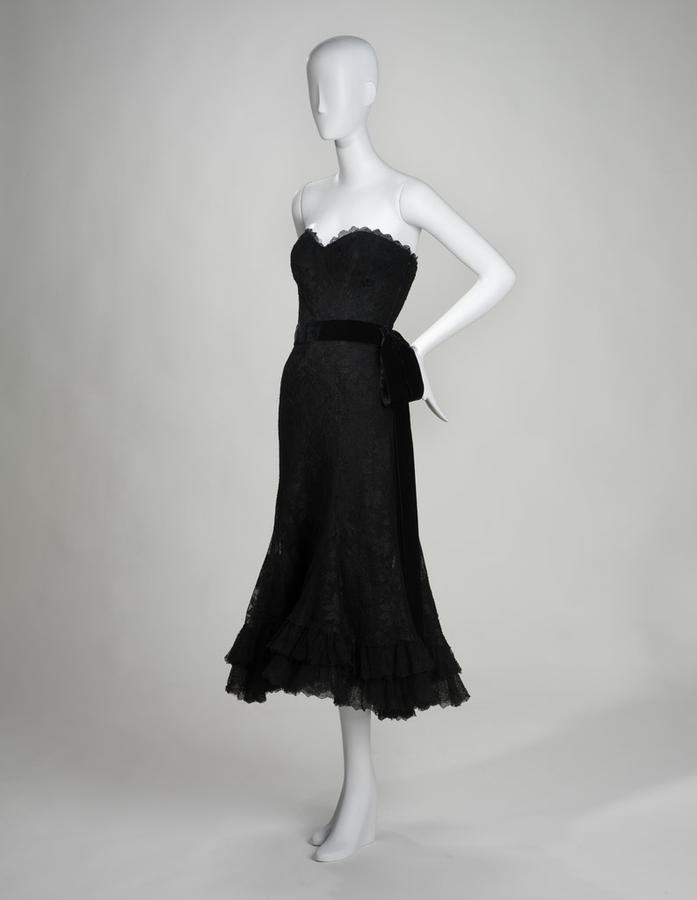
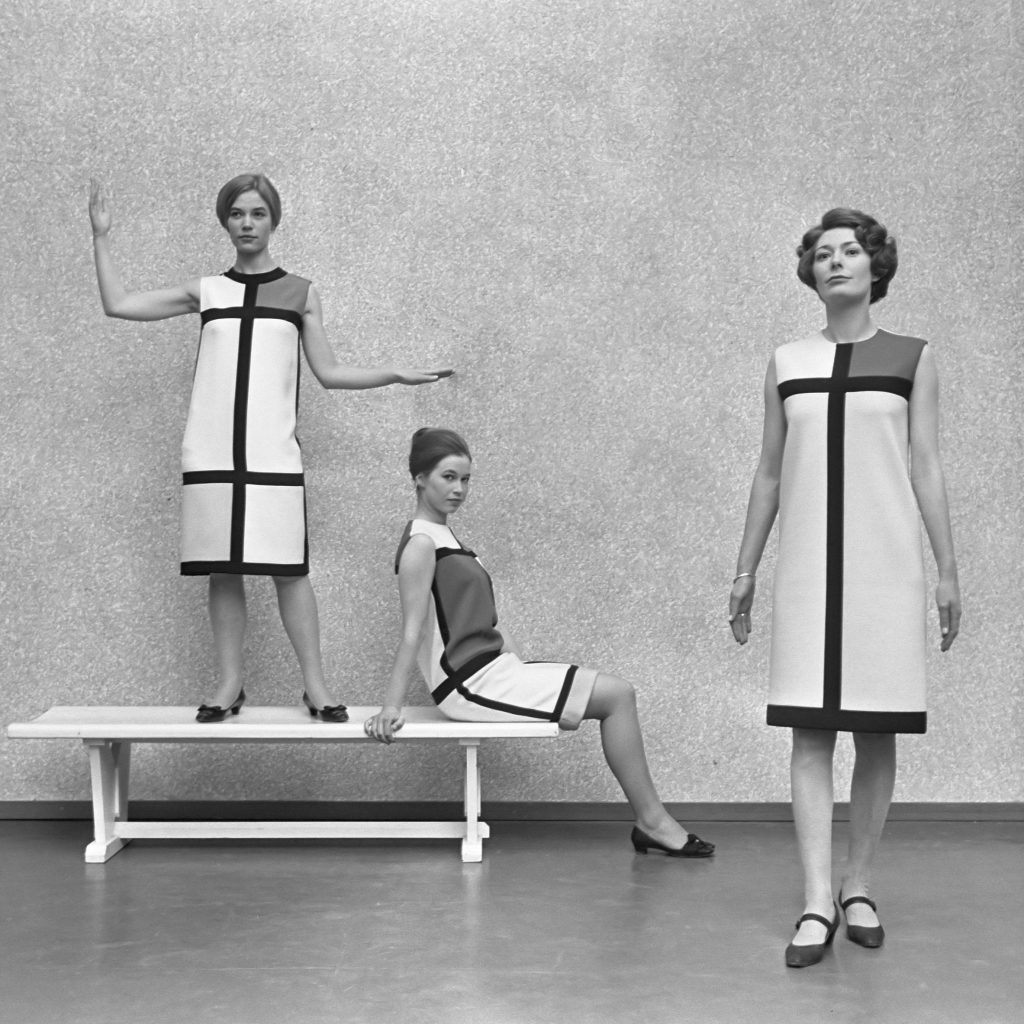
Just as the capital of any state is populated with diversity, Paris as the fashion capital is the melting pot of a million different brands of varying origin. Nevertheless, truly French brands – meaning founded in France by a French person – speak in silhouettes.
Dior’s New Look, Chanel’s androgynous figures and Yves Saint Laurent’s shapes of elegance – French labels dress for their particular conception of the ideal woman. Imagery is shaped around the position and lifestyle their customers experience, from European royalty to café loungers.
Belgium
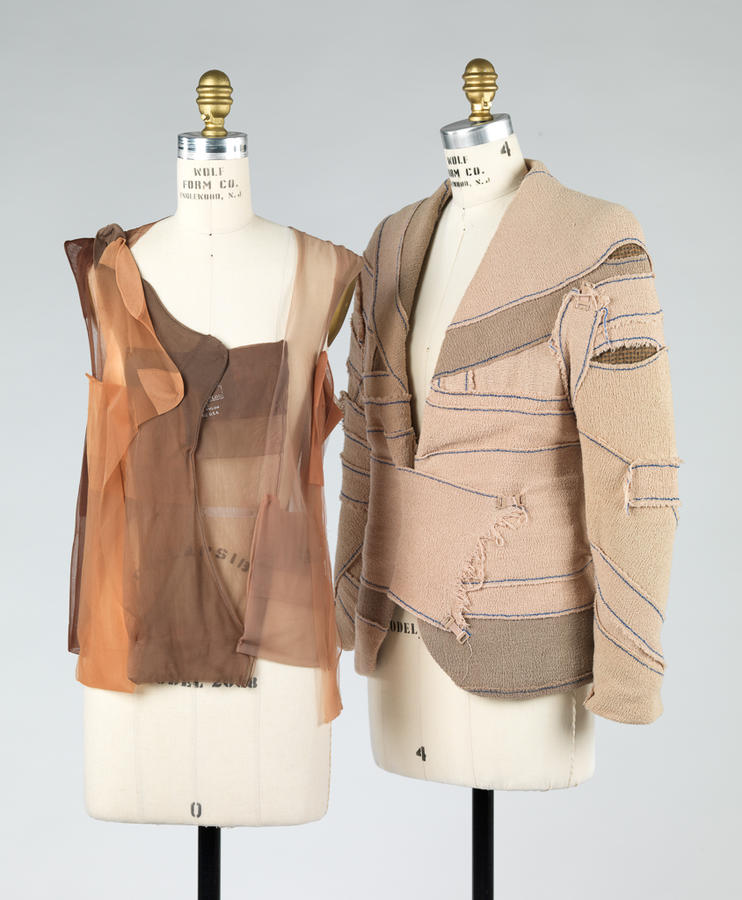
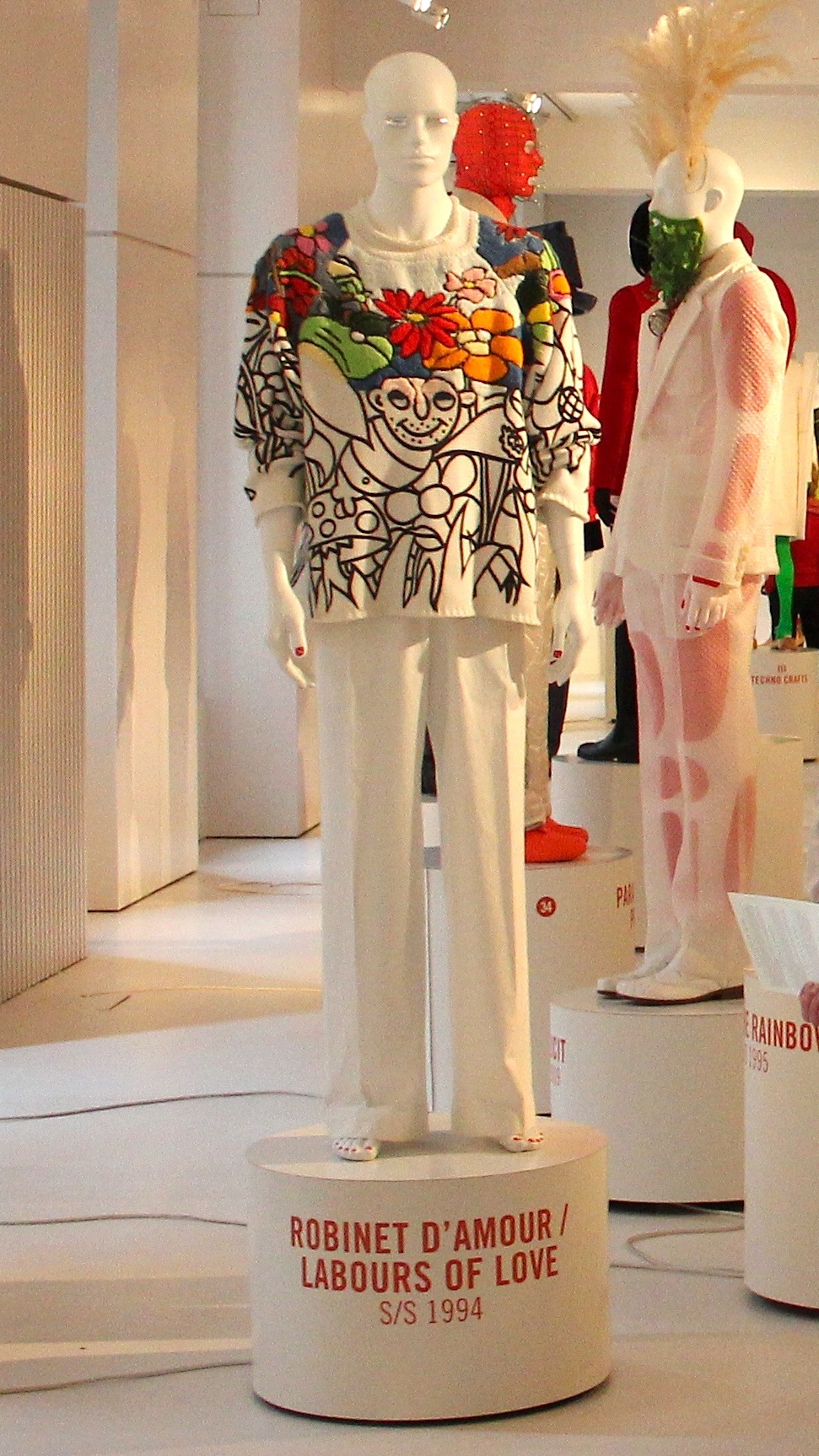
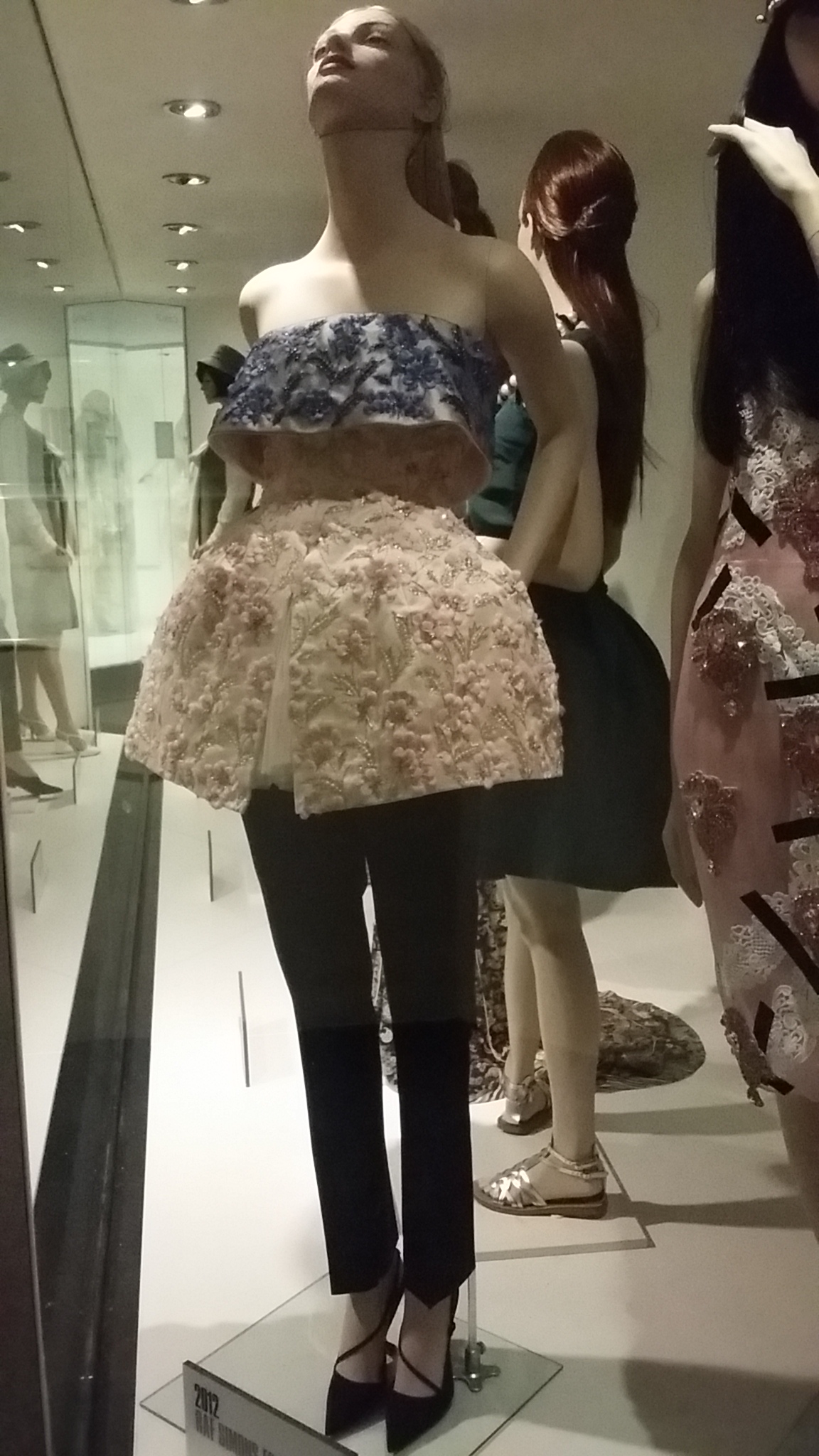
The home of the hugely influential Antwerp Six, deconstruction on the runway is what the Flemish community is known for. Including Martin Margiela, Ann Demeulemeester and Dries Van Noten, clothing exists as a form of freedom in self-expression and distinction.
More philosophical than physical, Belgium’s garments are known for radical experimentation.
England
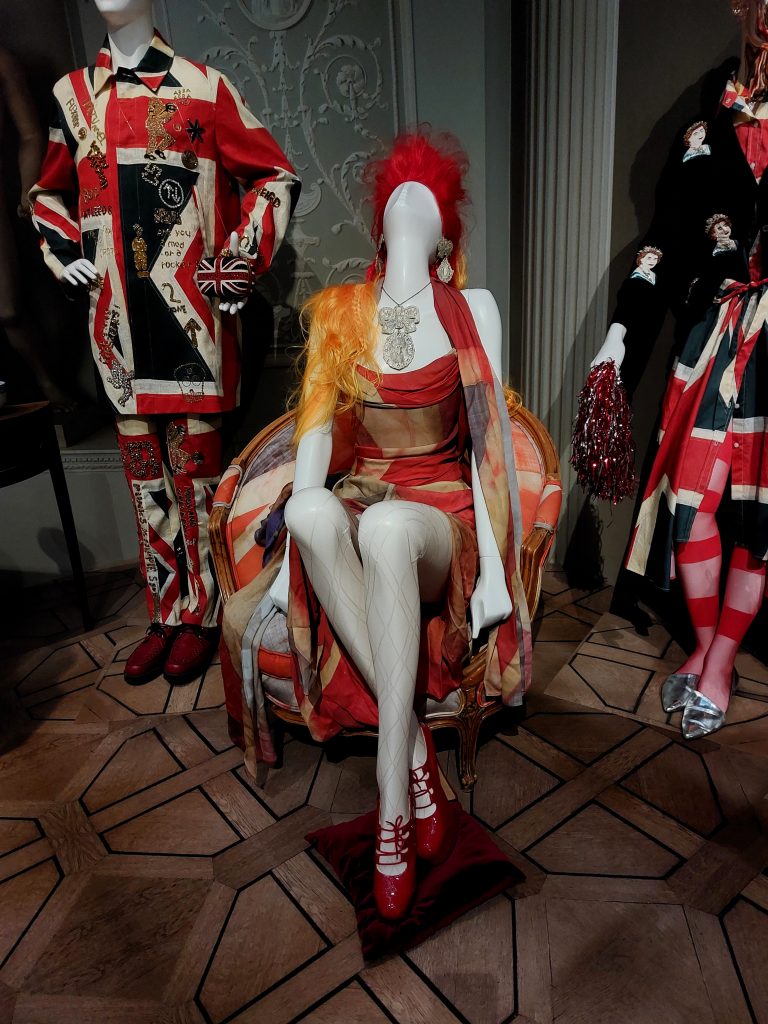
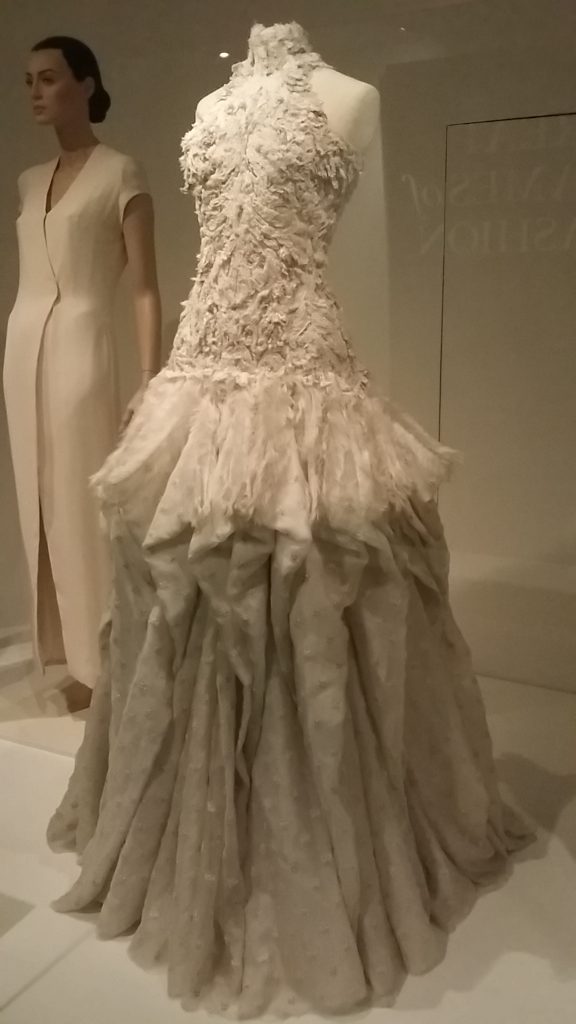
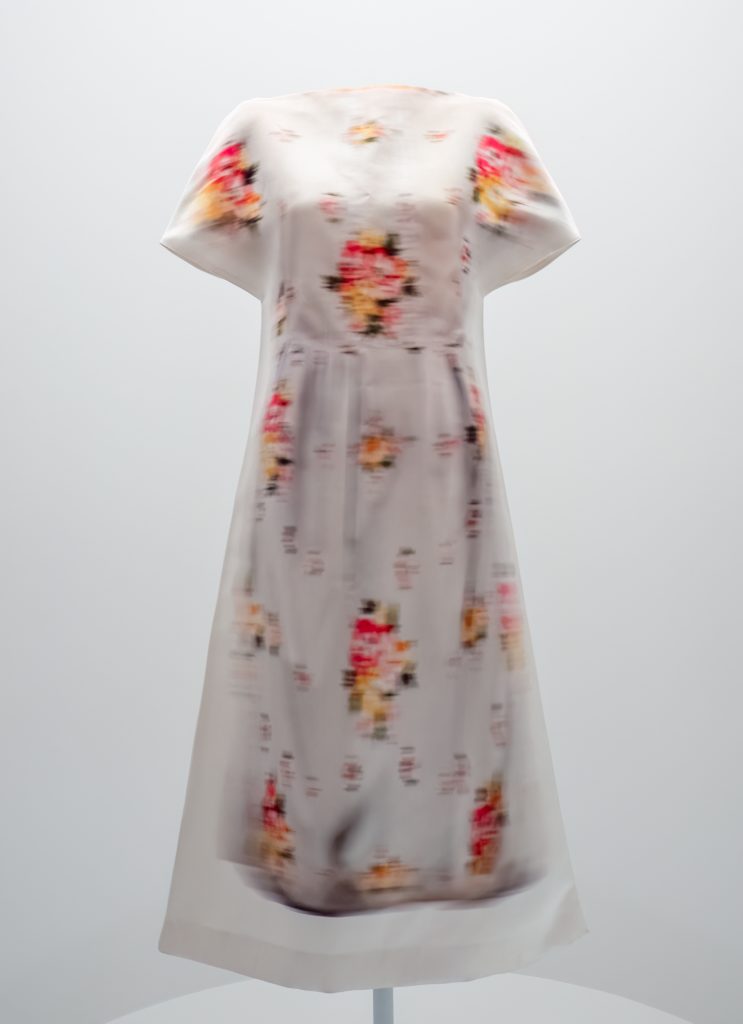
Whether the rebellions of Vivienne Westwood and Alexander McQueen to the subtle redefinitions of Jonathan Anderson and Kim Jones, London’s landscape is defined by its tailoring.
Enhancing the body’s contours in sleek, sharp lines, romanticism and practicality are married for a mix of traditional heritage and eccentric non-conformity.
Spain
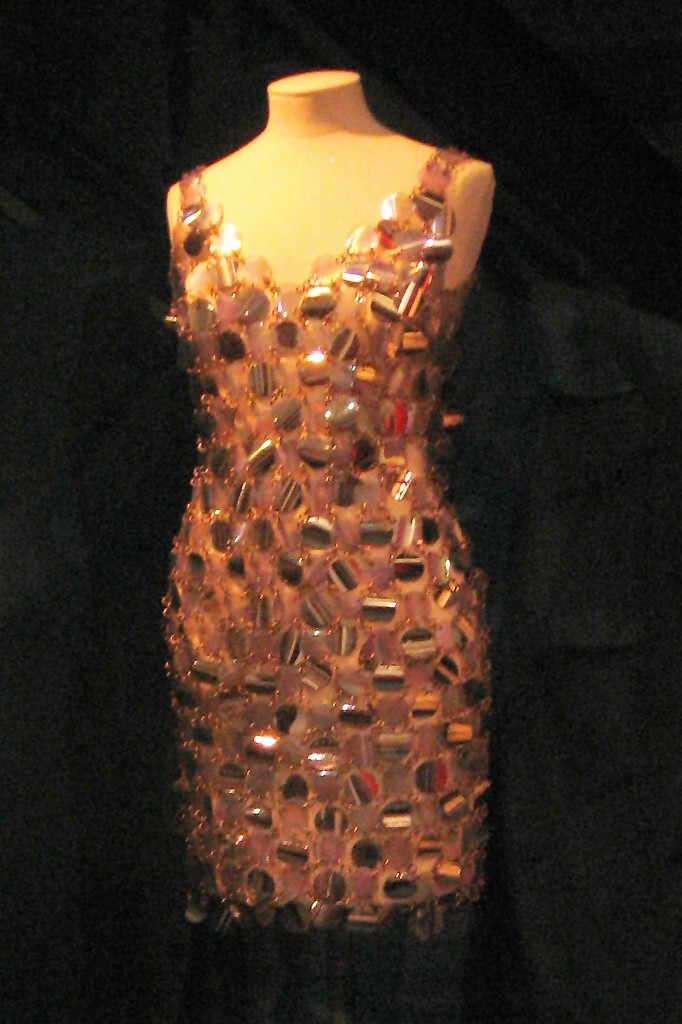
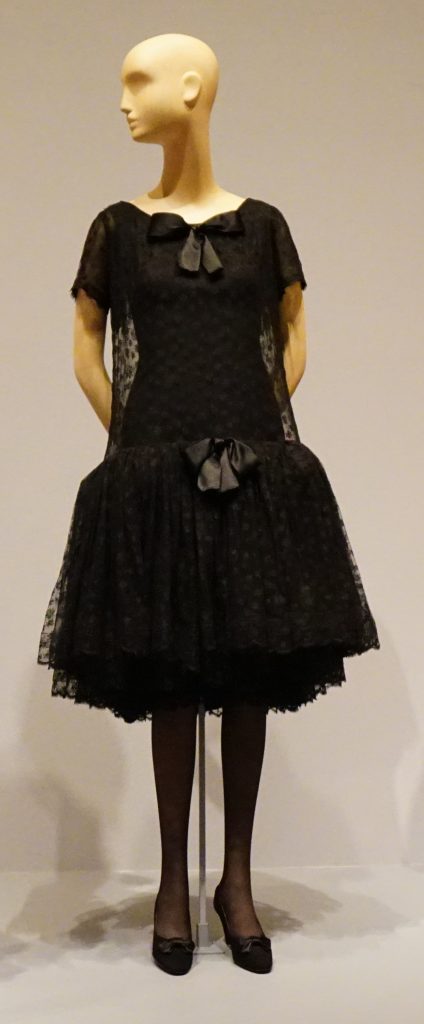
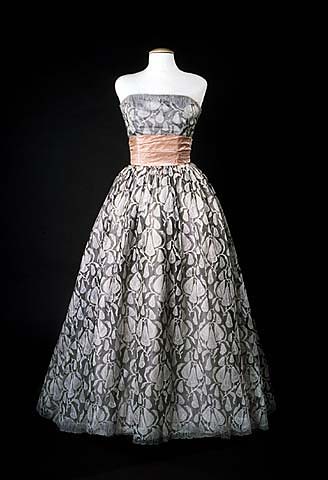
Although their most iconic labels tend to be associated with Paris, the Iberian peninsula’s designers are focused on detail. In Cristóbal Balenciaga’s painstaking embroideries and experimental silhouettes to Paco Rabanne’s futuristic space-age optimism, they’re a unique blend of passion with elegance.
United States
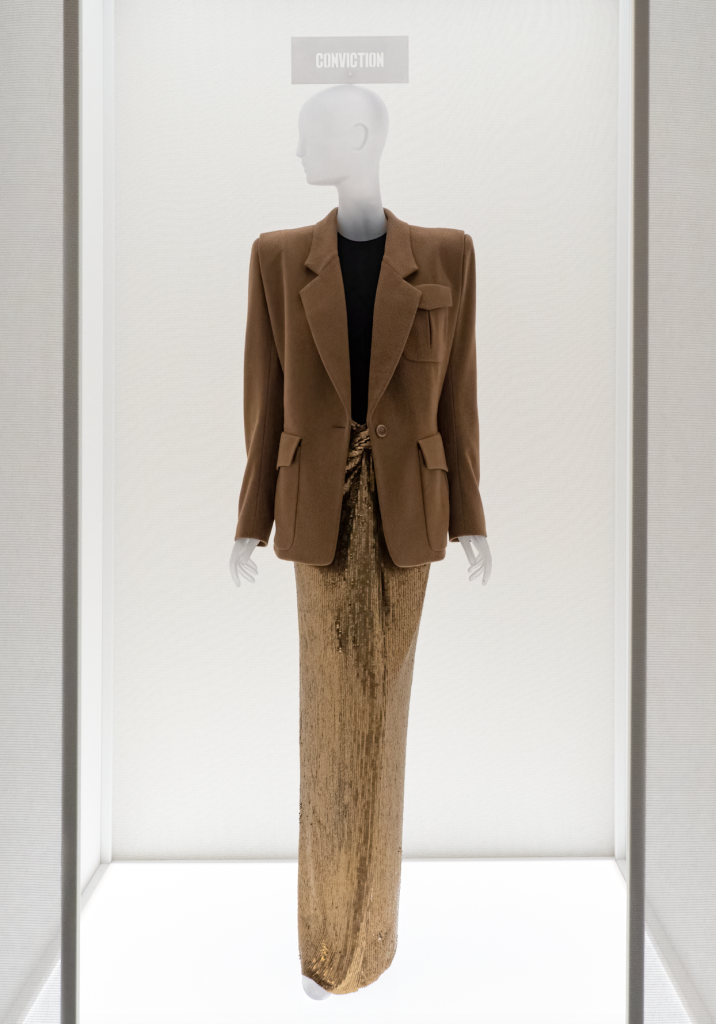
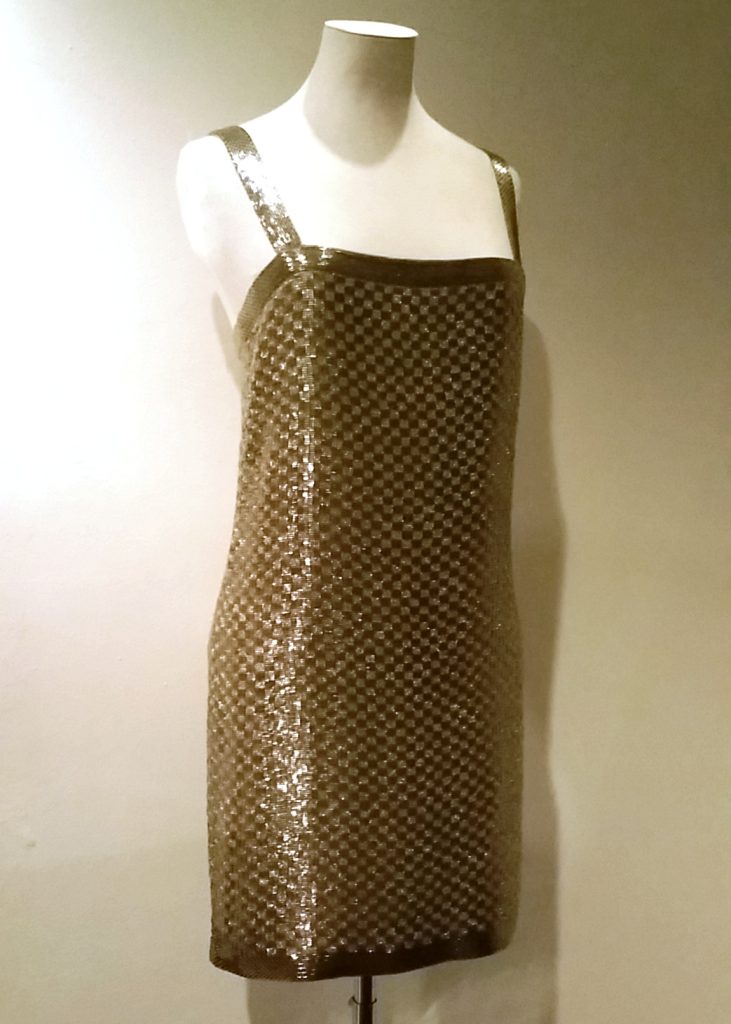
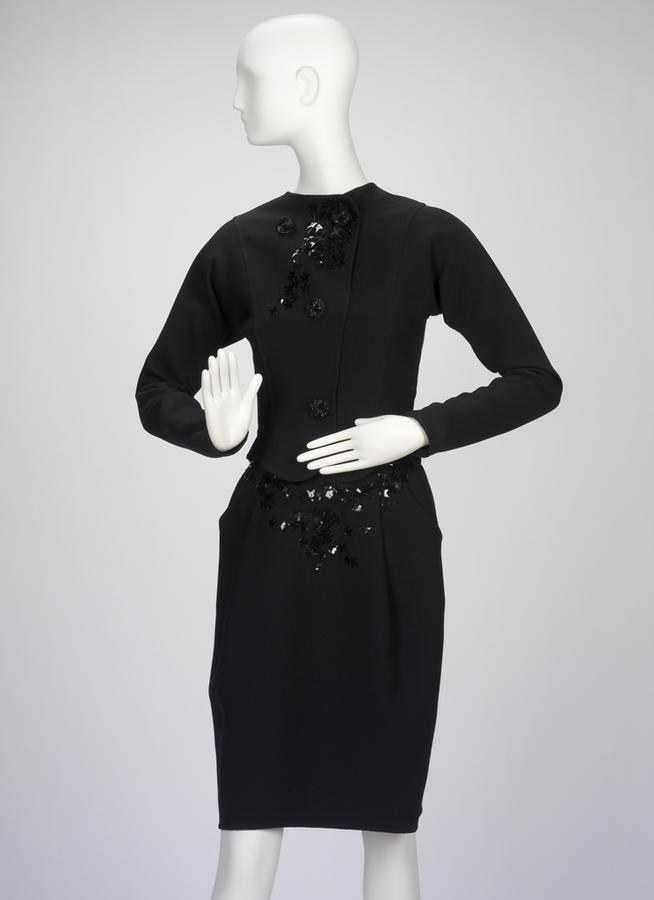
Lifestyle wear, but in a sense of authentic charm. While people aspire to become the Dior Woman, Donna Karan, Ralph Lauren and Calvin Klein make clothes for who they actually are. Made for the genuine person rather than glamorous hyperreal representations, American fashion is about casual, timeless appeal.
Japan
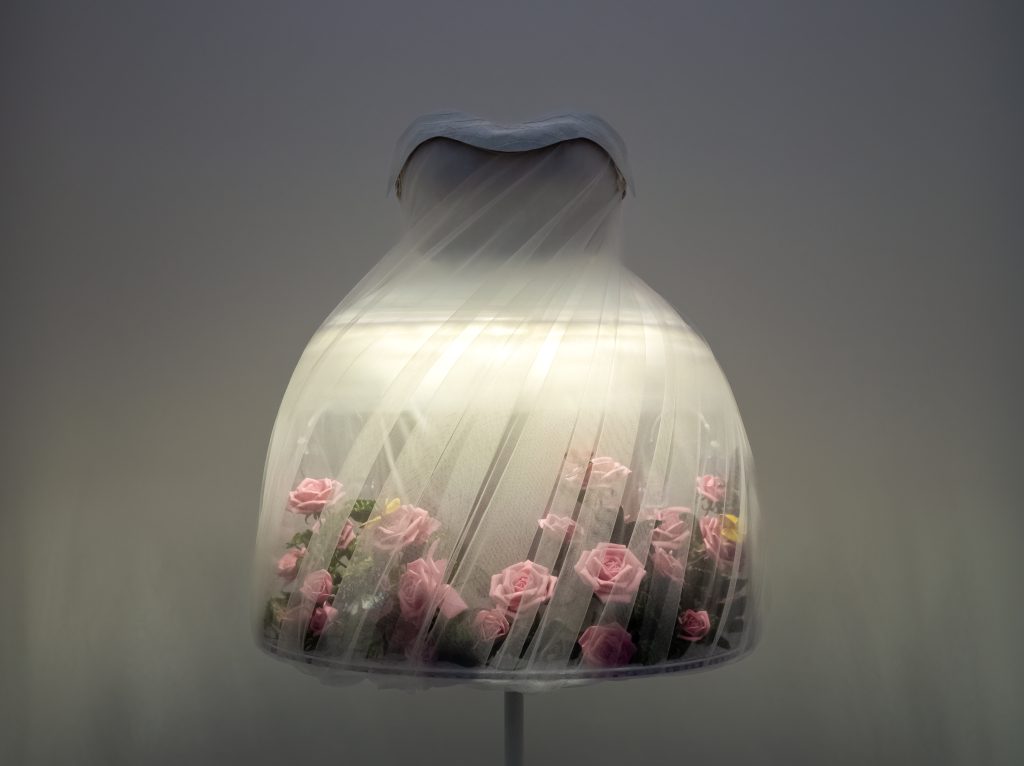
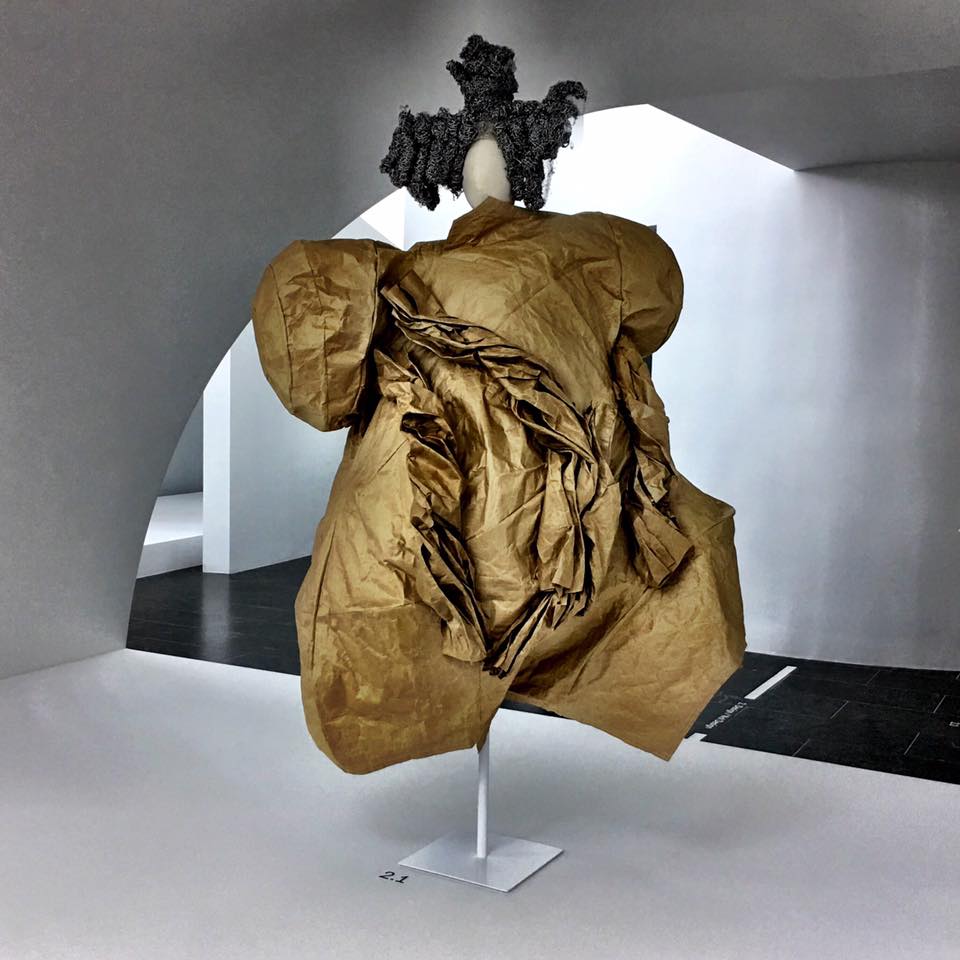
Though often inspired by the arts and cultural outputs of other countries, the Japanese approach is more metaphysical and conceptual. From transforming Western movements of punk or grunge into artistic introspectives as Takahiro Miyashita’s Number (N)ine or Jun Takahashi’s Undercover do, to complete reformulations of what fashion’s core values are in Rei Kawakubo and Yohji Yamamoto, it speaks in asymmetry, monochromaticism and inherent character over trend.
Italy
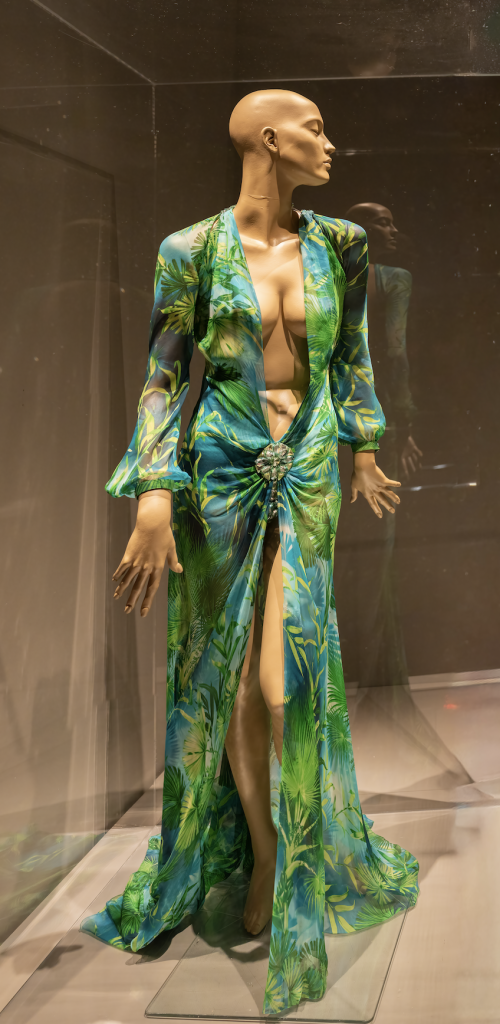
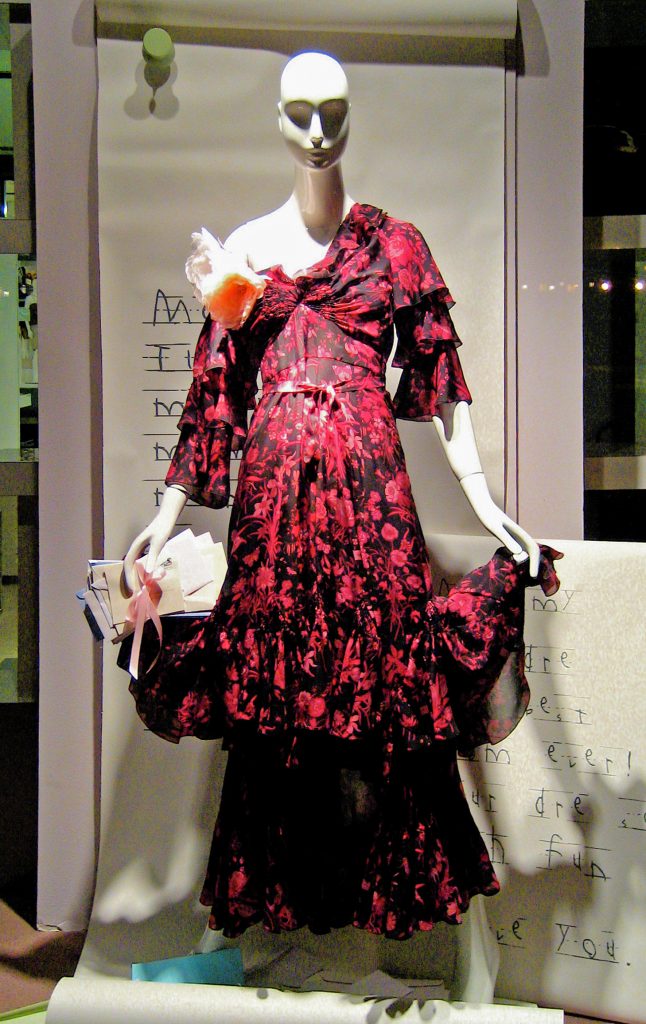
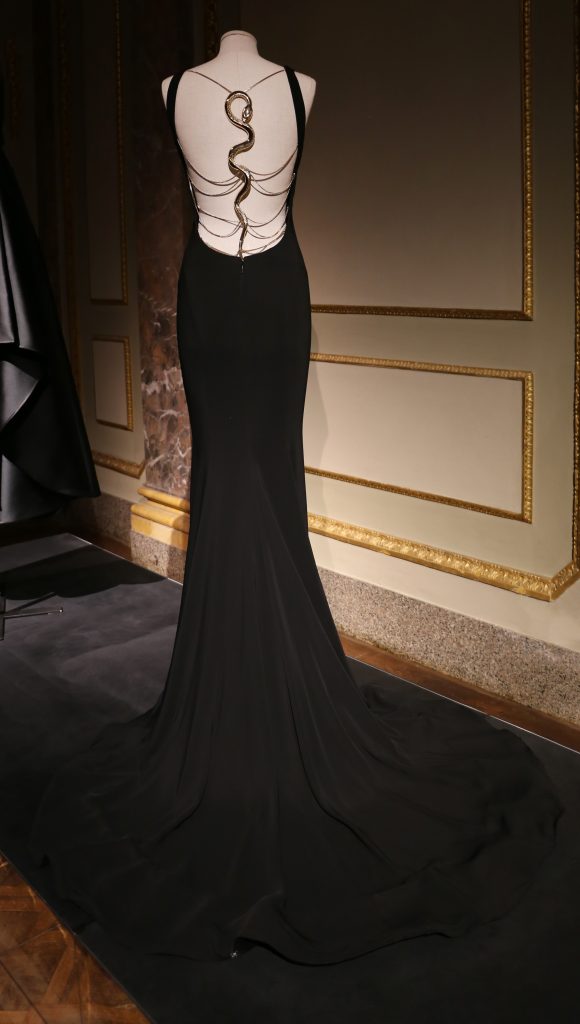
Characterised by bold emotion and vibrancy, Milan, Florence and Rome’s designers are known worldwide for many things. From the heritage elites of Armani, Ferragamo and Bottega Veneta to the sensual passions of Gucci, Versace and Roberto Cavalli, the nation’s luxurious craftsmanship and refined quality is underscored by pure exaggeration.
See also: Sophomore collections at Paris Fashion Week, ranked