

A mood-driven record blending electronic grooves, dance-floor energy and late-night introspection into a quieter evolution of his pop sound
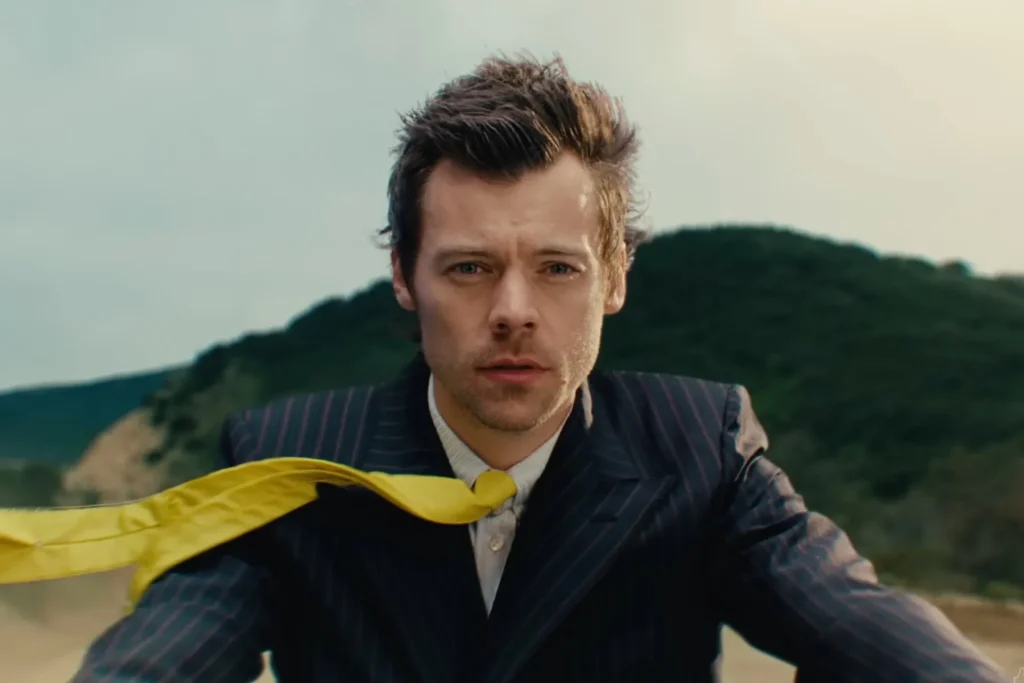
Four years after the global success of Harry’s House, Harry Styles returns with his fourth solo album, Kiss All the Time. Disco, Occasionally. The title alone signals a shift in mood – playful, slightly ironic and unmistakably nocturnal. If Harry’s House felt warm and sunlit, this new chapter leans into a cooler atmosphere shaped partly by European nightlife and the pulse of cities like Berlin.
While the album signals a new direction for Styles, it stops short of a dramatic reinvention. Instead, he subtly recalibrates his sound. The melodic warmth of his earlier work remains, now framed within a sleeker electronic palette. Pulsing synths, understated grooves and layered textures mark his most deliberate step toward electronic music so far, with many tracks favoring atmosphere and unfolding gradually rather than chasing obvious hooks. Throughout the album, a fascination with movement and freedom – dancing, wandering and drifting through crowded rooms – is balanced by a quieter sense of reflection.
Clocking in at five minutes and opening with a rarely heard 40-second intro in today’s pop landscape, the album’s opening track, “Aperture”, sets the tone immediately. Built around a restrained electronic beat that gradually expands into shimmering layers before giving way to Styles’ slightly distorted vocals, the song feels closer to a slow-burning club track than a conventional pop opener. His voice drifts through the arrangement rather than dominating it, establishing the hazy, immersive mood that runs throughout the record.
Elsewhere, the album leans more confidently into its dance-floor influences. Tracks like “Ready, Steady, Go,” “Pop” and “Dance No More” inject bursts of kinetic energy with bass-driven grooves that feel designed for crowded clubs. Meanwhile, the standout track “American Girls” delivers one of the album’s most immediate pop moments – bright, catchy and slightly nostalgic, echoing the melodic ease that first propelled Styles to global fame while still fitting neatly into the record’s nightlife-inspired sound.
Some of the album’s strongest moments arrive when the tempo slows. “Coming Up Roses” begins with sweeping strings before settling into delicate piano chords, gradually revealing one of the record’s most emotional tracks. The song reflects on fleeting relationships and the emotional weight they can still carry, even when they don’t last. Elsewhere, quieter moments like “Paint By Numbers” also lean into softer instrumentation, giving the album space to breathe between its more rhythm-driven tracks.
Lyrically, the album often feels loose and reflective, almost like fragments pulled from a diary. On “Paint By Numbers,” Styles opens with the line “Oh what a gift it is to be noticed, but there’s nothing to do with me,” hinting at a more introspective side of the singer, touching on both romance and the pressures of fame. Across the record, he revisits familiar themes of love, longing and fleeting connections, often framed through the lens of nightlife. When it works, that looseness gives the album a dreamy late-night quality. At other times, however, the lyrics feel slightly underwritten, as if the music’s atmosphere carries more weight than the words.
Still, atmosphere is clearly the album’s defining strength. Rather than chasing the big pop moments that characterised Harry’s House, Styles seems more interested in creating a cohesive mood. Many of the songs flow into one another, giving the record the feeling of a single extended night rather than a collection of separate tracks.
In the broader arc of his career, the album feels like a thoughtful step forward in his evolving artistic identity rather than a dramatic reinvention. Since leaving One Direction, Styles has steadily carved out a space where classic pop songwriting meets gentle experimentation. Kiss All the Time. Disco, Occasionally. continues that evolution, pushing his sound toward something cooler, subtler and more reflective.
Also see: Album review: Bruno Mars revisits his hitmaking formula on “The Romantic”