

Weird, colorful and artsy maximalism
If runways were only about the clothes, nobody would watch them. With modern collections all about storytelling and emotion, there’s a thousand different variables that go into the 10-20 minute-long final product that we see on social media. Setting, castings, music – you name it. But, one of the most outstanding factors is the hair.
Something that was seemingly lost as the industry moved on from 2000s excess and glamour, the accessorising of the model and its elevation of aesthetics isn’t nearly as present in today’s mainstream houses. Comparing Alexander McQueen’s Spring/Summer 2010 amphibian-esque looks to bobcuts and side parts of Sean McGirr’s Autumn/Winter 2026, it’s no wonder why it can feel like fashion is getting boring.
That being said, there’s still designers out there who retain that wild instinct. For that artsy expression that all of us miss, we picked out the best, weirdest and coolest hair styling at Paris Fashion Week.
Kiko Kostadinov
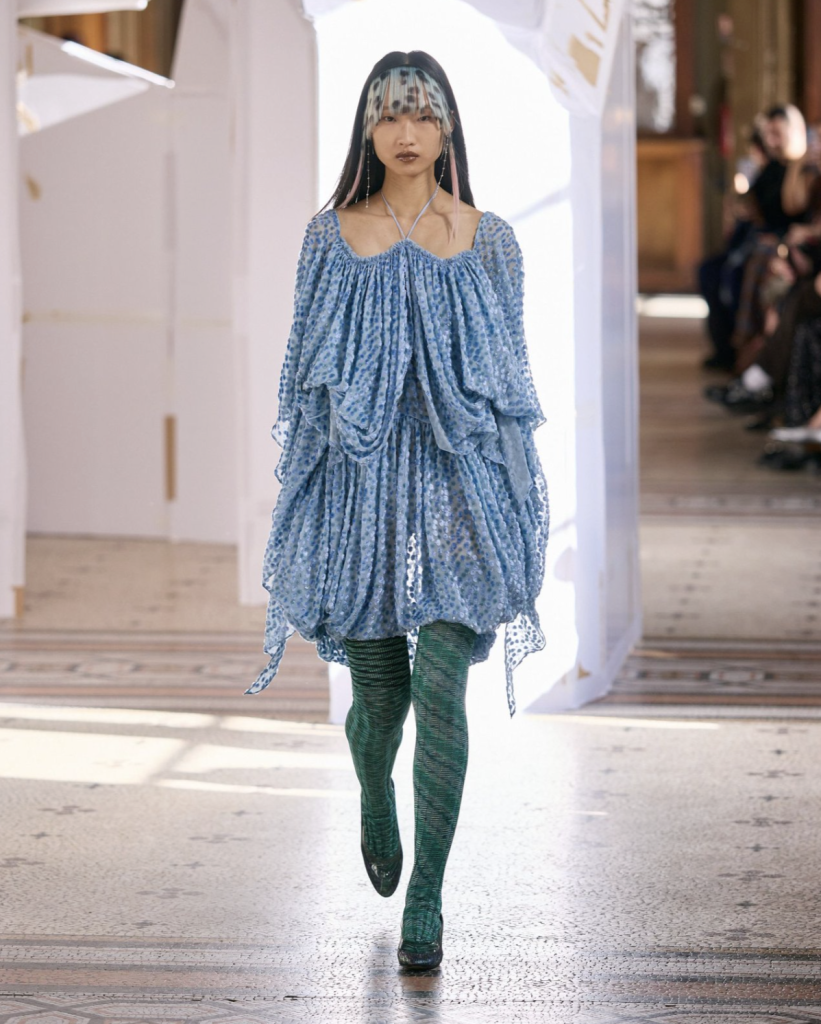
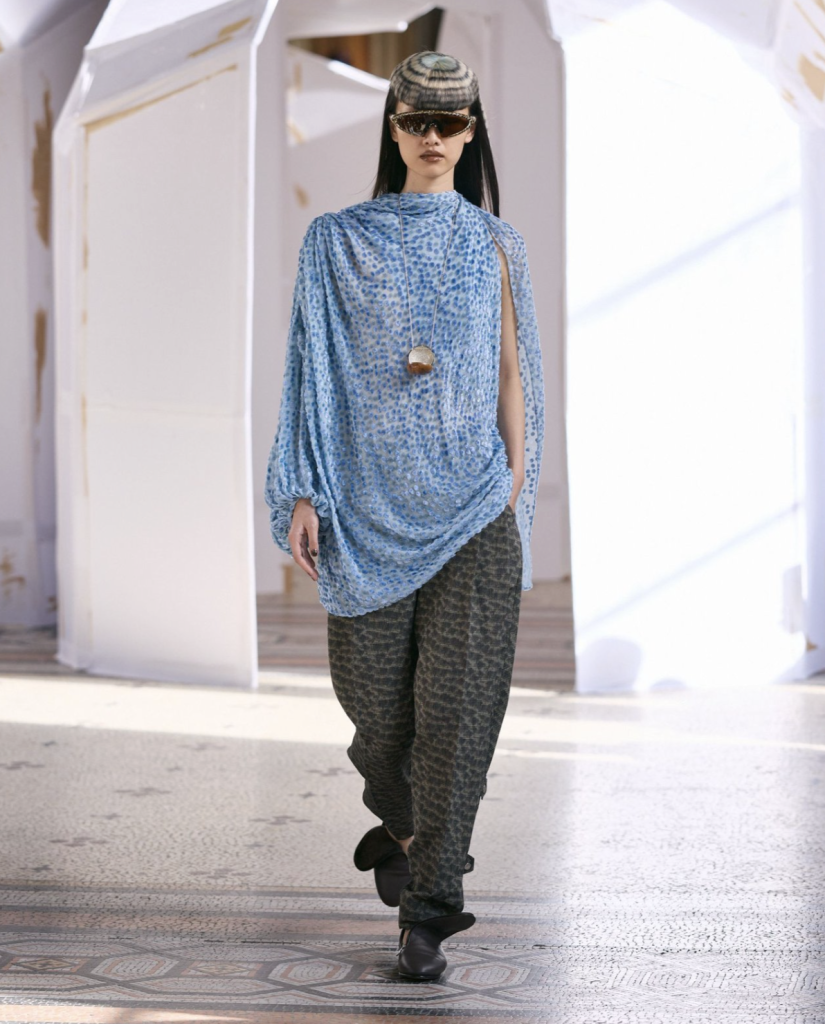

Although not actually by the Georgian menswear legend – instead directed by the label’s womenswear heads of Laura and Deanna Fanning – this season was about “the tension between observer and observed”. Inspired by birdwatchers and tapping cult wigmaker Tomihiro Kono for the show, heads resembled avian plumage more than human features. Patterns evoked the varied spectrum of exotic species in multi-coloured spots and stripes. Streaks matched the Fanning sisters’ diverse palettes, complementing Kostadinov’s signature avant-garde vibrancy and splendour.
Rick Owens
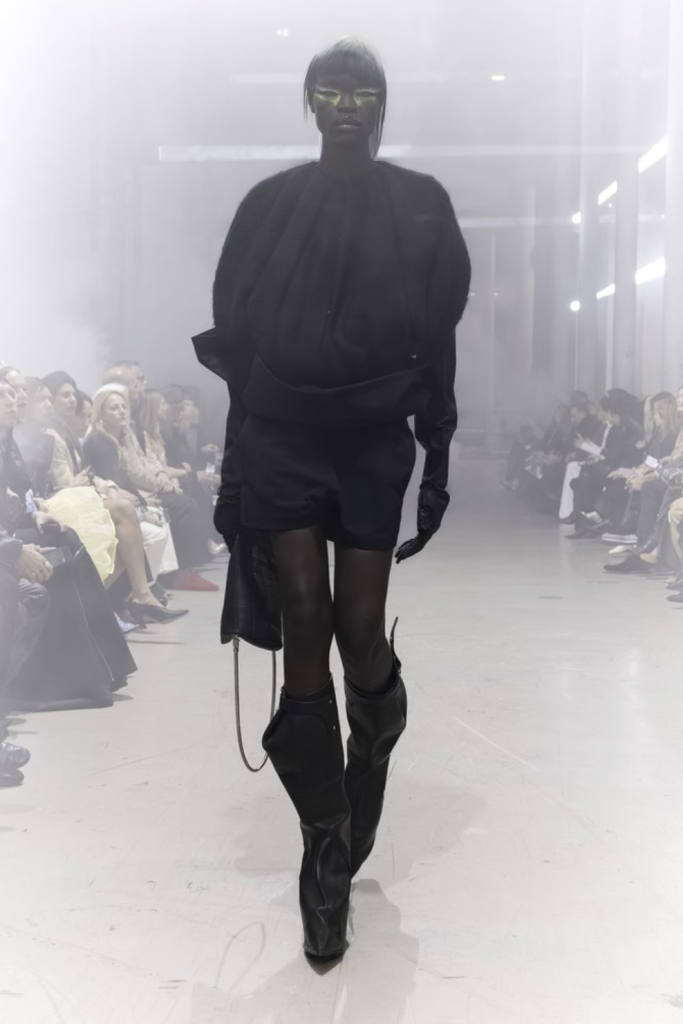
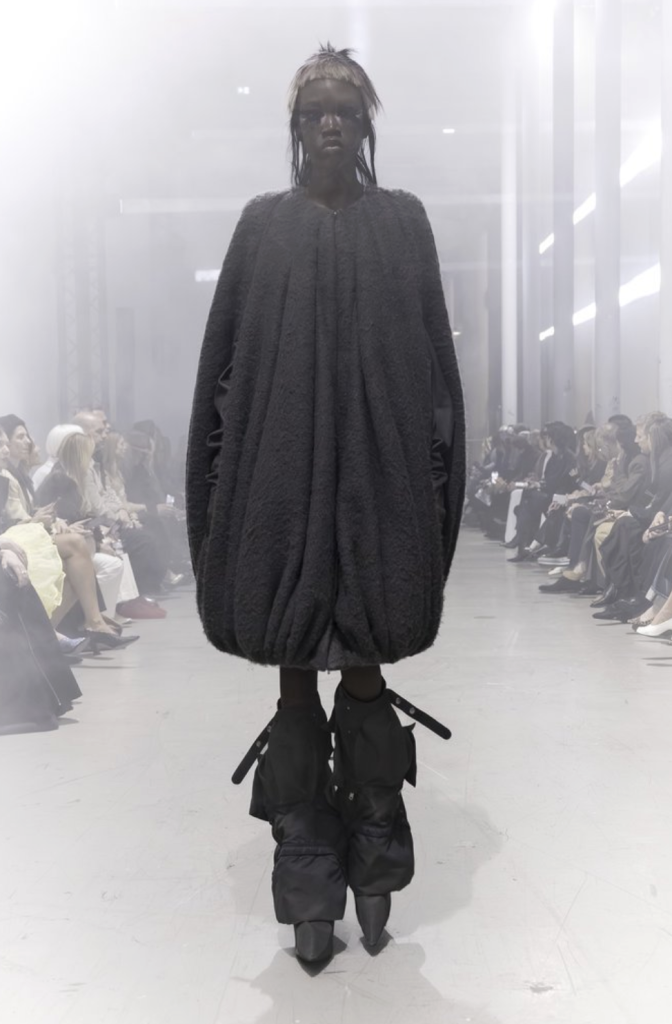
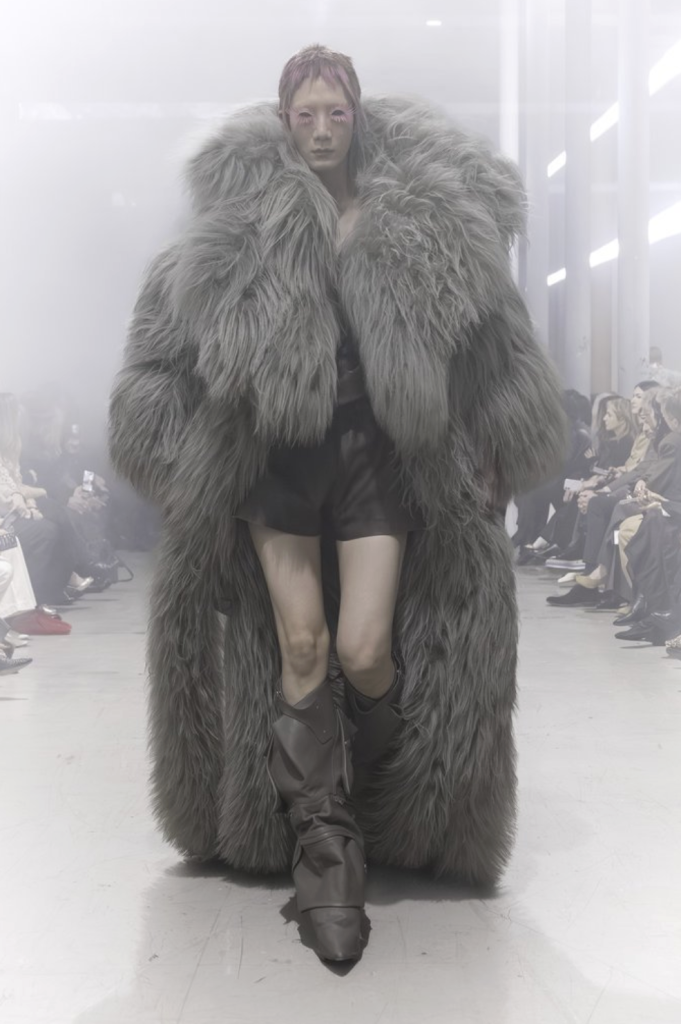
The classic example of runway grandeur, Autumn/Winter 2026’s “Tower” swapped the Palais de Tokyo’s fountain with a smoke-filled warehouse. Collaborating with the punk-inspired Bernado Martins on manes, the theme of “a prayer for love, hope, strength and protection” transformed into a reactive protest of oppression. Displayed in three phases, Act 1 saw Martins use slick-backed and feather detailing for a sensual provocativeness. Next, with pastel-shaded lash extensions, eyes were hidden in a simultaneously monstrous yet beautiful shape. Finally, devilocks and asymmetrical lengths made a blend of rebellion and cabaret passion.
Mugler


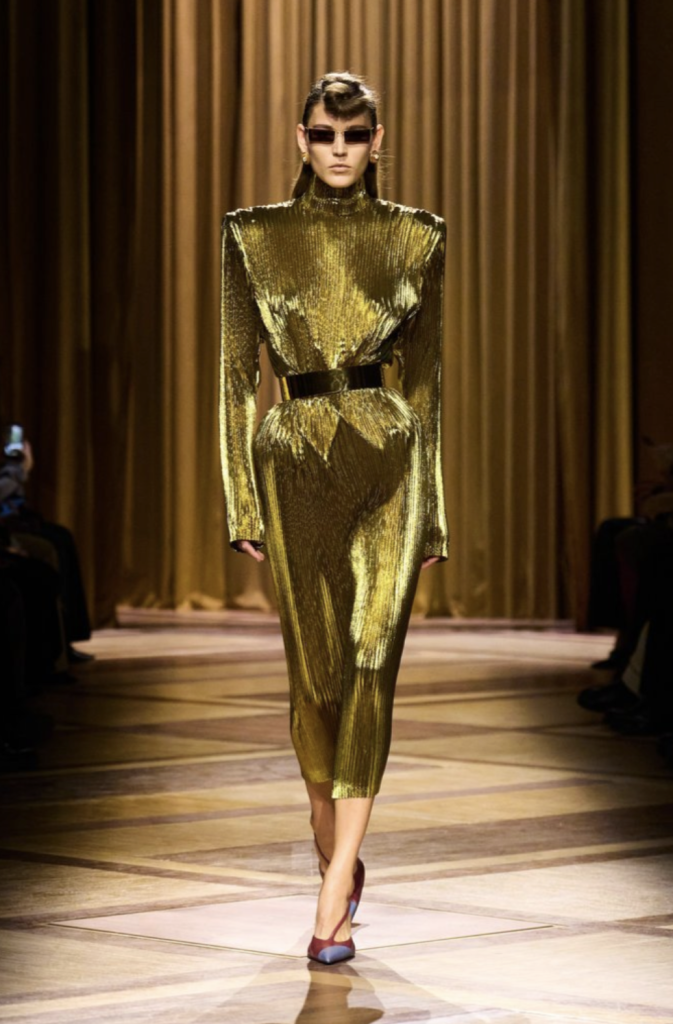
Continuing the legacy of the king of camp, Miguel Castro’s “Part II: The Commander” was all about power dressing. Snatched waistlines and armor-like shoulder pads came with retro updos and mullets, combining with the garments for a depiction of 80’s cinema-villain archetypes. Both militaristic and graceful, the cuts were authoritative and fierce.
Junya Watanabe


Ever experimental in his craft, the Comme des Garçons protégé always makes headpieces a central highlight. Exploring free-form silhouettes and texture of pure creative instinct, the raw deconstructed materiality of clothing juxtaposed against Eugene Souleiman’s gelled-down styles. Against the voluminosity of Watanabe’s design language, hair looked restricted and suppressed. Appearing closer to statues and sculptures than live human beings, representations of constraint were a perfect visual contrast.
Yohji Yamamoto
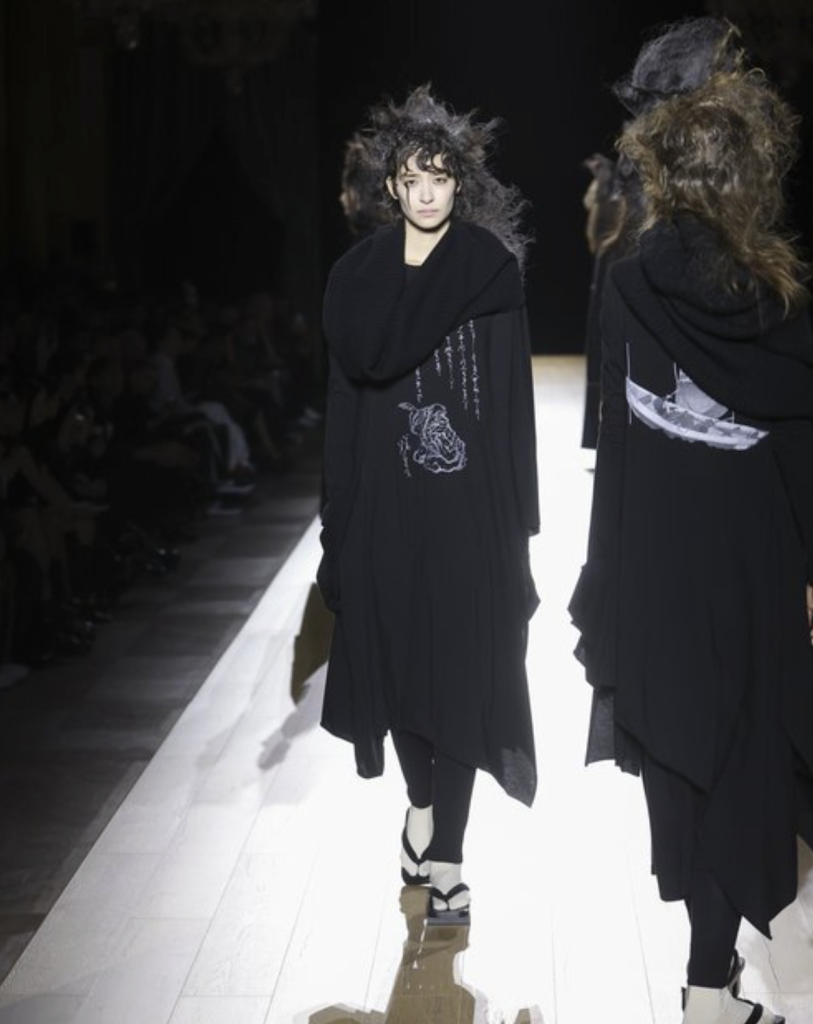

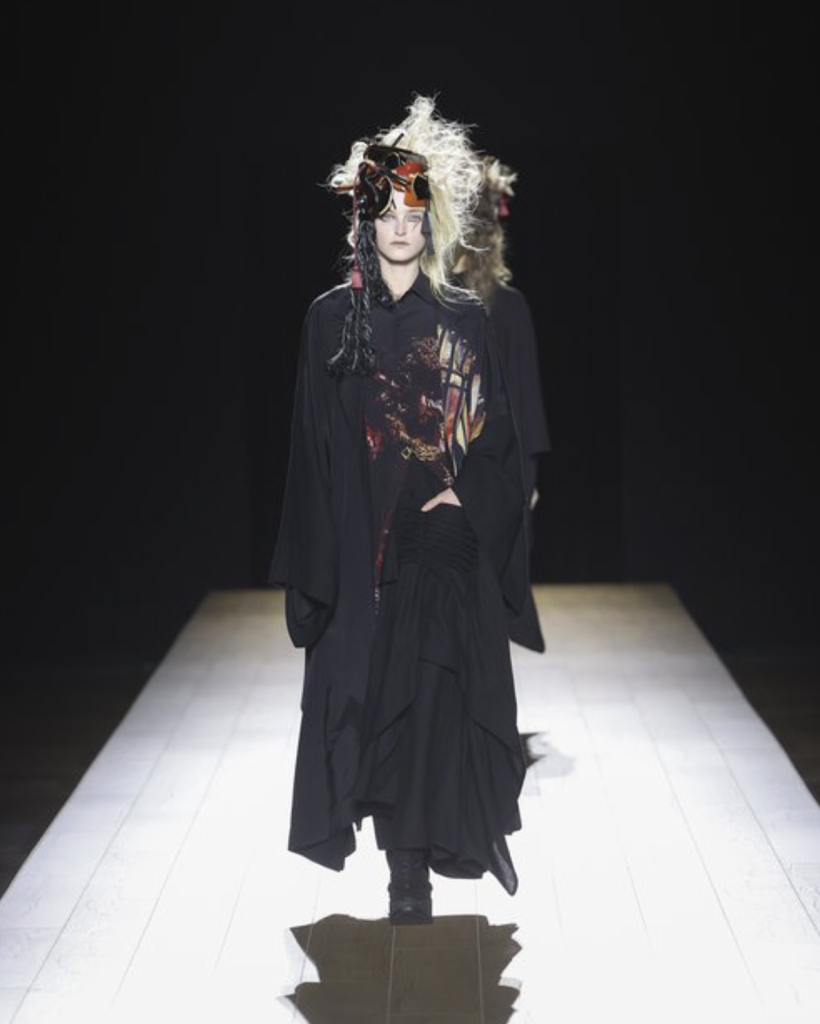
Another titan in the Japanese landscape, Yamamoto’s renowned precision in detail and tailoring was juxtaposed against tangled, matted bedheads. Dedicated to nomadism and shifting dynamism, models looked like they had just walked out of a windy storm – zapped out in an untamed spirit.