
Reported by Manit Maneepantakul
As the first warm breeze of China’s spring unfurled softly across the country, four major cities: Shanghai, Beijing, Chengdu, and Shenzhen seemed to transform into pages of a newly opened journal by Maison Margiela. It was as if the entire nation had been loosely stitched together by a single white thread, the very thread once sewn into the back of an artisan’s blouse blanche in Paris. And this season, that thread guided people closer to the “heart of Margiela” than ever before.
The Maison has long expressed one of its clearest philosophies in the simplest way:
“We speak more through stitches than words.”
The MaisonMargiela/folders project embodies that sentiment precisely, an open door inviting the public to step directly into the Maison’s language of creation. Through four codes that form the brand’s DNA, the project unfolds from Margiela’s raw, quiet origins to the accelerating realities of the present day.
In Shanghai, Yan Dang Road feels almost like a laboratory of time. Visitors enter Artisanal, the beating root of Margiela, crafted through handwork, intuition, and the rugged honesty of unpolished materials. Fifty-eight looks, spanning from 1989 to the present, are arranged like a poetic tapestry of cloth, threads, and relentless experimentation. Each piece is placed within themes that shaped the Maison: upcycling, deconstruction, illusion, rawness, and the elevation of the everyday.
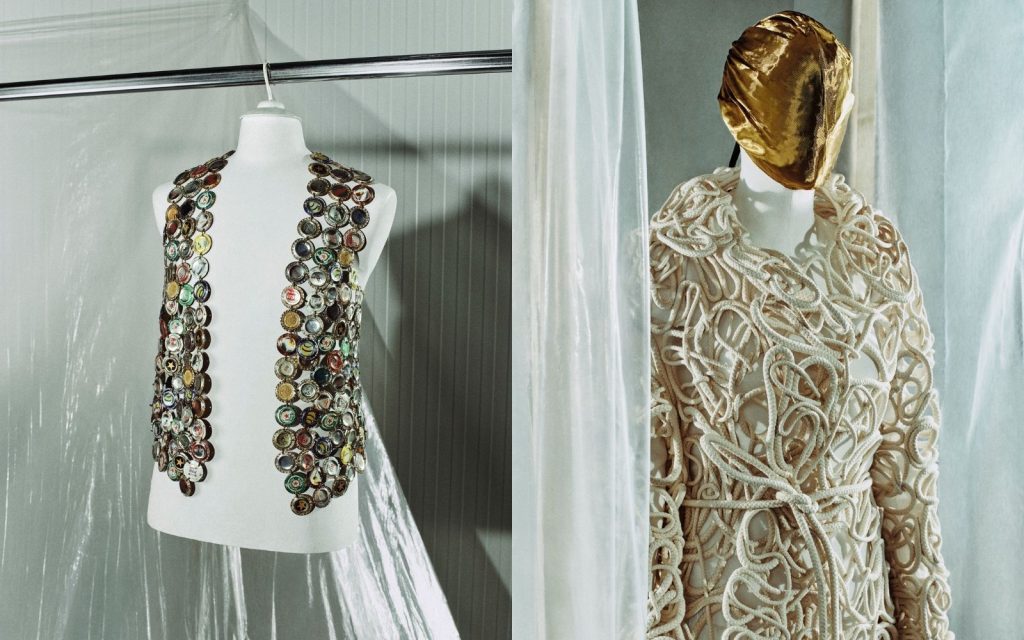
One phrase often heard among the Artisanal team resonates deeply:
“Every piece lived a life before it reached our hands. Our role is to revive its voice.”
And in front of the 2008 Wig Jacket, the blonde-hair coat that playfully deceives the eye while posing serious questions, the sentence becomes unmistakably true. At Margiela, fashion is never just clothing. It is a question one wears.
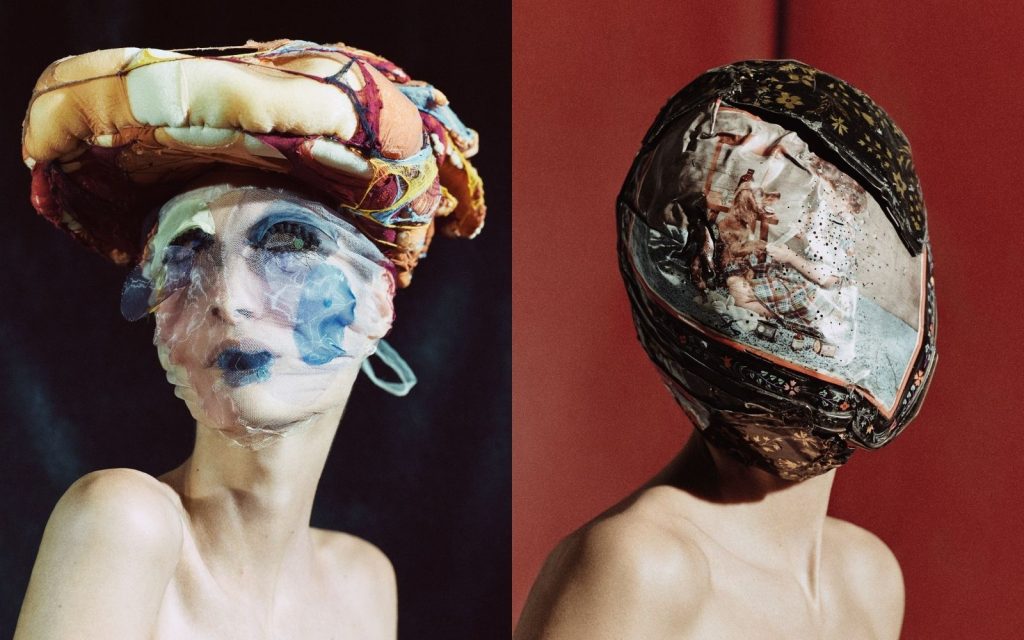
Further north, Beijing’s historic Zhengyici Opera Theatre awakened into a different kind of quiet, as “masks” stepped forward as the true performers in the Anonymity exhibition. Forty-six masks from 1989 to the present were displayed, not to conceal, but to reveal something far deeper. The Maison has returned to this philosophy time and again:
“Identity doesn’t reside on the surface of the face, but in the intent behind creation.”
A delicate cotton veil from SS1989 was placed near a polished metal mask from Artisanal 2025, tracing not decades, but the evolution of thought around identity in contemporary fashion.
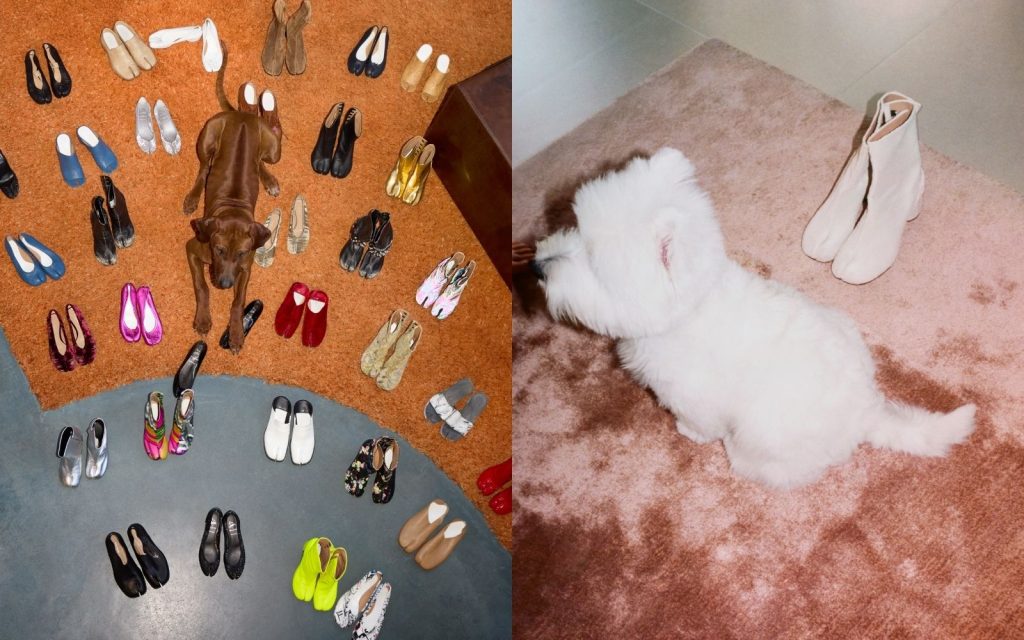
Meanwhile, Chengdu exuded an unexpected warmth. The Tabi: Collectors exhibition treated Tabi shoes not as “fashion objects” but as characters who have lived alongside those who wore them. Margiela once encapsulated the essence of Tabi in a single elegant line:
“The split toe doesn’t separate us, it teaches us to see the world differently.”
Nine collectors from around the globe recreated their personal wardrobes in the gallery. Creases in leather, the shape molded by real footsteps, life-sized photographs of lived journeys, every element declared quietly yet firmly that Tabi is not an accessory, but a language.
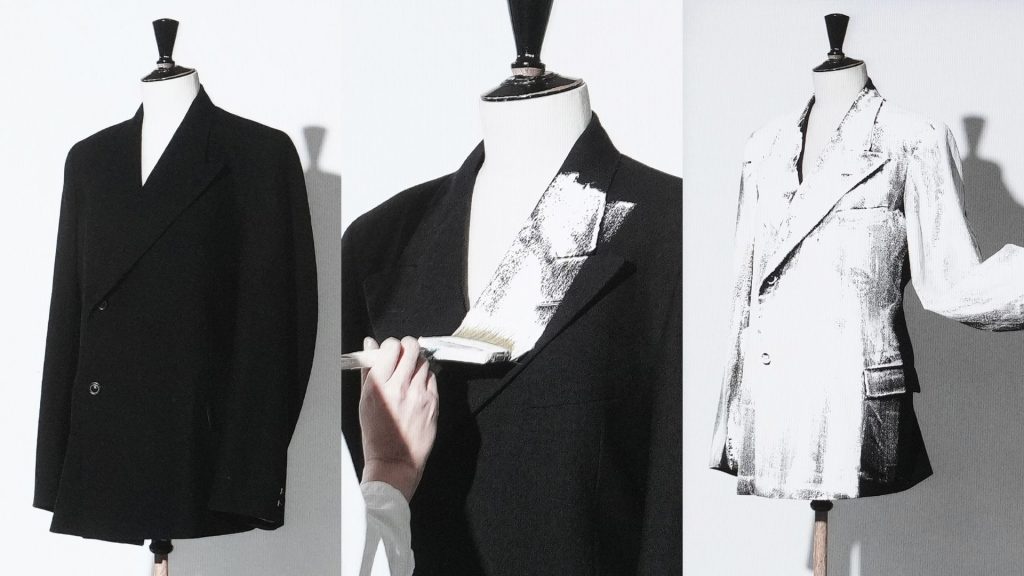
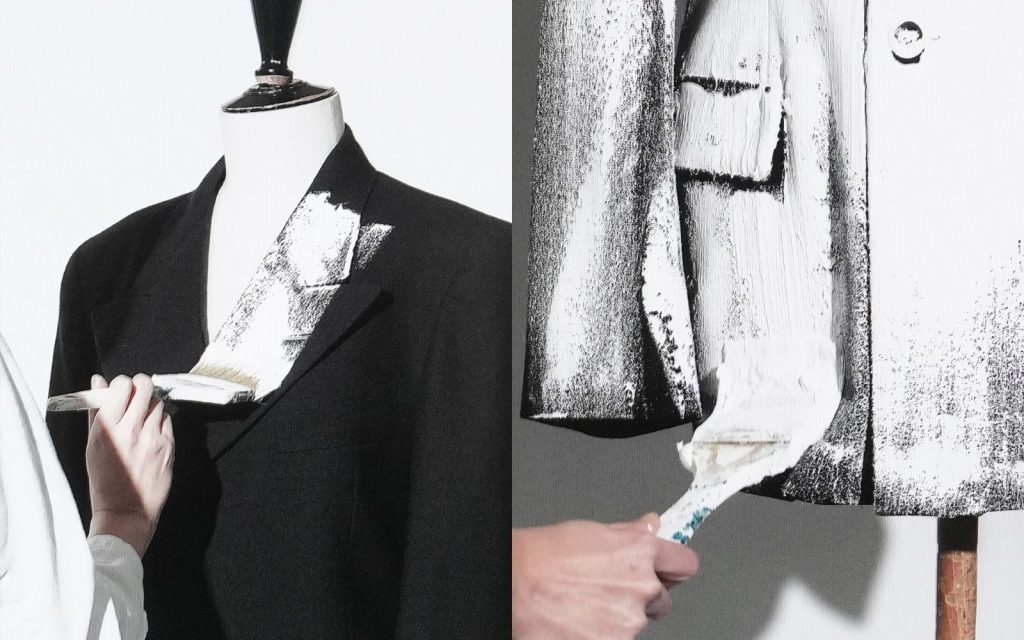
The final chapter unfolded in Shenzhen, where the velocity of the future met the meditative stillness of the Atelier. In the Bianchetto Experience, visitors brushed white paint onto their own belongings, resetting the meaning of each item from scratch. A designer from the Maison once described Bianchetto as:
“White is not a cover, it’s an invitation to begin again.”
Inside a meticulously recreated workspace, each visitor received a white blouse blanche with Margiela’s iconic four stitches, an unspoken welcome into the Maison’s creative circle. Some swiped paint with confidence, others hesitated gently, but once the pieces dried, no two were alike. Each object had become Margiela in its own way.
As MaisonMargiela/folders opened archival research, images, and behind-the-scenes materials to the public, the brand’s long-standing “silence” became clearer than ever.
“We conceal in order to reveal more,” the Maison has often suggested, an intention now expressed openly through action rather than speech.
This journey was more than a series of exhibitions. It was a realization that even in a world spinning ever faster, fashion remains a space where we can hide, search, and declare ourselves all at once. And in that continual tension, quiet, defiant, and beautifully its own, Margiela keeps writing new chapters in the language of mystery.