“…In the world of watchmaking, OMEGA has long resisted the idea of standing still, particularly when it comes to redefining the standards by which time itself is measured. With the Constellation Observatory Collection, the house does not simply introduce a new design but reframes a legacy, allowing a quiet yet decisive shift in the language of chronometry to unfold…”
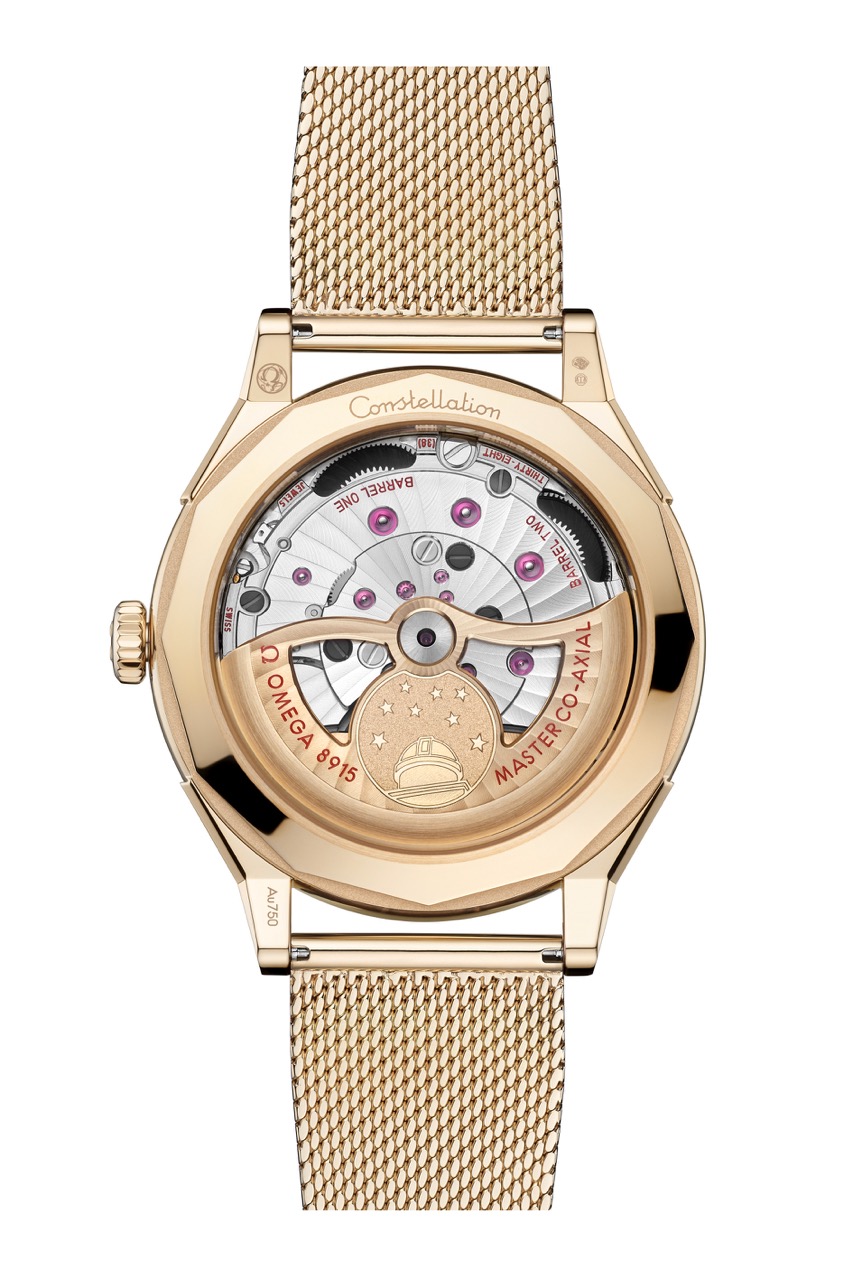
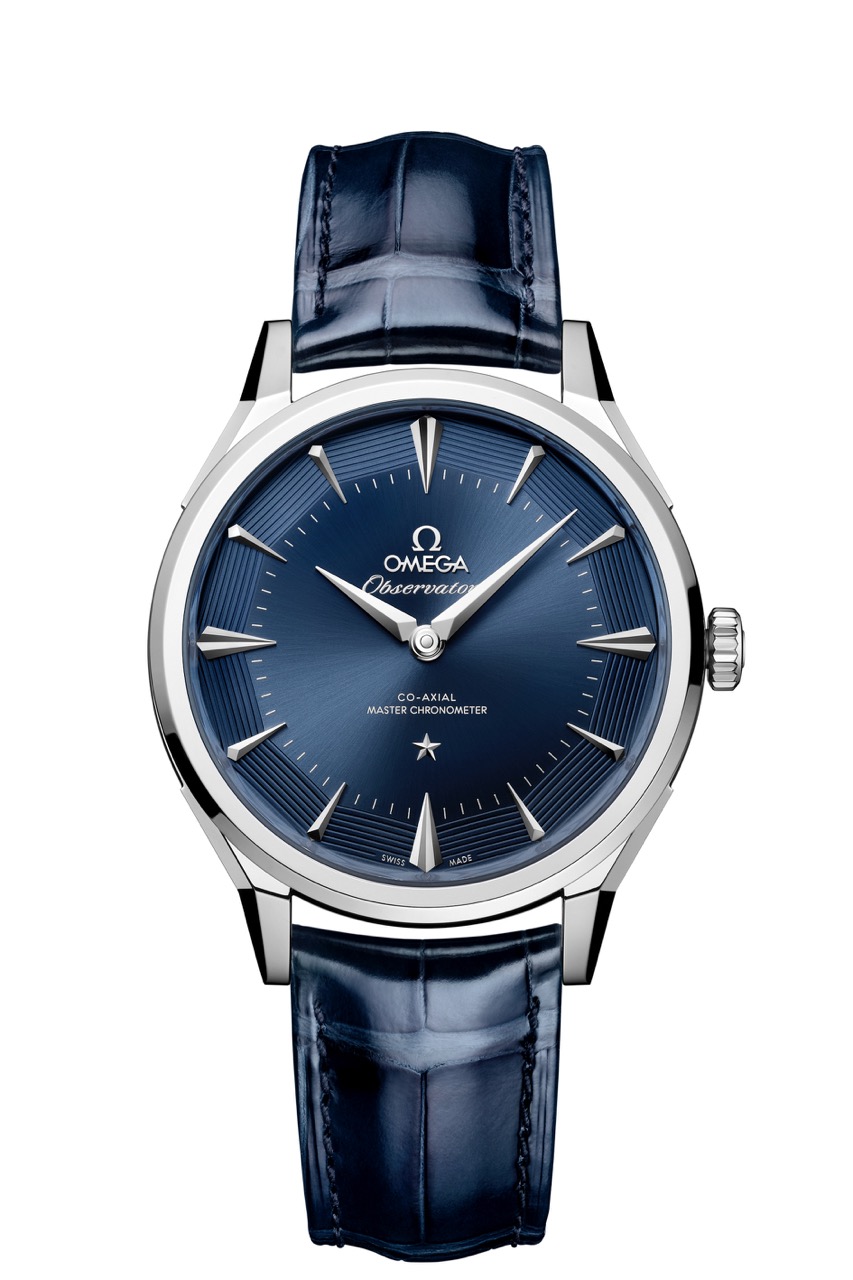
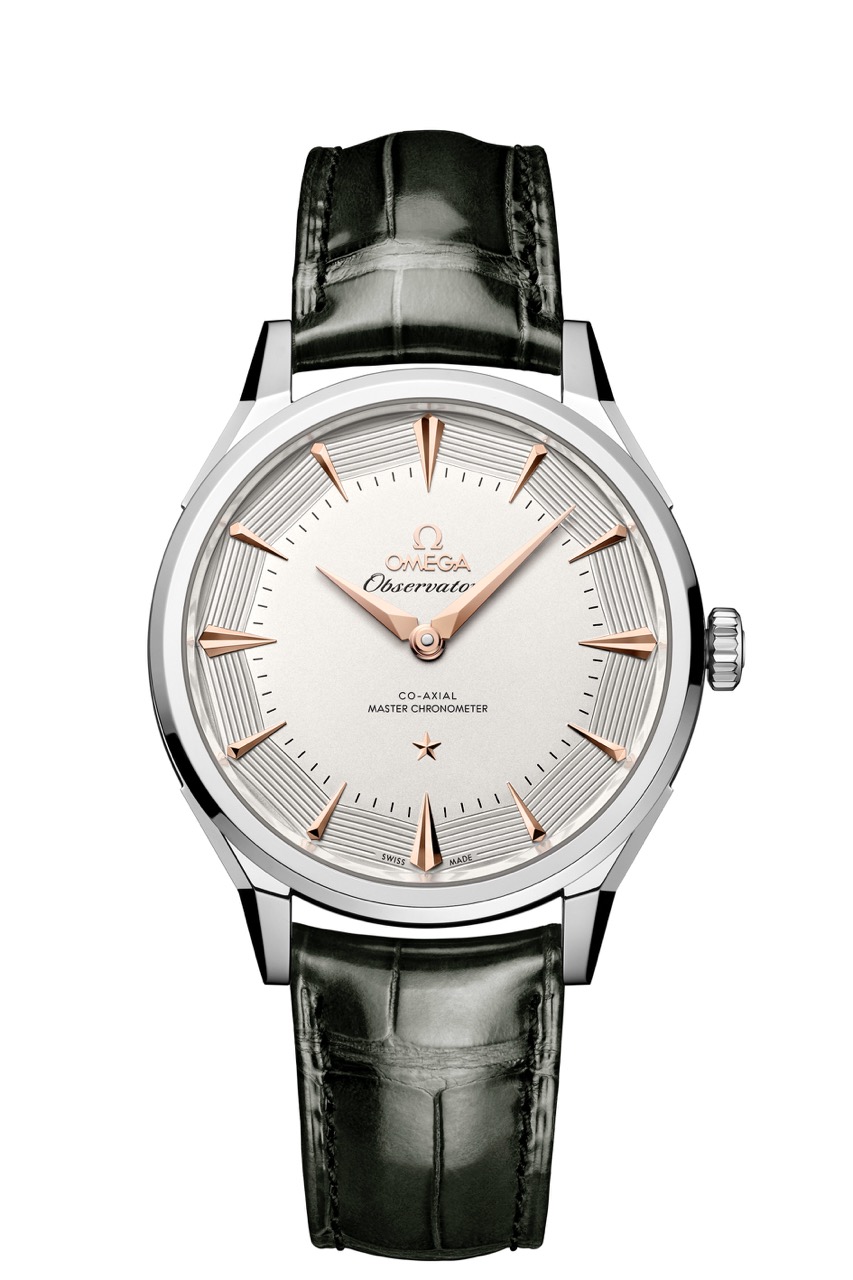
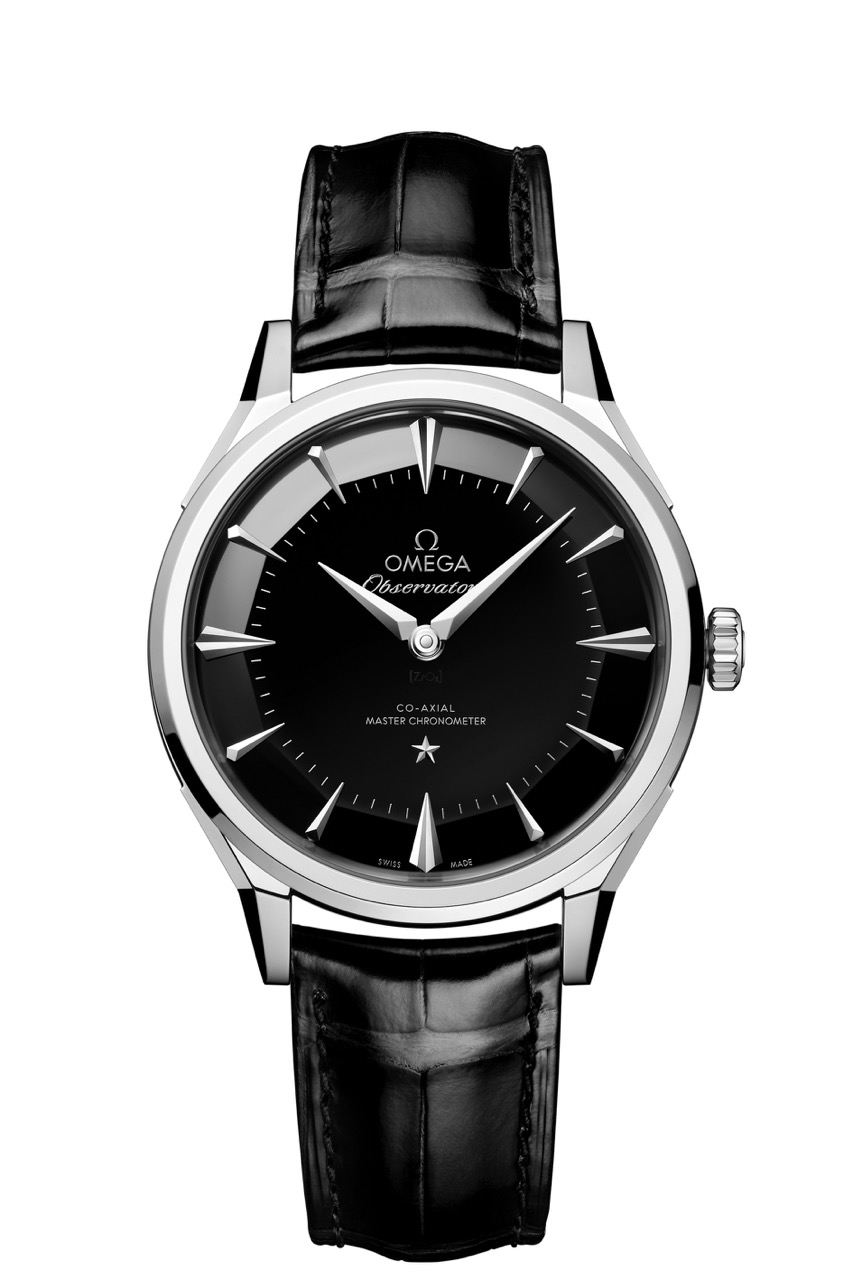
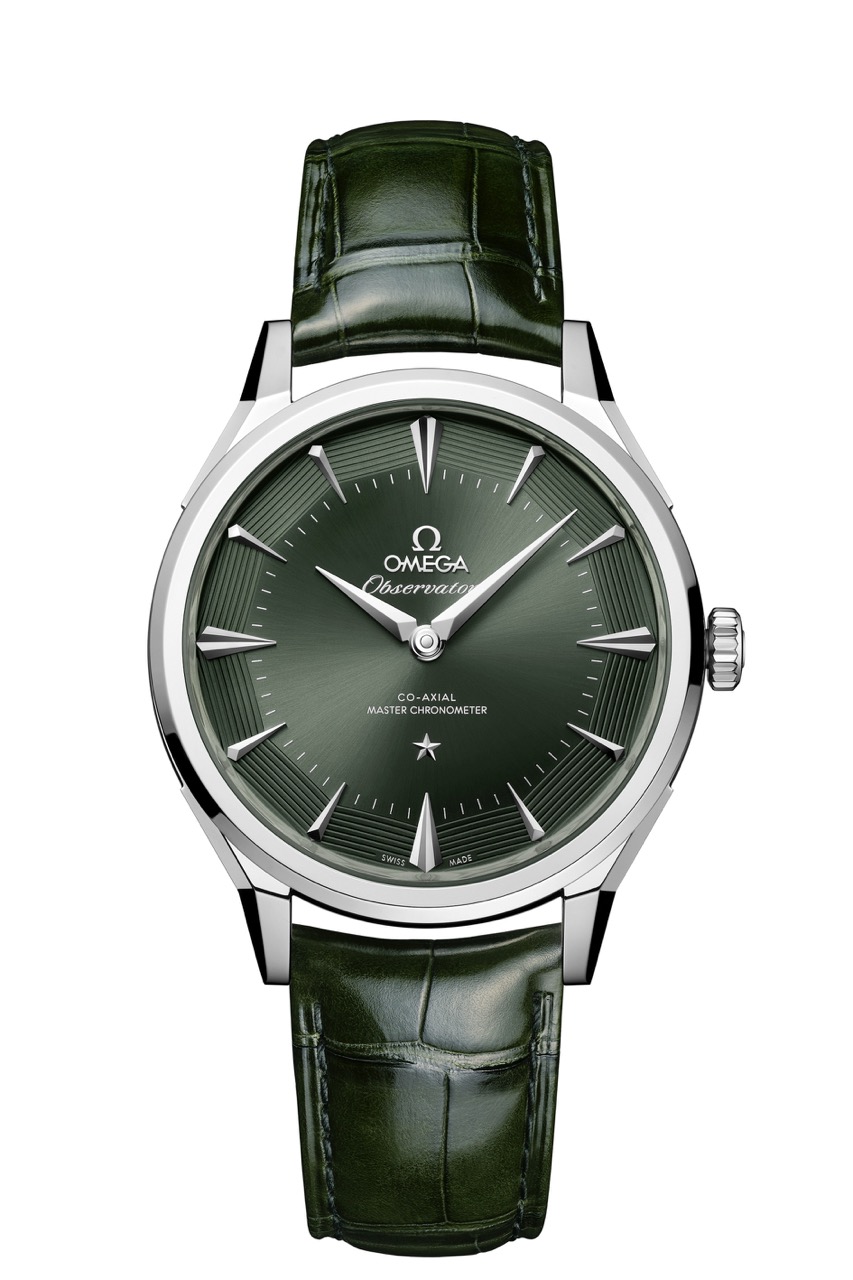
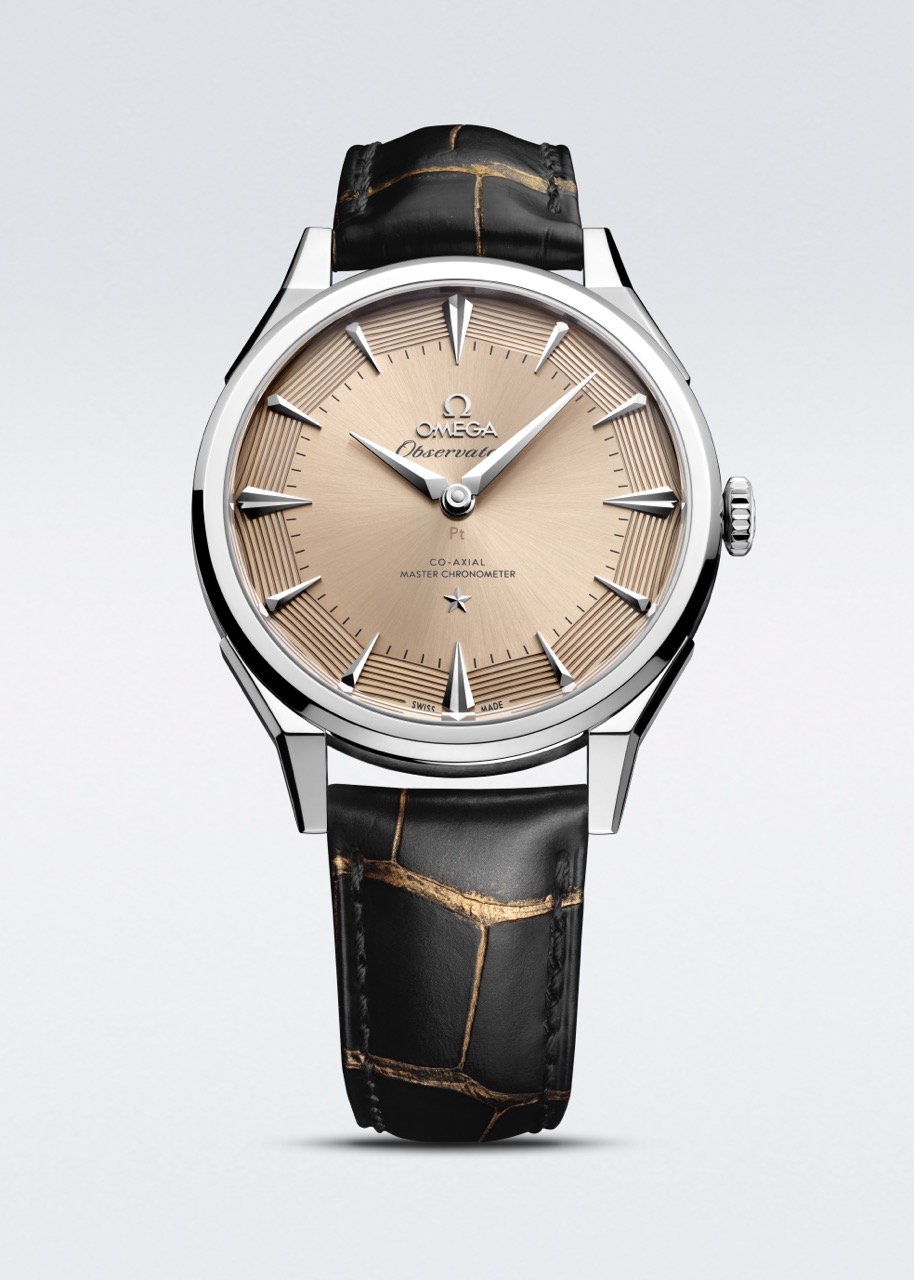
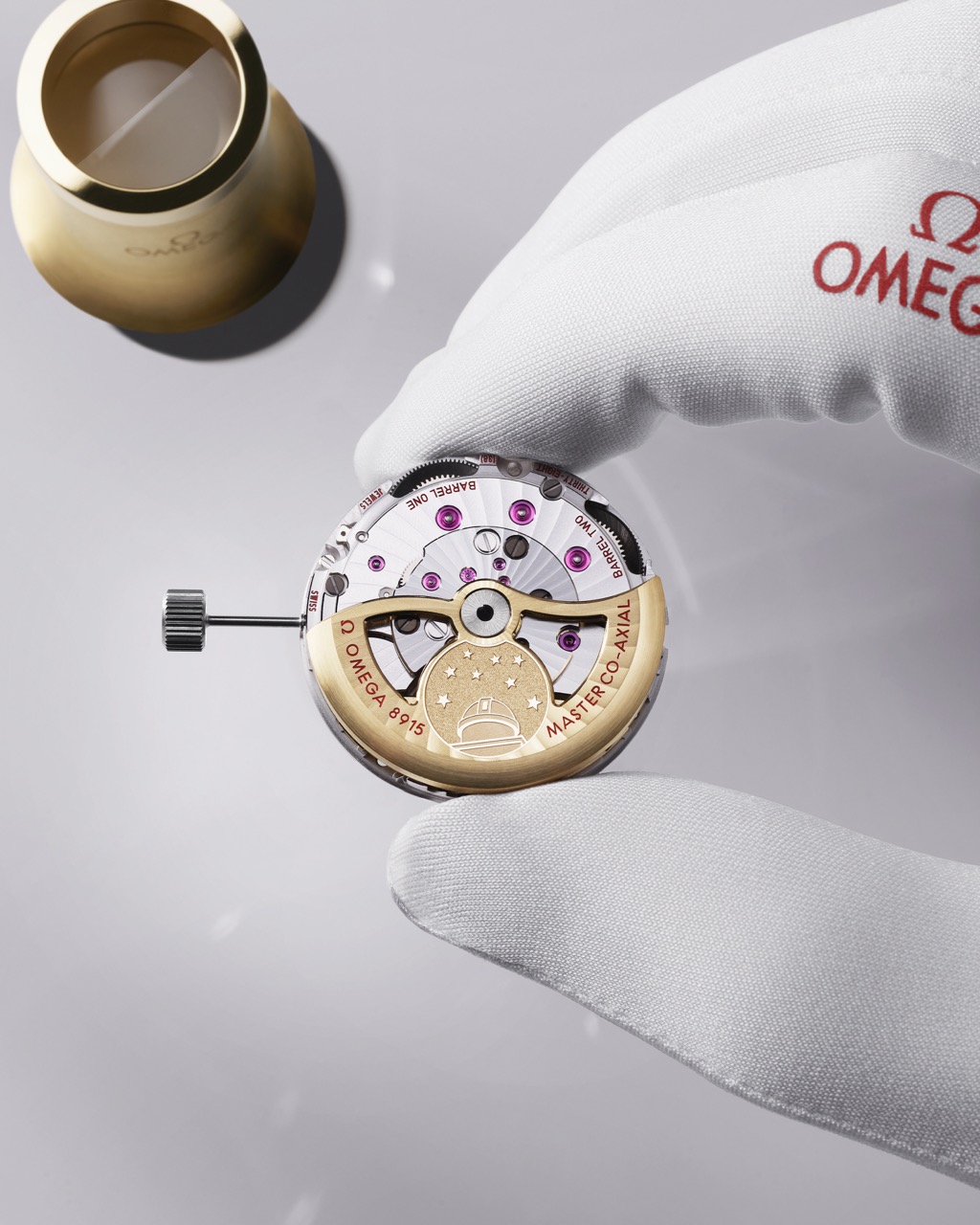
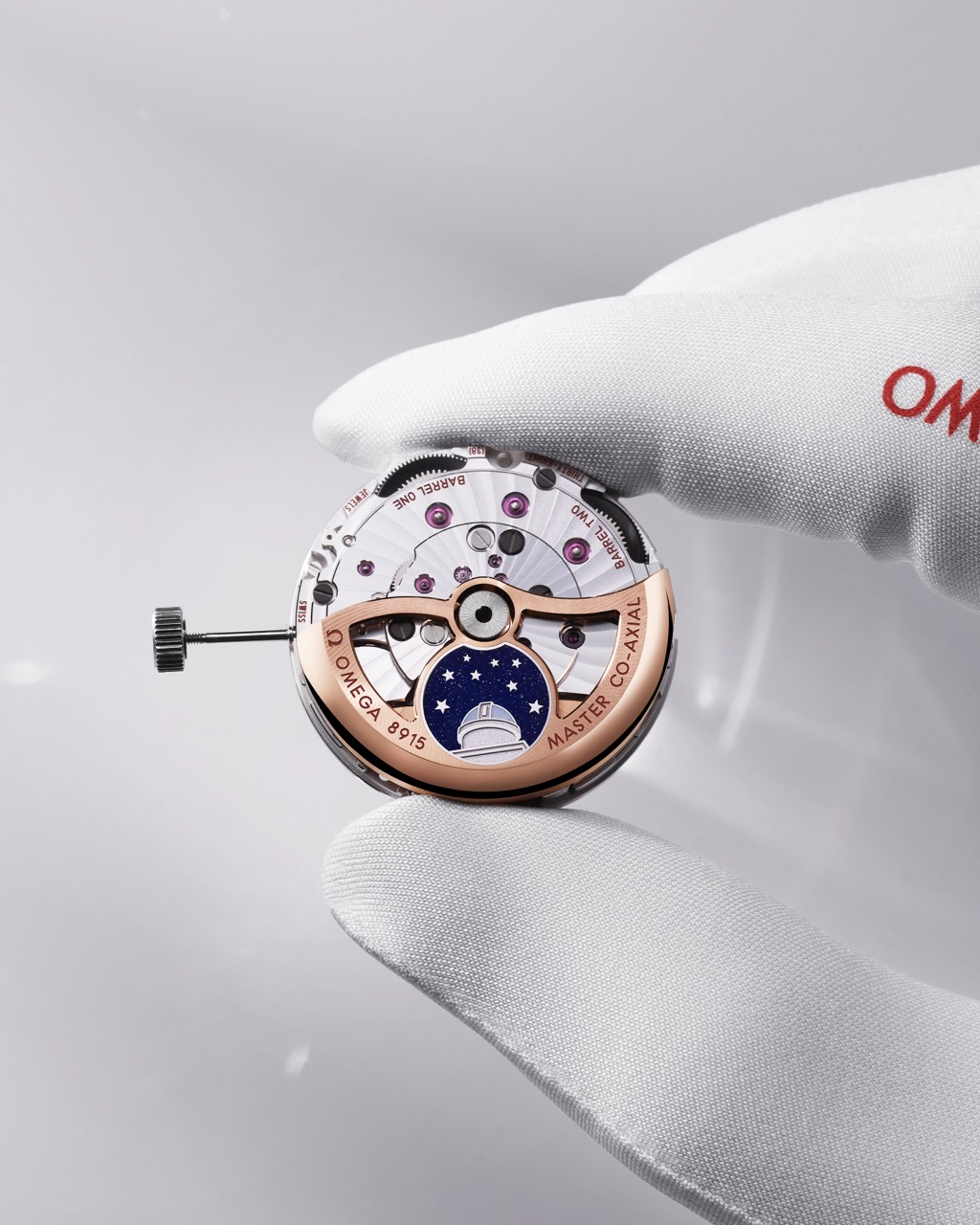
The narrative begins in 1948 with the Centenary and evolves into the Constellation in 1952, one of the brand’s most enduring expressions of “certified precision”. In its latest form, the visual codes that once defined mid-century elegance return with renewed clarity. The faceted pie-pan dial, the Constellation star at 6 o’clock, and the Observatory medallion set discreetly on the case-back all feel familiar, yet sharper and more intentional.
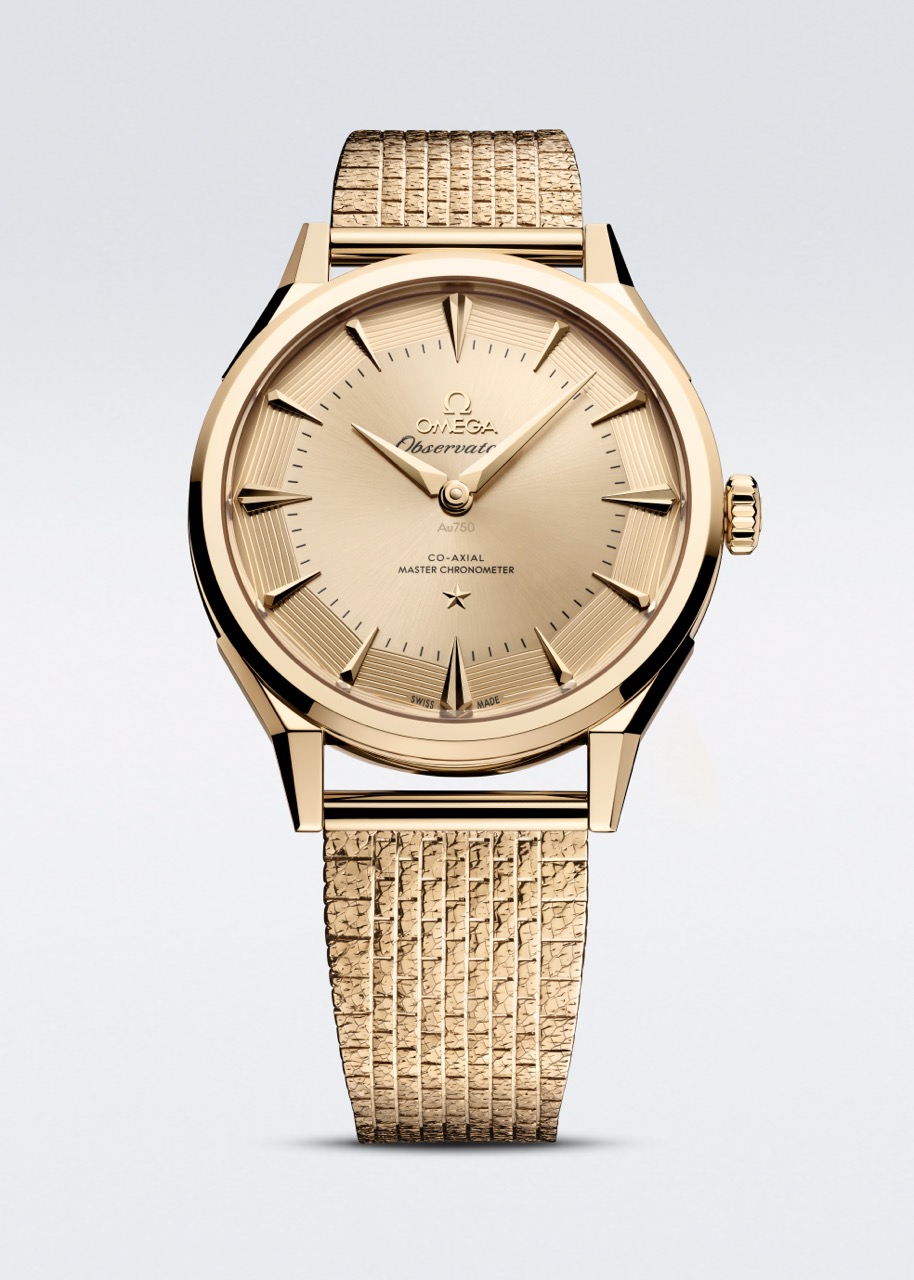
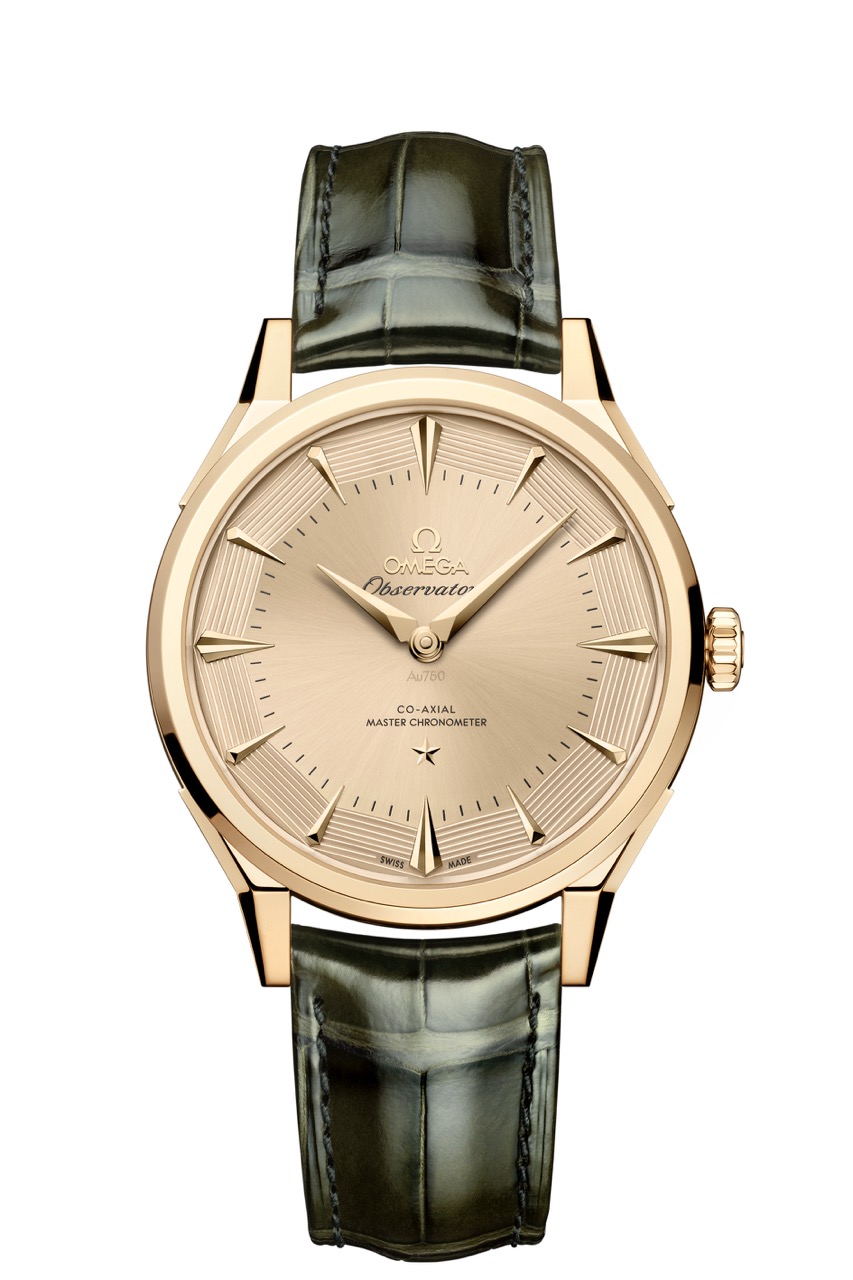
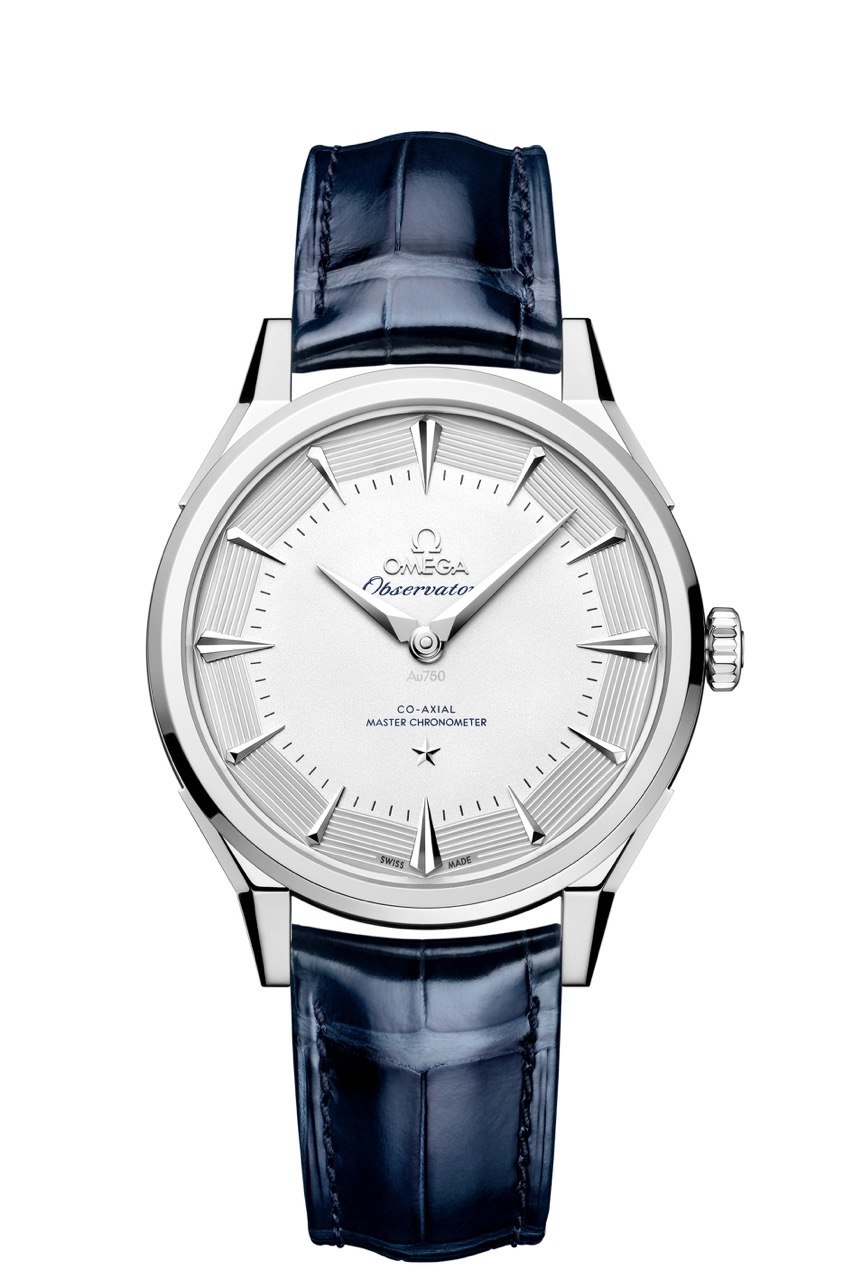
Proportioned at 39.4 mm, the case sits with assured ease on the wrist while balancing presence with restraint. The distinctive dog-leg lugs remain, anchoring the design in its heritage, while the dial unfolds in fine guilloché, catching light with controlled brilliance. Faceted kite-shaped indexes and hands introduce a graphic precision to the display. Materiality becomes part of the narrative, from the technical clarity of O-MEGASTEEL to the warmth of Moonshine™, Sedna™ and Canopus™ Gold. This extends to a platinum-gold edition that brings all proprietary alloys into a single, composed statement, while the brick-pattern mesh bracelet offers a subtle reference to the past with a softer, more fluid line.
Beneath this composed surface, a more profound shift takes place. The Constellation Observatory emerges as the first two-hand watch to achieve Master Chronometer certification, an idea that once seemed beyond the boundaries of possibility. Precision, traditionally measured through the sweep of a seconds hand, is here reconsidered entirely.