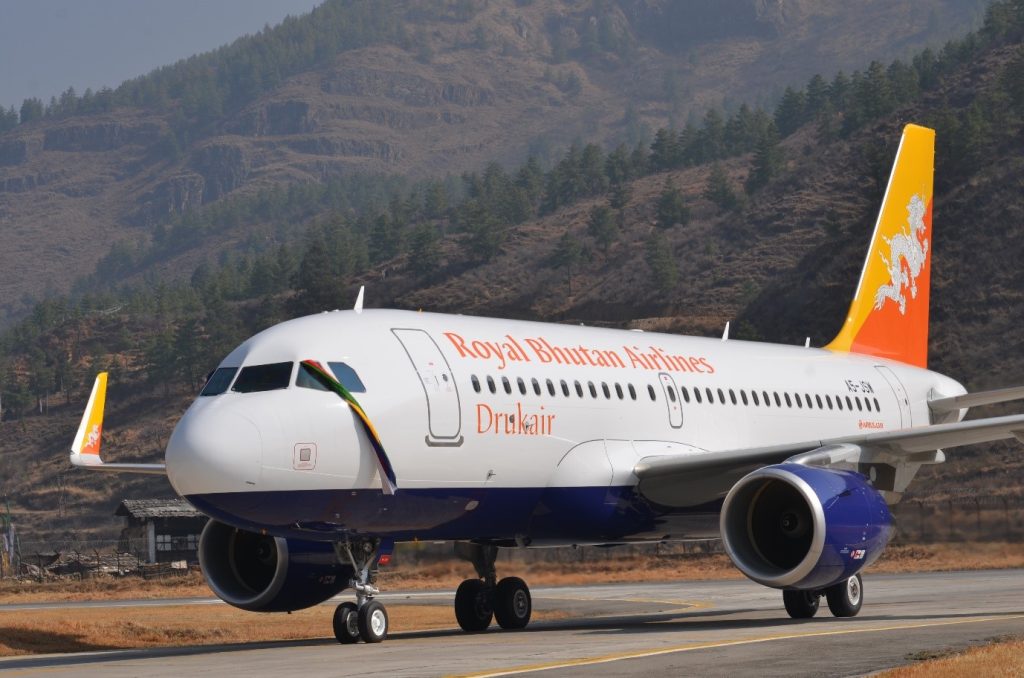

In today’s world, where air travel has largely become a simple act of moving between two coordinates on a map, Drukair – Royal Bhutan Airlines stands apart as one of the few carriers capable of transforming the hours spent in the sky into an integral part of the destination itself. More than a national airline, Drukair serves as a prelude to Bhutan, an elegant introduction to the kingdom before travellers set foot upon its soil.
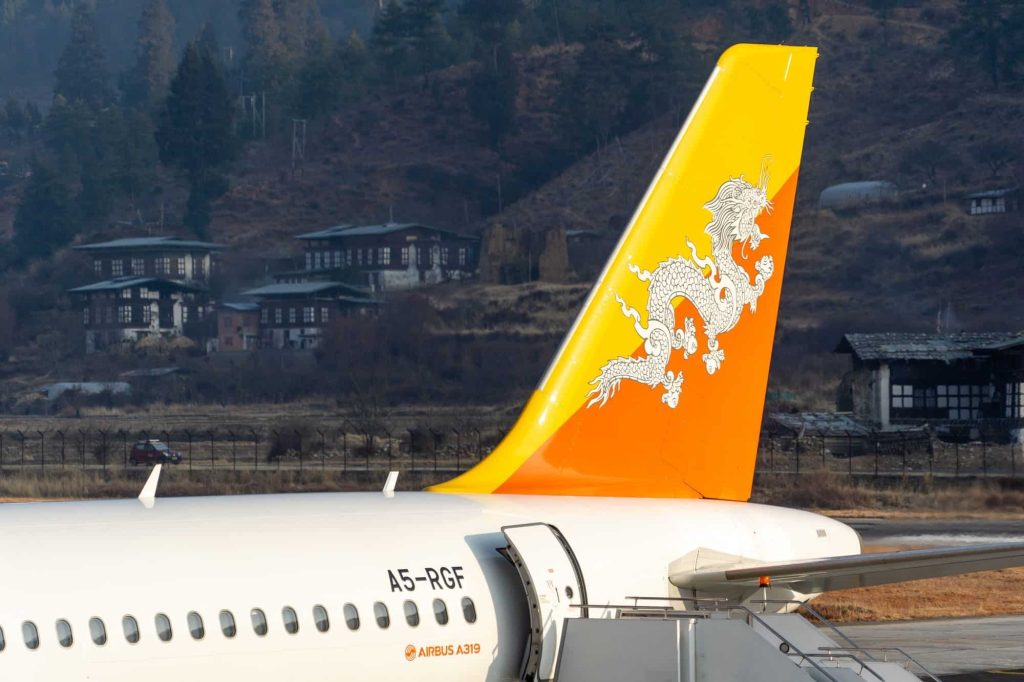
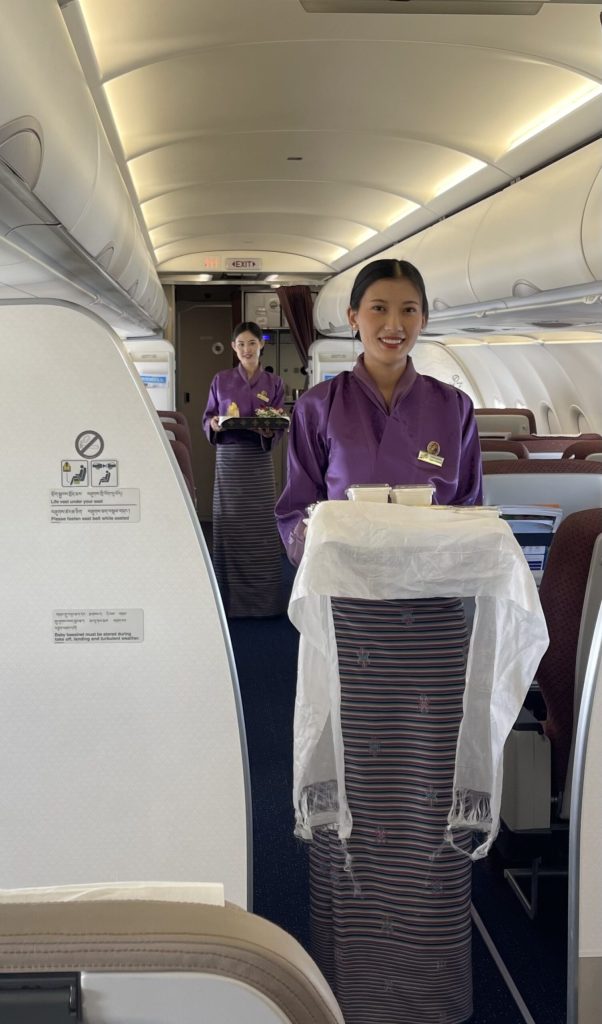
The name “Druk” is far from an arbitrary creation. It refers to the Thunder Dragon, the sacred symbol emblazoned upon Bhutan’s national flag and an enduring emblem of the country’s identity. To travel with Drukair, therefore, is to encounter the spirit of Bhutan long before arrival. From the airline’s understated yet sincere hospitality to the gentle cadence of a journey that seems to slow time ever so slightly, every detail invites passengers to settle into a quieter rhythm, one that encourages them to savour the passage rather than rush towards the destination.
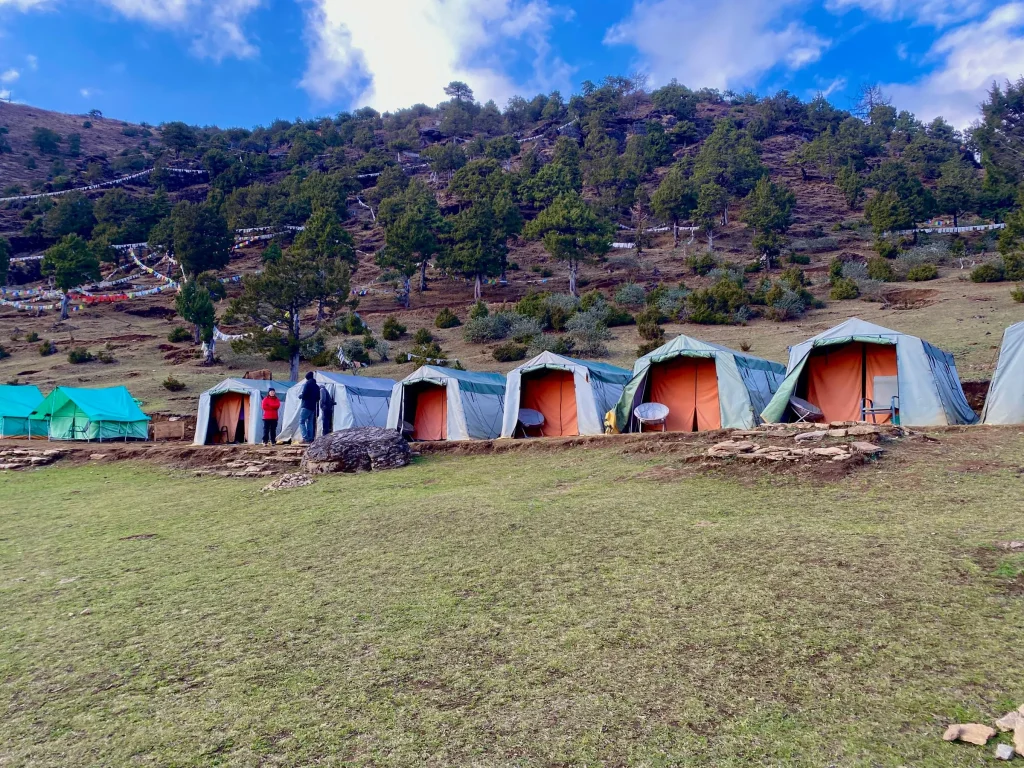
What makes the story of Drukair even more compelling is that the airline has evolved alongside Bhutan’s distinctive philosophy of tourism. In contrast to the mass-tourism models adopted by many destinations around the world, Bhutan has embraced the principle of High Value, Low Volume, preserving a delicate balance between nature, culture, and development. As a result, every journey into the verdant valleys of Paro retains a sense of rarity and significance, an experience increasingly difficult to find in the age of globalised travel.
Many of Drukair’s flights depart from dynamic Asian metropolises such as Bangkok and Singapore, cities where life moves with the relentless pulse of the modern world. Yet once the aircraft climbs above the clouds, the landscape below gradually transforms. The dense geometry of urban skylines yields to sweeping ridgelines and mountain ranges stretching towards the horizon like an immense painting rendered by nature itself. In that quiet moment above the clouds, travellers often sense that the journey is carrying them gently away from the familiar world they have just left behind.

The narrative reaches its most dramatic chapter in the final stage of the flight. As the aircraft descends through the Himalayas towards the valley of Paro International Airport, passengers find themselves approaching one of the most challenging airports in the world. Surrounded by towering mountains, the approach requires exceptional skill and precision from the pilots who are specially trained to navigate its narrow corridor of airspace.
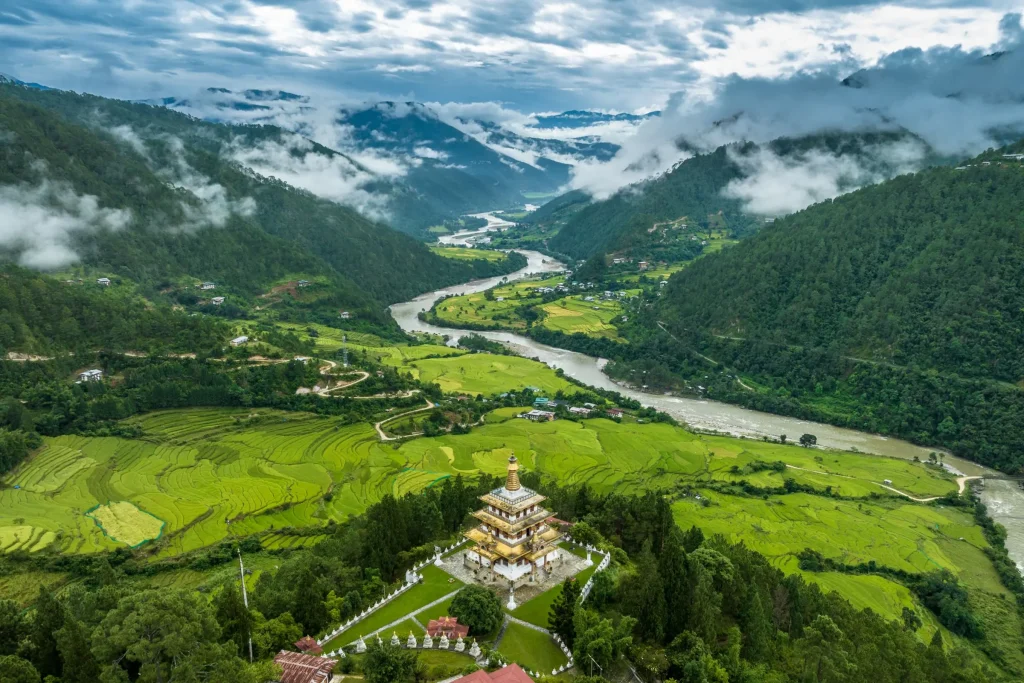
For those seated by the windows, however, the experience unfolds less as a moment of tension and more as an extraordinary spectacle. The aircraft glides through the valley, revealing traditional Bhutanese homes, ancient monasteries, and deep emerald forests appearing beneath the wings. It is as though the entire country is slowly drawing back a curtain to welcome its visitors. This is precisely what makes Drukair remarkable. The airline does not simply transport passengers to Bhutan; it forms part of the experience of arriving.
For the modern traveller seeking meaning beyond the mechanics of movement, Drukair represents far more than the flag carrier of a small Himalayan kingdom. It is a bridge between two worlds, between the restless tempo of global cities and a land where tranquillity, nature, and a more contemplative way of life continue to shape the rhythm of everyday existence.