

In the landscape of science fiction cinema and television, few works have generated a cultural and intellectual resonance quite as profound as Dune, the seminal novel by Frank Herbert. More than simply establishing a vast desert-bound universe, it has shaped the very framework through which later creators approach storytelling, interweaving politics, religion, ecology, and the fate of humanity with remarkable nuance. As anticipation begins to build around Dune: Part Three, #Legend_th invites readers to explore a selection of films and series that have drawn from this rich DNA, reinterpreting its ideas into new and compelling forms.
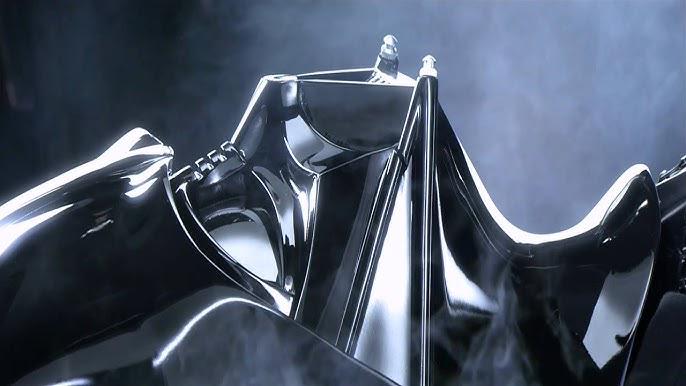
Star Wars
One of the most frequently cited examples is Star Wars, created by George Lucas, a cultural phenomenon that has long been compared to Dune. At the heart of both narratives lies the positioning of a hero within an overwhelming structure of power. Luke Skywalker begins as an ordinary young man, yet his journey is propelled by destiny and forces far beyond his control, echoing the arc of Paul Atreides. However, where Star Wars embraces the romanticism of a saviour figure, Dune interrogates it, suggesting that such figures may be as dangerous as they are necessary.
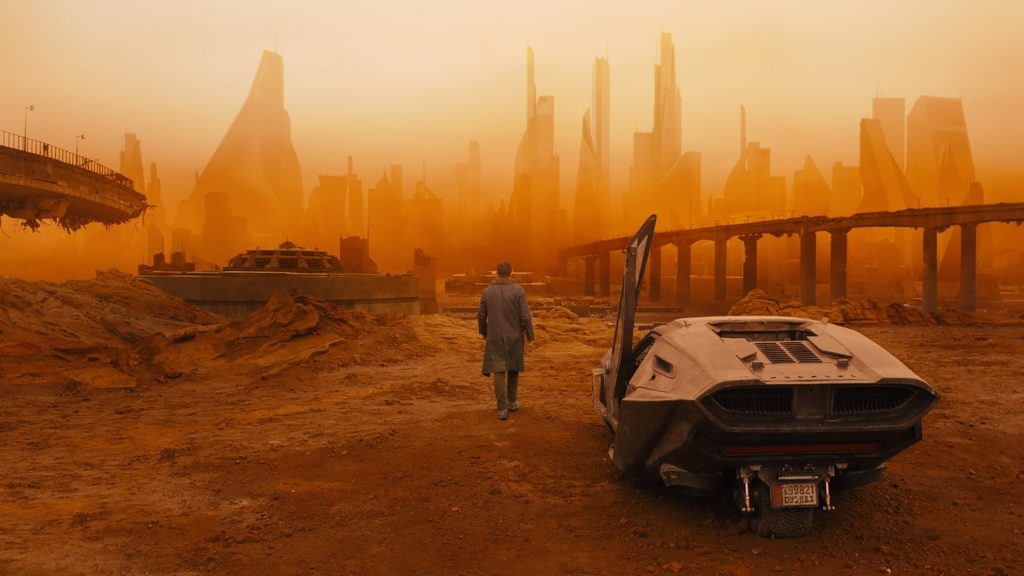
Blade Runner
In a different register, Blade Runner, directed by Ridley Scott and adapted from the work of Philip K. Dick, reflects Dune’s influence through tone and philosophical depth rather than narrative structure. Its sombre atmosphere and existential inquiry into what it means to be human align with the introspective dimension of Dune. Here, science fiction is not merely a projection of the future, but a lens through which the inner workings of human identity are examined with unsettling clarity.
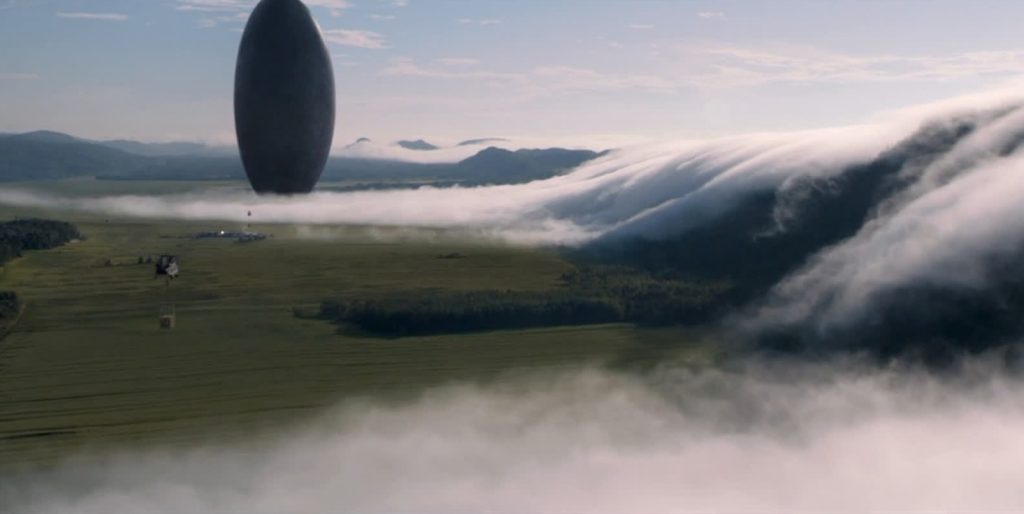
Arrival
In Arrival, directed by Denis Villeneuve, the connection to Dune emerges through the architecture of perception itself. Language is elevated beyond communication, becoming a tool that reshapes cognition. As Louise Banks learns the alien language, her experience of time shifts into a non-linear form, resonating with the concept of prescience embodied by Paul Atreides. In both works, the ability to perceive the future is not framed as a gift alone, but as a profound psychological and moral burden, one that complicates the very notion of choice.
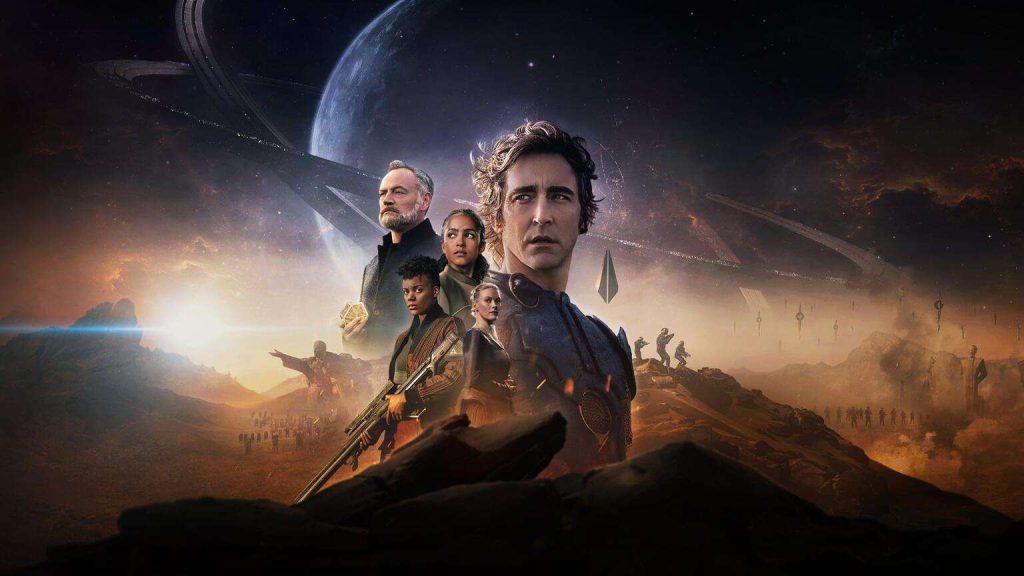
Foundation
Adapted from the work of Isaac Asimov, Foundation reflects Dune’s influence through its portrayal of a vast empire on the brink of collapse. The Galactic Empire appears monolithic, yet beneath its surface lies deep structural fragility, mirroring the delicate balance of power within Dune, sustained by competing houses, belief systems, and control over resources. Where Dune questions the danger of entrusting the future to a single prophetic figure, Foundation extends this concern to systems themselves, exploring the risks of attempting to mathematically predict and control the destiny of entire civilisations.
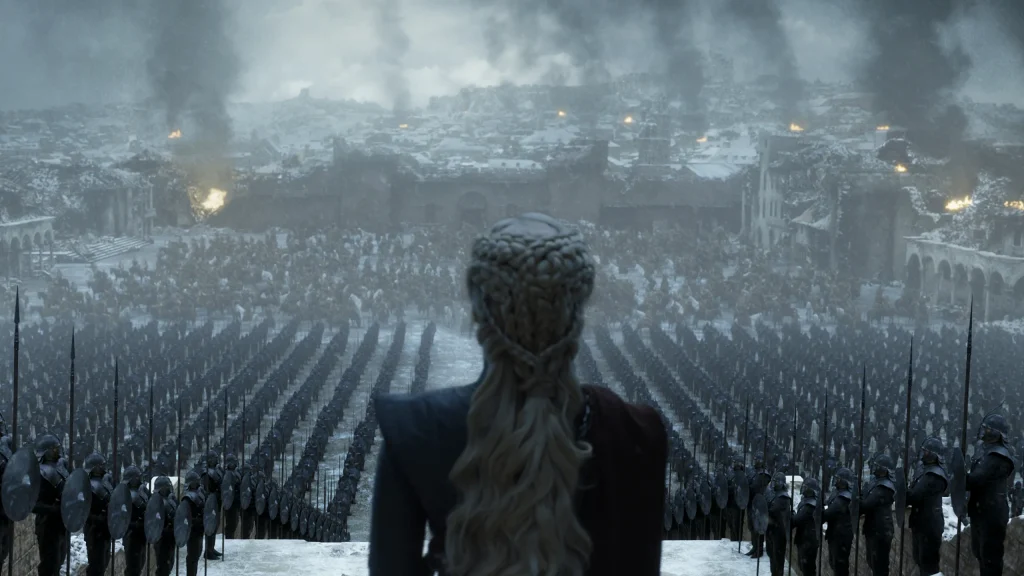
Game of Thrones
Though firmly rooted in fantasy, Game of Thrones reveals a structural kinship with Dune when examined beyond its surface aesthetics. Power operates through dynastic politics, where alliances, marriages, and betrayals shape the fate of kingdoms, much like the rivalries between noble houses in Dune. Resources, too, function as the true currency of power: gold, food supplies, and dragons play roles not unlike “spice”, determining control and influence across Westeros.
Religion further complicates this landscape, as belief systems such as the Lord of Light or the Faith of the Seven act both as instruments of devotion and mechanisms of control. Crucially, both narratives dismantle the notion of the traditional hero; figures like Paul Atreides, and the players within Westeros alike, are defined by moral ambiguity, navigating a world where survival often outweighs virtue.
Ultimately, what binds these works to Dune is not merely shared imagery or narrative elements, but a common intellectual foundation. Herbert’s legacy lies in reframing science fiction as a space for critical inquiry, where power, faith, and resources are inextricably linked, and where the future of humanity is shaped not by destiny alone, but by the choices we make in the present.