

Once a shining highlight of the calendar, the glitz and glamour is fading away. But why?
Each of the big four fashion weeks has its own identity, so to speak. Aside from the obvious of designer nationalities, it was common to be able to recognise a kindred connection between a designer and their city of choice. Paris was for the artsy elite, Milan for the heritage craftsmen, London for the rebellious upstarts and New York City of modern, independent perspectives.
Of course, it’s disingenuous to say that these are somehow rules set-in-stone. Exceptions exist everywhere, but somehow, brands always appeared to fall into the archetype of their presentation location. Nevertheless, New York Fashion Week has lost a lot of what made it special. Even American-born labels are neglecting the Big Apple: The Row, Tom Ford and Off-White opting for Europe are prime examples. Others like Thom Browne and Alexander Wang ignore the calendar entirely, going on their own schedule.
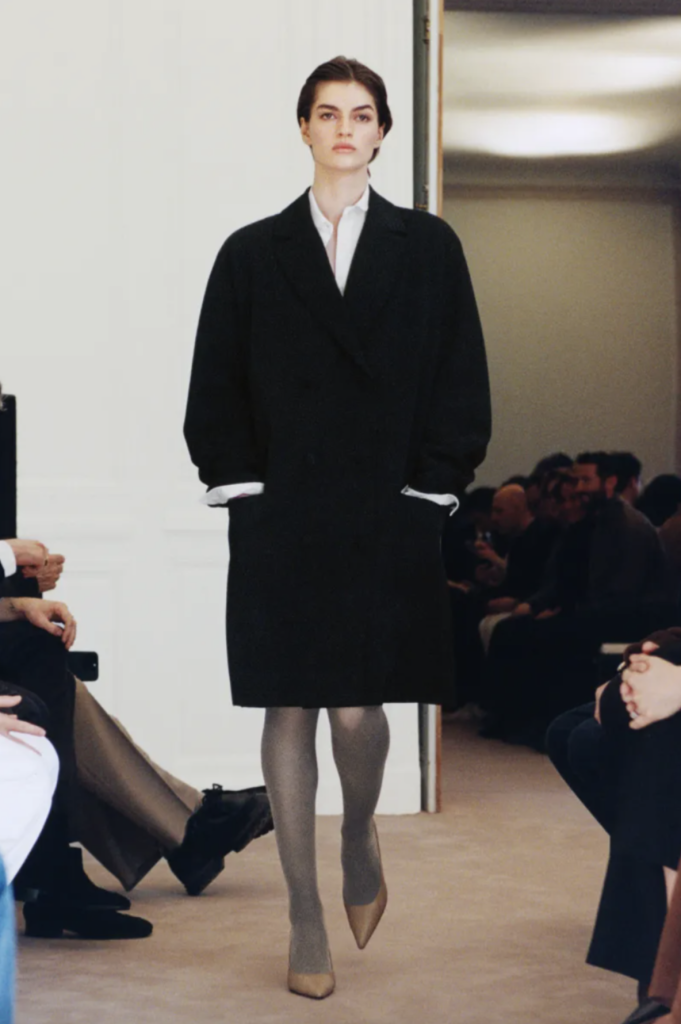
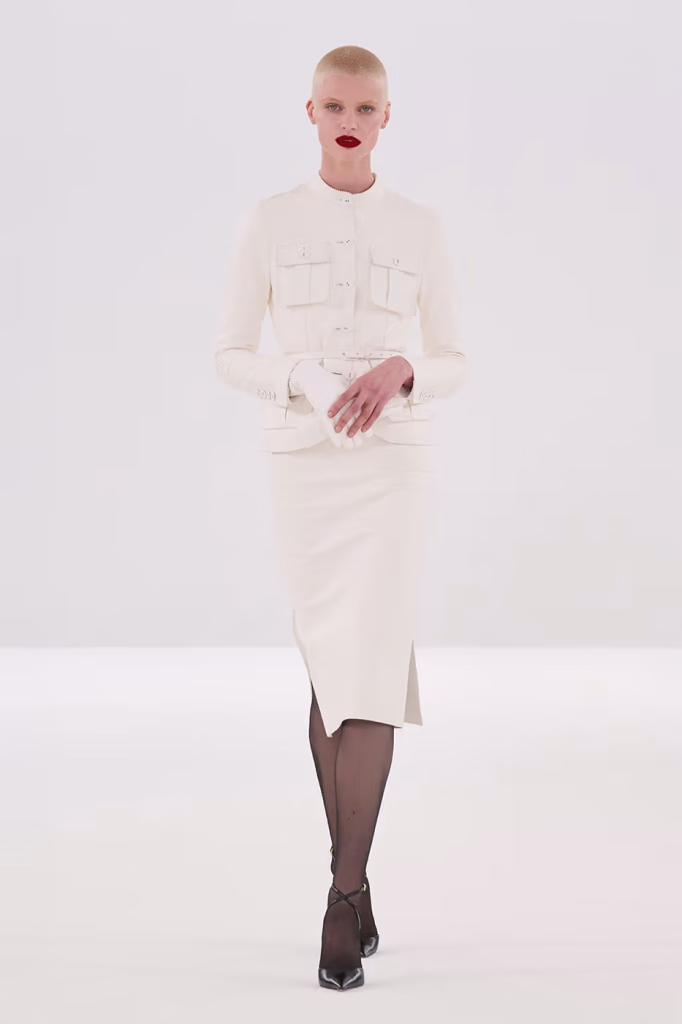
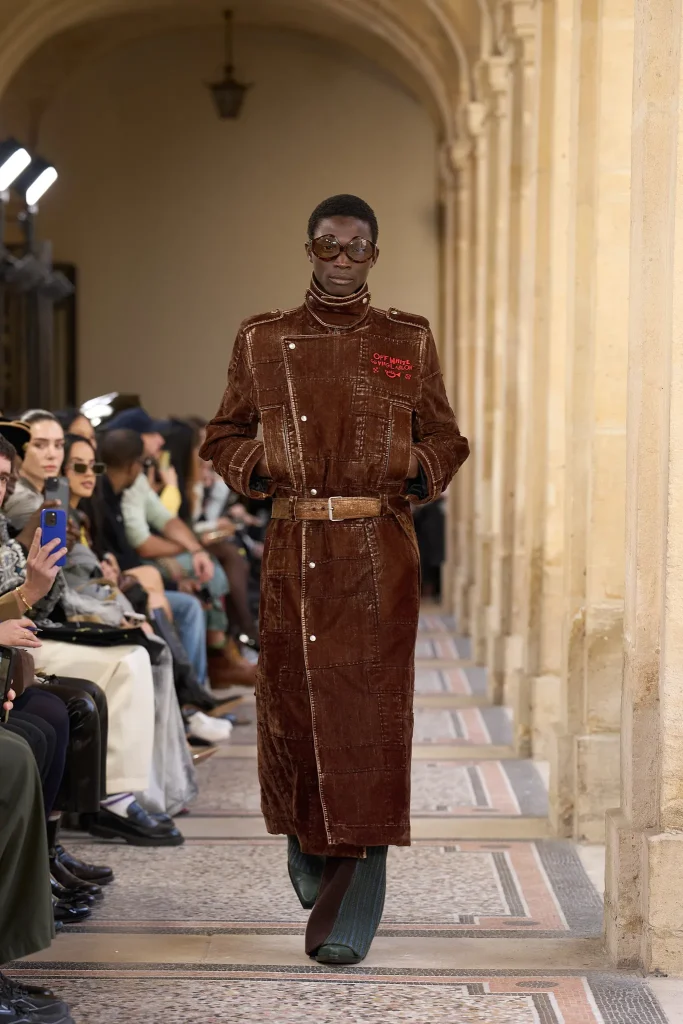
This isn’t to say that it’s completely lost any appeal. Prabal Gurung, Carolina Herrera and Proenza Schouler still put on showstoppers, but it’s undeniable that the event has lost a lot of its prestige. But why is this the case?
First, America is independent, meaning that the two sides of the Atlantic Ocean are almost entirely different universes. Stateside designers have never really been able to take a foothold in European culture the same way French and Italian designers have been able to position themselves in the USA.
Michael Kors, Donna Karan, Ralph Lauren – the strength of these names is a phenomenon contained to their home country. Having never taken off in the larger global market as distinctly high fashion entities, it’s only natural that they don’t receive as much press or attention nowadays.
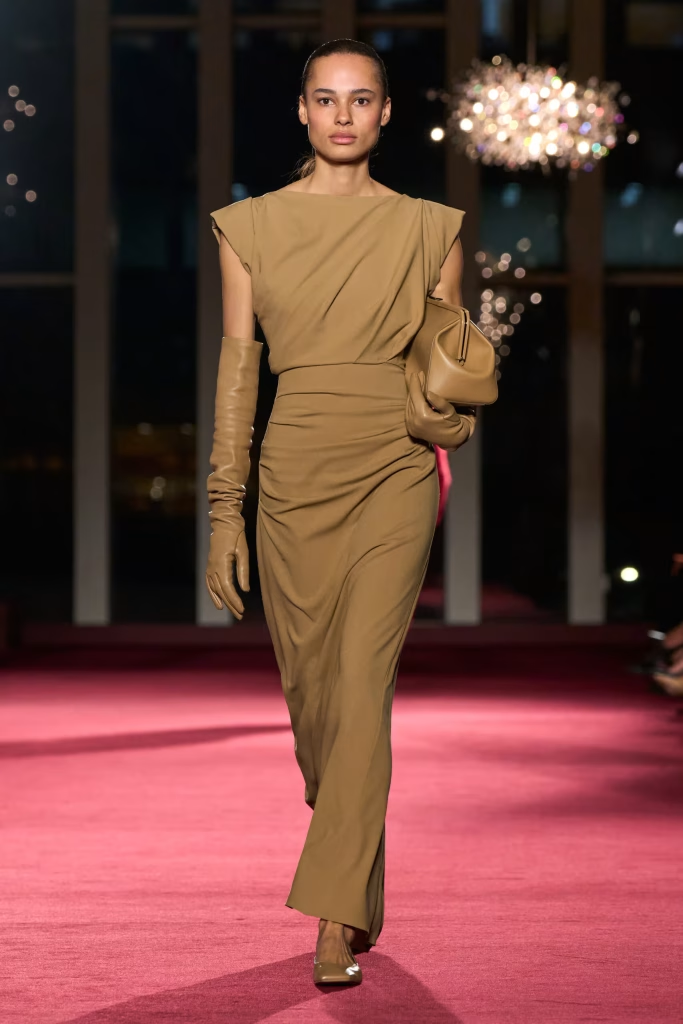
This doesn’t mean that American creativity is somehow inferior. There has always been a narrative that fashion-wise, Americans can’t compete with the Europeans. Obviously this is a completely subjective opinion, and if anything untrue – European and Asian designers often cite movements originating in the states as a major influence in their work.
The US is still the aesthetic mecca of the West. Their artistic output has been the biggest defining factor in worldwide trends for over fifty years now, but these aren’t really represented on the runway.
Given the fraught nature of the nation’s current political state, both media and celebrity coverage alike offered disturbingly little commentary on Fall/Winter 2026. If fashion is the metabolite of culture, labels are not accurately representing such in their shows. Many shows don’t have the experimentation, narrative and most importantly, authenticity, that is required for something truly eye-catching. When a foreign designer showing in a different country can offer a more interesting and innovative approach to your own culture than you can – what exactly does that say about the quality of New York Fashion Week?
See also: Womenswear spring/summer 2026 runway report (part 2 of 2)