
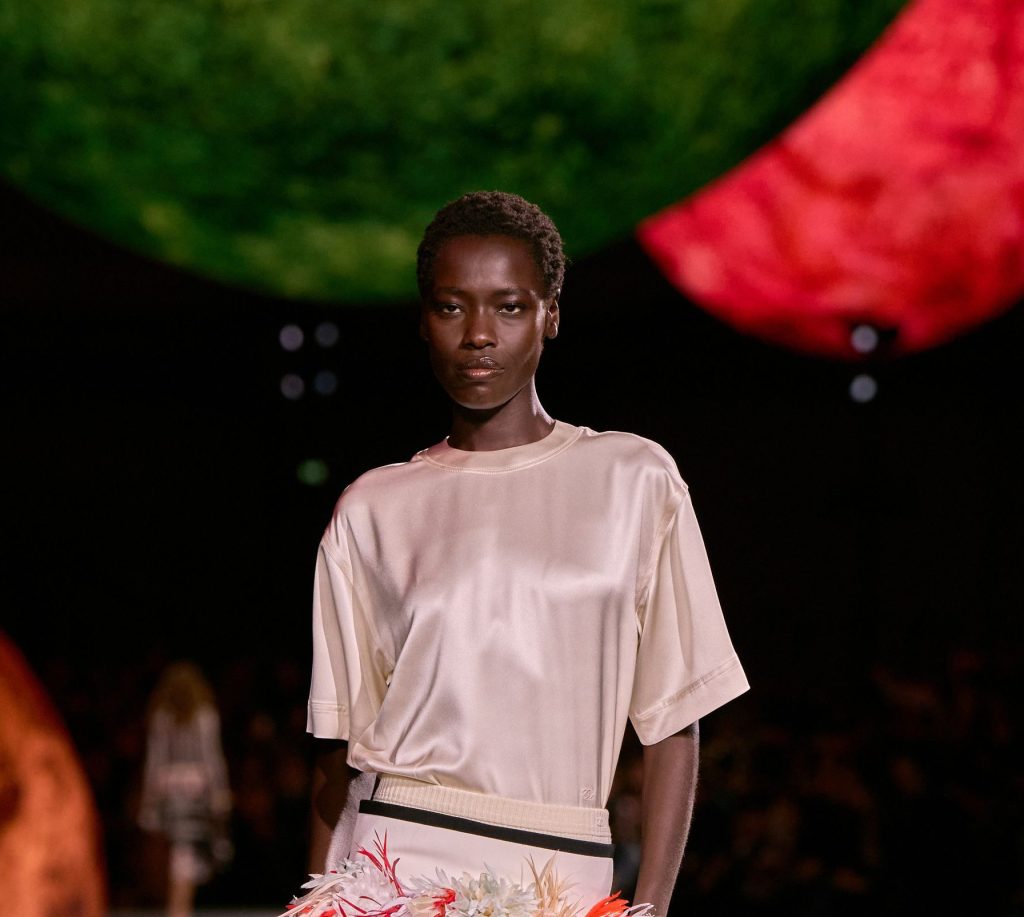

As the world’s leading fashion houses look to build on their founders’ famed legacies, a host of newly installed design leaders face a delicate balancing act. Melissa Twigg looks at what it all means for the past, present and future of the luxury market
Becoming the creative director of a major luxury brand is like inheriting a dukedom or taking over the family company. Your success, in the end, will be measured by how long the ship you are entrusted with steering stays afloat – and how well your name fits into its overall legacy.
Similarly, when a fashion house still holds the name of its founder, the challenge for any successor is not merely designing popular, culturally relevant clothes; it’s finding an overall aesthetic that nods to a deeply personal vision. The result is often a balancing act between the founder’s unique output and a fresh offering that appeals to a young crowd keen to break sartorial barriers.
Fashion, like so much else this decade, has been in major flux. As the industry responds to a toxic combination of economic anxieties in Europe and consumer fatigue across the globe, the latest collections have had to work hard to appeal to a broad range of customers. The result – from Paris to Milan – is a reckoning with what legacy means in the luxury marketplace right now.
This is particularly true at storied houses like Dior, Valentino, Loewe and Chanel – brands that have been given an almost mythic status. Dior’s “New Look”, Chanel’s little black dress, Valentino’s red-carpet romanticism and Loewe’s leather artistry have all shaped the way we dress in the long term. And now, new creative directors at the helm need to decide whether to focus on this heritage or on reinvention.
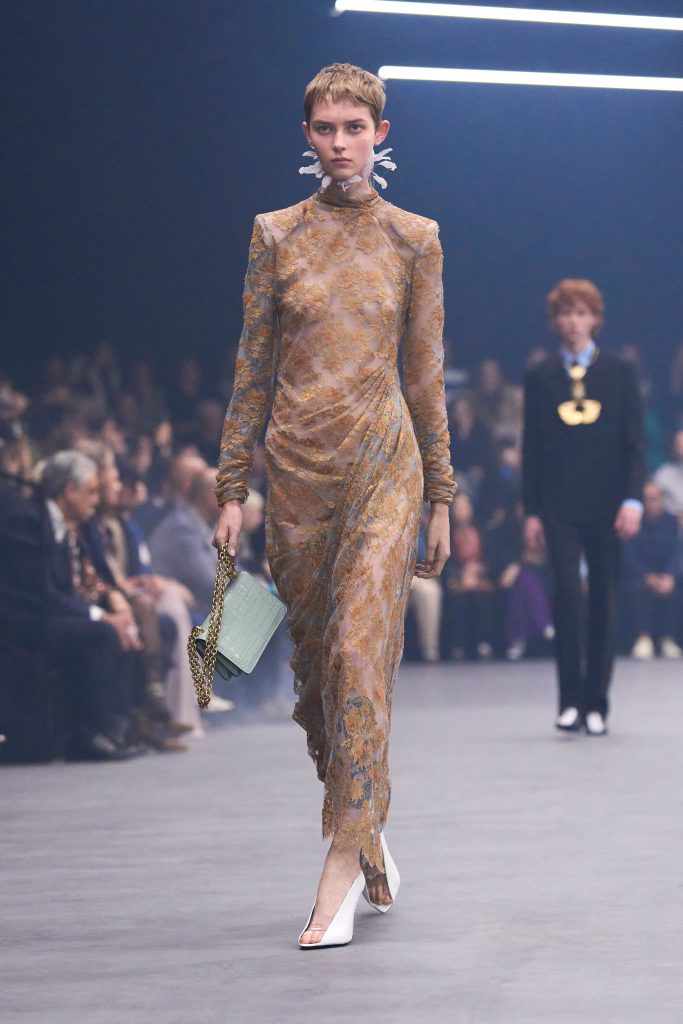
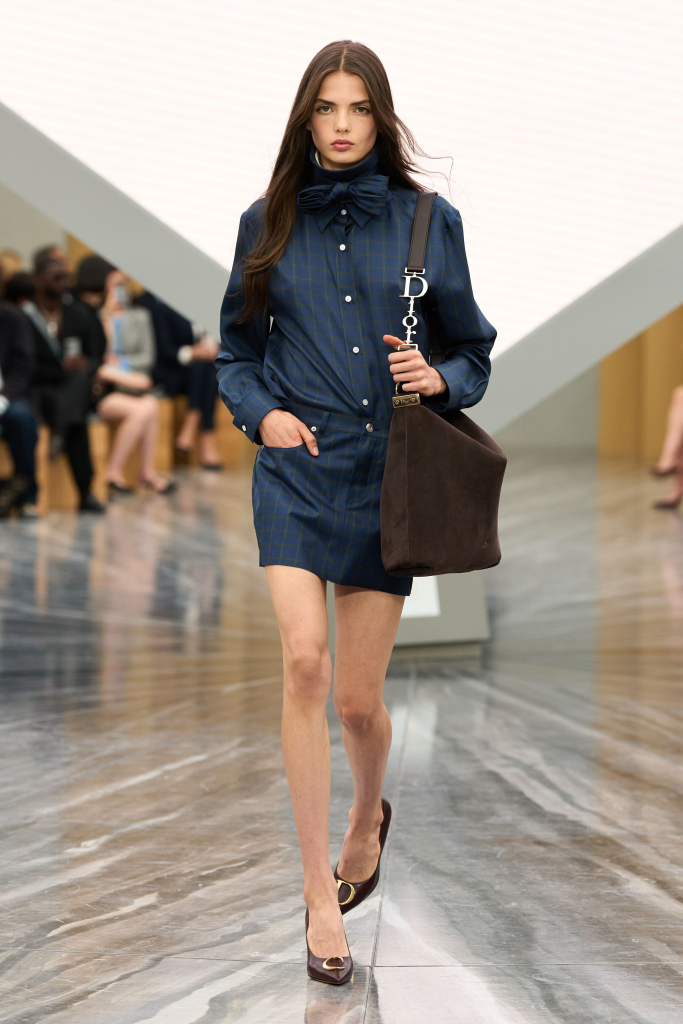
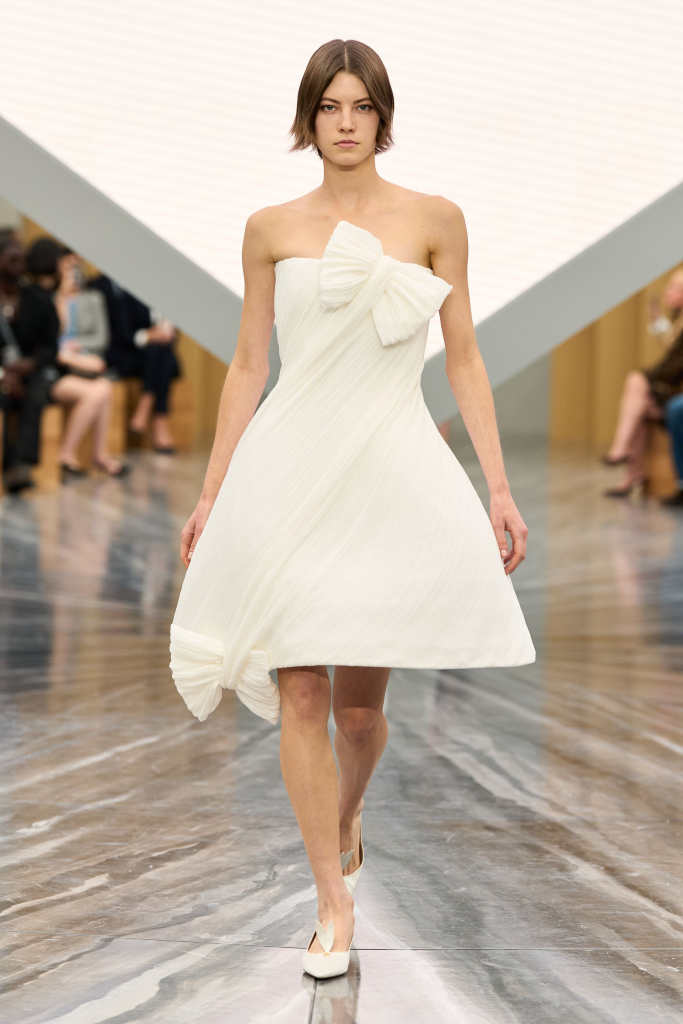
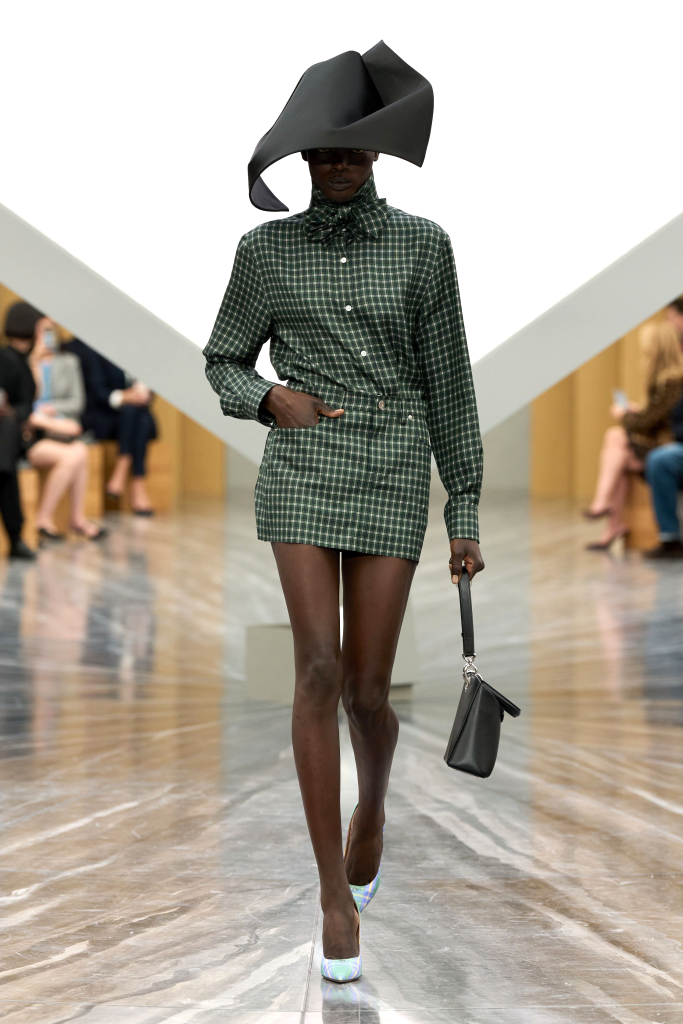
Millennial wonderkid Jonathan Anderson – a man with the Midas touch – has, for most of his career, opted for the latter. His takeover at Dior was the major shakeup of 2025 and has been described as the most ambitious creative appointment since the brand’s founding. After nearly a decade under Maria Grazia Chiuri, whose tenure saw Dior’s revenues and cultural visibility soar, Anderson’s debut carried a huge amount of expectation – expectation that the Northern Irish designer mostly lived up to.
His approach was largely tied to the brand’s legacy. Drawing from Dior’s archives, he invoked its history of soft, feminine tailoring, giving it a casualness that felt fresh, thereby allowing a new kind of everyday Dior to emerge – one that was less in thrall to hyper-polished glamour than it had once been.
On the catwalk, this translated into silhouettes that felt more modern than many of Dior’s former offerings, with a gentle colour palette and clothes that were unusually wearable for a designer offering (and particularly one created by a man). On this last point, critics were divided – many loved the realism but some felt it had tipped too far towards a generic cool-kid, big-city look; one that was out of step with a major couture house.
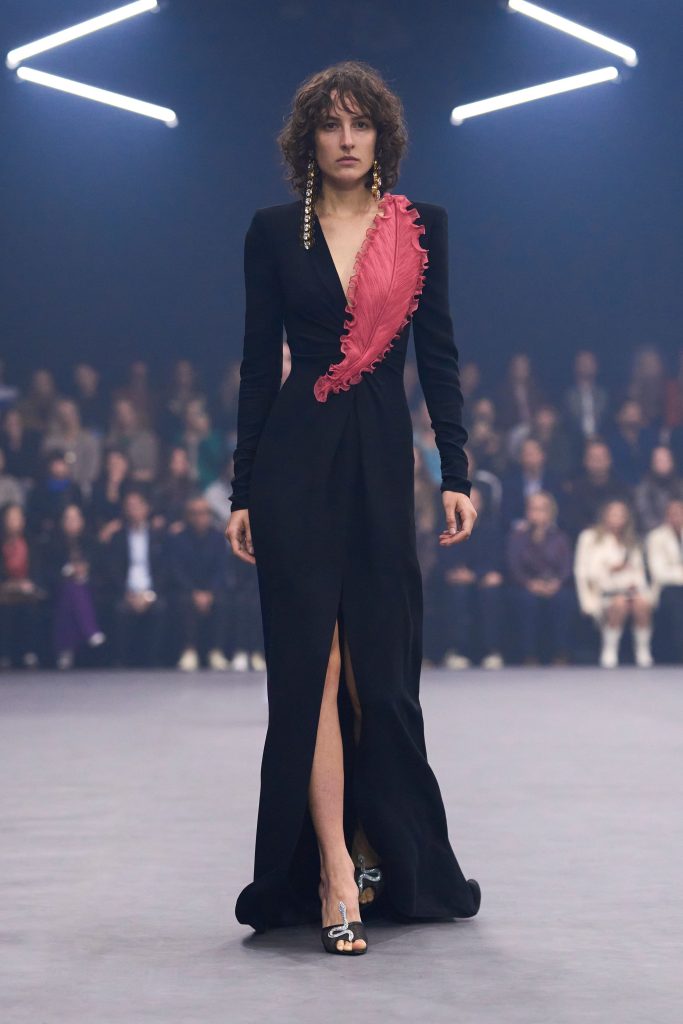
And yet, even that tension felt very contemporary. Viewed from 2026, Dior’s legacy feels structured and old-fashioned, but at the time it was revolutionary. Anderson has shown that today restraint can often feel more dramatic than excess. If this new look resonates with younger luxury consumers, Dior’s legacy will perhaps shift from being defined by its most dramatic silhouettes to being understood as a house of lived-in luxury.
Similarly, Valentino, under Alessandro Michele, continues to chart its course through a long history of romanticism, one that Michele himself has often nodded to in his work at other fashion houses.
Unlike Dior, Valentino’s latest collection felt like a celebration of sensorial overload. Petticoats, embroidery and signature red were all deployed and the result was hugely feminine, notably bold and, at times, almost emotional. What kept it feeling modern was Michele’s determination not to let his love of romanticism turn to cliché, a choice some (but certainly not all) critics called self-reverential.
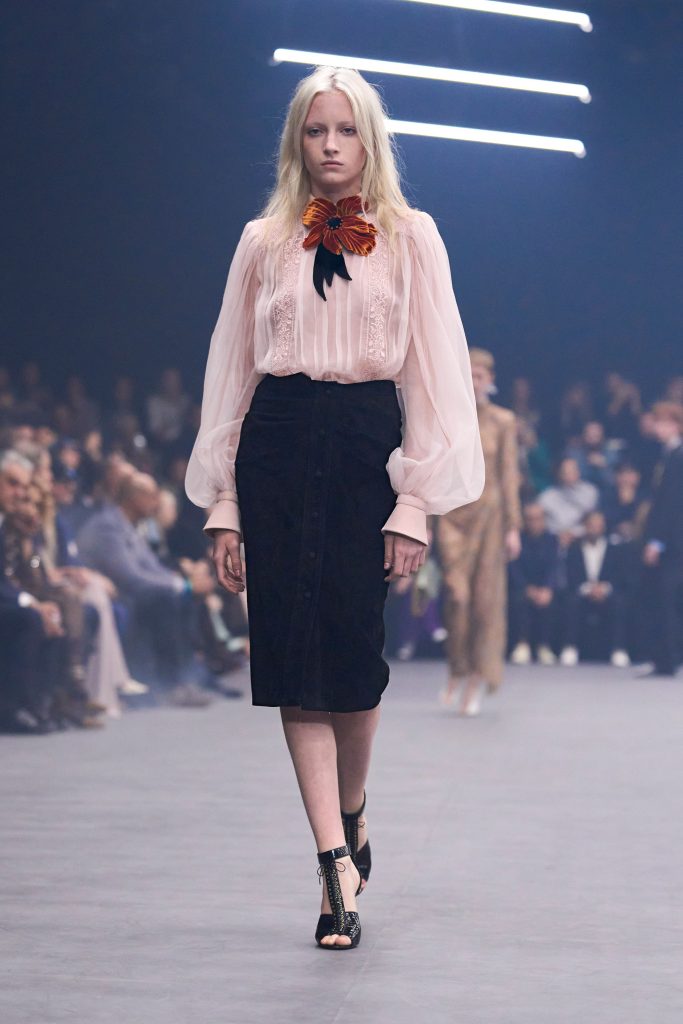
Either way, Michele’s work suggests that some legacies survive not through reinvention but through a different interpretation of what came before. Valentino’s brand narrative has always been about sentiment and even in this era of TikTok fashion critics and quarterly sales, it continues to offer something that stands in contrast to the commodified cool of so many brand offerings.
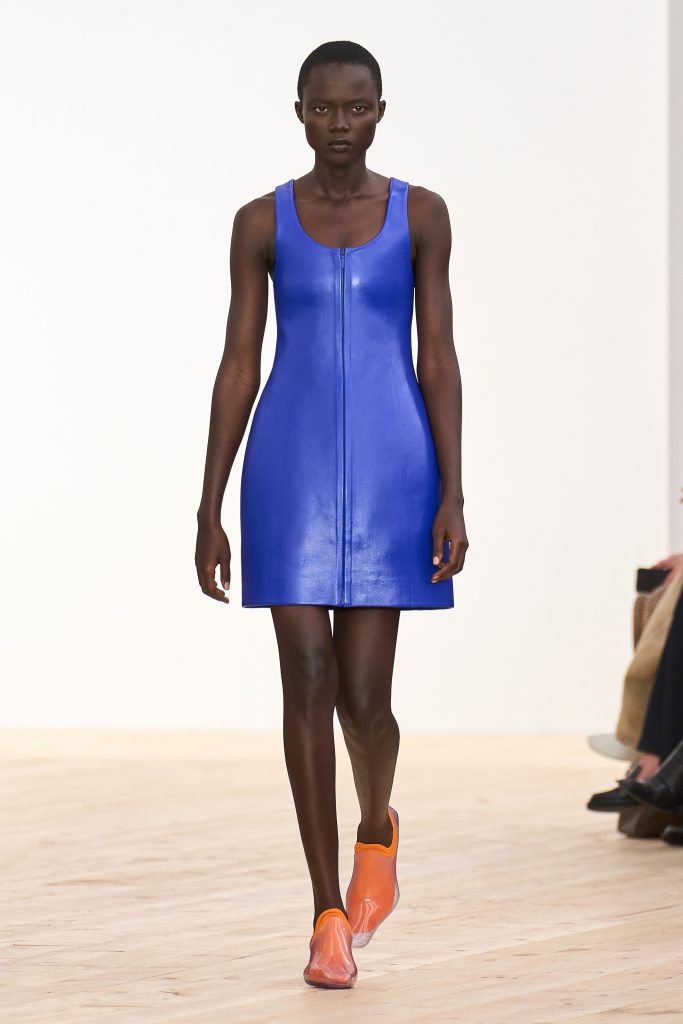
If Valentino’s notes were wistful, Loewe’s were exuberant. Once led by the aforementioned Anderson, the Spanish house is now helmed by Jack McCollough and Lazaro Hernandez – designers whose background
lies with US brand Proenza Schouler.
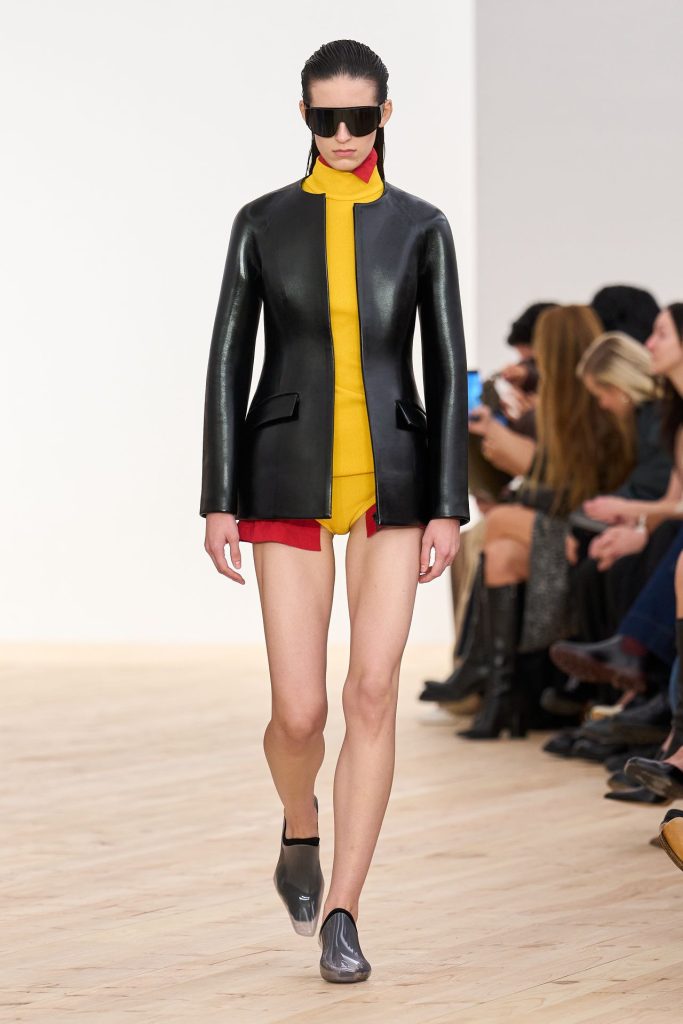
The duo did the unexpected: they took an old-school Spanish label that shows in Paris and had previously been run by a Brit and made it exuberantly American. Their Loewe felt, quite simply, alive (bright swathes of primary colour and leather felt bold, joyful and energetic) and was reminiscent of the glossy glamour of New York street style. There was an unselfconsciousness to the pieces – double-visor caps, sculpted tank dresses and feather-light leather iterations – that felt young and carefree.
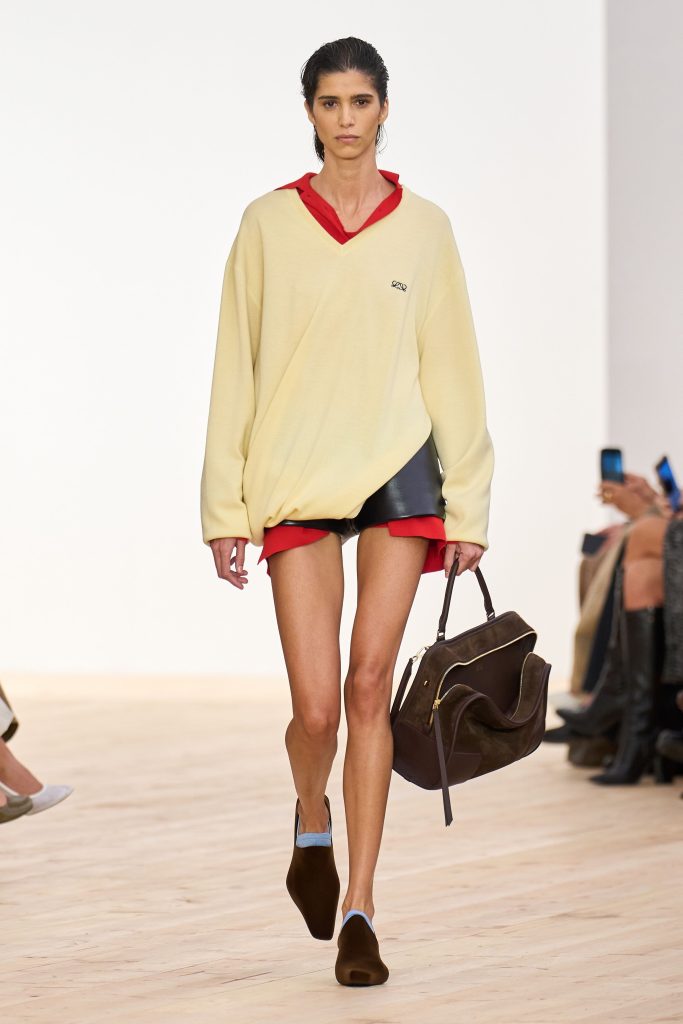
Their collection also stood as a reminder that craft can be joyful and showed that McCollough and Hernandez are building on Anderson’s foundation, while infusing it with optimism. For a generation that prizes authenticity as much as heritage, this might be the ideal way to move into the second half of the decade.
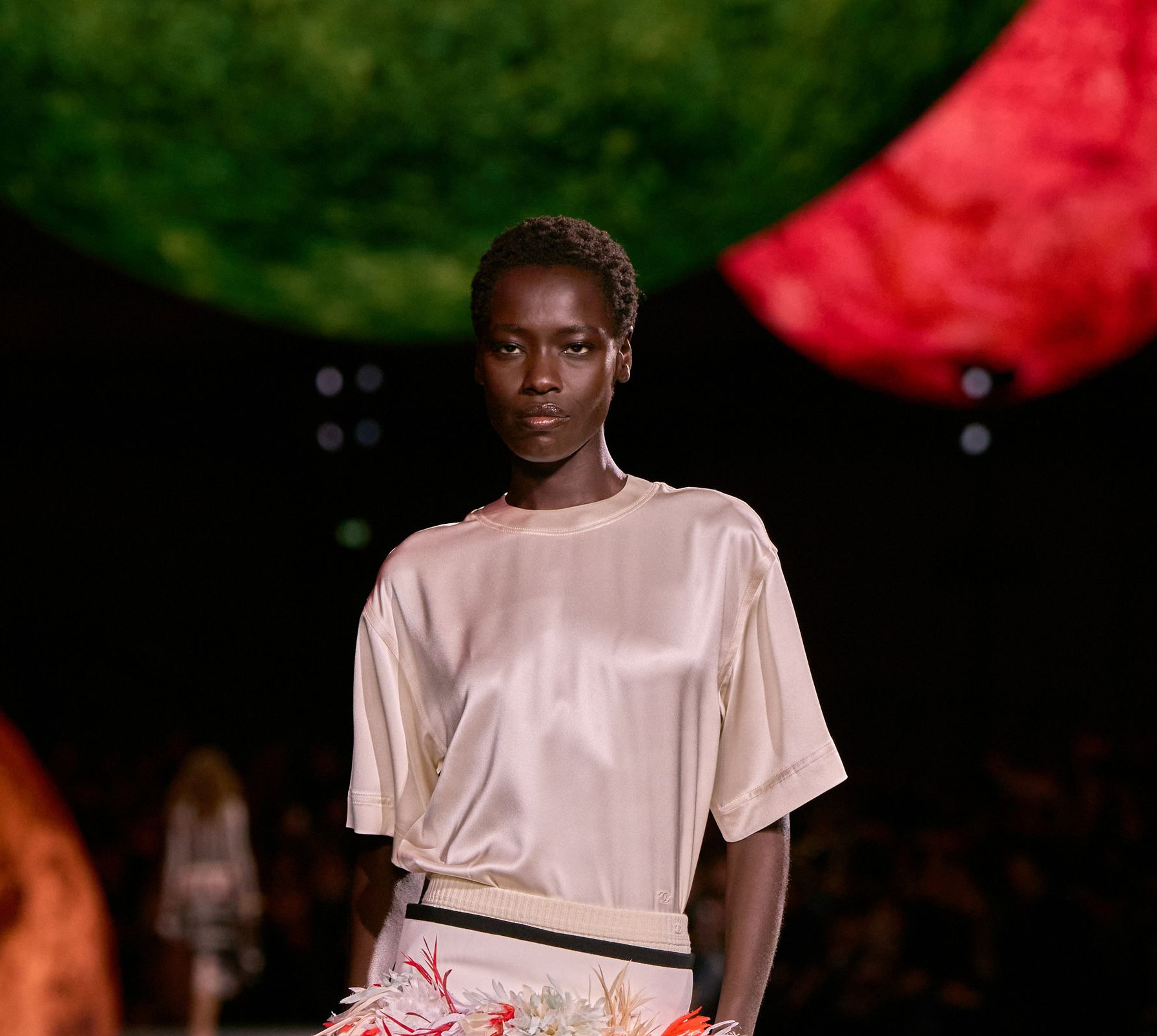
Although, if any appointment this season was symbolic of fashion’s focus on the future while holding the past close, it was Matthieu Blazy’s arrival at Chanel. Succeeding Virginie Viard, and stepping into a lineage that only Lagerfeld and Viard have occupied in recent decades, Blazy’s debut was a huge moment for the industry.
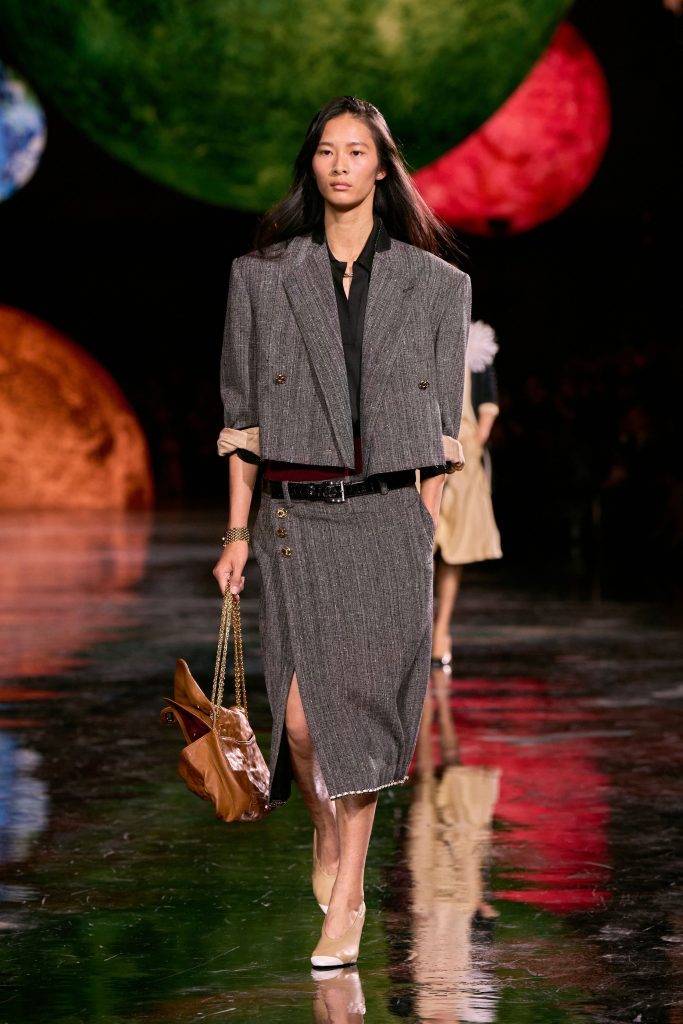
The result was hailed as a triumph, largely for the way Blazy embraced colour – pastels and midnight blues
in particular – and opted for playful proportions that were designed to both flatter and stand out from the crowd. Buyers and critics alike noted that Blazy managed a rare feat: a collection that both honoured Chanel’s
past and reimagined it for now.
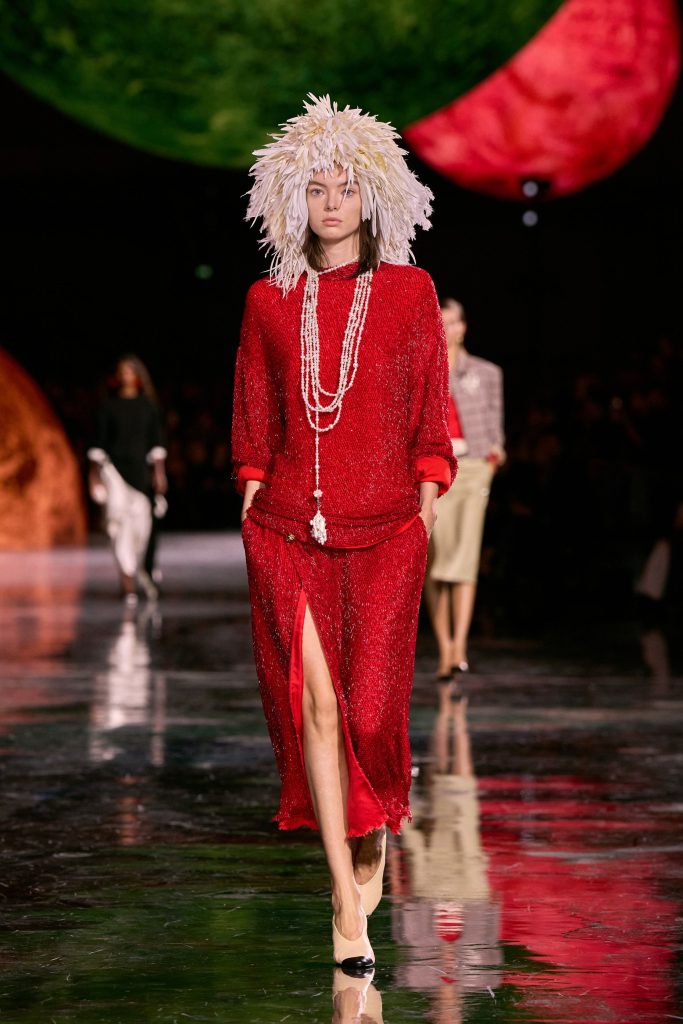
This is significant because Chanel’s greatest challenge has always been incorporating modernity with its powerful identity. Gabrielle Chanel herself was a rebel against the strictures of her time; today, that rebellion is harder to imitate without destroying the strongest brand legacy in the industry. Blazy’s work, thankfully, doesn’t rewrite the house’s manifesto, but it does play with some of its most notable descriptions. And in an age where luxury often equates seriousness with worth, Chanel’s light touch feels refreshing.
The overall result, when viewed from above, feels profound and suggests that legacy no longer rests solely
in heritage or iconic silhouettes or fabrics. Instead, it is tied into the ability to generate meaning and connection in an age flooded with empty distraction.
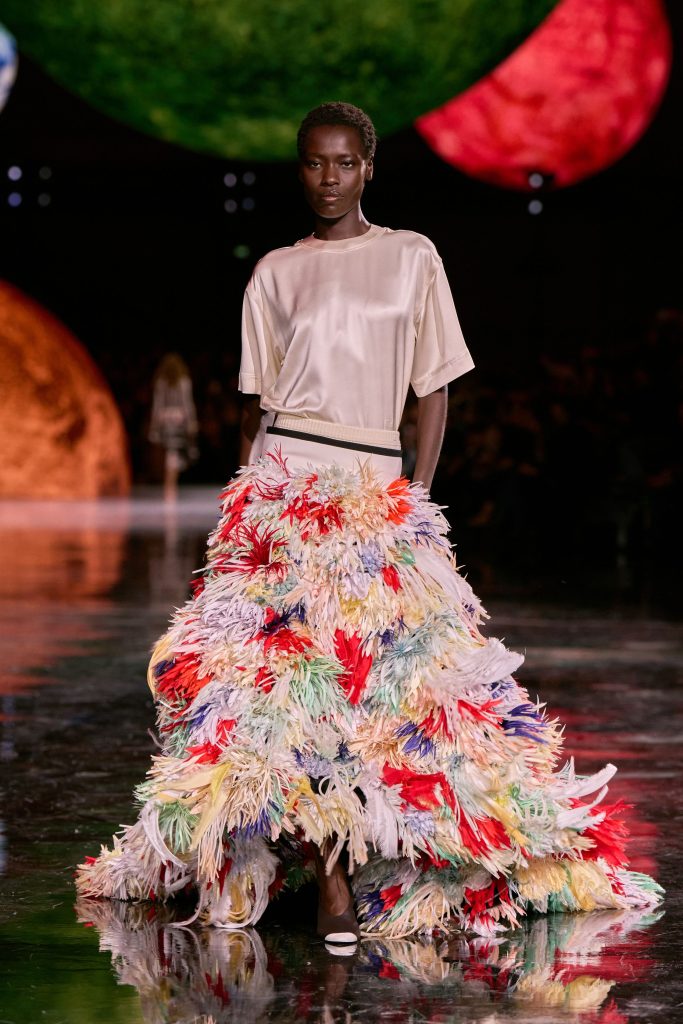
Equally, in this season of change, all the brands are asking a question. Dior’s is about whether heritage luxury can also be easy and wearable; Valentino’s is focused on the concept of romance evolving without becoming a cliché; Loewe’s is about old-school European design and whether it can also be joyful and energetic, and Chanel asks if legacy can have a light touch. None of these questions has a definitive answer yet – but everyone is having fun working it out.