

The best of Berlin Fashion Week’s fall/winter runways, presentations and designers
Although a smaller event when compared to Paris, Milan and London, Berlin Fashion Week is where the spotlight on the industry’s next-up shines. Since 2007, its event calendar has been the place for independent designers to show their work – the capital for alternative style and innovative edge.
A continuation of the city’s spirit of unorthodox freedom, this season saw a mixture of both established titans and fresh blood. That being said, here are the #legend picks for Berlin Fashion Weeks’ greatest moments.
Laura Gerte
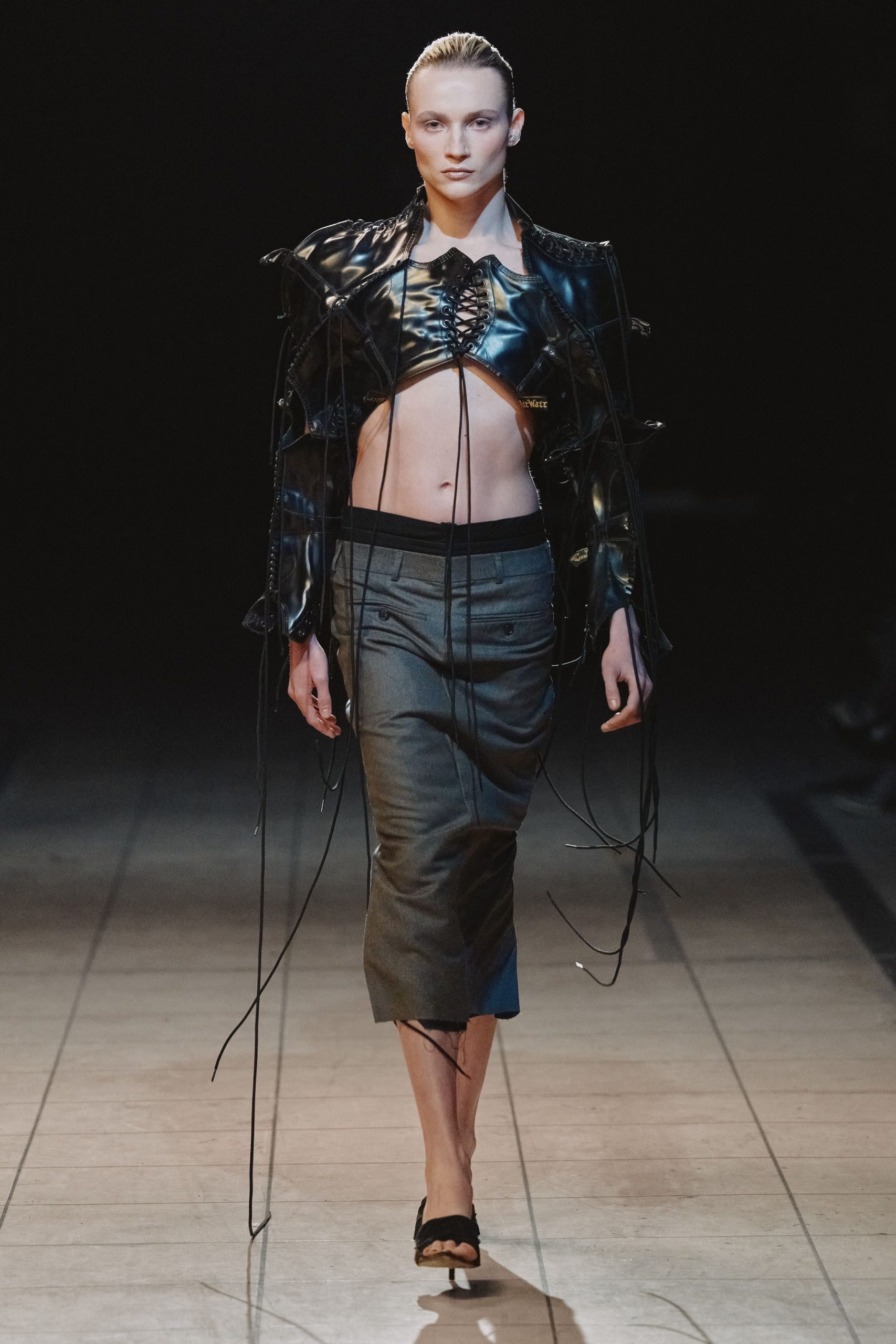
Known for unconventional draping and silhouettes that challenge traditional notions of aesthetic and beauty, Gerte’s “Deviant Defiant” saw her further experiment with the dynamic boundaries between sensuality and rebellion. Inspired by stereotypes of female villains as deviant, Gerte reimagines this perversion as empowerment. Radical tailoring and deliberate ornamentation wrap the body in an armour that is simultaneously revealing yet protective, contouring shapes into slim and voluminous exaggerations. Additionally partnering up with Dr. Martens, this collection combines upcycled and deadstock fabrics with deconstructed boots to sculpt a unique texture that both preserves the original identity of each garment while constructing a new, revolutionary function.
John Lawrence Sullivan
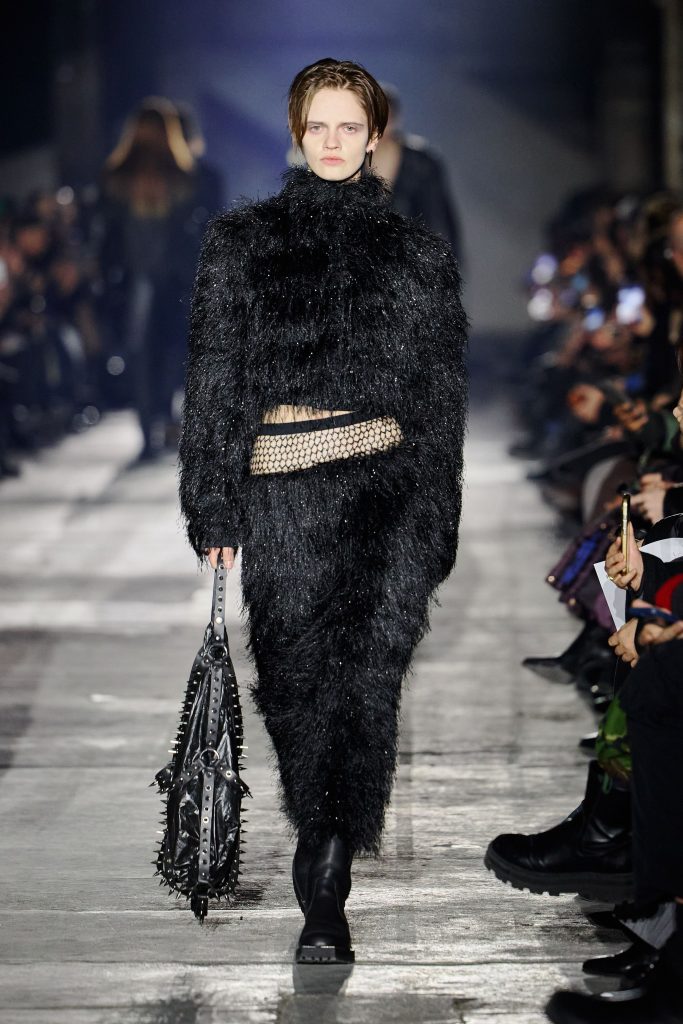
A veteran of the Japanese scene, 2026 sees the runway debut of designer Arashi Yanagawa’s honed creative vision. Once again drawing from his background as a boxer, this collection sees him combine such with a newfound love for Norwegian black metal, translating these diverse passions through his design language of sharp precision. Following up on his signature tailoring, monochromatic looks define themselves through silhouettes of intensity and piercing texture. Centred on leathers, studs and spikes, Yanagawa’s distinct design language proved a match made in heaven for Berlin’s history of alternative subculture.
GmbH
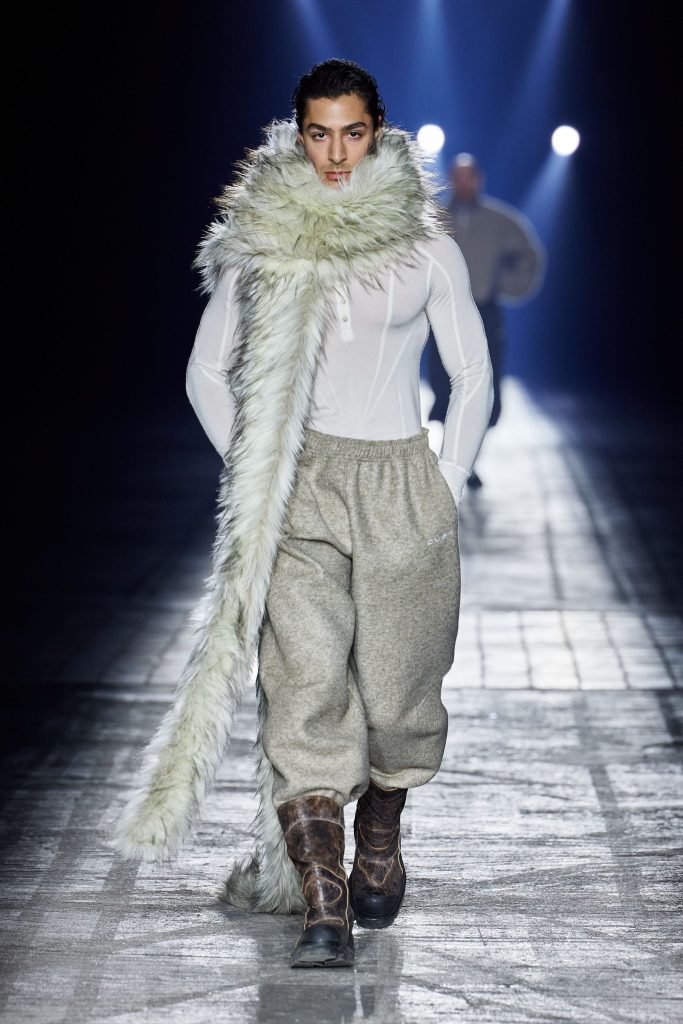
Titled “Doppelgänger”, GmbH returned to their home city for a moment of impactful protest. Drawing on fears surrounding the current political circumstances of German arms dealers and the Russo-Ukrainian conflict, the menswear label continued their practice of using fashion as a mode of social commentary. A warning against repeating past mistakes, this provocation manifests itself as a blend of casual and formal styling elements, evoking solidarity across divisions of identity. Referencing past musical and artistic movements that were born in insurgence, clothes become a symbol of collective memory and shared identity – a form of reassurance and bold resistance in times of crisis.
Haderlump
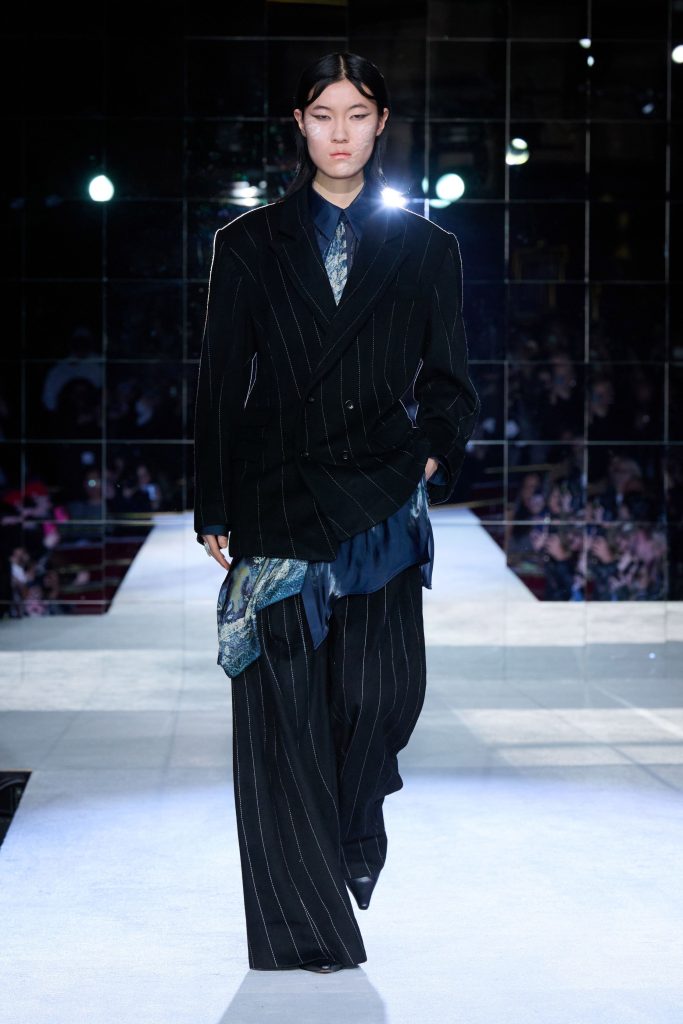
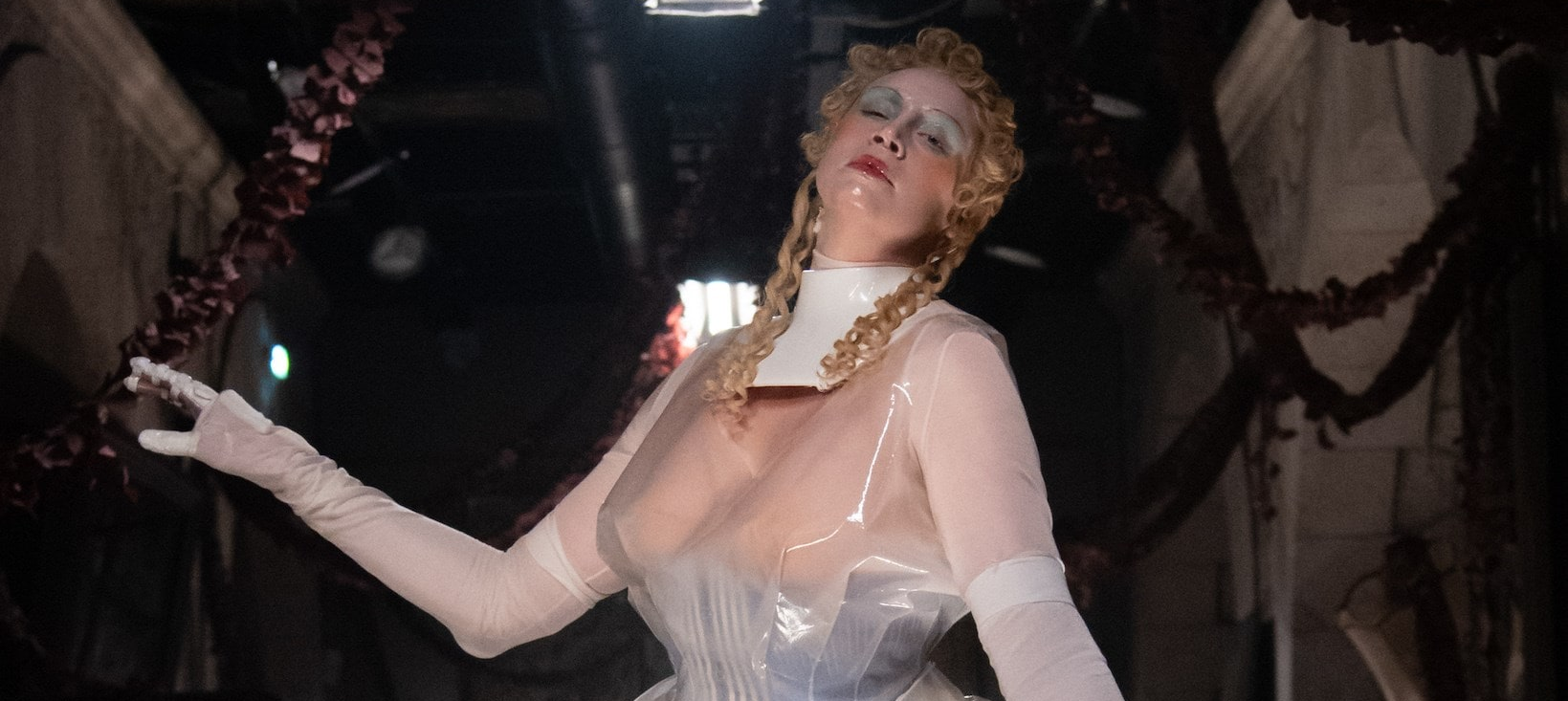
Held in the historic Wintergarten Varieté theatre, FW26’s “VARIUS” show was both a visual masterpiece and sonic experience. Preceded by John Carlsson’s original soundtrack, looks showcased a vivid elegance inspired by Marlene Dietrich. With each piece expertly handcrafted in their atelier, the brand used lace for the first time. Looks combined timeless grace with the domineering presence of heavyweight denims, leather and wool. Profiles ranged from acute accentuations of figure to loose-fitting forms eliciting a striking juxtaposition of drama and class.
Lou De Betoly
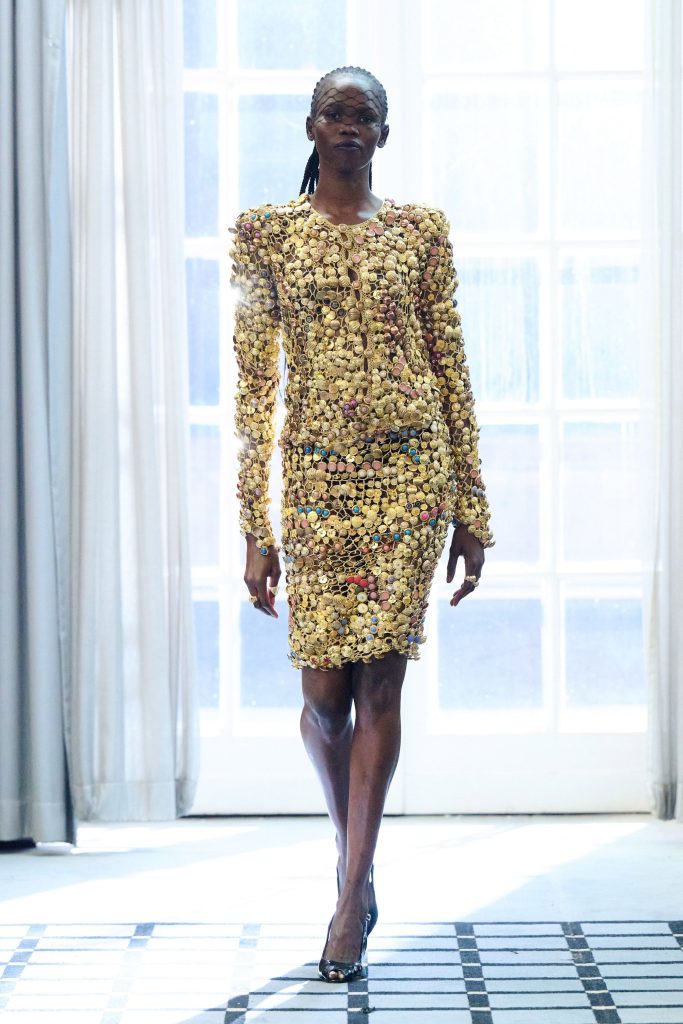
Continuing the theme of memorable settings, the French designer chose Rathaus Schöneberg – Berlin’s city hall – as the location for her show. With her drawing board starting from a box of buttons she bought in the 90’s, each piece features one such button sewn on as both eccentric ornamentation and individual statement. Weaving together vintage lingerie, De Betoly’s collection is characterised by reinvigoration and reimagination, transforming flea market finds into unique fashion statements. Highlights include a two-piece set crocheted with 7727 golden buttons and a dress constructed entirely of gilded jewellery.
William Fan
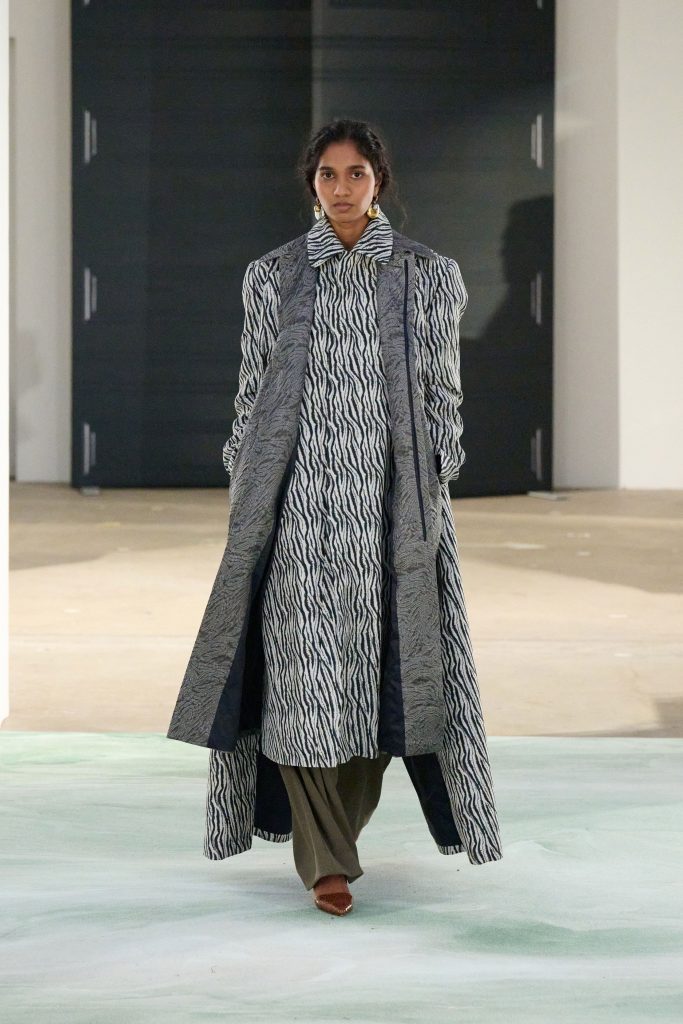
Now a staple of the Berlin fashion week calendar, Fan’s work continues to produce new conceptions of avant-garde clothing through a distinct lens of Chinese culture. Proceeding with his emphasis on layering, Fan’s wardrobe this season rotates through triple-layered collars, carefully embroidered scarves and voluminous draping. Zebra-stripe patterns and monochromatic palettes evoked an organic, subdued modernity while retaining a commanding air of aristocracy and luxury. Flared collars were the motif of the season, enhancing shape with a structured, impactful demeanour.
Richert Beil
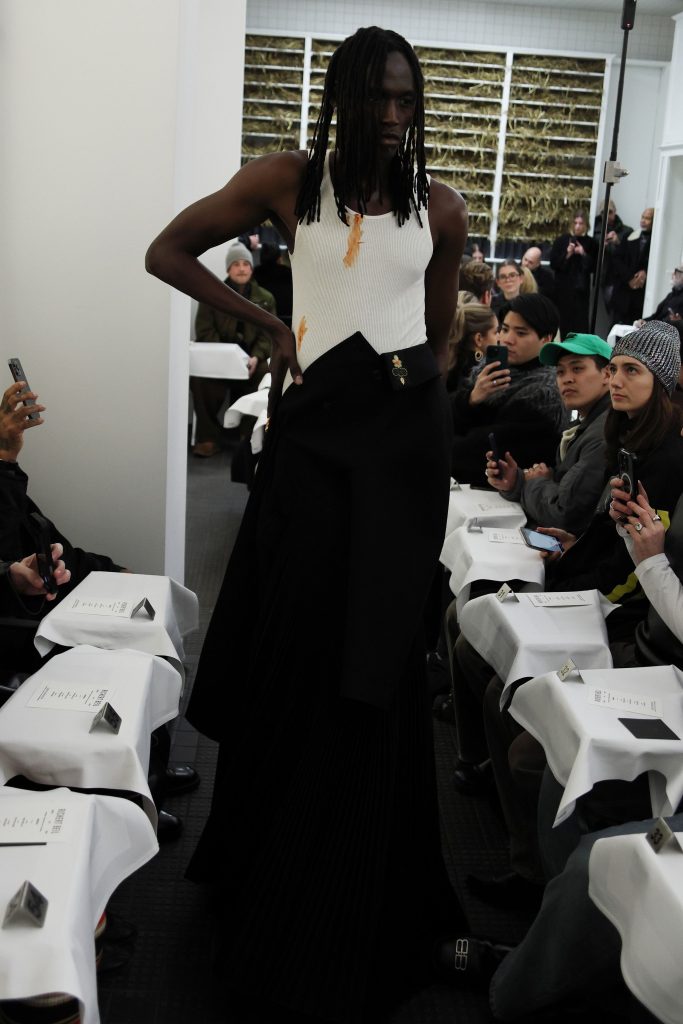
Creative partners Jale Richert and Michele Beil rounded out the season with an event doubling as a dinner party and fashion runway. Named “LANDEI”, meaning a person of naivety and unsophistication, this collection was a reclamation of the derogatory term. Coded by sleek gloss, androgynous silhouettes and delicate presence, the pair continued to push the definition of menswear. With a subtle achromatic palette, looks balanced the understated tension of black with the romantic poetic expression of deliberate proportionality and texture.