


All you need to know about the wardrobe stable
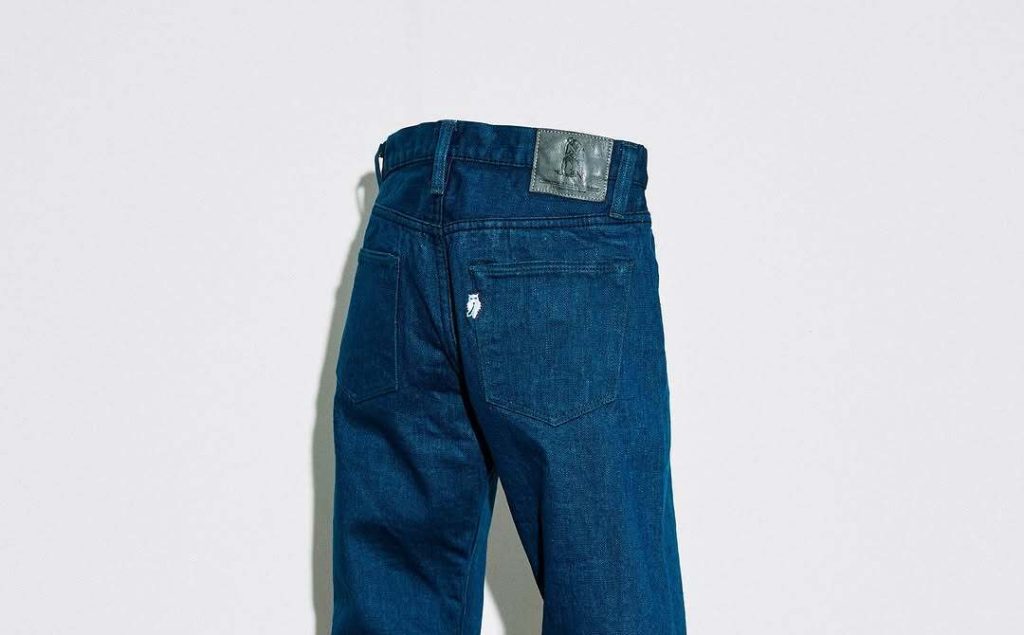
Jeans are a requirement for any wardrobe – timeless, classic and wearable on almost any occasion. But very few people are really familiar with the intricacies of their choice of daily trousers, to no fault of their own. Information on the topic, whether it be about authenticity, fit or quality is often swarmed with inaccuracy, obscurity and heavily guarded secrecy.
So, before you buy your next pair, we put together a definitive guide for everything you need to know about denim.
How it’s made:
Before we get into the details, the assembly procedure is essential to understanding anything about your jeans. The manufacturing process varies from brand to brand, but in general, there are four steps.
- Cotton is spun into yarn
- This yarn is dyed. Because the dye only coats the fibers, the inside remains white.
- The yarn is woven together on a loom.
- Finally, the woven jeans are chemically treated to prevent shrinkage after washing.
Dyes
In the past, denim used pigments derived from indigo plant leaves, but the majority of brands today use a synthetic compounds to recreate the colour. Because it’s insoluble in water, your jeans won’t show the characteristic white fade from just water – only from additional friction when wearing them or in the washing process. This doesn’t mean that the original organic method isn’t used today – brands like Pure Blue Japan, Momotaro and certain Levi’s models keep the tradition alive.
Stretch or No-Stretch?
100% cotton jeans are stiff, and you’ll have a period of discomfort to break them in after purchase. Stretch denim uses a more flexible blend of 5% elastane instead, getting rid of the adjustment period. For those who just want something comfortable to wear on the daily, stretch denim is our recommendation. But for durability, authentic fades and longer-lasting, 100% cotton may be the way for you.
Raw or Washed?
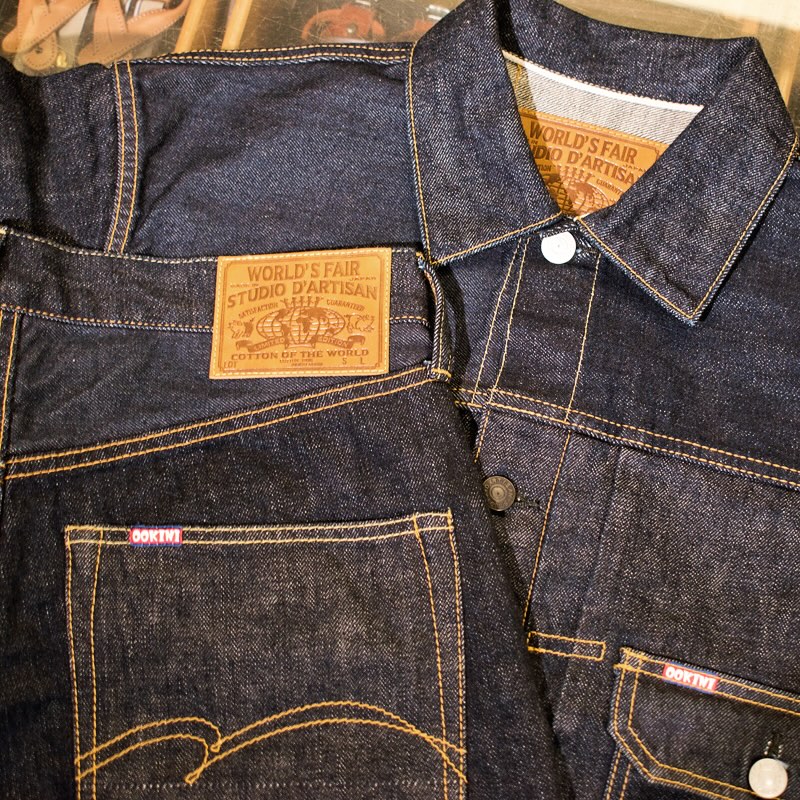
Raw denim is actually a lot less complex than it sounds. In simple terms, raw denim skips the fourth step of the manufacturing process, taking the jeans straight from the loom to the store. This means that the yarns remain completely coated, resulting in a deeper indigo and a more personalised fade over time. This also means that the dye will bleed out onto other surfaces, so avoid wearing white shoes on your first few wears.
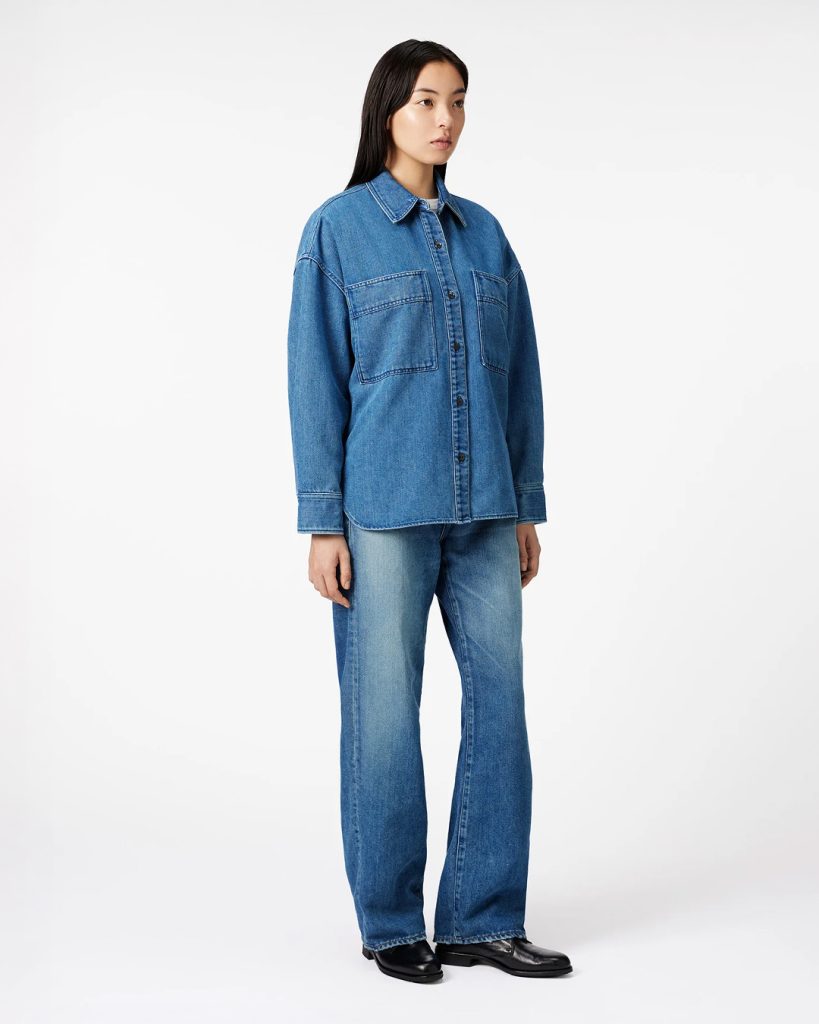
Washed denim, on the other hand, has about three common methods for treatment, each affecting the final product’s appearance differently.
Rinse wash: Just as it sounds, the garment is lightly soaked in water. This ensures the least amount of pigment loss, but also means that the final product won’t be as soft compared to other procedures.
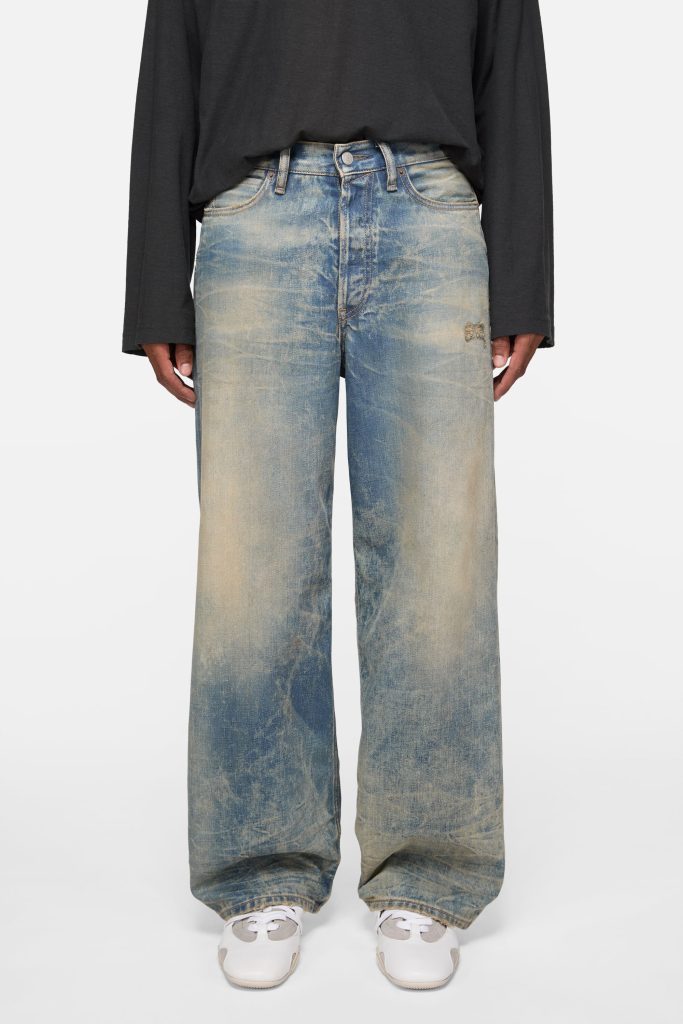
Stone washing: By washing with small rocks, sand and water, some of the dye rubs off, giving denims a vintage, worn appeal.
Acid wash: Similar to the above, but the rocks are soaked with an acid that bleaches out some parts of the fabric for a pronounced blue and white gradient pattern.
Depending on the aesthetic you’re going for, it’s worth checking out the washing method (or lack thereof) of your next purchase.
Selvedge?
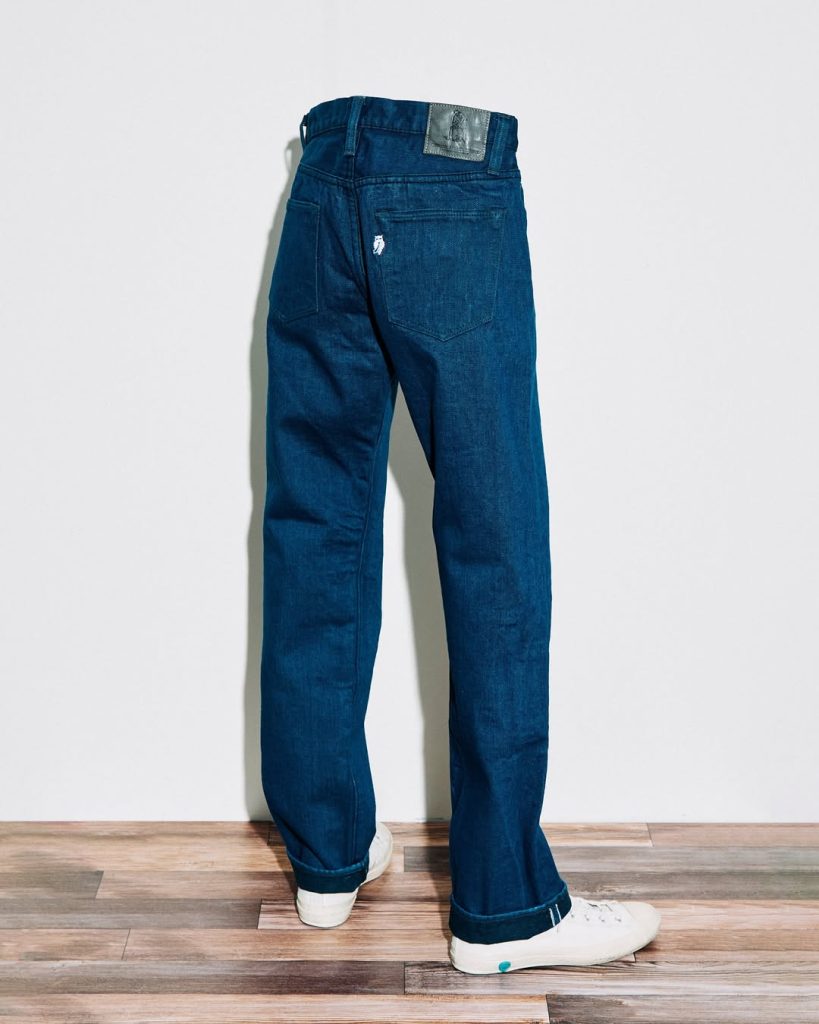
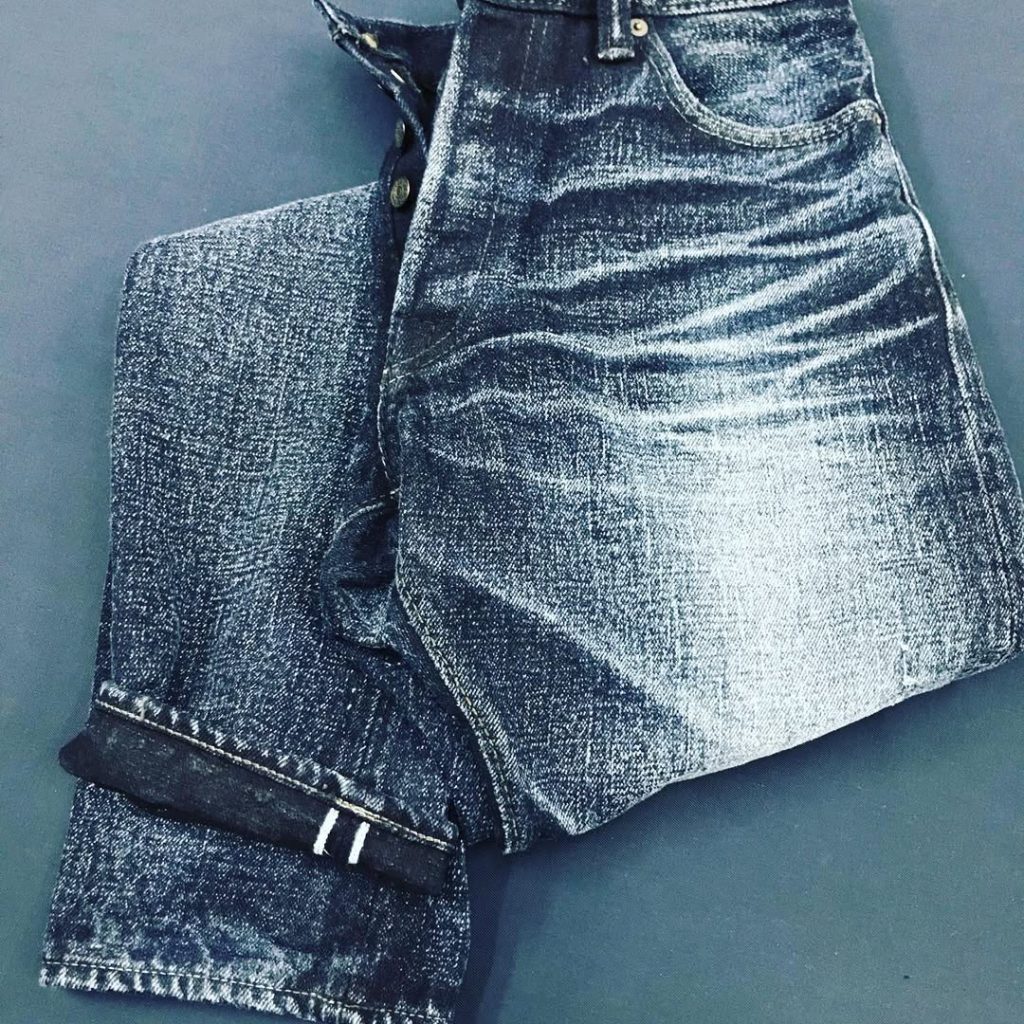
The buzzword of all buzzwords, selvedge simply means that the garment has been made using a slower, traditional shuttle loom. The fabric is woven in on itself to prevent fraying, typically marked out with a clean stitched line in red or yellow. Non-selvedge uses modern looms and requires a hem to be sewn onto the jeans.
In terms of quality of construction, there isn’t an impactful difference. Whether you appreciate the heritage and the old-school look of selvedge jeans, or are just looking for some everyday fundamentals – it’s all up to personal preference.
Cuts
There are hundreds of brands out there, and what a certain cut means for one might be different for another. But, here’s a general description of what each fit means:
Regular: Your standard, straight-legged fit. The circumference of each pant-leg is uniform all the way down for a classic, versatile style.
Tapered: Wider around the waist and narrowing down towards the ankles, it gives more room for the thighs and prevents the lower-leg bagginess associated with a regular fit. It’s a modern, sophisticated look for more formal occasions.
Bootcut: Slimmer around the hips with a slight flare out from the knees, they’re designed to be worn with boots. Go for these with more casual, cowboy-inspired outfits.
Wide-leg: Also referred to as ‘baggy’, these are exactly what they sound like. Perfect for more Y2K, indie and rebellious looks.
Skinny-fit: Tighter all across the body, these are usually made from stretch denim for a sleek, understated silhouette.
See also: 5 standout Lunar New Year footwear releases