

A.M.I Archive, Memory, Identity
Reported by Manit Maneephantakun.
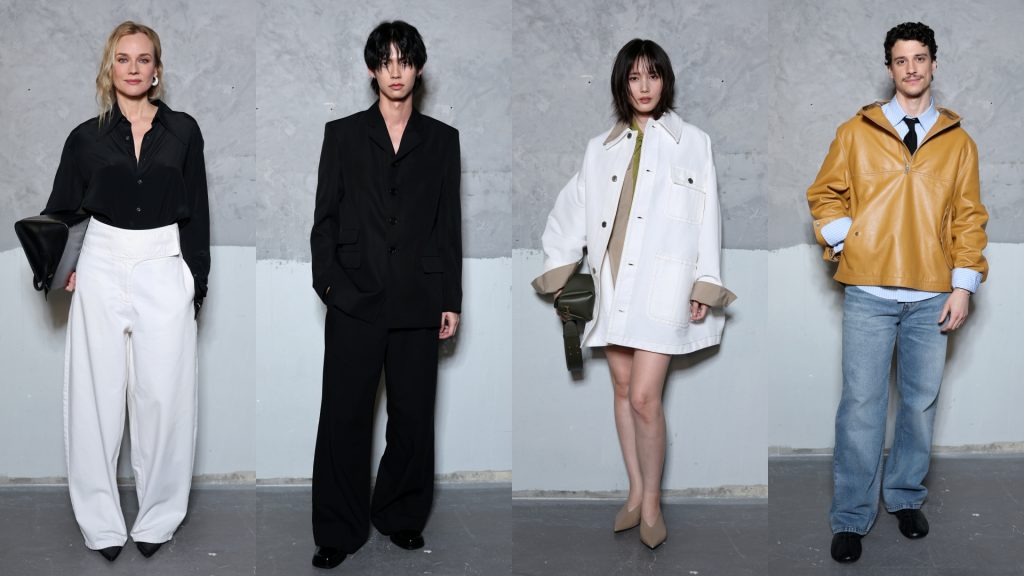
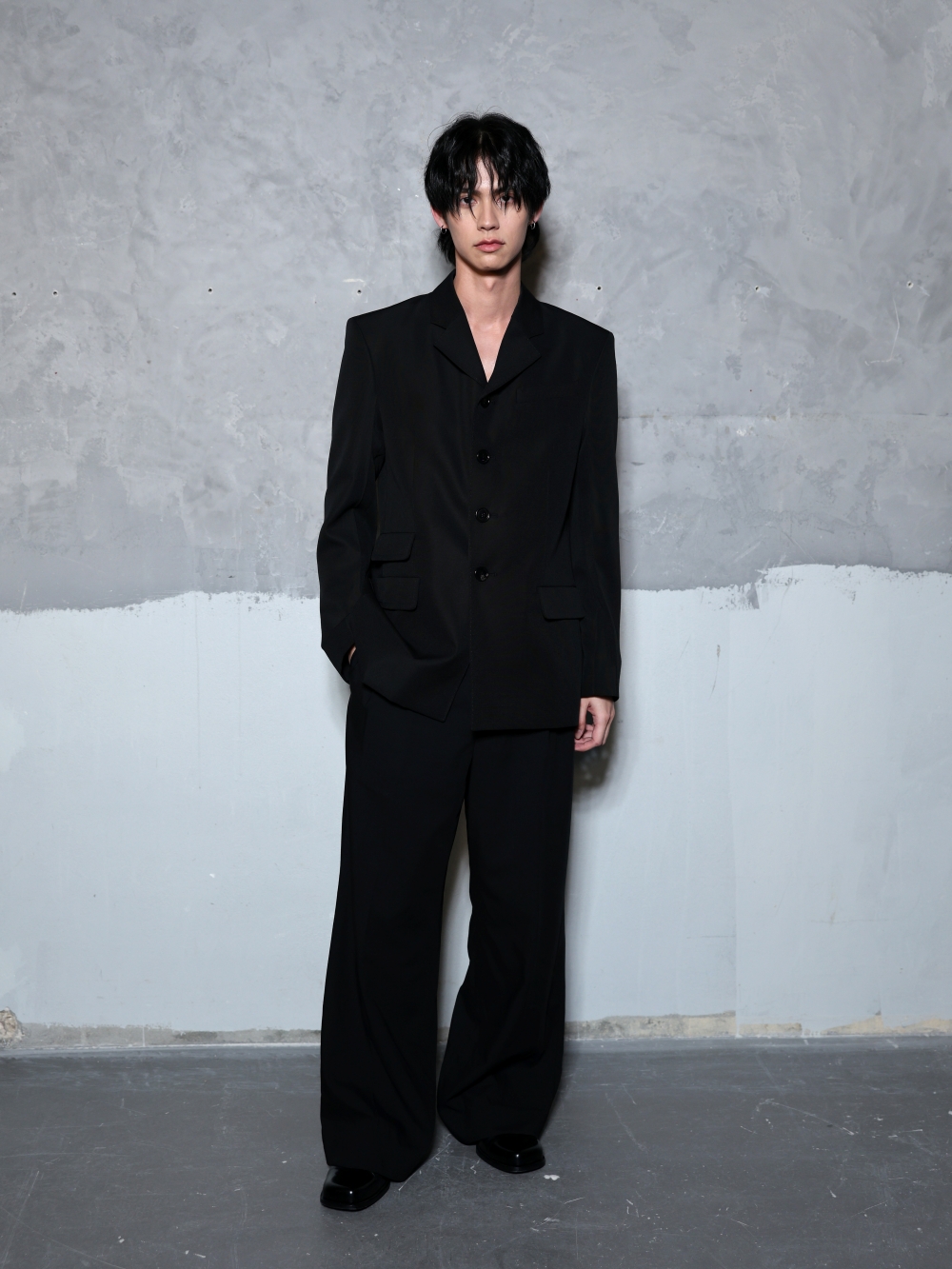
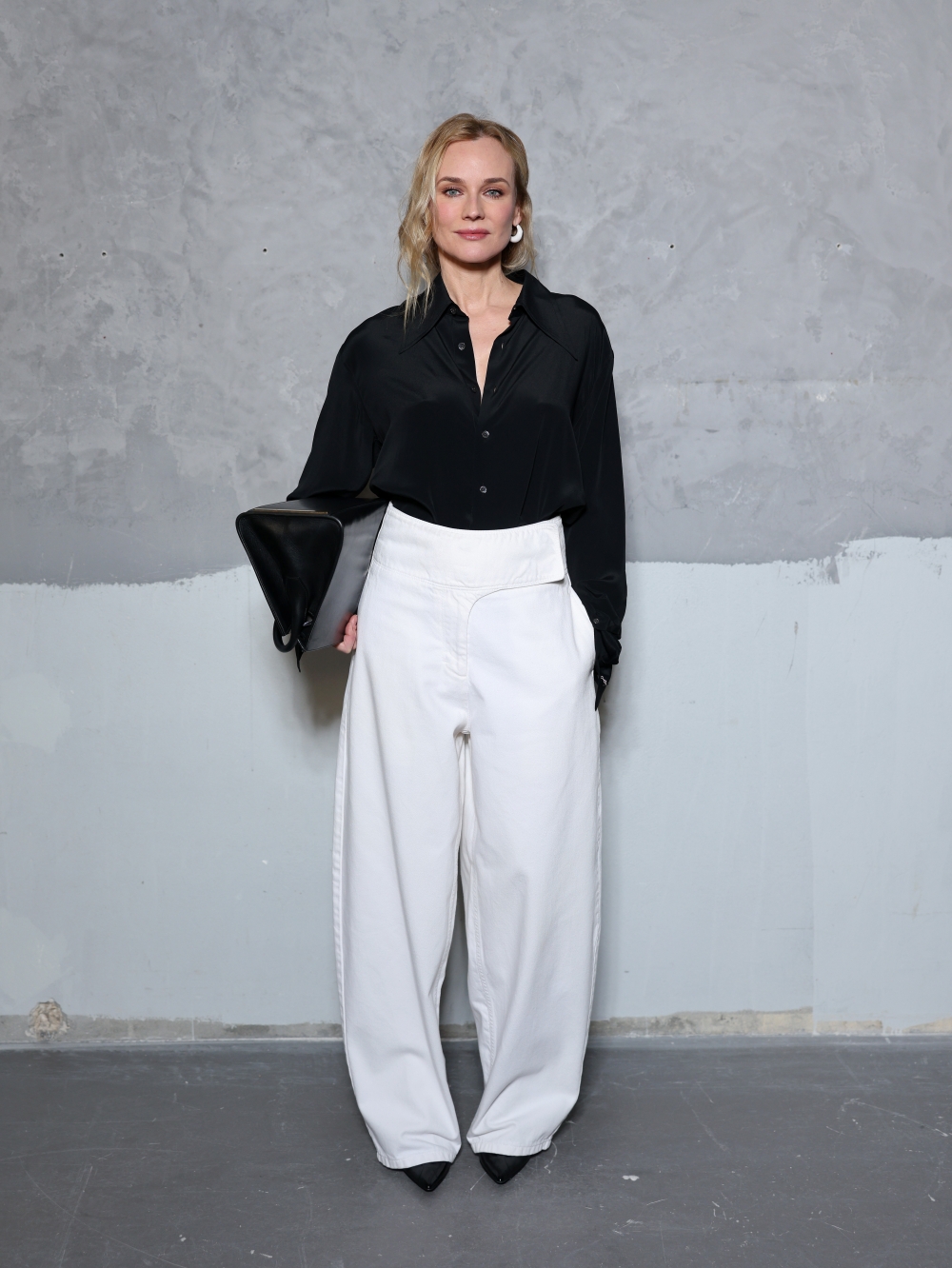
The Fall–Winter 2026 fashion show of AMI Paris did not begin with a conventional image of a “fashion show,” but with an intellectual posture. Inside a Haussmannian building on the Champs-Élysées, stripped down to a raw, industrial structure, the space did not function merely as a beautiful backdrop. Instead, it operated as a deliberate act of subtraction, removing all contextual noise so that the clothes could speak entirely for themselves. This was not a show seeking grandeur. It did not rely on spectacle, nor did it attempt to seduce through production or visual excess. It chose stillness as its primary language.
That stillness mattered, because this was the brand’s 15th anniversary collection, shaped by the vision of Alexandre Mattiussi, founder and Creative Director, who chose not to narrate the collection through nostalgic longing for the past. Instead, he adopted a more restrained and mature approach: transforming “origins” into a living structure of meaning for the present.
What is striking is that AMI does not attempt to prove its contemporaneity through novelty. It proves it through continuity—an idea that runs counter to the contemporary fashion system driven by speed, constant newness, and virality. In a world where brands must endlessly manufacture difference in order to survive, AMI chooses a different path: turning “sameness” into a language of authority.
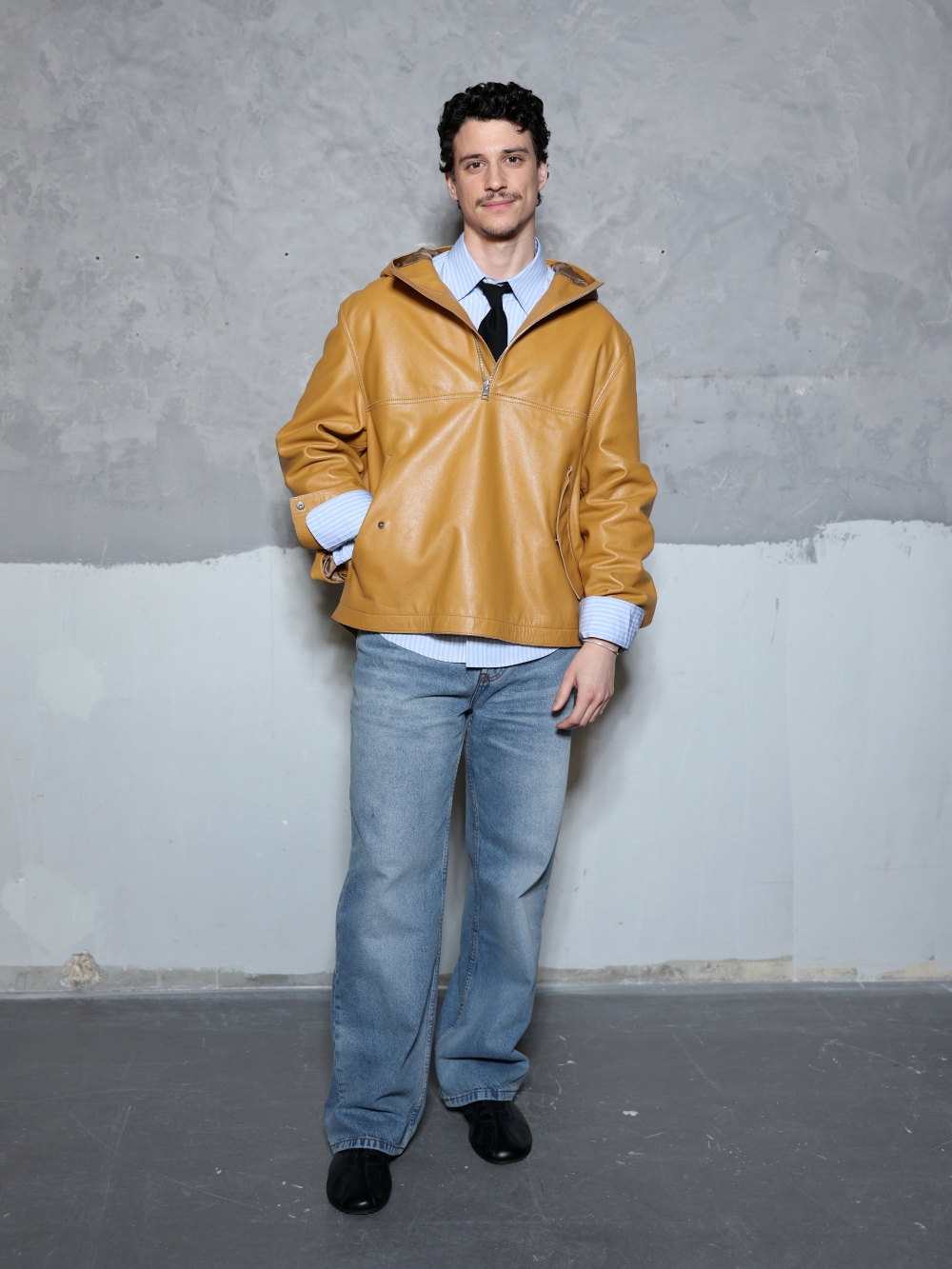
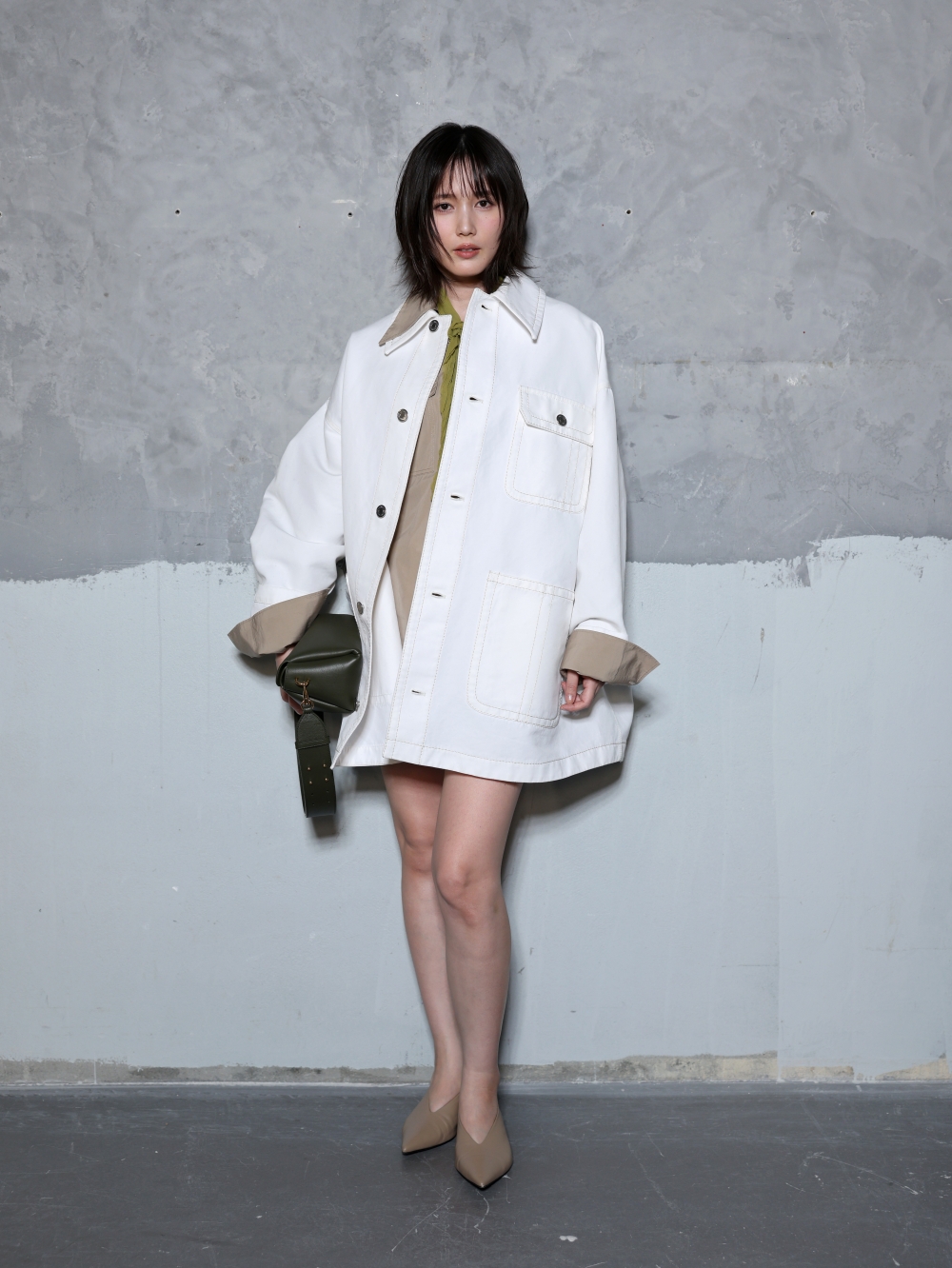
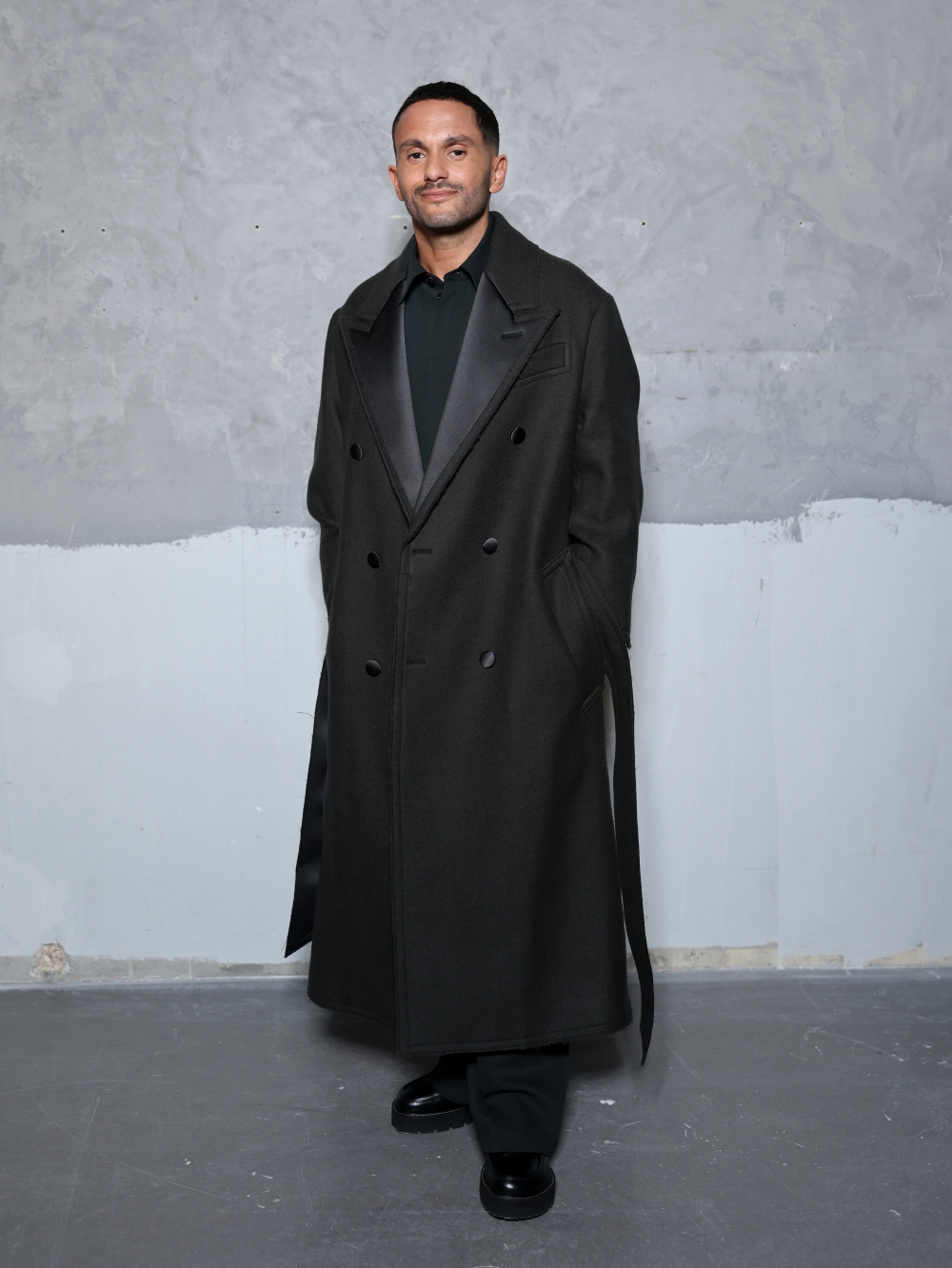
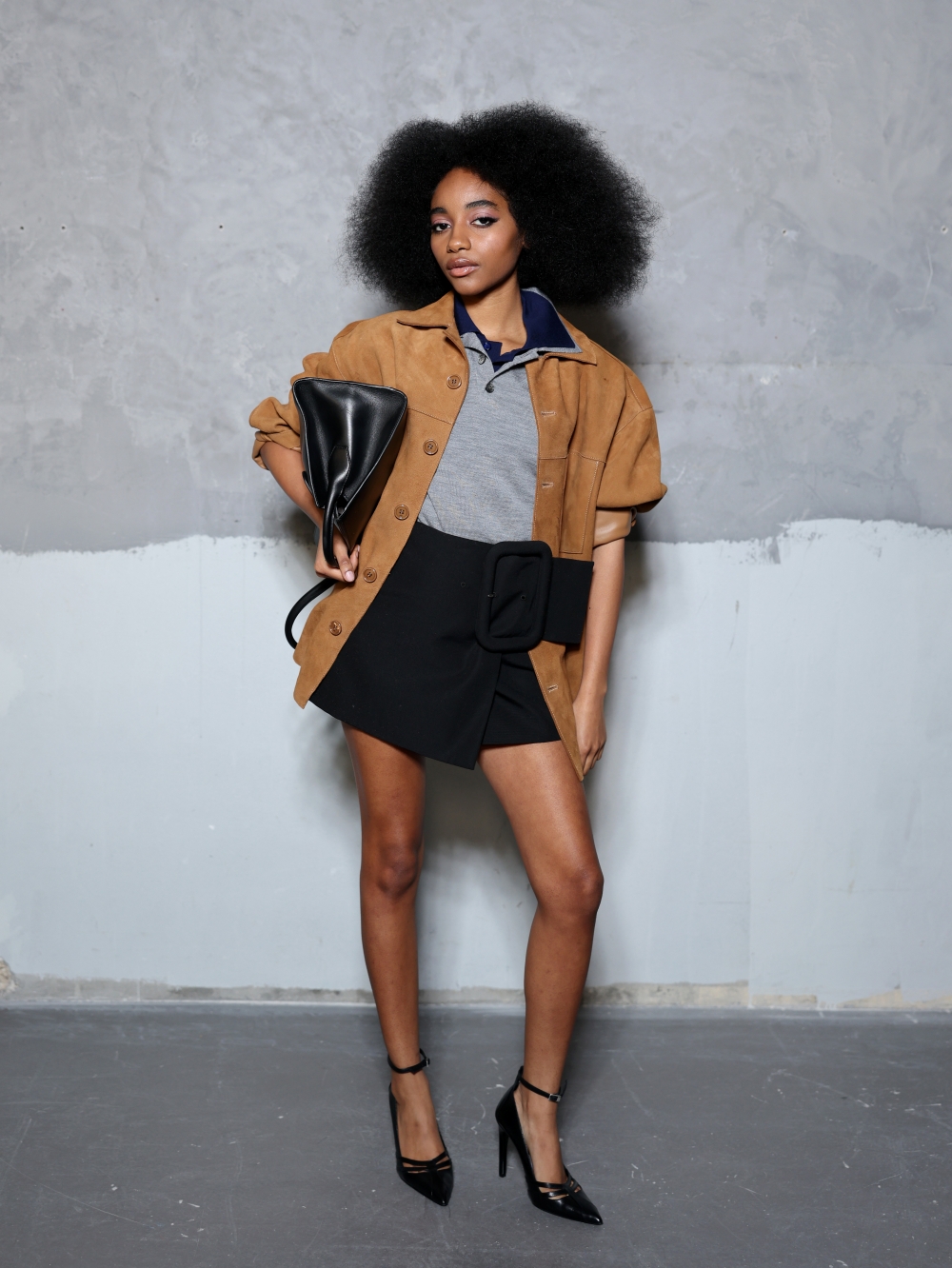
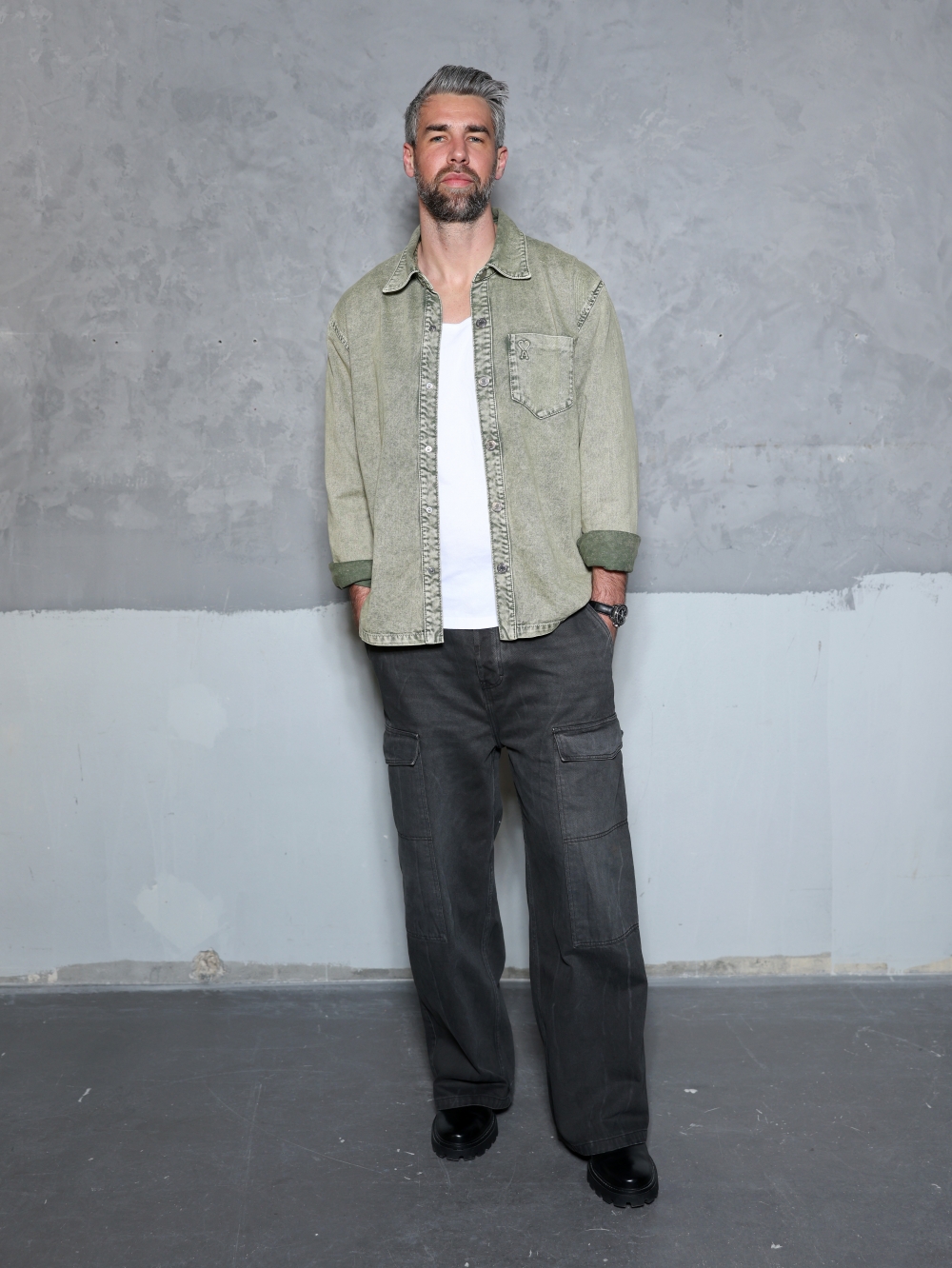
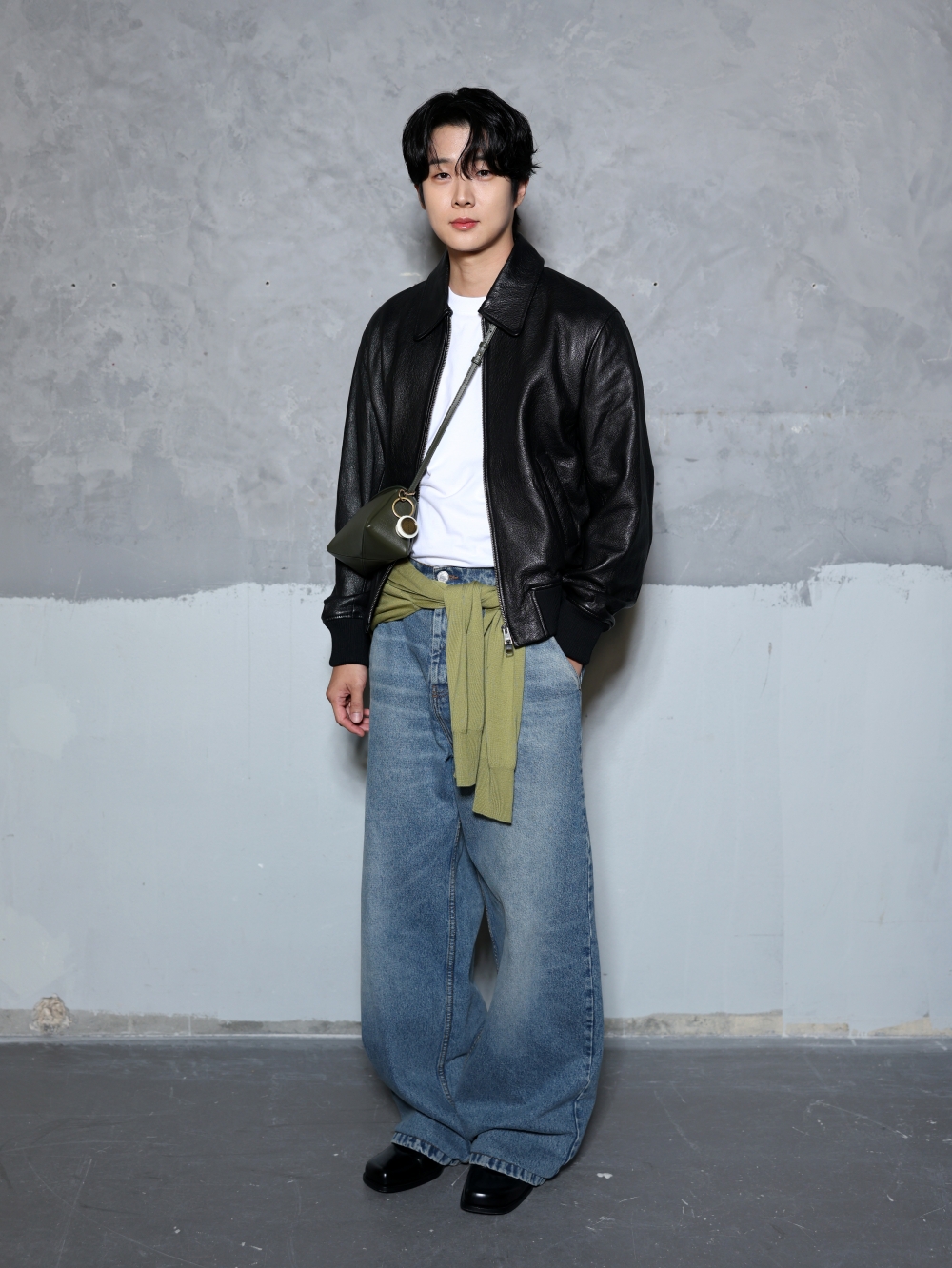
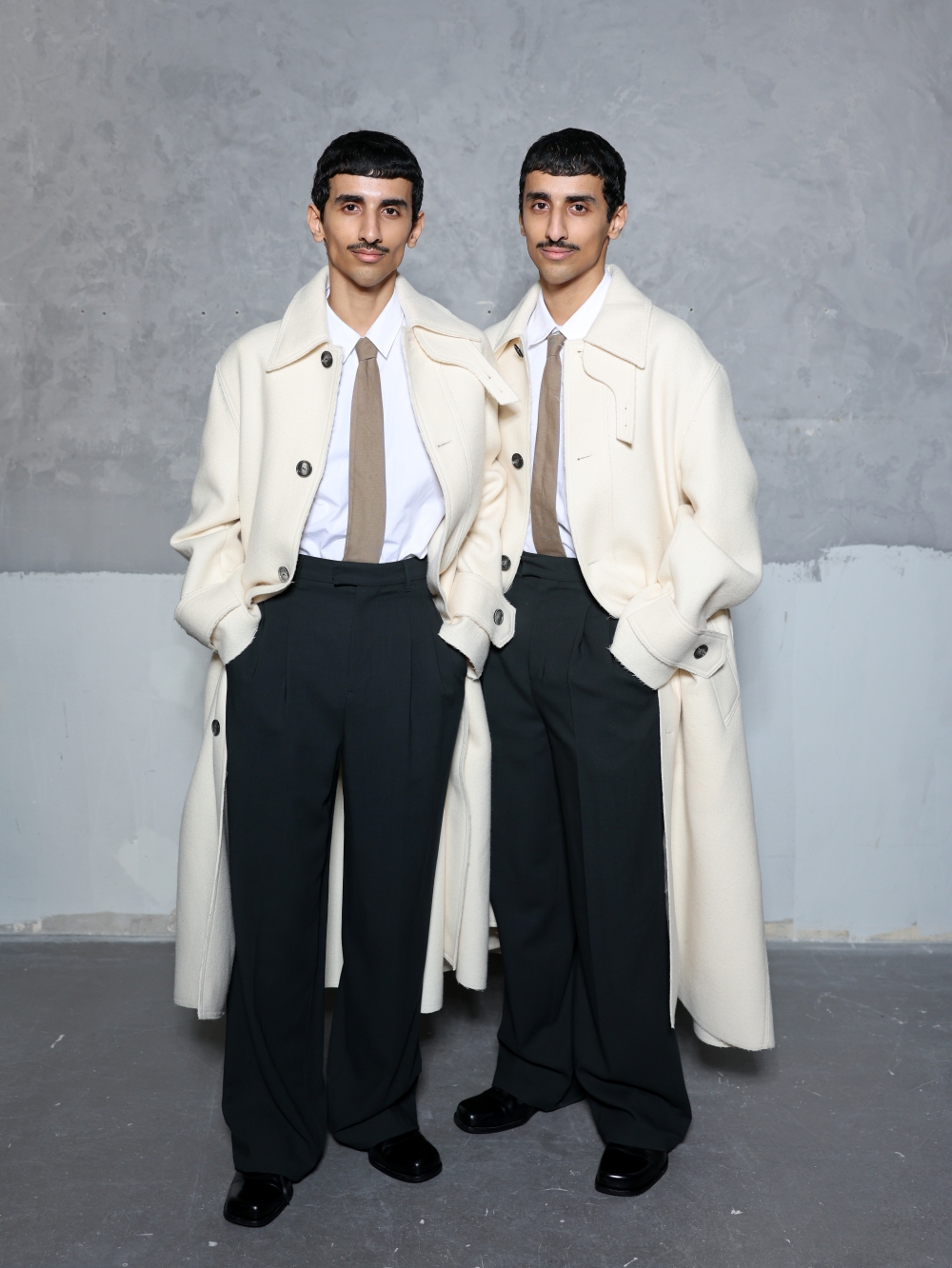
The clearest manifestation of this idea appears in Look 13, a look that is almost identical to the very first look of Mattiussi’s design career in 2011. The resemblance raised questions of self-plagiarism. Yet instead of denying it, he acknowledged it openly, with a statement carrying philosophical weight:
“That was my very first look in 2011, and I unconsciously recreated it.”
When he realized the repetition, he still chose to keep it on the design board.
This decision is crucial. It is not an act of resignation to repetition, but an act of giving repetition meaning, meaningful repetition. The camel coat, the marinière stripes, the white jeans return not as memory objects, but as the grammatical structure of the brand’s language. The coat is longer, the shoulders more structured, the materials more refined. The knit becomes lustrous, soft, and pliant. The boots transform into thick-soled black patent leather. The white jeans gain a front crease in a French prep silhouette. Everything is “the same,” yet every dimension is “better.”
This marks the difference between nostalgia and archive logic.
Nostalgia sees the past as images.
Archive sees the past as structure.
AMI chooses the latter.
Mattiussi’s French phrase
“The best jam is made from old pots”
is therefore not a romantic sentiment, but a structural design philosophy. The old is not an obstacle to the new; when developed with awareness, it becomes the foundation of growth.
The Rubik’s Cube concept used as the metaphor of the collection reinforces this logic. A Rubik’s Cube does not change its components, it changes their positions and relationships. This is precisely what FW26 does. The clothes are not designed as fixed looks, but as a wardrobe system that can be endlessly rearranged, across gender, age, class, context, and function. Red appears throughout the collection not merely as an aesthetic accent, but as a brand code connected to the heart logo and the brand’s earliest history. Black, absent from the Rubik’s Cube, is deliberately inserted because, culturally, black is not a fashion color in Paris but an identity structure of the city itself.
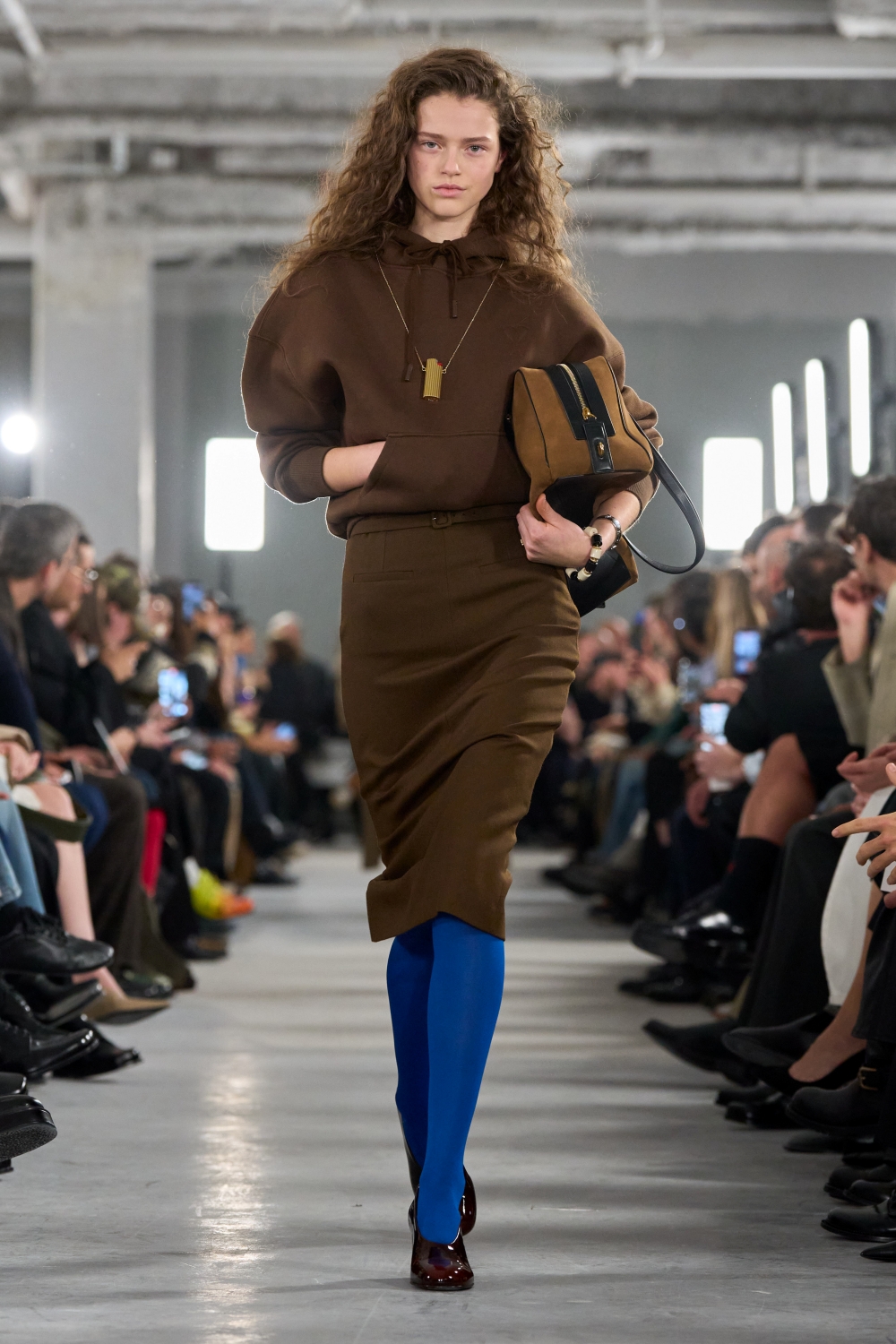
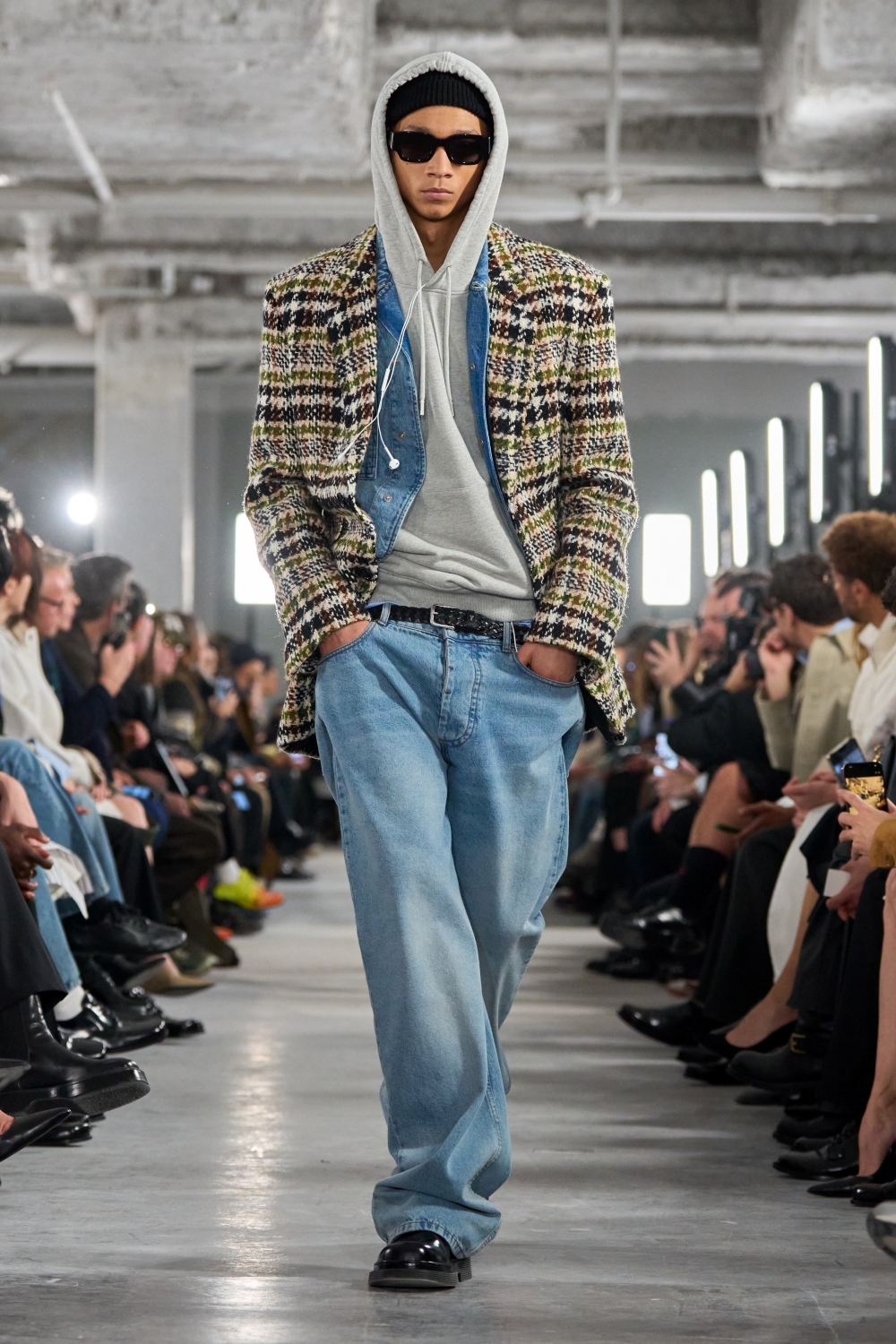
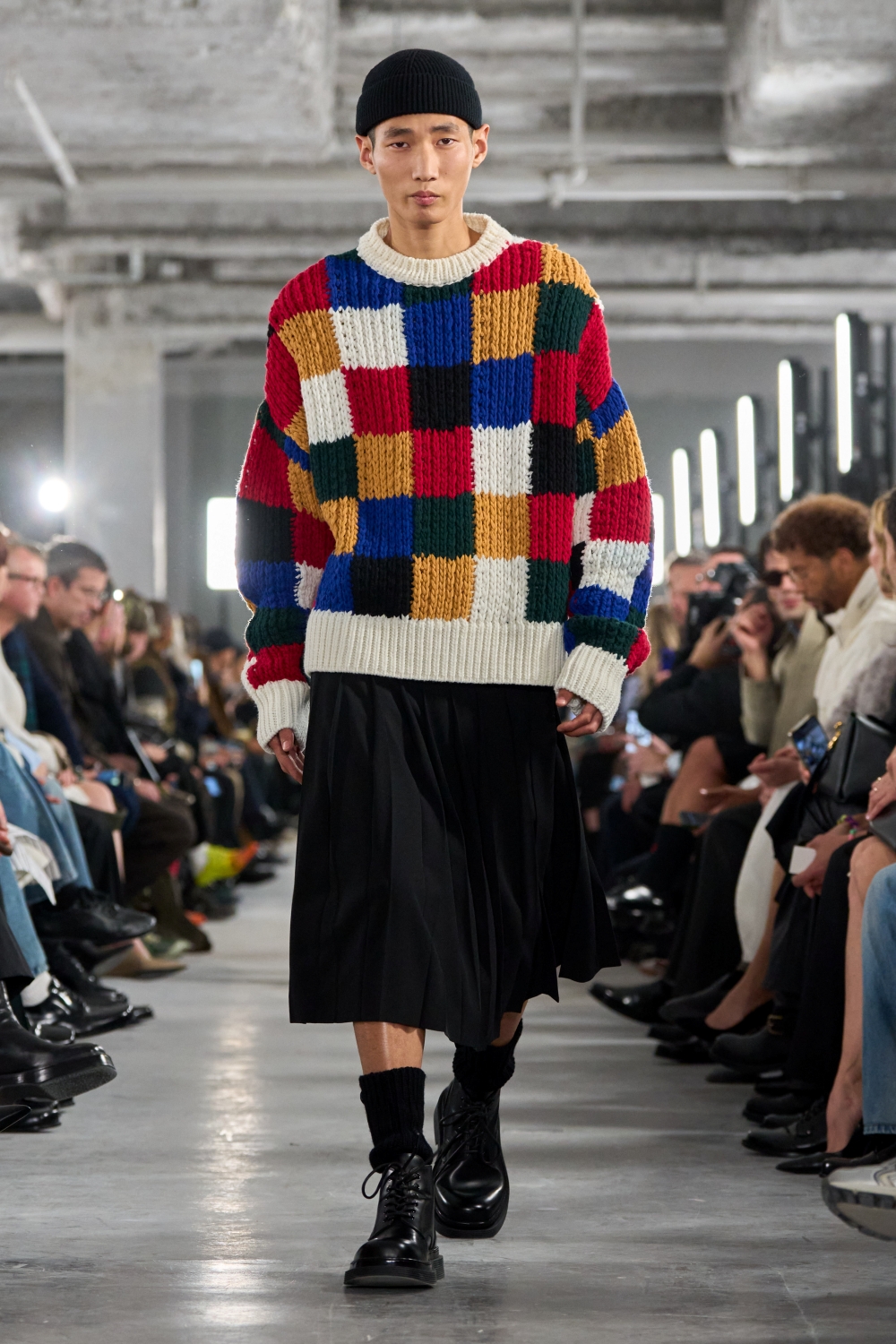
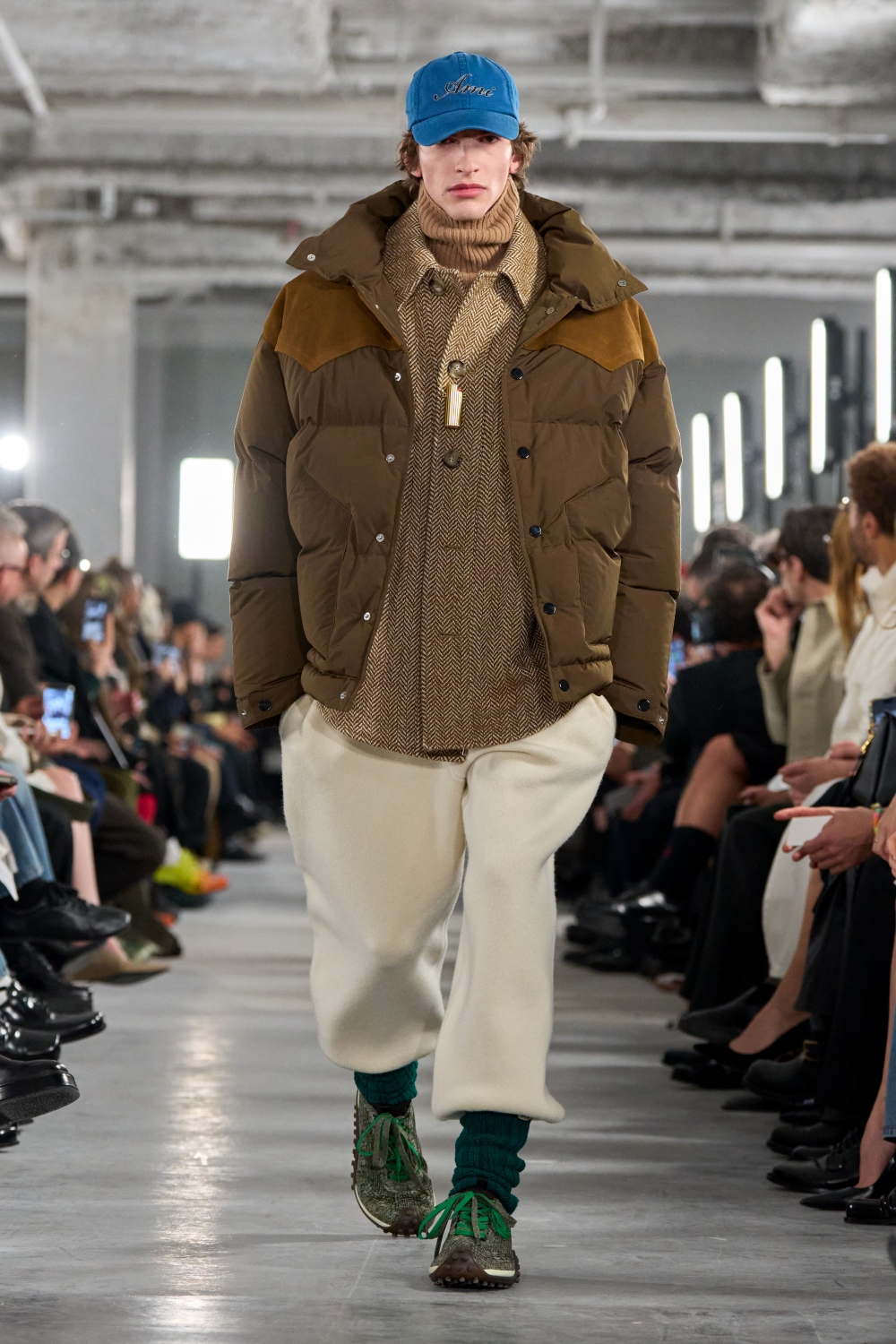
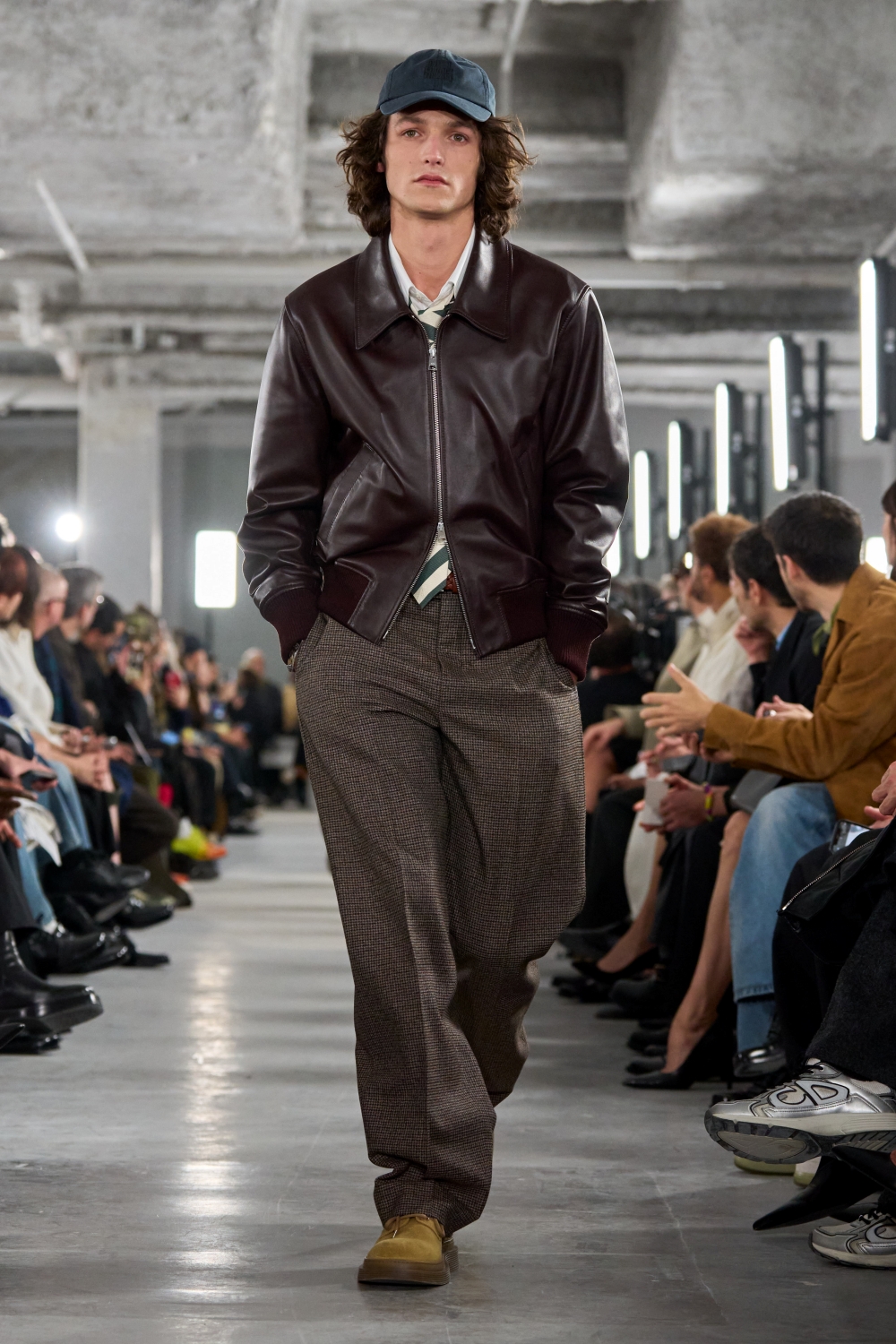
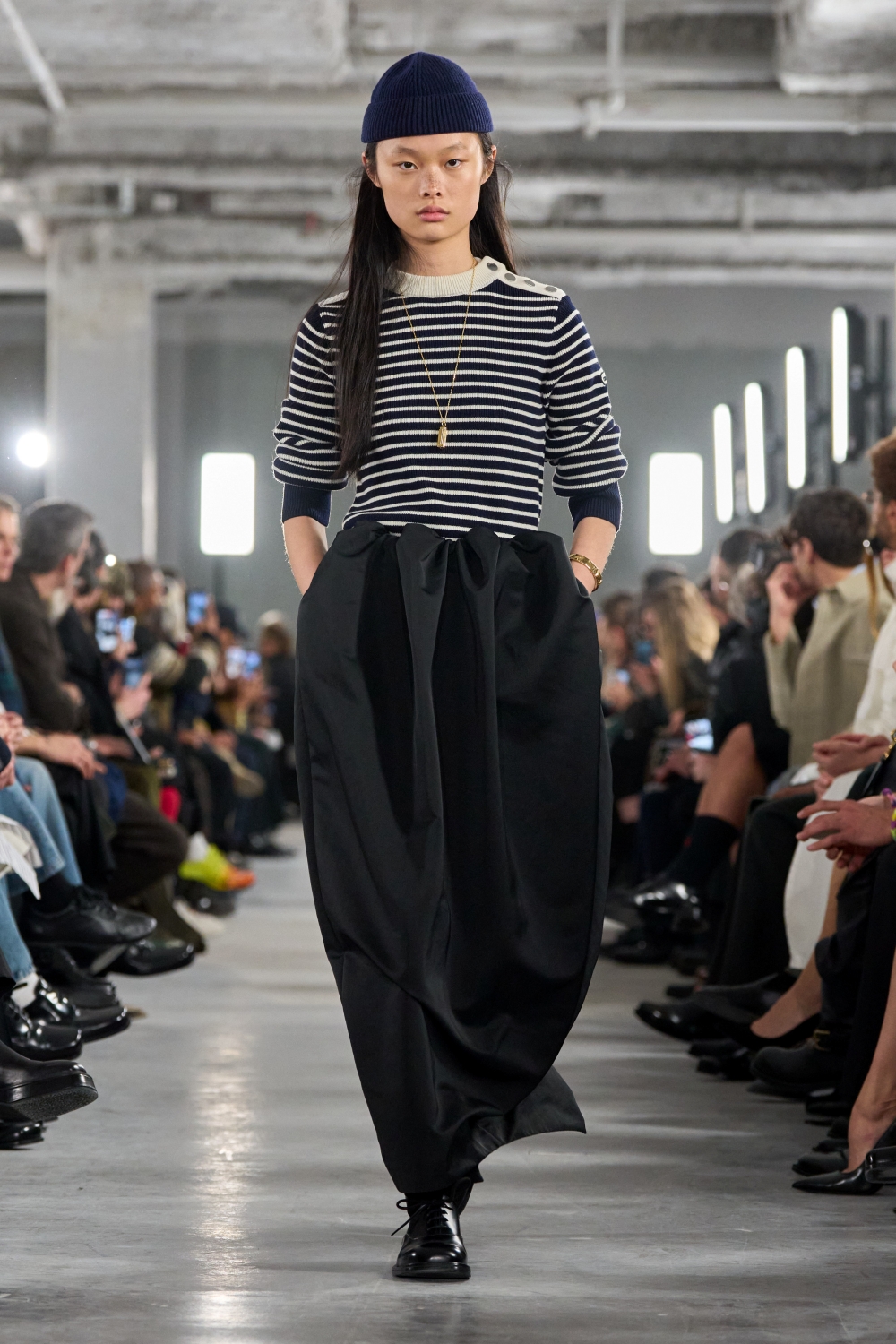
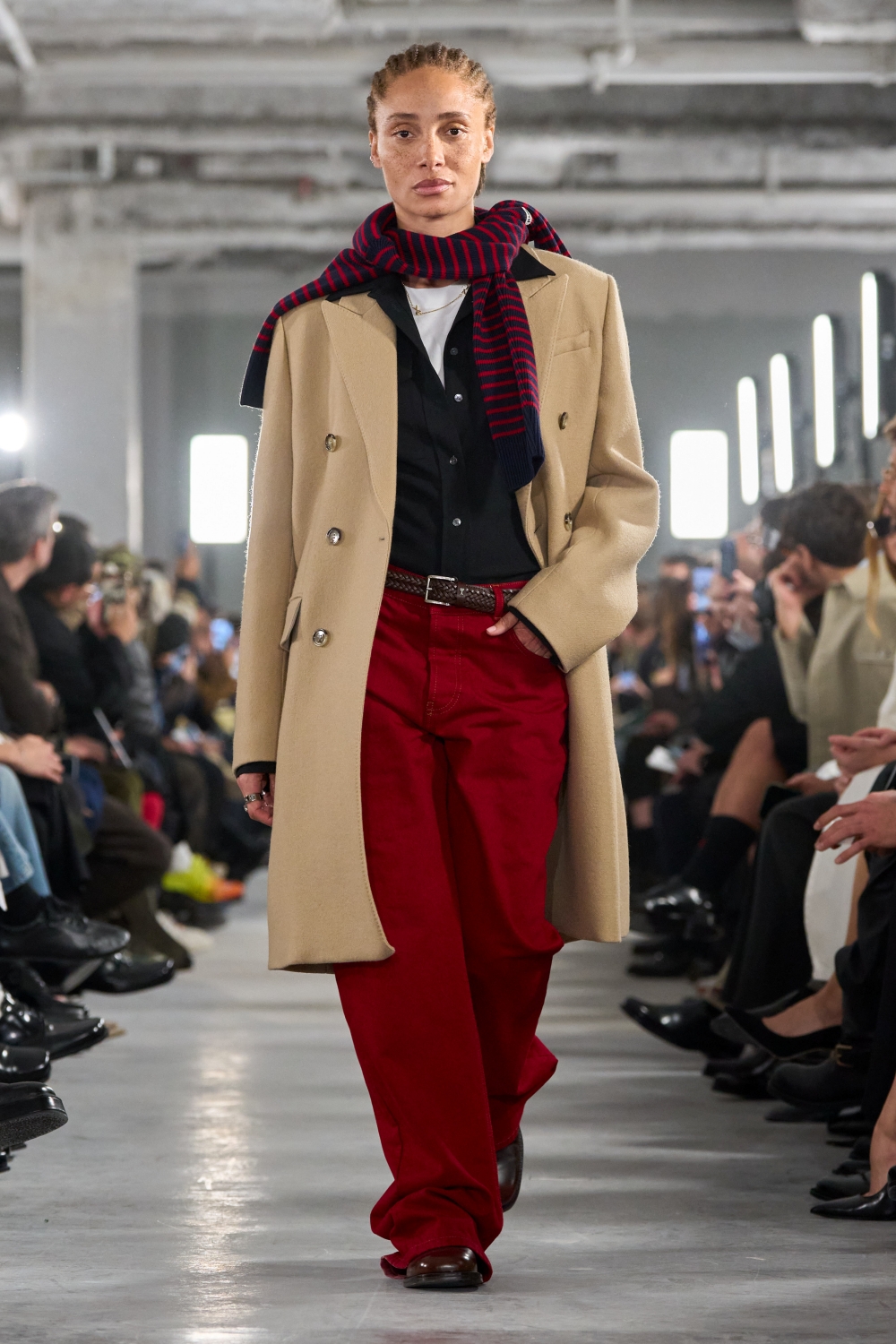
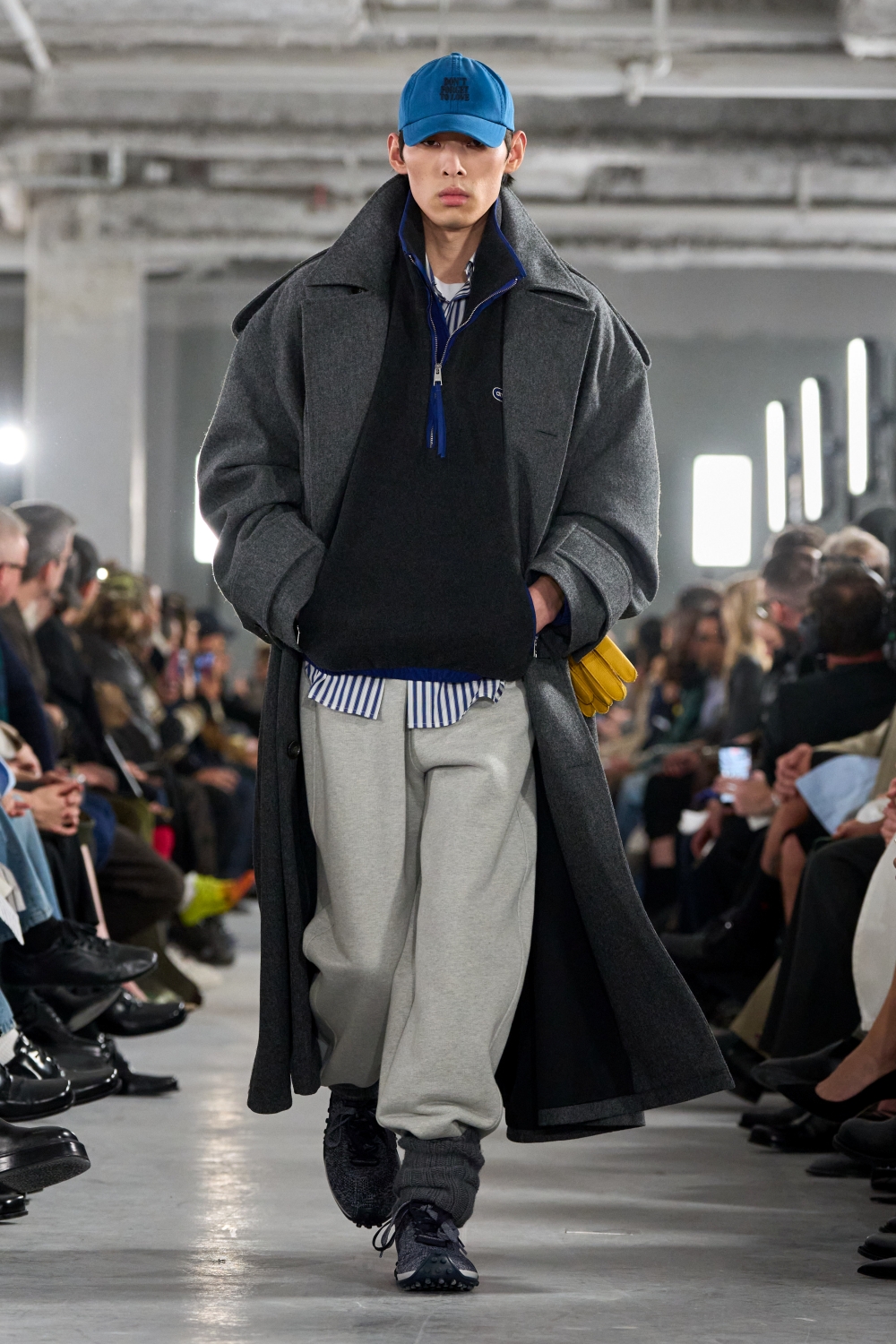
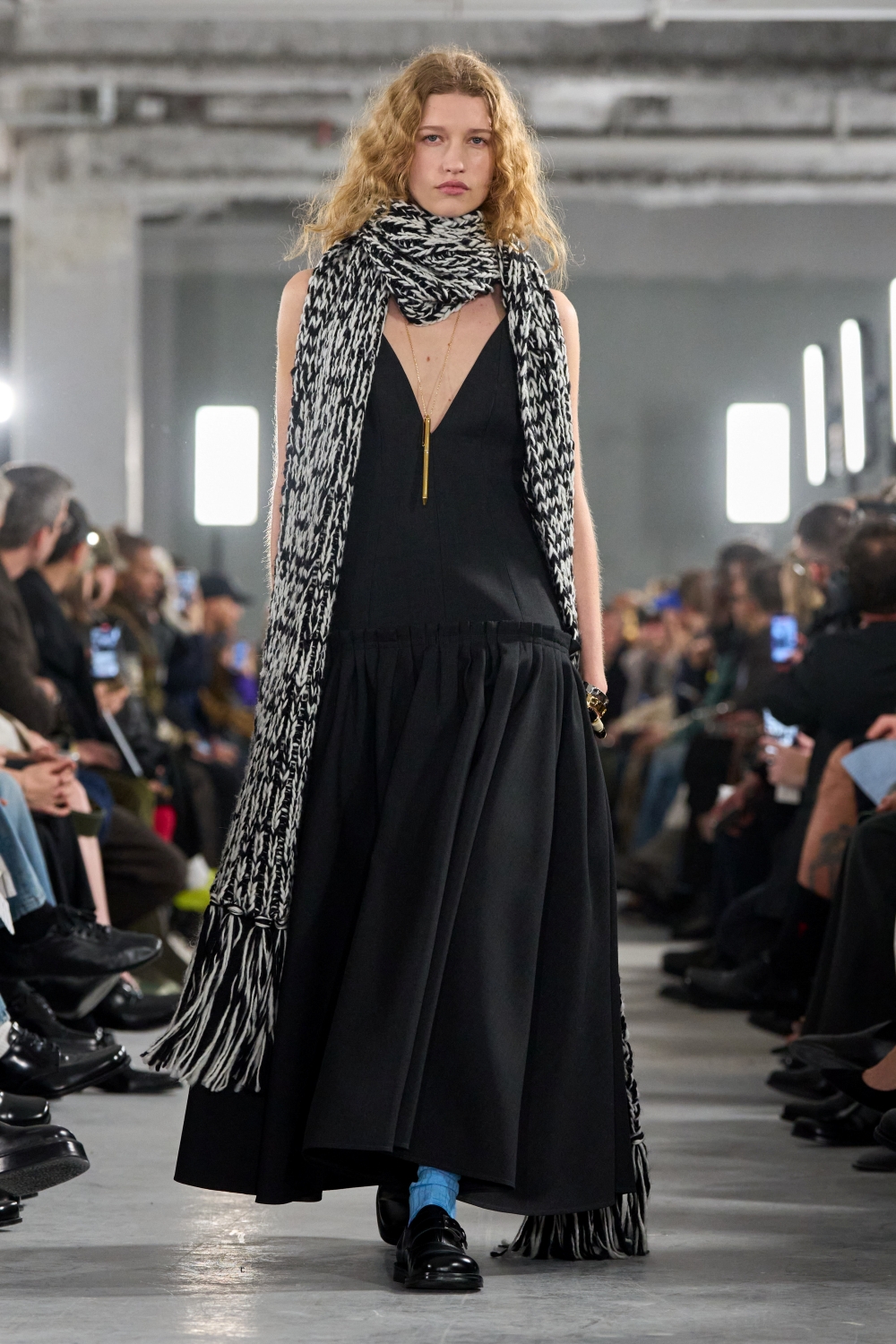
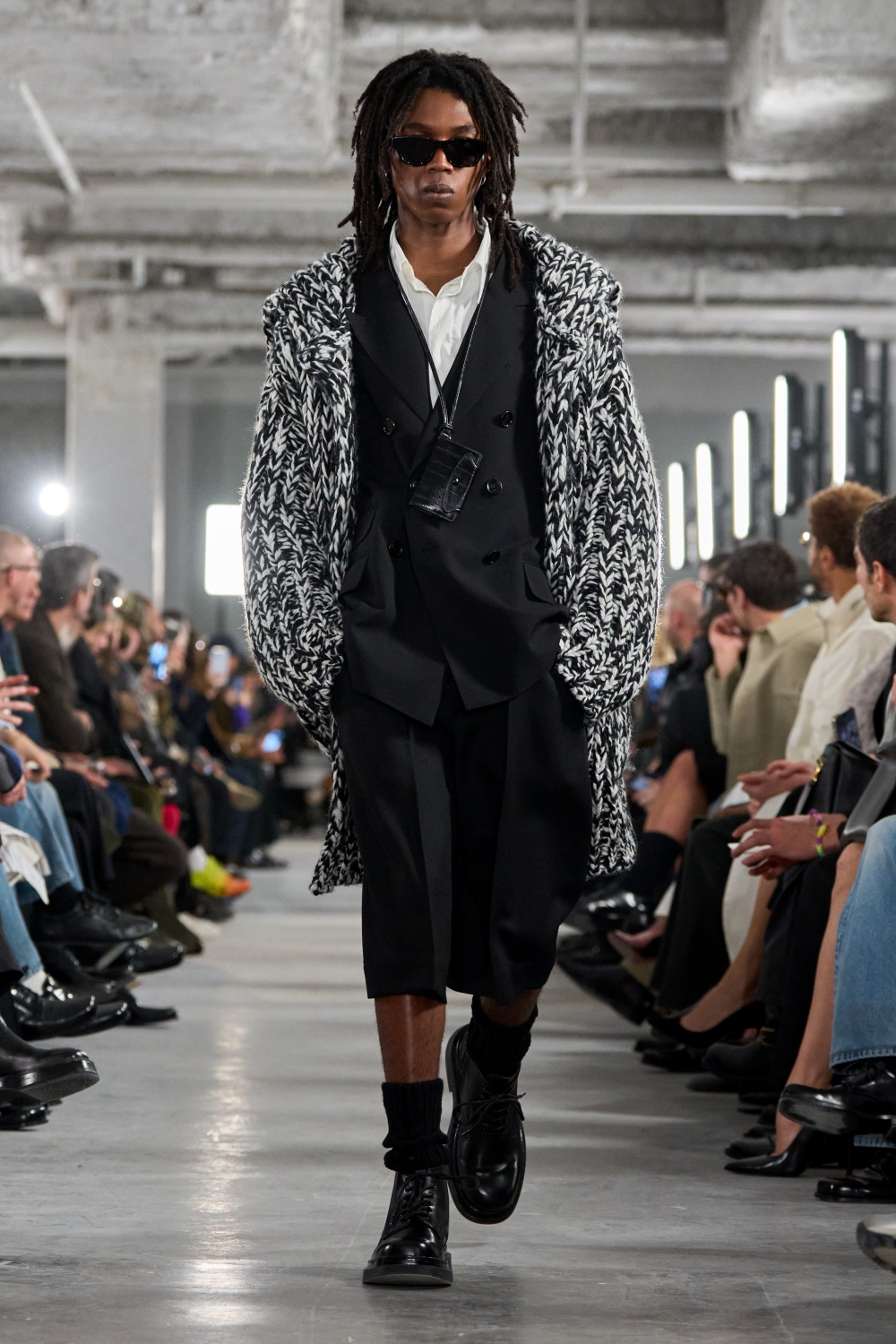
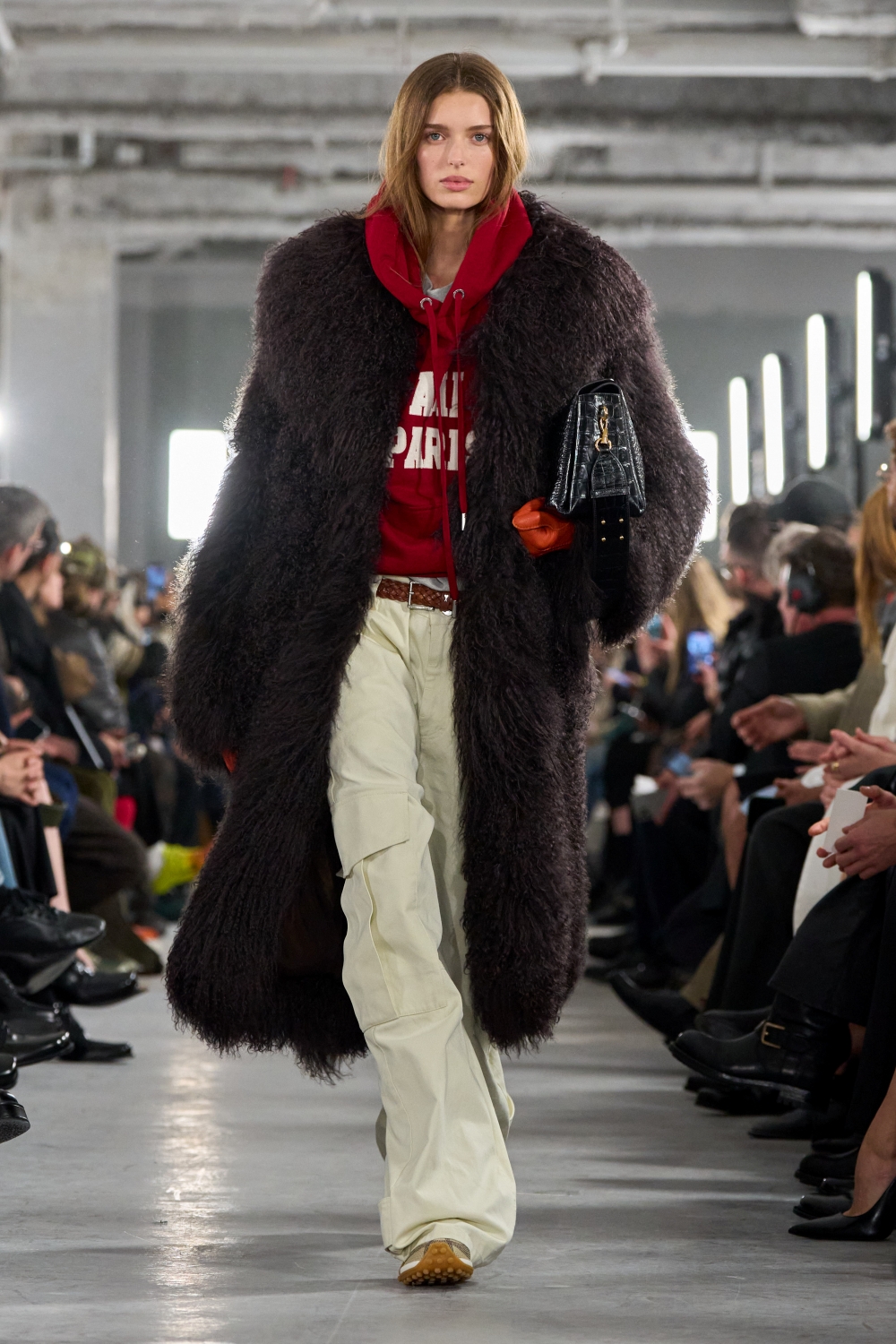
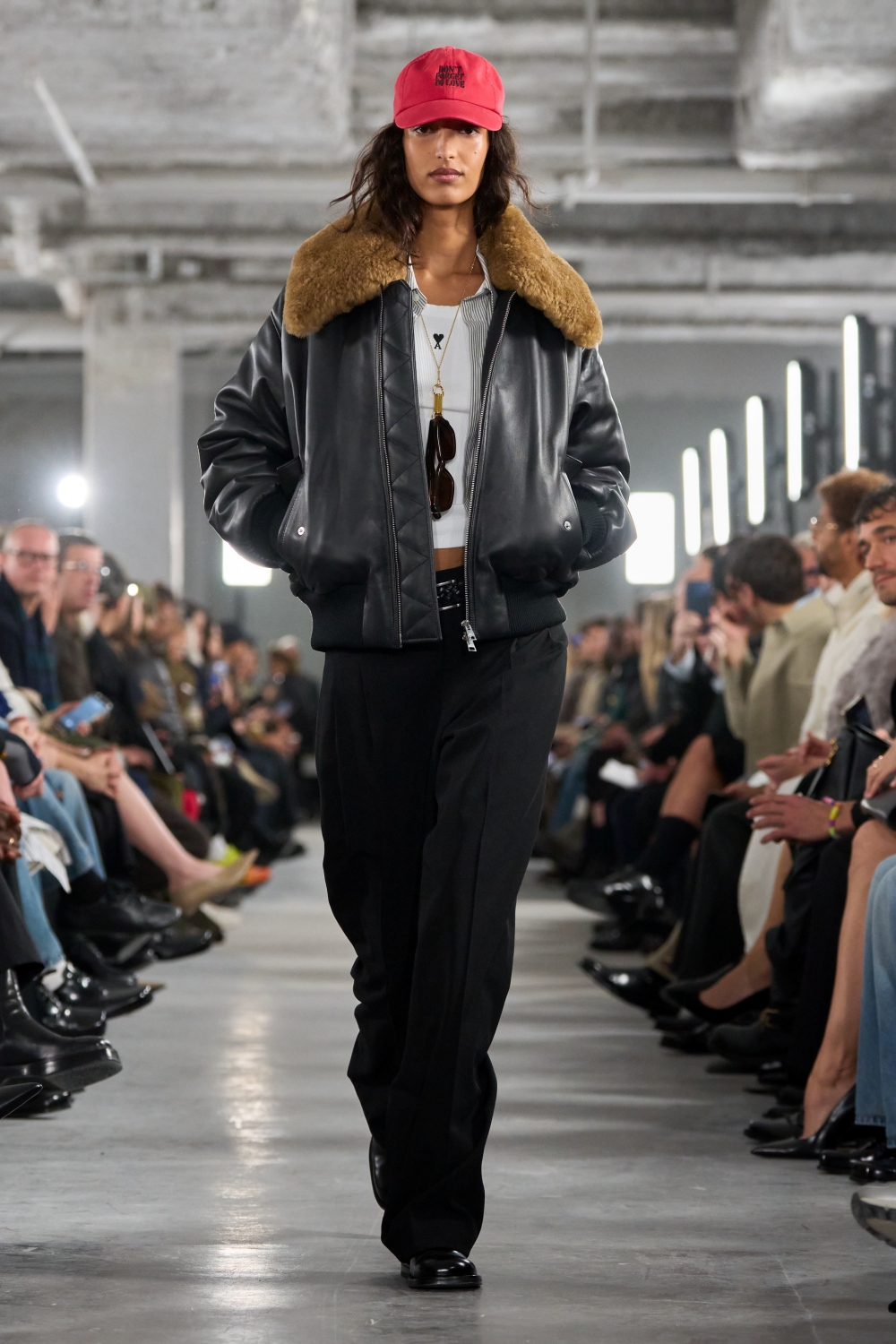
In silhouette and material, FW26 does not aim to produce a few iconic pieces, but to construct an entire wardrobe system: oversized coats, wide trousers, relaxed tailoring, womenswear with structure yet fluidity, materials ranging from faux croc and ponyskin to chambray, denim, knit, leather, and jersey. None of this functions as spectacle; it functions as the architecture of everyday life.
This is what distinguishes AMI FW26 from many contemporary fashion shows. It does not attempt to create fantasy, it constructs reality. These clothes are not designed for flash photography, but for real use: to be worn, reused, and recombined in real life.
From a brand perspective, this marks a clear shift in status. AMI no longer positions itself as a start-up brand, a hype brand, or a niche Parisian label. It is moving toward the status of an institutional cultural brand of Parisian fashion, a brand with its own language, archive, intellectual structure, philosophy, and economic system.
Repetition in FW26, therefore, is not a creative failure. It is a declaration of symbolic power: the power not to change oneself in order to appear contemporary, because contemporaneity can emerge from deep self-understanding.
In a fashion world driven by speed, virality, and acceleration, AMI chooses stillness, continuity, and truth. It is not a spectacular choice, but it is a stable one. And in the context of 2026, the stability of identity may become the most powerful form of luxury.
AMI Paris Fall–Winter 2026 is not merely a 15th anniversary collection.
It is a declaration that the brand does not need to chase time,
because it is growing with time, with structure, awareness, and clarity of identity.
And that is why FW26 is not just a collection, but a fashion statement.
A statement that says: sometimes, not changing is the deepest form of change.