


One Battle After Another: How Sinners, Stories, and Systems Redefined the Oscars
Reported by Manit Maneephantakun.
The announcement of the nominees for the 98th Academy Awards (Oscars 2026) on January 22, 2026 did not feel like an ordinary annual shortlist. It felt more like the unveiling of a map of meaning for the era, defining which stories the world should debate, which forms of beauty should become new standards, and what kind of entertainment can stand confidently in the realm of art without asking permission from anyone.
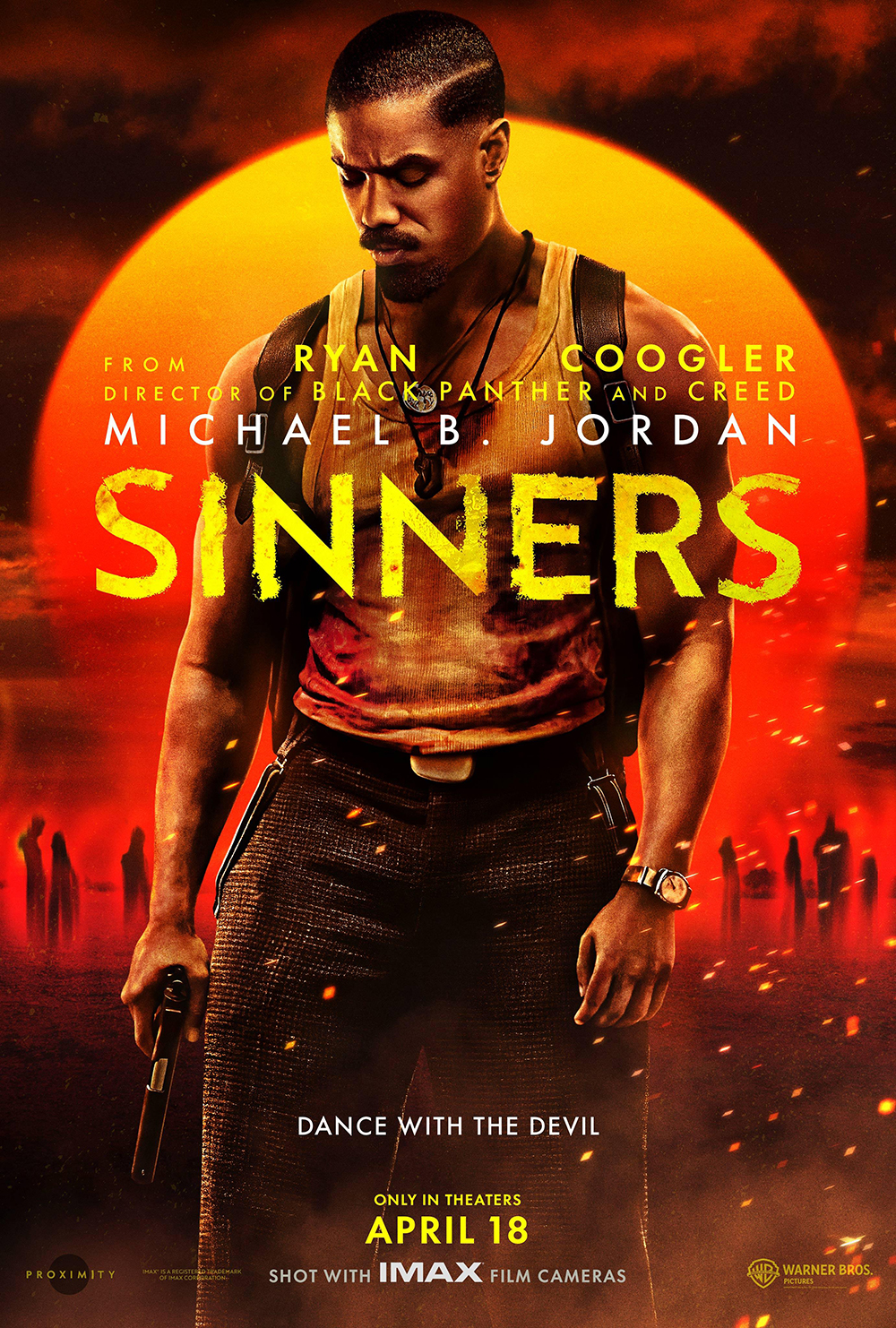
The loudest signal came from Sinners, directed by Ryan Coogler, which led the year with 16 nominations, setting a new record according to reports. Close behind was One Battle After Another by Paul Thomas Anderson, sweeping across major categories. When the full list of nominees is laid out and examined name by name, it becomes clear that Oscars 2026 is no longer asking “Who is the best?”, but rather, “What kind of world deserves to become a universal story?”



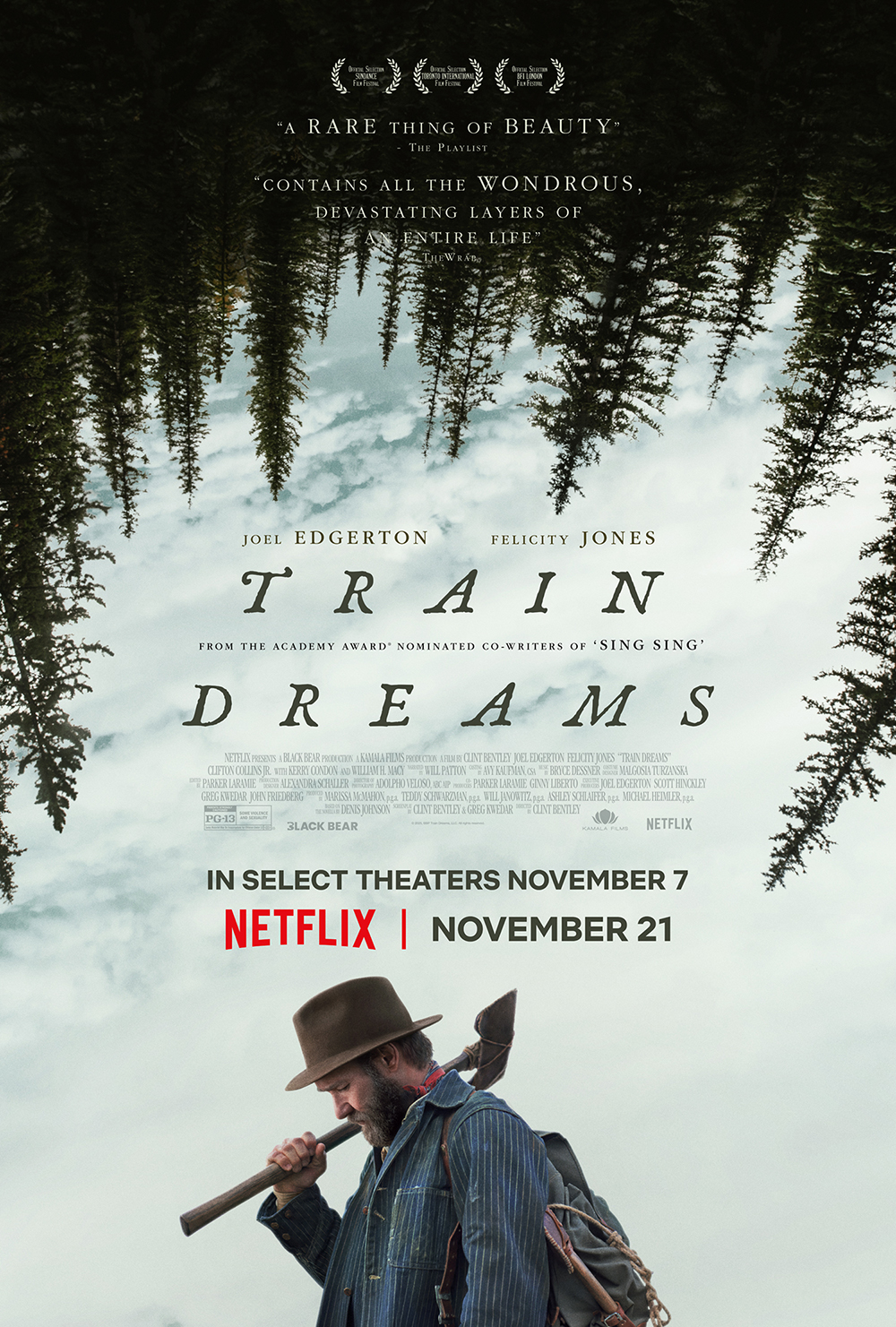
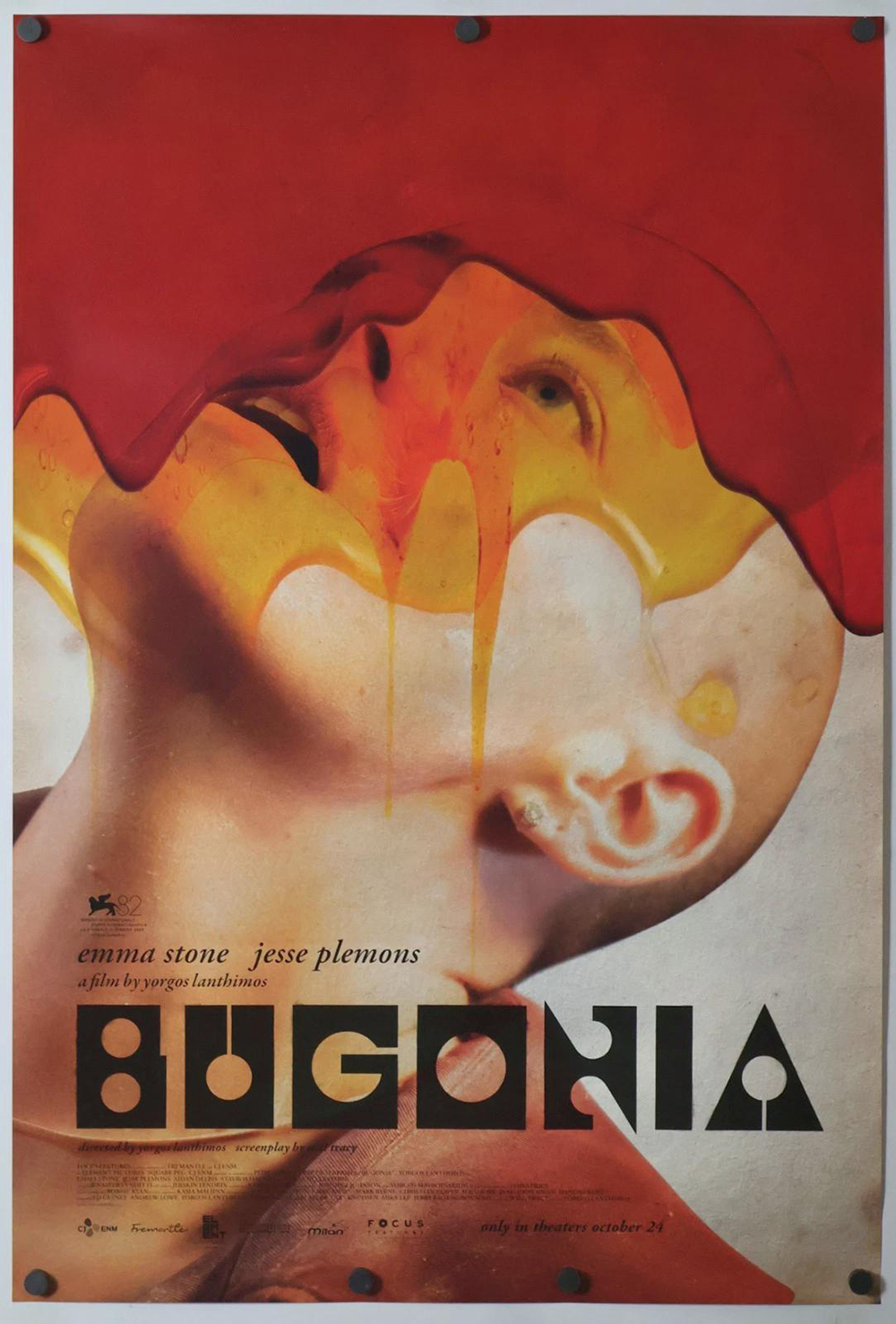
1) Best Picture Is Not “The Top 10 Films of the Year”, It Is Ten Models of the World the Academy Wants Us to Believe Matter
This year’s Best Picture nominees are:
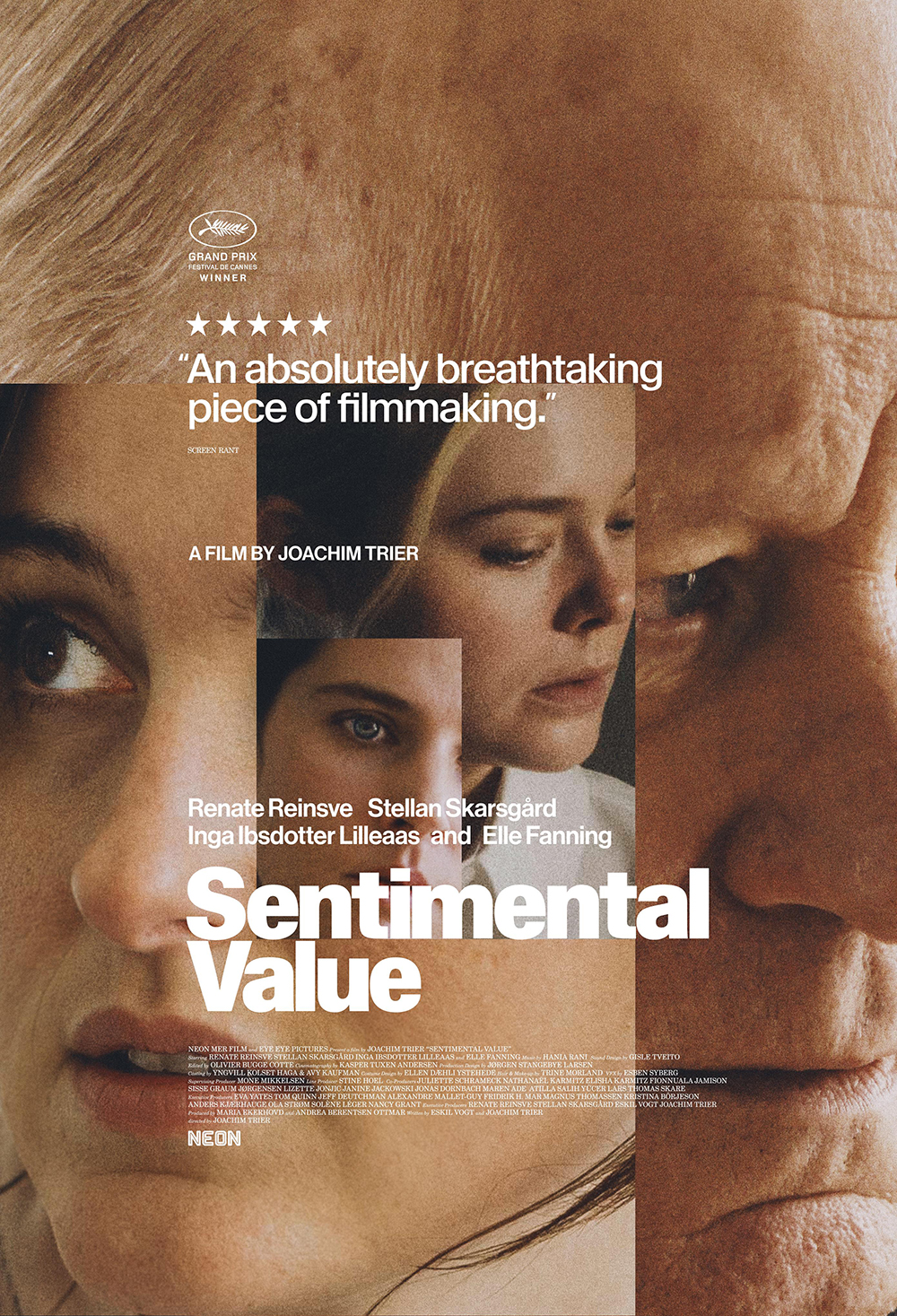
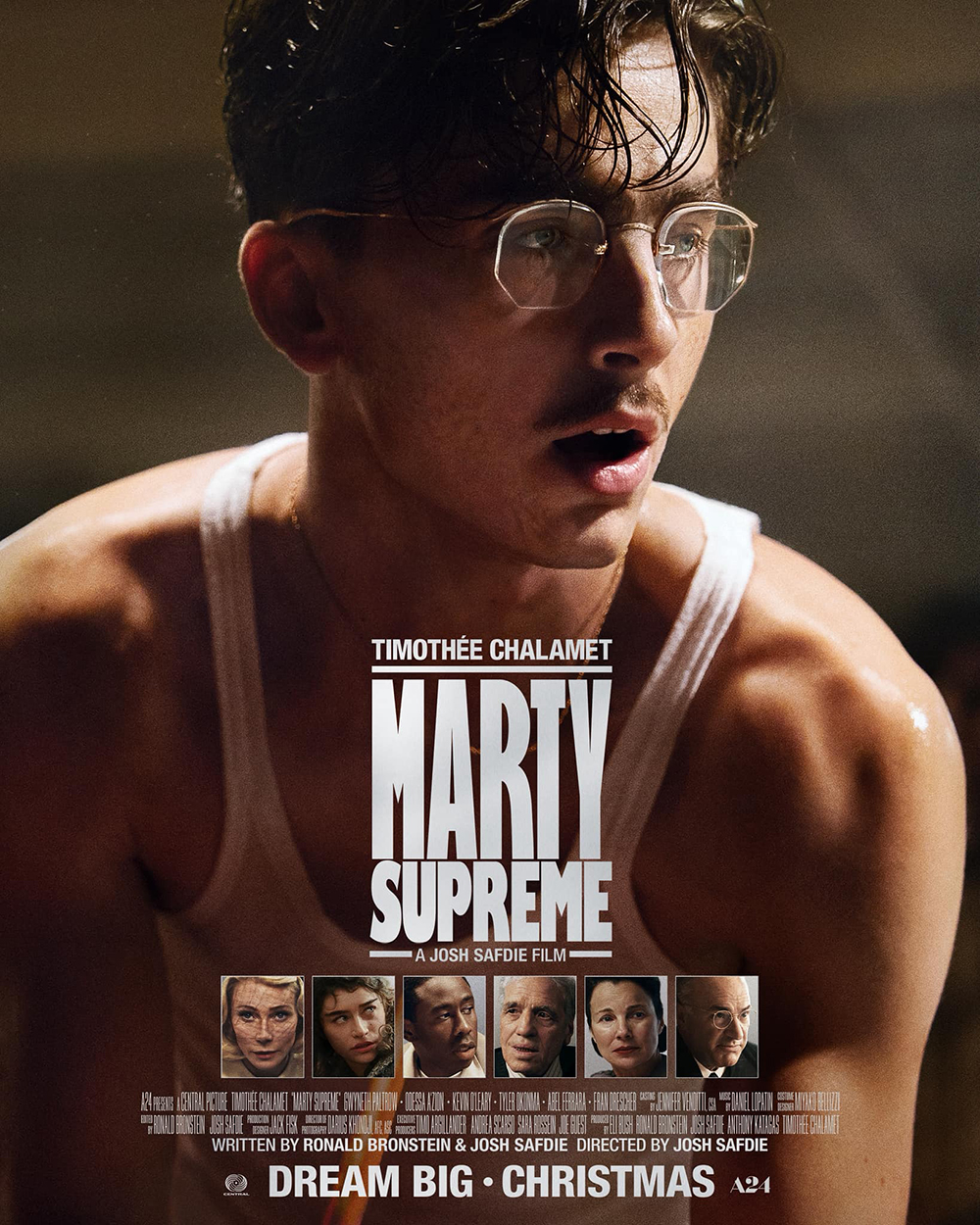
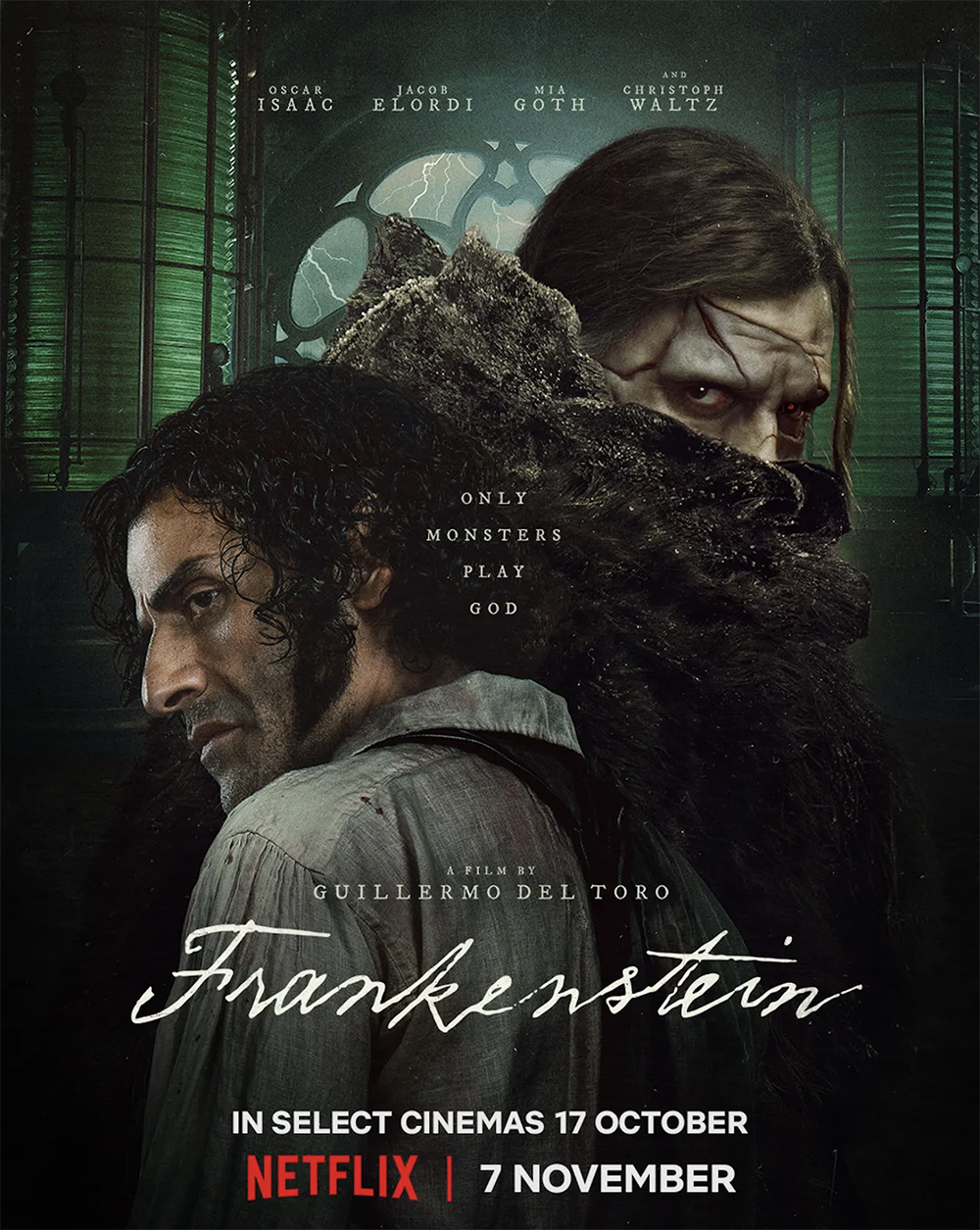
Bugonia, F1, Frankenstein, Hamnet, Marty Supreme, One Battle After Another, The Secret Agent, Sentimental Value, Sinners, Train Dreams
Through the #Legend lens, three major structural axes emerge from this list.
Axis One: “America as a Problem Set”
The positioning of Sinners and One Battle After Another at the front of the year signals that the Academy is rewarding films that read “America” structurally, through power, history, institutional violence, race, and class, rather than intimate melodramas designed primarily to move audiences emotionally.
In other words, this year’s Oscars are rewarding the explanation of systems more than the expression of feelings.
Axis Two: “Literary–Gothic–Memory Economy”
Hamnet and Frankenstein are not simply recognizable titles. Their presence signals a return of gravity, literary density, mythic structures, and philosophical questioning as high cultural capital within major awards discourse.
This is a form of narrative luxury, not powered by virality, but by intellectual weight.
Axis Three: “Multipolar Cinema”
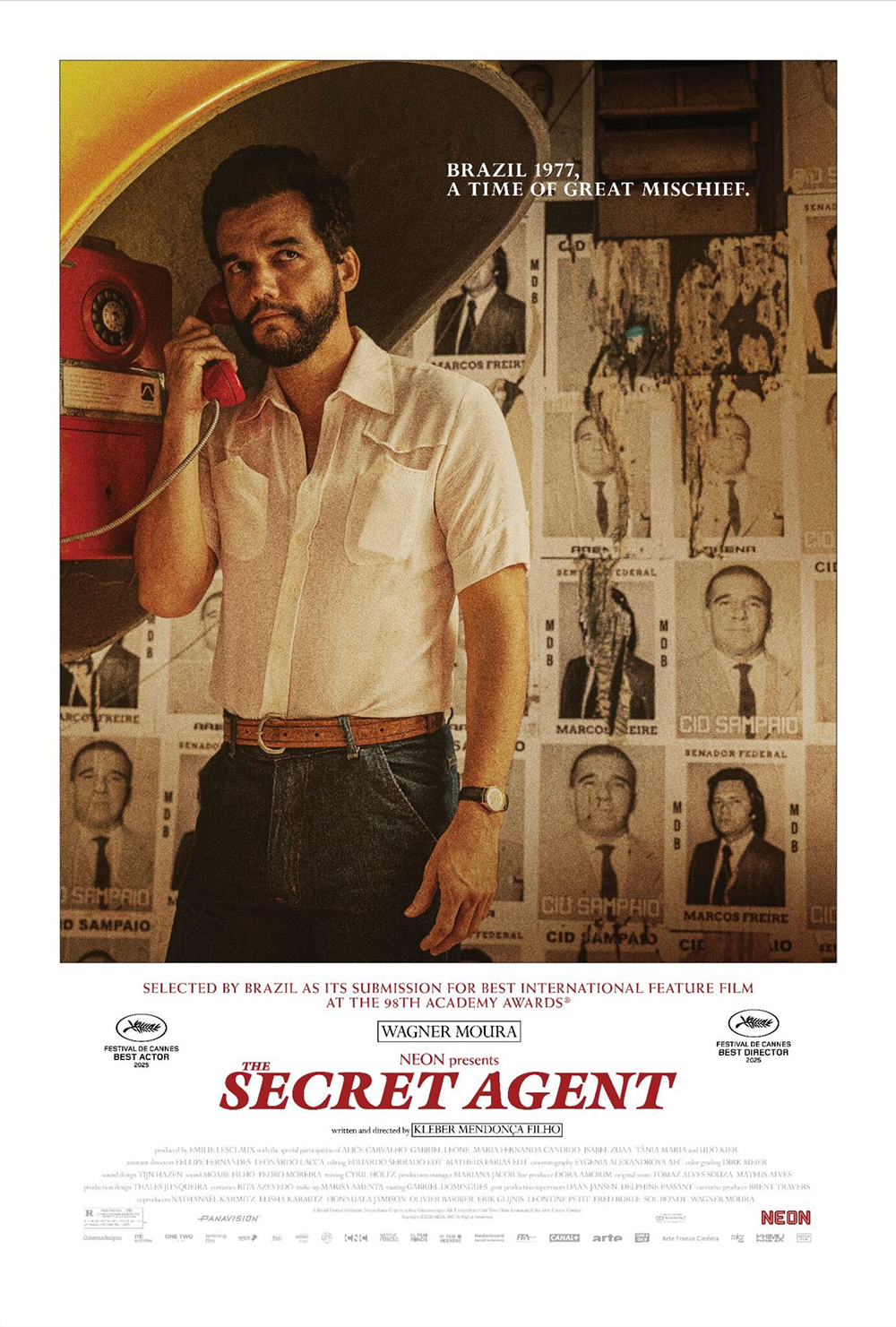
With The Secret Agent and Sentimental Value standing together in Best Picture, the cinematic world of 2026 no longer reads as “Hollywood = the center,” but as a multi-centered system, different languages, different cultures, competing within the same symbolic standards.
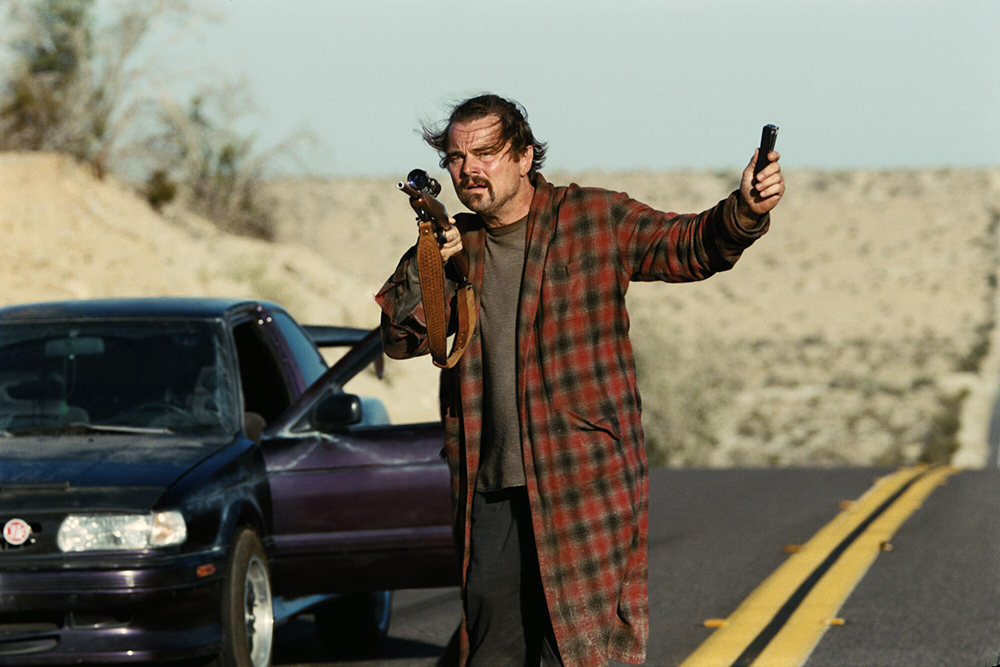
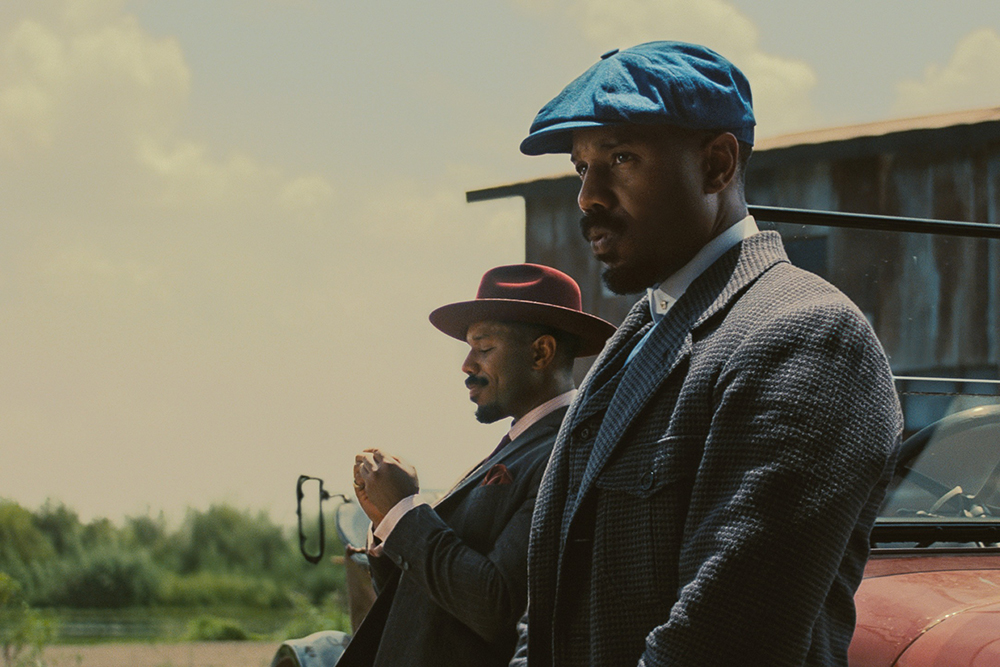
2) Directing: A Certification of Thought, Not Fame
The Best Director nominees are:
Chloé Zhao (Hamnet), Josh Safdie (Marty Supreme), Paul Thomas Anderson (One Battle After Another), Joachim Trier (Sentimental Value), Ryan Coogler (Sinners)
This is a highly coherent list because it shows that the Academy is crediting narrative architecture, not surface-level craft.
- PTA represents classical American structural critique
- Coogler embodies identity politics told at mass scale without reducing complexity
- Trier delivers emotional precision grounded in philosophical depth
- Zhao transforms silence into poetic language
- Safdie channels density, acceleration, and capitalist inertia
In short: Oscars 2026 rewards worldview.
3) Acting Categories = Stardom + Structure + Symbolism
Best Actor:
Timothée Chalamet (Marty Supreme), Leonardo DiCaprio (One Battle After Another), Ethan Hawke (Blue Moon), Michael B. Jordan (Sinners), Wagner Moura (The Secret Agent)
Best Actress:
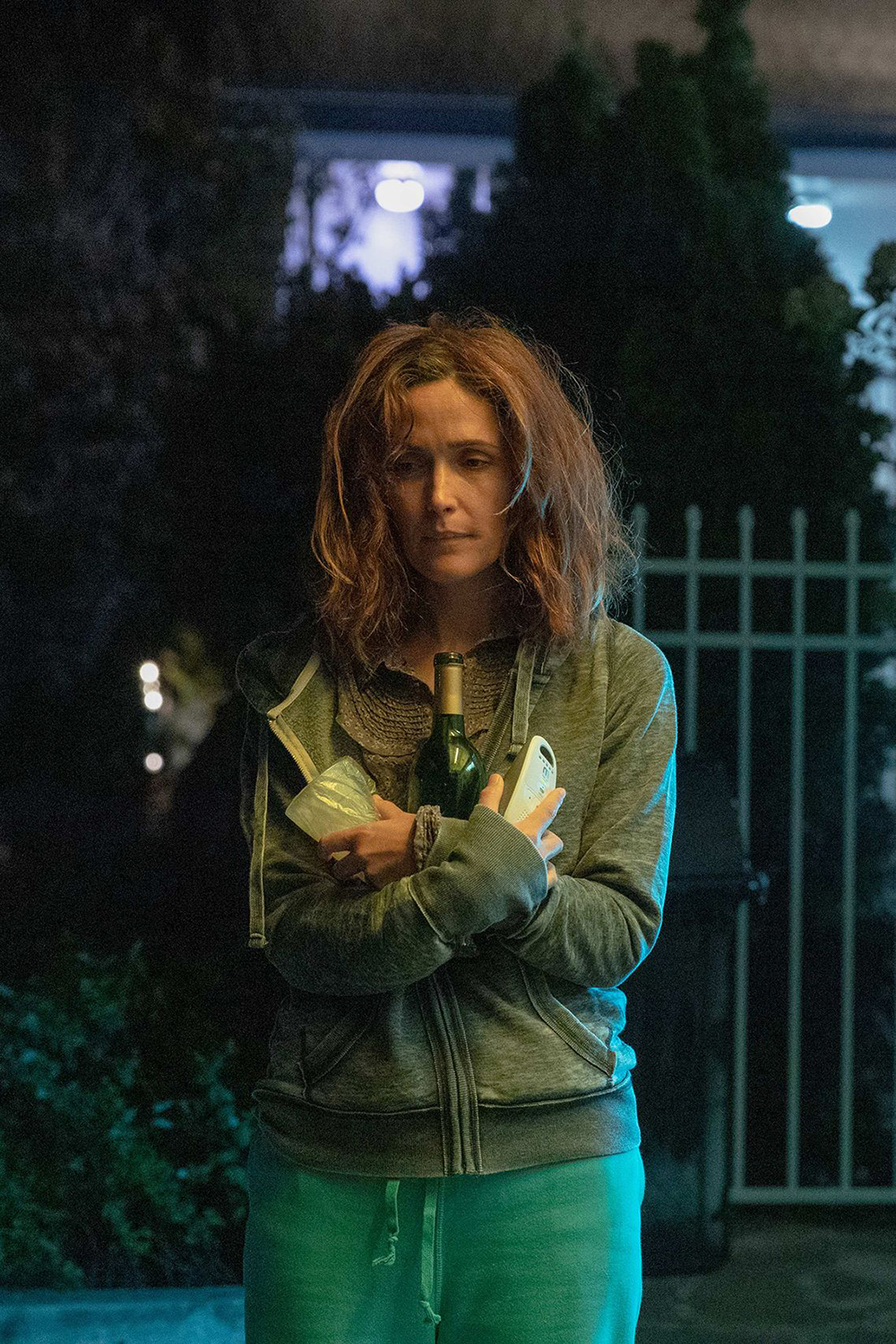
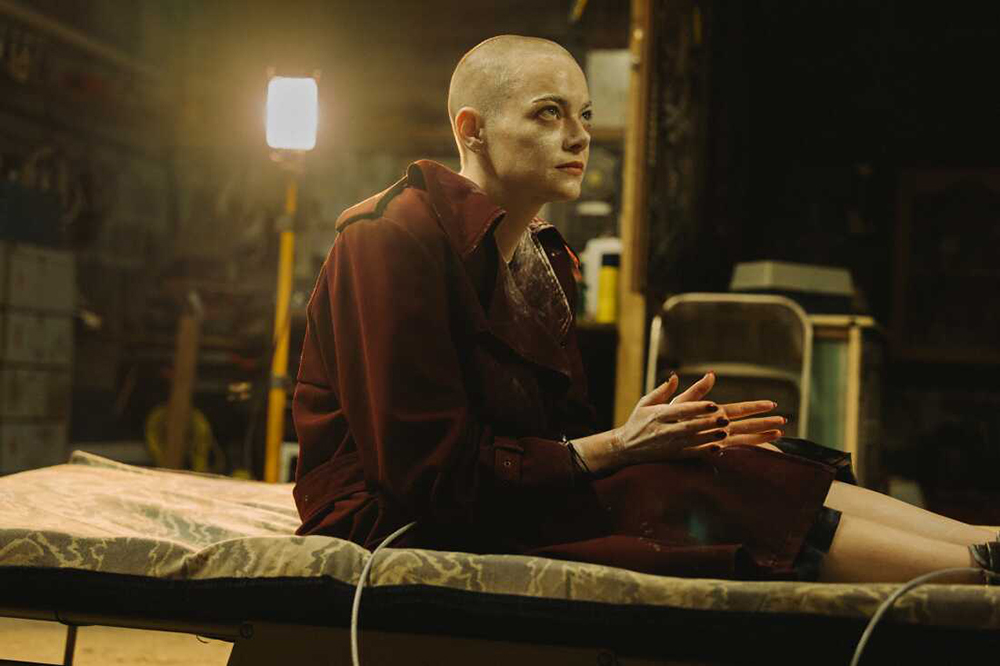
Jessie Buckley (Hamnet), Rose Byrne (If I Had Legs I’d Kick You), Kate Hudson (Song Sung Blue), Renate Reinsve (Sentimental Value), Emma Stone (Bugonia)
What matters more than the names is the distribution of power:
- The male category combines star power (DiCaprio, Chalamet) with symbolic power that carries non-central cinema into the core arena (Moura from The Secret Agent).
- The female category becomes a collision between literary gravity (Hamnet), contemporary vulnerability, and conceptual performance energy (Bugonia).
Supporting categories sharpen the pattern: the system now favors tone-setters, not scene-stealers.
Supporting Actor:
Benicio Del Toro (One Battle After Another), Jacob Elordi (Frankenstein), Delroy Lindo (Sinners), Sean Penn (One Battle After Another), Stellan Skarsgård (Sentimental Value)
Supporting Actress:
Elle Fanning (Sentimental Value), Inga Ibsdotter Lilleaas (Sentimental Value), Amy Madigan (Weapons), Wunmi Mosaku (Sinners), Teyana Taylor (One Battle After Another)
Notably, Sentimental Value is no longer “a Norwegian film that traveled far,” but a film the Academy recognizes as structurally central, across storytelling and performance.

4) Screenplay: The Real Arena of Intelligence
Adapted Screenplay:
- Bugonia — Will Tracy
- Frankenstein — Guillermo del Toro
- Hamnet — Chloé Zhao & Maggie O’Farrell
- One Battle After Another — Paul Thomas Anderson
- Train Dreams — Clint Bentley & Greg Kwedar
Original Screenplay:
- Blue Moon — Robert Kaplow
- It Was Just an Accident — Jafar Panahi (+ collaborators)
- Marty Supreme — Ronald Bronstein & Josh Safdie
- Sentimental Value — Eskil Vogt, Joachim Trier
- Sinners — Ryan Coogler
These categories make it clear: “newness” in 2026 does not mean novelty, it means systemic thinking.
From PTA to Panahi, the Academy still believes in writing as the engine of meaning-production in cinema.
5) International Feature: Many Languages, One Arena — The New Soft Power
International Feature Film nominees:
Brazil — The Secret Agent
France — It Was Just an Accident
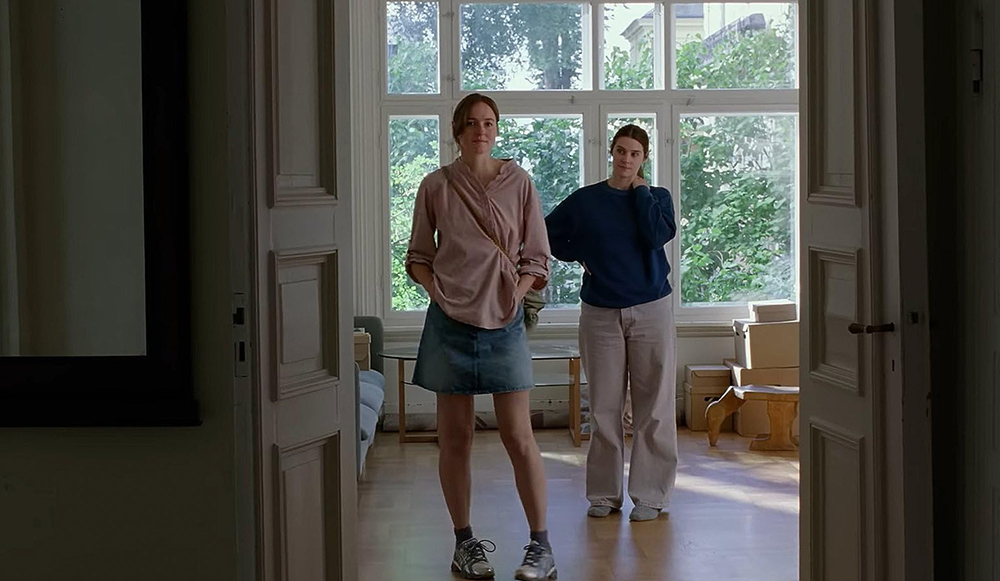
Norway — Sentimental Value
Spain — Sirāt
Tunisia — The Voice of Hind Rajab
This is not a symbolic “international consolation category.” It functions more like a United Nations of cinema, if your narrative language is readable to the world, you sit at the same table as Hollywood.
And when Sentimental Value appears in Best Picture, Directing, Acting, and Screenplay, it signals that “international” is no longer peripheral, it is overlapping with the core.

6) For #Legend Readers: Costume, Production, and Score as Conceptual Power
Costume Design nominees:
Avatar: Fire and Ash (Deborah L. Scott),
Frankenstein (Kate Hawley),
Hamnet (Malgosia Turzanska),
Marty Supreme (Miyako Bellizzi),
Sinners (Ruth E. Carter)
Here, costume is recognized as world-language, not surface beauty:
- Avatar = cosmic scale and tribal cosmology
- Frankenstein/Hamnet = historical and literary precision
- Sinners = politics of identity and oppression
- Marty Supreme = contemporary American tonal control
Original Score:
Bugonia (Jerskin Fendrix), Frankenstein (Alexandre Desplat), Hamnet (Max Richter), One Battle After Another (Jonny Greenwood), Sinners (Ludwig Göransson)
Original Song includes “Golden” from KPop Demon Hunters alongside classical cinematic works, a clear sign that the Academy now formally acknowledges digital cultural shockwaves as legitimate artistic force.
Conclusion: Oscars 2026 as the Declaration of a Narrative World Order
If stripped of list-format journalism, Oscars 2026 delivers three structural messages:
- Films that define the era must explain systems, not just emotions.
- Universality does not mean sameness, it means local stories that the world can read.
- Technical beauty (costume, sound, design, music) has become politics of meaning, not decoration.
With Sinners at the center of the year, Oscars 2026 is not simply “a year of nominees.”
It is a year in which the Academy is telling the world:
“This is how the world should be told, if it is to become contemporary truth.”
(The final voting and official schedule of the 98th Academy Awards have been announced by the Academy, with the ceremony to be held on March 15, 2026.)