

Reported by Manit Maneephantakun
When John Galliano isn’t creating something new, but “re-authoring” what already exists, Zara quietly steps beyond fast fashion into a space where clothes begin to carry meaning again.
Sometimes, the most significant shifts in fashion don’t begin with a grand runway or a loud, headline-making collection. They begin quietly, in a conversation between two people. This time, that conversation happened between John Galliano and Marta Ortega.
In a world where the line between fast fashion and luxury once felt sharply defined, Zara’s collaboration with Galliano blurs that boundary once more. Not out of confusion, but out of intention, a deeper, more deliberate desire to “rewrite” what already exists.
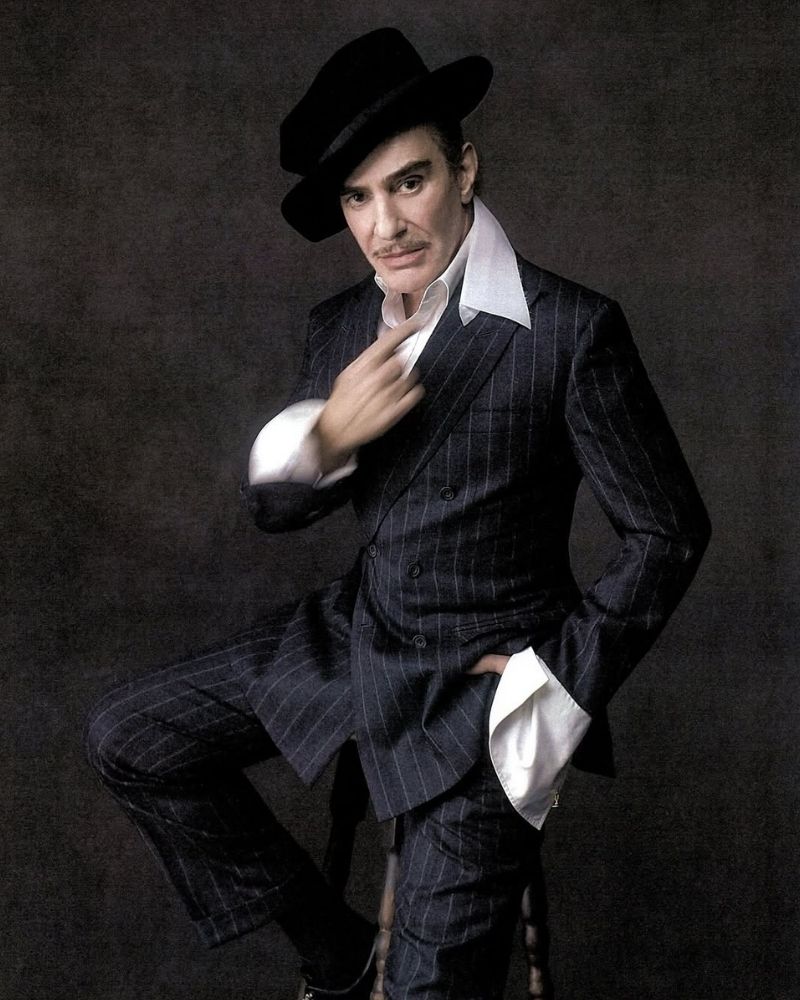
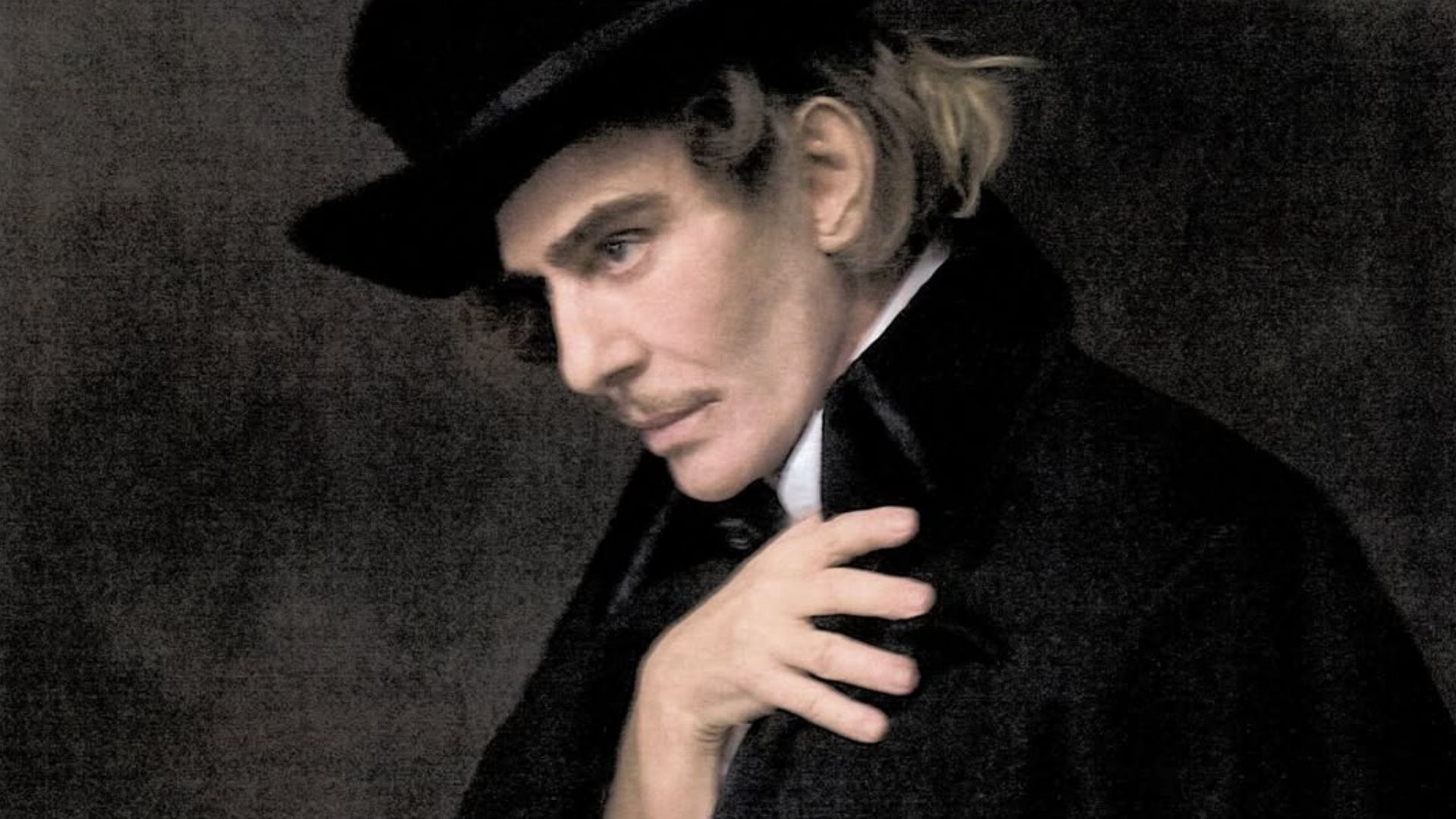
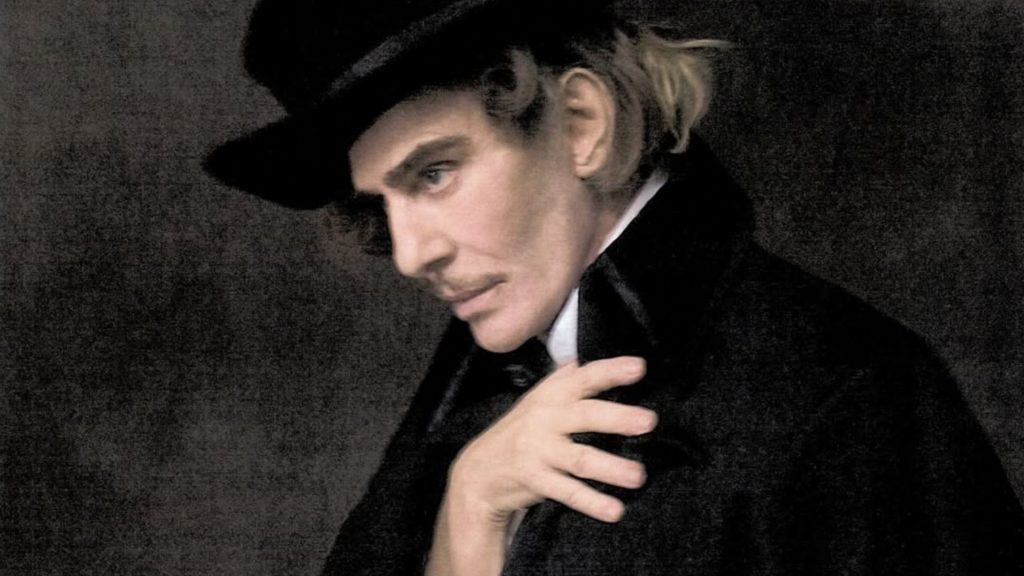
Galliano isn’t returning to create from scratch. He returns to re-author, a word that sounds like editing, but in truth feels closer to literary reinterpretation.
“I’m not designing something entirely new,” he explains. “I’m taking what exists and rewriting it. It’s not this, and it’s not that, we are re-authoring.”
Instead of searching Zara’s archives for its “best” pieces, he looks for those with the potential to become something else. In that process, garments once produced within a mass system are lifted into a space of experimentation once again.
There is something in this approach that feels unmistakably Galliano. Throughout his career, from transforming Dior into a theatre of dreams to reshaping Maison Margiela into something both elusive and tangible, he has never been interested in clothes alone. He is interested in narrative, in character, in the hidden possibilities within fabric and form.
And perhaps, that is exactly why Zara chose him.
In recent years, under the direction of Marta Ortega, the Spanish retailer has been quietly shifting away from its original identity. No longer defined purely by speed, Zara is moving toward something more ambitious, a space where product is anchored not only in immediacy, but in meaning and quality. Stores have evolved into more open, gallery-like environments. Materials and construction have improved. Most importantly, Zara has begun speaking a different language within fashion.
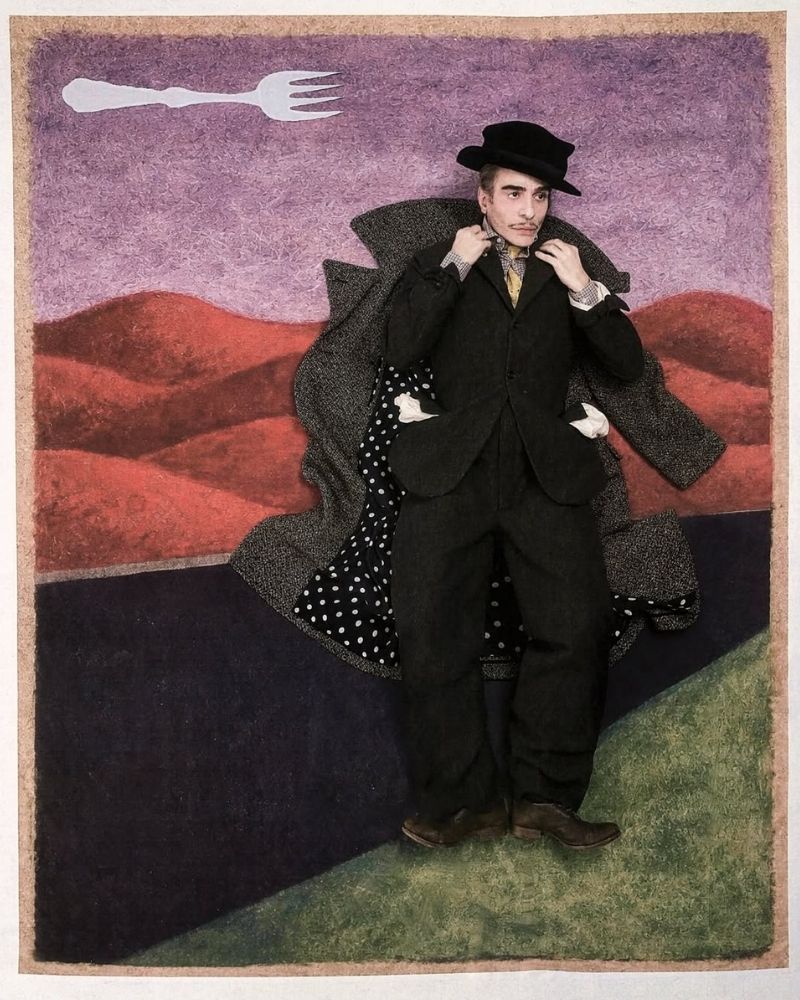
Bringing Galliano into this context is not just about attaching a legendary name to the brand. It signals a larger question Zara is beginning to ask, about value in an era of increasingly discerning consumers, about sustainability as a creative mindset rather than just a material choice, and about the role fashion plays in a world moving too fast to reflect.
Galliano, too, arrives at a moment of transition. After stepping down from Maison Margiela, he spent two years living in a way that feels almost antithetical to the fashion system, walking through forests, visiting museums, getting lost without a phone.
“I went walking in the woods, visiting museums, getting lost without my phone… and I started trusting my instinct again,” he says.
It’s a simple statement, yet one that carries weight for a designer who once stood at the very center of fashion’s relentless pace.
And when he returns, he doesn’t do so with declarations, but with questions.
Can a garment live more than one life?
Can a brand tell the same story differently?
And in a world of endless reproduction, can fashion still feel new?
Galliano’s answer seems to lie in process rather than outcome.
“What I’m doing now is informed by form and proportion, without falling into any category,” he explains. “It’s beyond gender, and beyond seasons.”
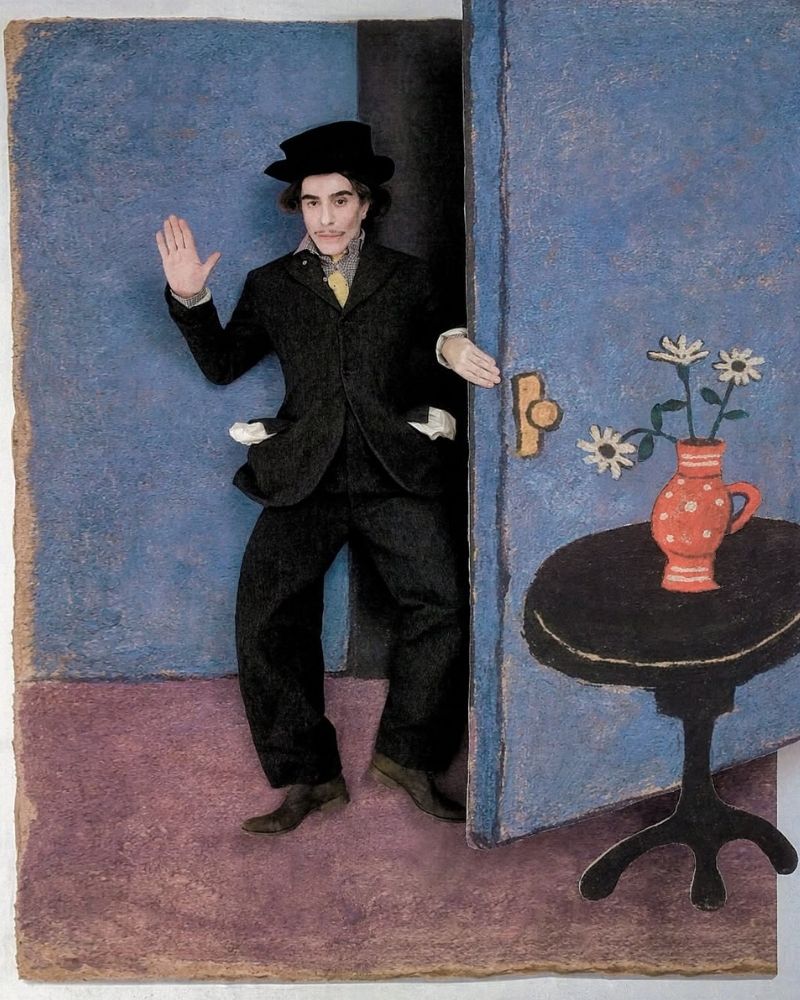
He speaks of working through toiles, of testing how far something can be pushed without losing its essence. In refusing to define, he opens space, space for ambiguity, for evolution, for possibility.
It recalls his Artisanal 2024 show at Margiela, a mist-filled night beneath a Paris bridge where characters, half-real and half-dreamlike, moved through the space with glass-like, mask-inspired faces. It wasn’t just viral; it was a reminder that fashion can still be an experience, not just a product.
Today, even as the context shifts from couture to global retail, that same spirit remains.
“To deliver fashion through such an enormous platform, that’s thrilling,” Galliano says. “And to work with the resources they have, it makes it even more exciting.”
The real intrigue, then, isn’t whether his Zara pieces will be “beautiful,” but whether they will change how we see Zara itself.
At a time when Shein and Temu dominate through speed and price, Zara responds with something that feels slower, investment in design, in experience, in storytelling, and now, in its own memory. Revisiting the archive is not just a business strategy; it is an acknowledgment that the past holds value, and perhaps, the seeds of the future.
The first collection arrives in September. But in many ways, the shift has already begun, with a new set of questions directed at a system we thought we understood.
For Galliano, this may well be the “act three” he speaks of.
“They say the third act of your life is the most important… and perhaps the most fun,” he reflects.
Fashion may continue to move at speed.
But sometimes, rewriting can be more powerful than starting over.