
“…When young people are asked which watch they dream of owning as their first, Cartier is a name that frequently comes up. Gen Z is widely regarded as the demographic that will shape the future direction of the market, and for them, the French maison’s jewellery-like timepieces are not merely fashion accessories worn briefly to complete a look. Instead, they are viewed as enduring objects of value, considered investments on par with the Swiss watch icons that have long dominated the category…”
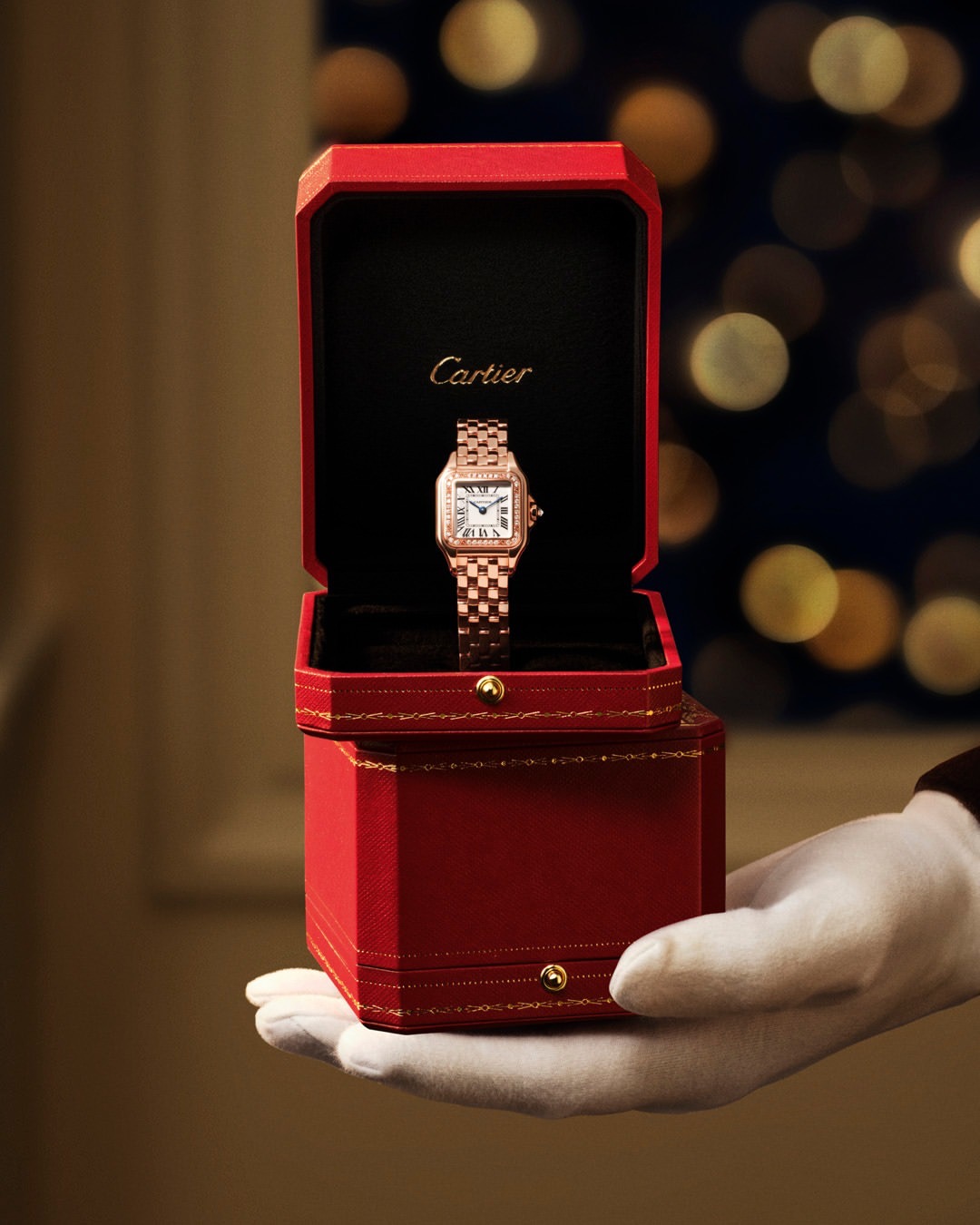
Gen Z’s perspective on watches differs markedly from that of previous generations. Where Millennials once gravitated towards large, eye-catching sports watches or technically complex timepieces as symbols of wealth and success, younger consumers now see wristwatches primarily as expressions of identity and personal style rather than feats of mechanical achievement. Data from Chrono24 indicates that Gen Z has been a key driver behind the resurgence of the dress watch category. Since 2018, sales in this segment have increased by 44 percent, compared with growth of just 29 percent among other age groups. Today, dress watches account for 12 percent of all watch purchases made by Gen Z.
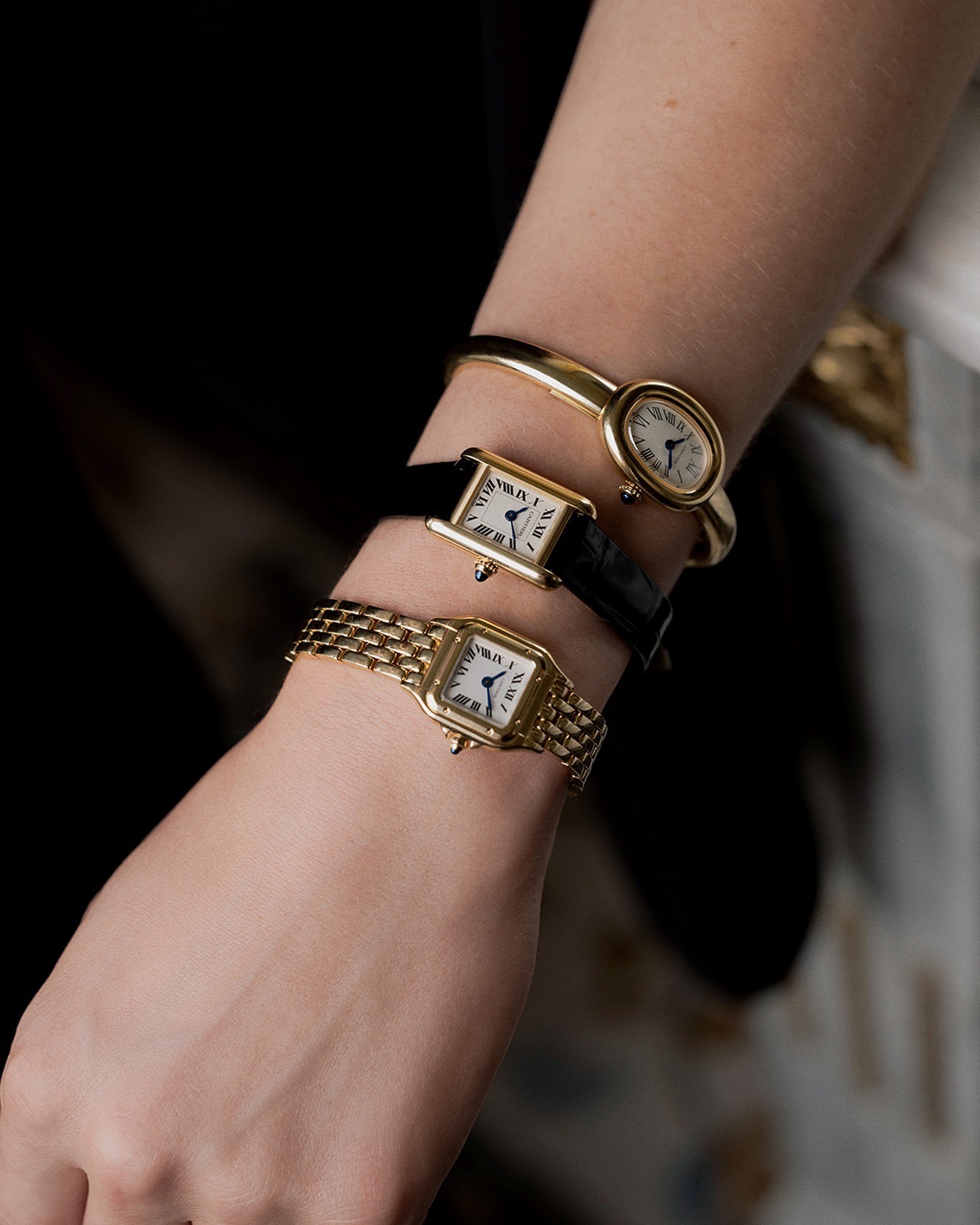
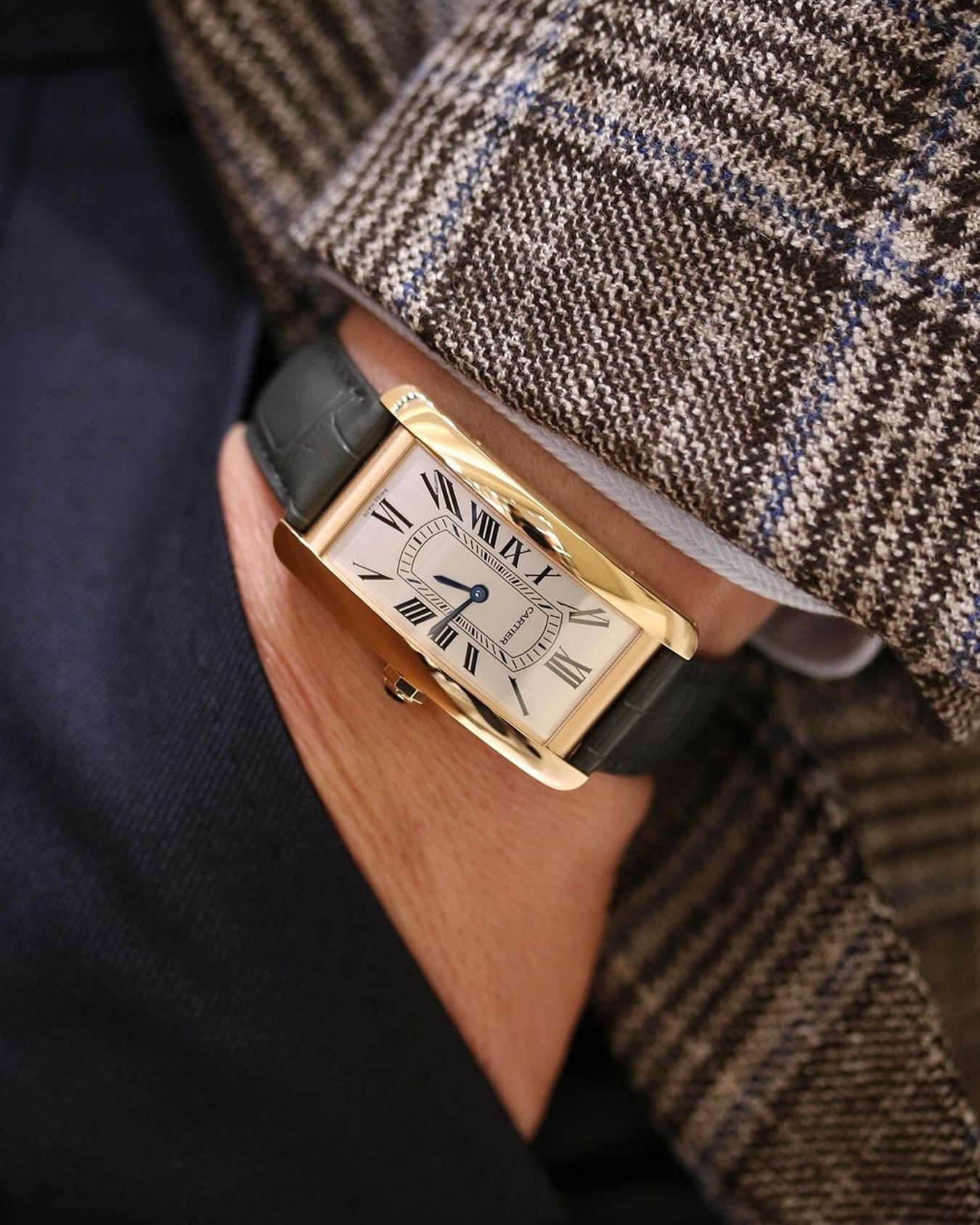
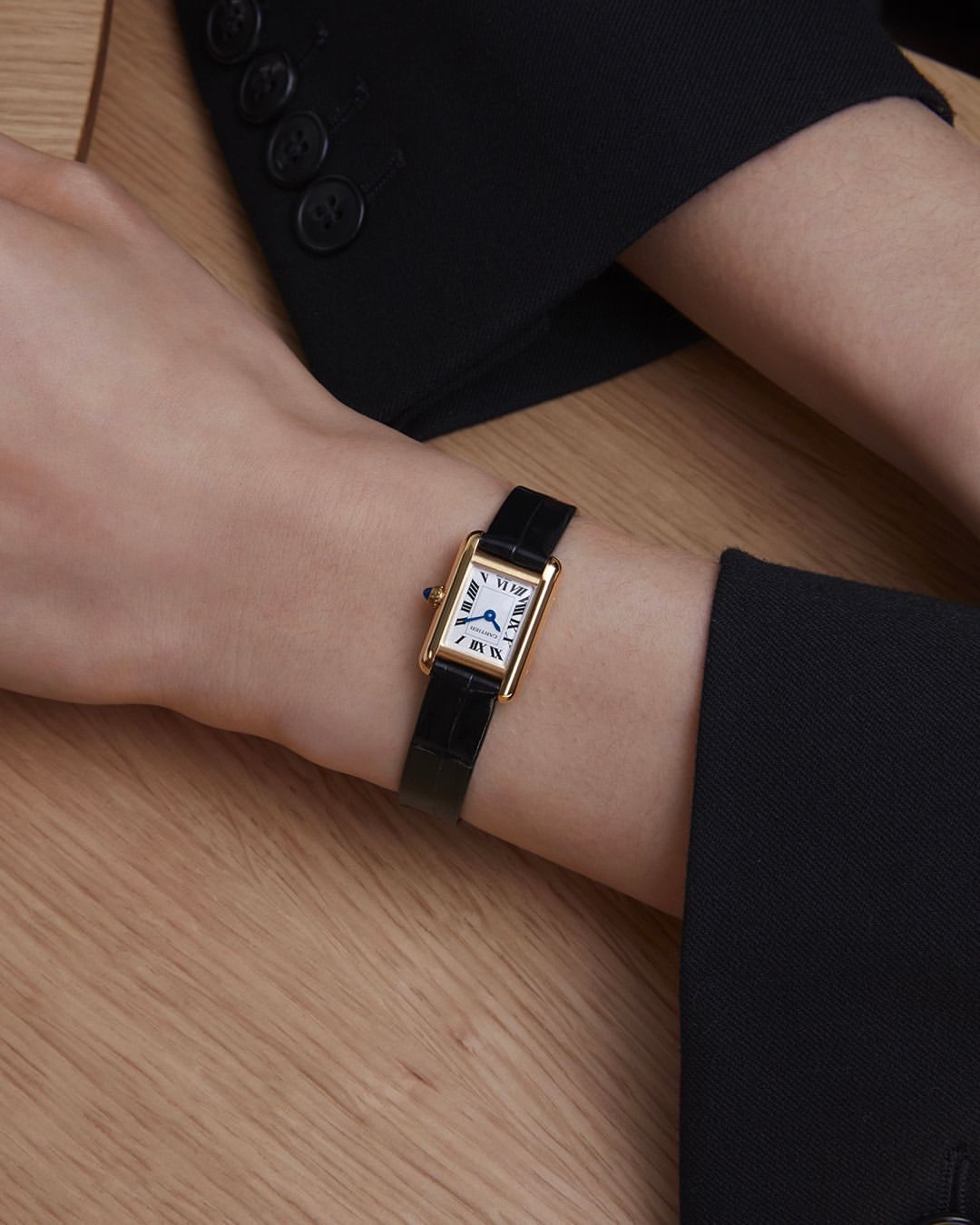
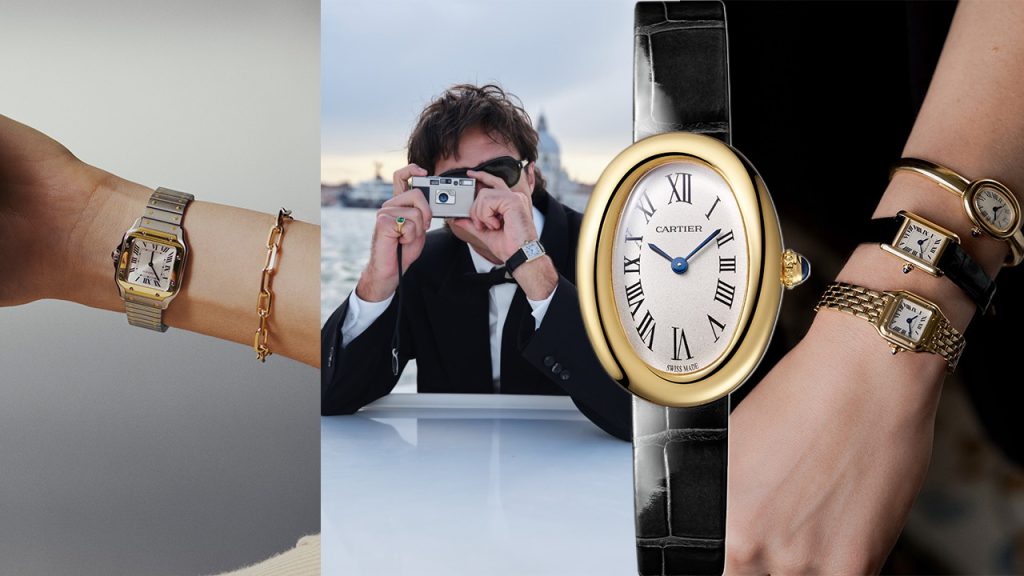
This generation finds a natural affinity with Cartier’s design philosophy, which seamlessly blends culture, identity and imagination. The distinctive silhouettes of the Tank, inspired by the form of military tanks from the First World War, the Santos de Cartier, a sporty icon defined by its exposed signature screws, and the Panthère de Cartier, a timeless design introduced in 1983, resonate strongly. The latter has become a favourite among influential women of the era, including Gwyneth Paltrow, Dua Lipa and Taylor Swift. Each model possesses a strong visual identity without relying on overt logos or branding, making them instantly recognisable while aligning with Gen Z’s appreciation for subtlety and cultural nuance.
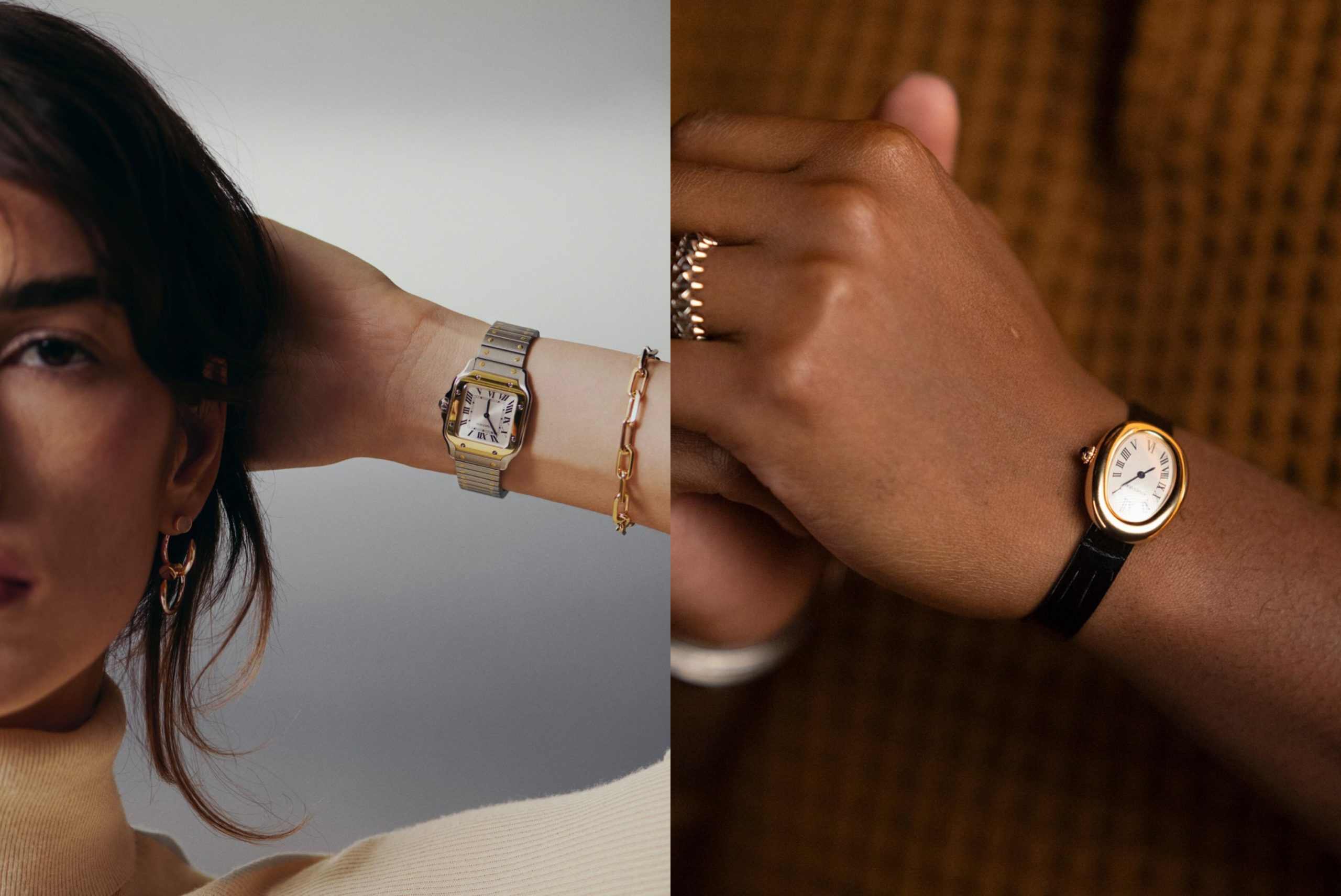
Another factor underpinning the maison’s appeal among younger buyers is its relative accessibility. With entry prices starting at around six figures in baht, Cartier remains within reach compared to many other high-end brands, while maintaining stable resale value. Equally important is the brand’s role in softening gender boundaries in fashion. Cartier’s watches are not rigidly coded as masculine or feminine, allowing for fluid interpretation. Fashion-forward women are often seen wearing Santos models slightly oversized on the wrist, while men drawn to vintage styling frequently opt for the Baignoire on a snug leather strap, paired with delicate bracelets. This effortless old-money aesthetic, where wealth is expressed without ostentation, has become one of the defining languages of contemporary fashion.



What truly sets Cartier apart, however, is its approach to storytelling. The maison communicates through fashion and lifestyle narratives that feel authentic rather than constructed, as reflected in imagery of its ambassadors and cultural figures. One such moment captured Jacob Elordi crossing the canals of Venice en route to the premiere of ‘Frankenstein’, dressed in a black tuxedo and wearing a Tank Louis Cartier on a black leather strap, a signet ring on his finger and a film camera in hand. The image strikes a balance between elegance and approachability, an aesthetic that resonates deeply with a generation that values authenticity over distant, idealised fantasy.