

How to make outfits actually look good
Fashion isn’t just about the clothes. No matter how cool, cute or attractive a piece might be on the rack, on the mannequin or on the runway – that aesthetic quality doesn’t necessarily transpose on to you after putting it on. We’ve all had that experience before: a purchase online followed by immediate disappointment in the mirror.
You’ve probably heard of styling before. Online, everybody treats it as the golden ticket to aesthetic godhood. Yet, nobody ever seems to tell you how to do it: as if the gates are only open to those who hold an inherent knowledge of some obscure mystical method.
Not to fear though – we at #legend know your pain and put together a guide to help you relieve these miseries. Starting with the first, most important step to styling: proportionality.
What are proportions, and why are they significant?
Proportions are how the garments fit on you, altering the silhouette of your body. In short, the size of each outfit component is relative to the other – an oversized top will make regular-sized pants seem look smaller, making your torso appear more defined and vice-versa.
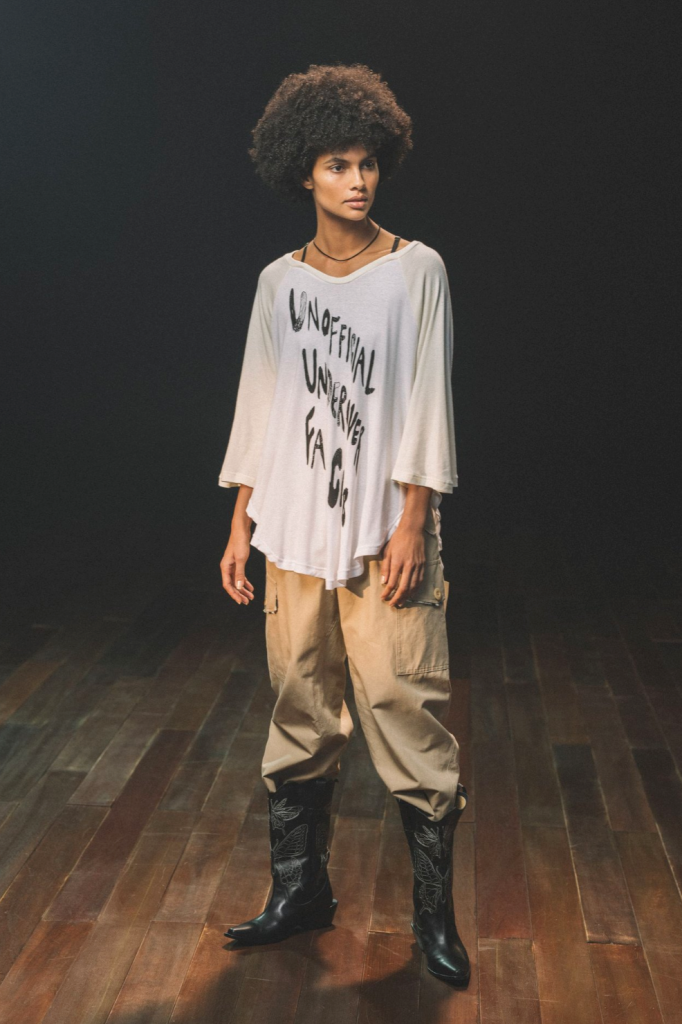
This is what makes you – the wearer – look good. By highlighting particular features or creating a certain shape, you can emphasise definition, thus making clothes appear better. Everything about styling centres on this core philosophy – all other tenets are accessory to enhancing proportions.
Shapes
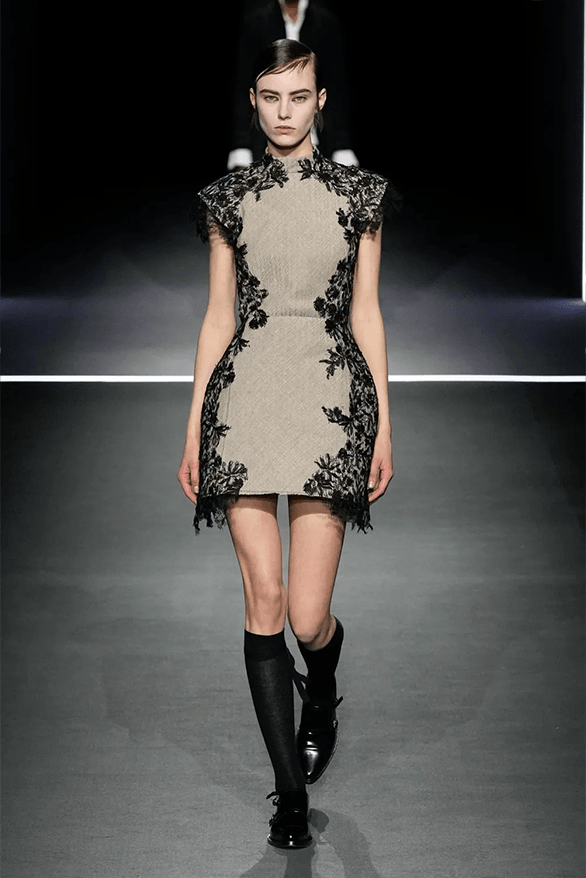
In general, there are three basic shapes that you should be starting out with in your fashion journey. First is the time-honoured and trend cycle-proof hourglass. This means stressing the shoulders and hips to create the illusion of a smaller waist. This can be done in a thousand different ways, from tapered tops to high-waisted pants and skirts.
Second is the triangle. Similar to the hourglass, it focuses on narrowing the midsection but emphasizes more on widening out from the bottom. Examples include flare jeans, bootcuts and skirts.
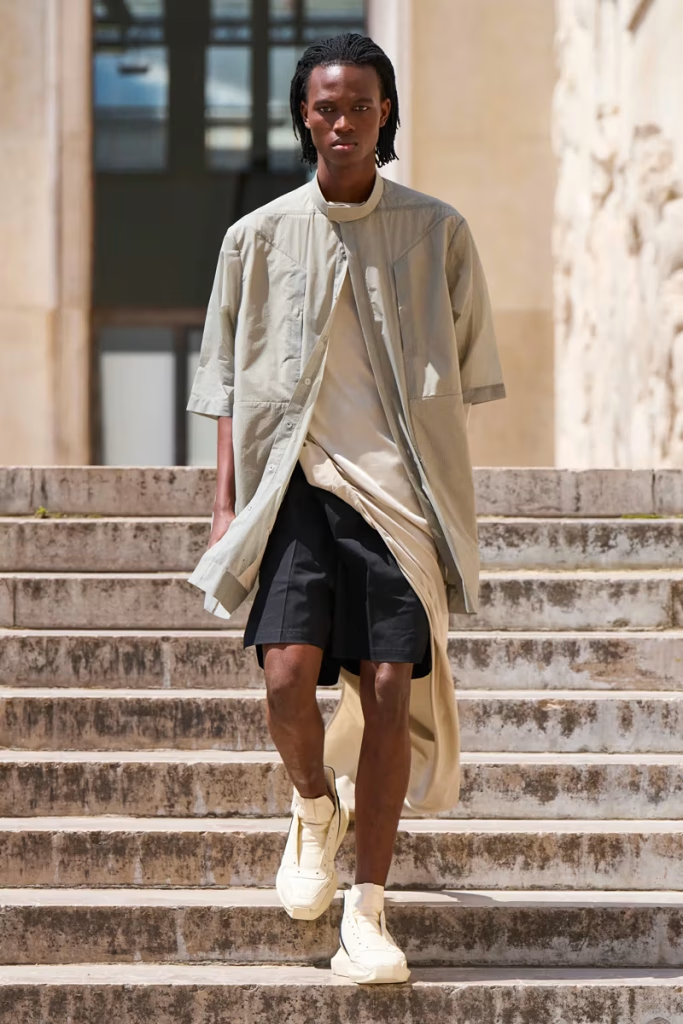
Third is the rectangle: symmetrical all the way down with no emphasis on any particular section of the body. Better for more casual or relaxed occasions.
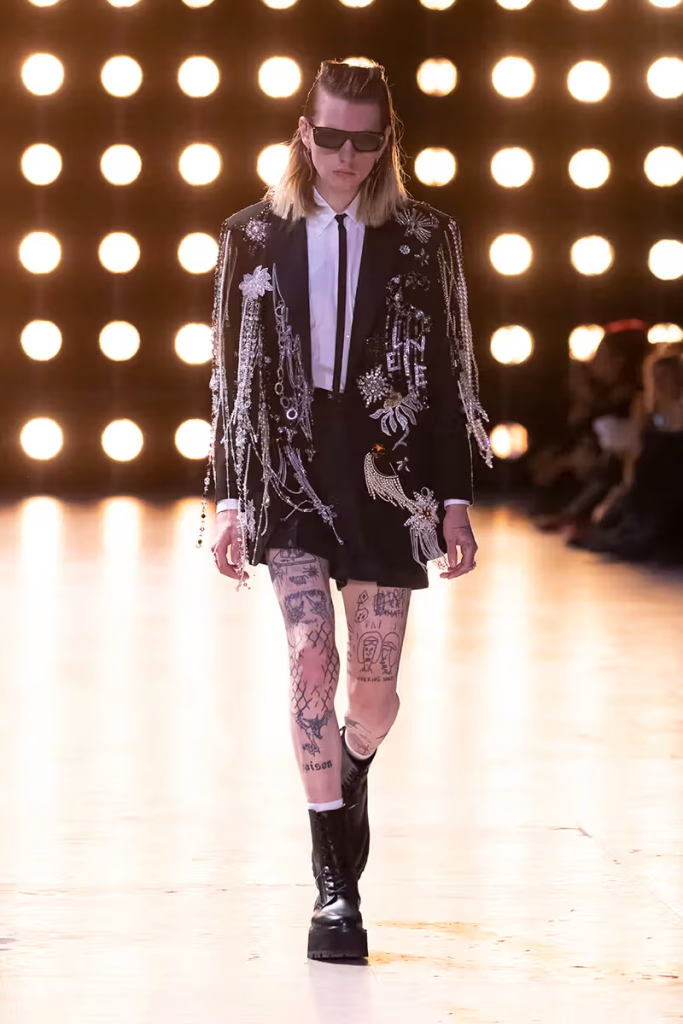
There are many others – ones that you can experiment more with as you get better with managing proportions. Of course, this doesn’t mean you should try all of them. Some are inevitably going to look at least somewhat ridiculous. So unless you’ve been casted for the next Comme des Garçons show, drop the circles and octagons.
Balance is key
Even in styles that seemingly violate any aesthetic sense of moderation, balance is key to pulling these off. Although you are trying to spotlight areas of the body, avoid overstatement – especially in relation to your torso, at risk of becoming a cartoon character.
Imagine an oversized jacket and sneakers with leggings. Stupidity aside, the reason the thought of such an outfit is so comical is because of the interruption between torso and feet – severely downplaying the legs and breaking the harmony.
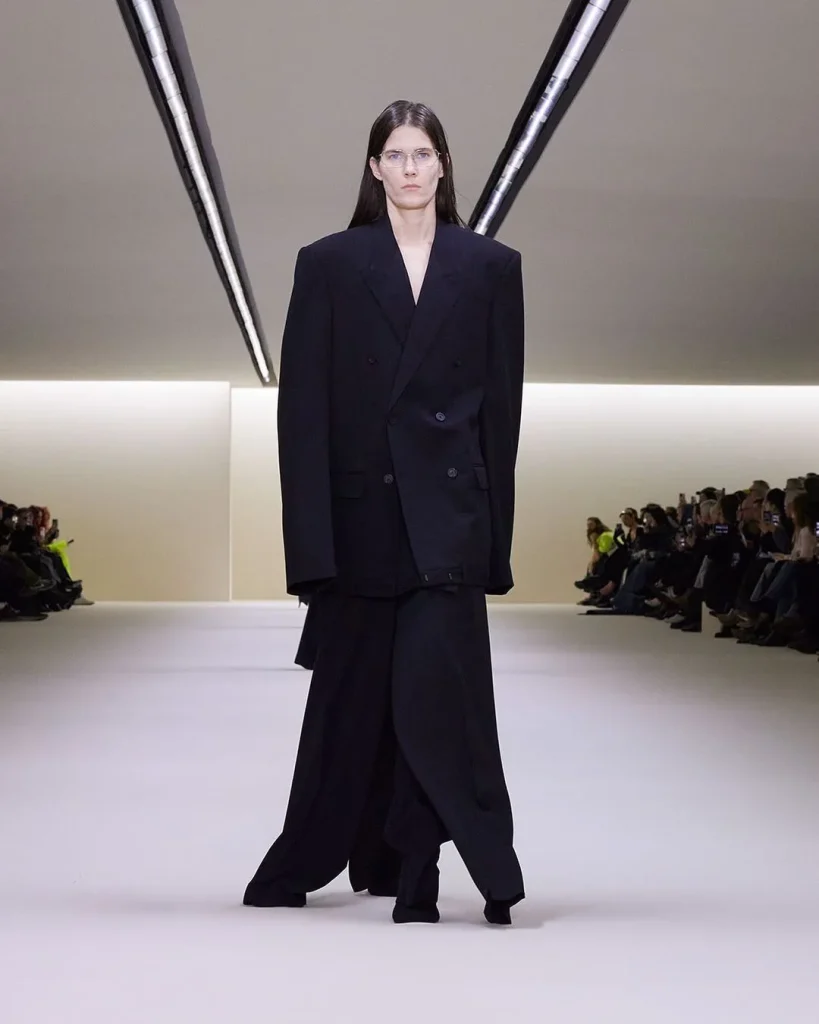
Remember that it is a shape you are trying to create, thus sizes should be within a reasonable extent of each other.
Smooth transitions
Another reason why the thought of the aforementioned outfit is enough to make even the most aesthetically ignorant Philistine laugh is because the shift from big to small is too sudden. If there was a mid-sized piece in between the skin-tight pants like a layered t-shirt, it would look much more visually harmonious.
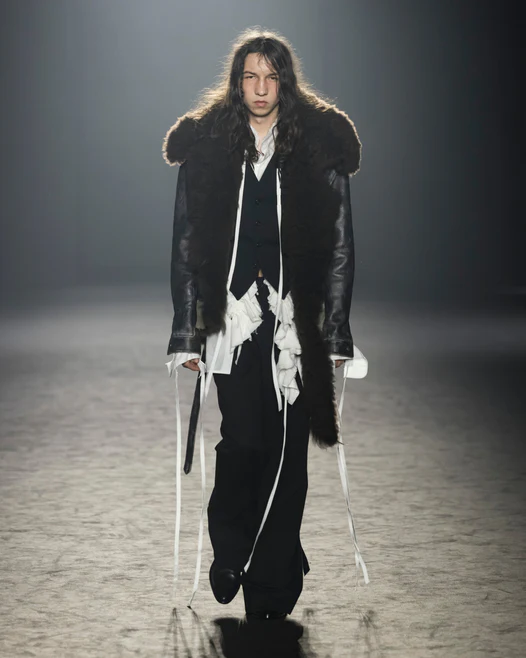
There is a degree of freedom, and dimensions do not need to be wholly uniform. Just avoid extreme interruptions between each segment of your body.
The waistline
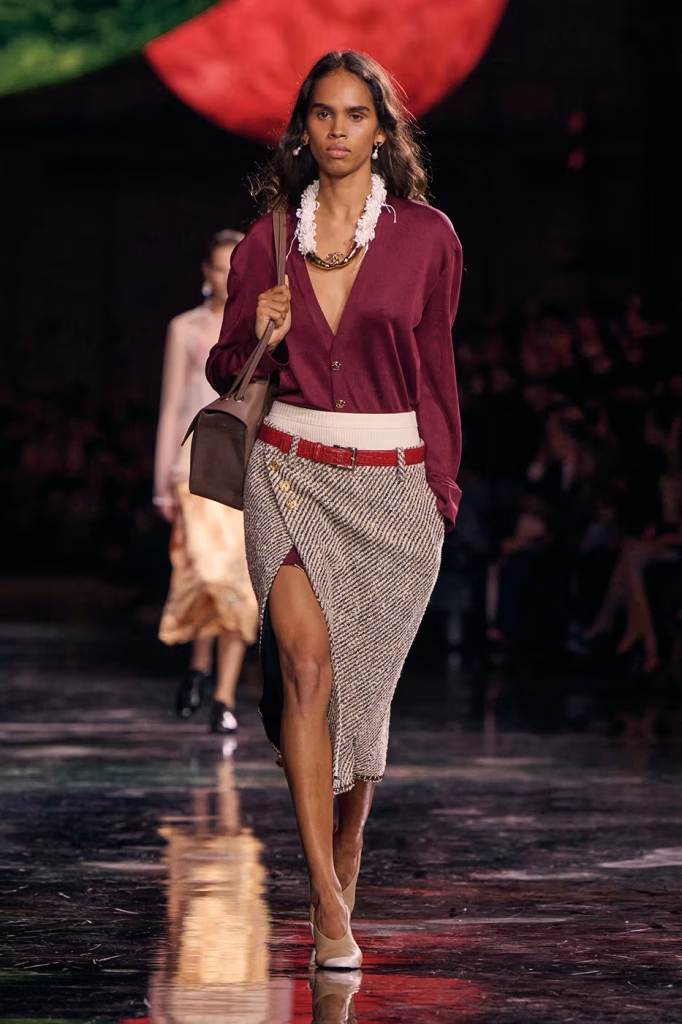
As the divider between your upper and lower halves, frame entirely revolves around how you manipulate the waistline. Depending on body type, it’s possible to experiment around with whichever gives the best definition, but it’s also the guideline on where to place the beginning and ending of your tops and bottoms.
If the intersection is too far off your waistline, the outfit will not only be uncomfortable to move in, but also run into the same problem of overemphasizing a certain part of your body. Neither half of your body should look too long nor short. A good rule of thumb is that the clear line of separation should be within four centimetres of your waistline.
The illusion of height
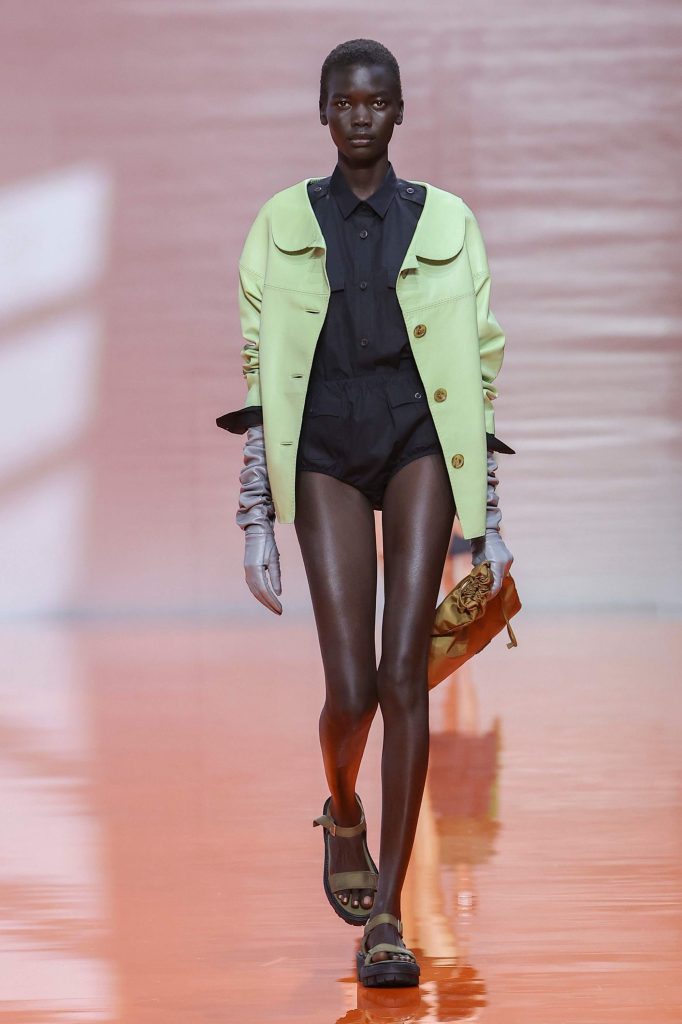
For both men and women, length is something you want to be focused on. Naturally, this makes the legs a thousand times more important than the torso.
Although we mentioned balance, the legs have a lot more wiggle room because of how they create figure. This means that anything that appears to lengthen the legs: platform boots or high heels, high-waisted pants, cropped t-shirts are much more likely to be pleasing to the eye than tops that are too long.
See also: Marella: Elegance and easy living with Monochrome SS26