


From ceremonial drink to aesthetic, matcha has taken over the world. Matchali co-founders Cara Li and Laura Li Kinoshitatalk to Stephenie Gee all about it
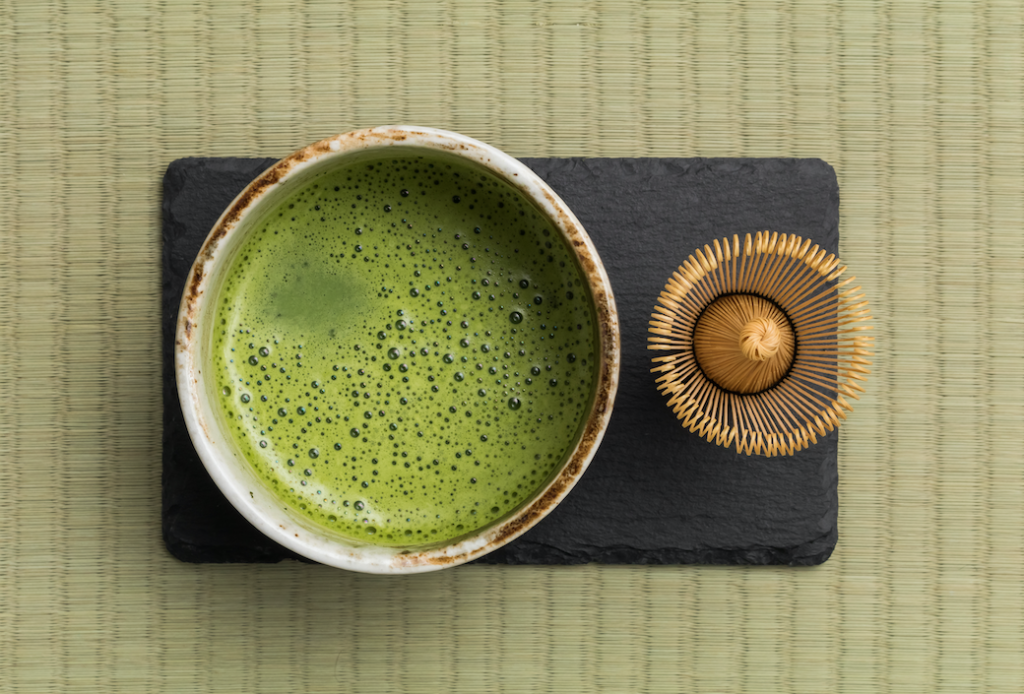
Luminously green, photogenic and – perhaps most importantly, healthy – matcha has become the ingredient of the new generation.
Earthy, grassy and lightly bitter, the Japanese tea powder is in everything, everywhere – from everyday lattes at giants like Starbucks and Blue Bottle to specialty coffee shop offerings, baked goods and even skincare. On Instagram, the hashtag #matcha has over 9.8 million posts, with thousands – possibly millions – of young people seeming to have devoted their lives to decanting green sludge from one vessel to another.
In 2023, the global matcha market was estimated to be US$4.3 billion, with that number projected to exceed US$7 billion by the end of the decade. Everyone, it seems, is after a cup of matcha. But the world may be drinking it faster than Japan can grow it.
The origins of matcha can be traced back to around 8th-century China – where this ancient tea was often served to the upper echelons of society – but it became central to Japanese culture centuries later. Zen monks used it to aid meditation, and over time it evolved into the Japanese tea ceremony – a ritual shaped by the 16th-century tea master Sen no Rikyū, who emphasised stillness, simplicity and presence.
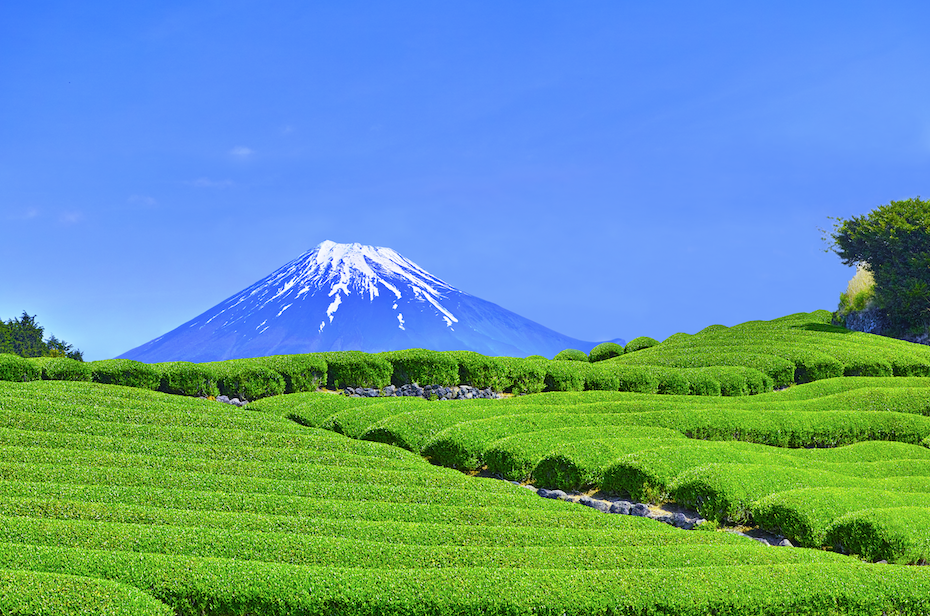
For hundreds of years, matcha has been a specialised product, one that is, by definition, laborious to produce. Camellia sinensis, the plant from which it derives, thrives in subtropical, rainy climates. For three weeks before harvest, the tea plants are shaded to block out sunlight to bring out more flavour and preserve their natural nutrients, after which their two youngest leaves are hand-picked then steamed, de-stemmed, deveined, dried and ground between granite. As an agricultural product, it is much more like wine than, say, corn. But climate change is shrinking the land that Camellia sinensis can grow on, and the farmers who have traditionally cultivated it are getting older, and they lack willing successors for the demanding work.
Prices have skyrocketed as a result. From 2024 to 2025, the average price in Kyoto for first-flush tencha, the whole leaves used to make matcha, nearly tripled. Farmers outside Japan – in China and South Korea, for example – are frantically cultivating tencha, hoping to catch the wave. And manufacturers are taking advantage of the market’s lack of regulation and are selling ground-up green tea as matcha.
Also see: #legend cosmic guide: New year self-care for your zodiac sign
“The shortage is the result of several factors. Japan, which produces around 98% of the world’s matcha, experienced extreme weather conditions in 2024, with some regions such as Uji seeing harvest reductions of up to 40%. The ageing farming population has also contributed to lower production, while global demand continues to surge,” explains Cara Li, co- founder of homegrown matcha tea brand Matchali.
Founded in 2019, Matchali is a celebration of matcha culture and craftsmanship, using only the highest quality matcha sourced directly from a fifth- generation farm and processing facility in Uji, Kyoto – widely considered the birthplace of matcha and home to some of Japan’s finest tea. Through community initiatives like workshops and collaborations, they aim to deepen people’s understanding and appreciation of matcha while keeping it accessible, relevant and inspiring. “The scarcity underscores the importance of sustainability and respect for the process, something we aim to highlight in all we do at Matchali.”
Like most trends, this one is a synthesis of several factors. “This growth is driven by a rising awareness of health benefits, an increasing shift towards functional Li continues. “The pandemic also accelerated the focus on wellness and ritual as people became more intentional about what they consume.”
Unlike regular green tea – which comes from the same plant – matcha is consumed whole, offering a far greater concentration of nutrients, including chlorophyll, amino acids, vitamins and catechins, a group of polyphenols that possess powerful antioxidant and anti-inflammatory properties. It also contains the compound amino acid L-theanine, which mediates caffeine uptake, giving your system a clean and sustained flow of energy without the jitters or crash.
Much like specialty-grade espresso, the ritual of matcha preparation is also an integral part of the experience and its appeal. “We view matcha as a mindful ritual as much as a beverage,” says Laura Li Kinoshita, the other half of the brand. “The act of whisking it and taking a moment to pause has become an important part of many people’s day – it’s a simple but powerful way to reset.”
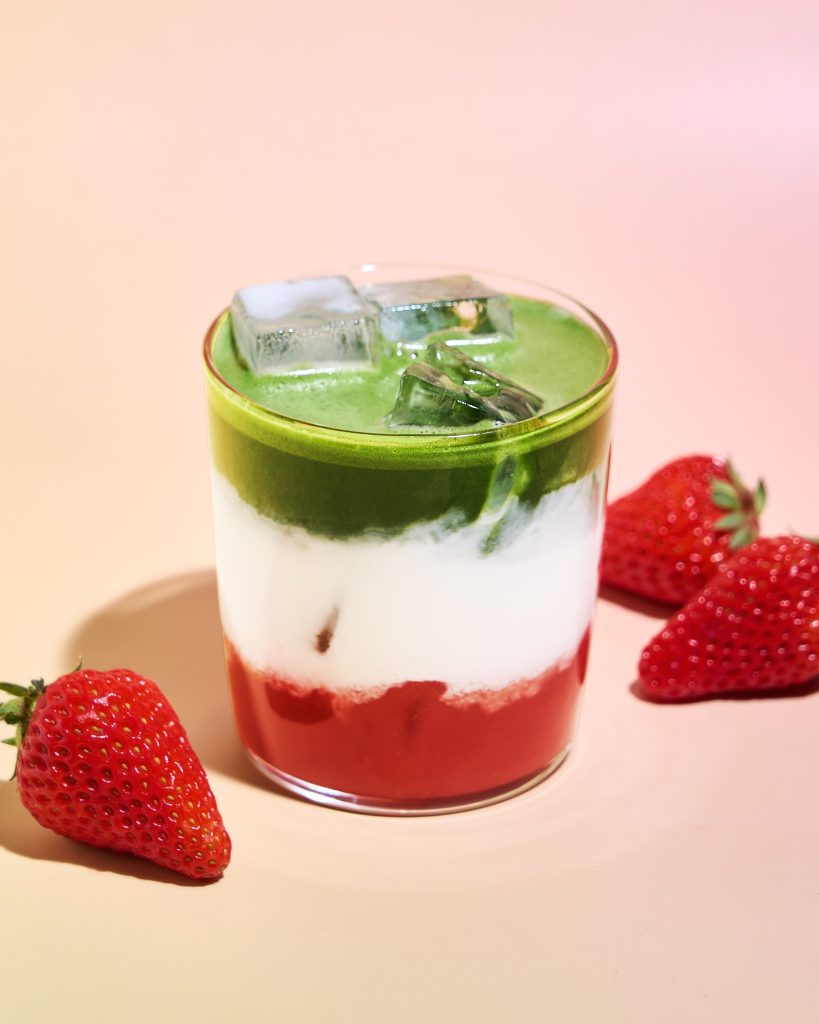
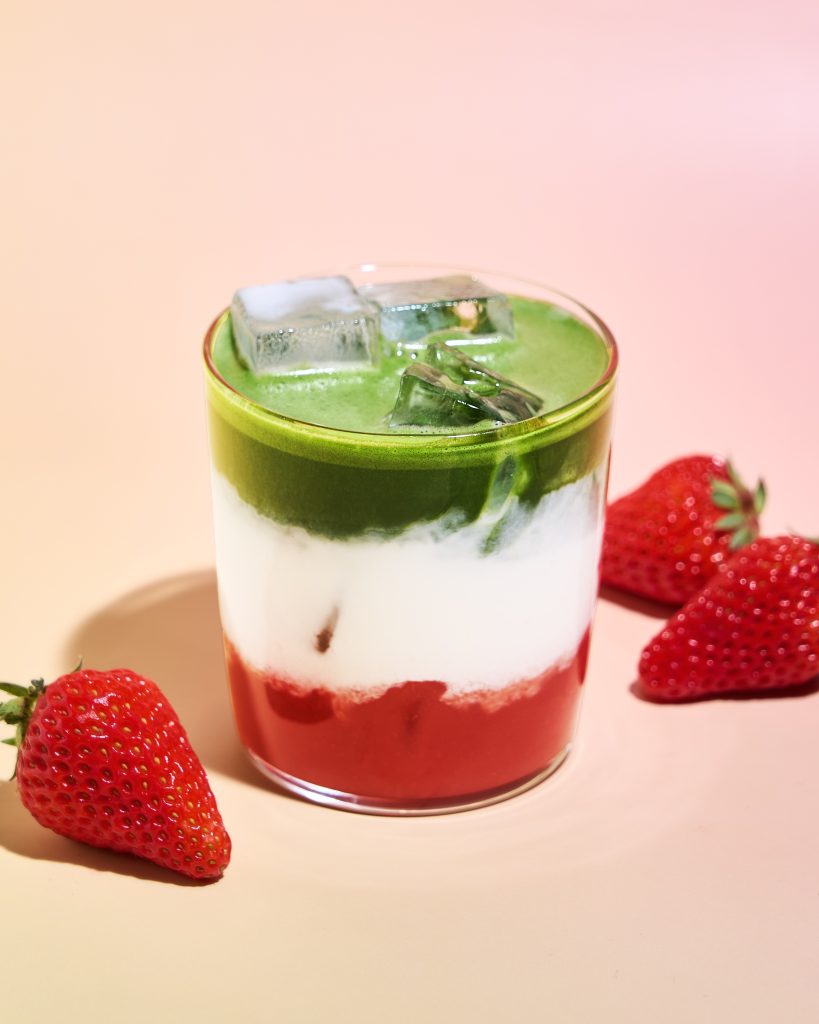
Especially among Gen Z, matcha isn’t framed as health food so much as vibe. Making it at home or carrying it into public space becomes a personal ritual that doubles as a social cue. Sharing those moments online turns it into a performance with its own symbols and codes. “Younger consumers are increasingly health- conscious and interested in products that combine functionality with authenticity. Matcha aligns perfectly with this – it’s natural, plant-based, and supports focus and wellness,” says Li. “Its versatility also allows it to evolve with modern lifestyles, from traditional whisked matcha to contemporary lattes and desserts. At our newest store on Lyndhurst Terrace, we have an exclusive menu featuring new creations such as a banana bread matcha latte, matcha ricotta strawberry toast and seasonal specials developed in-house.”
The visual element plays a role, too. “The vibrant green colour and craftsmanship behind each drink make it inherently appealing, in particular on social media. But the longevity of the trend lies in how it makes people feel,” adds Li Kinoshita. “Matcha bridges tradition and modernity – it’s centuries old yet continues to evolve. It’s that combination of history, craftsmanship and creativity that gives it an enduring appeal.”
Also see: #review: A quick and convenient wellness retreat lies in Fusion Resort & Villas Da Nang