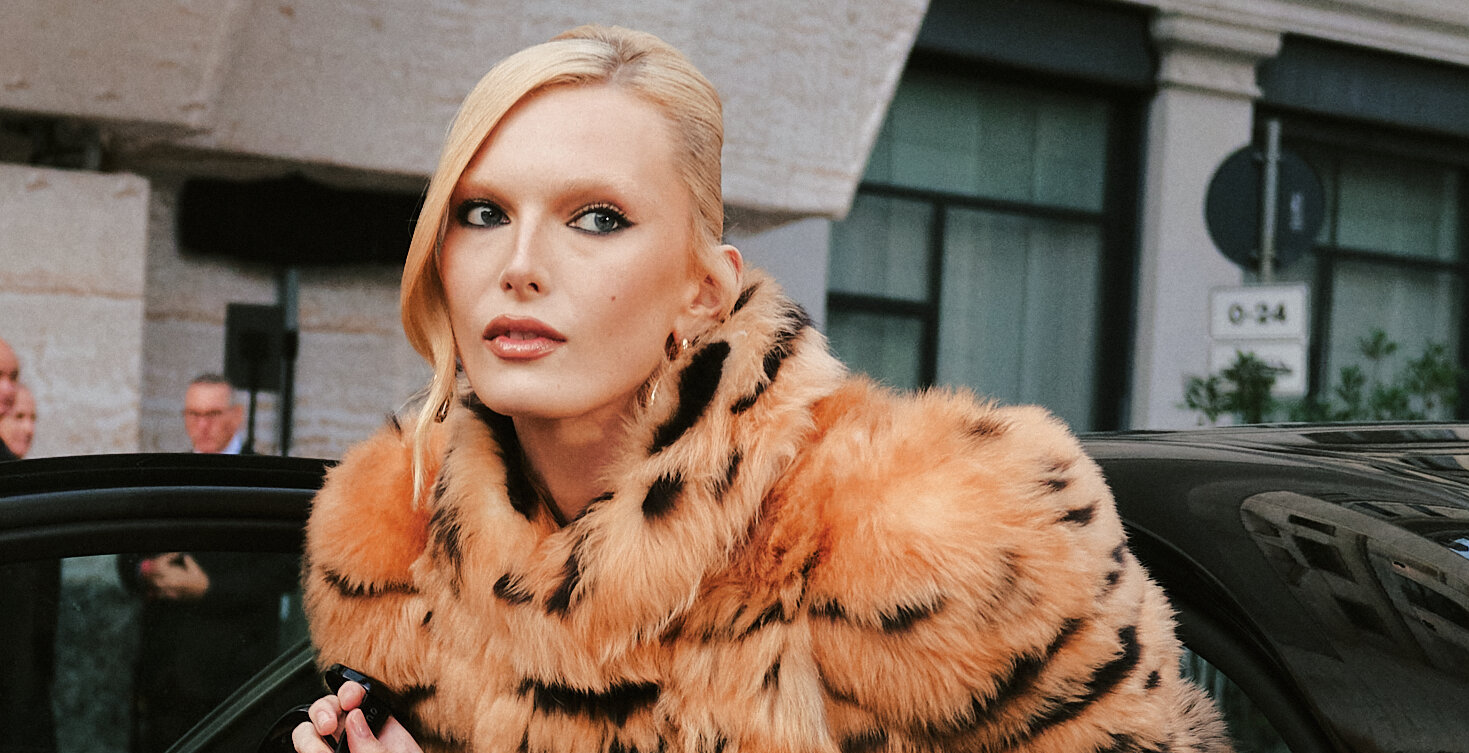

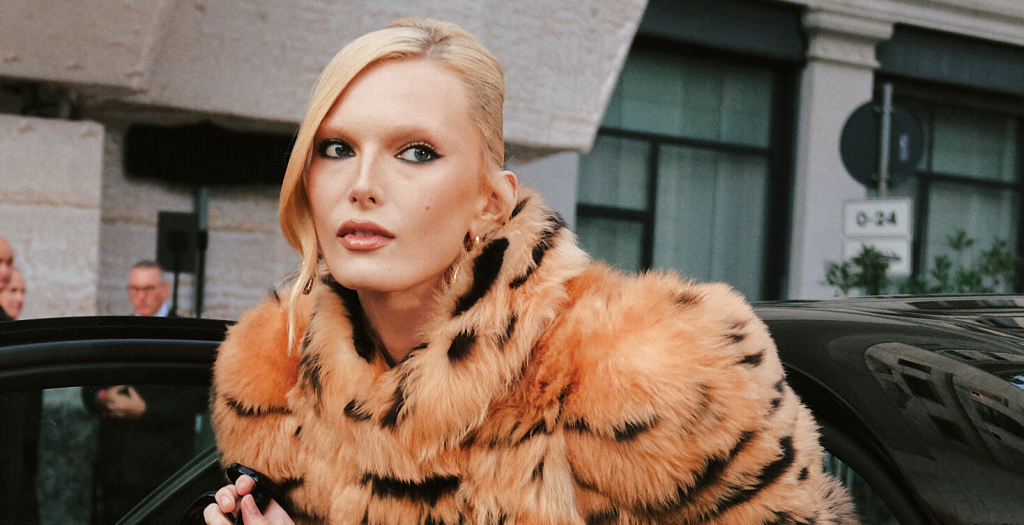

Once the fading artifact of a bygone era, pelts seem to be back in fashion
Everybody remembers the early 2000s as a time when wearing an animal hide was seen as a crime against morality – unmatched in cruelty and a surefire way to earn yourself a tabloid crucifixion. Back when veganism was all the rage, PETA (People for the Ethical Treatment of Animals) was at its height of power and Anna Wintour was catching tofu pies from protestors – minks, chinchillas and foxes have been absent from the mainstream for such a long time that its return prompts many questions.
To say that today’s social environment is different from that of two decades ago is an extreme understatement. Even though the trend cycle seems to be reverting back to that period, so much has changed. Veggies are out and carnivores are in, sixty-second short form videos are replacing YouTube, and Instagram influencers are replacing print magazines.
Yet, this still doesn’t explain why, how or where the once near-universally rejected taboo disappeared overnight. Even with bans from Gucci, Prada, Chanel and Rick Owens announcing his move away from animal cruelty – where are all these fur coats on TikTok coming from?

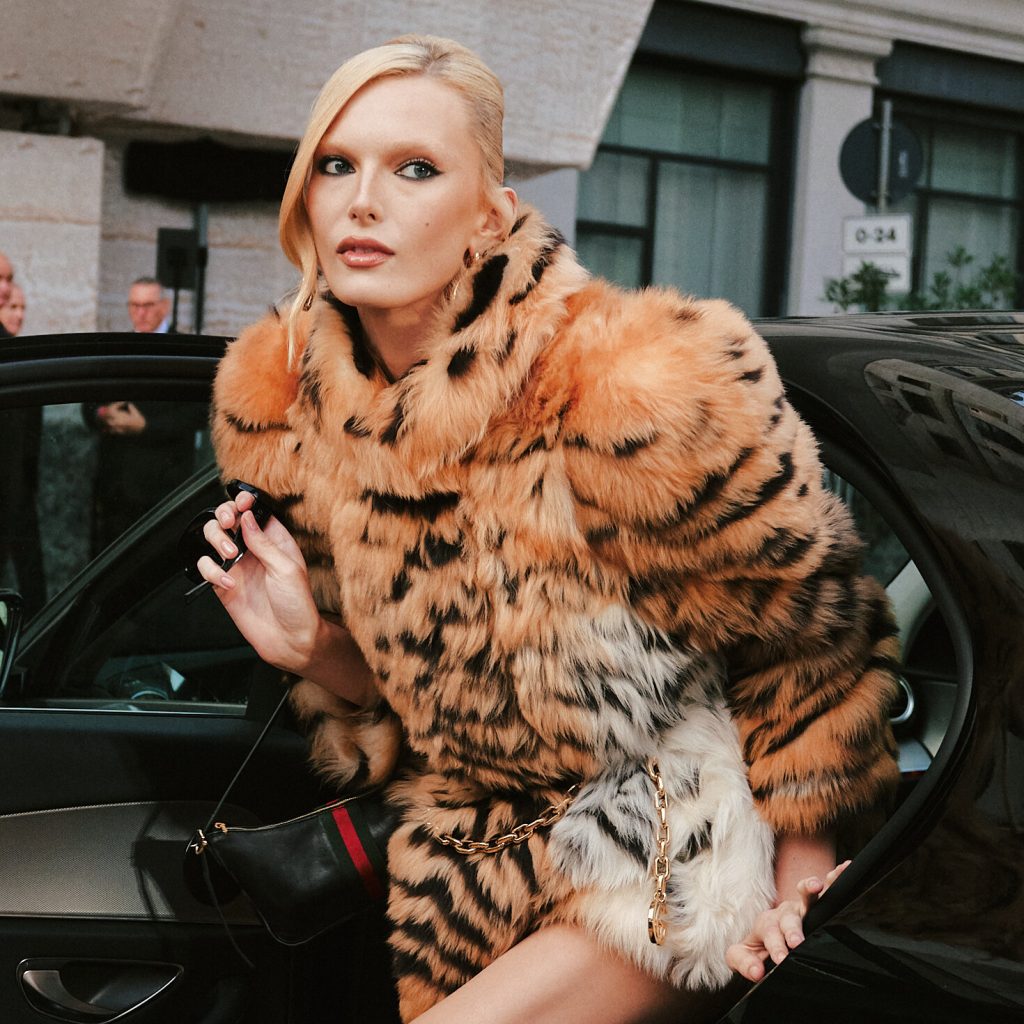
The answer is still rooted in ethics. People have convinced themselves that faux fur is somehow just as bad as real pelts. This isn’t a declaration that faux fur is good – synthetic petroleum-based components require lots of energy to produce, decomposition releases microplastics into the ocean, and are cheap, easily disposable and most of the time, poorly-made. The reality is that farmed furs are still probably worse. To make one coat, forty minks have to be raised, killed and skinned. That’s forty living beings worth of water, carbon dioxide emission, and all other related environmental impacts.
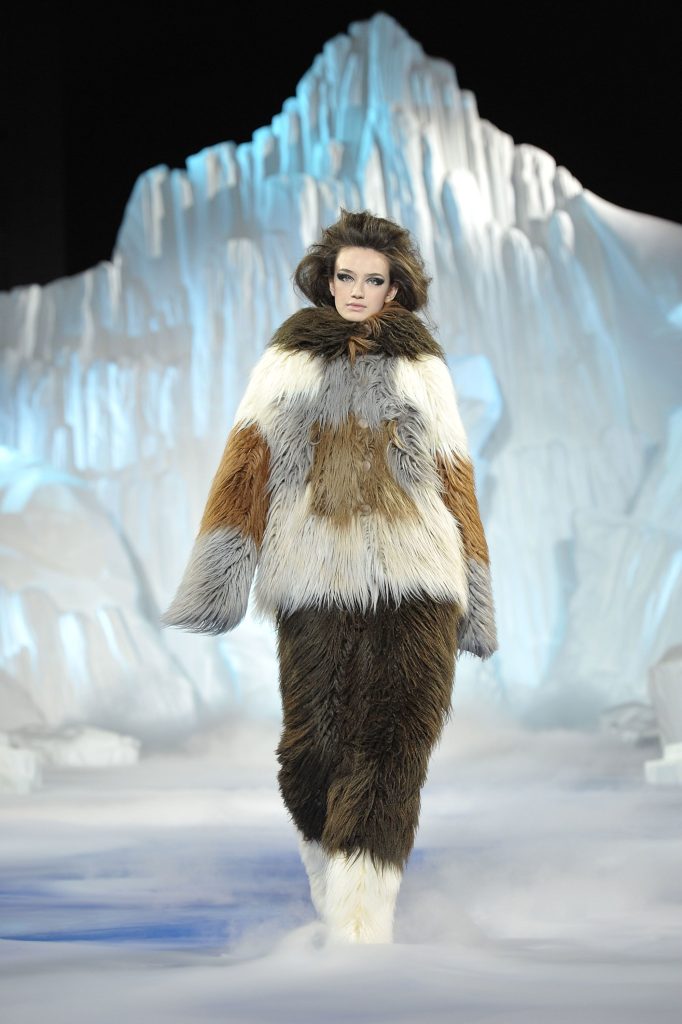
Consumers who are aware of – and care about – these problems seem to be moving towards vintage pieces instead. It’s an easy solution – ridding the mind of any guilt related to exploitation while retaining that 50s mob boss aesthetic grandeur, an adjective that softens the blow of potential controversy.
Nevertheless, there is still the argument for normalisation. Being realistic, fashion is a capitalist industry – even if designers may be creating art with high-minded righteous intent, the initial decision to move away from animal products wasn’t particularly likely to have been a result of that same sentiment. More probable is that they didn’t want to lose a large portion of their more conscientious consumer base. With vintage furs back, it’s an encouragement that the processes that resulted in these materials may not be as bad as people once thought they were – and something we really have to consider with its increasing popularity.
See also: Menswear spring/summer 2026 runway report (part 2 of 2)