



As part of Fairmont’s Make Special Happen campaign, David Ho swings by Fairmont Singapore for a look and taste of their aquaponics venture
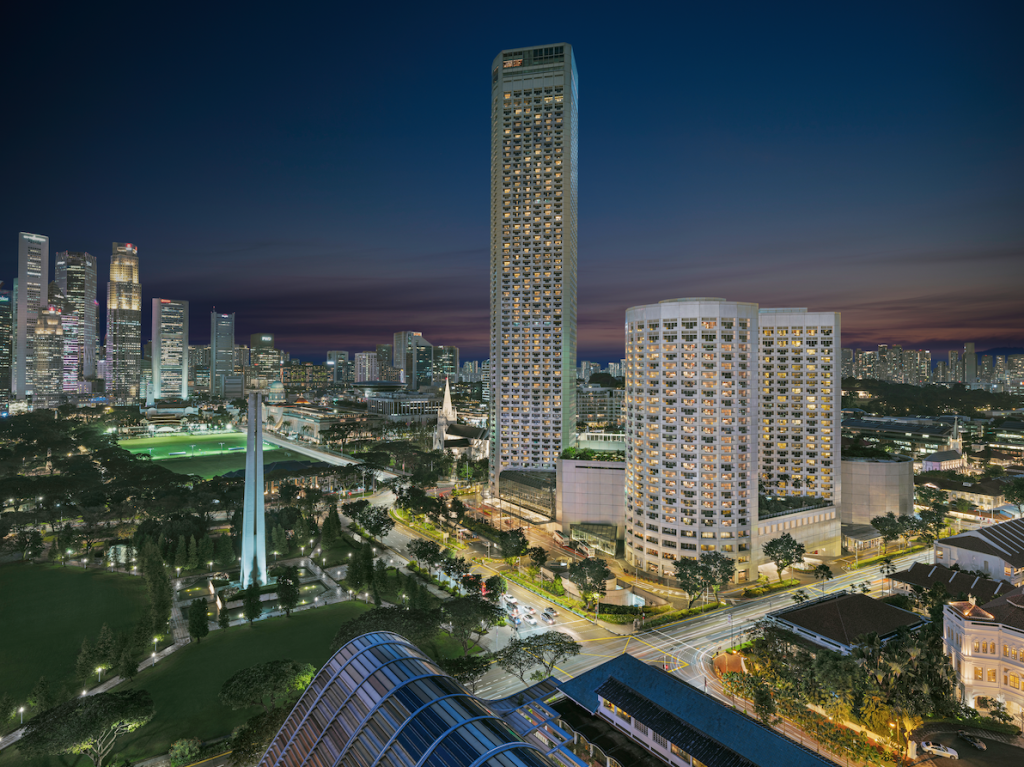
Walking around Singapore’s bustling City Hall area, one would not imagine there is a farm and fishery right above them. Yet, there is a thriving one a few floors above the crowds, tucked in a rooftop space between Fairmont Singapore & Swissôtel The Stamford.
As part of the Make Special Happen campaign happening at Fairmont locations across the world, Fairmont Singapore offers the Harvest-to-Table Lunch as an exclusive experience. The farm visit and connected dining is an experience that is at turns, educational and elevated. The visit to the farm made up the educational aspect, and the meal at Skai the elevated portion.
A farm visit in the city
Located on a fifth floor rooftop space, the farm is in a shaded corner and a modest size of 450-square-metre. When we finally visit, we are greeted by an explosion of lush greenery.
The urban farm has been running since 2019, as part of a collaboration with Corridor Farmers. The organisation promotes the establishment of community gardens and micro farms throughout the many nook and crannies of Singapore’s urban heart. The city state might be quite green, but agriculture is still not common.
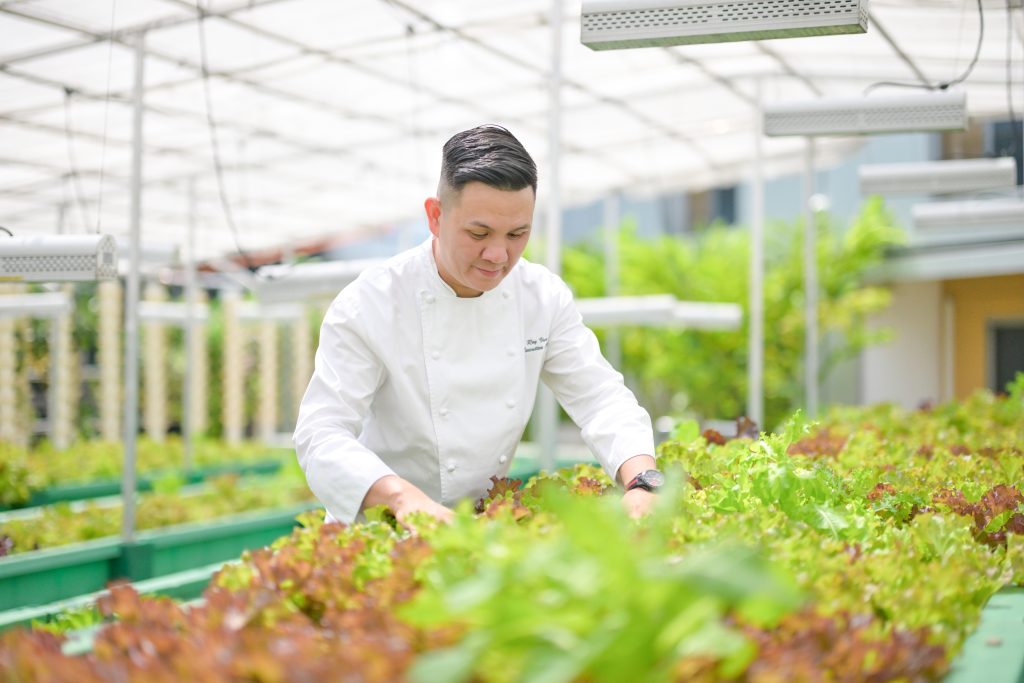
Roc Koh, the founder of Corridor Farmers, tells us that he started community gardening when he looked into ways to keep his mother physically engaged while he was away, which was often since Koh was a flight attendant with Singapore Airlines back then. This research bloomed into a true passion for gardening and eventual mission.
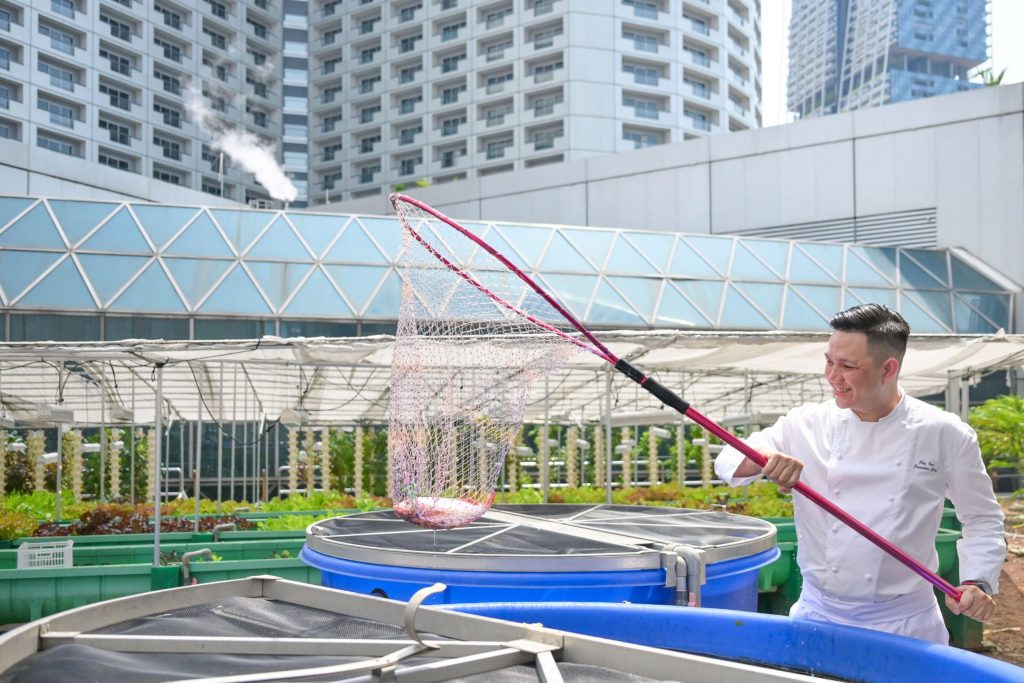
As Koh shows us around the farm, we learn of the aquaponics setup they have established. The aquaponics farm cycle starts with the tilapia they are breeding. The farm has both fry and adult fish, which are kept separate. The water from the fishes are pumped over to nourish the hydroponically grown greens. Then, beneficial bacteria converts ammonia and nitrites to nitrates that the plants need to grow. Subsequently, the nitrates are filtered by the vegetables. Finally, the clean water is pumped back to the fishes and the circle begins anew.
The produce here are grown in phases. While most are quite fast growing, there are some like vanilla pods that will take five years to mature. The vanilla is yet another collaboration between Fairmont and Mireia Vanilla, a Singapore-based cultivator of premium-quality vanilla.
During our visit, we are enlightened on the different challenges of running the farm. As it is in a well-shaded area, it was important to pick vegetables that would still thrive with limited sunlight and still provide what the chefs need to work with. There is also the naturally earthy taste of freshwater tilapia, which is lessened considerably by putting the fishes on a restricted diet before they are used.
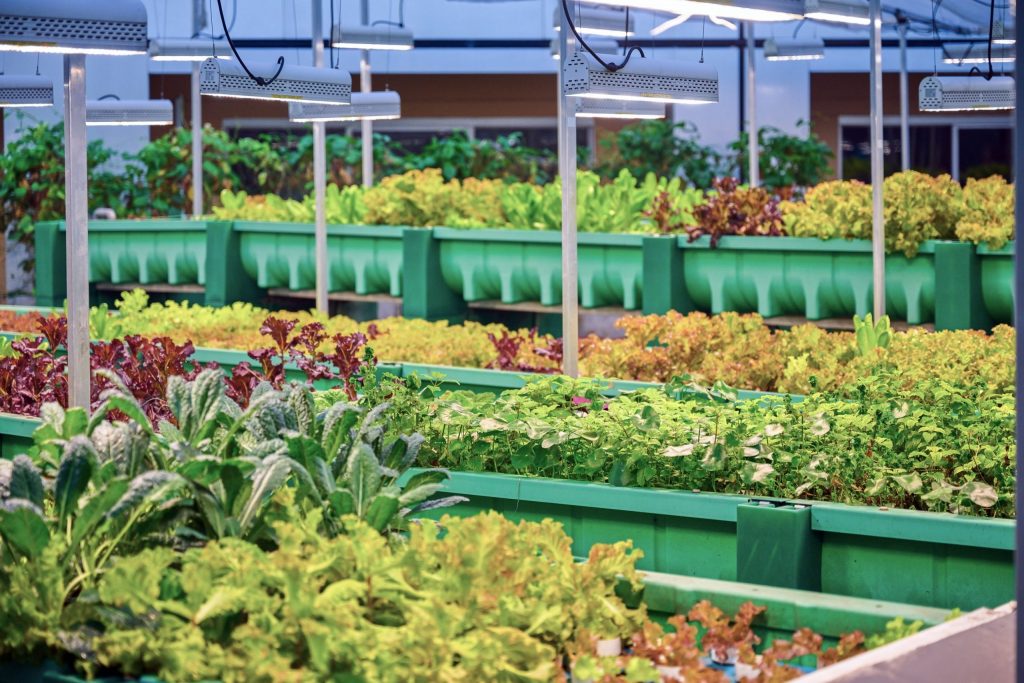
All in all, the urban farm produces about 1,300 kilograms of vegetables and 200 kilograms of fish on average annually. The greens and the tilapia are already featured in dishes and beverages at establishments like Skai, Jaan by Kirk Westaway, Clove, Prego, Asian Market Café, and The Stamford Brasserie. In fact, we are joined by the executive chef Skai Restaurant, Seumas Smith, during our farm visit. We join him in picking out some herbs and greens for our lunch at his restaurant.
A meal in the sky
Located on the 70th floor, Skai restaurant offers some of the best views in Singapore and they know it. Their floor-to-ceiling windows give us an epic view of the Lion City’s skyline, from the Esplanade across the water to Marina Bay Sands. We highly recommend coming here for afternoon tea or an early dinner to see the sunset and the city lights come on. It’s also easy to see why Fairmont Singapore is such a hot spot during F1 season.
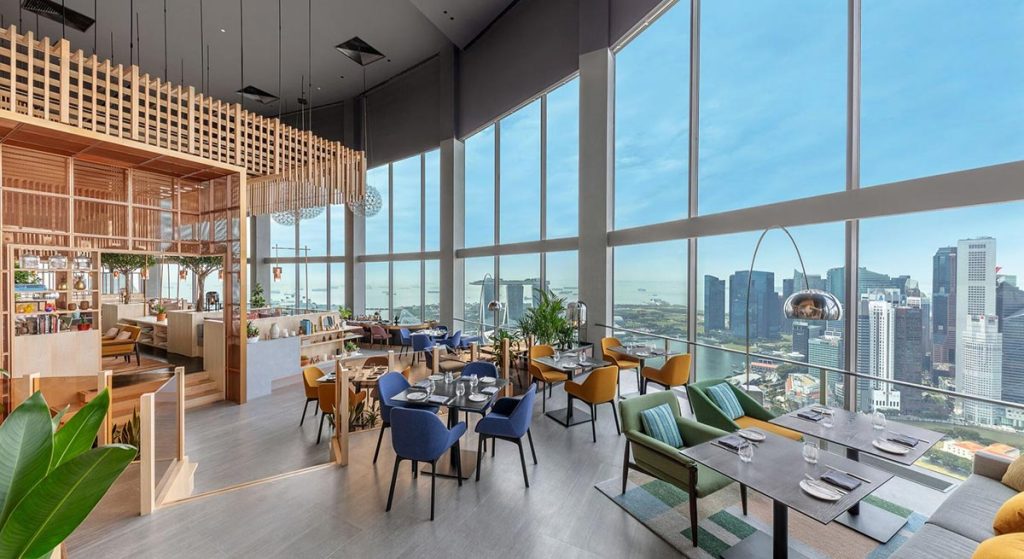
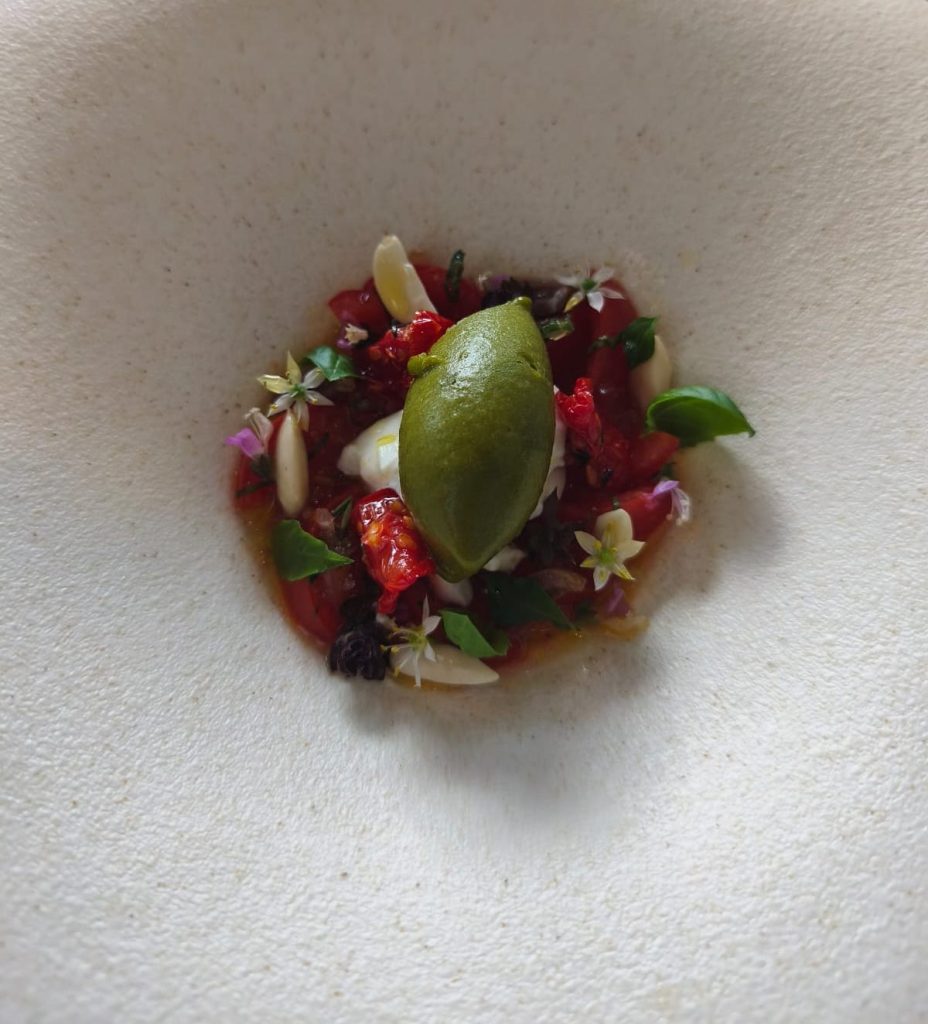
City views aside, we are happy to report that the three-course lunch crafted from the morning’s harvest is just as breath-taking. It was paired with premium wines, following an exclusive cellar tour led by sommelier Luca. We started with an appetiser of heirloom tomatoes. This dish was accompanied by black olives as well as a sorbet made of orange and basil gathered from the farm. The flavourful sorbet gave the tomatoes a creamy and refreshing edge, perfect for kicking off a lunch in tropical climates.
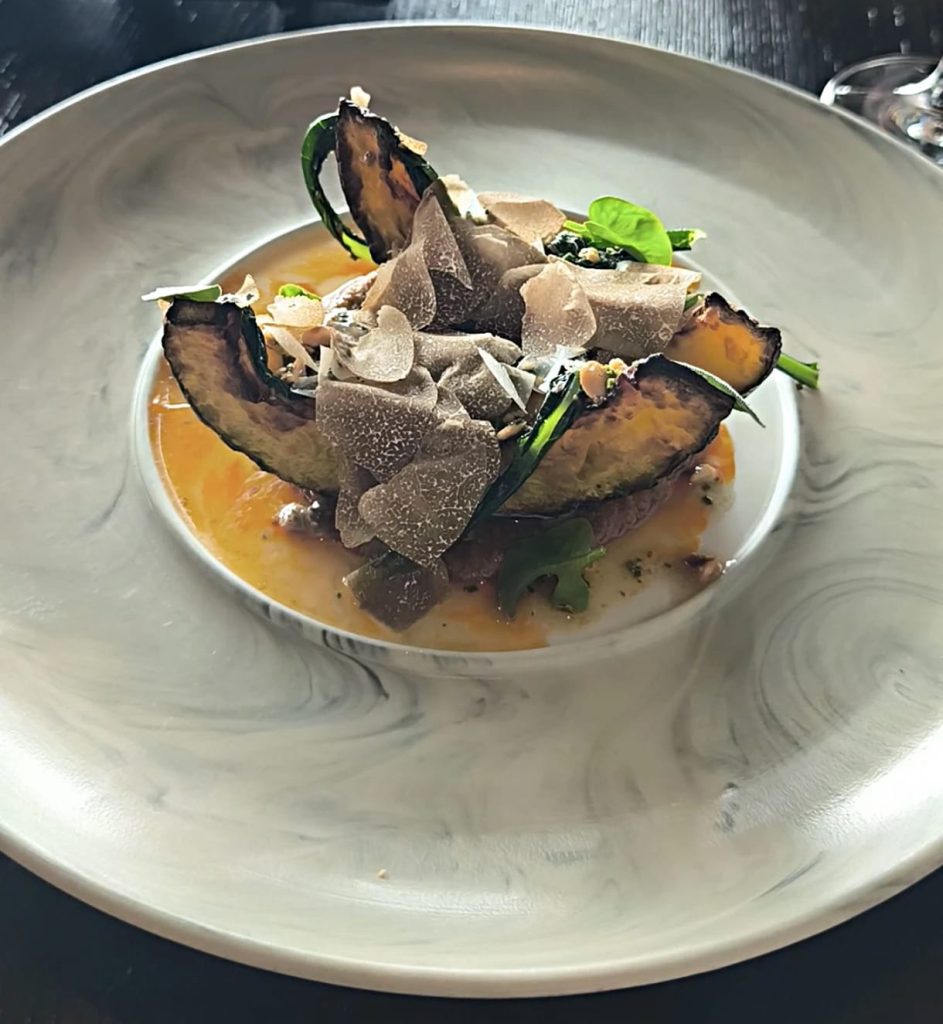
It arrived with a mountain of truffles, hazelnuts and a delightful sauce. Surprisingly, the abundance of truffles did not overpower the dish at all. The pumpkins were grilled to perfection. We loved that the truffles enhanced, rather than distracted, from its natural sweetness.
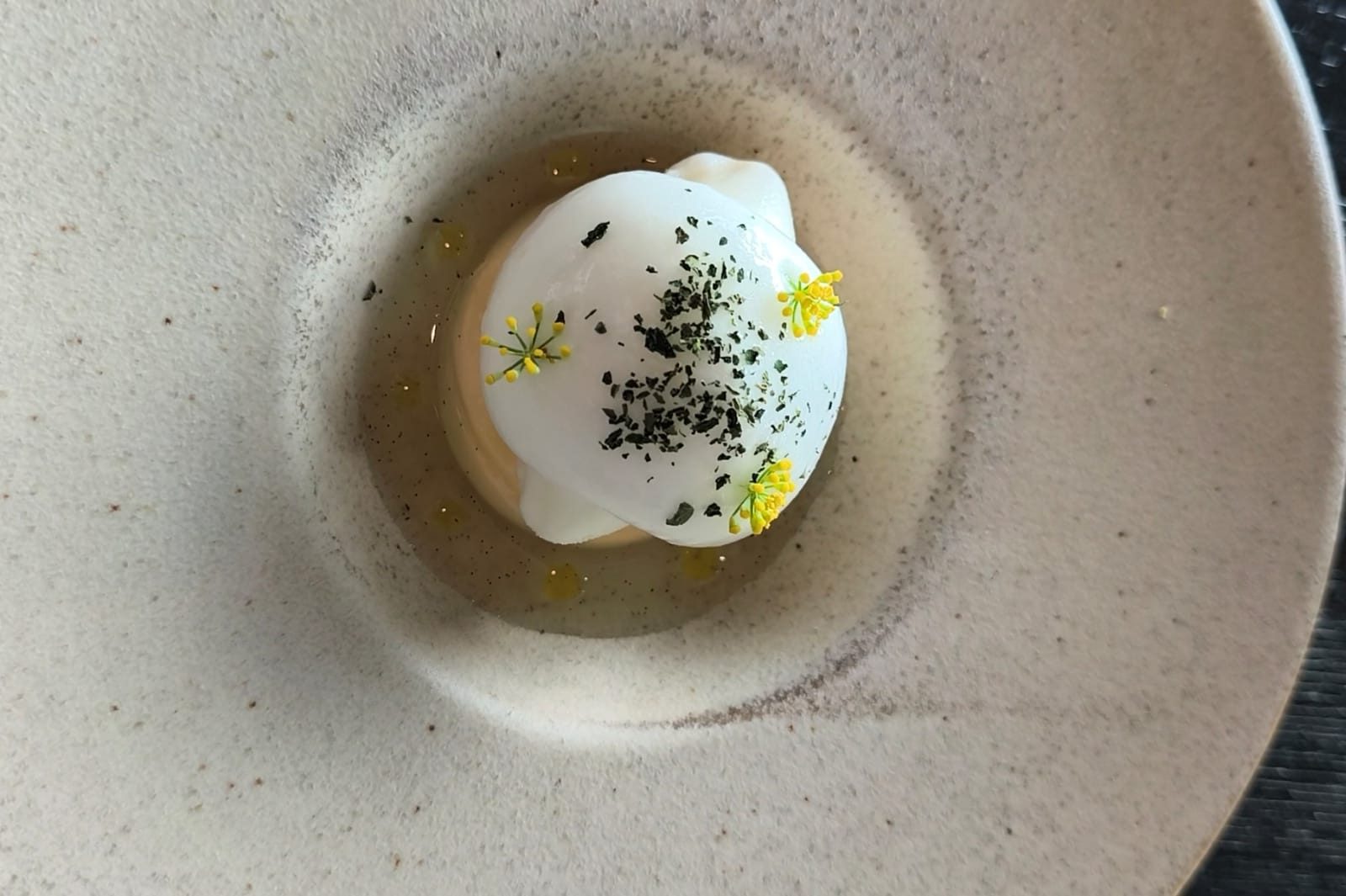
Finally, the meal ended with a yoghurt dessert that came with a base of lemon balm and vanilla. It acted as a great palate cleanser that also delivered a sweet ending to the experience here.
A great meal is always a good experience, but being connected to where your food comes from is even better. What we eat connects us nutritionally, culturally and globally. Knowing where it comes from, and sustainably at that, is priceless. Now, that’s how one makes special happen.
Also see: #review: Raffles Bali’s Rumari serves up a dinner worth flying for