

The Stedelijk Museum Amsterdam honours the late Dutch artist Erwin Olaf with a sweeping posthumous retrospective spanning 40 years of his groundbreaking career. His longtime studio manager Shirley den Hartog talks to Dionne Bel

This autumn, the Stedelijk Museum Amsterdam presents Erwin Olaf – Freedom, on view through March 1, 2026, the first major survey show of the celebrated Dutch artist since his untimely death in 2023 at the age of 64. Known for his meticulously staged photography, provocative subjects and tireless advocacy for freedom of expression, he left behind a body of work that is as political as it is personal. The exhibition encompasses four decades, from early black- and-white reportage to his polished studio series, videos, sculptures and his final, unfinished work For Life.
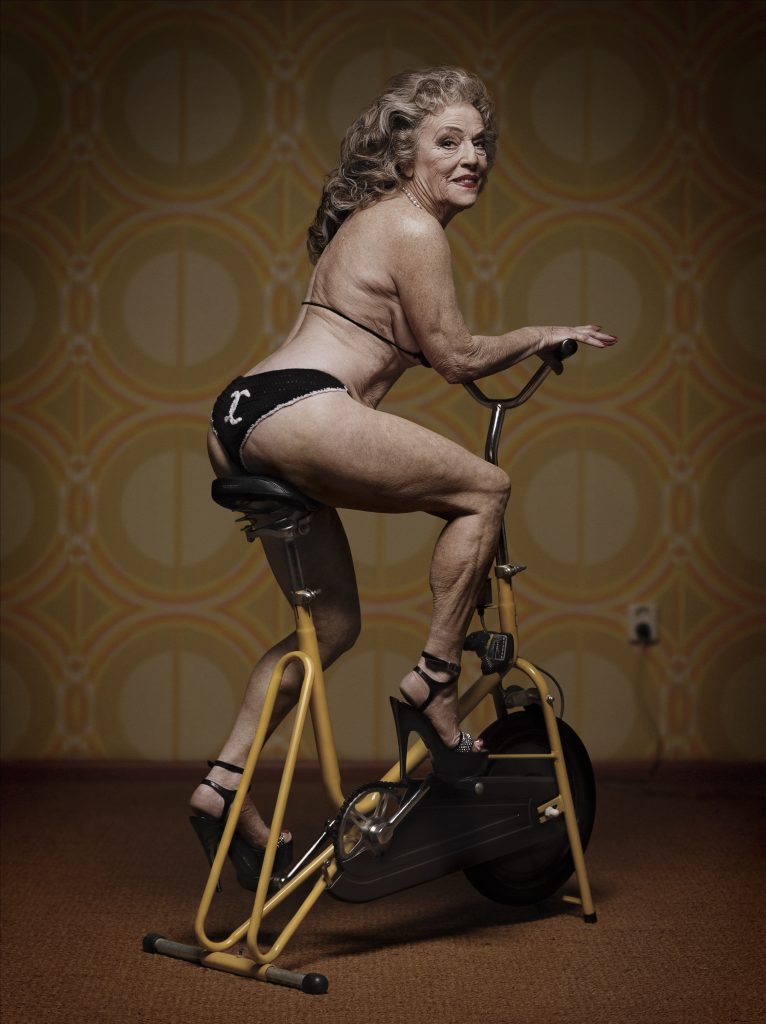
Olaf, who battled emphysema and underwent a lung transplant before his passing, poured his vulnerability and resilience into his art, confronting questions of identity, beauty, power, sexuality and mortality with unflinching honesty. In this Q&A, Shirley den Hartog, his longtime studio manager and founder of the Foundation Erwin Olaf, reflects on his last wish for a Stedelijk exhibition, his enduring activism and the legacy she is determined to uphold.
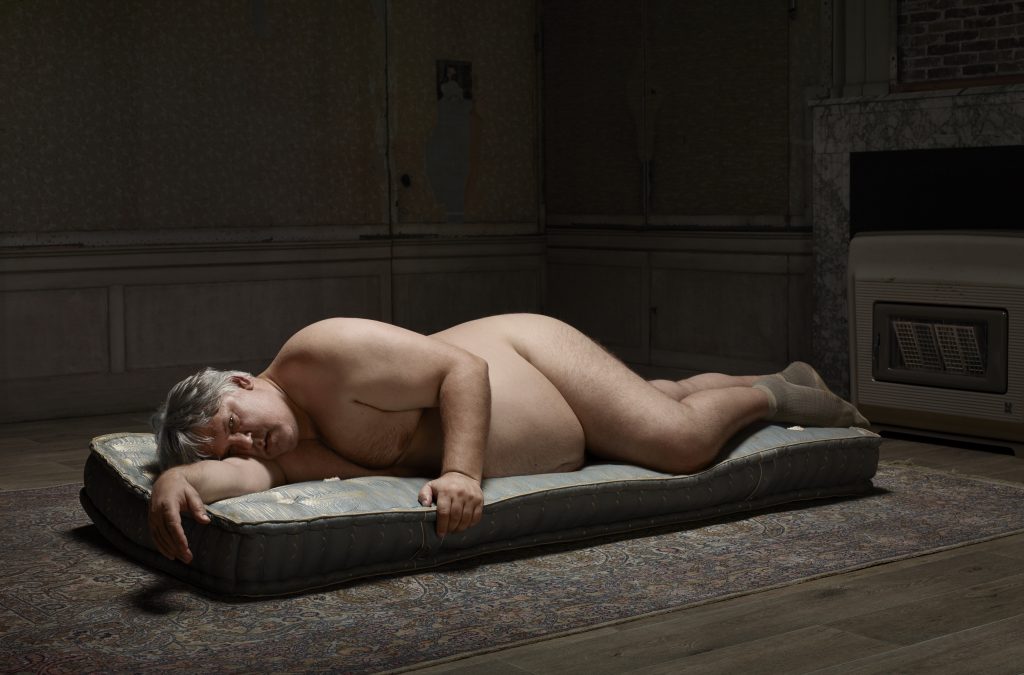
The retrospective at the Stedelijk was Erwin’s ultimate wish. How did it finally come together, given his complicated feelings toward the museum?
The Stedelijk was always Erwin’s biggest frustration. He was embraced by the Rijksmuseum and many others, but the Stedelijk ignored him for decades. It became his drive – he was angry, but also determined to get there. Even in the hospital after his lung transplant, he joked that if both the Rijksmuseum and the Stedelijk wanted an exhibition, I should agree to both, then cancel the Stedelijk at the last minute. But the next morning he called me and said, “No, that was a joke – of course I want the Stedelijk.” Two weeks after he died, I went straight to the museum director. He admitted he didn’t know Erwin’s work well, but he had seen the tributes and the impact, and he said, “I want to show the activist, the voice for freedom of speech and marginalised groups.” That was how it started.
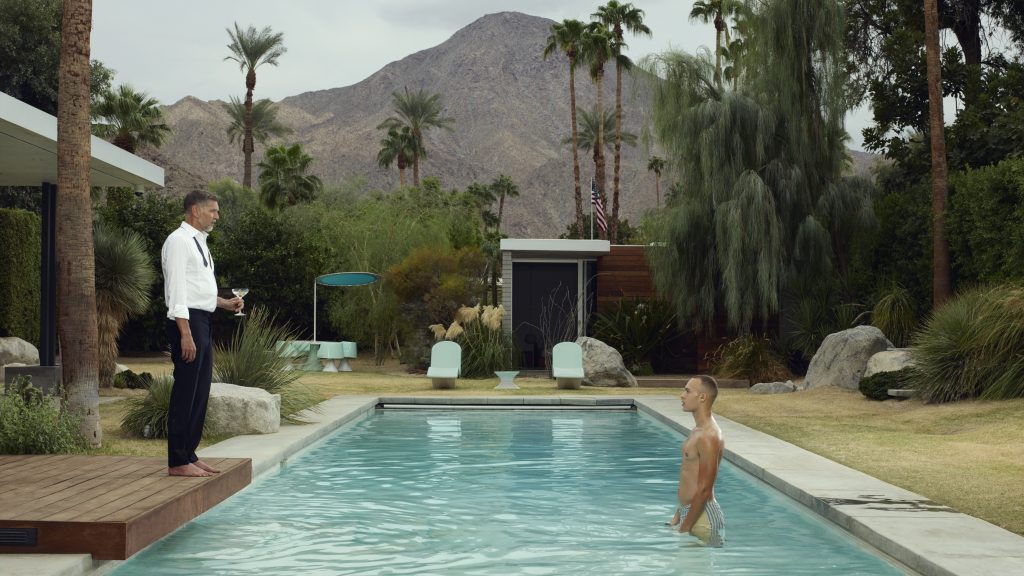
The exhibition is titled Freedom. What did freedom mean to Erwin?
For him, freedom was to be who you are and to say what you want. He loved that people could express their sexuality, but also their religion or their thoughts – without judgment. He used to say, “Imagine a building where a queer person, a devout Muslim, a Christian and a little person all share the same elevator, and if you’re in the elevator, you should be tolerant of each other. Freedom means you stay true to yourself, but you’re tolerant of others.” That was his dream: a world where we stop judging people by how they look or their status and accept that diversity is the essence of life.
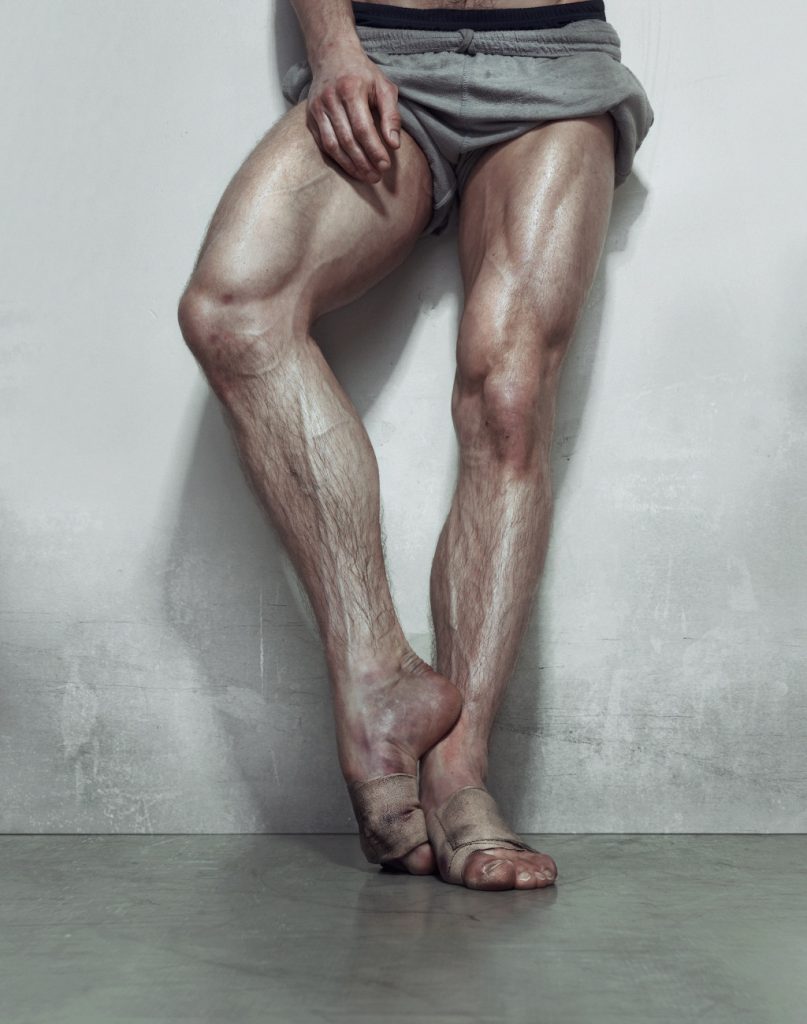
Erwin asked important questions throughout his career. What was the most urgent question he never stopped asking?
He always said, “Don’t be lazy – watch what’s happening around you, listen and take responsibility.” That was the core. He wanted everyone to react to the world we’re in. And of course, mortality became central later in life due to his illness. He could have rested, but instead he pushed harder. He needed to make the series Im Wald about what globalisation does and the power of nature versus people, and the series April Fool about the pandemic, even at risk of catching Covid. He put his art before his own mortality during his last five years – even his last self-portrait at the end of the exhibition showing his two sick lungs in the hands of the doctor who carried out the transplant. When Erwin woke up after his surgery, he didn’t ask if the operation succeeded. His first words were, “Was the photo good?” That’s how deep the art went for him.
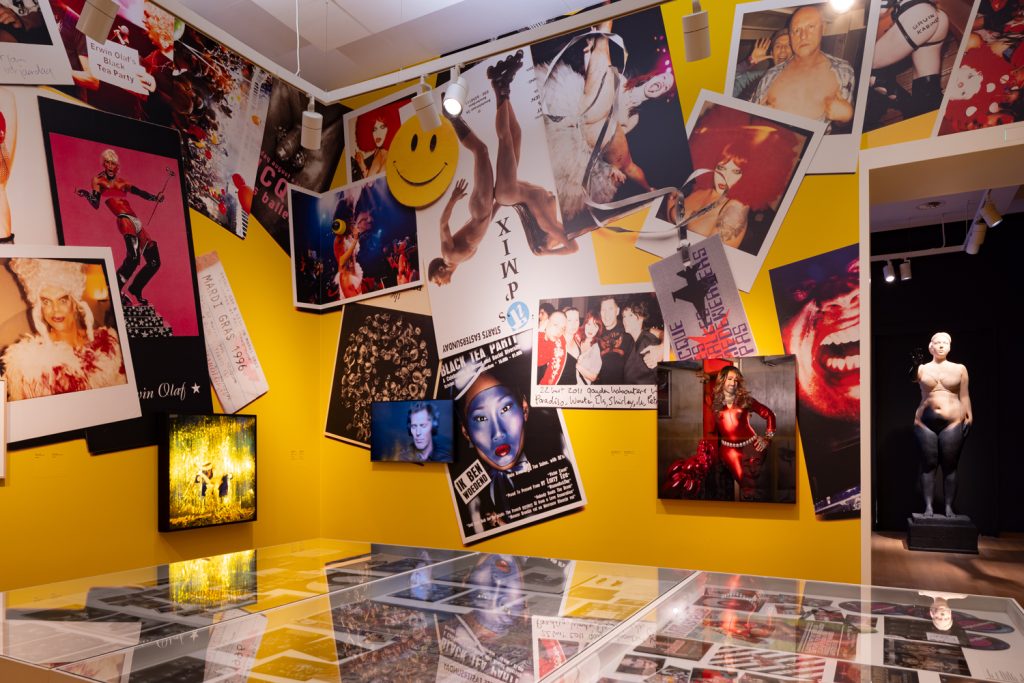
How do you see Erwin’s activism living on in this exhibition and through the Foundation Erwin Olaf?
His works often came from deep concern about democracy, inequality or intolerance: Berlin from his fears about populism, Paradise from the dangers of nightlife, Rain, Hope and Grief after 9/11. He wanted to make people aware and alert. With the Foundation, half of our mission is activism: supporting queer rights, women’s rights, trans rights, the rights of elderly people who often go back into the closet in nursing homes. The other half is craftsmanship: giving opportunities to students from vocational schools, not just elite academies. Erwin wanted to raise everyone’s voice, to give people a pedestal to show themselves. That is what we’re continuing.
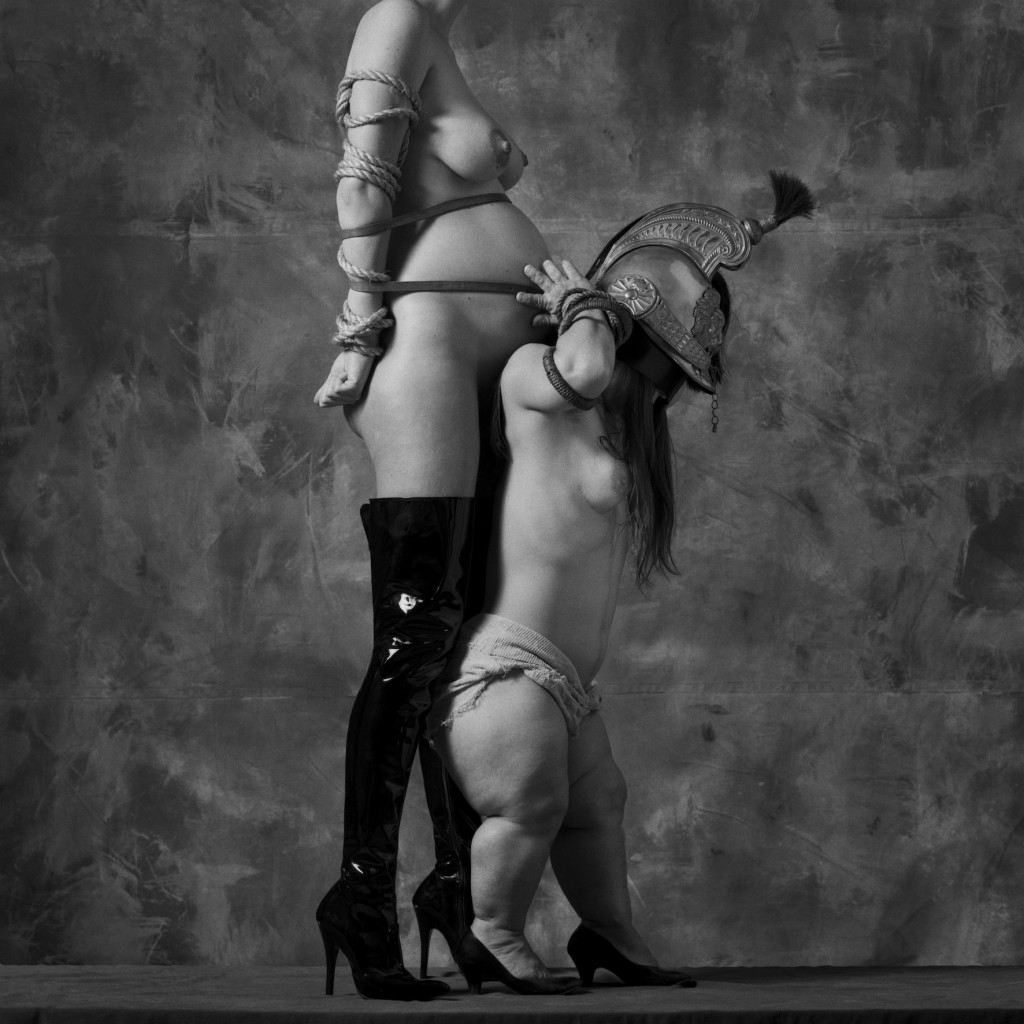
What’s the one thing you wish the world knew about Erwin that might not be visible in his images?
That he was the most honest man I knew. He made mistakes – big ones – but he always stood back up. His life was not easy. He was beaten for being gay, cancelled for things he said or did, betrayed by people he trusted. Every inch of his success, he had to fight for. And yet he kept going, larger than life. My hope is that when people hear the name “Erwin Olaf”, even if they don’t know his art, they connect it with the idea: “Be whoever you want to be.” That was his dream.
Also see: Tsai Ming-Liang on presenting time and emptiness in cinematic form