

From Protein to Heroin – are these trends real?
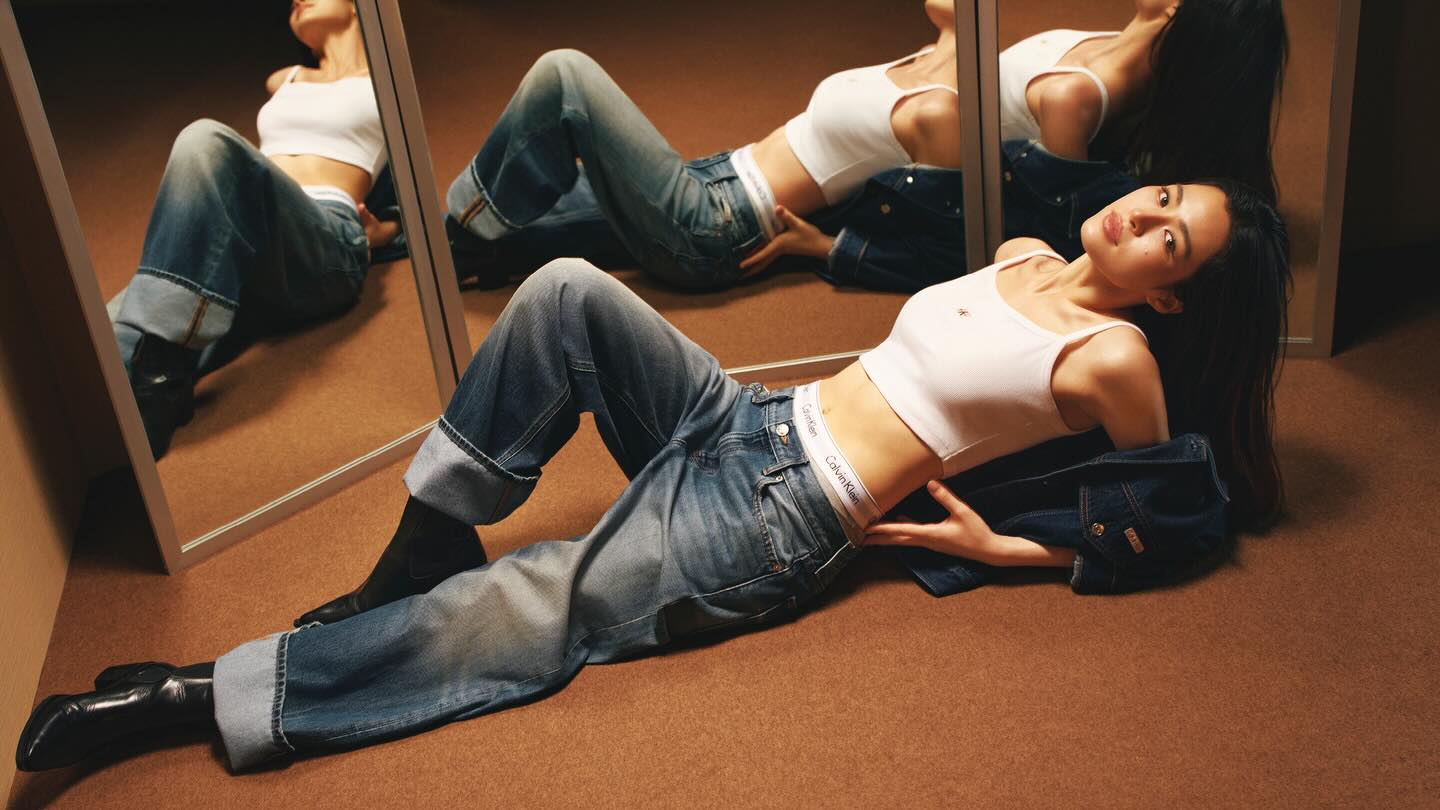
Back in the 90s, models were stick thin. Emaciated beings devoid of muscle and fat, these human wire-racks defined beauty on Calvin Klein billboards, Milan shows and Hollywood films. People love to talk about trend cycles – how this so-called “heroin-chic” was a reaction to the healthier look of 80s supermodels, Gisele Bündchen’s debut in the early aughts as the return of curves… the list goes on and on.
Yet, every year there seems to be a new headline about the return of “(insert buzzword) chic” on some runway. Just this last Paris Fashion Week, while Prada drew attention for their skinny girls in dark eyeshadow, social media was enamored with the wide-shouldered hunks of Demna’s Gucci. Reception to both was divisive. Critics, journalists and casual spectators alike all talked about how they loved and/or hated a brand’s castings.
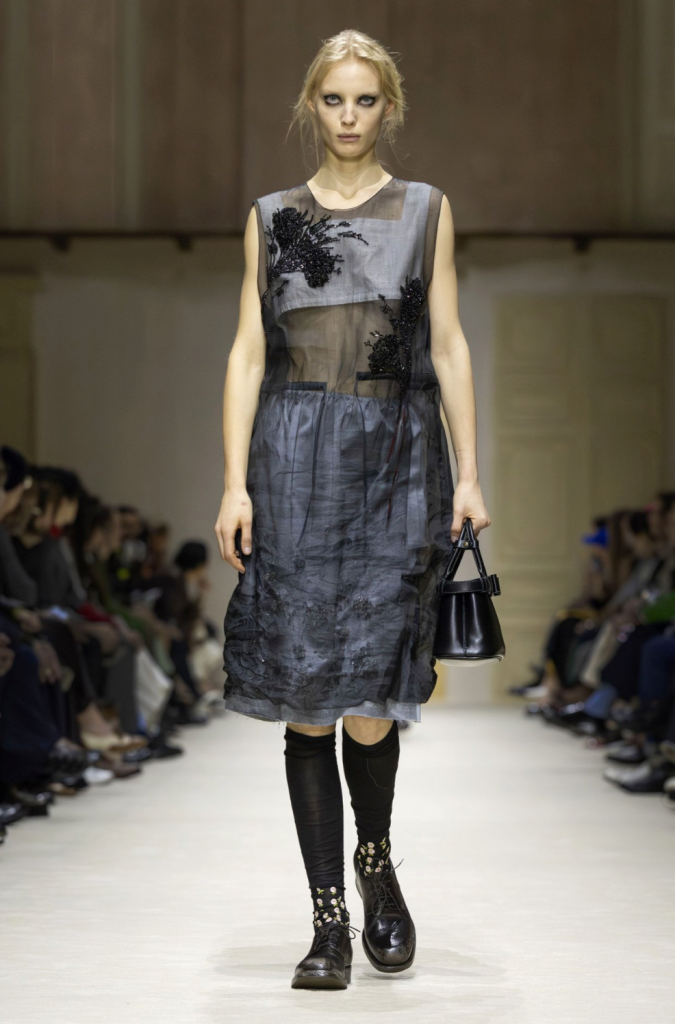
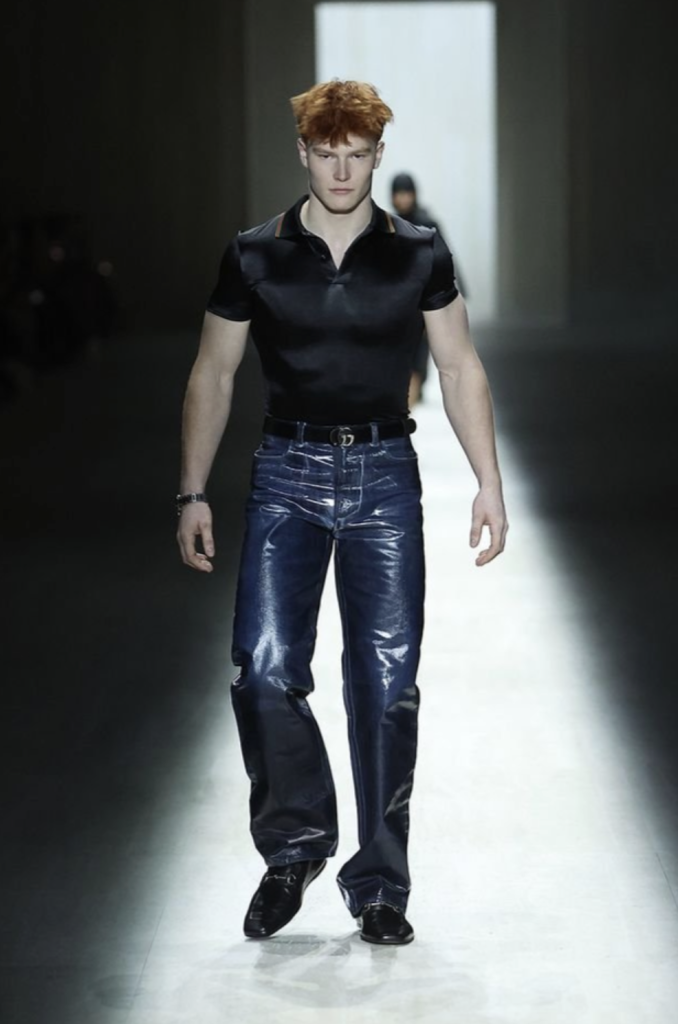
Whether you like the popularity of a body type and its associated impacts on youth or not, it’s apparent that this seasonal inconsistency isn’t anything new. In the modern internet age, hundreds of designers present thousands of collections. We don’t live in the era where a single magazine cover embodies what women are going to wear for the next five years anymore. There’s a reason why the term “microtrend” was coined, because the diverse range of perspectives shared every second means that preferences move with unprecedented speed and sporadicity. At the same time young girls are looking to Kate Moss for nostalgic thinspo, boys buying Hedi Slimane Dior jeans for glamorised anorexia; tanned abs and roided-up shoulders are just as popular.
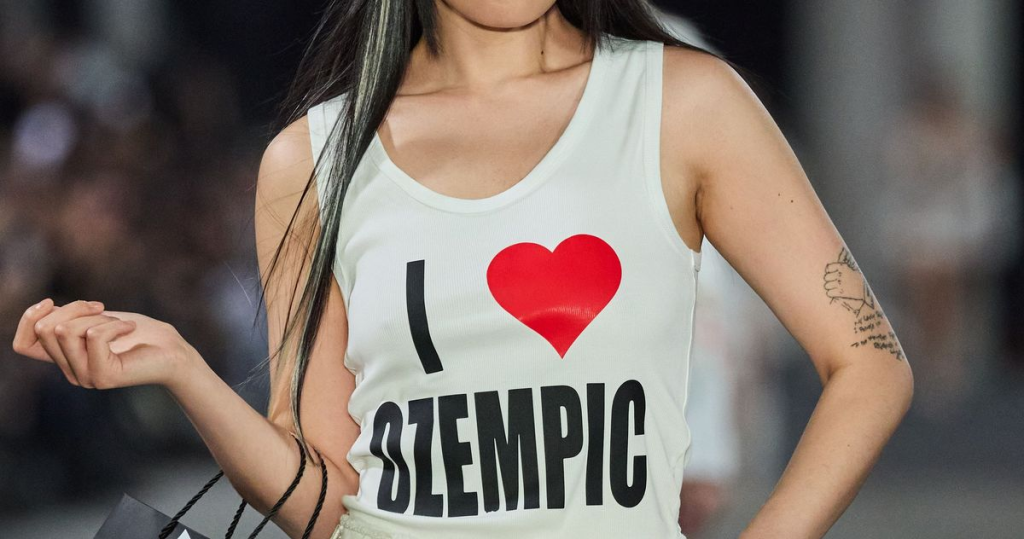
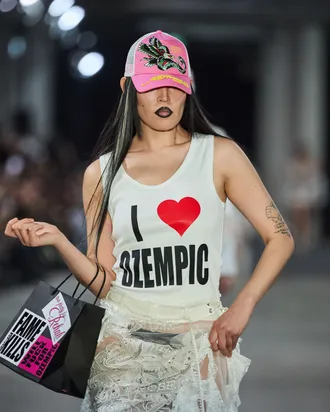
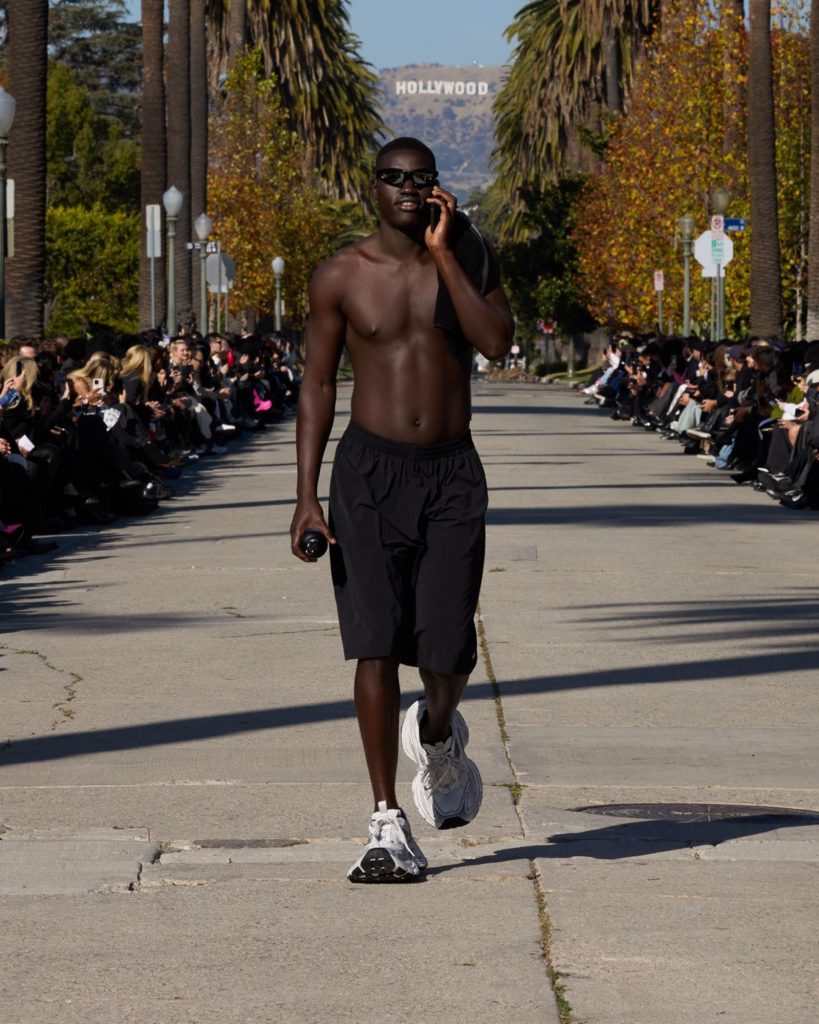
An inability to recognise this means that the discussion around physique fads has become increasingly reductive. For example, 2025 saw the pop culture needle go from party drugs to weight loss medication. The year of Berlin Fashion Week’s “I Love Ozempic” T-shirts, Balenciaga was on the other end showing ripped t-shirts, bulging muscles and athleisure excess. But somehow, consideration always seems to be in a vacuum – as if a singular brand’s presentation is the be-all and end-all for beauty standards.
Not just an overly simplistic view on the evolving landscape of mainstream culture, it’s also a failure to acknowledge that physique trends are inherently problematic and exclusive. It’s contradictory to rag on heroin-chic for romanticising unhealthy lifestyles, then turn around and say that curves are what girls should aim for. In the same vein for men, both the looks of scrawny twink and androgenic beefcake shouldn’t be endorsed. No matter how long someone starves themselves for, how much weight they squat, how many skincare products they use, they won’t have the body of Alex Consani, the curves of Yasmin Wijnaldum, the skin of Anok Yai. The truth of the matter is that runway figures aren’t realistically achievable for the vast majority of the population – natural or otherwise.
Rather than glorifying a particular look, fashion should be inclusive. And the first step to reaching that goal is to recognise that the idea of a beauty trend shouldn’t really exist in the first place.
See also: Are controversial castings deeper than commercialism?