

A look at the least expected faces of Autumn/Winter 2026
Non-models – or at least, people whose main occupation is not such – on the runway have always been deliberate choices. From Jean Michel Basquiat for Comme des Garçons’ Autumn/Winter 1987 to Balenciaga’s 51st Couture in Kim Kardashian and Nicole Kidman, chosen personalities can reveal much of a designer’s philosophy behind the collection.
This season had much of the same. Moving from front-row spectator to participants, celebrities are a surefire way to bring press, virality and social media clicks. Nevertheless, something is different. It’s hard to describe: somehow these castings aren’t necessarily about intention or any form of creative expression, but pure provocation. Should fashion be validating and/or platforming these voices? How much “world-building” are brands really doing with the appearances of these figures that collective society really should be moving on from?
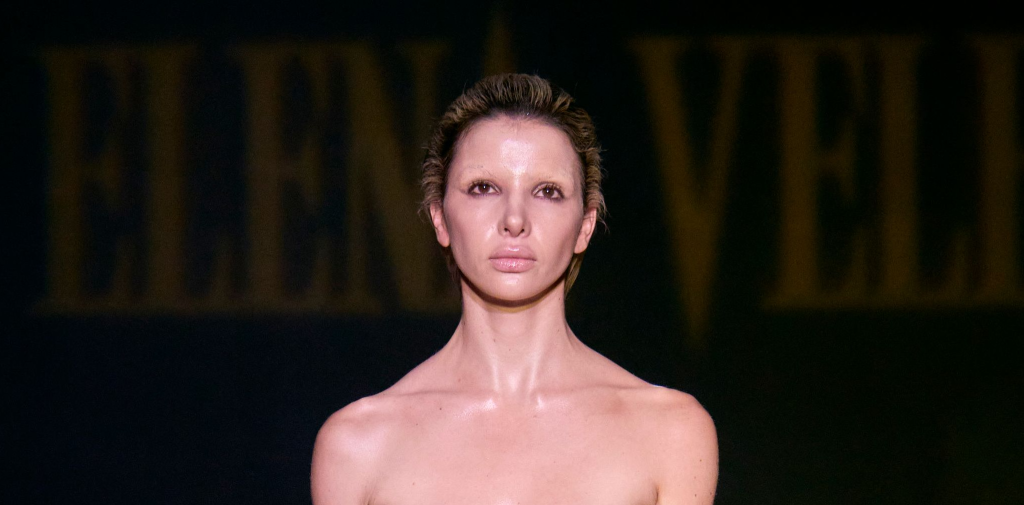
CFDA’s 2022 Emerging Designer of the Year and an LVMH semi-finalist, Velez initially gained attention for aggression balanced with delicacy. She’s known for ultra-charged runway presentations, Brechtian-style performances intended to make you uncomfortable. Mud-covered models and a confederate-era salon, for example. She says her design language is a rejection of the industry, previously describing all the challenges of building a brand without nepotism.
Closing out her latest show was the poster boy of looks-maxxing toxic hypermasculinity, Clavicular. Amongst taking methamphetamine to suppress his appetite, excessive steroid usage that has rendered him infertile and promoting bone-smashing (using a hammer to alter facial bone structure), he’s been associated with the entire host of internet age anti-intelligentsia: Nick Fuentes, Andrew Tate and Myron Gaines – the list goes on. Joined by Liv Schmidt – an influencer banned on TikTok in 2024 for promoting disordered eating to stay skinny – seats were filled by other similarly problematic names.
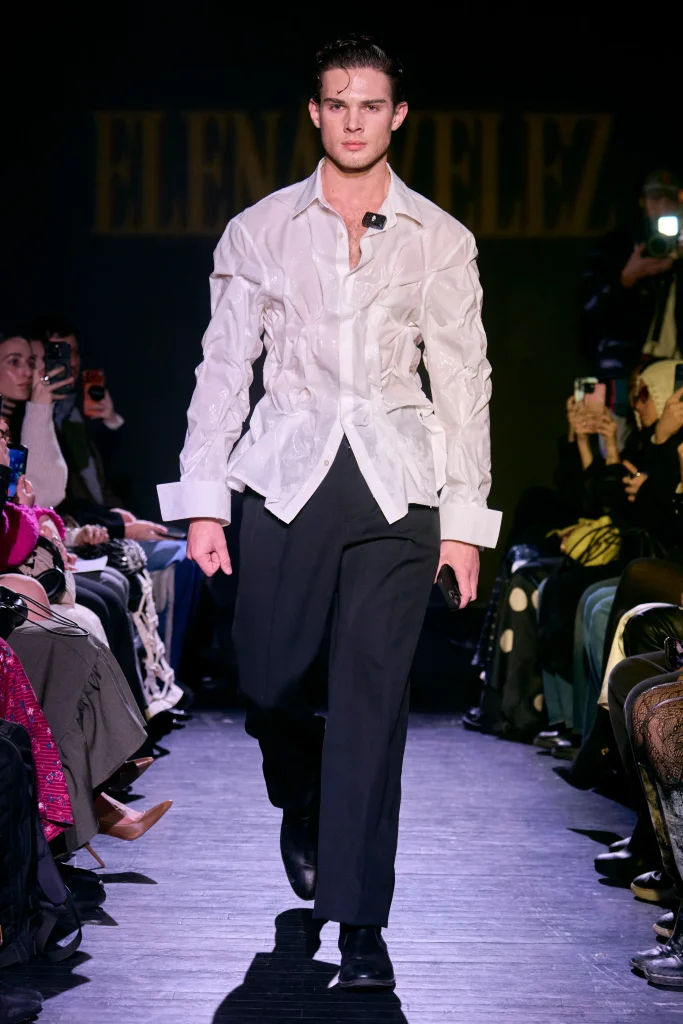
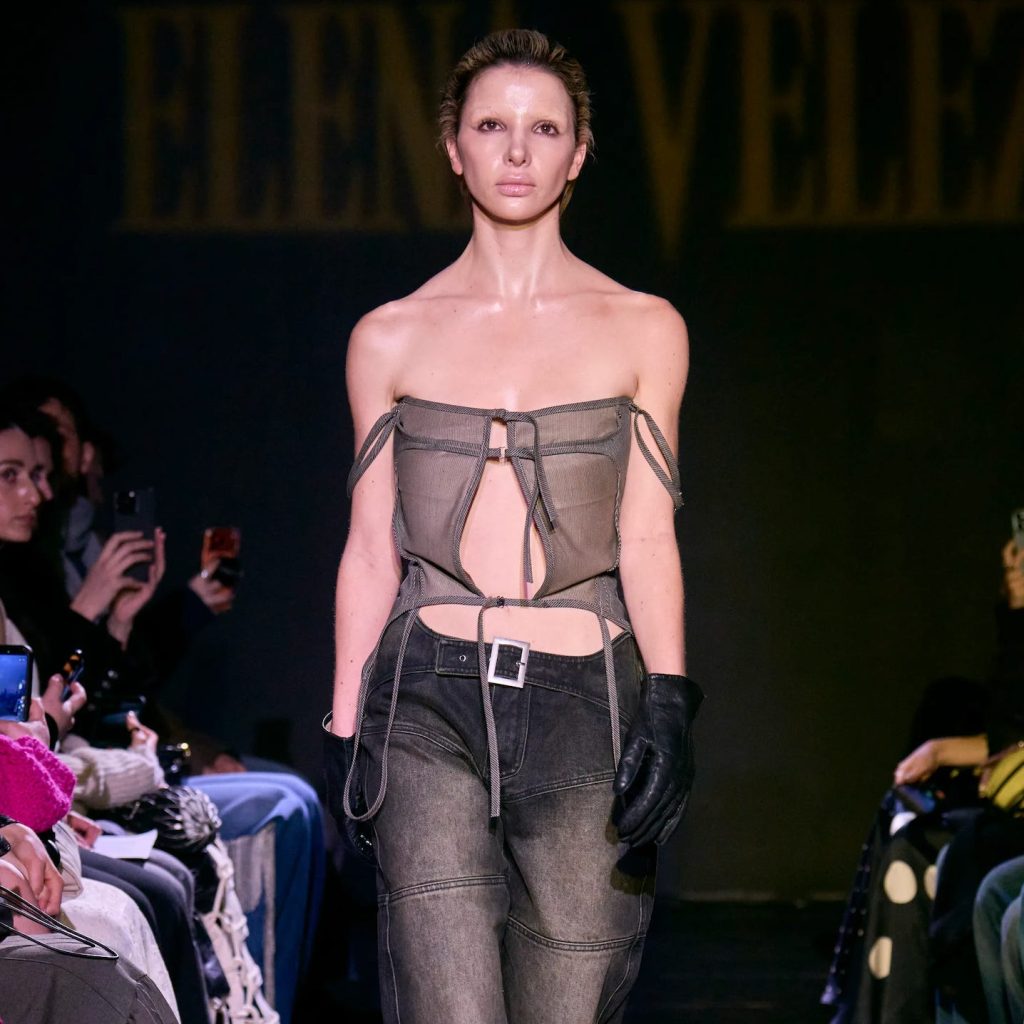
Velez stated that she aimed to incorporate punk elements of deconstruction and distressing in these clothes. Taking these clothes in a vacuum, then sure – these are somewhat non-traditional elements incorporated into a luxury perspective. And yet, Velez seems perfectly happy to critique the industry while benefiting from it. She supposedly wants to create a conversation without the labelling of modern identity politics – what quality do these garments embody in doing this? Her only approach appears to be enraging the press with people pulled from the depths of incel boards and pro-anorexia pages. It’s entirely jarring, and is intensely distracting from any form of artistic expression she purports.
It’s possible that there is some hidden message we’re missing. Nevertheless, any subtlety is overwhelmed by unrelated, unadulterated edgelord-ness. If there were a deeper theme to be understood, then why is there no mention in the show notes? Why is the collection alone unable to achieve this goal? It appears as a weak endeavor for outrage at best, and commercially-motivated hypocrisy at worst.
This isn’t to say that controversial castings have no place in fashion. Though often placed in the same camp as Velez (in due part to its early years) Enfants Riches Déprimés’ most recent seasons are a great example. A list including Larry Clark – the film director famed for his questionable depictions of minors – for Spring/Summer 2026 and Marilyn Manson – rock star and alleged sex offender – for their most recent show, these people directly tie in to the brand’s philosophy.
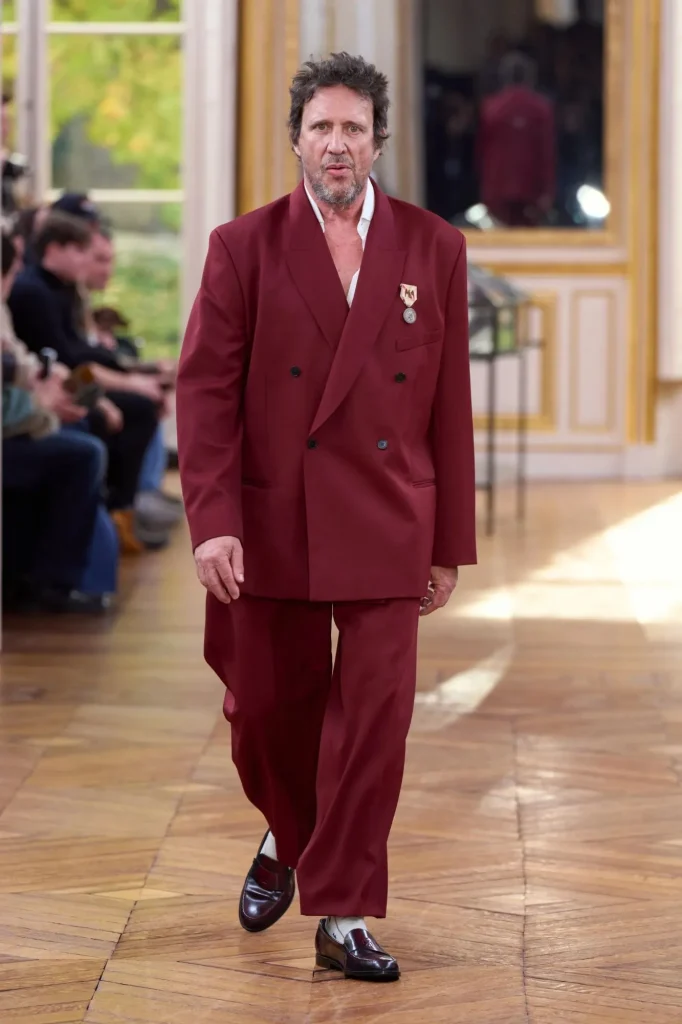
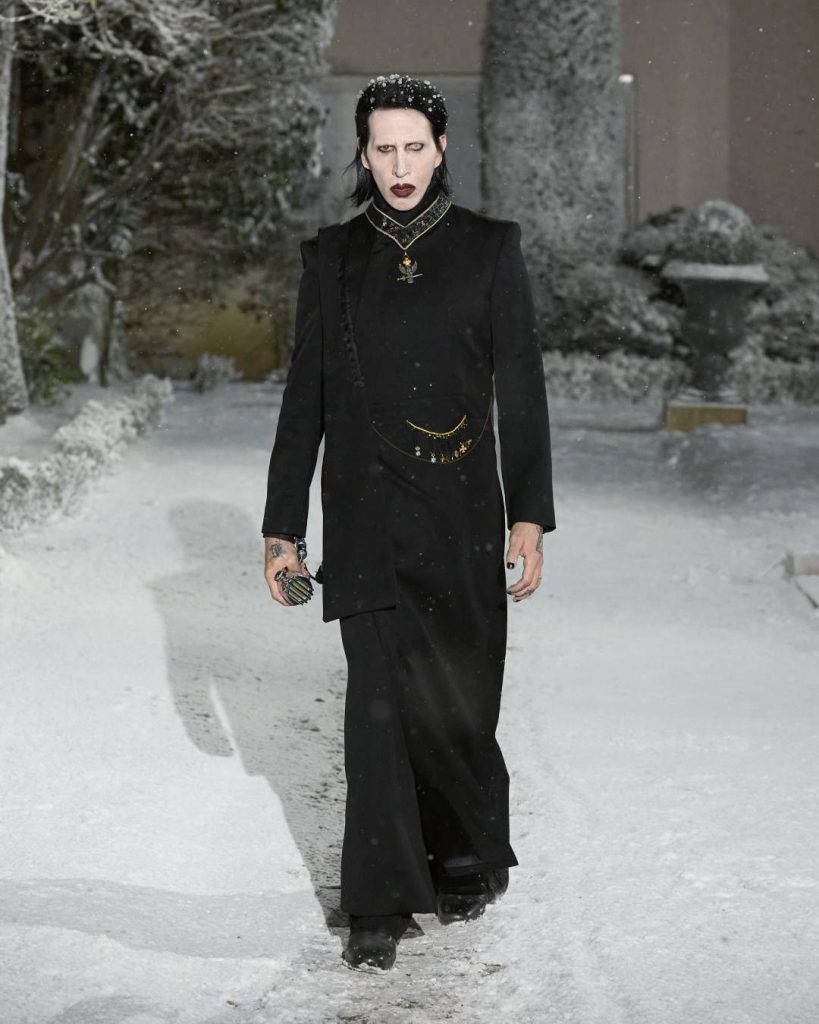
Evolving from punk-appropriated self-bemoanment to an expression of the importance of free speech and nihilistic philosophy, Levy’s collections are about presenting the horror, disgust and abhorrences of the world. He wants the audience themselves to decide what’s right or wrong before censorship and indoctrination can – portraying the forgotten pre-war culture of European Jewish communities, the institutionalization of schools or the wiping of historical narratives. In this manner, Clark and Manson embody these messages. Divisive figures whose morality is in consideration – rather than make, they enhance Levy’s communication.
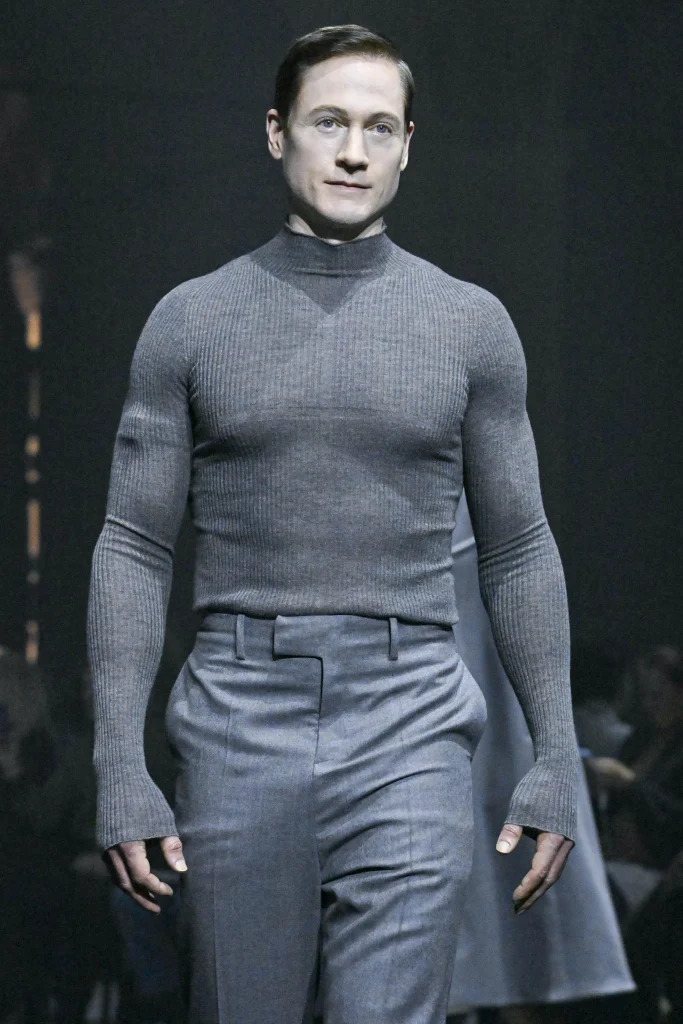
More on the nose, Matières Fécales collection entitled “The One Percent” had Bryan Johnson in a hyper-stylised techbro outfit with a grey turtleneck and slacks. A multi-millionaire obsessed with life extension, having received blood transfusions from his son in a try to “revitalise” himself, he’s the perfect example of power and all the deportments that surround it. Both mocking him and amplifying the show’s storytelling, Matières Fécales used their casting in a clear message that doesn’t endorse Johnson’s activities or obsession with immortality.
Of course, Velez is likely much more profit-oriented than Enfants Riches Déprimés or Matières Fécales. One look at their difference in pricing – and in the case of Matières Fécales, a lack thereof – would exclude any shared connection between consumer bases. Which then prompts the question for her: is there any solid thought behind the castings of such reprehensible persons? If the only emotion that can be drawn from a show is anger and incense, should you really have a platform for it?
See also: Design language from around the world