
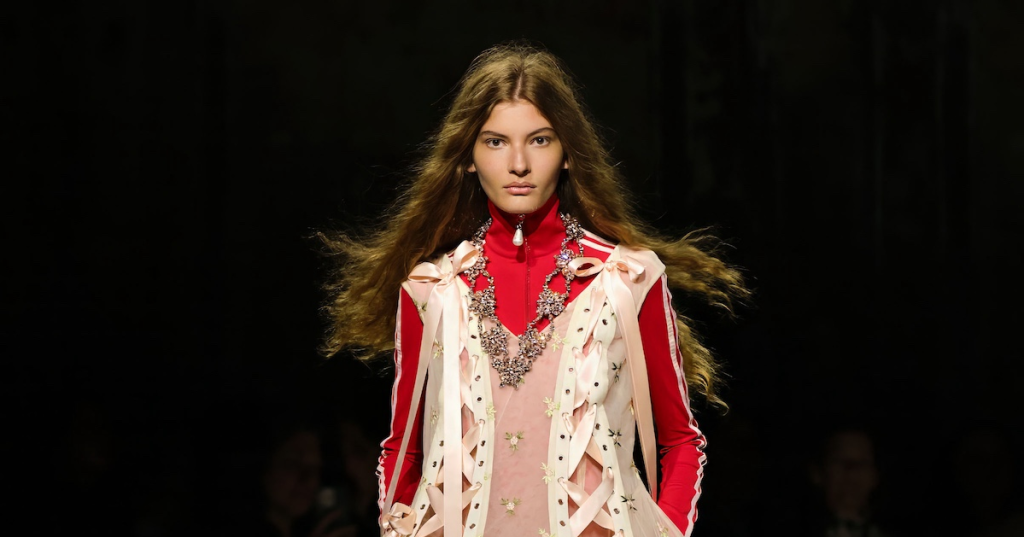

As London Fashion Week officially comes to a close, we look back at the standout brands and the defining ideas shaping their latest collections
Burberry
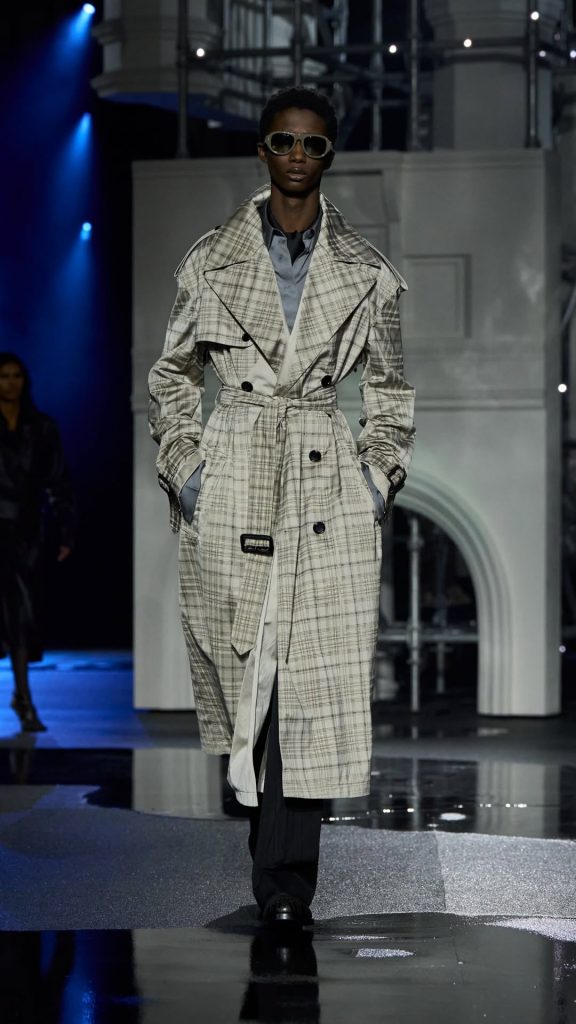
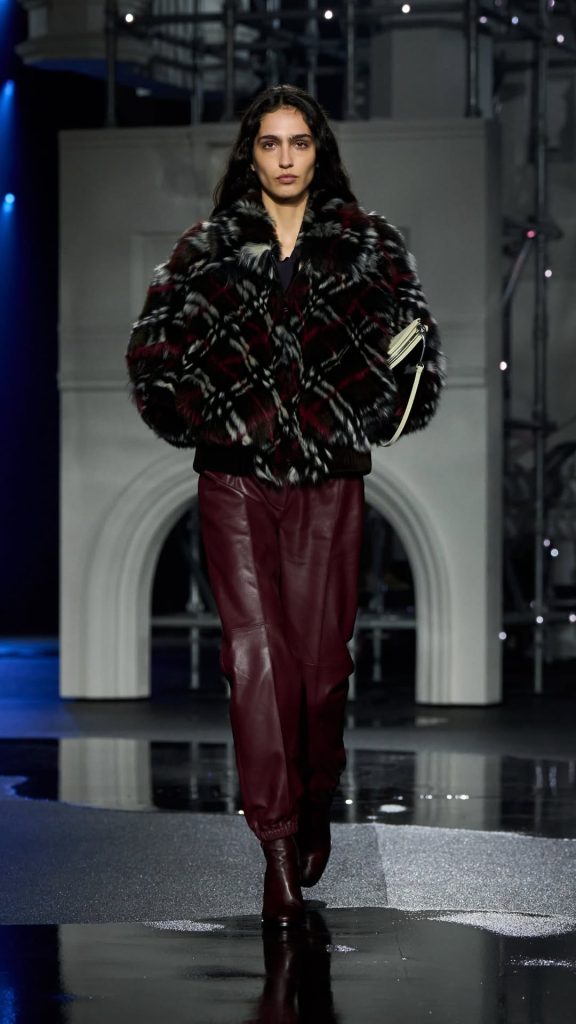
Burberry closed out London Fashion Week with Daniel Lee’s collection that extended British music culture and youthful rebellion. Shorter 1960s and 1970s silhouettes mingled with checks, crochet textures, and festival-ready layering. Designed for muddy fields as much as city streets, the lineup featured parkas and shearling-lined hoods built for weather and movement. Tarot motifs appeared across trench coats and scarves, adding playful symbolism while staying grounded in wearability.
Chet Lo
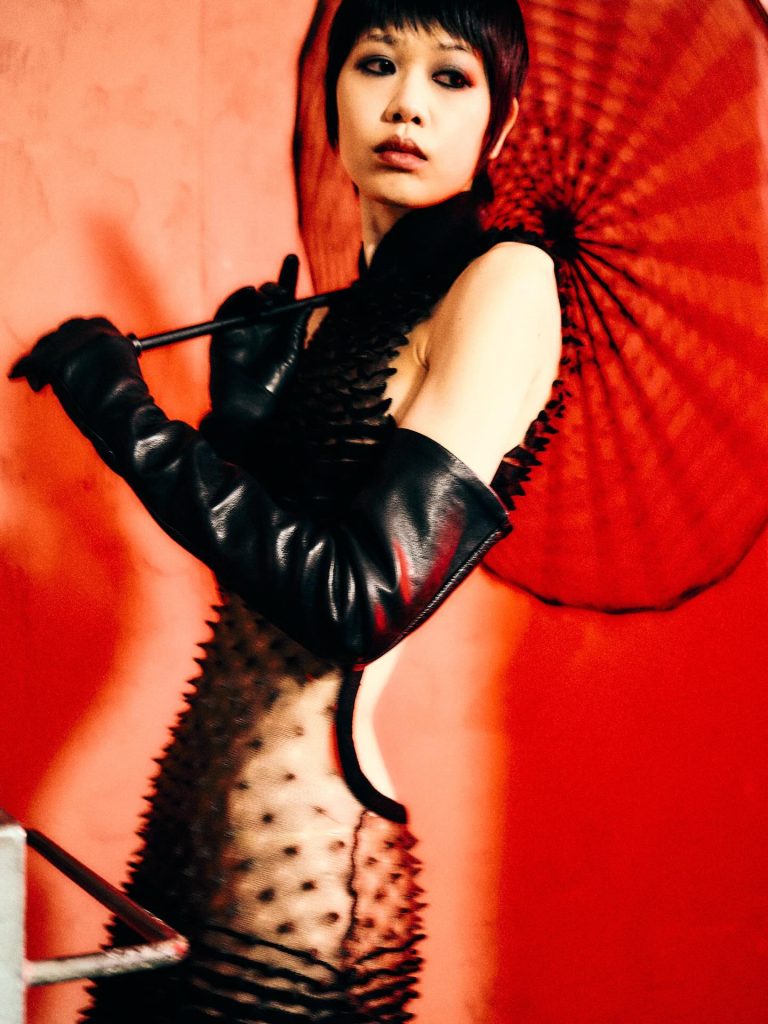
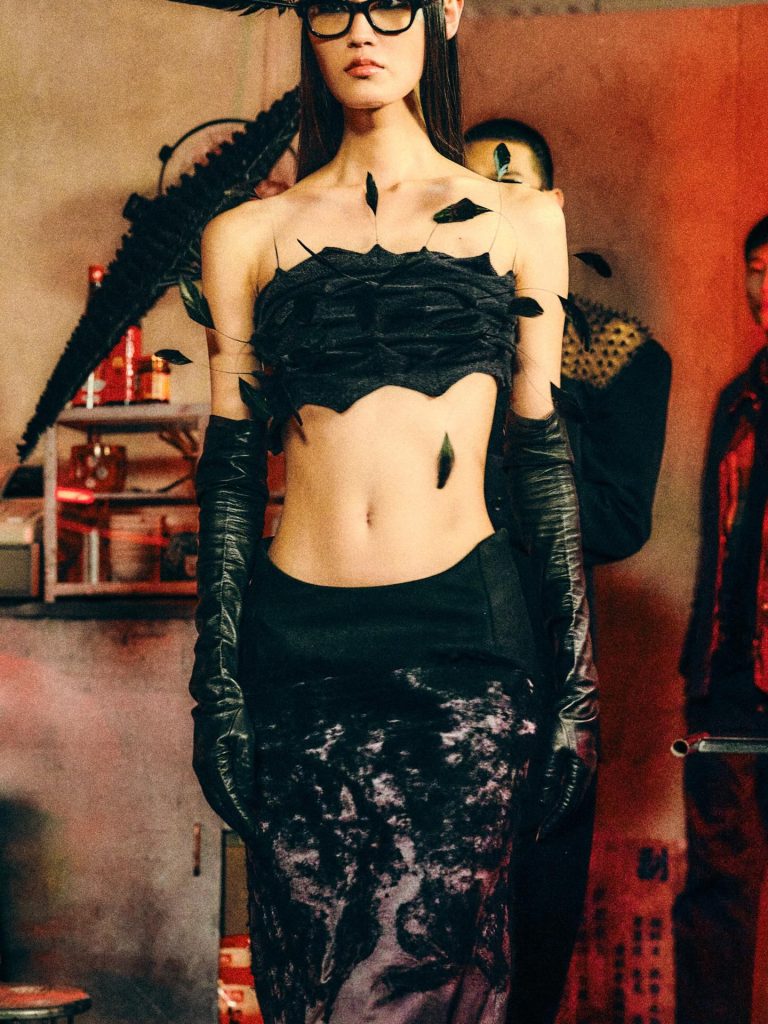
Chet Lo brought a little Hong Kong energy to London Fashion Week, transforming the Mandarin Oriental’s grand ballroom into a vivid homage to Hong Kong’s neon-lit night markets. He recreated the humid alleyways and theatrical Cantonese opera energy, blending his signature spiked knitwear – now heightened with sensuality – alongside feathers, sheer striped dresses, skin-baring cuts and sharply structured tailoring. Infused with Wong Kar-wai’s cinematic romance and reflections on Asian identity, the demi-couture pieces fused sexuality, street culture and collective pride into a compelling celebration of heritage.
Emilia Wickstead
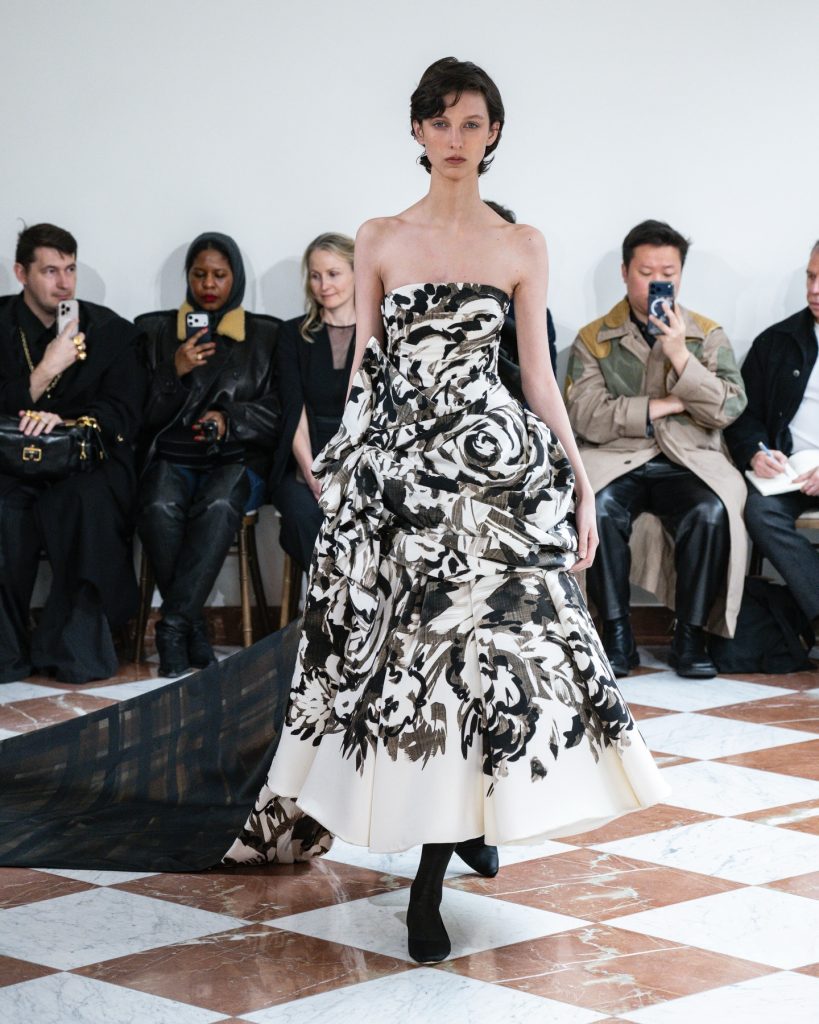
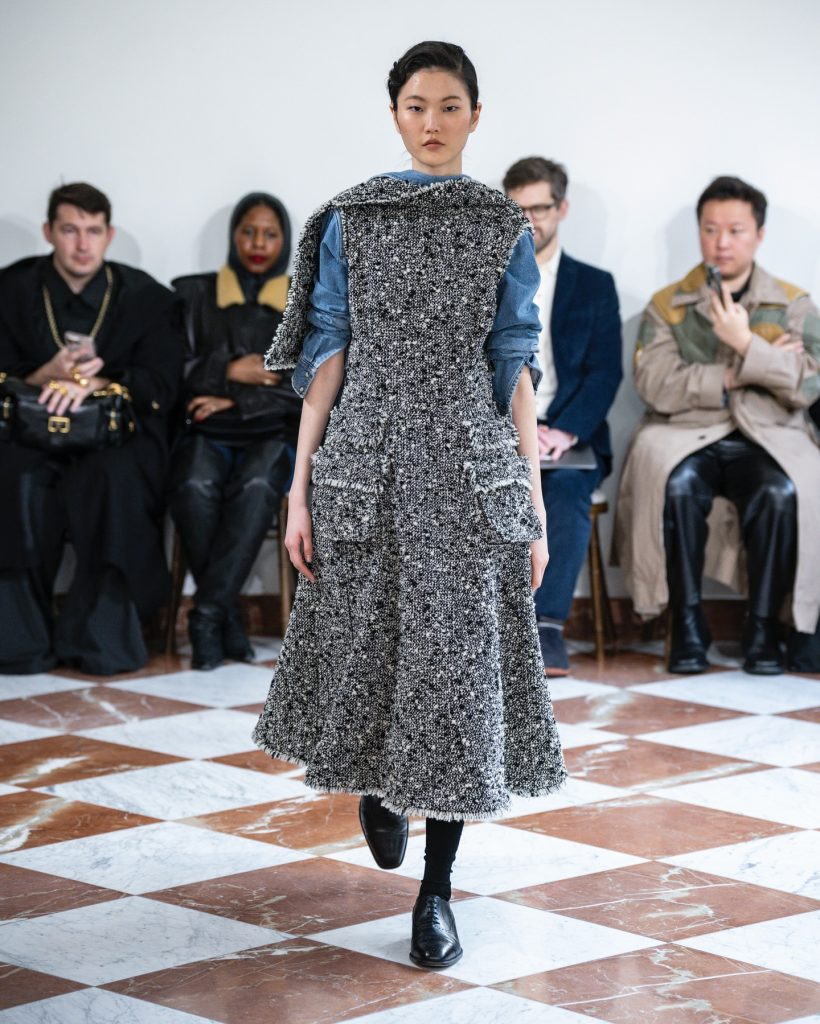
Emilia Wickstead drew inspiration from the forgotten 1920s Parisian artist Fano Messan, who famously dressed in masculine attire to pursue her sculptural work in a male-dominated world. Messan became a powerful lens for Wickstead to examine themes of liberation and self-expression. The collection captured the liberated energy of the Roaring Twenties art scene, translated into languid, Armani-esque tailoring. Elsewhere, menswear-inspired checks, rugged denim shirts and cape-like leather jackets combined practicality with refined elegance.
Erdem
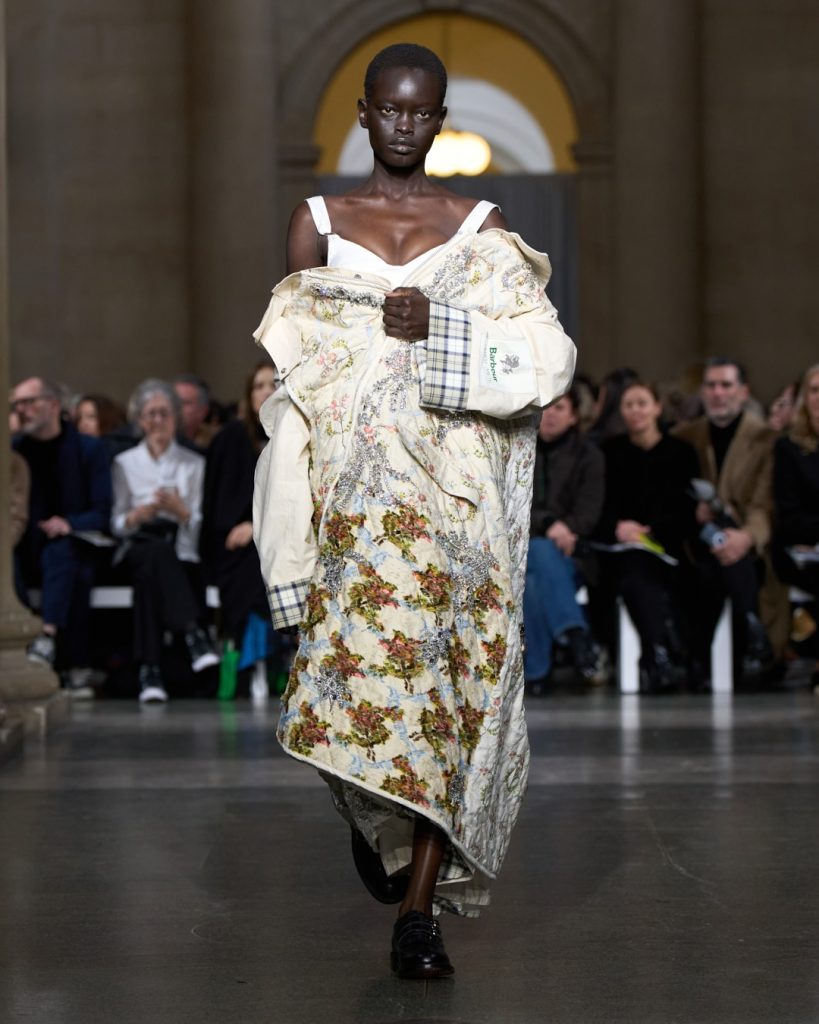
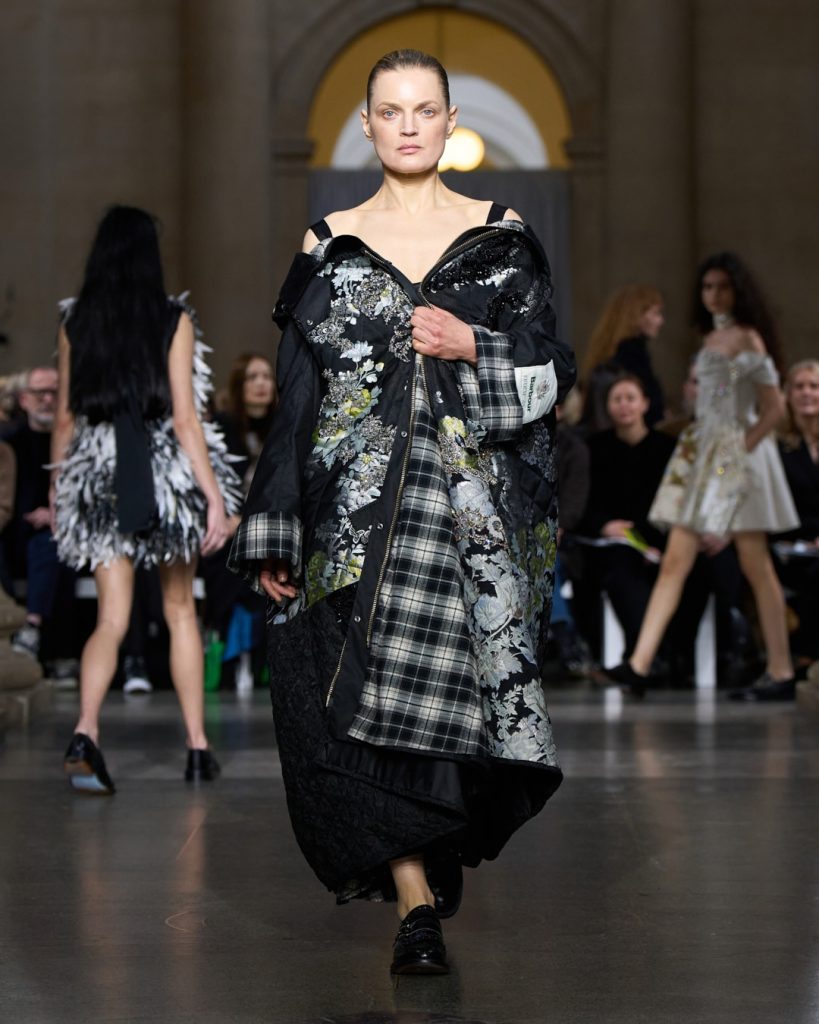
Marking the brand’s 20th anniversary, Erdem Moralıoğlu titled his collection “The Imaginary Conversation”, reuniting muses from the past two decades in spirit – the Duchess of Devonshire, Maria Callas, Radclyffe Hall, and Madame Yvonde among them. Shown at Tate Britain, the setting amplified the collection’s mood. Historical silhouettes such as pannier skirts, Elizabethan collars and tweed tailoring were juxtaposed with modern disruptions.
Richard Quinn
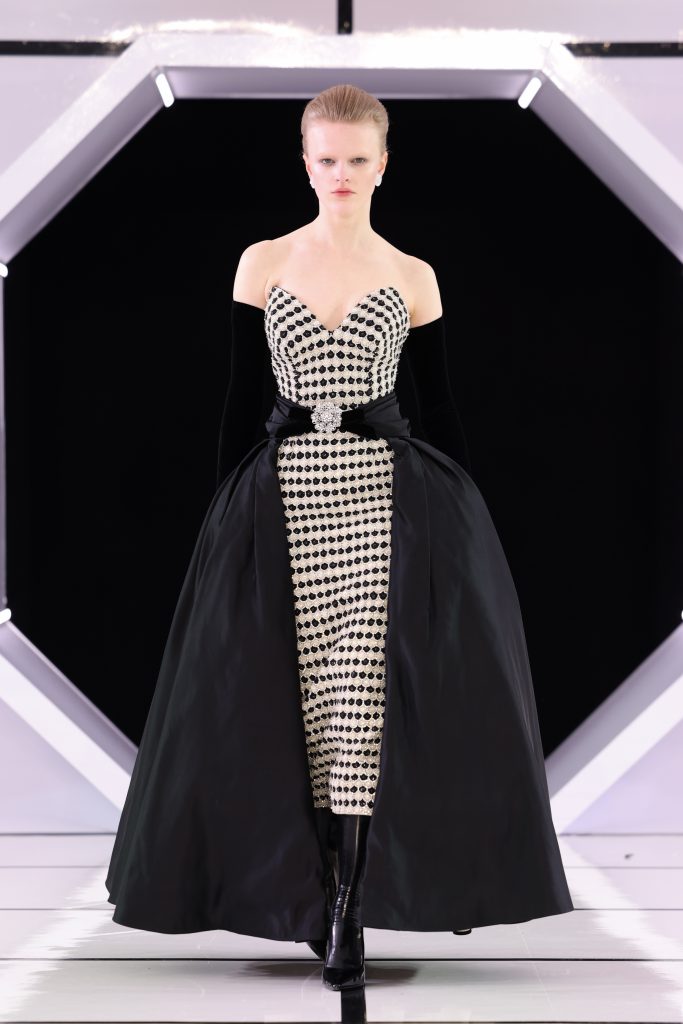
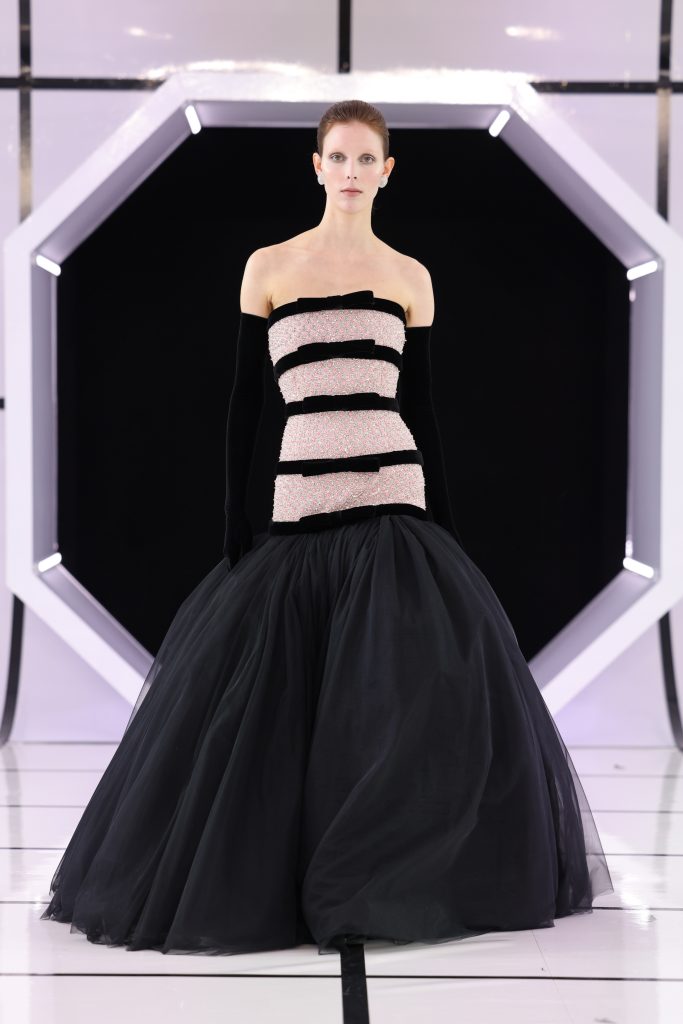
For Autumn/Winter 2026, Richard Quinn staged his collection under the theme “Reimagining Opera Night.” The black-and-white geometric runway intensified the mood of aristocratic decadence. Drawing on 1950s silhouettes, Quinn sculpted hourglass forms through structured corsetry, peplums and sharply defined waistlines. His signature dark florals bloomed across luxurious black velvet gowns, adding rich texture and depth. References spanned the opulent world of the Gilded Age and Edith Wharton, the liberated spirit of the 1970s and the bold power-dressing of the 1980s.
Simone Rocha
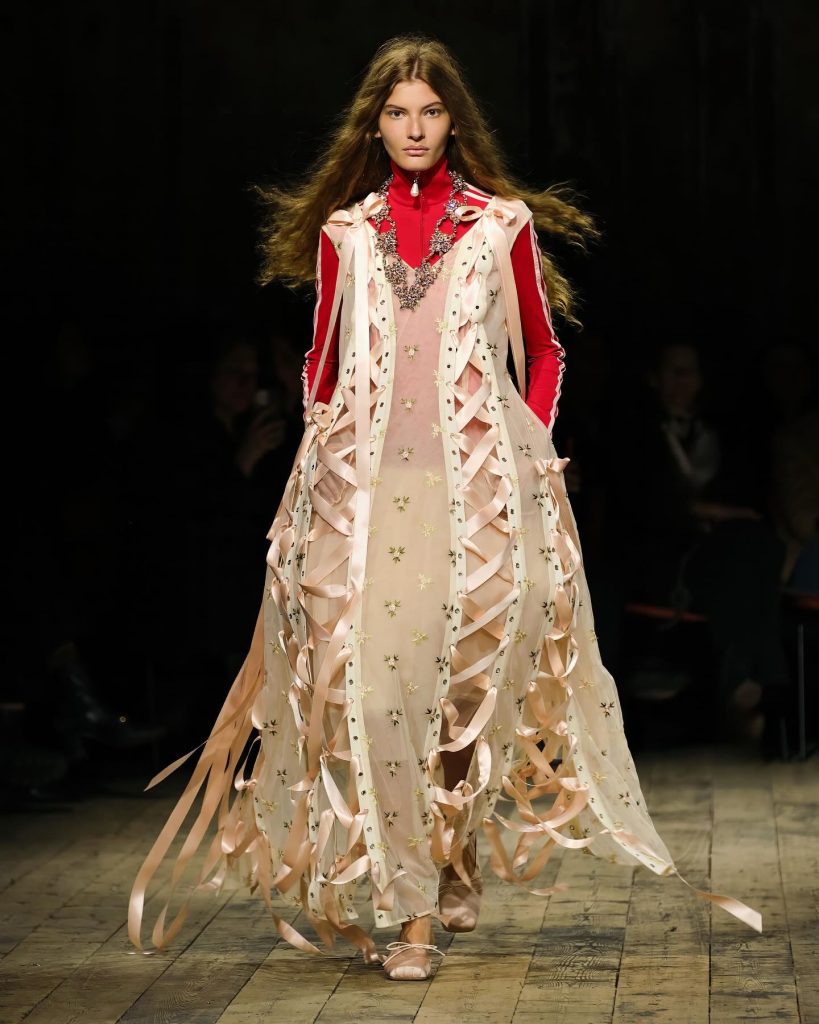
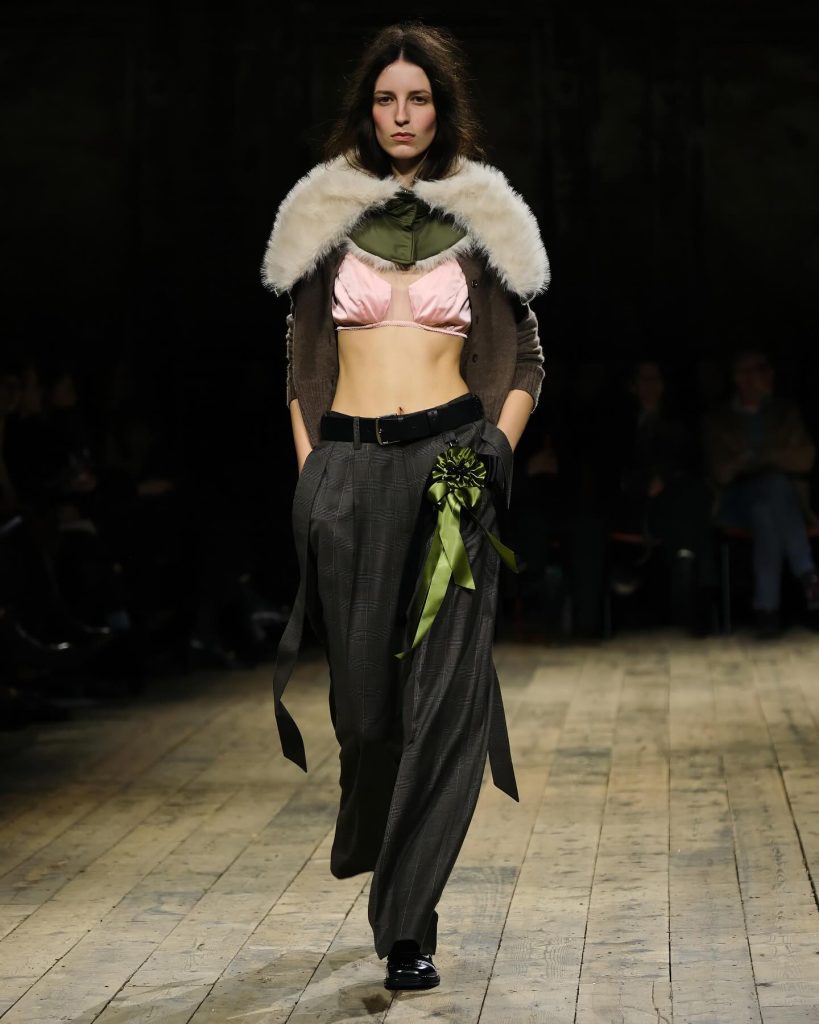
Simone Rocha anchored her Autumn/Winter 2026 show in a striking collaboration with Adidas Originals. Drawing from Irish folklore – particularly Tír na nÓg, the land of eternal youth – alongside 1990s Dublin “Pony Kids” photography, the collection merged delicate romance with sporty realism. Lace boiler suits, ruffled tracksuits, and pearl-embellished pony-hair sneakers evoked teenage memories of pairing Adidas with vintage ballet skirts. Rocha’s voluminous gowns, adorned with ribbons, rosettes and pearls, were grounded by tweeds and tapestry prints.
Toga
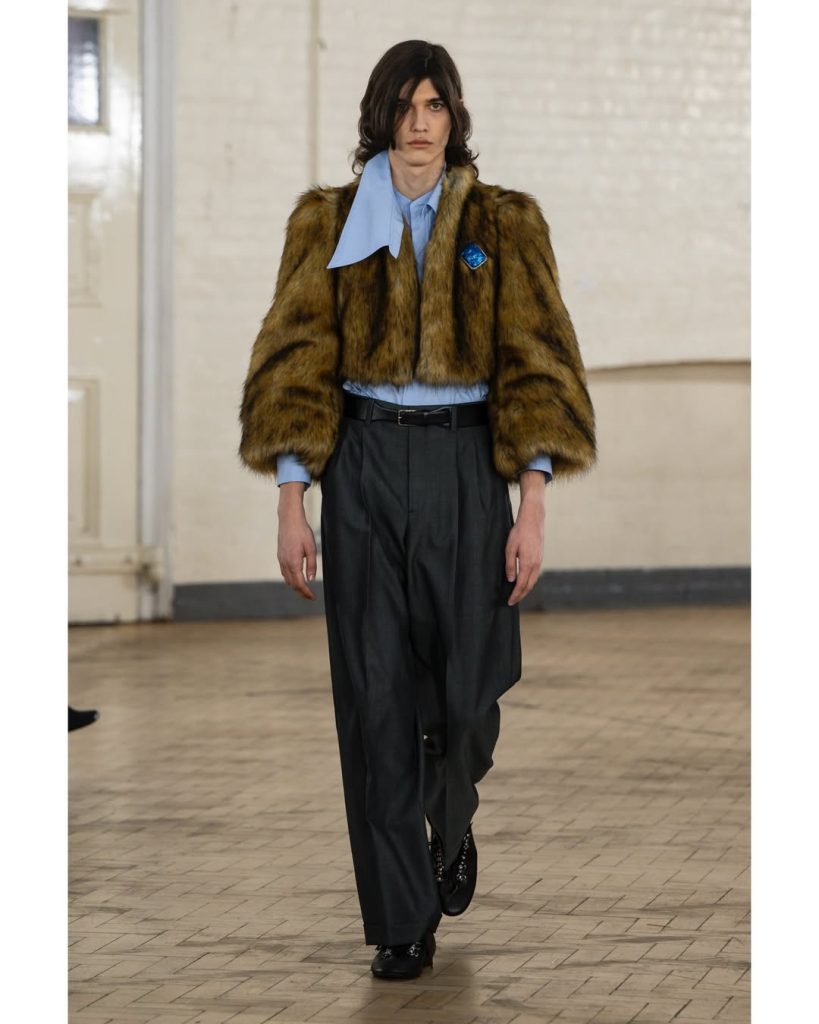
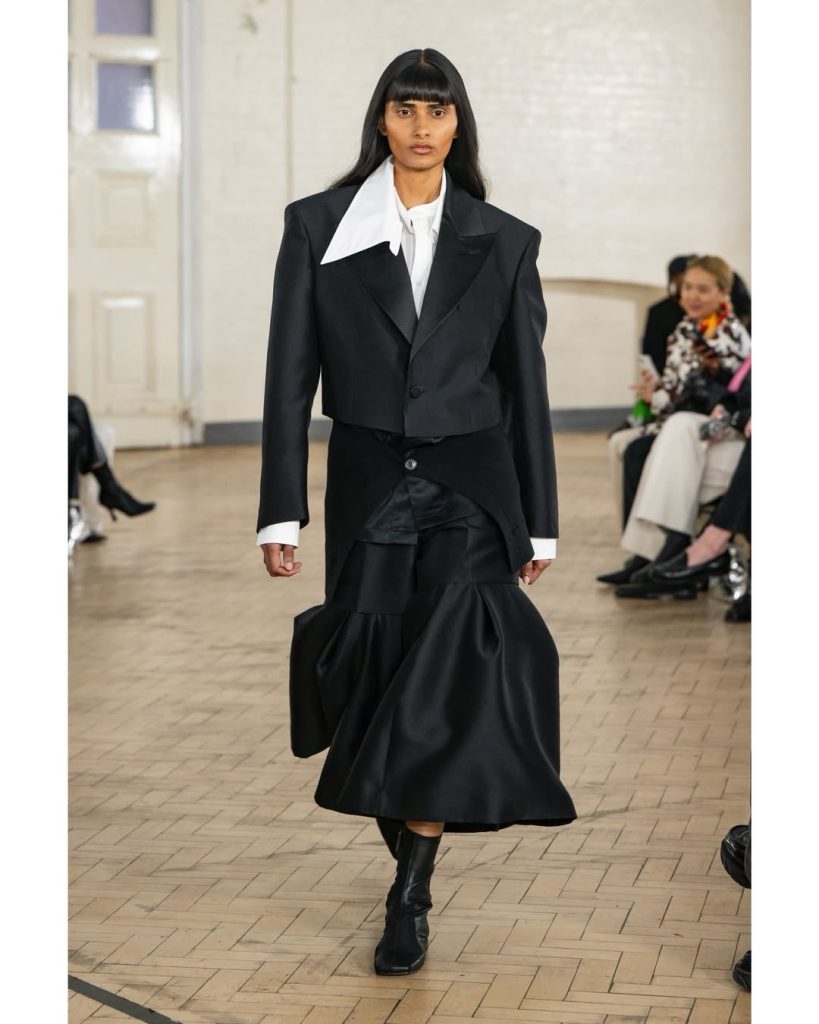
Yasuko Furuta made the boxy silhouette the foundation of the season. Oversized coats and strong-shouldered tailoring were layered with knitted waist wraps or diagonally draped sequin panels. Furuta described the collection as an exploration of fabric under stress – pulling, wrinkling, flattening – serving a metaphor for how individuals resist and adapt within rapidly shifting societies.
Tolu Coker
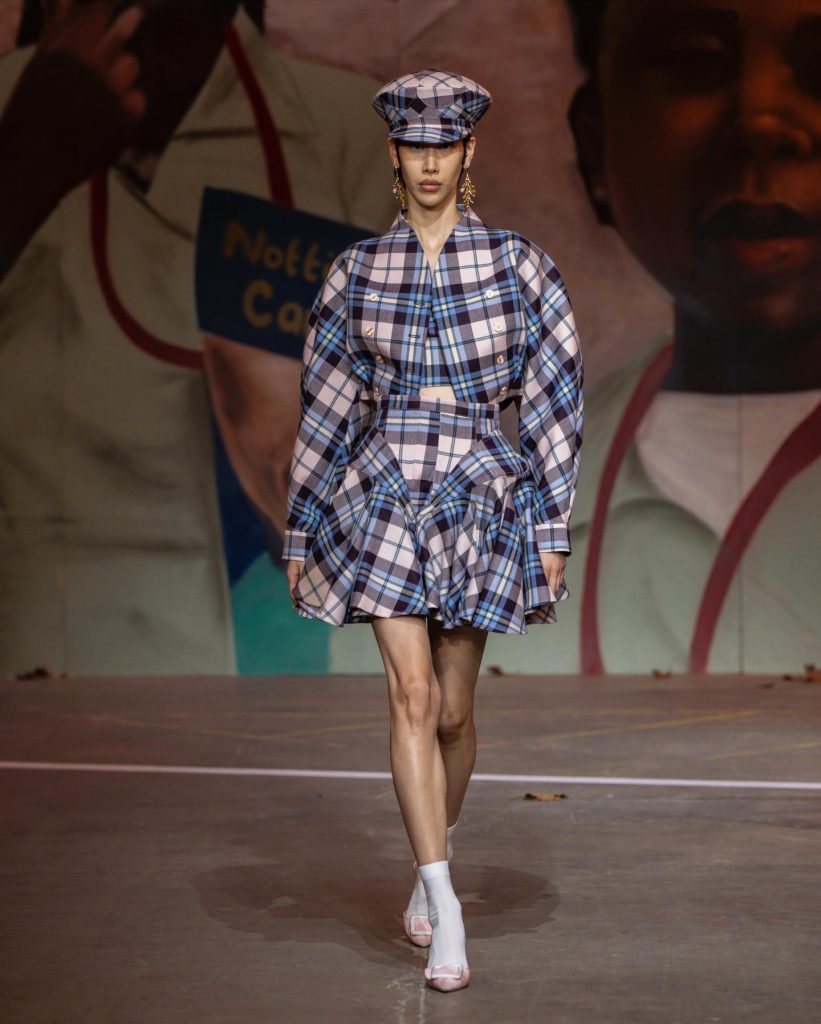
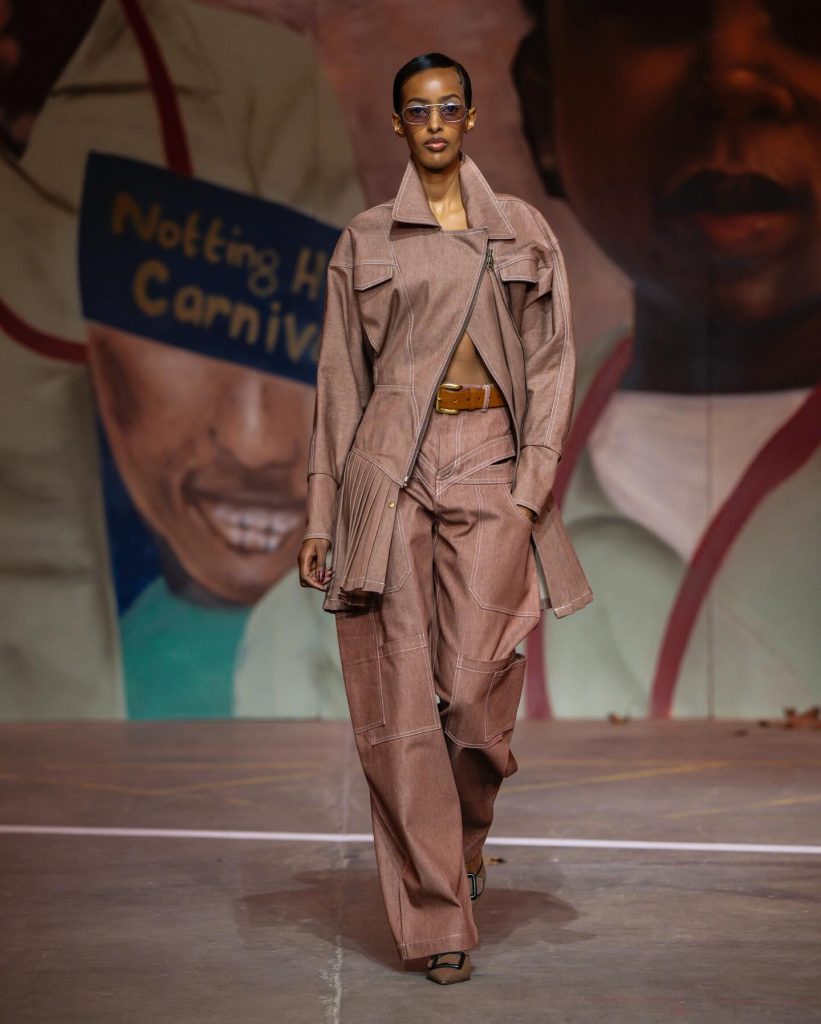
Tolu Coker opened London Fashion Week with “Survivor’s Remorse”, a milestone marked by the presence of King Charles in the front row. The set reconstructed Mozart Street – the “block” where she grew up – in vivid detail, featuring London Underground signage, streetlights, overgrown grass and refuse bins. Through a distinctly diasporic lens, Coker examined British identity, assimilation and the journey back to selfhood. A standout blue-and-pink plaid mini suit fused Yoruba colour symbolism with nostalgic references to Clueless, blending cultural heritage with playful 90s revival. As an LVMH Prize semi-finalist and one of the few independent Black female designers operating at this scale, this final NewGen season felt deeply personal, political and profoundly rooted in community.
Also see: The best street style from Seoul Fashion Week 2026