


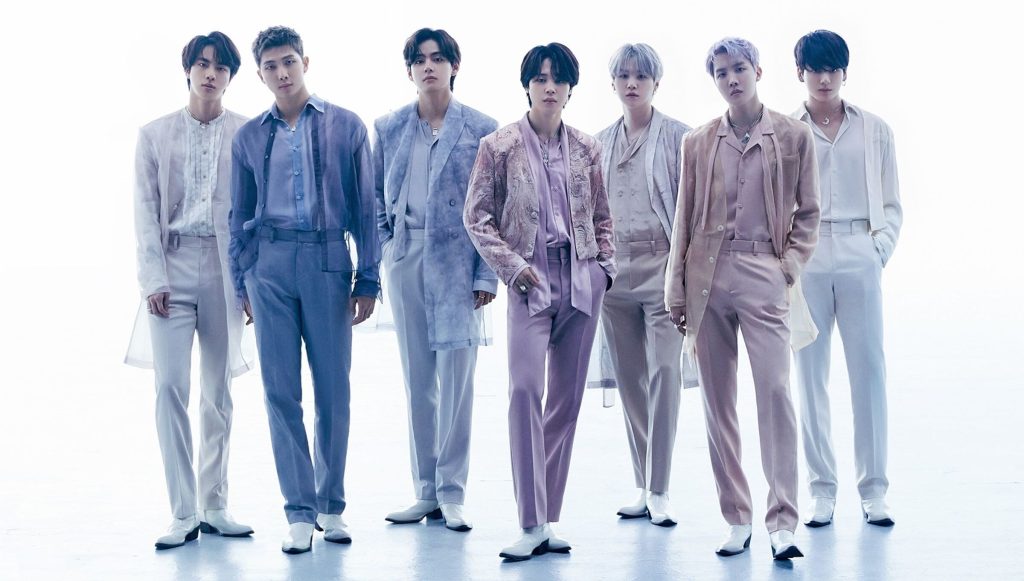

From its March 2026 release window to its cultural significance and global rollout, here’s what to expect from BTS’s long-awaited return
Nearly four years after stepping away from full-group promotions, BTS is preparing for a return that feels less cyclical and more consequential. On 20 March, the group will release Arirang, its first full-length Korean-language studio album since 2020’s Be. What began as a gradual pause, shaped by staggered military enlistments and a steady run of solo ventures, has culminated in a coordinated re-entry that arrives with both expectation and weight.
The reunion first became concrete in November 2025, when Jimin revealed during a livestream that the album had been completed. Bighit Music made it official on 1 January, confirming their date. At present, the album is set to feature 14 tracks, though song titles, collaborators and production credits remain under wraps. While many details are still being held back, here’s everything we know so far about Arirang.
The meaning behind the album title

For international listeners unfamiliar with Korean culture, Arirang refers to one of the country’s most enduring traditional folk songs, long associated with longing and separation. It is widely regarded as a symbol of Korean musical heritage.
RM later explained in a Weverse livestream that the album’s name reflects both BTS’s Korean identity and the distance the group experienced during its time apart, whether from the stage, from one another or from its fans. That context reframes the project. Rather than presenting this comeback as reinvention, Arirang signals reflection – a return shaped by time away rather than spectacle.
How might Arirang sound?
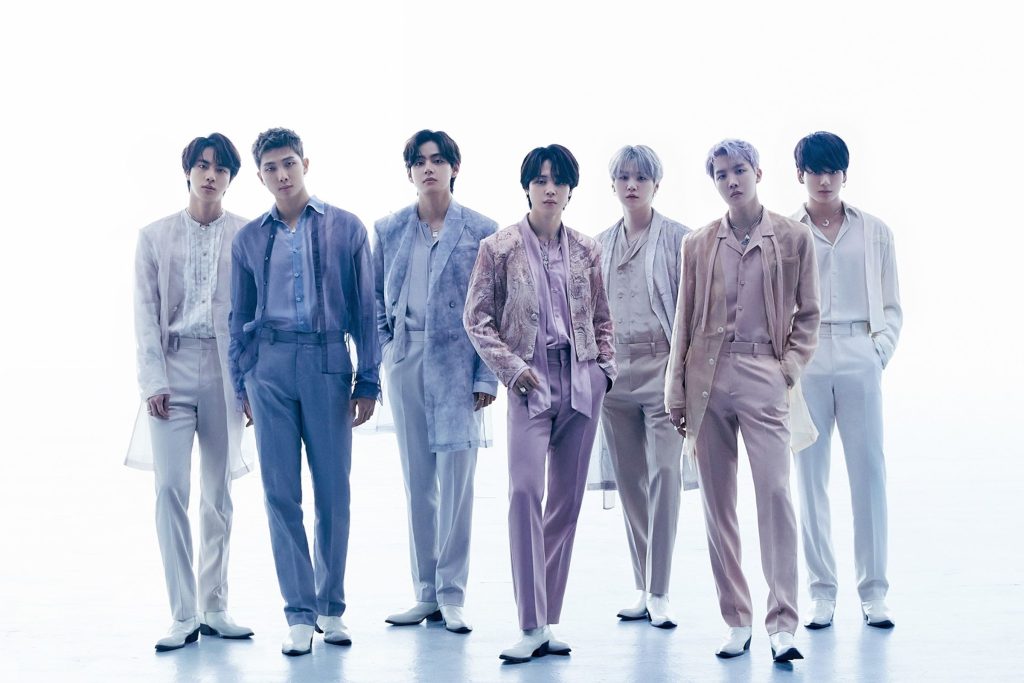
If the title suggests emotional weight, the members’ solo work offers context for what this new chapter might resemble.
During the hiatus, each member developed a distinct creative direction. RM leaned into alternative textures and introspective lyricism. Jung Kook embraced polished global pop. Jimin explored atmospheric R&B, while V gravitated toward jazz-inspired ballads. Suga continued refining autobiographical rap production, J-hope experimented with darker hip-hop influences, and Jin balanced emotive pop-rock sensibilities.
Individually, those projects stretched beyond the tonal boundaries that once defined BTS as a unit. Collectively, they broadened the group’s creative vocabulary. When those trajectories converge again, the result is unlikely to replicate any previous era. What matters now is how those differences coexist within a single body of work. Until previews arrive, the direction remains speculative. Still, this marks the group’s first full creative statement after years of parallel evolution, and the stakes feel higher than in a typical comeback cycle.
Beyond the album: a global rollout
The scale of the rollout reinforces that sense of occasion. On 21 March, one day after the album’s release, BTS will stage BTS The Comeback Live | Arirang, streamed globally via Netflix from Seoul’s Gwanghwamun Square. In addition, a documentary titled BTS: The Return will follow on 27 March, offering behind-the-scenes access to the reunion process and the making of the album.
Keeping up the momentum, Bighit Music also announced the Arirang World Tour, set to begin 9 April in Goyang, South Korea. Scheduled to run through to March 2027, the tour will visit 34 cities across five continents. The alignment of album, concert, documentary and international tour signals a tightly structured return and a full-scale reactivation of the group’s global presence.
A defining moment
With March 20 approaching, anticipation continues to build – not simply because BTS is returning, but because of what this moment represents. Seven artists who spent years developing independently are now stepping back into a shared creative space. That shift inevitably alters the dynamic.
As more details emerge, including the full tracklist and potential collaborators, the picture of this next phase will sharpen. For now, Arirang stands as a convergence: a project formed after distance and shaped by individual growth.
Also see: Bad Bunny turns the 2026 Super Bowl LX halftime show into a cultural coronation