

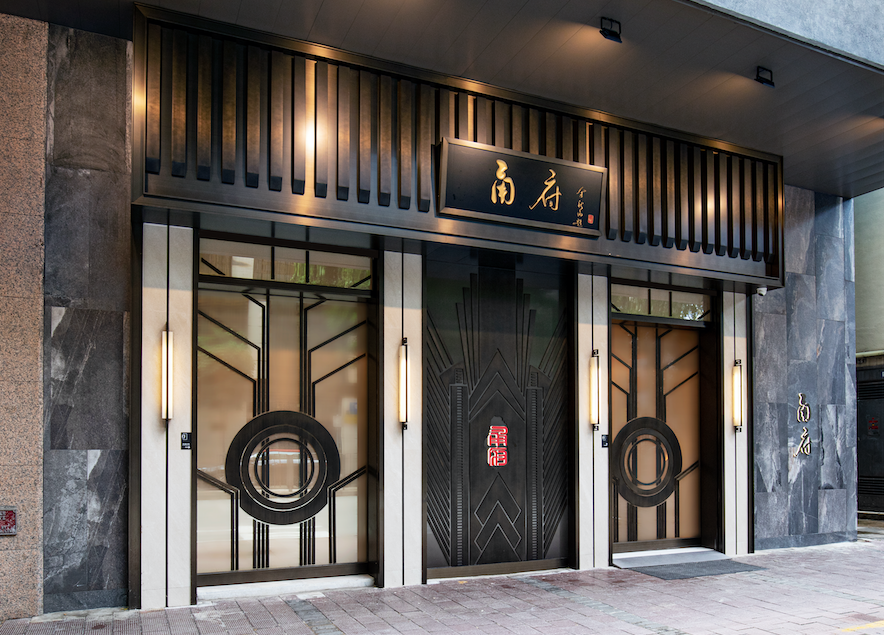
The first outpost of the Michelin-starred Shanghai brand, Yong Fu Hong Kong is the city’s authoritative voice on authentic and upscale Ningbo cuisine. Head chef Liu Zhen talks to Stephenie Gee about the importance of flavour and ingredients, and why Chinese dishes are best enjoyed family-style
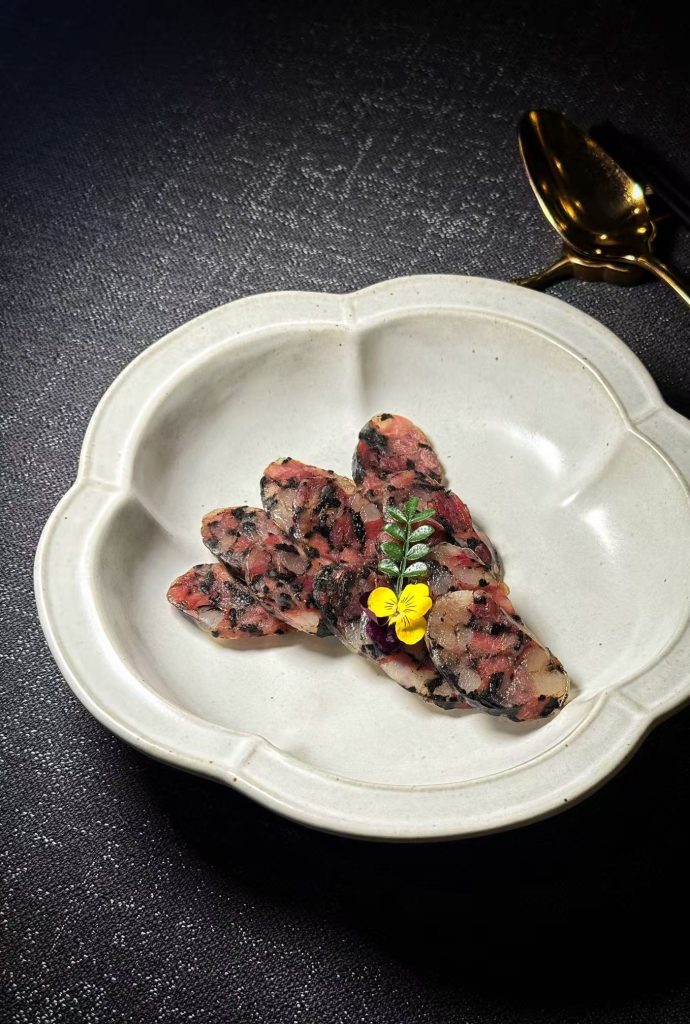
When it comes to Eastern China cities, Ningbo (literally “tranquil waves”) often remains overlooked in the shadow of its more famous neighbours. But while it may not have the glitz of Shanghai, the poetic landscapes of Hangzhou and Suzhou, nor the cultural charm of Nanjing, the city – one of China’s oldest, once known as Mingzhou – is home to its own host of landscapes, culture and experiences that are well worth exploring, not to mention cuisine.
Abbreviated as “yong”, Ningbo is reputed as the “land of fish and rice” for its agricultural abundance, thanks to its diverse topography of plains, mountains, rivers, lakes and seas. Be they cured, dried, braised, steamed or fried, locals of Ningbo remain constant in their enjoyment of the bountiful treasures from both the river and sea, with an emphasis on preserving the natural taste of ingredients, precise control of cooking and balanced flavours.
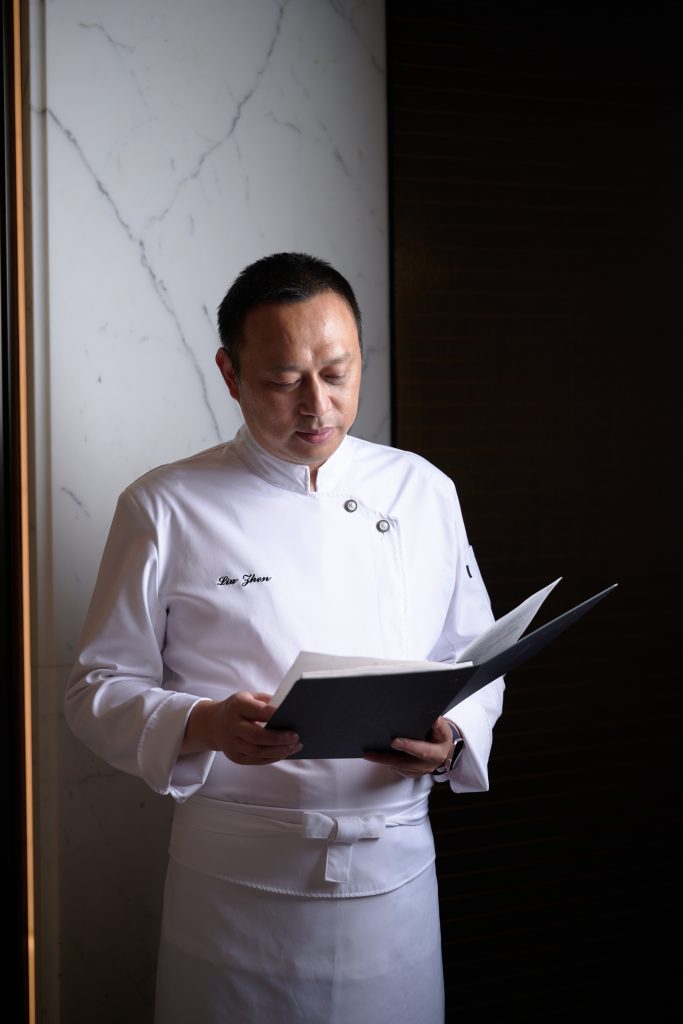
Founded in 2011 in Shanghai, the one-Michelin-starred Yong Fu has been on a mission to promote the flavours and ingredients of Ningbo, using, in the words of its founder Weng Youjun, only the freshest ingredients and most traditional techniques. In 2019, Yong Fu opened its first outpost in Hong Kong, led by head chef Liu Zhen, who draws from over 30 years of experience in Chinese cuisine to push the boundaries of Ningbo’s vibrant food culture.
What are the characteristics of Ningbo cuisine?
Ningbo cuisine is often mistakenly considered part of Shanghai cuisine, but the two are quite distinct. Shanghai cuisine reflects influences from many regions and is diverse in flavour, whereas Ningbo cuisine is closely tied to the local coastal environment. During the fishing season, seafood is eaten immediately upon landing, cultivating a keen sensitivity to freshness. At the same time, because seafood spoils easily, salting and pickling were traditionally used for preservation. These two approaches – immediate freshness and salted preservation – together define Ningbo cuisine’s characteristic balance of savoury and fresh flavours.
Today, with advanced logistics and year-round availability of ingredients across regions, the way a cuisine develops within
its local environment becomes even more significant. I believe the unique cooking techniques of Ningbo cuisine are what
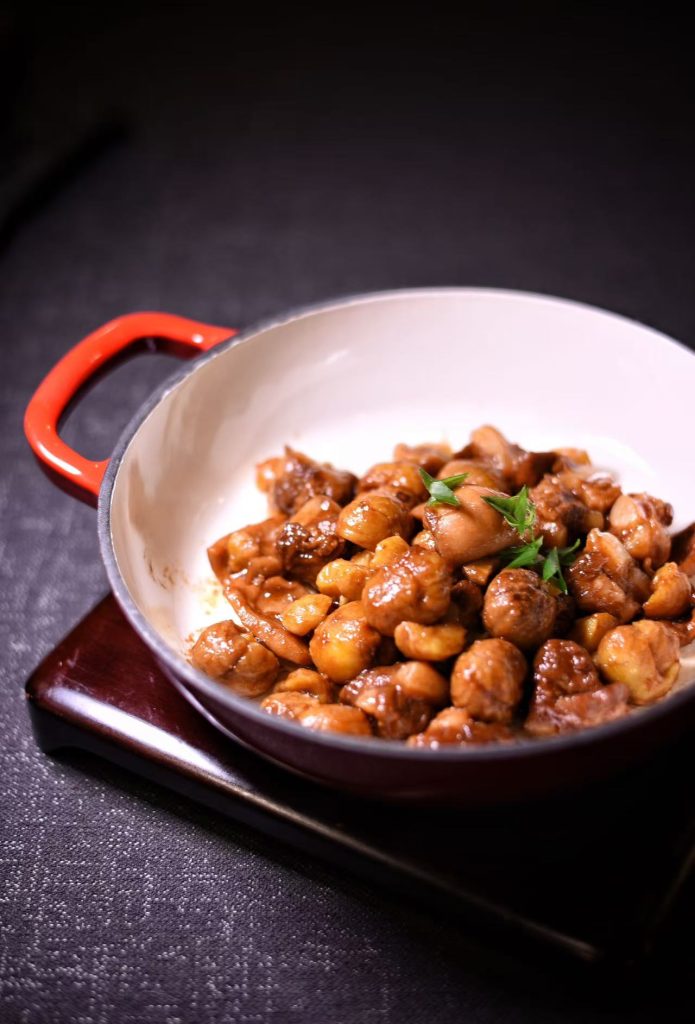
define its very identity. Ningbo cuisine has several core cooking techniques, such as pickling (salted or fermented, enhancing depth of flavour and layering aromas), slow braising (gentle simmering to concentrate flavours, trading time for taste), fermenting in rice wine (marinating ingredients in Shaoxing wine lees, imparting subtle wine and rice aromas), quick braising (using only a light, short-time braising with salty seasoning, without dark or heavy sauces, to enhance the natural flavour while adding aroma and taste), and a special frying technique called mian tuo (deep-frying in thick batter for a crispy exterior and tender interior, classic examples being fried yellow croaker or sand crabs).
How do you balance tradition with modern refinement in your dishes?
When we talk about tradition and innovation in Chinese cuisine, it’s easy to fall into a linear mindset, thinking tradition belongs to the past and innovation to the present, as if one must always side with the now to avoid being outdated. In reality, the dishes I learned when I first entered the profession were themselves “new” at the time – created to meet the tastes and demands of guests. This is what makes the culinary world so captivating: it’s always evolving. Tradition, in essence, is the memory, technique and relationship between people and food that develop in a particular place over time. Around this central axis, each generation of chefs brings its own new expression.
For me, 30 years in the industry allows me to compare the present with 30 years ago, observing changes in tastes, environment and dining culture. This long view frees me from the need to replicate a specific tradition or chase fleeting trends. I believe that the development of every cuisine follows its own natural rhythm. My focus is to create dishes that are delicious and, at the same time, move today’s guests.
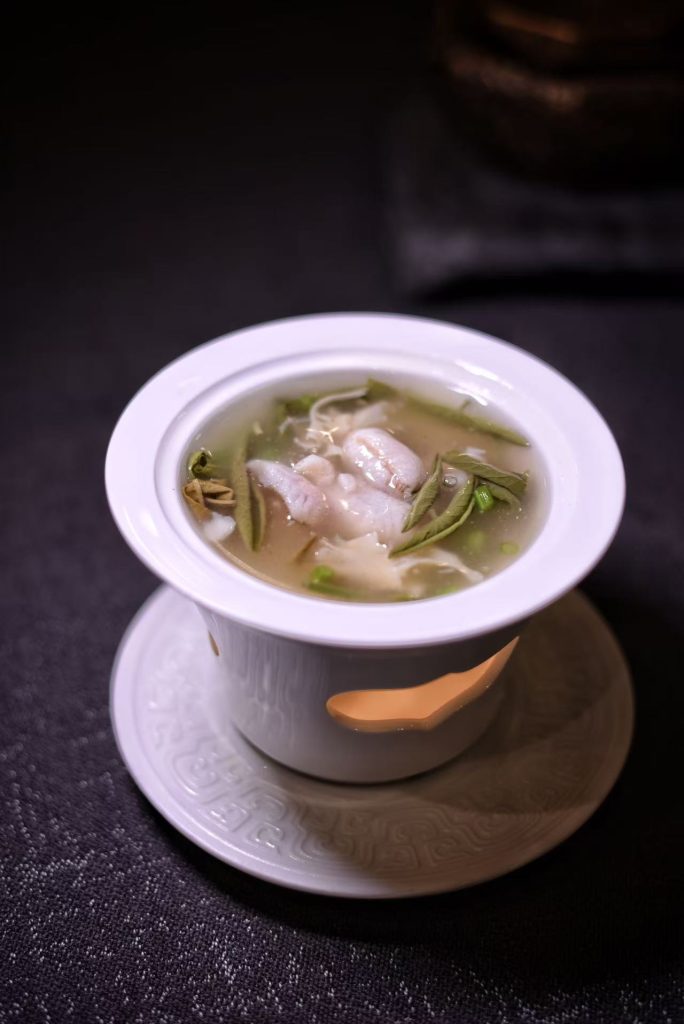
For example, the classic Ningbo dish “Yellow Croaker with Pickled Mustard Greens” was reimagined by Yong Fu’s founder, Mr. Weng, to be prepared and served instantly in the dining room, transforming both cooking technique and presentation. Building on this innovation, we introduced an updated version at Yong Fu Hong Kong this year: only the pure fish meat is sliced and plated, served alongside yellow croaker soup with pickled mustard greens. Guests can enjoy a bite of fish and a sip of soup together, preserving the traditional flavours while presenting a modern rhythm and aesthetic to the dining experience.
Any standouts on the new autumn menu?
I won’t pick a single dish or highlight to feature because every choice on our menu is the result of careful consideration by myself and my team. Ningbo cuisine has core cooking techniques, absorbs influences from various regions and uses a rich variety of ingredients, giving it a remarkable versatility. Even within Ningbo, flavours vary widely.
When designing the menu for Yong Fu Hong Kong, I focus on dishes that best represent the essence of Ningbo cuisine: distinctive yet balanced within the whole menu. “Savoury freshness” is the hallmark of Ningbo flavours. There is a local saying, “through-the-bone freshness”, describing a profound umami that is the pinnacle of Ningbo taste – a quality we strive to convey in our dishes.
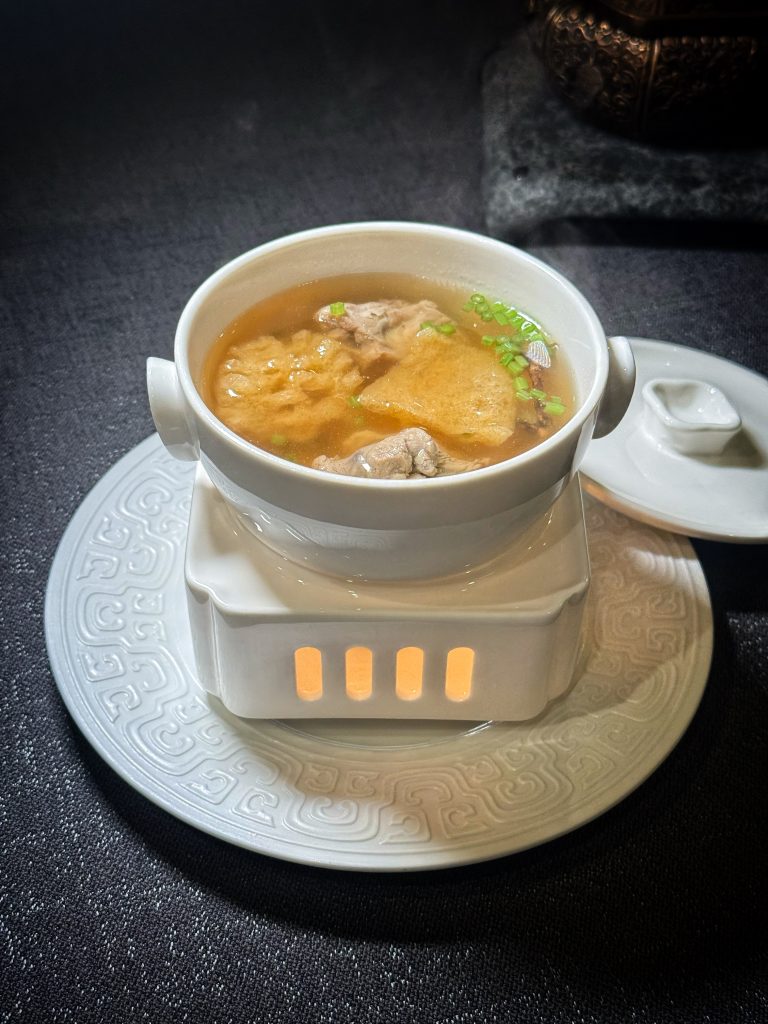
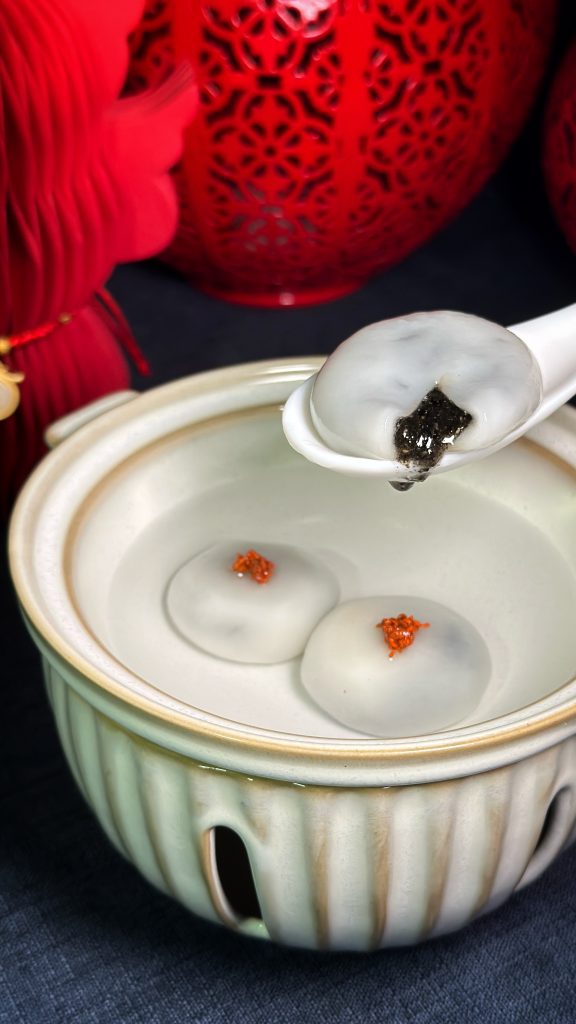
Seasonal ingredients are always incorporated. I focus on the natural changes of ingredients, the concept in traditional Chinese medicine that food and medicine share the same origin, and the seasonal, health-promoting aspects of cuisine. In the autumn menu, for example, we include nourishing soups and lighter broths to support wellness, alongside richer stir-fries and meat dishes in line with the tradition of “eating for the season”. Meals often conclude with glutinous rice cakes paired with wheat dumplings, adding a layered and balanced finish to the dining experience.
How would you describe your culinary philosophy?
My culinary philosophy revolves around two main directions. The first is flavour. How do you find a truly delicious taste? It must satisfy my own standards while also delighting the guest. Once the ideal flavour is found, it is brought out naturally through seasoning and cooking. This relies on years of experience with ingredients and regional tastes, as well as continuous observation and tasting of dishes – from fine-dining restaurants to street stalls, even overseas, particularly in fishing ports and markets in Japan and Korea. Through these experiences, I have learned unique methods of handling ingredients and designing flavours, accumulating a rich palate memory.
The second is ingredients themselves. Ningbo cuisine emphasises freshness, but ingredients change with the seasons, storage conditions and even time. A chef must adjust cooking methods according to these changes to present ingredients at
their best. I pay close attention to these subtle shifts. In the past, seasonal or monthly references were sufficient, but now I often track ingredients by day – or even hour – to capture their optimal state. For example, with lotus seeds, I require suppliers to provide the exact harvest time, preserve the seed pods for natural protection, retain enough water in the stems during transport, and cover the seeds with a damp cloth when shelling in the kitchen to prevent oxidation. Only then can the ingredient’s original flavour and vitality be preserved. Every ingredient has its strengths and weaknesses, and the chef’s task is to combine techniques to bring out the ingredient’s perfect expression.
Do you have any pivotal moments or lessons learned during your early career that have shaped the chef you are today?
This happened early in my career. One year, our hotel invited a team from a well-known Shanghai hotel for an exchange. Their ice-carving skills gave me my first sense of the grandeur of large- scale banquets. During the exchange, they demonstrated a fresh cream cake for our pastry team. However, due to the pastry chef’s limited experience and unfamiliarity with the handling of this new type of dessert, improper storage caused the cake to spoil, and some guests became ill after eating it the next day.
Although I didn’t face any punishment, the incident left a lasting impression. Later, I worked in various positions, including large hotels and high-end restaurants, gradually earning recognition and awards. Yet the most decisive experience in shaping me was this one. It taught me the meaning of respect in the culinary profession early on: the heart of hospitality lies
in ensuring every guest can dine safely, healthily and joyfully, conveying both trust and deliciousness to all who love food.
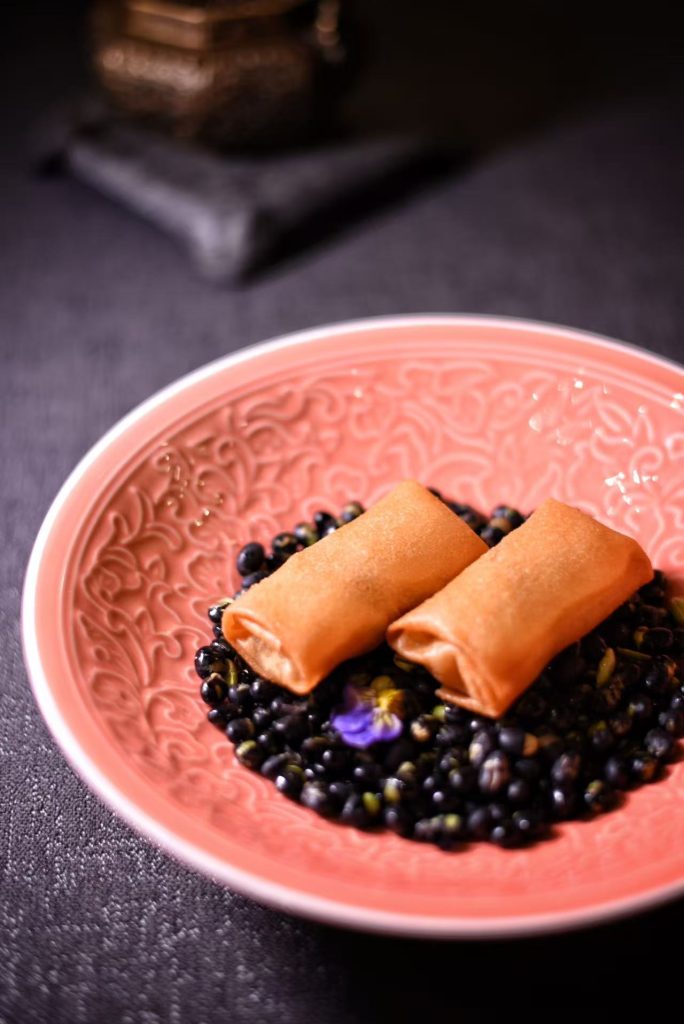
You’re quite involved in collaborations, including with Leela and most recently Hansik Goo. Why are these important to you?
I consciously seek collaborations with different types of restaurants, not limited to Chinese cuisine but also including those from other countries and regions. These collaborations carry three layers of significance.
First is learning. Even with the same ingredients, chefs from different culinary traditions have distinct philosophies and techniques, inspiring new possibilities. For our team, working in another restaurant offers a completely fresh perspective.
Second is sharing. I not only absorb knowledge but also convey Chinese culinary skills, dish creation and personal philosophy. Exchanges between chefs often spark a chemical reaction, enriching the dishes and allowing that depth of flavour to reach our guests.
Third is enjoyment. In unfamiliar environments, food becomes a bridge to share the joy of being a chef. I meet chefs of different nationalities, languages and personalities – each with unique experiences, yet all driven by a love of food. This passion carries us through highs and lows. Through this universal language of food, we experience the joy of creation and share the pride of being a culinary artist.
These collaborations bring confidence, pleasure and mutual appreciation. Some even result in enduring friendships. These experiences are invaluable on my professional journey, extending both the charm of our dishes and the allure of the restaurant.
What do you hope guests take away from dining at Yong Fu?
What makes Chinese cuisine unique is not only the initial knife work, but also the way flavours develop in real time through the interaction of ingredients, people, seasoning and heat. For this reason, I believe that Chinese dishes are best enjoyed family-style, which also reflects the joy and togetherness valued in Chinese culture. I hope that when guests visit Yong Fu Hong Kong, they can experience this Chinese culinary aesthetic. My vision is for it to be a space where guests can dine with confidence – safe, healthy and fully immersed in the pleasures of Chinese cuisine.
Also see: Fairmont Singapore uses aquaponics to Make Special Happen