

After three decades in the film industry, Shu Qi continues to wow audiences and critics alike with her work on both sides of the camera. Mathew Scott catches up with the multiple award winner at the Busan International Film Festival
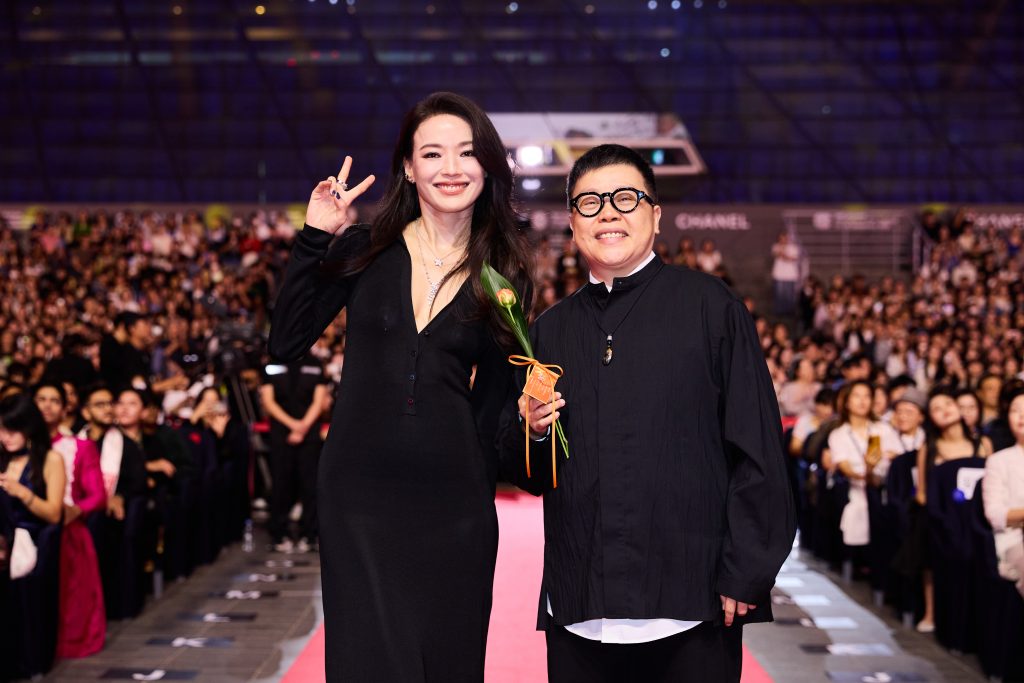
Shu Qi is having her moment under the spotlights and up on the stage at the Busan Cinema Centre. Just a few moments earlier the Taiwanese star had been named Best Director at the 30th edition of the Busan International Film Festival, the region’s most prestigious and one where the jury this year was full of praise for Shu’s debut effort behind the camera, guiding the gripping youth-led drama Girl.
It’s a project that is obviously close to Shu’s heart, as it’s based on her own experiences, and there are tears as she accepts the award. “I would like to say this to the girls who are hurt inside: Be brave and step out into the world,” she says, adding her wish that “all girls who have been hurt can step into a bright future of their own.”
There’s a very real sense of what it all means to her, even for all the filmmakers and the fans gathered in the audience, and even after all the highs of a filmmaking career that dates back three decades and has included Golden Horse Awards (Portland Street Blues, Three Times), Hong Kong Film Awards (Viva Erotica, Portland Street Blues) and an Asian Film Award for her standout performance in Taiwanese auteur Hou Hsiao-hsien’s The Assassin.
Shu’s speech – and her reaction – was the undisputed highlight of a night that also saw an award for artistic contribution handed to Chinese auteur Bi Gan’s lyrical Resurrection, a paean to 100 years of Chinese movies that stars Shu as a woman who guides people through their cinematic dreams. As an actress, Shu was also front and centre in the new Netflix thriller The Resurrected, previewed at BIFF and – at the time of writing – the streaming giant’s most-watched series in Asia.
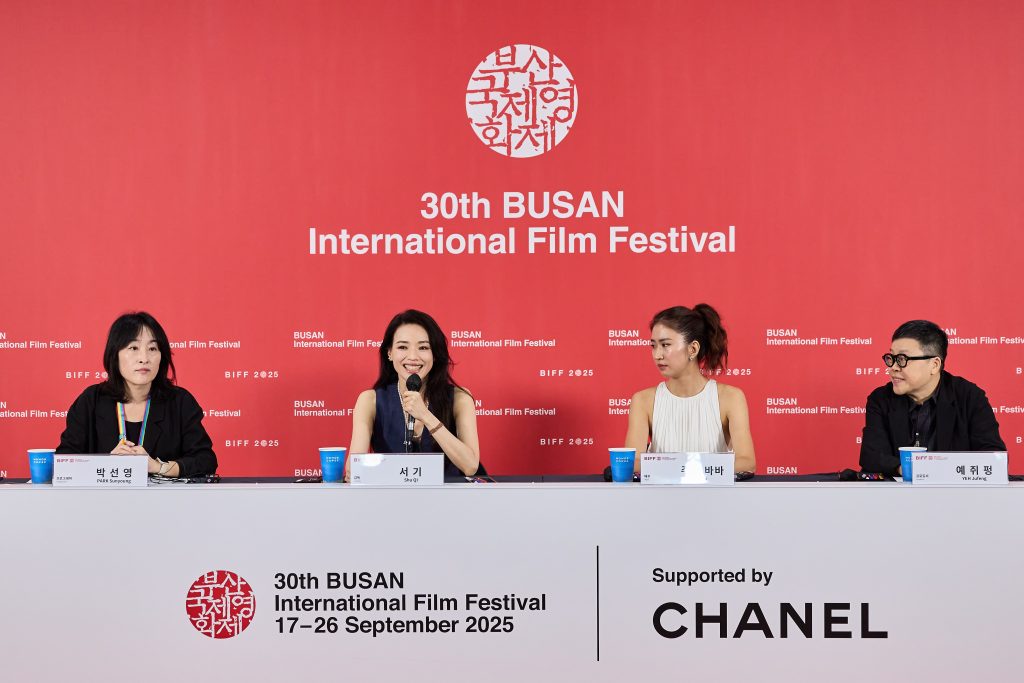
About an hour after the awards, Shu seems still visibly moved by the occasion as she sits down to talk about her win, and the experience of directing and piecing together the story of Girl. It’s about a traumatised young woman (Bai Xiao-Ying) who finds hope – and friendship – that lifts her gloom, and it strikes very close to home.
“The main reason I wanted to make this film was to connect with my past self,” Shu explains. “A series of unexpected childhood experiences led me to leave home, and I started in the industry as a model and then became an actor, which has led to my current life. When I was offered the chance to try directing, my past stories came to mind and I thought I would like to make a film that showed some hope for my past self.
“I wanted to convey the pain that my family history and my parents gave me but in a relatively bright and positive way, so that more girls who have had similar experiences can find courage and hope.”
Girl had its world premiere at this year’s 82nd Venice International Film Festival before being nominated for the first edition of BIFF’s Busan Awards in September. As well as leaving the jury in Busan impressed, the film has been lauded by critics, with The Hollywood Reporter noting: “The actress deserves credit for making something so bravely bleak.”
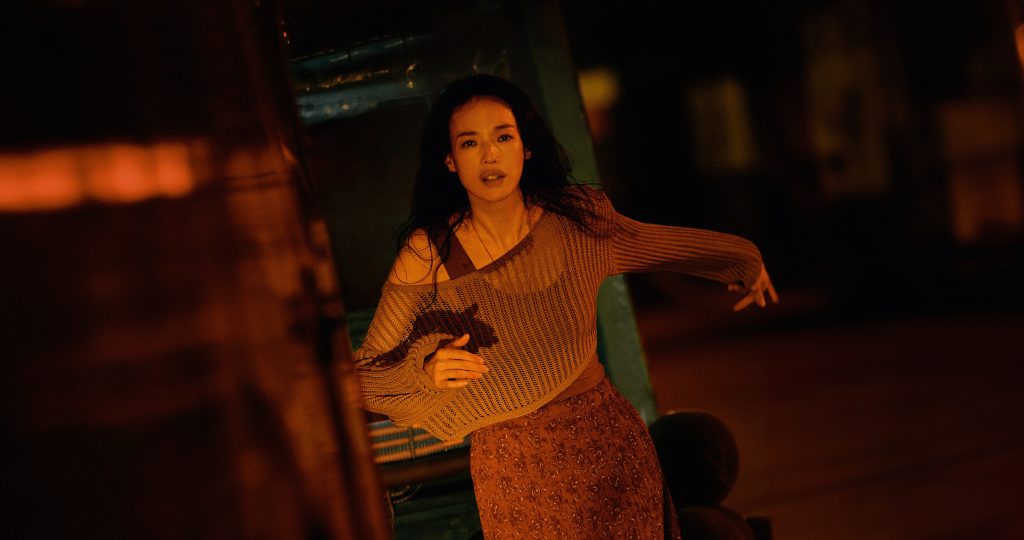
Shu first emerged as an actress in the late 1990s, playing – most memorably – a soft-porn star opposite Leslie Cheung’s down-on-his luck film director in the Derek Yee–directed cult classic Viva Erotica (1996), which seemed in parts to mirror her own early days in the industry. Over the years since, she’s worked with some of the greats, and repaid their support with some of the more memorable roles in Chinese-language cinema, including that breathtaking turn as the killer at the heart of Hou’s sweeping The Assassin (2005).
There was a nod on stage earlier to Hou and Shu later expands on his influence. “The reason I thought
I could direct this film is because of the many opinions and suggestions that came from director Hou Hsiao- hsien,” she says. “I’m very grateful for the influence that cinema has had on me over the past 30 years and for the opportunity to work with many great directors during this time. This has been a great learning experience for me. Through them, I could see the world, see people and see society.”
Also see: #review: Is Wicked: For Good worth the wait?
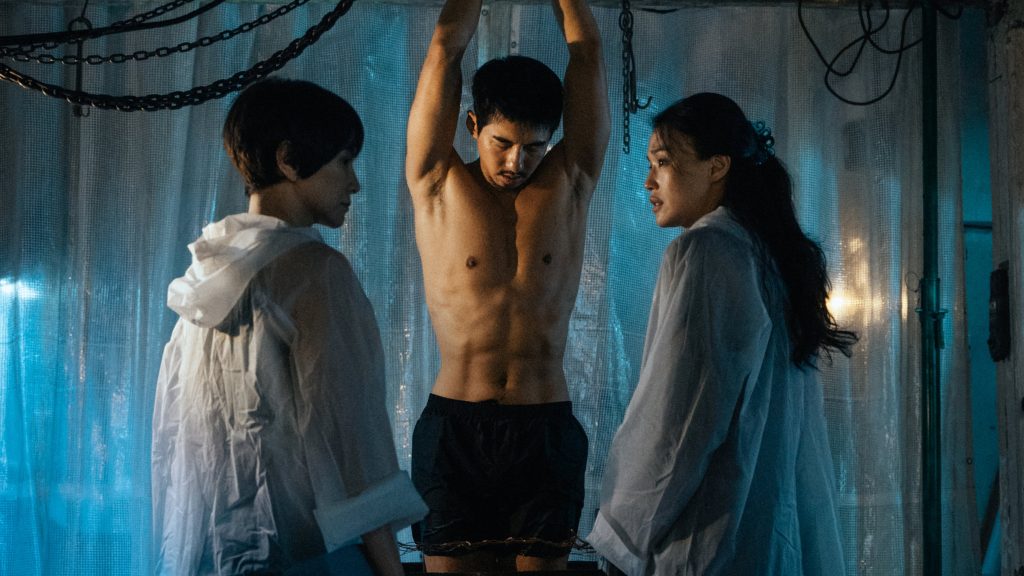
A few days earlier in Busan, Shu is sitting down with Malaysian actress Lee Sinje, co-star in the Netflix series The Resurrected, a nine-episode tale of two mothers seeking a rather nasty form of revenge on the man who scams their two daughters. The series – put together by the directing team of Taiwan’s Chao-jen Hsu and Leste Chen – comes loaded with twists and turns and fans have loved every second.
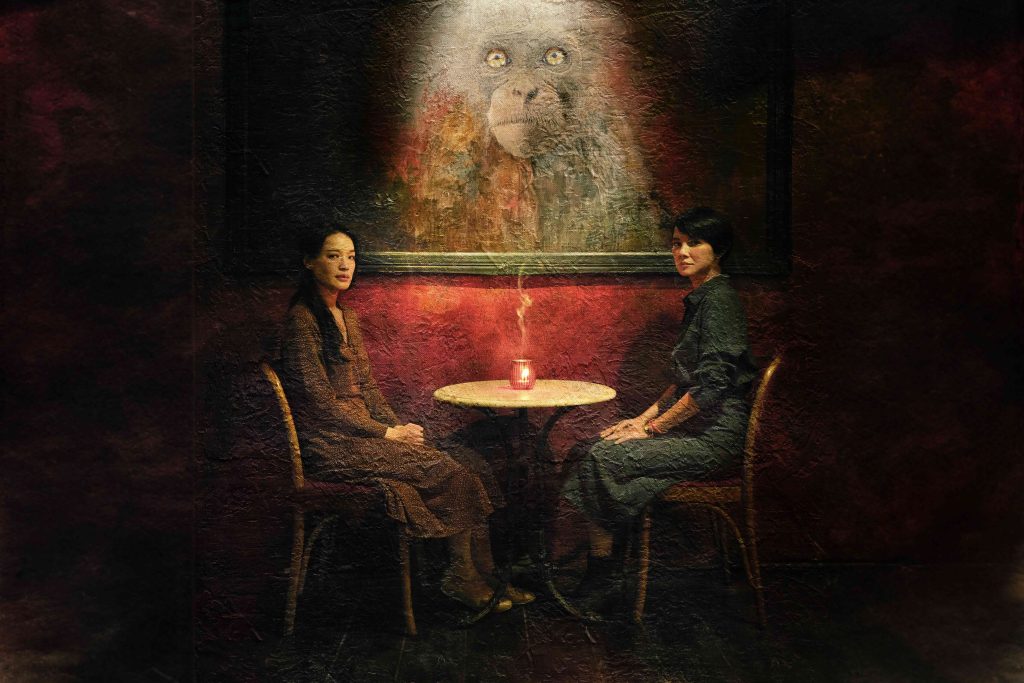
Director Chen explains that Shu – as always – came full of surprises. First, she wanted to play against type (or what the directing team perceived as her type). And then she wanted input. Lots of input.
“Previously we thought that she’s going to play one character simply because she tends to be stylish all the time, stronger all the time,” says Chen. “But after we got in touch with her, we found out that she’s actually very chatty, very girly, very down-to-earth, so we decided to tap into that, and give her the other role. Then, in the process, she contributed a lot of the lines we used, she suggested how her character might react on screen. She had a lot of opinions, wanted her character to be more vivid and interesting, and she shared a lot of her thoughts on what she wanted to do.”
And it works. Shu shines in the series, and it looks like she’s (almost) having far too much fun, given the sometimes-gruesome nature of the subject matter. “This is my first time to play the role of housewife,” says Shu. “This is also about revenge, a scam and motherhood. So I think that’s all a new challenge to me. I actually enjoy acting because you can get into some of the darker aspects of humanity and these kinds of roles in some ways, there are always some emotions in your real life you cannot release. And so in some way, playing this kind of role is a release and escape for me. So, I actually kind of enjoyed it.”
It’s a theme Shu picks up on later, backstage at the Busan Cinema Centre, with her Best Director award tucked away for safekeeping and still buzzing from the applause and from the occasion. Stepping behind the camera for Girl, it seems, allowed her to look at her craft in a whole new light.
“My approach to filming may be different from other directors,” she says. “If you want an actor to be that particular character, you have to imprint the character’s soul on them. When I was completely immersed in the worldview that director Bi Gan created for me [in Resurrection], it was enjoyable. But before I became a director myself, I didn’t really know how great being an actor can be.”
Also see: 5 things to know about Lea Salonga