

Eco-conscious designer and exhibition curator Tiziano Guardini, and Esterina Nervino, assistant professor in the Departments of English and Marketing at City University of Hong Kong, tell Aimee Yan a tale of two style capitals
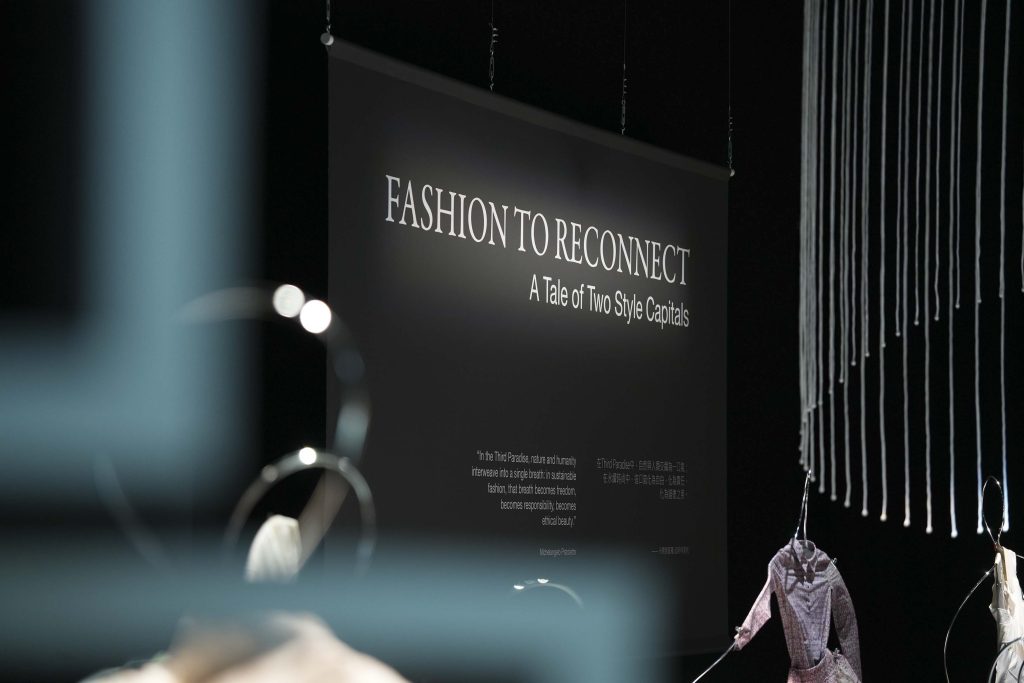
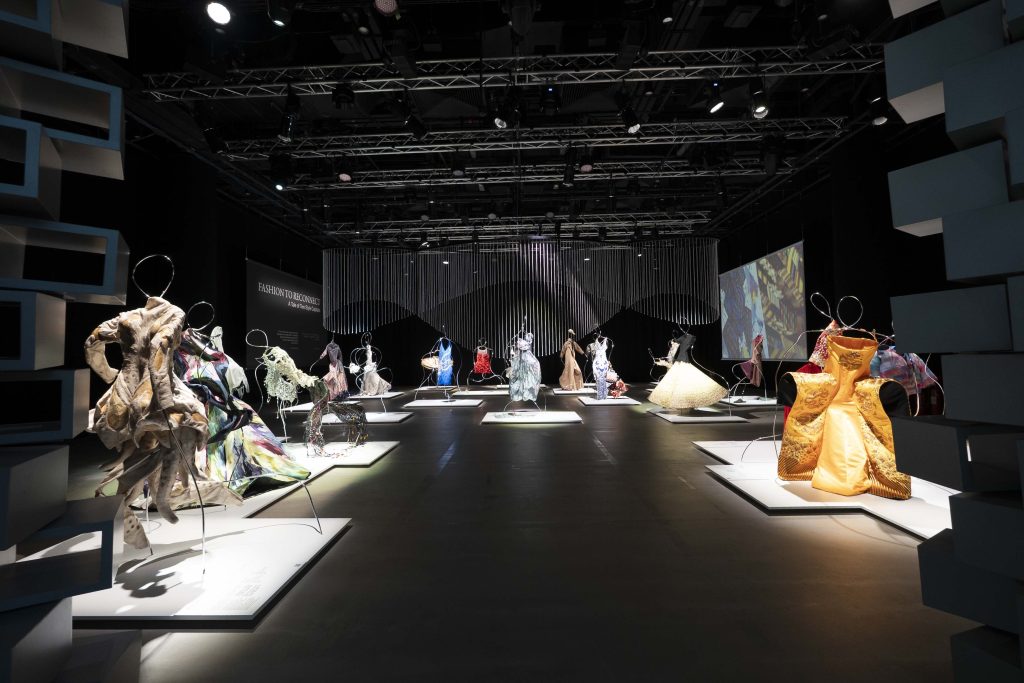
In the large-scale cultural exchange project FASHION TO RECONNECT: A Tale of Two Style Capitals, fashion is no longer merely a showcase; it becomes a bridge connecting two cities, two aesthetics, and two modes of industry thinking. Centred on sustainability, the project uses exhibitions, forums, and city installations to re-examine how fashion engages with society, redefining the relationship between creation and responsibility.
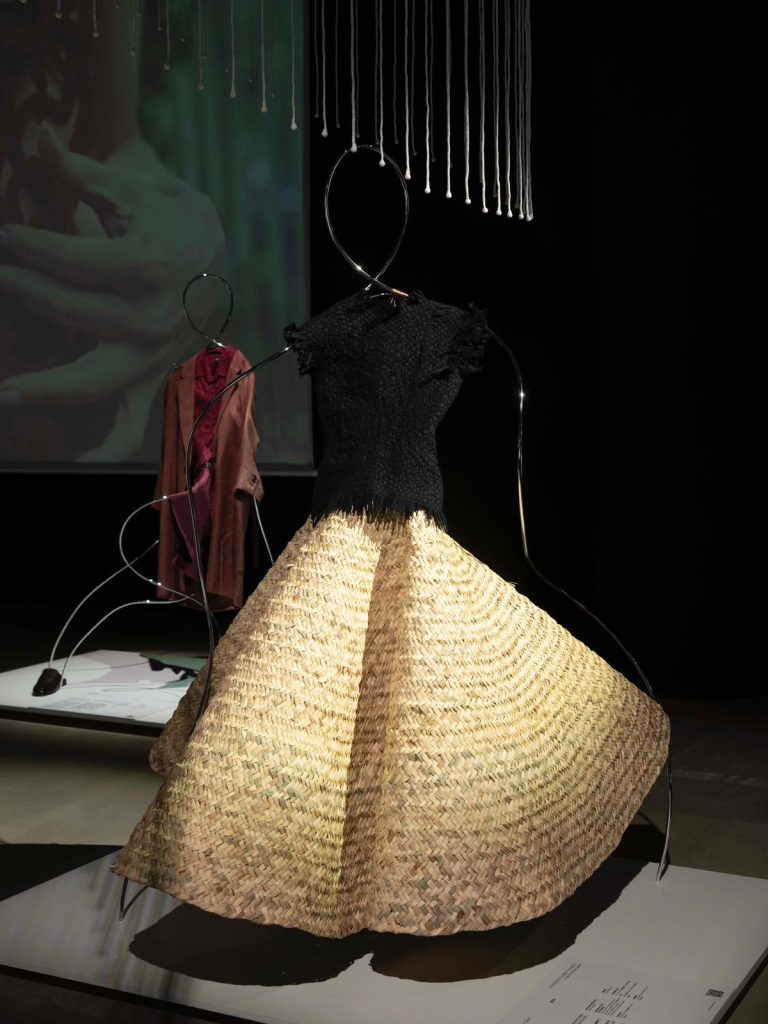
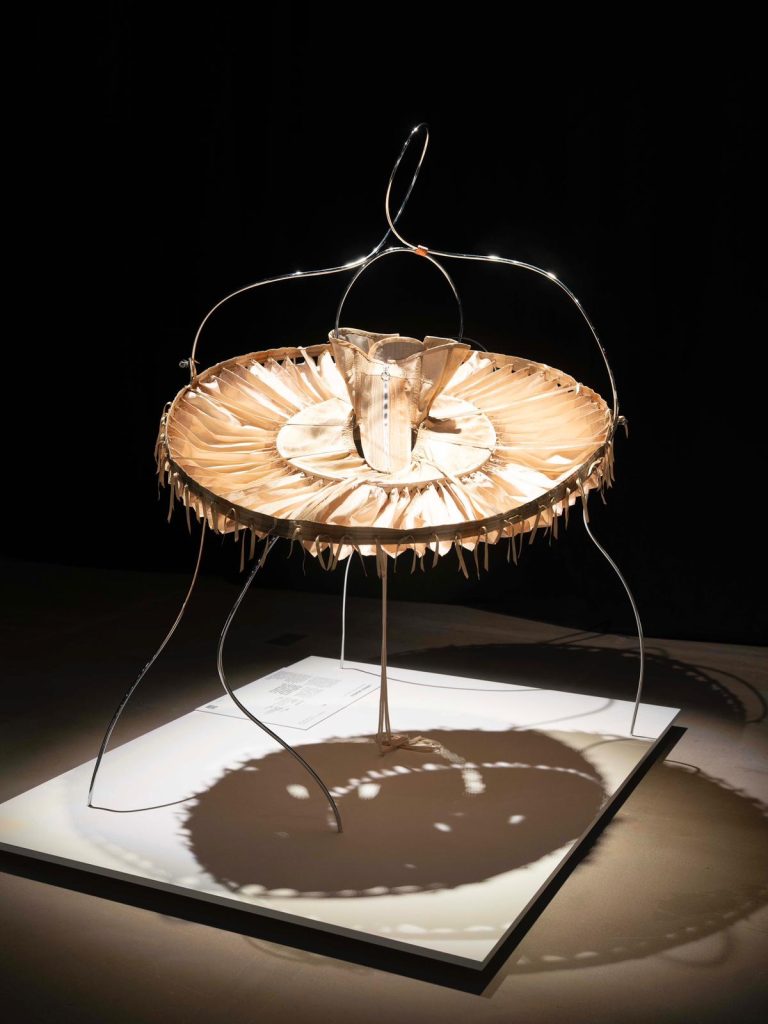
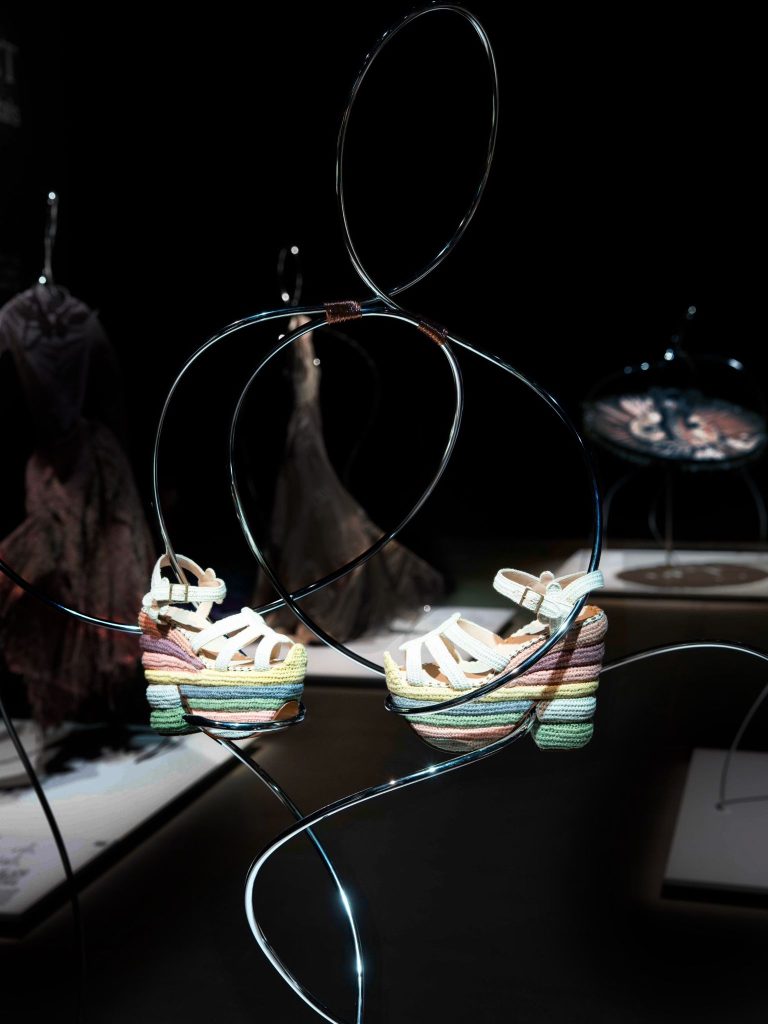
From November to December 2025, FASHION TO RECONNECT officially unfolded. The event was co-organised by the College of Liberal Arts and Social Sciences (CLASS) at City University of Hong Kong and Fondazione Pistoletto Cittadellarte. It spanned exhibitions, public installations across the city, forums and symposiums. With a focus on Hong Kong–Italy cultural dialogue, the programme brought together nine Hong Kong designers and 16 Italian brands and creators.
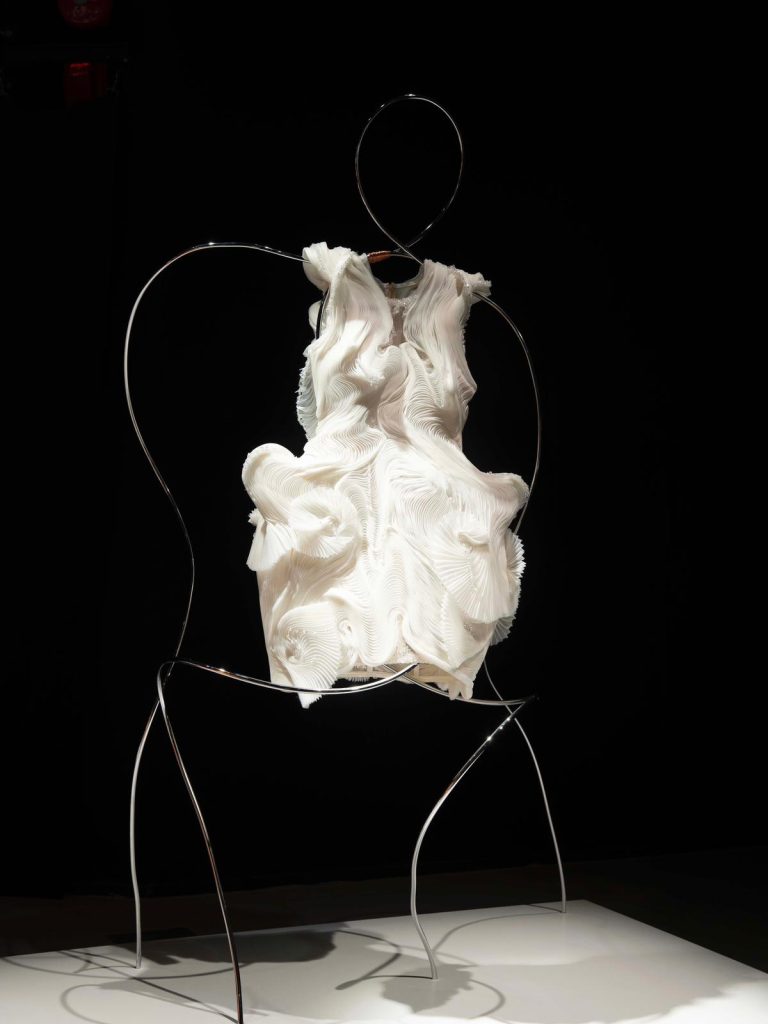
Rather than simply presenting works, the initiative deconstructs sustainability into concrete creative choices, from materials and craftsmanship to modes of production. These were all rendered through immersive experiences at ArtisTree and six city landmarks.
Tiziano Guardini
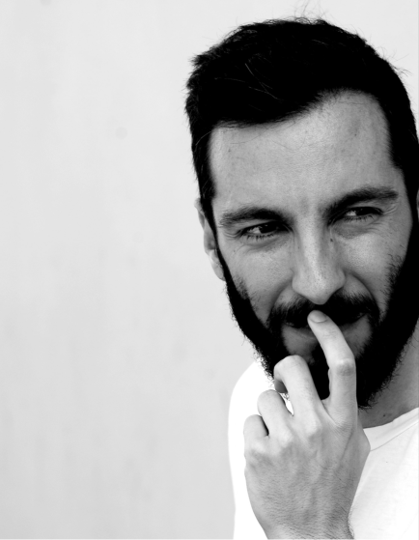
Your designs are often closely connected to nature. Where does this relationship come from? Was there a particular moment or influence that sparked it?
The connection with nature is a bond I have carried within me from the very beginning; I was born with this sensitivity. Rather than a single moment, it has been a series of attentions, silences, and observations that have helped me develop my sensibility and understand how nature is both a guide and a teacher. Observing its rhythms, resilience, and transformative power has taught me a different way of creating, more intuitive and respectful. Nature, for me, is not merely an inspiration: it is a presence to dialogue with, one I wish to be part of again. As humans, we built fortresses and cities to protect ourselves from its wild side, yet in doing so, we distanced ourselves from what we truly are. Today, we speak of humans and nature as if they were separate entities, but we are nature. I believe it is essential to learn to respect and coexist with the life of oceans, forests, and all ecosystems, not as a source to exploit, but as a relationship of exchange, balance, and reciprocity. Fashion is certainly part of this evolutionary process.
Within ECOuture, how do “nature” and “craftsmanship” coexist, or even elevate one another?
In ECOuture, creativity, nature, and craftsmanship are not separate worlds: they are forms of intelligence that meet. Nature brings matter, rhythms, and the ancestral memory of life; craftsmanship is the human gesture that listens, interprets, and returns that material with respect and dedication; creativity is what ignites this dialogue.
From this encounter arises a different kind of beauty: not only aesthetic but evolutionary. It is a way of creating that honors what nature offers while valuing the human skills that allow transformation without betrayal. The vision is that nature itself creates in dialogue with the person, and the creative individual becomes essentially a channel for this dialogue. Coexistence becomes collaboration, and collaboration becomes evolution and reconnection with who we truly are.. nature, or rather, Life.
You have worked with materials such as pine needles and wine waste-based leatherette. What guides your instinct or logic when selecting materials?
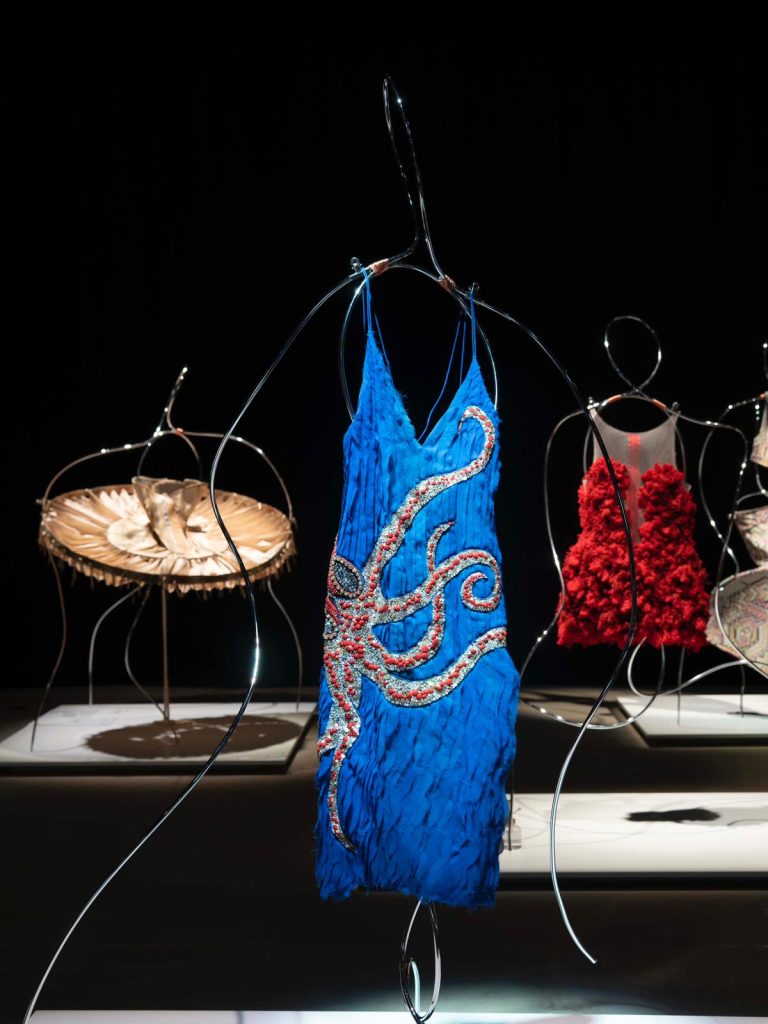
The choice of materials always stems from a deep listening to the rhythms of life. I seek substances that are not just raw materials but true partners in dialogue with nature. For example, Ahimsa silk: unlike conventional silk, where cocoons are boiled with the larvae inside, I wait for the silkworm to reach its final stage as a butterfly, collecting the abandoned cocoon. This respects life, allows natural evolution, and creates a reconnection with another species.
Another example is my first experimentation with Vegea, the wine-based material from Italian vinification residues: here, value comes from what is considered “waste.” Nature does not conceive of waste: everything transforms and finds a new function in a broader system. This is how I approach materials, valuing what is considered “leftover” while supporting new experimentation, always with an eye on sustainability.
Every material is for me a story, a rhythm, an occasion for dialogue and reconnection, a way to honor life in all its forms, and above all, to give people the opportunity to choose a way of dressing that is necessary for society and the climate of cities, yet in harmony with nature.
How would you describe the core message behind the exhibition FASHION TO RECONNECT?
FASHION TO RECONNECT was born from the desire to show that fashion can be a bridge, not a boundary, between humans and nature, eliminating this dichotomy, where the first becomes, by definition, part of the second. The heart of the exhibition is to invite people to rediscover a lost balance and perceive that every aesthetic and creative choice can also be an act of awareness and responsibility. There are 25 different points of view, 25 paths to experience this balance.
The exhibition shows how materials, design, and craftsmanship can generate beauty while respecting life and ecosystems. It is a sensory and cultural journey that encourages reconnection with the natural world, its seasons, cycles, and harmony, and to recreate the connection with Life. Humans return to being nature, and clothing becomes the element through which harmony is regained. Fashion becomes not merely a creative expression, but an act of returning to the forest, to nature, to life.
If you could offer one piece of advice to emerging designers, what would it be?
My advice to young designers is to deeply listen to their own sensitivity, observe nature and the life around them, and let creativity emerge from this authentic dialogue. The rest is a personal journey of experimentation and discovery, remembering that above all we are living beings dependent on nature.
Whether your work conveys a message of connection, critique, or simply offers a vision that transports us to a different imaginary, I suggest doing it with awareness that to keep creating, we need the planet’s resources, and personal well-being is intertwined with global well-being, even in making a single t-shirt. Make a difference in a society that has stopped listening to the home from which it was born: nature.
The butterfly effect is key here: introduced by Edward Lorenz, the father of chaos theory, it shows how a tiny change in the initial conditions of a complex system, like the flap of a butterfly’s wings, can lead to enormous and unpredictable consequences in the long term. Every creative action, no matter how small, impacts the world: it is an invitation to create with attention, responsibility, and awareness.
Prof. Esterina Nervino

How would you describe the current cultural ecosystem of the luxury industry? Are there any shifts you’ve observed recently?
Through my research, I examine the evolution of the concept of luxury from the perspective of brands and their messaging, taking into account today’s financial and managerial landscape, as well as changing consumer behavior and new attitudes toward luxury particularly across cultures. We now understand that luxury is a fluid concept that shifts across variables such as time and place, which makes it difficult to define within fixed boundaries. While associations with luxury have moved beyond exclusivity and rarity to include qualities such as uniqueness, cultural relevance, and sustainability, I often look back and think about how luxury has always led the way—setting tastes and trends. With the rise of technology, however, the focus has increasingly shifted toward a customer‑centric approach, which has in some ways diluted the aura of luxury.
In my view, luxury brands must remain true to their DNA and stand firmly by their values, as this is ultimately what attracts customers—rather than chasing trends, which they should instead be defining. At the same time, new generations of consumers are less attracted to ownership and place greater value on experience. This is where brands should concentrate their efforts: on building a holistic universe in which customers feel at home, or aspire to be.
Luxury is very much about the story behind the product—its heritage, its craftsmanship, its quality, and the elements that truly set it apart and justify its value. Today, however, prices have increased exponentially, and many customers feel that these increases are no longer justified. In this scenario, other brands are now rising through premiumisation investing in experience and engaging consumers through different touchpoints.
A positive trend that also reflects the theme of our project and exhibition is the rise of cross‑sector collaborations. Luxury and fashion brands are increasingly engaging with music, sports, and the arts, which helps bring them closer to audiences who may not otherwise have had the opportunity to encounter them.
Ultimately, luxury is about rewarding ourselves and feeling special, and what we consider luxury is what we choose to use to do that. When I think about what luxury means to me today, it is time—but also those experiences that are not always accessible because of time or distance, and that therefore become the ones we treasure the most.
How do you see AI, AR, and Web3 shaping the transformation of luxury brands?
AI, AR, and Web3 are poised to significantly transform luxury brands by automating time-consuming management tasks and enhancing the research and analysis of data. These technologies serve as valuable support tools, allowing luxury brands to focus on their true essence: the people involved at every stage of the value chain, from artisans and sales assistants to customer service representatives. By streamlining operations, brands can allocate more time and resources to nurturing relationships and delivering exceptional experiences.
Moreover, digital innovations can enhance customer engagement, particularly among younger generations, by creating immersive virtual worlds that resonate with their lifestyles and preferences. However, as highlighted in my research with colleagues from various disciplines, the role of digital is not to replace the intrinsic value of luxury but to contribute to the overall brand narrative by adding meaningful touchpoints. Ultimately, the integration of these technologies should enrich the luxury experience, ensuring that the human element remains at the forefront of every interaction.
What impact do you think FASHION TO RECONNECT may have on the public?
The FASHION TO RECONNECT exhibition has the potential to significantly impact the public by fostering a deeper understanding of sustainability in the fashion industry. It serves as a vital platform for educating audiences about the importance of transparency in fashion, highlighting the need for brands to be open about their practices and the materials they use. By distinguishing between raw materials and the processes involved in the sustainability journey, the exhibition can help demystify the complexities of sustainable fashion, empowering consumers to make informed choices.
Additionally, FASHION TO RECONNECT emphasizes the recognition of local Hong Kong designers, showcasing their creativity and ability to compete on a global stage. This not only promotes local talent but also reinforces the idea that sustainability is intertwined with cultural heritage, celebrating the stories and craftsmanship behind each piece. By honoring the people behind the work, the exhibition highlights the human element of fashion, reminding us that sustainability is about more than just materials—it’s about the artisans, designers, and communities that contribute to the industry.
Moreover, by using art and fashion as vehicles for communication, the exhibition broadens its outreach within the community, engaging a diverse audience in conversations about sustainability. This creative approach can inspire individuals to reflect on their own consumption habits and encourage a collective movement toward more sustainable practice. Ultimately, FASHION TO RECONNECT has the potential to reshape perceptions of fashion, making sustainability a shared responsibility that connects people, culture, and the environment.
What changes or breakthroughs do you anticipate in sustainable fashion and luxury over the next decade?
Over the next decade, I anticipate that sustainability will increasingly become a necessity in the fashion and luxury sectors, rather than a competitive edge. As consumer awareness and demand for ethical practices grow, brands will be compelled to integrate sustainable practices into their core operations. I hope to see more collaboration throughout the supply chain, as this will be essential for driving meaningful change.
For brands fortunate enough to own their own factories, while control over processes is easier, I believe the focus should shift from mere control to fostering collaboration and education. In this space, luxury brands should lead by example, educating and inspiring others within the industry and beyond. By sharing their knowledge and innovations, they can create a ripple effect that encourages sustainable practices at all levels. By working together across the supply chain, stakeholders can share resources and insights, ensuring that everyone is aligned and striving toward the same sustainability goals. This collective effort will not only enhance the industry’s overall impact but also create a more resilient and responsible fashion ecosystem.
If you were to express your vision for the future of fashion and sustainability in one sentence, what would it be?
My vision for sustainable fashion is to create an ecosystem that fosters sustainable development through the collaborative efforts of all stakeholders.
Also see: Fashion designer Susan Fang making create between nature and memory