


In an era where fashion’s definition of luxury is shifting away from flashy logos and brands, the world of travel is experiencing a parallel transformation. Travellers are no longer chasing more – they’re chasing better, prioritising experiences that feel personal, immersive and emotionally rewarding. Zaneta Cheng and Stephenie Gee pull together nine hotels in Asia where quiet still feels like a privilege that are worth keeping in mind for your next vacation
There was a time when luxury meant being seen – the crowded beach club, the velvet rope, the dinner reservation you had to name-drop to get. But in 2026, the most coveted commodity isn’t access, it’s absence. Noise has become gauche. Quiet is the new social currency.
We’re talking the kind of quiet that comes with a villa on its own cliff, a rainforest retreat without a schedule, or a desert horizon so wide it swallows your phone signal. Privacy has become privilege. It’s no longer about isolation for solitude’s sake, but about reclaiming the mental clarity that constantly being connected stole. The rarest luxury now is having nowhere to be, no one to impress, and nothing but time that feels entirely your own.
Below, 9 sanctuaries in Asia where quiet still feels like a privilege.
Aman Nai Lert Bangkok, Thailand
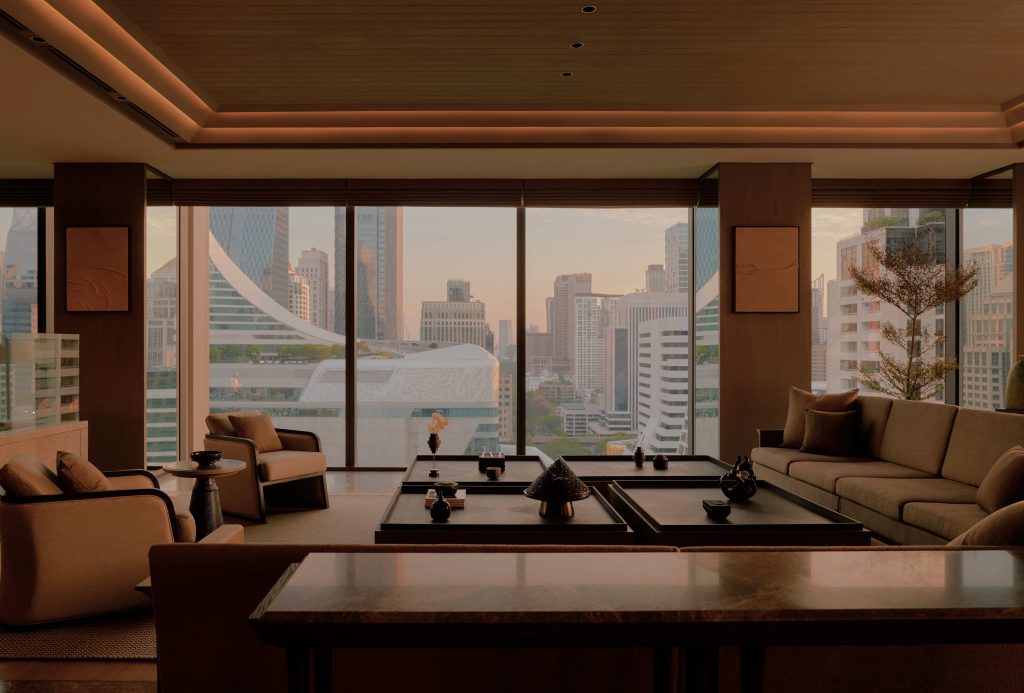
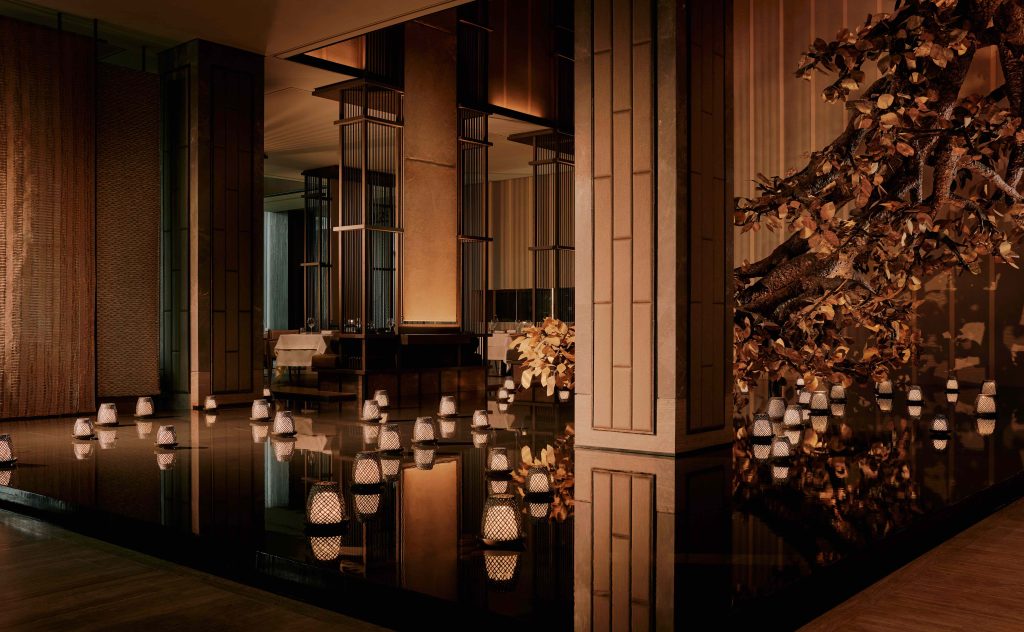
If there’s one name that embodies quiet luxury, it’s Aman. For 38 years, the brand has developed some of the most rarefied properties in the world. One of its newest additions, Aman Nai Lert Bangkok, is no different. The 52 suites are among the largest in the city, featuring floor-to-ceiling windows to take in the cityscape and neighbouring seven-acre Nai Lert Park. The suites’ clean lines and tone-on-tone neutrals set the stage for distinctive Thai design elements. Think decorative banana bark panels behind each bed and bespoke tables made of local supergenti stone. The hotel also impresses on the dining front, with two floors dedicated entirely to gastronomy. There are seven dining and drinking venues in total, from intimate omakase and teppanyaki to the atmospheric Aman Lounge punctuated by a towering, century-old sompong (the third tallest tree in the city).
Buahan, a Banyan Tree Escape, Indonesia
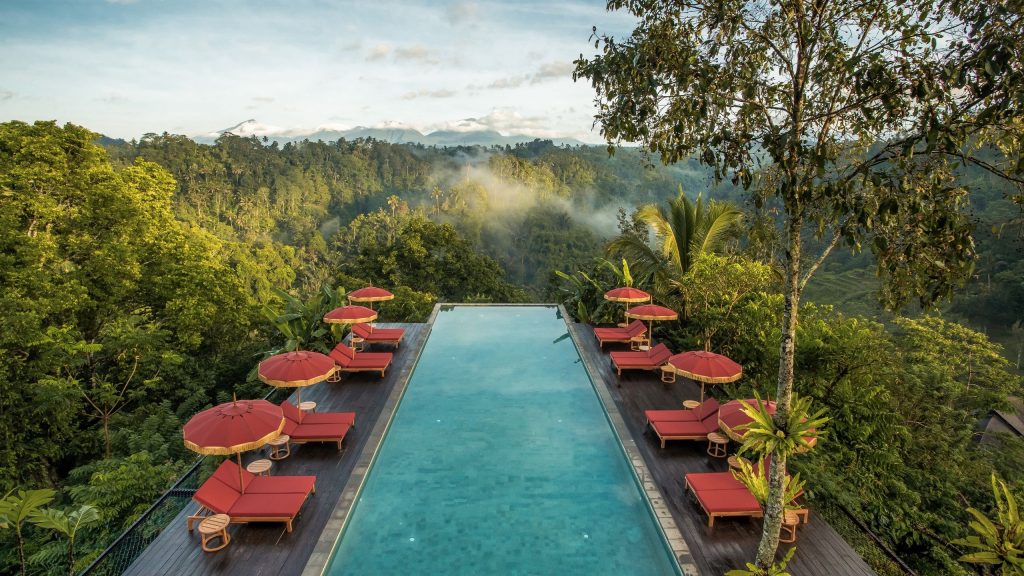
In the four years since Buahan, the hotelier’s first property billed as a Banyan Tree Escape, opened, it has proved itself a true original. Located in Payangan, far from Bali’s busy beaches and nightlife and surrounded by dense jungle, rivers and rice fields, Buahan offers a deep sense of place. Locals believe this area sits on a powerful energy line, where the boundary between the physical and spiritual world feels thinner. Stone stairs lead to a four-room spa for Balinese massages, a sacred waterfall for energy-cleansing blessings, and 16 open-air pool villas (or “bales”) built without walls, doors, air conditioning or screens. You sleep to the sound of flowing water and wake to birdsong. You shower under the sky and move through your space in tune with the weather, the light, the rhythm of the day. It’s a way of living that encourages presence. Life at Buahan moves at a different pace. There are no set schedules, no pressure to do anything at all. Days unfold naturally – with yoga at sunrise, sound healing, food foraging, or quiet walks through the forest. Meals are made with ingredients grown nearby or gathered from the surrounding land, and cooked in traditional kitchens alongside local chefs.
Capella Taipei, Taiwan
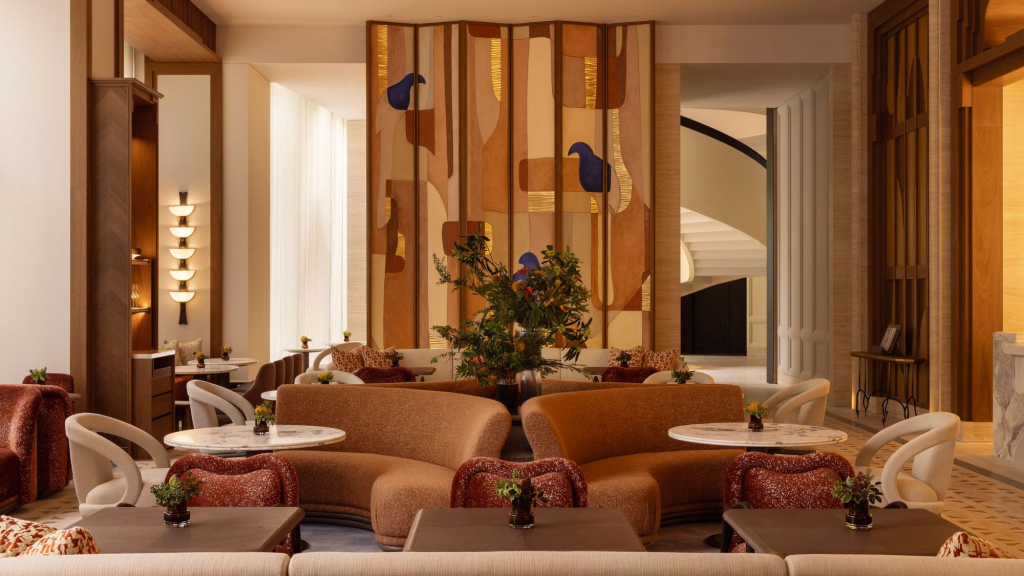
Newly opened last year, Capella Taipei marked the brand’s first Taiwan property and the city’s most exciting opening in over a decade. Conceived by André Fu, the hotel occupies part of a newly built glass tower by Tokyo’s Mori Building Group, unfolding as a modern urban mansion shaped by the Hong Kong-born designer’s own encounters with Taipei. The 86-room property – including eight suites and six exclusive rooms with private pools – sits in a calm, subtle palette, where bespoke fixtures and artisanal details form a sophisticated urban bolthole. Five on-site restaurants sharpen the hotel’s profile, while the dramatic Glasshouse is a standalone tri-level bar concept combining a Japanese vinyl bar, Taiwanese mixology spot and lounge with rare single malts and champagnes. A minimalist spa, finished with beige barrel-vaulted ceilings, completes the picture with celestial, lunar-led treatments.
Mandarin Oriental Qianmen, Beijing, China
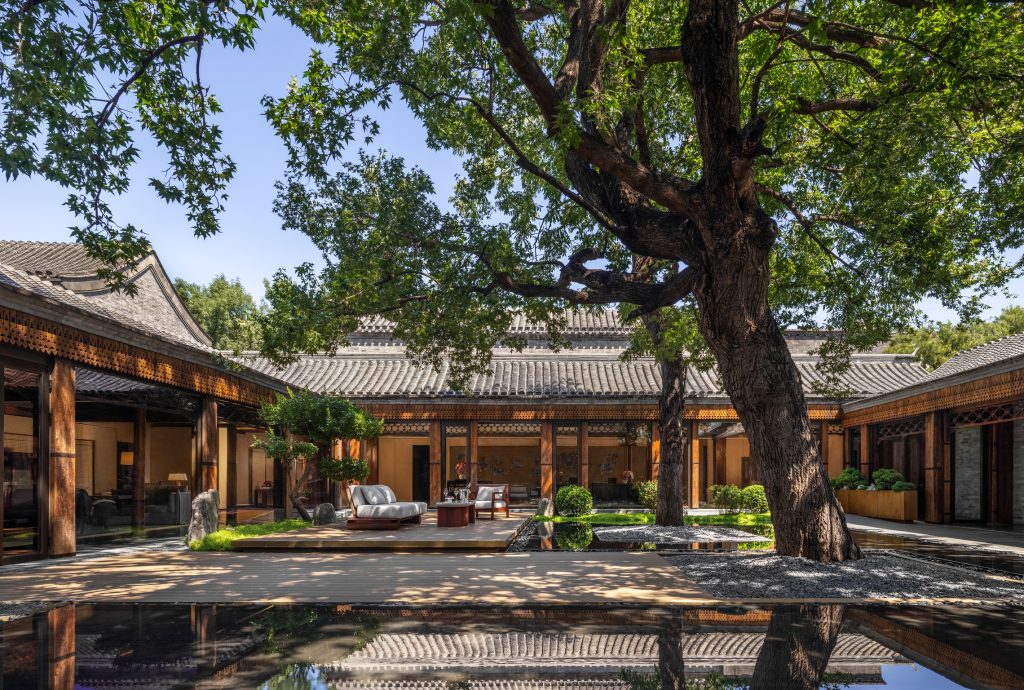
Tucked inside Caochang Hutong, one of the city’s oldest courtyard house neighbourhoods, and steps away from Tiananmen Square, the Mandarin Oriental Qianmen, newly opened in September 2024 sits in the heart of old Beijing amid a maze of narrow alleys and courtyard houses. Each room is set in the traditional siheyuan, a traditional Chinese architectural style where buildings are set around a square-shaped central courtyard. A feat of modern luxury hospitality and the result of many years of collaboration between the Mandarin Oriental Group and Beijing’s local authorities, the entire hutong has been given a meticulous upgrade. Transformed, guests are immersed in local culture as they wander down lanes that pass by current residences as they go between their rooms and the hotel’s other restaurants and public spaces that have been scattered across the hutong complex that dates back to the 13th and 14th century, taking in both history but also the very real lives of the residents, some whose families have lived in the hutong for centuries.
Not a Hotel Ishigaki “Earth”, Japan
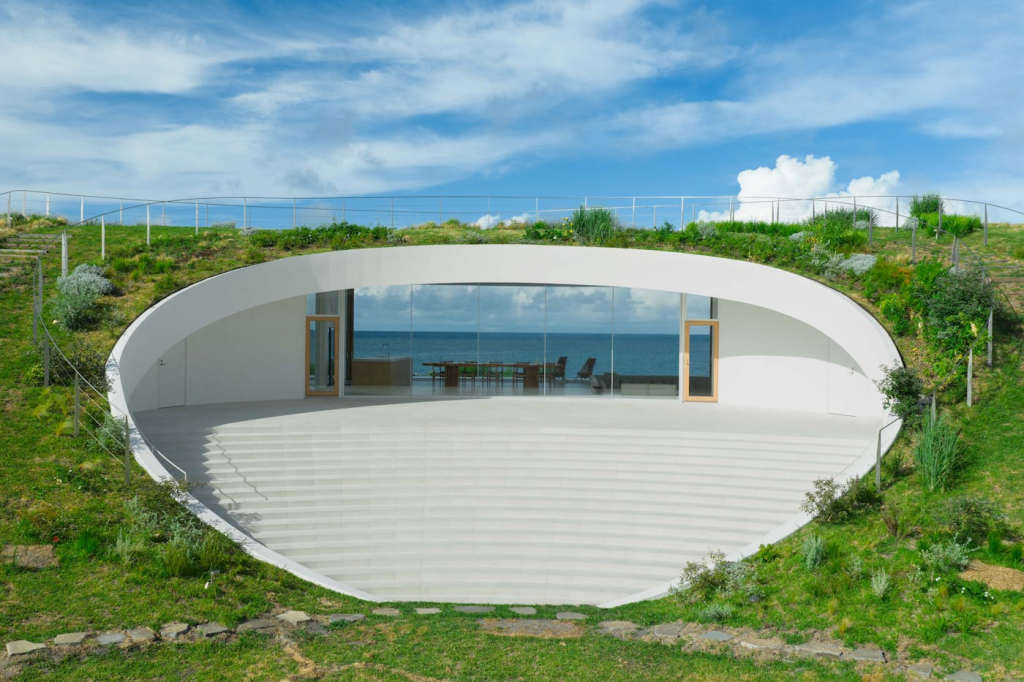
Not a Hotel has been revolutioning hospitality by building architect-designed spaces in remote locations across Japan catered to a group of discerning travellers who are also willing to delve into their pockets for fractional ownership. Its latest property is hidden on the subtropical shores of Ishigaki Island at the southern tip of the Okinawa region. Here, Sou Fujimoto has created a structure that almost wants to disappear into its surroundings. The four bedroom house can sleep up to ten people and is a circular cocoon that opens up to an airy living room with an infinity pool looking out toward the ocean. Those looking for more vegetation can turn into the property inner garden courtyard that sees lush plants crawling up the walls up to the roof, an immaculate fusion of untamed wilderness and the rigours of architecture.
Park Hyatt Kuala Lumpur, Malaysia
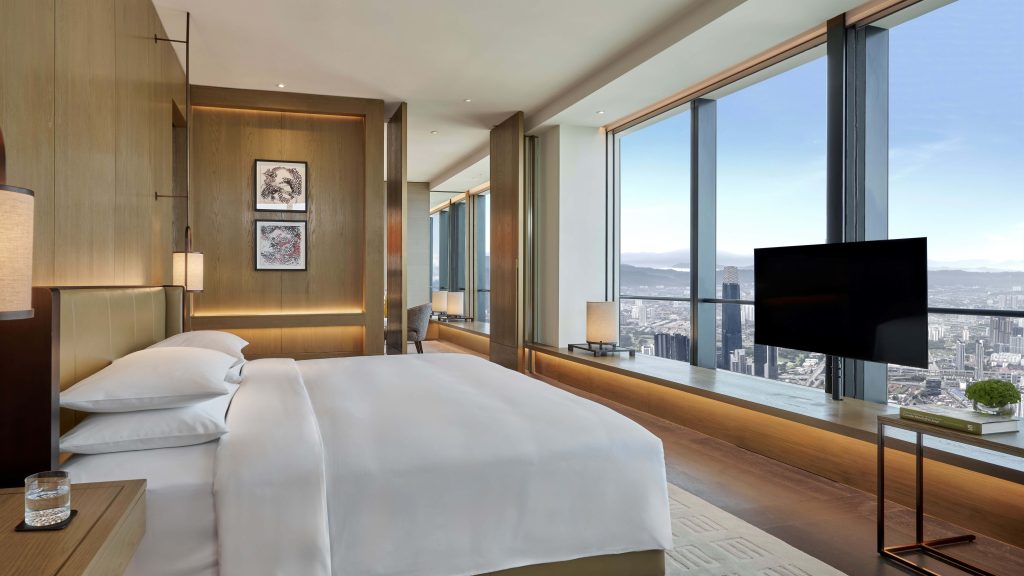
More than a decade in the making, Park Hyatt’s Malaysian debut floats between levels 75 and 114 of Merdeka 118, Asia Pacific’s tallest skyscraper, redefining luxury living in the skies. GA Group, the London-based studio behind luxury properties from Rosewood to Corinthia, spent over a decade on these interiors, which perfectly translate the brand’s signature style of understated luxury through clean lines, natural light and contemporary materials that nod to the traditional Malay kampung home. Traditional elements like batik, songket weaving and timber carving appear throughout – abstracted and refined – rooting the property in authenticity and cultural tradition. Designed for both relaxation and inspiration, all 252 rooms and suites feature expansive living areas, a full bath with a separate rain shower and aromatherapy shower steamer, double vanity, a walk-in dressing room, personal study area, and in select rooms, private dining spaces overlooking the cityscape. Three dining destinations claim level 75, each with its own mood. While a spa and wellness floor 99 stories up brings salt therapy, steam and stillness to the middle of the city.
Rosewood Miyakojima, Japan
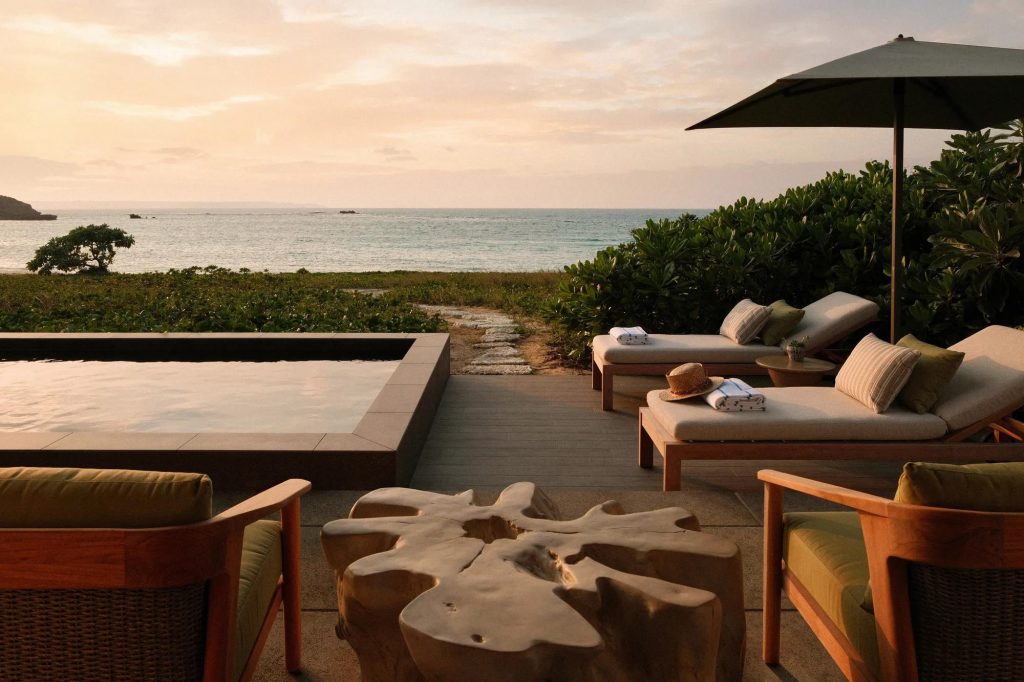
Set on the far-flung nature-drenched island of Miyakojima in Okinawa, the southernmost region of Japan, Rosewood Miyakojima – the Japan debut for the Hong Kong group – has been designed in deference to its surroundings. The resort’s architecture, by Dutch firm Studio Piet Boon, embraces the island’s natural beauty with a restrained, sand-toned palette of coral-derived Ryukyu limestone that embeds the property into the rugged landscape. A clean-lined collection of 55 concrete villas and houses in earthy shades sit on beaches, rocky shores and hillsides, alongside four restaurants and bars, a seafront infinity pool and an escapist wellness space. Beyond the resort’s landscaped grounds, utaki – spiritual sites important to Ryukyuan culture – are dotted throughout the island. Here, guests can glimpse Miyakojima’s soul, articulated by salt-laden air and the sound of waves meeting the shore. These moments of spirituality offer a rich connection to the land on which Rosewood Miyakojima sits, offering a deft balance of ruggedness and refinement and making a compelling case for wholehearted immersion.
Shinsho-an, Japan
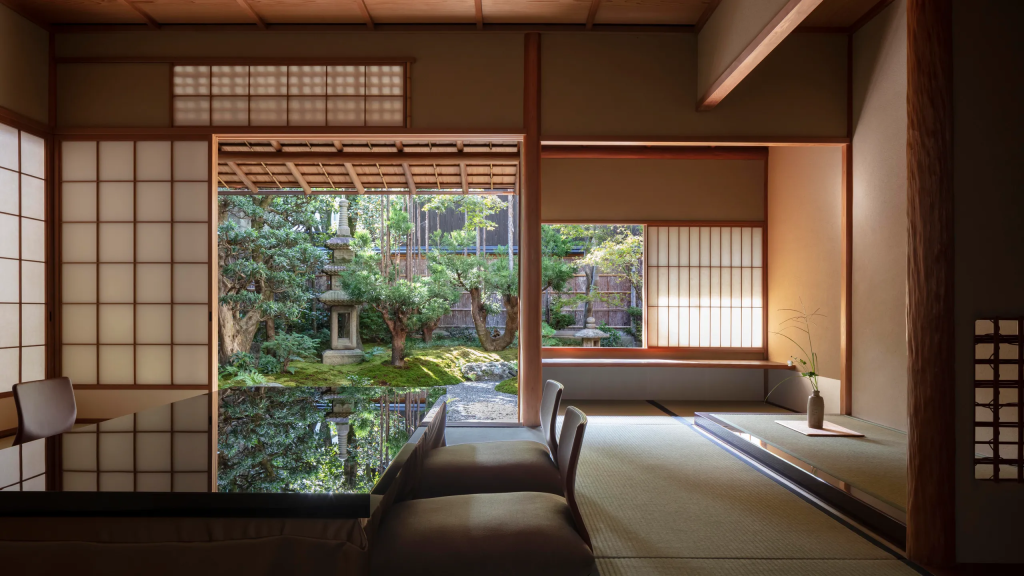
Designed by Kyoto-based architect Toshihito Yokuchi and built by sukiya architecture engineering specialist Nakamura Sotoji Komute, Shinsho An opened in 2021 as a four-suite only boutique hotel. Inconspicuously located in the foothills of Kyoto’s mountains, the property sits in the quiet, affluent district of Okazaki, a residential neighbourhood with galleries, temples, gardens, and shrines. A masterclass in the perfect mix between Japanese tradition and modern comfort, each room has been designed such that tradition and local craft and materials sit alongside the finest Scandinavian furniture. Each suite is uniquely decorated, a paean to Japanese craftsmanship, with timber bathtubs and large sitting rooms. Shinsho-an’s exclusivity extends to its dining establishments. Home to Higashiyama Ogata, the second Ogata restaurant in Kyoto, helmed by Toshihiro Ogata, who whips up a nine course dinner menus for a counter of guests based on the season, guests who might not be able to secure a spot at dinner have the pleasure of savoring breakfast prepared by the restaurant.
Six Senses Thimpu, Bhutan
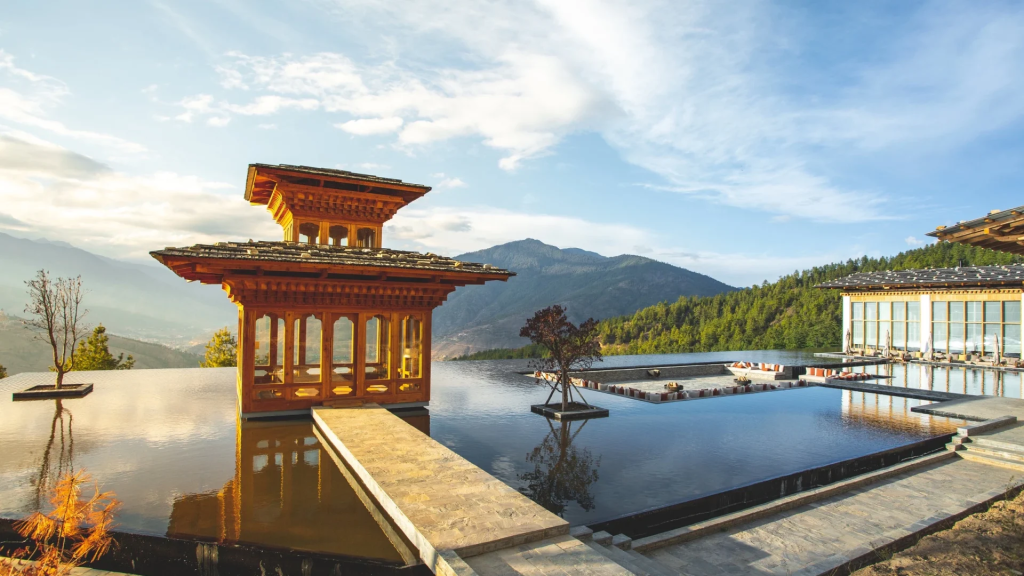
There’s nothing quite like walking into the foyer of the Six Senses Thimphu in Bhutan. Set high up in the hills of the country’s capital, guests pass through what look like fortress walls and find themselves above the towering mountains and even the clouds of the surrounding landscape. For those looking for respite, what better place for it than sipping bone broth in the main restaurant after a morning of meditation in the prayer pavilion right opposite the foyer looking out at endless sky. The property comprises 25 villas and suites all with living room, bedroom, balcony and walk in shower with bathtub. While almost everybody in Bhutan will have arranged a packed itinerary, the hotel offers a host of cultural activities such that even on a lazy day, guests can choose an afternoon tea where they try their turn at churning yak butter while waiting for their treats or participate in archery on the lawn in front of their lodges.
See also: A sanctuary of sustainability at Mandai Rainforest Resort by Banyan Tree