

“…Butterflies linger above delicate petals before drifting into place, quietly tracing the hour and the minute. Elsewhere, a man and a woman walk towards one another, meeting at the centre of a bridge in a moment of suspended romance. On the dial, time unfolds not in numbers, but in emotion. This is the unmistakable language of Van Cleef & Arpels—where time is not merely told, but felt…”
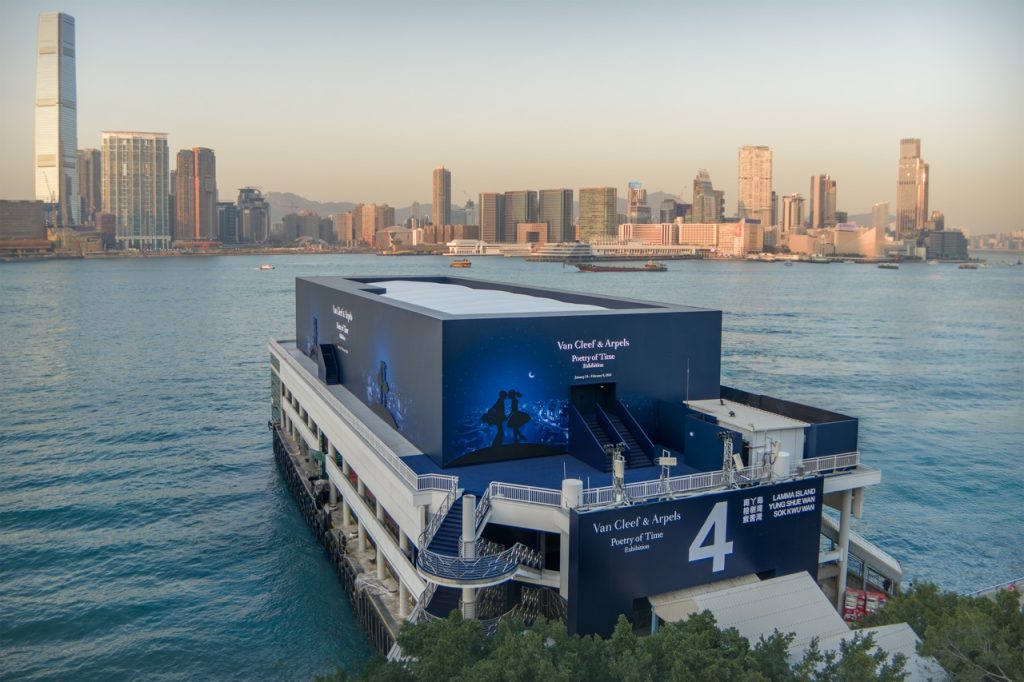
Set against the historic backdrop of Central Ferry Pier 4 in Hong Kong, ‘The Poetry of Time’ exhibition affirms the Maison’s singular ability to translate dreamlike narratives into horological artistry. From its earliest creations to its most contemporary expressions, Van Cleef & Arpels continues to blur the line between watchmaking and storytelling, transforming fleeting moments into enduring symbols of beauty.
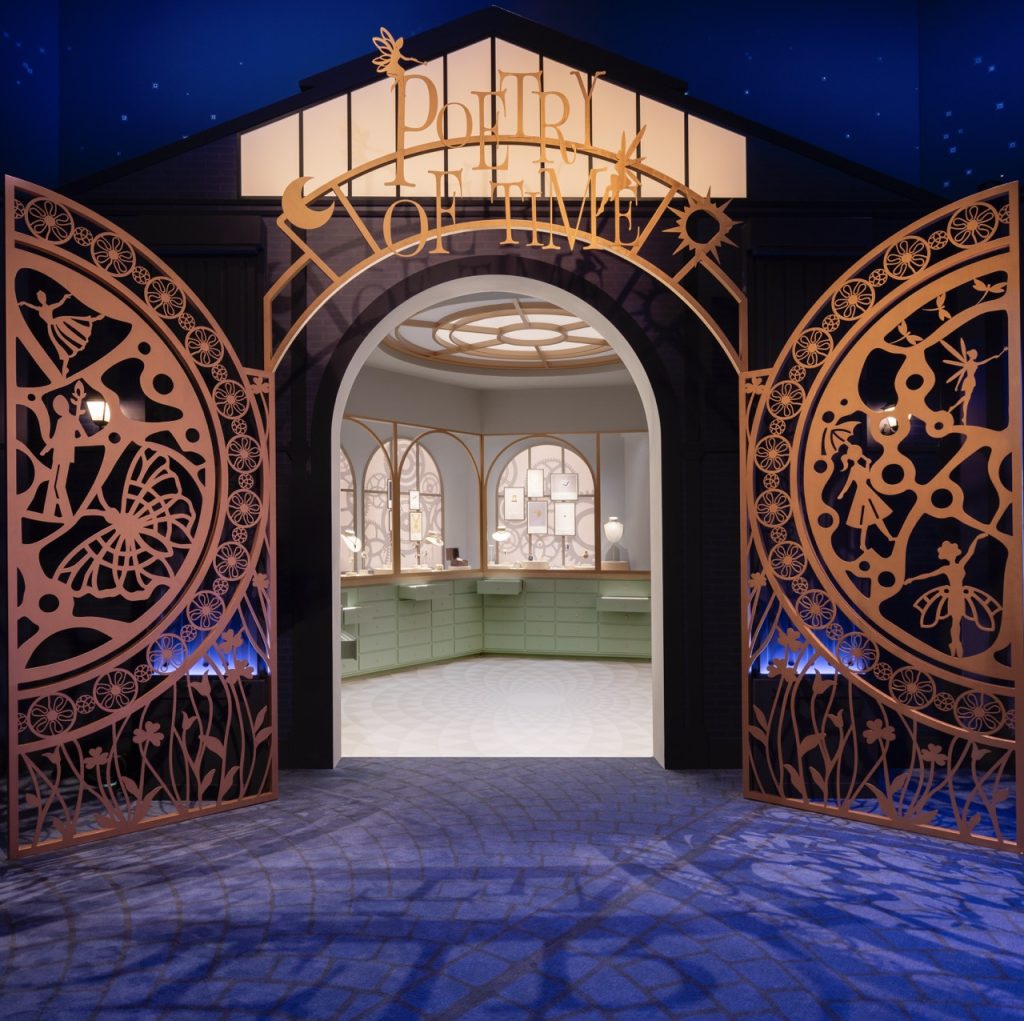
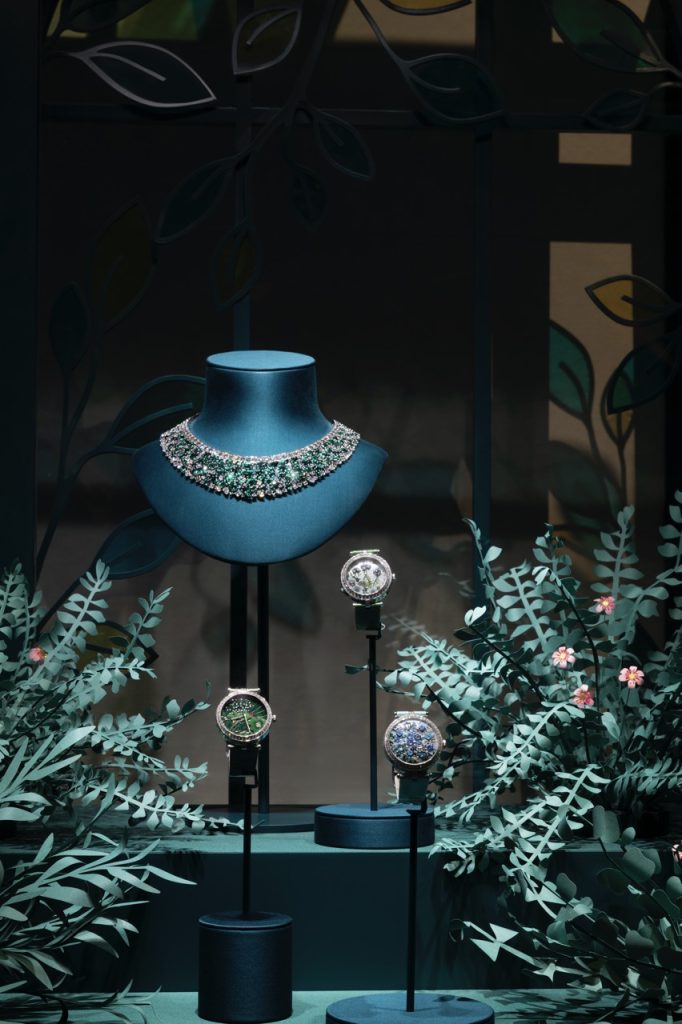
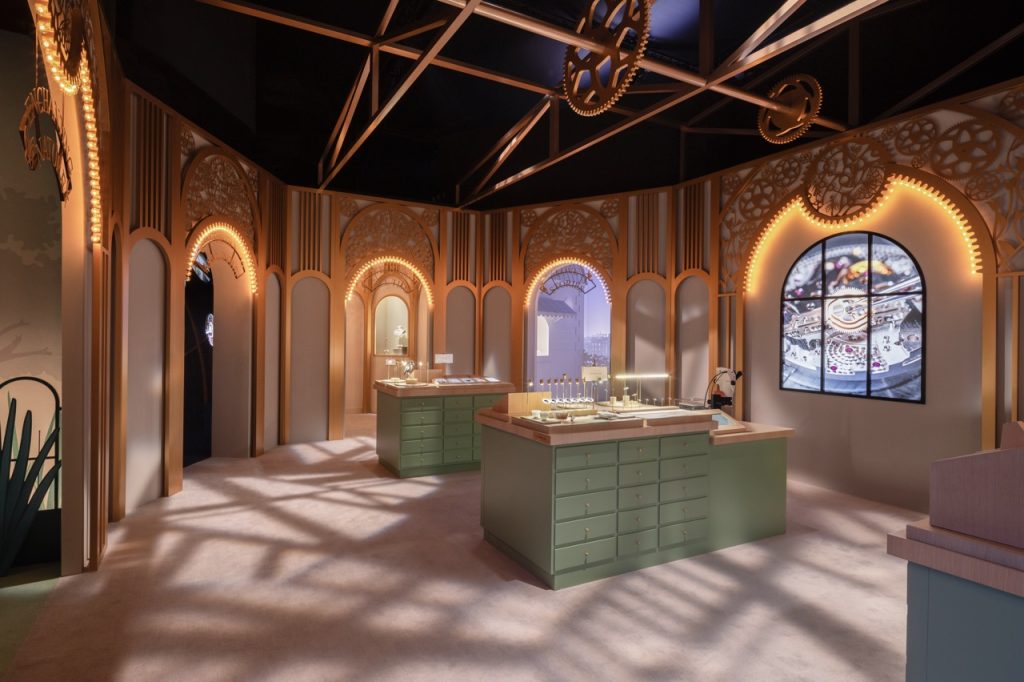
Transforming the upper level of Pier 4 into an intimate, museum-like journey through the Maison’s poetic universe. Each space unfolds around familiar themes—Enchanted Nature, Fairies and Ballerinas, Love Stories, and Poetic Astronomy—long-standing inspirations that shape the Maison’s approach to time. Together, they reveal a world where watches become miniature stages, animated by craftsmanship and imagination.
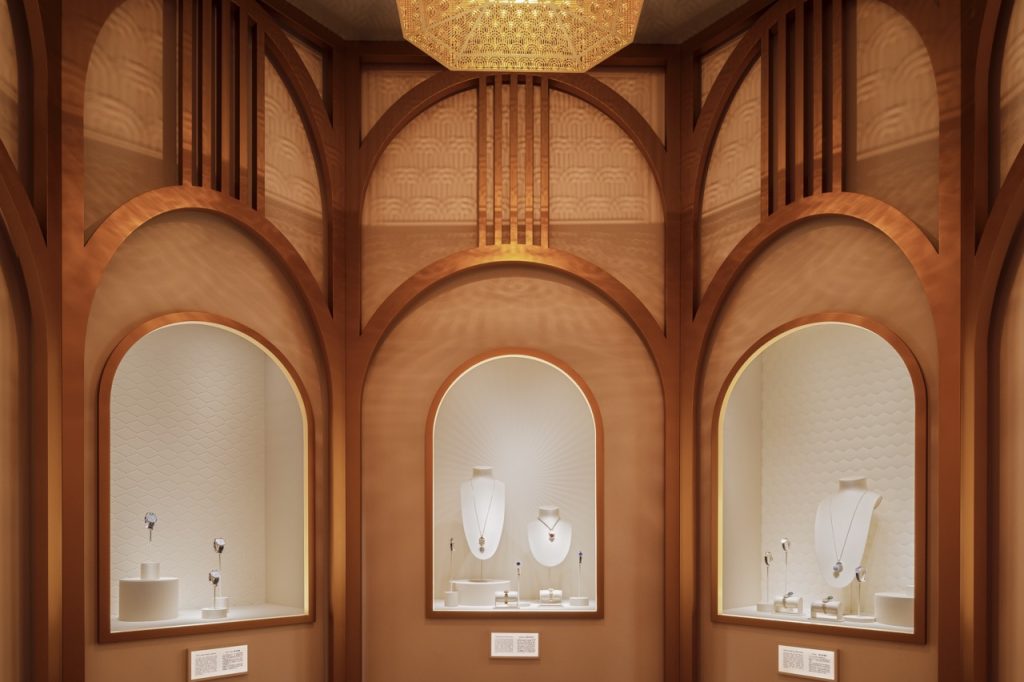
At the heart of the exhibition lies Patrimony, a quietly powerful section dedicated to rare heritage timepieces. Here, history speaks in whispers. Delicate watches from the 1910s and 1920s sit close to the wrist, designed to resemble jewellery at a time when women had yet to embrace the wristwatch as an everyday object. Their discreet dials and bracelet-like forms reflect an era when time was worn as an adornment. Nearby, the evolution of the Ludo watch—first introduced in 1934—demonstrates how Van Cleef & Arpels has preserved its original spirit while allowing its design language to flow effortlessly into the present. Elsewhere, ‘Jewels That Tell Time’ celebrates the Maison’s enduring mastery of turning precious materials into poetic instruments of time.
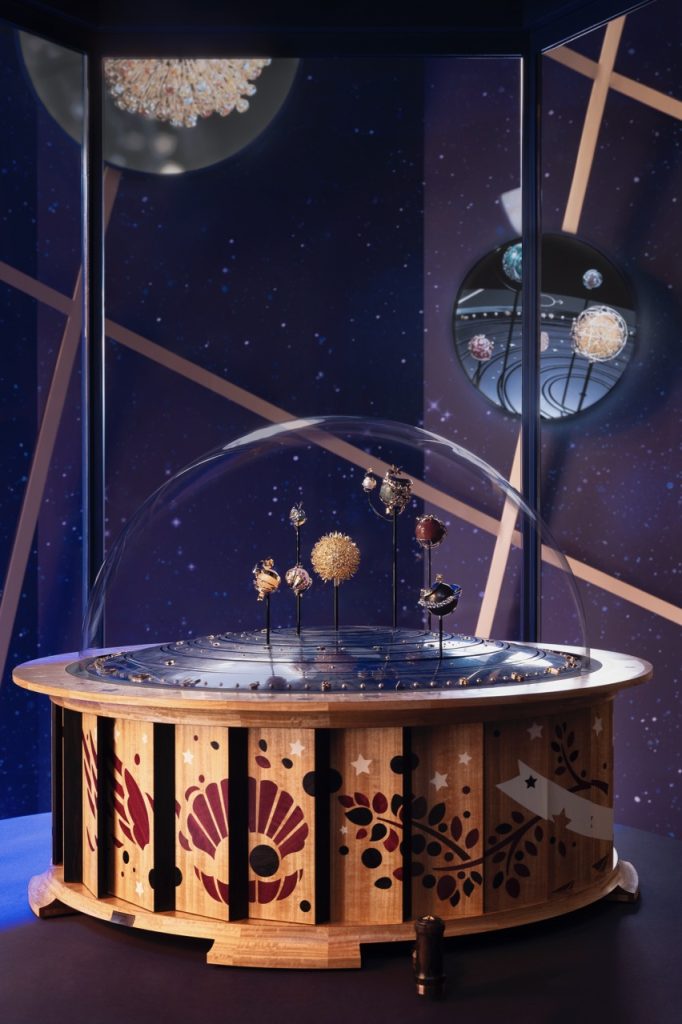
“In our watches, we combine watchmaking with Métiers d’Art, which encompasses all the different categories of craftsmanship,” explains Rainer Bernard, Head of Research and Development for Watchmaking at Van Cleef & Arpels. Throughout the exhibition, artisans demonstrate enamelling techniques live, offering a rare glimpse into the meticulous gestures behind each dial.The experience culminates in the Maison’s most mesmerising creations: automaton watches that move with intention and grace. In Naissance de l’Amour, a flower opens to reveal Cupid, emerging in a tender choreography of love. In Planétarium, the cosmos is scaled down into a celestial dance, where planets orbit in quiet harmony, turning the passage of time into something almost meditative. As one of the invited media, #legend_th spoke with Bernard about the philosophy behind ‘The Poetry of Time.’
#legend_th: How does the creation of a timepiece at Van Cleef & Arpels differ from the making of high jewellery, and where do these two disciplines naturally converge within the Maison?
RB: “The process is actually very similar. Whether it is a high jewellery piece or a watch, if it is narrative, everything starts with a story. You first need to know what you want to represent. Once the story is clear, we begin with the first sketches. For example, you might imagine two birds sitting on a branch, feeding their young. That image can be the starting point for both a watch and a high jewellery creation. In watchmaking, however, there is one additional dimension: animation. Unlike high jewellery, watches bring the story to life through movement. From the beginning, the creative studio, the watchmaking engineers, and the craftsmen work together. We develop the sketches, define the architecture, and discuss craftsmanship, because materials, weight, and dimensions all influence the animation. At the start, there are many questions to solve, and progress can be slow. Watchmaking adds an extra layer of complexity, as the animation must be integrated into the movement. Beyond that, the process remains quite similar. For high jewellery watches, we work closely with the high jewellery department in Paris, while the watchmaking is done in Geneva, and the two are combined through constant dialogue.”
#legend_th: Van Cleef & Arpels often speaks of ‘the Poetry of Time’. How does this philosophy influence the way watches are conceived, designed, and ultimately brought to life?
RB: “At the heart of the Poetry of Time is the idea that time itself becomes part of the story. Our first poetic complication, created in 2006 for the centenary of the Maison, featured a dial that rotated once per year, showing the changing seasons through enamel. The movement was so slow that you could not perceive it, yet it advanced every second. It expressed the slowness of time. In other watches, butterflies indicate hours and minutes as they fly across the dial, or flowers open and close every hour. The intention is always to express time through a story. These watches invite the wearer to slow down. Reading the time requires observation and patience. You follow the movement, look for the butterfly, and discover the hour and minute. This moment of pause takes you out of the frenzy of everyday life and draws you into the narrative. Despite this poetic display, the watches remain technically precise. When an animation is activated, the mechanism integrates the elapsed seconds into the time indication. Nothing is lost; everything is synchronised. That is where the magic lies.”
#legend_th: In watches that combine animation with timekeeping, how do these two independent mechanisms coexist without interfering with one another?
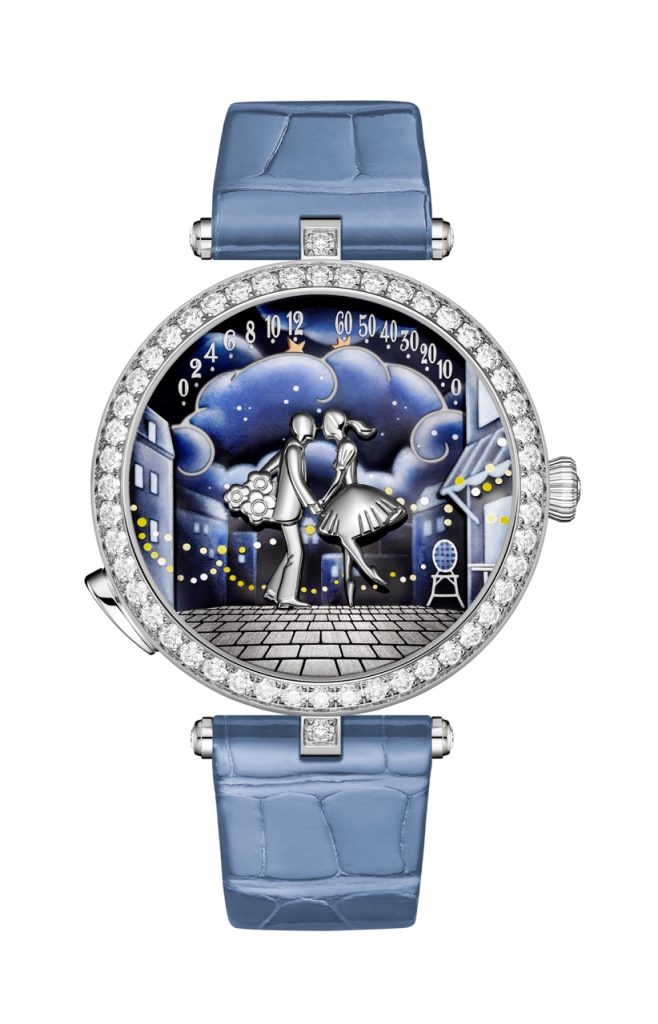
RB: “This requires very careful engineering and synchronisation. In watches such as Pont des Amoureux, the time is indicated independently, while the automaton activates at specific moments, such as noon and midnight. The animation must align perfectly with the time indication. Additionally, the watch must allow on-demand animation without affecting the accuracy of timekeeping. When an animation is triggered, the system compensates for the elapsed time so the display remains correct. Every second is accounted for. This demands extensive testing, experimentation, and experience. Even today, each new creation presents a fresh challenge.”

#legend_th: what does the concept of ‘time’ represent for Van Cleef & Arpels, and how does the Maison seek to express this vision through its watches?
RB: “Time is perhaps the most precious thing we have, more precious than money, because it is limited. Our watches are not primarily about measuring time with absolute precision, even though they are precise instruments. Instead, we aim to offer different ways of appreciating time: its passage, its slowness, and its beauty. Through lovers kissing, butterflies flying, or flowers blooming, we remind people to cherish time and be conscious of it. Our creations bring time to the forefront, not as a constraint, but as something to be celebrated.”

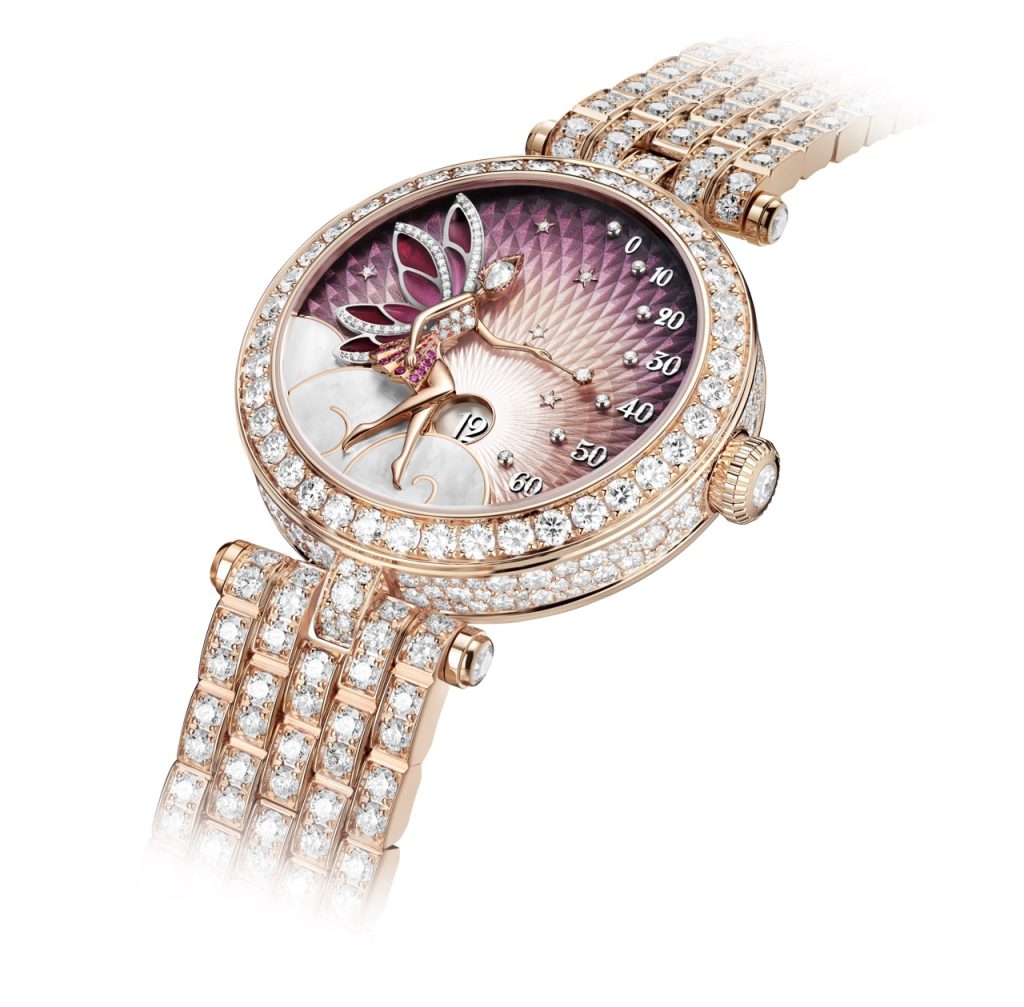
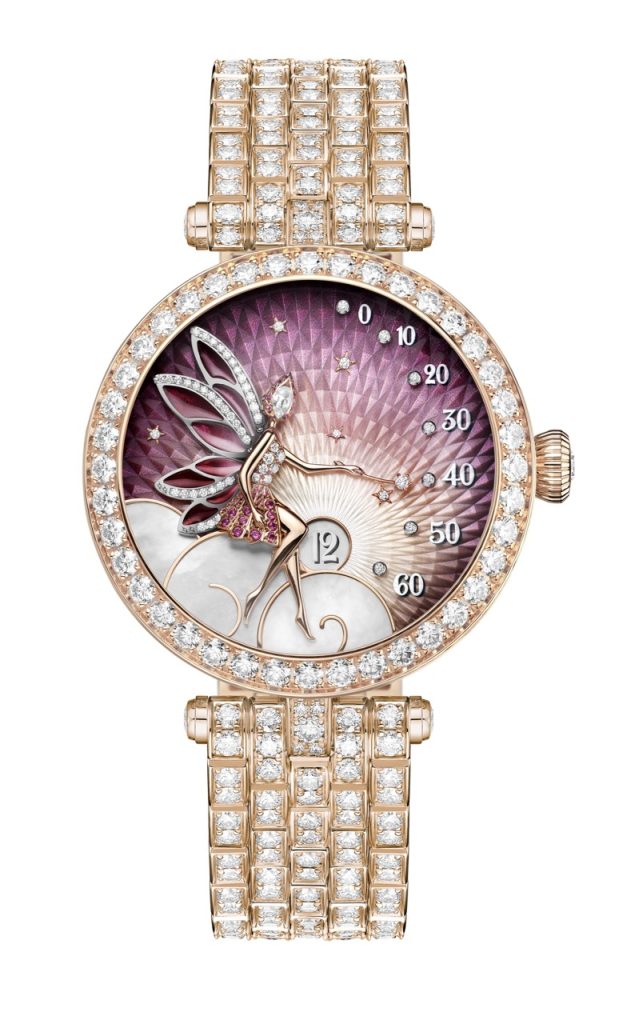
The Poetry of Time’ is far more than an elegant expression. It stands as a quiet yet powerful testament to Van Cleef & Arpels’ devotion to timekeeping shaped by emotion, and intention. “We will continue to tell time through beautiful stories and find new ways to integrate time into these narratives.” Rainer Bernard reflects. “This is what we love, and it will always remain at the very heart of our watchmaking.”