
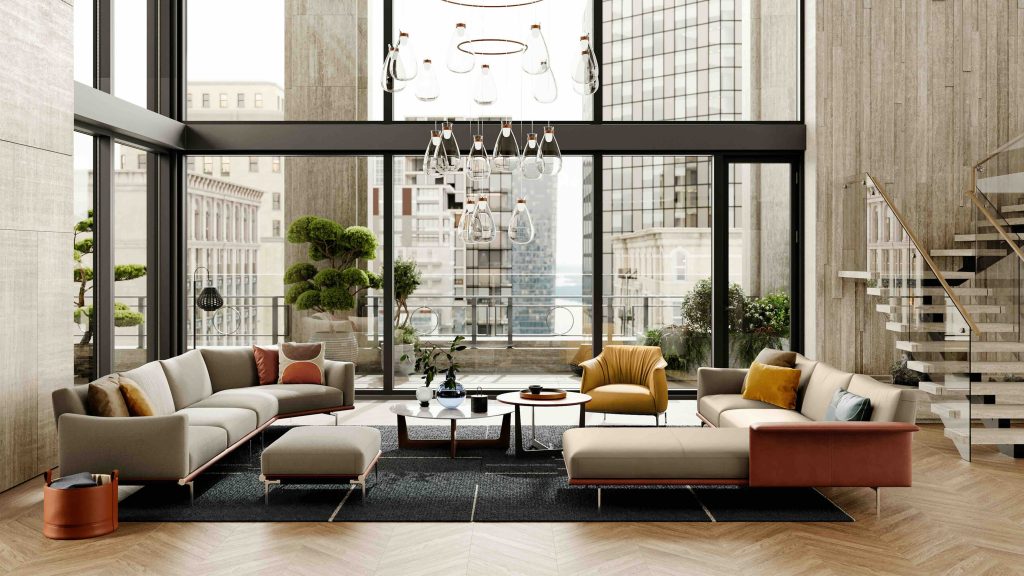

It is a name that scarcely requires introduction within the world of luxury furniture. Yet, when one looks beyond the familiar image of Poltrona Frau as merely an Italian high-end furniture house, it becomes evident that its century-long position at the very top tier of the global industry is not sustained by aesthetics or craftsmanship alone.
Rather, it is the result of a carefully constructed system of design, one that seamlessly weaves together history, innovation, and culture with remarkable sophistication. In this piece, #Legend_th invites you to explore the essence behind this enduring excellence.
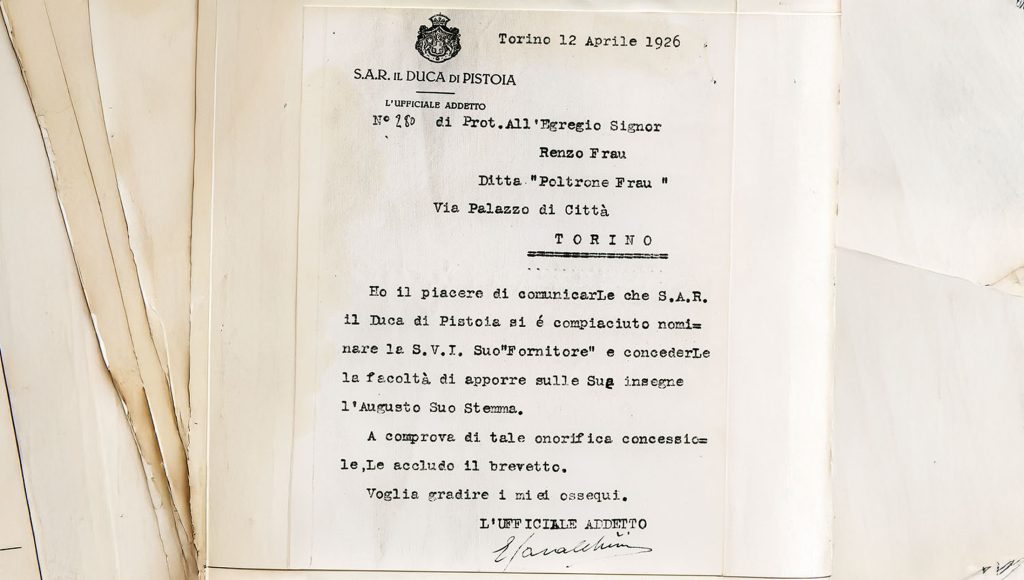
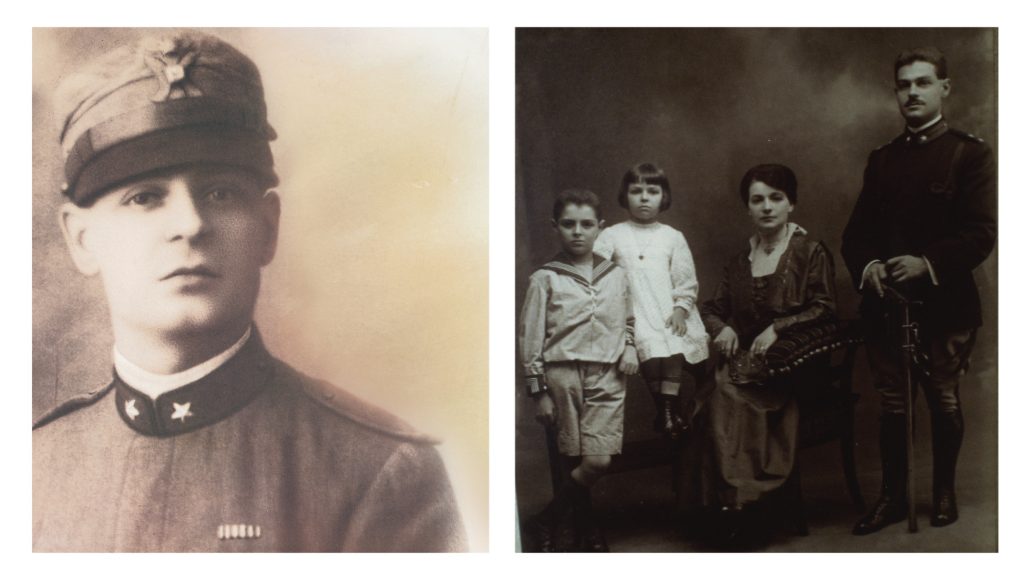
Founded in 1912 by Renzo Frau, the emergence of Poltrona Frau was never intended to be a conventional business venture. From the outset, it was strategically positioned within the upper echelons of society. Within a short period, the brand became a preferred supplier to Italy’s elite, including the Royal House of Savoy in the 1920s.

This early positioning was crucial. It established a form of cultural capital that shaped the brand’s trajectory, growing not through mass appeal, but through elite endorsement. Over time, this approach evolved into a defining code that continues to underpin the brand’s identity today. With a strong foundation in place, the brand expanded beyond residential furniture into projects of national significance.
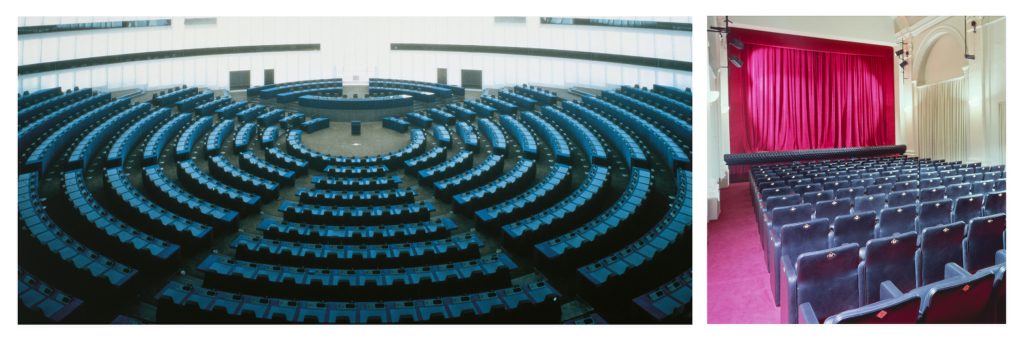
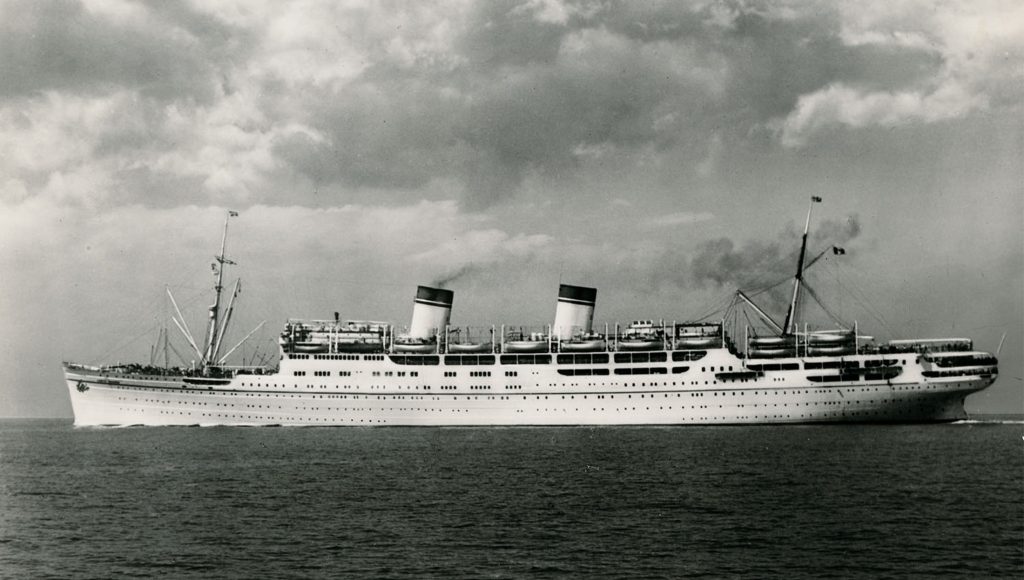
Poltrona Frau contributed to the interiors of the Italian Parliament and the famed ocean liner Rex, an emblem of its era, alongside projects in automotive, aviation, and architectural design worldwide. This marked a pivotal transformation: from producing furniture to shaping what could be described as the architecture of power and culture.
However, strategic positioning alone would not suffice without substance. What truly distinguishes Poltrona Frau is its ability to translate craftsmanship into a tangible and measurable system. From a 21-step leather tanning process to the use of full-grain leather dyed throughout, ensuring that wear does not reveal underlying layers, and with over 95% of production still reliant on skilled human hands, the brand’s commitment is not merely aesthetic, but structural. In this context, quality is not a perception. It is an engineered reality.
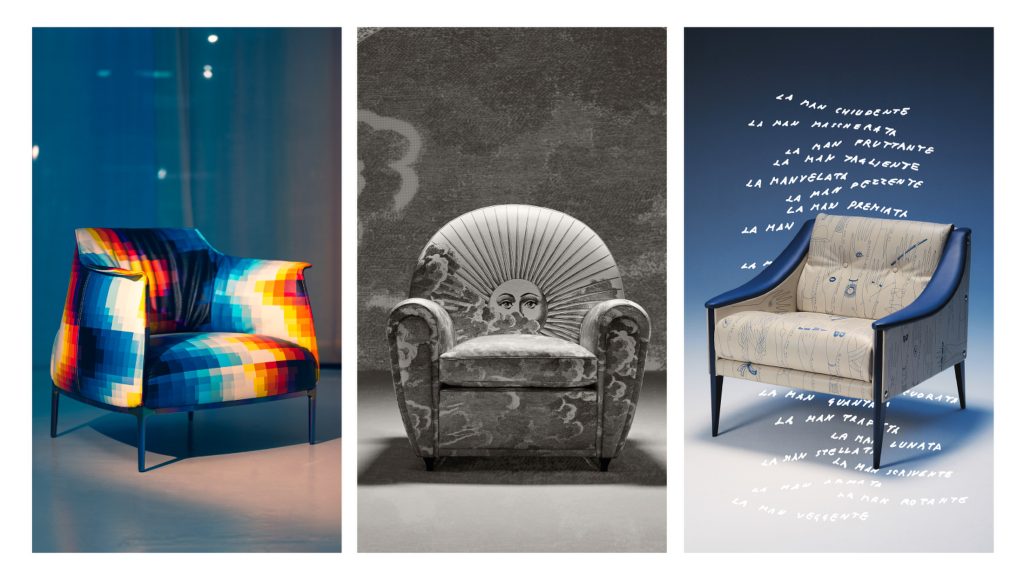
Among its most iconic creations, the Vanity Fair Armchair, first introduced in 1930, stands as a definitive example of timeless design. More than a classic, it is a testament to the idea that true beauty does not fade with time. Crucially, Poltrona Frau has never confined itself to preservation. Instead, it continually reinterprets its heritage to suit contemporary contexts. For the brand, evolving a masterpiece is not an act of dilution, but one of preservation, ensuring its relevance across generations.
A significant turning point emerged in the 1960s, when the brand began collaborating with external designers. Among them was Gio Ponti, a leading figure in Italian design. These collaborations were not driven by trends, but by a desire to explore new creative possibilities, establishing a dialogue between legacy and modernity that continues to define the brand’s evolution.
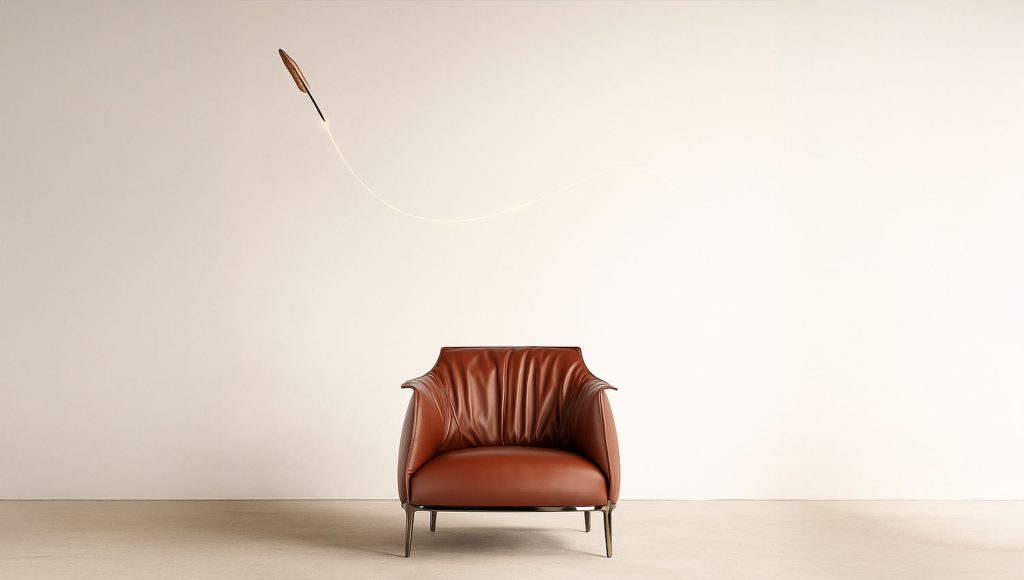
In 2014, Poltrona Frau was acquired by Haworth, a major American office furniture group. Yet rather than diluting its identity, this structural shift expanded its global reach while preserving its Italian essence. At the same time, the brand became part of a wider design ecosystem alongside names such as Cassina and Cappellini, further solidifying its role as a central force within the international design landscape.
Ultimately, the enduring relevance of Poltrona Frau lies not in its pursuit of modernity, but in its profound understanding of balance, knowing precisely what must evolve, and what must remain. It is within this equilibrium that the brand transcends its category. No longer merely a furniture maker, Poltrona Frau stands as a living legacy, one that continues to shape, and be shaped by, the passage of time.